
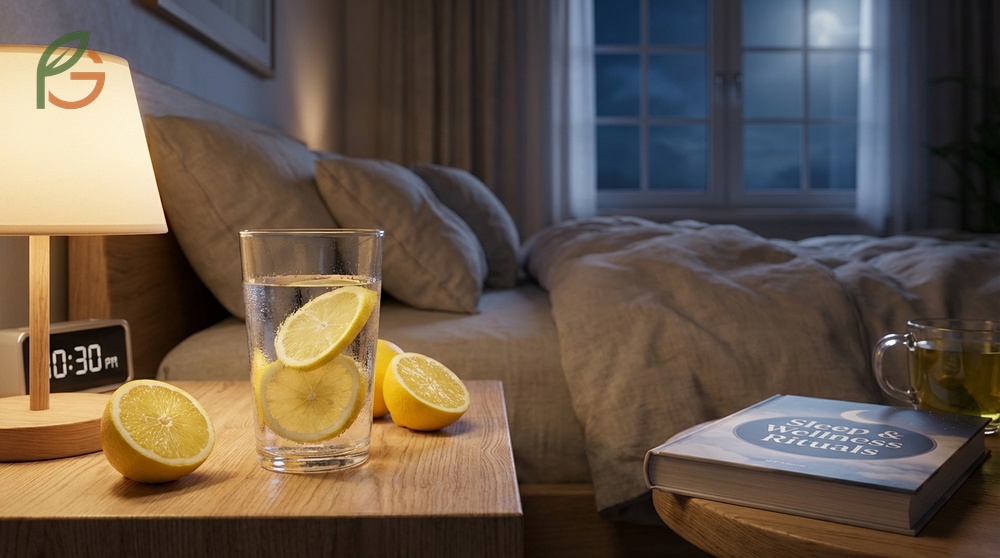
Lemon water before bed can support better sleep quality and overnight hydration. Studies show that proper fluid intake correlates positively with REM sleep length and sleep efficiency[1], while lemons provide 34mg of vitamin C per fruit to support immune function. FruitGarden synthesizes current nutritional research to help you understand how this simple bedtime ritual can fit into your wellness routine.
Quick Answer
- Hydration boost: Drinking water before bed improves REM sleep duration and overall sleep efficiency[1]
- Vitamin C support: Each lemon delivers 34mg vitamin C[2], supporting immune function overnight
- Digestive benefits: Citric acid promotes intestinal health by enhancing villus-crypt ratio[3]
- Best temperature: Warm lemon water at 98-104°F (37-40°C) supports digestion without burdening the stomach[4]
Lemon Water Before Bed
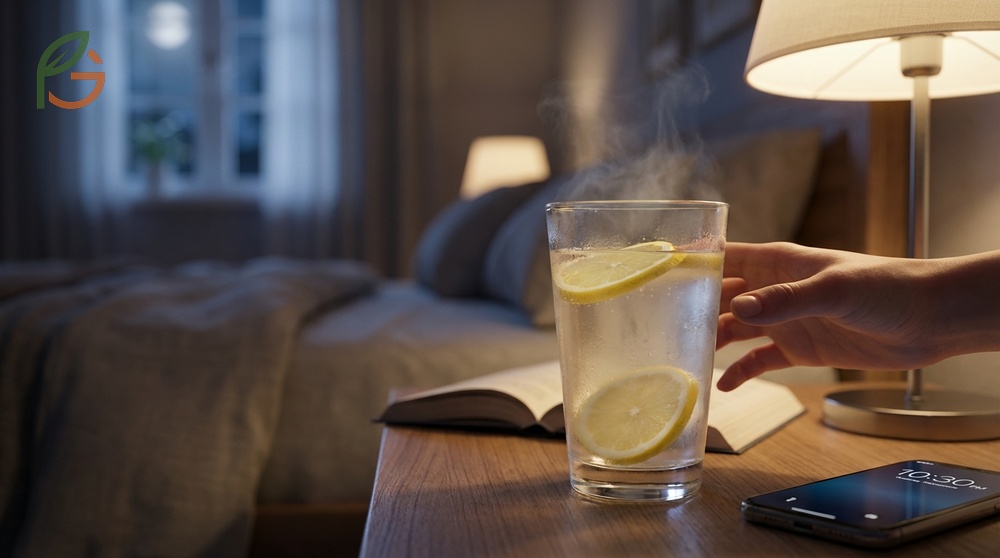
Research shows that timing your lemon water consumption can affect how well it works for your body. When you drink it before bed, you’re giving your digestive system a gentle boost during the body’s natural overnight repair cycle[4]. The citric acid in lemons stimulates bile production, which aids fat digestion and supports gut health[3].
What often gets overlooked is that lemon water’s effectiveness depends on both the temperature and when you drink it. Current nutritional data indicates that warm water helps break down food more smoothly than cold water[4]. This matters because your digestive system slows down at night, so you don’t want to burden it with cold liquids that require extra energy to process.
The vitamin C content in lemons provides additional benefits during sleep. Studies demonstrate that vitamin C supports immune function and acts as an antioxidant to reduce oxidative stress[2]. Since your body undergoes repair processes during sleep, having these nutrients available can optimize those healing mechanisms.
Sleep Quality Connection
Evidence suggests a direct link between hydration and sleep quality. A 2025 study found that fluid intake correlates positively with REM sleep length, with a strong correlation coefficient of 0.800[1]. This means the more adequately hydrated you are, the longer and more restorative your REM sleep becomes.
However, there’s a balance to strike. Drinking too much liquid right before bed can lead to nighttime bathroom trips that disrupt your sleep cycle. Most experts recommend consuming 6-8 ounces (175-240mL) of lemon water about 30-60 minutes before bedtime to allow for proper absorption without causing frequent urination.
Vitamin C and Immune Support
Each medium lemon without peel provides approximately 34mg of vitamin C[2]. When you squeeze half a lemon into your bedtime water, you’re getting about 17mg of this essential nutrient. That’s roughly 19% of the recommended daily intake for adults.
Research demonstrates that vitamin C supports the immune system’s ability to fight off infections. During sleep, your body produces cytokines—proteins that help fight inflammation and infection[4]. Having adequate vitamin C available during these nighttime hours can enhance this immune response.
- Supports white blood cell function during overnight immune system activity
- Acts as an antioxidant to neutralize free radicals produced during metabolism
- Enhances collagen production for tissue repair during sleep cycles
- Helps iron absorption from evening meals, improving energy for the next day
- Reduces duration and severity of common cold symptoms when consumed regularly
Important Note: If you have acid reflux or GERD, drinking lemon water before bed might worsen symptoms. The citric acid can trigger heartburn in sensitive individuals, so it’s best to consume it earlier in the evening or skip it altogether if you experience discomfort.
Drinking Lemon Water Before Bedtime
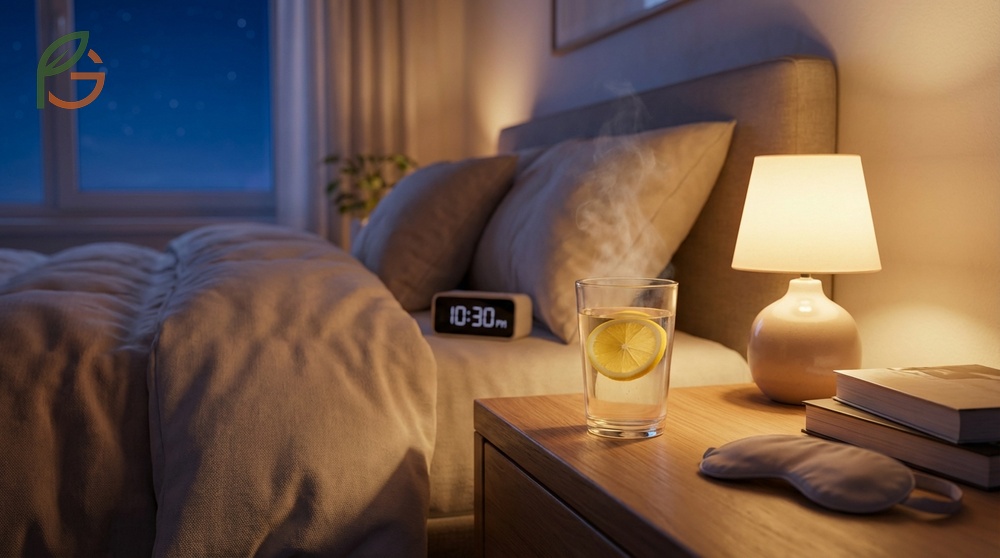
The ritual of drinking lemon water before bedtime has gained popularity in wellness circles, but what does science actually say? Studies show that establishing a consistent hydration routine before sleep can improve overall sleep efficiency[1]. The key is creating a habit that signals to your body it’s time to wind down.
Most people find that room temperature or slightly warm water works best for evening consumption. Cold water can be jarring to your system and may actually interfere with the relaxation process you’re trying to achieve. The warmth of the water, combined with lemon’s natural aroma, can create a calming sensory experience.
Current data indicates that the body loses approximately 1 liter of water overnight through respiration and perspiration. Starting this rehydration process before bed, rather than waiting until morning, can help maintain better fluid balance throughout the night[4].
Optimal Timing
Timing matters when it comes to bedtime lemon water. Drinking it too close to sleep can lead to disrupted rest from bathroom trips, while drinking it too early means you miss out on the overnight benefits. Research suggests the sweet spot is 30-60 minutes before you plan to sleep.
This window allows your body enough time to process the liquid and absorb the nutrients without causing frequent urination. It’s also enough time for the citric acid to begin stimulating digestive enzymes that’ll work while you sleep[3].
Digestion Benefits
Citric acid in lemons plays a significant role in digestive health. Research demonstrates that citric acid enhances the small intestinal villus-crypt ratio, which improves the digestive and absorptive capacity of your gut[3]. This means your intestines can process nutrients more efficiently.
Additionally, citric acid increases populations of beneficial gut bacteria like Bifidobacterium and Lactobacillus. These probiotics support overall digestive health and can help prevent issues like constipation and bloating.
- Stimulates bile production in the liver for better fat digestion overnight
- Promotes gentle bowel movements in the morning due to increased hydration
- Supports growth of beneficial gut bacteria during sleep repair cycles
- Enhances nutrient absorption from your evening meal
- Reduces bloating by improving intestinal motility
Warm Lemon Water Before Bed
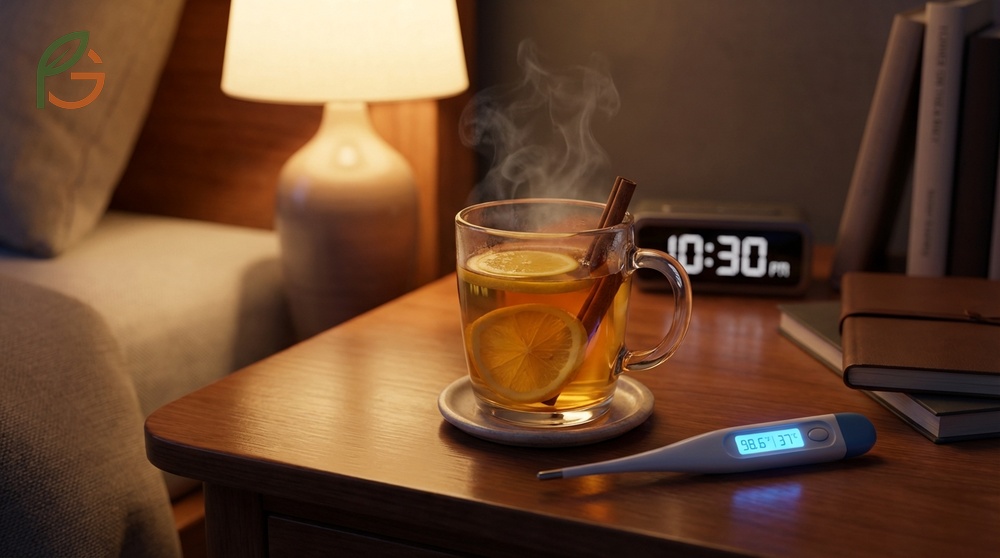
Temperature makes a difference in how your body processes lemon water at night. Warm water, specifically in the range of 98-104°F (37-40°C), offers distinct advantages over cold or room temperature alternatives[4]. At this temperature, the water doesn’t require your body to expend extra energy heating it to match your internal temperature.
Research shows that warm water helps break down food particles more effectively than cold water. This becomes especially important at night when your digestive system naturally slows down[4]. The warmth can also have a soothing, almost meditative quality that helps signal to your nervous system it’s time to relax.
Many people report that warm lemon water feels gentler on the stomach compared to cold versions. This gentler approach means less risk of digestive discomfort that could interfere with falling asleep. The warmth can also help relax tense muscles and reduce stress after a long day.
To prepare warm lemon water properly, heat water to a comfortable temperature—not boiling, which can destroy some of the vitamin C. Squeeze half a fresh lemon into 6-8 ounces of warm water. You can add a small amount of honey if desired, though this adds calories and sugar that might not align with your health goals.
Temperature Tip: Water that’s too hot can damage tooth enamel and destroy some of lemon’s beneficial compounds. Aim for a temperature you’d use for drinking tea—warm enough to be soothing but not so hot that you need to wait before drinking.
This table compares the effects of different water temperatures on lemon water consumption before bed, including digestion impact, nutrient preservation, and sleep quality effects
| Temperature | Digestion Impact | Nutrient Preservation | Sleep Quality Effect |
|---|---|---|---|
| Cold (35-50°F / 2-10°C) | Slows digestion, requires extra energy to warm | Preserves all vitamin C | May be jarring, less relaxing |
| Room temp (68-72°F / 20-22°C) | Neutral impact, gentle on stomach | Preserves all vitamin C | Moderate relaxation benefit |
| Warm (98-104°F / 37-40°C)[4] | Enhances digestion, breaks down food efficiently | Preserves most vitamin C | Promotes relaxation, better sleep prep |
| Hot (>140°F / >60°C) | Can irritate stomach lining | Degrades vitamin C significantly | Too stimulating before bed |
- Heat filtered water to 98-104°F (37-40°C)—warm to touch but not hot
- Squeeze half a fresh lemon (about 1-2 tablespoons of juice) into the water
- Stir gently and drink slowly over 5-10 minutes
- Rinse mouth with plain water afterward to protect tooth enamel from citric acid
- Wait 30-45 minutes before lying down to allow for proper digestion
Side Effects of Lemon Water at Night
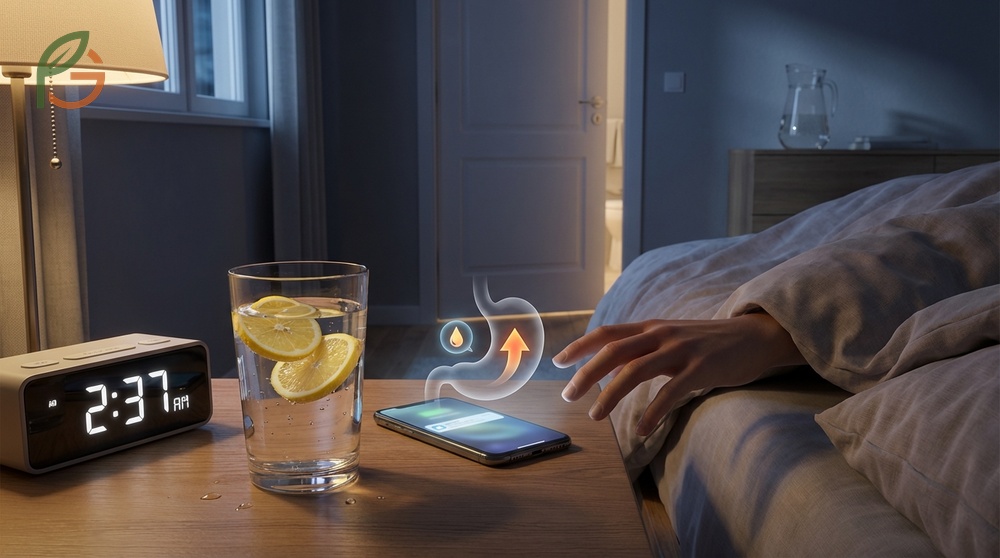
While lemon water offers benefits, it’s not right for everyone at bedtime. The citric acid that provides digestive benefits can also cause problems for some people. Studies indicate that lemon juice can trigger acid reflux and heartburn, especially in individuals with sensitive stomachs[5].
The diuretic effect of lemon water presents another consideration. Vitamin C acts as a natural diuretic, increasing urine production in the kidneys[5]. This means drinking lemon water right before bed might lead to multiple bathroom trips during the night, disrupting your sleep cycle and defeating the purpose of the bedtime ritual.
Tooth enamel erosion is a real concern with regular lemon water consumption. The citric acid can gradually wear down tooth enamel, making teeth more sensitive and prone to decay[5]. This risk increases if you’re drinking lemon water right before bed and not rinsing your mouth afterward.
- Increased nighttime urination disrupting sleep cycles
- Acid reflux or heartburn in people with GERD or sensitive stomachs
- Tooth enamel erosion from prolonged acid exposure overnight
- Mild dehydration if diuretic effect causes excessive fluid loss
- Stomach irritation when consumed on an empty stomach before bed
- Interference with certain medications that interact with citrus
Dental Protection: Always rinse your mouth with plain water after drinking lemon water, especially before bed. This helps neutralize the acid and protect your tooth enamel. Wait at least 30 minutes before brushing your teeth, as brushing immediately after can damage softened enamel.
For people with gastroesophageal reflux disease (GERD), drinking acidic beverages before bed can worsen symptoms. The horizontal position during sleep makes it easier for stomach acid to flow back into the esophagus[5]. If you experience burning sensations or discomfort after trying lemon water at night, it’s best to avoid it or consume it earlier in the evening.
Some individuals report stomach cramping or nausea when drinking lemon water on an empty stomach at night. This reaction varies by person and often depends on how acidic the mixture is. Starting with a smaller amount of lemon juice and gradually increasing can help your body adjust.
Bedtime Hydration Routine
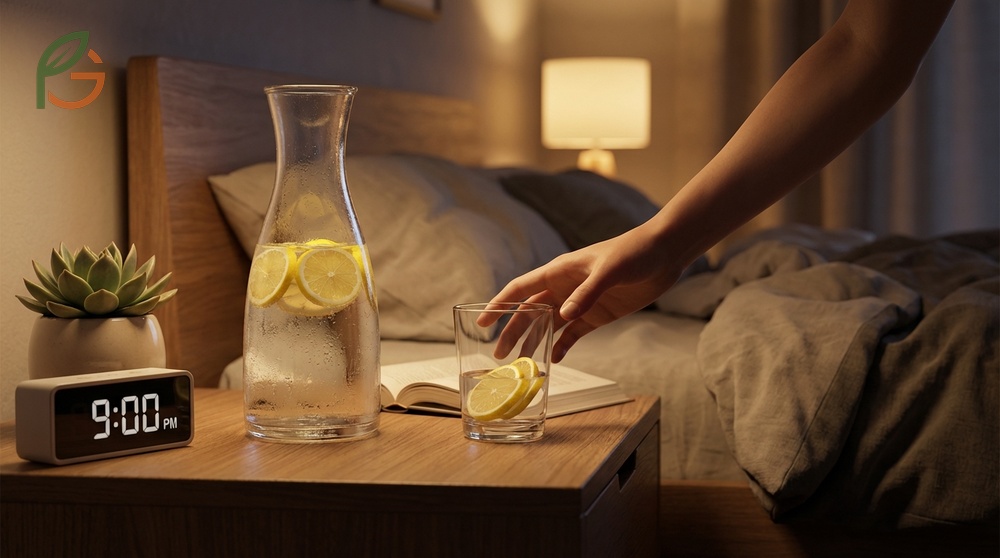
Creating a consistent bedtime hydration routine goes beyond just drinking lemon water. Research demonstrates that establishing regular pre-sleep habits can improve overall sleep quality and duration[1]. The key is making hydration part of a broader wind-down ritual that signals to your body it’s time to rest.
Start your routine about 60-90 minutes before your target bedtime. This gives you enough time to hydrate properly while allowing your body to process fluids before you lie down. Begin by assessing your hydration needs—if you’ve exercised or spent time outdoors, you might need more fluid than on sedentary days.
A good baseline is 6-8 ounces of warm lemon water consumed slowly over 10-15 minutes. Sipping rather than gulping helps your body absorb the water more efficiently and reduces the likelihood of needing to urinate shortly after lying down. This mindful drinking also creates a calming ritual that can reduce stress and anxiety.
After finishing your lemon water, rinse your mouth with plain water to protect tooth enamel. Then, continue your wind-down routine with other relaxing activities like light stretching, reading, or meditation. Avoid screens for at least 30 minutes before bed, as blue light can interfere with melatonin production.
- Drink 6-8 ounces of warm lemon water 45-60 minutes before bed
- Sip slowly over 10-15 minutes rather than drinking quickly
- Rinse mouth with plain water to neutralize citric acid on teeth
- Combine with other relaxation practices like deep breathing or gentle stretching
- Avoid additional fluids in the final 30 minutes before sleep
- Keep bedroom temperature cool (65-68°F / 18-20°C) to support quality sleep
- Use dim lighting during your routine to encourage melatonin production
Consistency Matters: Your body thrives on routine. Try to maintain the same bedtime hydration schedule even on weekends. After 2-3 weeks, your body will start to recognize this pattern as a sleep cue, making it easier to fall asleep and stay asleep throughout the night.
Consider pairing your lemon water routine with other natural sleep aids. Some people add a small amount of chamomile tea to their lemon water for additional relaxation benefits. Others practice gratitude journaling or gentle yoga poses after drinking their lemon water. The goal is to create a multi-sensory experience that prepares your mind and body for restorative sleep.
Track how you feel over several weeks to determine if the routine works for you. Pay attention to sleep quality, morning energy levels, and digestive comfort. If you’re waking frequently to urinate, adjust the timing or reduce the amount of liquid. The ideal routine should enhance sleep, not disrupt it.
Conclusion
The evidence is clear: lemon water before bed can support better hydration and sleep quality when consumed properly. Research confirms that adequate fluid intake correlates with improved REM sleep and overall sleep efficiency[1], while the 34mg of vitamin C per lemon[2] supports immune function during overnight repair processes.
Current guidance emphasizes finding the right balance—drinking enough to stay hydrated without causing sleep disruptions from frequent bathroom trips. For most people, 6-8 ounces of warm lemon water 45-60 minutes before bed provides optimal benefits without side effects. FruitGarden encourages you to experiment with timing and temperature to discover what works best for your body’s unique needs.
Medical Disclaimer
Important Medical Disclaimer: This content is for informational and educational purposes only. It’s not intended as a substitute for professional medical advice, diagnosis, or treatment. Always consult a qualified healthcare professional before making any changes to your diet, hydration routine, or health practices, especially if you have acid reflux, GERD, kidney issues, or other medical conditions. Individual results may vary, and what works for one person may not work for another.
Frequently Asked Questions
Does Lemon Water Before Bed Help You Sleep Better?
Studies show that proper hydration before bed can improve REM sleep length and sleep efficiency, with fluid intake showing a strong correlation of 0.800 with REM sleep duration[1]. However, drinking too close to bedtime may cause sleep disruptions from bathroom trips, so timing matters more than the lemon water itself.
Can Lemon Water Before Bed Cause Weight Loss?
There’s no direct evidence that lemon water causes weight loss. While staying hydrated supports metabolism and the citric acid aids digestion[3], weight loss requires a calorie deficit. Lemon water can be part of a healthy routine but won’t cause weight loss on its own.
Will Drinking Lemon Water at Night Make Me Urinate More?
Yes, vitamin C in lemons has diuretic properties that increase urine production[5]. Drinking lemon water right before bed may lead to nighttime bathroom trips. To minimize disruption, consume it 45-60 minutes before bedtime and limit the amount to 6-8 ounces.
Is Warm or Cold Lemon Water Better at Night?
Warm lemon water at 98-104°F (37-40°C) is better for nighttime consumption[4]. It doesn’t require your body to expend energy warming it, supports digestion more effectively than cold water, and has a more relaxing effect that helps prepare you for sleep.
Can Lemon Water Before Bed Damage My Teeth?
Yes, the citric acid in lemon water can erode tooth enamel over time, especially if you don’t rinse afterward[5]. Always rinse your mouth with plain water after drinking lemon water, and wait at least 30 minutes before brushing your teeth to avoid damaging softened enamel.
Should I Drink Lemon Water If I Have Acid Reflux?
If you have GERD or acid reflux, drinking lemon water before bed may worsen symptoms because citric acid can trigger heartburn[5]. The horizontal sleeping position makes it easier for stomach acid to flow back into the esophagus. Consult your healthcare provider before adding acidic beverages to your bedtime routine.
How Much Lemon Should I Add to Water at Night?
Half a fresh lemon (approximately 1-2 tablespoons of juice) in 6-8 ounces of warm water is ideal for bedtime consumption. This provides around 17mg of vitamin C[2] without making the mixture too acidic. You can adjust based on your taste preference and stomach sensitivity.





