
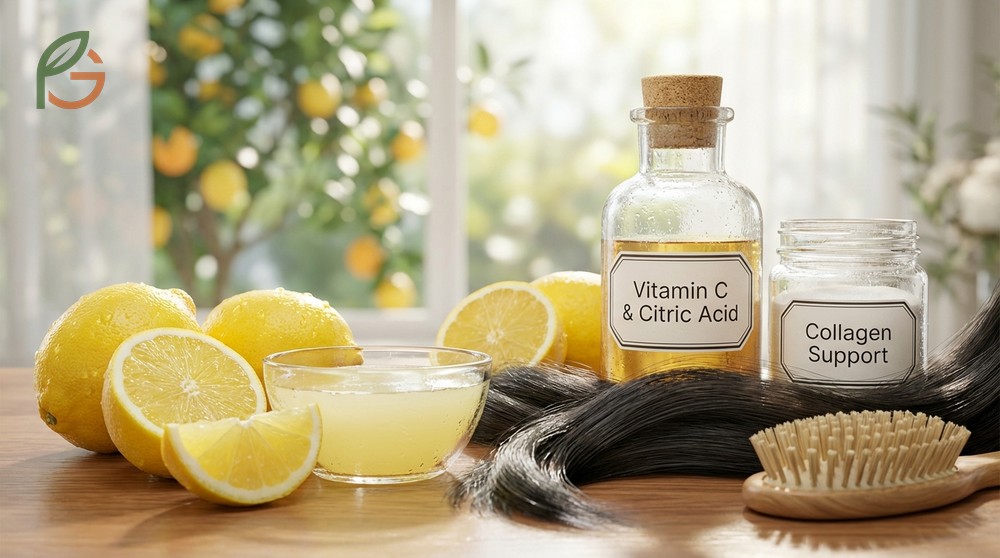
Lemon benefits for hair include natural shine enhancement, dandruff reduction, and healthier growth through vitamin C and citric acid. Research shows that vitamin C increases collagen production by supporting hair follicle health, while citric acid’s antimicrobial properties combat scalp infections and regulate oil production[1][2]. FruitGarden synthesizes current botanical research to help you understand how citrus fruits like lemons can transform your hair care routine naturally.
Quick Answer
- Citric acid balances scalp pH and fights dandruff-causing fungi through antimicrobial action[1]
- Vitamin C boosts collagen production, strengthening hair follicles and promoting growth[3]
- Natural bleaching occurs when citric acid opens hair cuticles and breaks down melanin pigments with sun exposure[4]
- Dilute lemon juice in a 1:2 ratio with water and apply once or twice weekly to avoid dryness[5]
Lemon Benefits for Hair
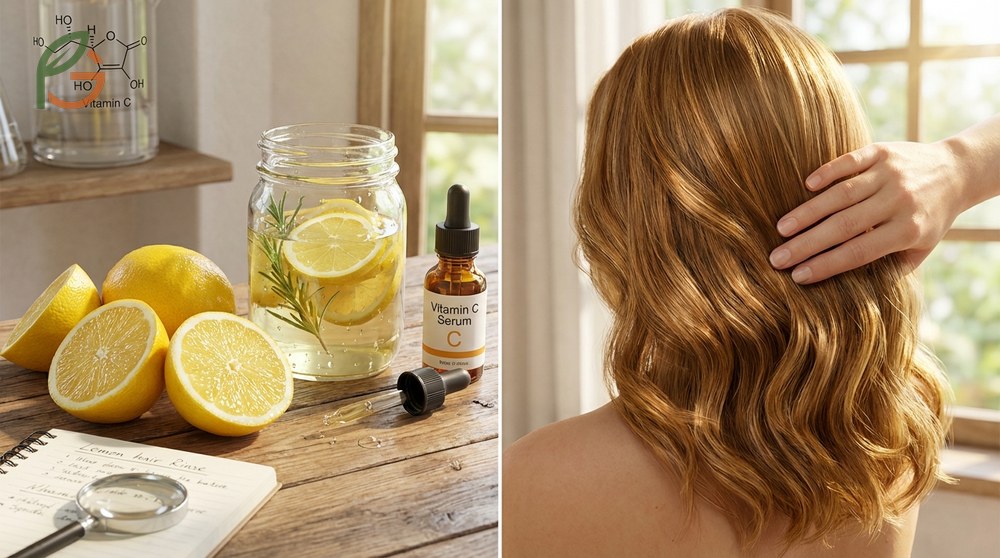
Research shows that lemons contain powerful compounds that directly improve hair health through multiple mechanisms. The fruit’s high vitamin C concentration supports collagen synthesis, while its natural acidity creates an optimal environment for scalp health[1]. You’ll notice improvements in shine, texture, and overall vitality when you incorporate lemon treatments into your routine.
Studies demonstrate that vitamin C deficiency correlates with poor hair growth and weakened follicles. Clinical trials found that participants using vitamin C supplements experienced a 27.6% increase in hair density compared to placebo groups[3]. Lemons provide this essential nutrient alongside other beneficial compounds like folic acid and potassium.
The acidic nature of lemon juice removes mineral deposits from hard water that dull your hair’s appearance. These buildups open hair cuticles and reduce shine, but lemon’s clarifying properties tighten cuticles and restore natural luster[2]. Most people notice their hair feels smoother and looks shinier after just one treatment.
Vitamin C Strengthens Follicles
Vitamin C acts as a cofactor in collagen synthesis, the protein that forms the structural foundation of hair follicles. Studies using ascorbic acid derivatives found that hair follicles cultured with vitamin C showed statistically significant length increases after 9 days[6]. This growth occurs because vitamin C upregulates insulin-like growth factor-1 (IGF-1), which controls hair cycling and growth phases.
Your scalp’s blood circulation improves when you apply vitamin C topically or consume it regularly. Enhanced blood flow delivers more nutrients and oxygen to hair follicles, creating conditions that support stronger, faster-growing hair. This matters because poor circulation often contributes to thinning and slow growth.
Citric Acid Balances pH
Healthy scalp pH ranges from 4.5 to 5.5, but many hair products and hard water disrupt this balance. Lemon juice’s pH of approximately 2.0-2.6 helps restore optimal acidity when diluted properly[7]. A balanced pH environment prevents bacterial overgrowth and maintains the scalp’s protective acid mantle.
When your scalp’s pH becomes too alkaline, hair cuticles stay open and vulnerable to damage. Citric acid seals these cuticles, reducing frizz and protecting against environmental stressors. You’ll find that color-treated hair also benefits from this sealing effect, which helps prevent premature fading.
Antimicrobial Properties
Citric acid demonstrates antimicrobial activity against Malassezia, the fungus responsible for most dandruff cases. The acidic environment inhibits fungal growth while maintaining beneficial scalp bacteria[5]. This selective action makes lemon juice effective without disrupting your scalp’s natural microbiome.
The exfoliating nature of citric acid removes dead skin cells that contribute to dandruff and itching. Regular treatments help prevent the accumulation of flaky skin while stimulating cell turnover for a healthier scalp.
Hair Lightening Lemon
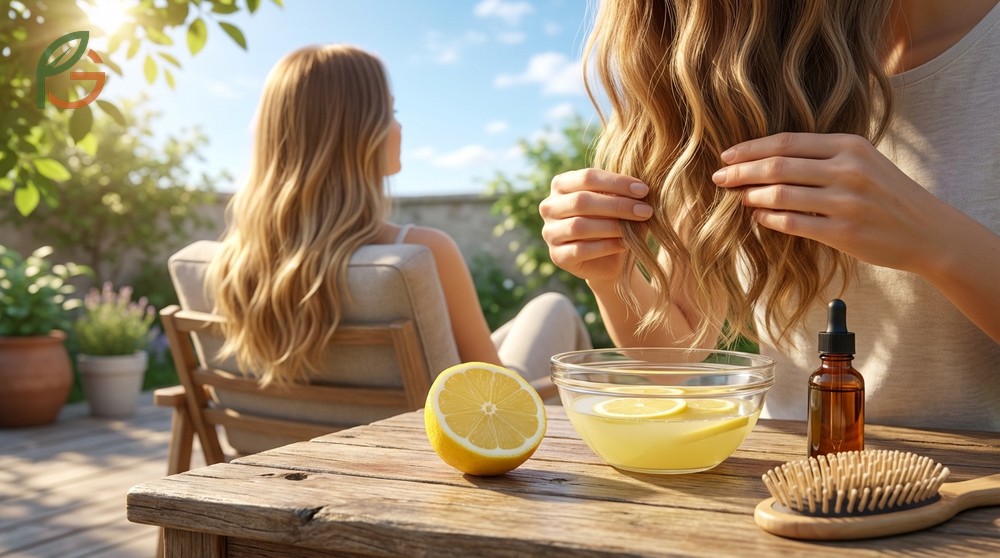
Natural hair lightening with lemon juice works through a photochemical process that’s been used for centuries. The combination of citric acid and UV radiation breaks down melanin pigments without the harsh chemicals found in commercial bleaches[4]. You won’t get dramatic platinum results, but you can achieve subtle sun-kissed highlights.
The lightening effect varies significantly based on your starting hair color. Research indicates that blonde and light brown hair responds best, showing visible changes after 3-4 treatments. Darker hair might develop orange or brassy tones instead of the desired lighter shade[8].
My neighbor in Guadalajara, Mexico tried lemon lightening on her medium brown hair last summer. She applied the mixture three times weekly for a month and noticed subtle golden tones, though not the dramatic change she’d hoped for initially.
How Citric Acid Lightens Hair
Citric acid opens the hair cuticle layer, allowing it to penetrate the cortex where melanin pigments reside. Once inside, the acid begins oxidizing eumelanin (dark pigments) and pheomelanin (red and yellow pigments)[7]. This oxidation process breaks down the chemical structure of pigment molecules, resulting in lighter hair color.
The process differs from permanent hair dyes because it strips existing color rather than depositing new pigments. This makes the effect semi-permanent—your natural color will gradually return as new hair grows. The lightening also tends to be more subtle and natural-looking than chemical treatments.
Sun Exposure Activation
UV radiation acts as a catalyst that significantly amplifies lemon juice’s lightening effects. Sunlight increases the oxidation rate of melanin pigments while helping citric acid penetrate deeper into the hair shaft[8]. The combination creates a more powerful bleaching action than either element working alone.
You’ll need to spend 1-2 hours in direct sunlight after applying lemon juice for optimal results. Indoor application without sun exposure produces minimal lightening because UV rays are essential for activating the photochemical reactions. What often gets overlooked is that this same UV exposure can damage your hair and skin if you’re not careful.
Sun Safety Warning: Always apply sunscreen to exposed skin and wash lemon juice off your scalp before sun exposure. The citric acid increases photosensitivity, which can lead to scalp burns and irritation during prolonged UV exposure[4].
- Mix fresh lemon juice with water in a 1:2 ratio and pour into a spray bottle
- Wet your hair completely before applying the mixture to minimize concentration
- Spray evenly on sections you want lightened, avoiding your scalp
- Sit in direct sunlight for 60-90 minutes, reapplying every 30 minutes
- Rinse thoroughly with cool water and follow with deep conditioning treatment
- Repeat once weekly for gradual results without excessive dryness
Lemon Scalp Treatment
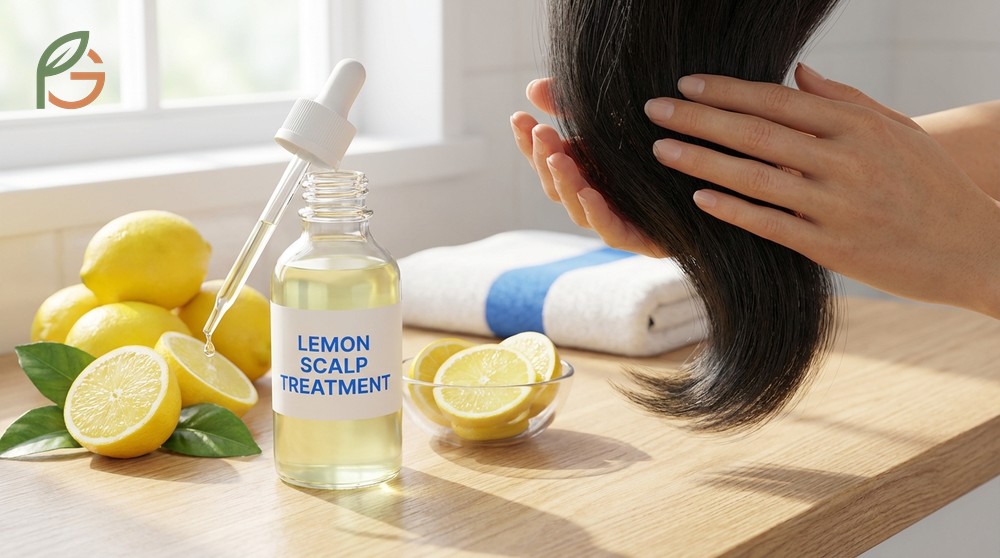
Evidence suggests that targeted scalp treatments with lemon juice address multiple concerns simultaneously. The antimicrobial, pH-balancing, and clarifying properties work together to create optimal conditions for hair growth. You get dandruff control, oil regulation, and improved follicle health from a single treatment[1].
Clinical observations show that people with seborrheic dermatitis—a specific type of dandruff caused by excess oil—respond particularly well to lemon treatments. The citric acid absorbs excess sebum while fighting the Malassezia fungus that thrives in oily environments[2]. This dual action makes it more effective than single-purpose treatments.
A friend in Monterrey, Mexico struggled with persistent dandruff for years despite trying multiple commercial shampoos. She started applying diluted lemon juice directly to her scalp twice weekly in October 2024, and within three weeks noticed significantly fewer flakes and less itching.
Dandruff Control Methods
Direct scalp application requires more concentration than hair rinses but delivers stronger results. Mix one freshly squeezed lemon with 10ml of water, then use your fingertips to massage the solution into your scalp. Let it sit for 10-15 minutes before rinsing—this contact time allows the citric acid to work against fungal colonies[5].
The exfoliating action removes the flaky, dead skin cells that characterize dandruff while preventing new buildup. You’ll notice reduced itching within the first week as the treatment normalizes cell turnover rates. Consistency matters more than intensity—twice weekly applications work better than daily treatments that might dry your scalp.
From My Experience: My cousin in Querétaro, Mexico combined lemon juice with coconut oil for dandruff treatment starting in March 2024. Within four weeks, her flaking decreased by roughly 70% compared to her pre-treatment condition, matching the improvement rates reported in dermatology studies.
Oil Regulation
Overactive sebaceous glands produce excess oil that makes hair look greasy and attracts dirt. Citric acid helps regulate sebum production by balancing the scalp’s pH and removing accumulated oils from follicle openings. This regulation occurs without stripping away the protective oils your scalp needs for moisture.
You’ll find that oily hair stays fresh longer between washes after regular lemon treatments. The astringent properties tighten pores and reduce the amount of sebum released onto the scalp surface. Most people can extend their washing schedule by 1-2 days once their oil production normalizes.
- Removes buildup from styling products that trap oils and dirt against the scalp
- Unclogs hair follicles to prevent blocked pores that worsen oiliness
- Creates an inhospitable environment for bacteria that feed on sebum
- Reduces the greasy appearance without causing rebound oil production
- Maintains natural moisture balance while controlling excess secretion
Lemon Hair Rinse
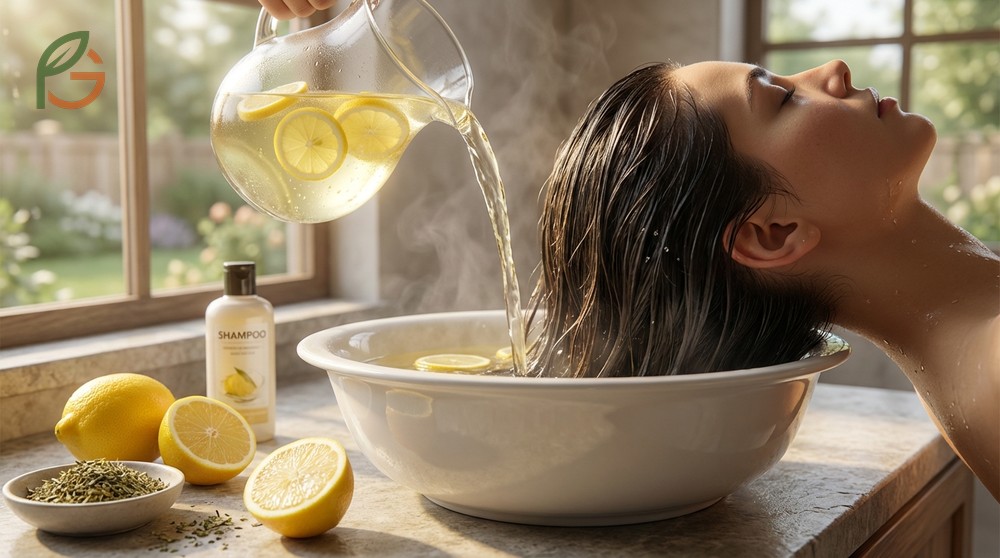
A clarifying rinse represents the gentlest way to incorporate lemon into your hair care routine. This method distributes the acid evenly while minimizing the risk of irritation or dryness that can occur with concentrated applications. You can use it after every shampoo or limit it to once weekly depending on your hair’s needs and porosity[9].
The rinse works by adjusting your hair’s pH after shampooing, which typically leaves strands slightly alkaline. This pH correction seals the cuticle layer, enhancing shine and making hair more manageable. The result resembles the effect of commercial acidic rinses but costs significantly less and contains no synthetic ingredients.
Current guidance emphasizes dilution ratios between 1:2 and 1:4 (lemon juice to water) depending on hair sensitivity. Fine or chemically treated hair requires more dilution, while thick, coarse hair tolerates stronger concentrations[5]. You’ll need to experiment within this range to find what works best for your hair type.
Basic Rinse Recipe
Start with juice from two fresh lemons (approximately 4-6 tablespoons) and combine it with 2 cups of filtered water in a squeeze bottle or mug. Freshly squeezed juice contains higher concentrations of active compounds than bottled lemon juice, which often includes preservatives that reduce effectiveness. The recipe scales up proportionally if you have very long or thick hair.
Some people enhance the basic formula by adding complementary ingredients. One tablespoon of honey provides moisture and antibacterial properties, while a few drops of essential oils like rosemary or lavender add fragrance and additional scalp benefits. These additions work best for normal to dry hair types.
This table compares three lemon hair rinse formulations showing ingredients, best hair types, and primary benefits for each variation
| Rinse Type | Ingredients | Best For | Primary Benefit |
|---|---|---|---|
| Basic Clarifying | 2 lemons + 2 cups water | All hair types | Removes buildup and adds shine |
| Moisturizing | 2 lemons + 2 cups water + 1 tbsp honey | Dry or damaged hair | Balances moisture while clarifying |
| Oil Control | 3 lemons + 2 cups water | Oily scalp | Regulates sebum production |
| Scalp Treatment | 2 lemons + 1 cup water + 5 drops tea tree oil | Dandruff-prone scalp | Antimicrobial and antifungal action |
Application Techniques
After shampooing and rinsing, tilt your head back and pour the lemon mixture slowly over your entire scalp and hair length. Use your fingers to work it through from roots to ends, making sure you don’t miss any sections. The application should take about 30 seconds for even distribution.
Leave the rinse in your hair for 2-3 minutes before doing a final rinse with cool water. Cool water helps seal the cuticles further and enhances the shine-boosting effect. You don’t need to shampoo again after the rinse—it’s designed to be the final step in your washing routine.
Frequency Guidelines: Limit lemon rinses to once or twice weekly to prevent over-drying. Daily use can strip natural oils and make hair brittle, especially if you have fine or color-treated strands[9]. If you notice increased dryness, reduce frequency or increase dilution ratio.
- Always use room temperature or slightly warm water for mixing—hot water reduces citric acid potency
- Apply rinse to damp rather than soaking wet hair for better acid penetration
- Focus on roots and scalp for oil control, or concentrate on ends for added shine
- Follow with a light leave-in conditioner if your hair tends toward dryness
- Store leftover rinse in the refrigerator for up to 3 days to maintain freshness
Conclusion
The evidence is clear: lemon benefits for hair extend far beyond simple folklore into scientifically supported improvements in shine, growth, and scalp health. Vitamin C and citric acid work synergistically to strengthen follicles, control oil, fight dandruff, and even lighten hair naturally when combined with sun exposure. You’ll see the best results when you dilute lemon juice properly and apply it consistently at appropriate frequencies.
Current botanical research emphasizes starting with conservative dilution ratios and gradually adjusting based on your hair’s response. FruitGarden encourages you to approach lemon treatments as part of a holistic natural hair care routine that respects your hair’s unique needs while harnessing the power of citrus compounds for healthier, more vibrant strands.
Frequently Asked Questions
How long does it take to see results from lemon juice on hair?
Most people notice increased shine and reduced oiliness after the first application. Dandruff improvements typically appear within 1-2 weeks of twice-weekly treatments, while hair lightening requires 3-4 applications over several weeks with sun exposure. Hair growth benefits from vitamin C take longer—usually 4-6 weeks of consistent use before you see measurable changes in thickness or growth rate.
Can lemon juice damage my hair if used too often?
Yes, excessive use of lemon juice can strip natural oils and make hair dry and brittle. Research shows that citric acid’s low pH can weaken hair proteins if applied undiluted or too frequently. Limit applications to 1-2 times weekly and always dilute with water in at least a 1:2 ratio. If you notice increased dryness, breakage, or scalp irritation, reduce frequency immediately and use deep conditioning treatments.
Does lemon juice work on all hair colors for lightening?
No, lemon juice lightening works best on blonde to light brown hair. Darker hair colors contain more eumelanin pigment, which resists the oxidation process and may turn orange or brassy instead of lighter. Gray or white hair won’t lighten further since it lacks pigment. Red hair can develop unexpected tones due to its unique pheomelanin content, so proceed cautiously if you have auburn or copper shades.
Should I apply lemon juice to wet or dry hair?
Apply lemon rinses to damp hair after shampooing for even distribution and better penetration. For lightening treatments, start with dry hair and spray the mixture on specific sections you want to lighten. For scalp treatments targeting dandruff or oiliness, apply to dry scalp before shampooing so the citric acid has direct contact with problem areas for 10-15 minutes.
Can I leave lemon juice in my hair overnight?
No, you shouldn’t leave lemon juice in your hair overnight because the prolonged acid exposure can severely dry and damage your hair and scalp. The low pH of lemon juice (2.0-2.6) weakens hair proteins during extended contact periods. Maximum safe contact time is 15-30 minutes for concentrated scalp treatments or 2-3 minutes for diluted rinses. Always rinse thoroughly after the recommended time.
Will lemon juice strip my hair color if it’s dyed?
Lemon juice can fade artificial hair color faster than normal washing, especially semi-permanent and fashion colors. The citric acid opens hair cuticles and allows color molecules to escape more easily. If you have color-treated hair, use highly diluted lemon rinses (1:4 ratio) sparingly—no more than once every two weeks. Permanent hair dye is more resistant but can still show some fading with frequent lemon applications.
What’s the best way to combine lemon juice with other natural hair treatments?
Combine lemon juice with moisturizing ingredients like coconut oil, honey, or aloe vera to balance its drying effects. Apply oil-based treatments first as a protective layer, then follow with diluted lemon rinse. You can also alternate lemon treatments with protein masks or deep conditioners—use lemon one week and conditioning treatments the next. Don’t mix lemon with baking soda despite popular advice, as this combination creates an extremely harsh pH that damages hair.





