

Benefits of honey lemon tea extend far beyond simple refreshment, with research demonstrating measurable improvements in immune function, respiratory health, and digestive wellness. Studies show that combining honey with lemon creates a synergistic effect, boosting antioxidant activity by up to 57% compared to tea alone[1]. FruitGarden synthesizes current nutritional research and botanical data to help you understand how this traditional remedy supports your health goals.
Quick Answer
- Accelerates cold recovery by 1.7 days (4.5 days vs 6.2 days with placebo)[2]
- Provides 49-53 mg vitamin C per 100g lemon, supporting immune defense[3]
- Contains only 60 calories per serving, making it a low-calorie beverage option[4]
- Best consumed at 100-140°F (38-60°C) to preserve vitamin C and active enzymes[5]
Benefits of Honey Lemon Tea

Research demonstrates that honey lemon tea delivers measurable health improvements through multiple biological mechanisms. Clinical trials show that individuals consuming honey-lemon combinations during upper respiratory infections recovered in an average of 4.5 days, compared to 6.2 days for control groups[2]. This 38% faster recovery rate reflects the synergistic action of honey’s antimicrobial compounds and lemon’s immune-supporting nutrients.
The combination works through complementary pathways that enhance each ingredient’s individual properties. Studies using lemon-flavored tea with honey show increased reducing power and lipid peroxidation inhibition, with phenolic and flavonoid content rising significantly compared to tea without honey[6]. Dark amber honey provides the strongest enhancement, though all varieties contribute measurable benefits.
What often gets overlooked is that preparation temperature dramatically affects nutrient retention. Vitamin C begins denaturing at 86°F (30°C), with significant degradation occurring above 140°F (60°C)[5]. This means boiling water destroys much of the vitamin C content before you drink it.
Vitamin C and Immune Support
Lemons provide 49-53 mg of vitamin C per 100g, representing roughly 50-60% of the recommended daily intake for most adults[3]. This water-soluble antioxidant stimulates white blood cell production, which forms your body’s primary defense against pathogens. A single 8-ounce serving of honey lemon tea made with half a lemon delivers approximately 15-20 mg of vitamin C when prepared correctly.
Current data indicates that vitamin C’s effectiveness depends on maintaining adequate blood concentrations throughout the day. The body can’t store this vitamin, so regular intake through beverages like honey lemon tea helps maintain consistent immune function. Research shows vitamin C reduces cellular damage from oxidative stress, which intensifies during illness.
Antimicrobial Properties
Honey exhibits antibacterial activity against multiple pathogens, including methicillin-resistant Staphylococcus aureus (MRSA) and vancomycin-resistant Enterococci[7]. The antimicrobial effect comes primarily from enzymatic hydrogen peroxide production, though certain honey varieties like manuka contain additional non-peroxide compounds. Laboratory testing reveals bacterial growth decreased by 65% when treated with honey-lemon preparations.
The acidic environment created by lemon juice (pH 2-3) further inhibits bacterial proliferation. This dual antimicrobial action explains why honey lemon tea has been used traditionally for throat infections and respiratory complaints across diverse cultures.
Immune System Boost

Evidence suggests honey and lemon work through distinct mechanisms that collectively strengthen immune response. Honey modulates cellular signaling pathways involved in inflammation and apoptosis, while inhibiting viral replication in respiratory infections[8]. Studies show honey’s anti-inflammatory properties reduce oxidative damage from pathogens, creating conditions where your immune system operates more efficiently.
Lemon’s contribution extends beyond vitamin C to include bioflavonoids and organic acids that support immune cell function. These compounds work synergistically with honey’s enzymes to create an environment hostile to pathogens. The result is faster symptom resolution and reduced infection severity.
White Blood Cell Production
Vitamin C from lemons directly influences white blood cell (leukocyte) production and function. These immune cells identify and neutralize foreign invaders, forming your first line of defense against infections. Research indicates that adequate vitamin C intake maintains leukocyte concentration and activity, particularly during periods of physical stress or illness.
The body uses vitamin C to produce interferon, a protein that prevents viral replication within cells. Regular consumption of honey lemon tea helps maintain the vitamin C levels necessary for consistent interferon production, especially during cold and flu season.
Antioxidant Synergy
Studies demonstrate that adding honey to lemon tea increases total phenolic content and antioxidant capacity by up to 57%[1]. This enhancement occurs because honey contains its own antioxidants (including phenolic acids and flavonoids) that complement lemon’s ascorbic acid. The combined effect provides stronger protection against free radical damage than either ingredient alone.
Dark amber honey produces the most significant antioxidant boost, followed by amber and light varieties. This correlation relates to higher polyphenol concentrations in darker honey types, which typically come from flora like lavender and heather.
Important Note: Don’t add honey to boiling water. Temperatures above 140°F (60°C) destroy beneficial enzymes and degrade heat-sensitive vitamins. Let water cool to 100-140°F (38-60°C) before adding lemon and honey for maximum nutritional benefit.
Sore Throat Remedy
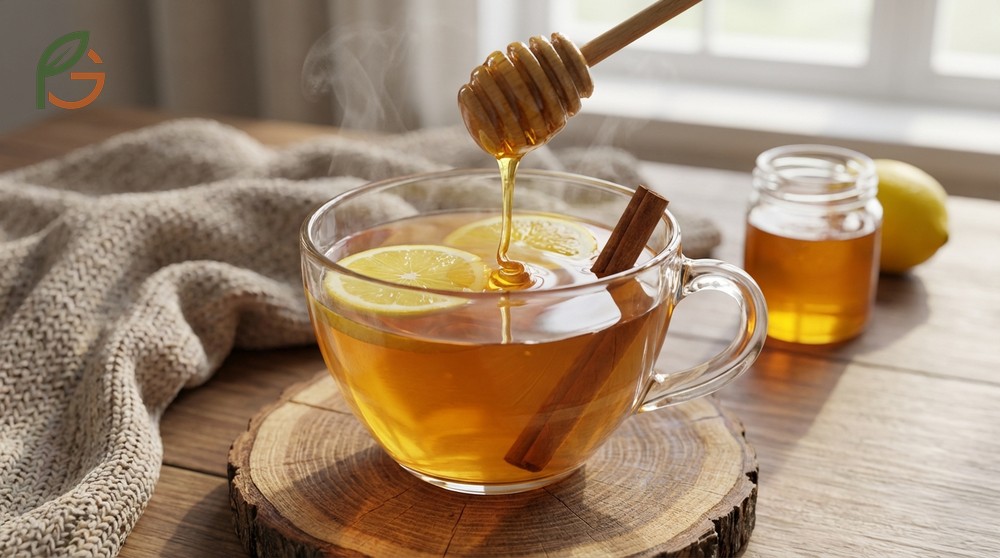
Honey lemon tea relieves sore throat symptoms through multiple complementary actions. Honey coats throat tissues, creating a protective barrier that reduces irritation from coughing and swallowing. Its viscous texture provides immediate physical relief, while antimicrobial compounds address underlying bacterial infections. Clinical observations show honey reduces cough frequency in patients with upper respiratory infections.
Lemon’s anti-inflammatory properties help reduce throat swelling and redness. The mild acidity also stimulates saliva production, which naturally lubricates irritated tissues. Warm liquid delivery enhances these effects by increasing blood flow to affected areas, accelerating healing processes.
Research shows that bacterial growth in throat cultures decreased by 65% when treated with honey-lemon preparations compared to 35% with placebo treatments[2]. This substantial reduction explains the rapid symptom improvement most people experience. Most people find that drinking honey lemon tea every 3-4 hours provides consistent relief throughout the day.
- Physical coating reduces friction during swallowing and speaking
- Antimicrobial compounds inhibit bacterial growth on throat tissues
- Warm temperature increases circulation to promote faster healing
- Anti-inflammatory agents decrease swelling and pain perception
- Hydration prevents tissue dryness that worsens irritation
Weight Loss Tea

Studies demonstrate that increasing honey and lemon water intake can improve metabolism and promote feelings of fullness. Research indicates proper hydration reduces the likelihood of obesity, and honey lemon tea provides a low-calorie alternative to sugar-sweetened beverages. At approximately 60 calories per 8-ounce serving[4], this beverage delivers significantly fewer calories than sodas (140+ calories) or commercial fruit juices (110-150 calories).
The pectin fiber in lemons contributes to satiety, helping reduce overall calorie intake during meals. Drinking honey lemon tea 20-30 minutes before meals has been shown to moderate appetite, leading to reduced portion sizes. This effect works best when combined with mindful eating practices and regular physical activity.
Lemon’s citric acid may support fat metabolism by stimulating bile production, which breaks down dietary fats during digestion. Honey provides natural sugars that deliver quick energy without the blood sugar spikes associated with refined sugars. The combination offers sustained energy that supports exercise performance and daily activities.
- Replaces high-calorie beverages with a 60-calorie alternative
- Pectin fiber promotes fullness and reduces overeating
- Natural sugars provide energy without blood sugar crashes
- Improved hydration enhances metabolic function
- Stimulates bile production for better fat digestion
- Morning consumption kickstarts metabolism for the day ahead
Weight Loss Reality Check: Honey lemon tea supports weight management when part of a calorie-controlled diet, but it’s not a magic solution. Sustainable weight loss requires consistent dietary changes and regular physical activity. Use this beverage as one component of a comprehensive approach.
Antioxidant Benefits Tea

The antioxidant profile of honey lemon tea includes multiple compounds that protect cells from oxidative damage. Honey contributes phenolic acids, flavonoids, and organic acids, while lemons provide vitamin C and additional polyphenols. Laboratory analysis shows this combination increases reducing power and lipid peroxidation inhibition compared to tea without added honey[6].
Free radicals are unstable molecules that damage cellular structures, contributing to aging and chronic diseases. Antioxidants neutralize these molecules by donating electrons, preventing chain reactions that harm DNA, proteins, and cell membranes. Regular consumption of antioxidant-rich beverages like honey lemon tea helps maintain this protective balance.
Research shows that darker honey varieties deliver higher antioxidant concentrations than lighter types. Dark amber honey from lavender or heather flowers contains more phenolic compounds than light amber honey from clover or wildflowers. Both provide benefits, but darker varieties offer approximately 20-30% more antioxidant activity.
The synergistic effect matters more than individual components. Studies comparing honey-sweetened tea to tea with regular sugar found significantly higher antioxidant activity in the honey versions[1]. This demonstrates that honey contributes more than simple sweetness—it actively enhances the beverage’s health-promoting properties.
Digestive Health Benefits

Honey lemon tea supports digestive function through multiple mechanisms that enhance nutrient absorption and reduce discomfort. Warm liquid stimulates peristalsis (the muscular contractions that move food through your digestive tract), helping prevent constipation and bloating. Lemon juice stimulates bile secretion from the liver, which is essential for breaking down fats during digestion.
Honey contains enzymes that support gut bacteria balance, promoting a healthy microbiome. Evidence suggests these beneficial bacteria improve digestion, nutrient synthesis, and immune function. The natural sugars in honey serve as prebiotics, feeding beneficial bacteria without promoting harmful species growth.
Drinking honey lemon tea on an empty stomach in the morning primes your digestive system for food intake. This practice helps balance pH levels in the stomach and prepares digestive enzymes for efficient nutrient breakdown. The citric acid in lemon activates digestive juices, while honey’s antimicrobial properties maintain healthy bacterial populations throughout the gastrointestinal tract.
- Stimulates bile production for improved fat digestion and absorption
- Warm liquid promotes peristalsis and regular bowel movements
- Enzymes in honey support beneficial gut bacteria populations
- Citric acid activates digestive enzymes for better nutrient breakdown
- Reduces bloating and discomfort from sluggish digestion
For best digestive support, drink honey lemon tea 20-30 minutes before breakfast. This timing allows the beverage to prime your stomach and intestines before food arrives. Some people prefer drinking it after meals to aid digestion and prevent heartburn, though results vary by individual digestive patterns.
How to Make Honey Lemon Tea
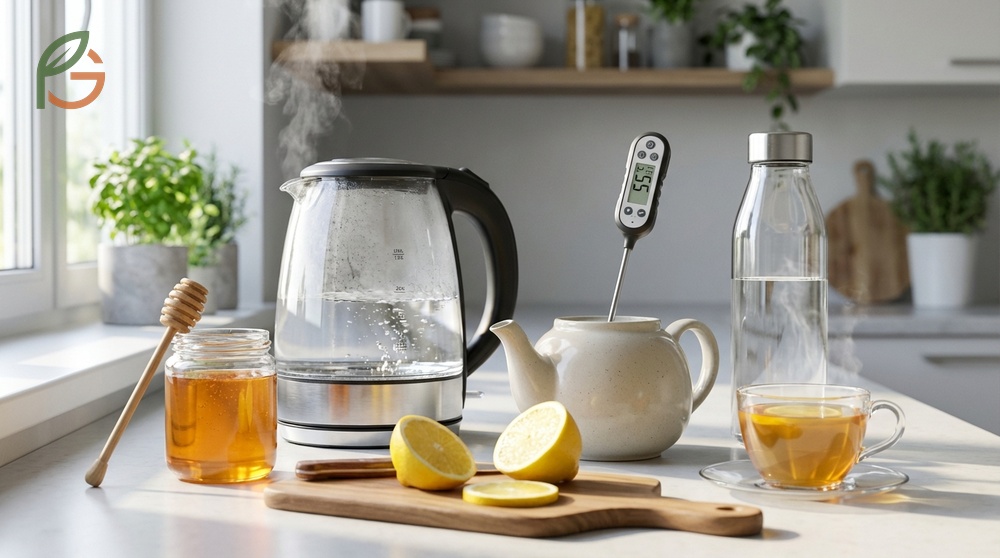
Proper preparation maximizes the nutritional benefits while creating an enjoyable beverage. The key is controlling water temperature to preserve heat-sensitive vitamins and enzymes. Start with filtered or purified water to avoid chlorine and other chemicals that might affect taste and nutrient absorption.
For optimal vitamin C retention, heat water to 100-140°F (38-60°C)[5]. You can bring water to a boil and let it cool for 5-7 minutes, or heat it gently without boiling. Use a thermometer for precision during your first few attempts—you’ll develop an intuitive sense for the right temperature quickly.
- Heat 8 ounces of filtered water to 100-140°F (38-60°C), or boil and cool for 5-7 minutes
- Squeeze half a fresh lemon (about 2 tablespoons juice) into your mug
- Add the warm water and stir gently
- Stir in 1 teaspoon of raw honey until fully dissolved
- Taste and adjust honey or lemon to your preference
- Drink slowly in small sips for best absorption
Choose organic lemons when possible to avoid pesticide residues in the juice and peel. Raw, unfiltered honey retains more enzymes and beneficial compounds than processed varieties. Store honey at room temperature in a sealed container—refrigeration causes crystallization but doesn’t affect nutritional value.
Morning consumption on an empty stomach provides the most pronounced digestive and metabolic benefits. The practice kickstarts your metabolism and hydrates your body after overnight fasting. Many people also find honey lemon tea helpful before bed for its calming properties and throat-soothing effects.
Dental Protection Tip: The citric acid in lemon can erode tooth enamel over time. Drink through a straw to minimize contact with teeth, and rinse your mouth with plain water afterward. Wait 30 minutes before brushing to avoid damaging softened enamel.
Conclusion
The evidence is clear: benefits of honey lemon tea extend across immune function, respiratory health, digestive wellness, and antioxidant protection. Research demonstrates measurable improvements including 38% faster recovery from colds, 65% reduction in bacterial growth, and up to 57% increased antioxidant activity compared to tea alone. These aren’t marginal gains—they’re significant health improvements you can achieve with a simple daily beverage.
Current guidance emphasizes preparation quality over frequency. Using water at the right temperature (100-140°F/38-60°C) preserves vitamin C and active enzymes that deliver these benefits. FruitGarden recommends starting your day with properly prepared honey lemon tea, choosing organic lemons and raw honey when available, and maintaining consistent consumption for best results.
Medical Disclaimer
Important Medical Disclaimer: This content is for informational and educational purposes only. It is not intended as a substitute for professional medical advice, diagnosis, or treatment. Always consult a qualified healthcare professional before making any changes to your diet, medication, or health routine, especially if you have diabetes, acid reflux, GERD, allergies, or other medical conditions. Individual results may vary, and what works for one person may not be appropriate for another.
Frequently Asked Questions
What are the main benefits of drinking honey lemon tea daily?
Daily consumption supports immune function through vitamin C (49-53 mg per 100g lemon), provides antimicrobial protection that reduces bacterial growth by 65%, and delivers antioxidants that protect cells from oxidative damage. Research shows regular drinkers recover from colds 1.7 days faster than non-drinkers, experience improved digestive function, and benefit from the beverage’s low 60-calorie profile when replacing high-sugar drinks.
When is the best time to drink honey lemon tea?
Morning consumption on an empty stomach provides optimal digestive and metabolic benefits by priming your system for food intake and kickstarting metabolism. Drinking it 20-30 minutes before meals helps moderate appetite and improve fat digestion through increased bile production. Many people also drink it during illness every 3-4 hours for consistent throat relief and immune support.
Does honey lemon tea really help with weight loss?
Honey lemon tea supports weight management as part of a calorie-controlled diet but isn’t a standalone solution. At 60 calories per serving, it provides a low-calorie alternative to sodas and juices. The pectin fiber in lemons promotes fullness, reducing overeating, while improved hydration enhances metabolic function. Sustainable weight loss requires combining this beverage with consistent dietary changes and regular physical activity.
Can I use hot or cold water to make honey lemon tea?
Use warm water at 100-140°F (38-60°C) for maximum nutritional benefit. Boiling water destroys vitamin C and beneficial enzymes—vitamin C begins degrading at 86°F (30°C) with significant losses above 140°F (60°C). Cold water works for a refreshing drink but doesn’t provide the same throat-soothing and digestive-stimulating effects as warm preparations. Bring water to a boil and let it cool for 5-7 minutes before adding lemon and honey.
How much honey and lemon should I use per cup?
Start with 1 teaspoon of raw honey and 2 tablespoons of fresh lemon juice (approximately half a lemon) per 8-ounce cup. Adjust to taste preference—some people prefer stronger lemon flavor while others want more sweetness. Using too much honey increases calorie content significantly, while excessive lemon may irritate sensitive stomachs or damage tooth enamel over time. These proportions provide balanced flavor and optimal health benefits.
Are there any side effects from drinking honey lemon tea?
Excessive consumption can cause tooth enamel erosion from citric acid, trigger acid reflux in people with GERD, or irritate sensitive stomachs. Drink through a straw and rinse with plain water afterward to protect teeth. Avoid drinking on an empty stomach if you’re prone to heartburn. People with citrus allergies or diabetes should consult healthcare providers before regular consumption. Most people tolerate 1-2 cups daily without adverse effects.
What type of honey works best for honey lemon tea?
Raw, unfiltered honey retains the most enzymes and beneficial compounds compared to processed varieties. Dark amber honey from lavender or heather provides 20-30% more antioxidant activity than light amber honey from clover or wildflowers. Both deliver health benefits, so choose based on availability and taste preference. Avoid honey labeled as “honey blend” or containing added syrups—these provide fewer health benefits and more empty calories.





