
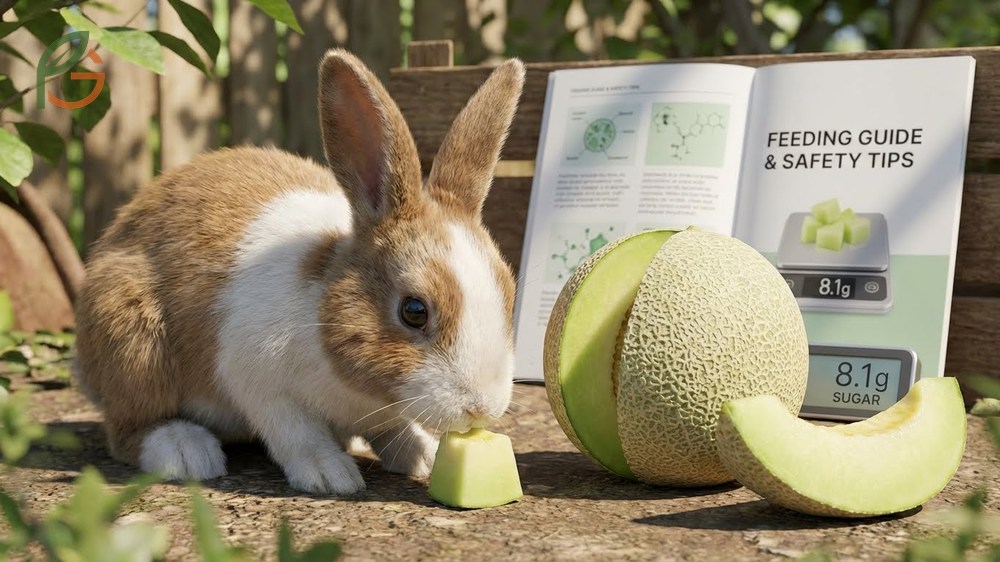
Can rabbits eat honeydew? Yes, rabbits can eat honeydew melon, but only in small amounts as an occasional treat. Research shows that while this sweet fruit is safe for rabbits, its high sugar content—8.1g per 100g[1]—means it shouldn’t be a daily part of their diet. FruitGarden synthesizes current veterinary guidance and nutritional research to help you make informed decisions about your rabbit’s diet.
Quick Answer
- Honeydew is safe for rabbits but only as an occasional treat 1-2 times per week[2]
- Ideal serving size: 1-inch cube of the soft inner flesh only[2]
- Contains 36 calories and 8.1g sugar per 100g[1]
- Remove all seeds and avoid the hard rind to prevent choking and digestive issues[2]
Can Rabbits Eat Honeydew
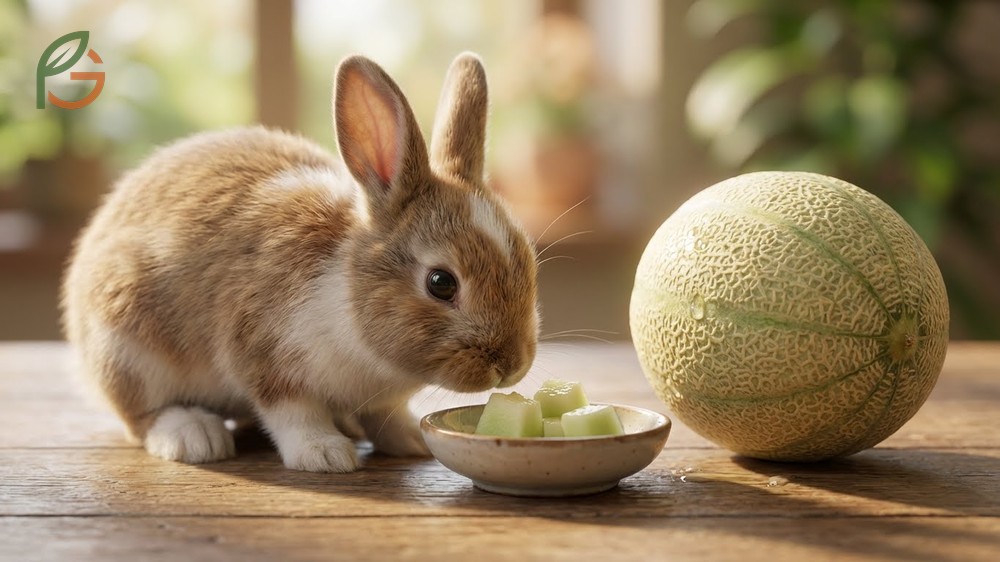
Honeydew melon is safe for rabbits when offered in strict moderation. Studies demonstrate that rabbits can digest the soft flesh without immediate harm, but the high sugar content poses long-term risks if overfed. Most veterinarians recommend limiting all fruits, including honeydew, to 1-2% of your rabbit’s total diet[3].
This sweet melon consists of 89% water[4], making it hydrating during hot weather. However, that doesn’t offset the sugar concerns. Many rabbits enjoy the juicy texture, but their digestive systems evolved for fibrous plants, not sugary fruits.
Current veterinary guidance emphasizes that treats like honeydew should never replace hay, which must comprise 80% of a rabbit’s diet[3]. When rabbits fill up on sweet treats, they eat less hay, which leads to dental problems and digestive issues.
Why Moderation Matters
Research shows that excess fruit consumption in rabbits triggers several health problems. Soft or loose droppings appear first, followed by decreased hay intake. Agricultural data from rabbit nutrition studies confirms that high-sugar diets increase obesity risk and dental decay.
The issue isn’t toxicity—it’s dietary imbalance. Rabbits need continuous fiber intake to maintain healthy gut motility. Sugar disrupts this process by altering gut bacteria populations.
Important Note: If your rabbit shows loose droppings, bloating, or lethargy after eating honeydew, stop all fruit immediately and offer only hay and water until symptoms resolve[2].
Nutritional Breakdown
Understanding honeydew’s nutritional profile helps explain why portion control matters. Per 100g serving, honeydew contains minimal fat and protein but significant natural sugars. The vitamin C content is notable—18mg per 100g[1]—but rabbits synthesize their own vitamin C and don’t require dietary sources.
The fiber content in honeydew (0.8g per 100g[1]) is negligible compared to timothy hay, which provides 25-30g per 100g. This reinforces why honeydew can’t substitute for proper roughage.
Can Rabbits Eat Honeydew Melon Skin
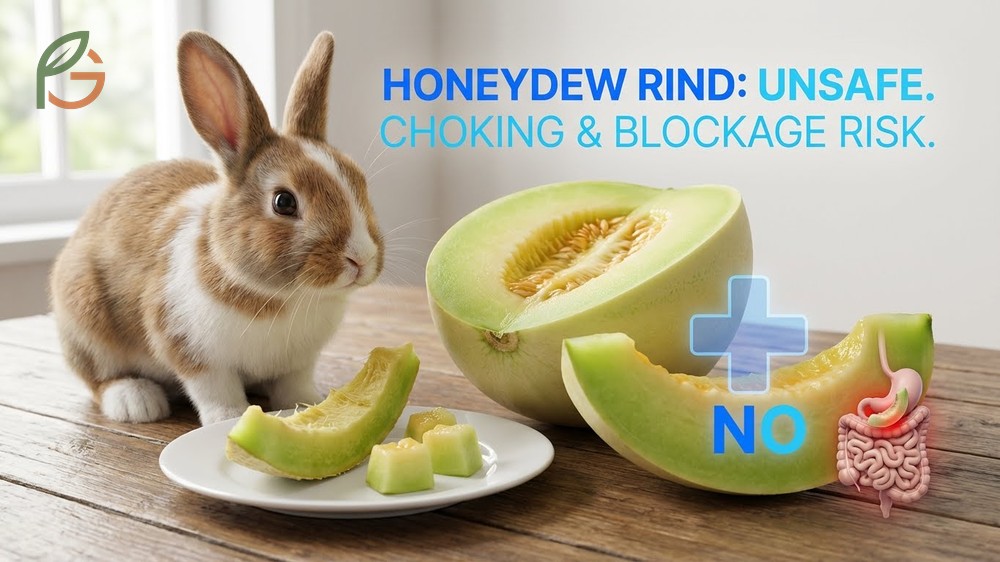
The hard outer rind of honeydew melon is unsafe for rabbits. Evidence indicates that the tough rind is difficult for rabbits to chew and nearly impossible to digest properly. Veterinary experts consistently advise removing all rind before offering honeydew to rabbits[2].
The rind poses two distinct risks: choking hazards and intestinal blockages. Unlike the soft flesh, the rind doesn’t break down easily in a rabbit’s stomach. This can lead to serious gut stasis, a potentially fatal condition.
Safe Parts vs Dangerous Parts
Only the soft, inner flesh of honeydew is appropriate for rabbits. Remove all seeds before serving, as they present choking risks and can cause blockages in the digestive tract[2]. Cut the flesh into small cubes to make eating easier and safer.
Some rabbit owners wonder about the thin white layer between the green flesh and the rind. While not as dangerous as the hard outer skin, this layer offers minimal nutrition and can be tough to chew. It’s best to stick with the soft green center portion only.
- Always wash the melon’s exterior before cutting to prevent contamination
- Use a clean knife and cutting board to prepare rabbit-safe portions
- Store cut honeydew in the refrigerator and use within 3-4 days
- Never offer honeydew that smells fermented or shows signs of mold
- Discard any uneaten honeydew pieces after 2 hours to prevent bacterial growth
Feeding Tip: You can freeze small honeydew cubes as a cooling summer treat, but ensure pieces aren’t too cold or large. Let them thaw slightly before serving to prevent dental shock.
How Much Fruit for Rabbits
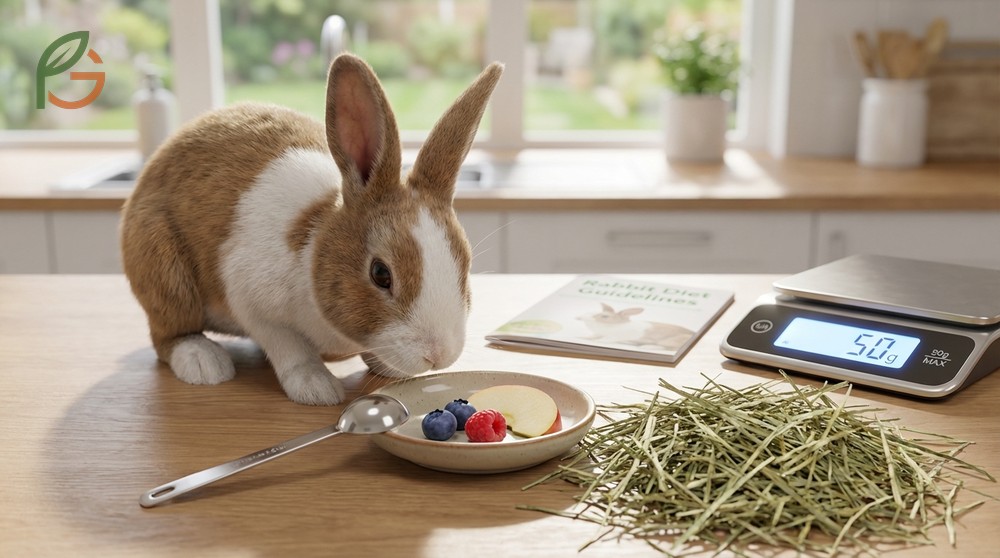
Current veterinary standards recommend limiting fruit to 1-2 tablespoons per 5 pounds of body weight, 1-2 times weekly[5]. This translates to roughly one 1-inch cube of honeydew for an average 5-pound rabbit. Larger breeds can have slightly more, but the ratio stays consistent.
Research demonstrates that overweight rabbits shouldn’t receive any fruit at all until they reach a healthy weight[5]. The extra calories from fruit work against weight loss efforts. Focus on unlimited hay, measured pellets, and low-sugar vegetables instead.
Many rabbit owners make the mistake of offering fruit daily because their pets beg for it. Rabbits can’t regulate sugar intake instinctively—they’ll overeat sweet foods if given the chance. You must control portions regardless of how much your rabbit pleads.
Age-Specific Guidelines
Baby rabbits under 12 weeks old should never receive any fruit, including honeydew[2]. Their developing digestive systems can’t handle the sugar load. Young rabbits need alfalfa hay and pellets exclusively during this critical growth phase.
For young adults aged 7 months to 1 year, introduce fruit gradually after vegetables are well-established in the diet. Start with a tiny piece—no larger than your pinky fingernail—and wait 24 hours to observe any digestive changes.
- Under 12 weeks: No fruit whatsoever
- 3-7 months: Vegetables only, no fruit yet
- 7-12 months: Gradual fruit introduction at 1 tablespoon per 5 lbs, once weekly
- 1-5 years: Up to 2 tablespoons per 5 lbs, 1-2 times weekly
- Over 5 years: Reduce fruit to 1 tablespoon weekly, monitor weight closely
Rabbit Diet Chart
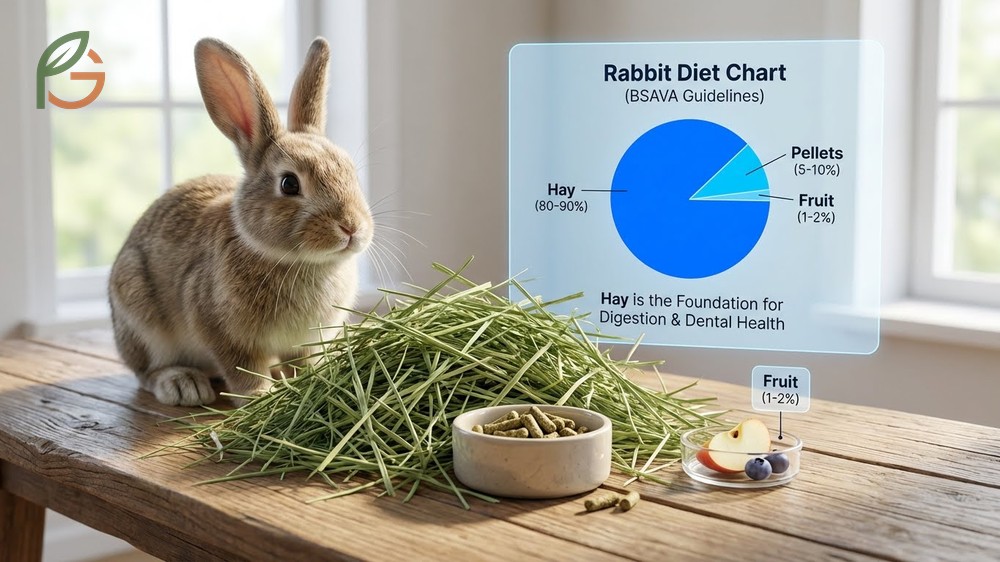
The British Small Animal Veterinary Association establishes evidence-based dietary percentages that ensure optimal rabbit health. These proportions reflect what rabbits need for proper digestion, dental wear, and nutrient balance.
Hay forms the foundation because it provides essential fiber that keeps the digestive tract moving. Without adequate hay consumption, rabbits develop life-threatening gut stasis within hours.
| Food Category | Percentage | Amount for 5 lb Rabbit |
|---|---|---|
| Grass Hay (Timothy, Orchard, Oat) | 80%[3] | Unlimited, available 24/7 |
| Fresh Leafy Vegetables | 15%[3] | 2 cups daily |
| Timothy Hay-Based Pellets | 3-4%[3] | 1/4 cup daily |
| Treats, Fruit & Root Vegetables | 1-2%[3] | 1-2 tablespoons, 1-2x weekly |
Notice how small the fruit allocation is—just 1-2% of total diet. This explains why a 5-pound rabbit should only get 1-2 tablespoons of fruit weekly. Honeydew fits into this category alongside other sweet treats.
Diet Tip: If your rabbit refuses hay after eating treats, you’ve offered too much fruit or vegetables. Reduce treat portions until hay consumption returns to normal levels.
Fruits Safe for Bunnies
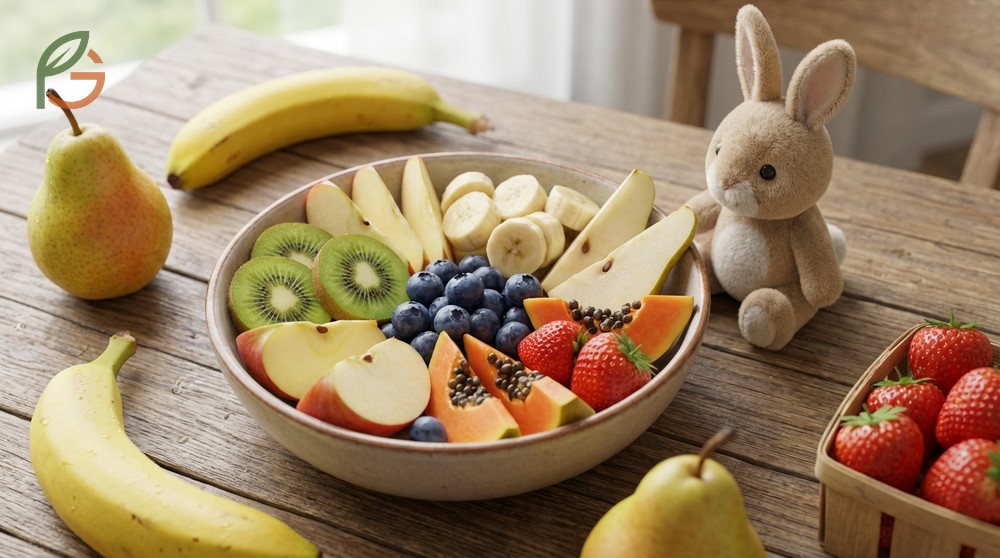
Beyond honeydew, rabbits can enjoy a variety of fruits in moderation. Research from rabbit rescue organizations identifies several safe options that provide different flavors and textures. Rotating fruits prevents boredom while maintaining the strict portion limits.
Always introduce new fruits one at a time, waiting 24-48 hours between each introduction. This allows you to identify any foods that cause digestive upset in your specific rabbit.
- Apple slices (remove all seeds and core)[6]
- Banana (1/4-inch slice maximum due to high sugar)[6]
- Blueberries (2-3 berries per serving)[6]
- Strawberries (cut in half or quarters)[6]
- Papaya (small cube, excellent for hairball prevention)[6]
- Pear (remove seeds and core)[6]
- Raspberries (2-3 berries maximum)
- Cantaloupe (same rules as honeydew—small cube, remove rind and seeds)
Some fruits require extra caution. Grapes should be cut in half to prevent choking. Peaches and plums must have pits completely removed, as these contain trace amounts of cyanide compounds that are dangerous to rabbits.
Watermelon deserves special mention—while safe, it contains even more water than honeydew, making it less nutritionally dense. Offer watermelon sparingly and always in tiny portions to avoid watery droppings.
Foods Toxic to Rabbits
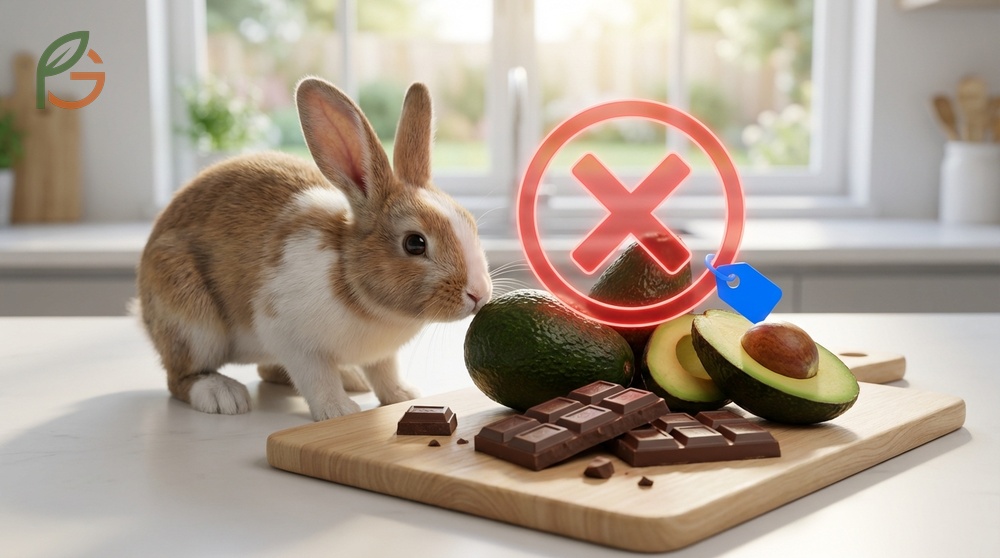
Certain foods pose serious health risks to rabbits and should never be offered under any circumstances. Avocados contain persin, a compound that causes behavioral abnormalities, breathing difficulties, and potentially fatal congestive heart failure in rabbits[7]. Even small amounts can be lethal.
Chocolate contains theobromine, which rabbits can’t metabolize. This leads to cardiac issues and neurological damage[7]. Never assume a “tiny taste” is harmless—rabbits lack the enzymes needed to process chocolate safely.
Rhubarb deserves special attention because many gardeners grow it. All parts of rhubarb contain high concentrations of oxalic acid, which interferes with calcium absorption and causes severe toxic effects[7]. Symptoms include mouth swelling, decreased appetite, bloating, diarrhea, and lethargy.
- Avocado (all parts—skin, pit, leaves, flesh)[7]
- Chocolate and all cocoa products[7]
- Rhubarb (leaves and stalks)[7]
- Raw onions, leeks, garlic, and chives[7]
- Iceberg lettuce (causes dangerous sedative effects)
- Raw potatoes and potato plants (contain solanine)
- All fruit seeds and pits (contain cyanide compounds)[7]
- Mushrooms of any variety
- Processed human foods (bread, pasta, cookies, crackers, chips)[7]
Emergency Warning: If your rabbit ingests any toxic food, contact your veterinarian immediately—don’t wait for symptoms to appear. Time is critical for successful treatment of poisoning.
Conclusion
The evidence is clear: can rabbits eat honeydew? Yes, but success depends on strict portion control and infrequent feeding. Honeydew works as an occasional treat when you limit servings to 1-inch cubes, remove all seeds and rind, and offer it no more than twice weekly. Current veterinary guidance emphasizes that fruits should never exceed 1-2% of your rabbit’s total diet, with unlimited hay remaining the cornerstone of proper nutrition.
FruitGarden synthesizes the latest research to help pet owners make evidence-based feeding decisions. Remember that every rabbit responds differently to new foods, so monitor your pet’s droppings and behavior closely after introducing honeydew melon.
Medical Disclaimer
Important Medical Disclaimer: This content is for informational and educational purposes only. It is not intended as a substitute for professional veterinary advice, diagnosis, or treatment. Always consult a qualified veterinarian before making any changes to your rabbit’s diet, especially if your rabbit has pre-existing health conditions, is overweight, or shows signs of digestive distress. Individual rabbits may have unique dietary needs or food sensitivities that require professional assessment.
Frequently Asked Questions
How Often Can I Give My Rabbit Honeydew Melon?
You should offer honeydew melon only 1-2 times per week, treating it as an occasional treat rather than a regular food. Research shows that limiting fruit to this frequency prevents digestive upset and maintains healthy weight. Always ensure your rabbit is eating plenty of hay before and after receiving fruit treats.
Can Baby Rabbits Eat Honeydew?
No, baby rabbits under 12 weeks old should never eat honeydew or any other fruit. Their developing digestive systems can’t handle the sugar content, which can cause severe diarrhea and potentially fatal bloating. Baby rabbits need a diet of alfalfa hay, alfalfa pellets, and gradually introduced vegetables only.
What Happens If My Rabbit Eats Too Much Honeydew?
Overfeeding honeydew can cause soft or loose droppings, decreased hay consumption, bloating, lethargy, and potential weight gain. If you notice these symptoms, stop all fruit immediately and offer only hay and water until your rabbit’s digestion normalizes. Contact your veterinarian if symptoms persist beyond 24 hours or if your rabbit stops eating entirely.
Is the White Part of Honeydew Safe for Rabbits?
The thin white layer between the green flesh and hard rind is technically safe but not recommended. This part is tougher to chew and offers minimal nutrition compared to the soft green center. It’s best to stick with only the soft, sweet inner flesh to ensure easy digestion and maximum enjoyment.
Can I Freeze Honeydew for My Rabbit?
Yes, you can freeze small honeydew cubes as a cooling summer treat. However, let the pieces thaw slightly before serving to prevent dental shock from extremely cold temperatures. Frozen treats should still follow the same portion guidelines—one 1-inch cube for an average 5-pound rabbit.
Which Is Better for Rabbits: Honeydew or Cantaloupe?
Both honeydew and cantaloupe are equally safe when offered in small amounts with the same frequency and portion restrictions. Honeydew contains slightly less sugar per 100g than cantaloupe, but the difference is minimal. Choose based on your rabbit’s preference, and remember that variety prevents boredom while maintaining strict limits.
Should Overweight Rabbits Eat Honeydew?
No, overweight rabbits should not receive any fruit, including honeydew, until they reach a healthy weight. The extra calories from fruit work against weight loss efforts. Focus on unlimited grass hay, measured timothy pellets, and low-sugar vegetables like romaine lettuce and herbs to help your rabbit slim down safely.





