
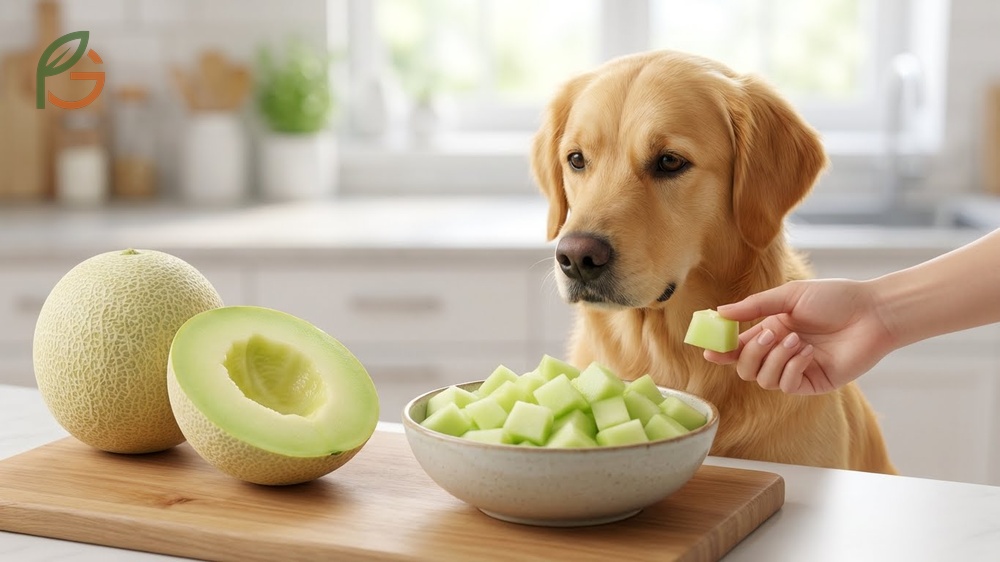
Can dogs eat honeydew? Yes, honeydew melon is safe for dogs when prepared correctly—without rind or seeds—and served in small, bite-sized pieces[1]. This refreshing fruit contains 61 calories per cup and provides vitamins C, B6, and potassium that support immune function and hydration. FruitGarden synthesizes current veterinary guidance and nutritional research to help pet owners make informed decisions about sharing fresh produce with their dogs.
Quick Answer
Can Dogs Eat Honeydew
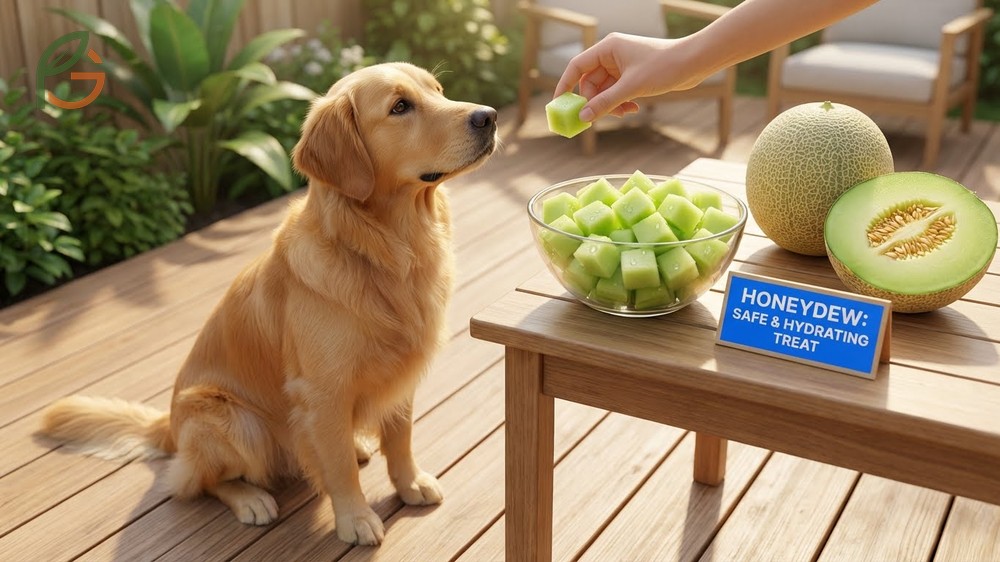
Honeydew melon is non-toxic for dogs and provides a low-calorie treat option[1]. The fruit’s high water content—approximately 90%[6]—makes it particularly useful for keeping dogs hydrated during warm weather. Most veterinarians approve honeydew as an occasional treat when pet parents follow proper preparation guidelines.
Research shows honeydew contains essential micronutrients including vitamin C, B vitamins, and potassium[7]. These nutrients support immune function, metabolism, and cardiovascular health. The fiber content aids digestion by regulating bowel movements, though the amount your dog consumes won’t provide significant health benefits beyond enjoyment.
What often gets overlooked is that honeydew’s sugar content—approximately 13.8g per cup[3]—requires moderation. While the natural sugars aren’t immediately harmful, excessive consumption can upset your dog’s digestive system and contribute to weight gain over time.
Nutritional Benefits for Dogs
The vitamin profile in honeydew offers several advantages for canine health. One cup provides 56% of the recommended daily value of vitamin C for humans[6], which translates to meaningful antioxidant support for dogs. This antioxidant helps fight free radicals and supports skin and coat health.
Potassium content supports heart health and muscle function. Honeydew contains 228mg of potassium per 100g[8], making it comparable to other potassium-rich fruits but with fewer calories. The B-vitamin complex, including B6 and folate, supports metabolic processes and red blood cell formation.
- Vitamin C acts as an antioxidant to reduce inflammation and support cognitive health
- Vitamin B6 aids in protein metabolism and neurotransmitter synthesis
- Potassium regulates fluid balance and supports heart rhythm
- Dietary fiber promotes healthy digestion and regular bowel movements
- Low calorie density makes it suitable for dogs on weight management plans
- High water content provides hydration alongside electrolytes
Potential Risks and Concerns
Seeds pose a significant choking hazard, especially for smaller breeds[4]. They can also cause intestinal blockages if swallowed whole or in large quantities. The rind presents similar dangers—its tough, fibrous texture makes it difficult to digest and can lead to gastrointestinal upset.
Dogs with diabetes shouldn’t eat honeydew due to its natural sugar content[5]. The carbohydrates can cause blood sugar spikes that diabetic dogs can’t properly regulate. Overweight dogs should also receive honeydew sparingly, as the calories can accumulate quickly despite the fruit’s healthy reputation.
Important Warning: Never feed your dog honeydew with added sugars, sweeteners, or flavorings. These additives can be toxic to dogs and provide no nutritional value. Always serve plain, fresh honeydew flesh only.
How to Serve Honeydew to Dogs

Proper preparation ensures your dog enjoys honeydew safely. Start by washing the melon’s exterior thoroughly to remove any pesticides or bacteria. Cut the melon in half, scoop out all seeds, and remove the rind completely before cutting the flesh into appropriate portions.
Cutting honeydew into bite-sized chunks prevents choking and aids digestion[7]. For smaller dogs, dice the pieces into half-inch cubes. Larger breeds can handle one-inch chunks. Some pet owners freeze small pieces to create a refreshing treat on hot days—the cold texture appeals to teething puppies and provides extra cooling benefits.
Preparation Steps
Evidence suggests that introducing new foods gradually reduces the risk of digestive upset. Start with one or two small pieces to test your dog’s tolerance. Watch for any signs of stomach discomfort, diarrhea, or changes in appetite over the next 24 hours.
If your dog tolerates the initial serving well, you can gradually increase the portion to the recommended amount for their size. Most dogs find honeydew’s sweet taste appealing, but some may be indifferent. Don’t force your dog to eat it if they show no interest.
- Wash the melon exterior with clean water to remove surface contaminants
- Cut the melon in half using a clean, sharp knife
- Scoop out all seeds from both halves using a spoon
- Slice away the rind completely, keeping only the pale green flesh
- Cut the flesh into size-appropriate chunks for your dog’s breed
- Store unused portions in an airtight container in the refrigerator for up to 3 days
- Discard any melon that shows signs of spoilage or unusual odor
Serving Size Guidelines
Veterinary guidance recommends treating honeydew as an occasional snack rather than a diet staple. Treats should comprise no more than 10% of your dog’s daily caloric intake. For most dogs, this means honeydew should appear once or twice weekly at most.
The following portions reflect current veterinary recommendations for different weight categories[4]. These guidelines help prevent overconsumption while allowing your dog to enjoy the fruit’s benefits.
This table shows recommended honeydew serving sizes, frequency, and calorie content for five dog weight categories from small to giant breeds
| Dog Size | Weight Range | Serving Size | Frequency | Approximate Calories |
|---|---|---|---|---|
| Small | 2-20 lbs | 1-2 small pieces (½ inch cubes) | 1-2 times weekly | 3-6 calories |
| Medium | 25-60 lbs | 2-3 medium pieces (¾ inch cubes) | 1-2 times weekly | 8-12 calories |
| Large | 60-100 lbs | 3-4 large pieces (1 inch cubes) | 1-2 times weekly | 12-16 calories |
| Giant | 100+ lbs | 4-5 large pieces (1 inch cubes) | 1-2 times weekly | 16-20 calories |
Feeding Tip: Use honeydew as a training reward or post-walk refreshment rather than a standalone snack. This approach helps your dog associate the fruit with positive experiences while keeping portions controlled.
Honeydew vs Other Melons for Dogs
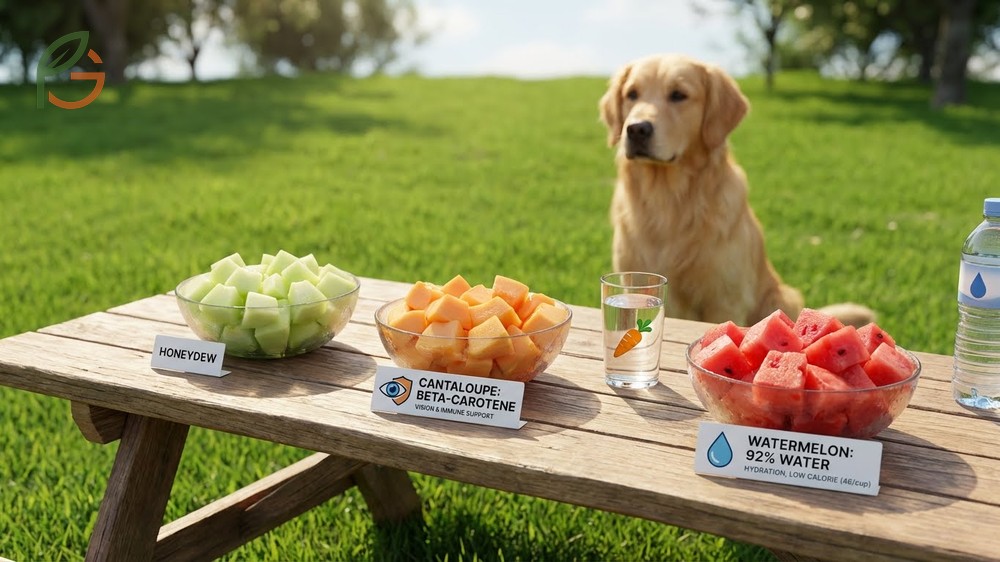
Cantaloupe and watermelon offer similar safety profiles to honeydew, with each providing unique nutritional advantages. Cantaloupe delivers higher levels of beta-carotene (vitamin A), supporting vision health and immune function[9]. Watermelon contains 92% water[9], making it the most hydrating option for hot summer days.
Calorie comparison reveals slight differences between melon varieties. Watermelon contains the fewest calories at 46 per cup, followed by cantaloupe at 54 per cup, and honeydew at 61 per cup[3]. All three require the same preparation—complete removal of rind and seeds before serving.
| Melon Type | Calories (per cup) | Water Content | Key Nutrient |
|---|---|---|---|
| Honeydew | 61[3] | 90% | Vitamin C |
| Cantaloupe | 54[3] | 89% | Vitamin A (beta-carotene) |
| Watermelon | 46[3] | 92%[9] | Lycopene (antioxidant) |
Most dogs enjoy all three melon types equally, though individual preferences vary. You can rotate between varieties to provide nutritional diversity while keeping your dog interested. The preparation method remains identical regardless of which melon you choose—safety depends on removing all rinds and seeds.
Hydrating Fruits Dogs Love

Beyond melons, several fruits provide excellent hydration and nutritional value for dogs. These options work particularly well during summer months or after physical activity when your dog needs to replenish fluids and electrolytes.
Current veterinary guidance emphasizes choosing fruits with high water content and moderate sugar levels. The following fruits meet safety standards and provide hydration benefits comparable to honeydew. Each requires specific preparation to ensure your dog’s safety.
- Watermelon – 92% water content, richest in lycopene antioxidants, remove all seeds and rind before serving[9]
- Cantaloupe – High in vitamin A, supports eye health and immune function, serve in small chunks without rind
- Strawberries – Rich in fiber and vitamin C, wash thoroughly and remove stems, limit to 3-4 berries for medium dogs
- Blueberries – Powerful antioxidants support cognitive function, serve whole for medium to large dogs, halve for small breeds
- Apples – Good source of fiber and vitamins A and C, always remove core and seeds which contain cyanide compounds
- Pears – High in fiber and vitamin C, remove core and seeds, serve in small slices to prevent choking
- Cucumbers – Technically a fruit, extremely low in calories, 96% water content, excellent for overweight dogs needing hydration
Safety Reminder: Never feed dogs grapes or raisins, which are highly toxic and can cause acute kidney failure. Citrus fruits, while not toxic, can cause stomach upset due to their acidity. Always introduce new fruits gradually and monitor for adverse reactions.
Frozen fruit pieces make excellent hot-weather treats. Try freezing small chunks of honeydew, watermelon, or blueberries to create a cooling snack your dog will love. The frozen texture also provides relief for teething puppies while delivering hydration and nutrients.
Conclusion
The evidence confirms that can dogs eat honeydew is answered with a clear yes—when prepared correctly and served in moderation. This refreshing melon offers vitamins, minerals, and hydration benefits that make it a worthwhile occasional treat for most dogs. Pet parents who remove all rind and seeds, cut the fruit into appropriate pieces, and limit servings to 1-2 times weekly can safely share this fruit with their canine companions.
Current veterinary guidance emphasizes treating honeydew as a supplement to your dog’s balanced diet rather than a nutritional necessity. While the vitamins and minerals provide some health support, the primary value lies in offering variety and enjoyment to your dog’s eating experience. FruitGarden encourages pet owners to consult their veterinarian before introducing any new foods, especially if their dog has existing health conditions or dietary restrictions.
Veterinary Disclaimer
Important Veterinary Disclaimer: This content is for informational and educational purposes only. It’s not intended as a substitute for professional veterinary advice, diagnosis, or treatment. Always consult a qualified veterinarian before making any changes to your dog’s diet, especially if your pet has diabetes, weight issues, or other medical conditions. Individual dogs may react differently to new foods, and serving sizes should be adjusted based on your dog’s specific health needs and activity level.
Frequently Asked Questions
Can dogs eat honeydew melon rind?
No, dogs shouldn’t eat honeydew rind. The tough, fibrous outer skin is difficult for dogs to digest and can cause gastrointestinal upset including bloating, diarrhea, or constipation. The hard texture also presents a choking risk and could potentially cause intestinal blockages if large pieces are swallowed. Always remove the rind completely and serve only the soft, pale green flesh.
Can dogs eat honeydew seeds?
No, dogs shouldn’t eat honeydew seeds. While the flesh is safe, seeds pose multiple health risks including choking hazards—especially for smaller breeds—and potential intestinal blockages if consumed in quantity. Always scoop out all seeds thoroughly before offering honeydew to your dog. Stick to seedless pieces of the fruit’s flesh to ensure a safe treat.
Is honeydew good for dogs with diabetes?
No, honeydew isn’t recommended for diabetic dogs. The natural sugar content—approximately 13.8g per cup—can cause blood sugar spikes that diabetic dogs can’t properly regulate. Dogs with diabetes require carefully controlled carbohydrate intake, and even natural fruit sugars can disrupt their glucose balance. Consult your veterinarian about appropriate treat options for diabetic dogs.
How much honeydew can a 50-pound dog eat?
A 50-pound dog can safely eat 2-3 medium pieces (approximately ¾ inch cubes) of honeydew melon 1-2 times per week. This portion provides approximately 8-12 calories and follows the veterinary guideline that treats should comprise no more than 10% of daily caloric intake. Always cut pieces to appropriate sizes and monitor your dog for any digestive upset after feeding.
Can dogs have cantaloupe and honeydew together?
Yes, dogs can safely eat cantaloupe and honeydew together as long as both are prepared correctly—with rinds and seeds completely removed. Mixing melon varieties provides nutritional diversity, combining honeydew’s vitamin C with cantaloupe’s beta-carotene. However, keep the total serving size within recommended limits for your dog’s weight to avoid excessive sugar intake and potential digestive upset.
What are signs my dog ate too much honeydew?
Signs of overconsumption include diarrhea, vomiting, excessive gas, abdominal discomfort, and decreased appetite. The high sugar and fiber content can upset your dog’s digestive system when eaten in large quantities. If symptoms persist beyond 24 hours or worsen, contact your veterinarian immediately. Prevention involves following recommended serving sizes and introducing honeydew gradually.
Can puppies eat honeydew melon?
Yes, puppies can eat honeydew in very small amounts once they’re eating solid foods, typically around 8-12 weeks old. Cut pieces into tiny cubes (smaller than ¼ inch) to prevent choking and introduce slowly to test tolerance. Limit servings to 1-2 tiny pieces initially. Frozen honeydew pieces can provide teething relief while delivering hydration. Consult your veterinarian about appropriate treat introduction timelines for your specific puppy.





