
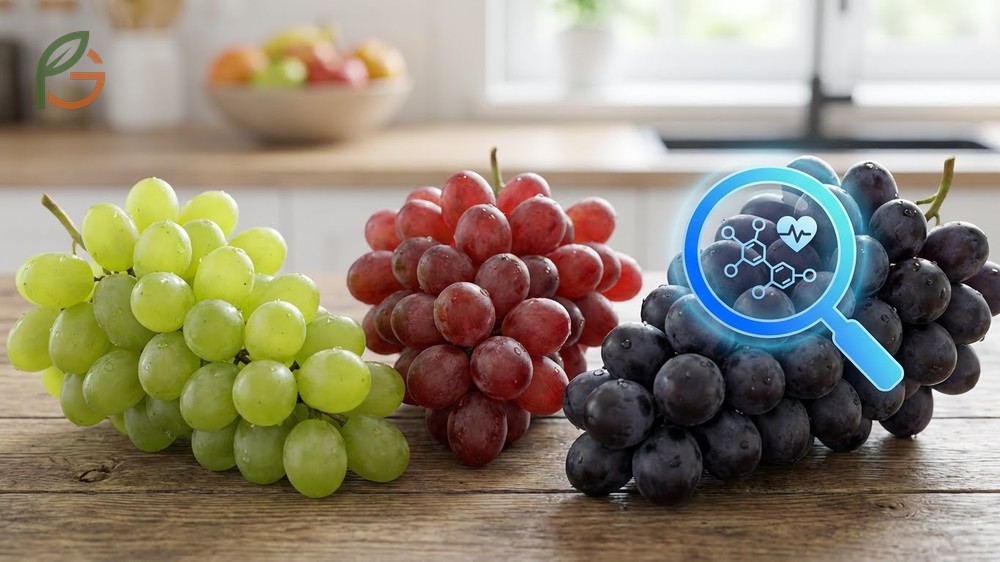
Which grapes are healthier? Research shows that purple and black grapes contain significantly higher antioxidant levels than red or green varieties, with Concord and purple grapes delivering 2-3 times more disease-fighting compounds[1]. The darker the grape, the more anthocyanins and resveratrol it contains—both proven to reduce inflammation and protect heart health[2]. FruitGarden provides evidence-based guidance to help you select the most nutrient-dense fruits for your garden and diet.
Quick Answer
- Purple and Concord grapes have 2-3x higher antioxidant capacity than red or green grapes[1]
- Red and purple grapes contain 70-75% of their antioxidants in the skin, where resveratrol concentrates[1]
- Green grapes provide similar calories and fiber but lower polyphenol content than darker varieties[3]
- Muscadine grapes contain the highest resveratrol levels of any grape variety, up to 40x more than other types[4]
Which Grapes Are Healthier
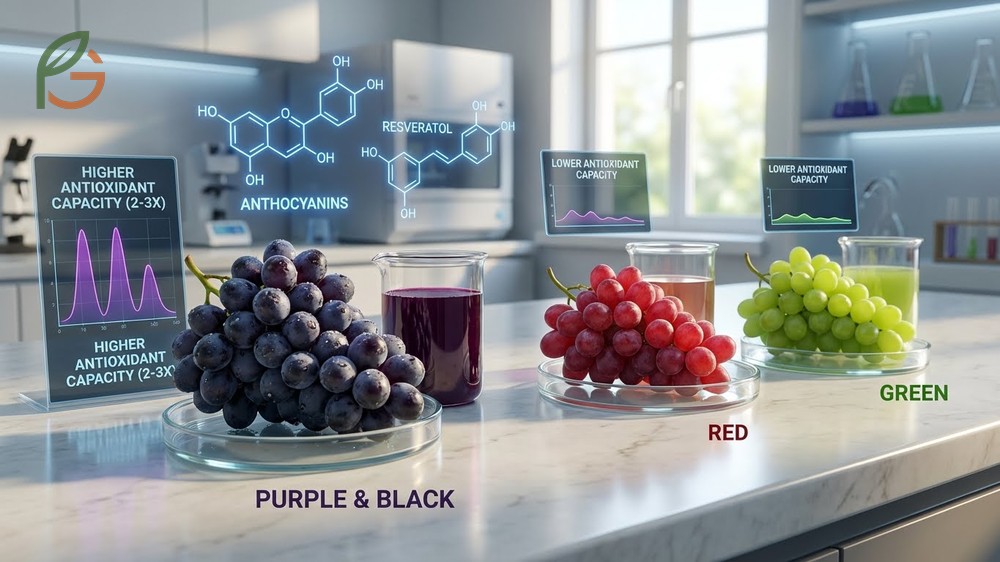
Studies demonstrate that purple and black grapes outperform red and green varieties in antioxidant capacity by significant margins[1]. Research using the CUPRAC biochemical assay found Concord and purple grapes contain 2-3 times more total antioxidant capacity than red or green grapes when normalized by carbohydrate content. The difference lies primarily in two compounds: resveratrol and anthocyanins.
Data shows red and green grapes provide virtually identical total antioxidant activity despite their color difference[1]. Both varieties deliver around 80 calories per cup with 19g carbohydrates and 0.7g fiber. What changes is where the antioxidants concentrate—red grapes store 70-75% in their skins, while green grapes distribute 38-45% through their pulp.
Current nutritional guidance emphasizes eating grape skins to maximize polyphenol intake. Purple grapes derive their deep color from anthocyanins, a flavonoid class with proven anti-inflammatory and antioxidant properties. Green grapes contain mainly flavanols instead, which offer different but complementary health benefits.
Important Note: Seedless varieties contain small, soft seeds that don’t affect consumption. Seeded grapes like Concord distribute antioxidants more evenly between pulp and skin, making them valuable for juicing.
Antioxidant Powerhouses: Purple and Black Grapes
Evidence indicates purple and black grapes achieve their superior antioxidant status through concentrated anthocyanin levels. These pigments provide the characteristic deep purple-to-black coloring while delivering oxidative stress protection[2]. Lab studies show anthocyanins help fight cancerous cells by preventing tumor growth and inducing apoptosis in cancer cells.
Purple grapes store their antioxidants differently than other varieties. Research confirms 70-75% of total antioxidant capacity concentrates in purple grape skins, compared to 45% for Concord grapes[1]. This matters for practical consumption—eating purple grapes whole maximizes benefits, while juicing removes the most nutrient-dense component.
Nutritional Baseline Across All Varieties
All grape colors provide similar macronutrient profiles regardless of antioxidant differences. A half-cup serving of red or green seedless grapes delivers 52 calories, 13.67g carbohydrates, 0.54g protein, and 0.12g fat[5]. Micronutrients include 2.4mg vitamin C, 8mg calcium, 0.27mg iron, and 2mg sodium.
The fiber content remains consistent at 0.7g per half-cup across varieties. This modest amount contributes to digestive health but doesn’t qualify grapes as high-fiber foods. Carbohydrate concentration varies slightly—Concord grapes contain approximately half the carbohydrates of purple, red, or green varieties at 10.3 μg glucose/mL versus 25-27 μg glucose/mL[1].
Benefits of Purple Grapes

Research demonstrates purple grapes offer exceptional cardiovascular protection through their resveratrol content. Studies link regular consumption to stabilized blood pressure, reduced cholesterol levels, and lower heart disease risk[6]. The compound works by improving endothelial function and reducing oxidative stress in blood vessels.
Purple grapes may slow cognitive decline associated with aging. Animal studies show resveratrol-treated rats demonstrate improved memory and brain function compared to controls. Human observational data suggests moderate red wine consumption correlates with lower Alzheimer’s disease risk, though controlled trials are needed to confirm direct causation.
The cancer-fighting potential of purple grapes stems from multiple mechanisms. Test-tube studies reveal resveratrol and anthocyanins work synergistically to combat various cancer types including stomach, breast, liver, thyroid, and prostate cancers[2]. These compounds prevent tumor spread and trigger programmed death in cancerous cells.
- Improved cardiovascular health through better blood pressure regulation and cholesterol management
- Enhanced brain function and potential protection against neurodegenerative diseases
- Reduced inflammation markers including C-reactive protein and TNF-alpha
- Stronger antioxidant defense against cellular damage from free radicals
- Better blood sugar regulation when consumed in moderation as part of balanced meals
Resveratrol Concentration in Dark Grapes
Resveratrol accumulates primarily in grape skins where it functions as a natural defense compound. Plants produce this polyphenol in response to stress, injury, or disease threats. Darker grape varieties synthesize higher resveratrol levels than lighter ones, with muscadine grapes producing exceptional amounts.
Agricultural research confirms muscadine grapes contain 40 times more resveratrol than standard wine grape varieties[4]. The compound concentrates in muscadine skins, pulp, and seeds, making whole-fruit consumption particularly beneficial. Scientists attribute this to muscadine’s robust natural pest resistance and drought tolerance.
Anthocyanin Advantages
Anthocyanins give purple grapes their characteristic deep color while providing substantial health benefits. These water-soluble pigments belong to the flavonoid family and demonstrate potent antioxidant activity. Purple grapes contain significantly more anthocyanins than red grapes, which in turn exceed green grape levels by wide margins.
Clinical evidence shows anthocyanins reduce systemic inflammation. Meta-analysis of randomized controlled trials found grape polyphenol supplementation at doses exceeding 200mg daily significantly lowered C-reactive protein levels[7]. The effect appears strongest when consuming grape extracts rather than whole fruit or juice.
Are Grapes Anti Inflammatory

Scientific data confirms grapes possess significant anti-inflammatory properties through their polyphenol content. Research shows grape compounds reduce key inflammatory markers including interleukin-6, tumor necrosis factor-alpha, and high-sensitivity C-reactive protein[7]. The mechanism involves reducing nitric oxide inactivation through enhanced antioxidative enzyme activity.
Studies demonstrate grape polyphenols work through multiple pathways to combat inflammation. In vitro research shows these compounds prevent expression and secretion of inflammatory mediators. They modulate immune responses, enhance antioxidative pathways, and inhibit mRNA expression of pro-inflammatory signals.
Clinical trials reveal dose-dependent effects on inflammation markers. Grape extract supplementation produces more pronounced anti-inflammatory benefits than whole fruit consumption. Higher doses exceeding 200mg daily show stronger reductions in C-reactive protein levels. Older adults experience more significant decreases in TNF-alpha levels compared to younger populations.
Research Insight: Fiber-bound phenolics from whole grapes may offer better bioavailability than isolated extracts, though extract studies show clearer inflammation reduction. Both forms provide benefits through different absorption mechanisms.
- Inhibit pro-inflammatory enzyme cyclooxygenase-2 that triggers inflammation cascades
- Suppress nuclear factor kappa-B activation that controls inflammatory gene expression
- Enhance antioxidant enzyme systems including superoxide dismutase and catalase
- Reduce oxidative stress by neutralizing reactive oxygen species before tissue damage
- Modulate cytokine production to shift immune responses toward anti-inflammatory states
What Are Black Grapes Good For
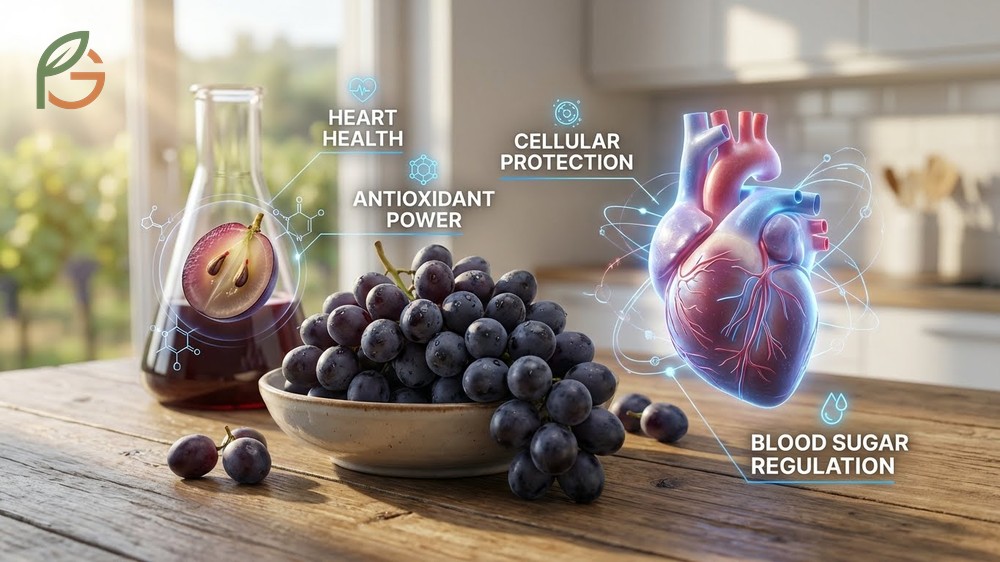
Black grapes excel at providing concentrated doses of resveratrol and anthocyanins in every serving. These dark purple-to-black varieties contain the highest total antioxidant capacity among common table grapes[2]. Current evidence supports their use for heart health, blood sugar regulation, and cellular protection against oxidative damage.
Cardiovascular benefits dominate black grape research. Data shows regular consumption improves endothelial function, reduces arterial stiffness, and lowers blood pressure. The polyphenols enhance nitric oxide production in blood vessel walls, promoting better circulation and reducing clot formation risk.
Black grapes support healthy aging through multiple mechanisms. Resveratrol activates sirtuins—proteins linked to longevity and cellular repair. Animal studies demonstrate these compounds protect neurons from age-related degradation and maintain mitochondrial function. Human trials show promise but require larger sample sizes for definitive conclusions.
For blood sugar management, black grapes provide moderate benefits when portion-controlled. The fiber and polyphenols slow glucose absorption compared to isolated sugars. Pairing grapes with protein sources like nuts or cheese further blunts glycemic response.
- Heart disease prevention through improved cholesterol profiles and blood pressure control
- Cognitive function support with potential Alzheimer’s disease risk reduction
- Skin health enhancement via antioxidant protection against UV damage and premature aging
- Immune system strengthening through antimicrobial and antiviral polyphenol activity
- Cancer risk reduction based on laboratory evidence of tumor growth inhibition
- Hair follicle health promotion through improved scalp circulation and reduced oxidative stress
Green Grapes Benefits for Skin
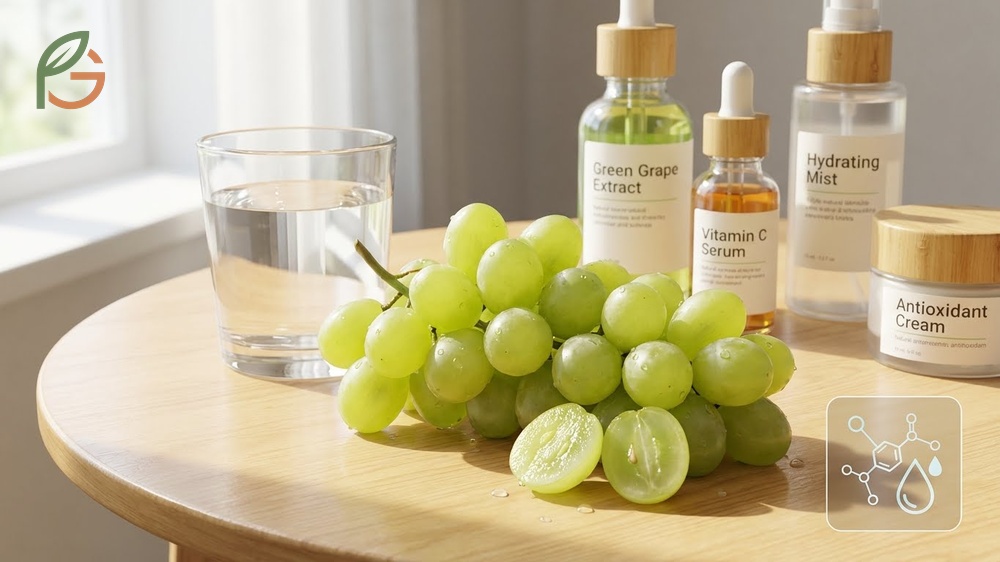
Green grapes contribute to skin health primarily through their vitamin C content and flavanol compounds. A half-cup serving provides 2.4mg vitamin C, supporting collagen synthesis essential for skin structure and elasticity[5]. The flavanols in green grapes differ from anthocyanins in darker varieties but still offer antioxidant protection.
Hydration benefits stem from green grapes’ high water content exceeding 80% by weight. This moisture supports skin barrier function and helps maintain plumpness. The natural sugars provide quick energy while organic acids contribute gentle exfoliation when applied topically.
Evidence for skin benefits remains stronger for darker grape varieties due to higher polyphenol concentrations. Green grapes contain approximately 45% of their antioxidant capacity in the pulp rather than concentrated in skins[1]. This distribution pattern makes them less potent for topical applications compared to red or purple varieties.
For optimal skin benefits, combine green grape consumption with other antioxidant-rich foods. The vitamin C works synergistically with vitamin E from nuts and seeds. Pairing with healthy fats improves absorption of fat-soluble nutrients that support skin health.
Best Grape Varieties for Health

Agricultural data reveals significant nutritional variation across grape cultivars beyond simple color categories. Specialty varieties like muscadine and Concord grapes offer distinct advantages over standard table grapes. Selection depends on specific health goals, growing conditions, and availability in your region.
For maximum antioxidant intake, prioritize seeded varieties when possible. Concord grapes distribute 45-48% of their antioxidant capacity through the pulp and seeds, making juicing more beneficial than with seedless purple grapes that concentrate nutrients in skins[1]. Commercial grape juice manufacturers rarely extract skin antioxidants effectively.
Climate considerations affect cultivar selection for home gardeners. Muscadine grapes thrive in hot, humid southeastern climates with natural disease resistance. Concord varieties prefer cooler northern regions with cold winter dormancy periods. Standard table grape varieties need Mediterranean-type climates with warm, dry summers.
This table compares resveratrol levels, anthocyanin content, and best growing regions across five major grape varieties from green table grapes to muscadine
| Variety | Resveratrol Level | Anthocyanin Content | Best Growing Region |
|---|---|---|---|
| Green Table Grapes | Low | Minimal | Mediterranean climates |
| Red Table Grapes | Moderate | Moderate | Mediterranean climates |
| Purple Table Grapes | Moderate-High | High | Mediterranean climates |
| Concord Grapes | Moderate-High | Very High | Northern temperate zones |
| Muscadine Grapes | Very High (40x standard)[4] | High | Southeastern humid climates |
Muscadine Grapes Benefits
Muscadine grapes represent a distinct species scientifically classified as Vitis rotundifolia rather than standard Vitis vinifera wine grapes. This native southeastern U.S. variety produces exceptional resveratrol levels in response to natural pest and disease pressures[4]. Agricultural Research Service scientists confirmed significant resveratrol concentrations in muscadine skins, pulp, and seeds.
Research shows muscadine compounds block cancer cell migration to organs, potentially preventing metastatic spread. The polyphenol profile differs from standard grapes, offering unique protective properties. Studies focus on muscadine’s role in metabolic disease states like diabetes and neural protection in Alzheimer’s disease.
For home cultivation, muscadines excel in high-humidity environments where European grapes struggle. They tolerate Pierce’s disease, black rot, and powdery mildew that devastate standard varieties. The thick skins contain concentrated nutrients but require removal for some consumers due to texture preferences.
Concord Grapes Nutrition
Concord grapes deliver exceptional anthocyanin levels responsible for their deep purple-black color. Studies measuring total antioxidant capacity found Concord grapes matched or exceeded purple seedless varieties despite different antioxidant distribution patterns[1]. The pulp contains 48% of total antioxidant capacity compared to 5-10% in purple table grapes.
Concord grape juice maintains significant health benefits despite processing. The juice extraction captures pulp antioxidants effectively, though skin nutrients remain in pomace. Regular consumption correlates with improved immune function in clinical trials. Human immunity benefits appear after consistent consumption over several weeks.
These grapes thrive in USDA hardiness zones 4-8 where winter cold provides necessary dormancy. Commercial production concentrates in New York’s Finger Lakes region and Washington State. Home gardeners value Concord’s vigorous growth, disease resistance, and multi-purpose applications for fresh eating, juice, jelly, and wine.
Conclusion
The evidence clearly establishes purple and black grapes as superior choices for maximizing antioxidant intake and health benefits. Studies confirm these darker varieties contain 2-3 times more disease-fighting compounds than red or green grapes[1]. Which grapes are healthier depends on your specific health priorities—cardiovascular protection favors resveratrol-rich muscadines, while general antioxidant support benefits from Concord or purple varieties.
Current agricultural guidance emphasizes consuming whole grapes with skins intact to capture concentrated polyphenols. For home gardeners, selecting varieties adapted to your climate ensures successful cultivation while maximizing nutritional output. FruitGarden provides research-backed recommendations to help you grow and select the most nutrient-dense grape varieties for optimal health outcomes.
Medical Disclaimer
Important Medical Disclaimer: This content is for informational and educational purposes only. It is not intended as a substitute for professional medical advice, diagnosis, or treatment. Always consult a qualified healthcare professional or registered dietitian before making significant changes to your diet, especially if you have diabetes, cardiovascular disease, or other medical conditions. Individual responses to dietary changes vary, and what works for general populations may not suit your specific health needs.
Frequently Asked Questions
Are Red Grapes Healthier Than Green Grapes?
Research shows red grapes contain more resveratrol and anthocyanins than green grapes, providing superior antioxidant benefits for heart health and inflammation reduction. However, both varieties offer similar calories, fiber, and basic nutrients. Red grapes store 70-75% of antioxidants in their skins, making whole consumption important.
What Color Grapes Are the Healthiest?
Purple and black grapes rank as the healthiest based on total antioxidant capacity studies. These dark varieties contain 2-3 times more polyphenols than red or green grapes. Muscadine grapes offer the highest resveratrol levels at 40 times standard varieties, while Concord grapes provide exceptional anthocyanin content.
Are Grapes High in Iron?
No, grapes provide minimal iron content with only 0.27mg per half-cup serving—about 1.5% of daily requirements. They’re not considered significant iron sources. For iron intake, focus on red meat, fortified cereals, beans, and dark leafy greens. Grapes offer vitamin C that enhances iron absorption from other foods when consumed together.
Are Purple Grapes Good for You?
Yes, purple grapes deliver substantial health benefits through high anthocyanin and resveratrol concentrations. Evidence supports their role in cardiovascular protection, inflammation reduction, and potential cancer risk reduction. Studies show they improve blood pressure, cholesterol levels, and endothelial function. Their antioxidant capacity significantly exceeds lighter-colored varieties.
Are Grapes High in Oxalates?
No, grapes are low-oxalate fruits containing minimal amounts compared to high-oxalate foods like spinach, rhubarb, or almonds. They’re generally safe for most people concerned about kidney stone formation. Moderate grape consumption fits well within low-oxalate dietary approaches. Consult your healthcare provider for personalized guidance on oxalate restrictions.
What’s the Difference Between Red and Green Grapes Nutrition?
Red and green grapes contain nearly identical calories, carbohydrates, and fiber—both provide about 80 calories and 19g carbs per cup. The main difference lies in antioxidant composition: red grapes contain anthocyanins and higher resveratrol, while green grapes have more flavanols. Red grapes concentrate antioxidants in skins; green grapes distribute them through pulp.
What Are the Benefits of Grape Skin?
Grape skins contain 70-75% of total antioxidants in purple and red varieties, including concentrated resveratrol, anthocyanins, and other polyphenols. These compounds provide cardiovascular protection, anti-inflammatory effects, and cellular defense against oxidative damage. Eating grapes with skins maximizes health benefits. Removing skins significantly reduces nutritional value.





