
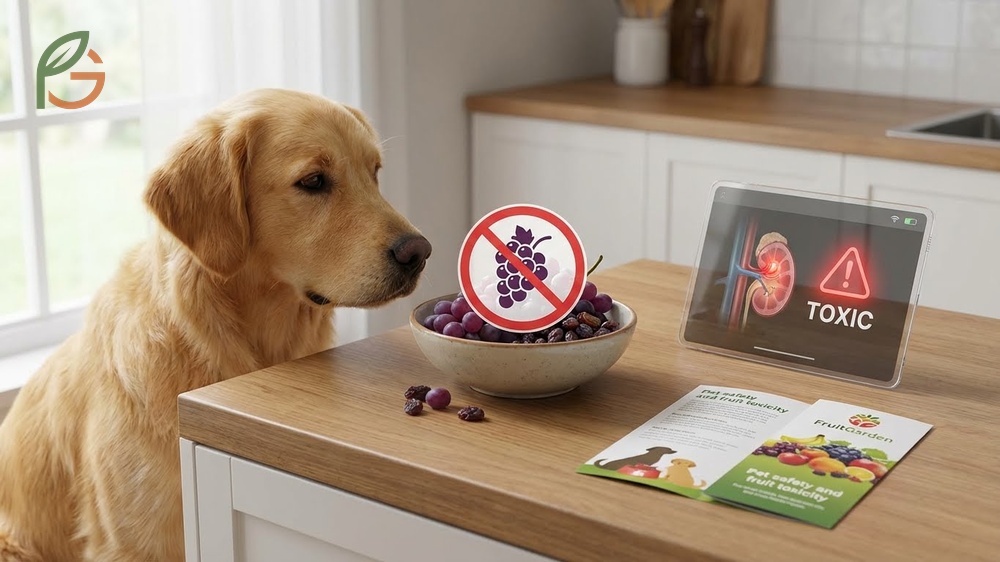
Can dogs eat grapes? No, grapes are highly toxic to dogs and can cause acute kidney failure, even in small amounts.[1] Research shows that tartaric acid, a compound found in grapes, raisins, and sultanas, is the likely toxic component that damages dogs’ kidneys.[2] FruitGarden provides evidence-based guidance to help pet owners understand which fruits are safe and which pose serious health risks to their dogs.
Quick Answer
Can Dogs Eat Grapes
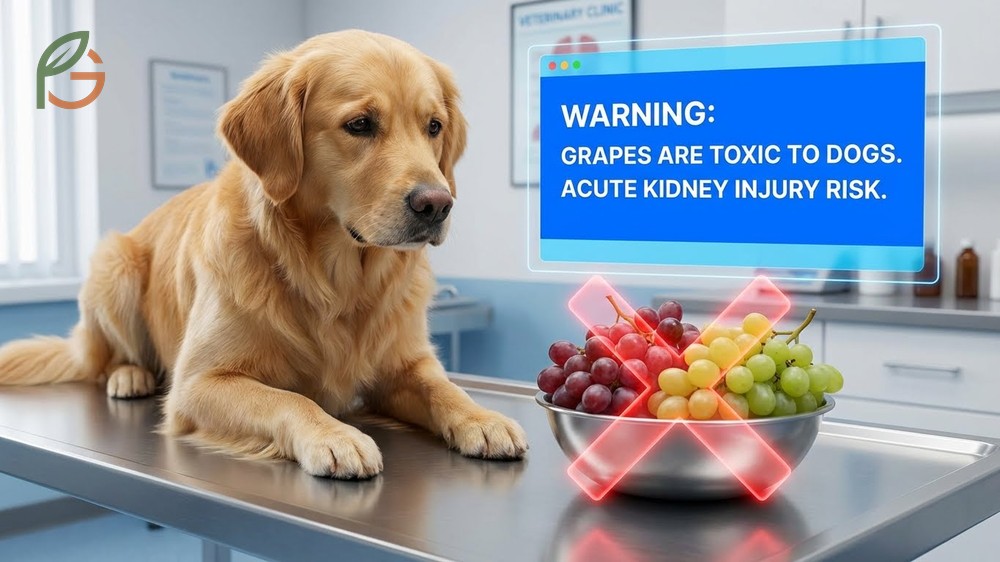
Dogs can’t eat grapes under any circumstances. The consumption of grapes and raisins presents a serious health threat that can cause acute kidney injury with a complete lack of urine production.[6] What makes this especially dangerous is that there’s no safe amount—even a single grape can trigger toxic reactions in some dogs.
Studies demonstrate that approximately 140 cases of grape poisoning were reported to the ASPCA Animal Poison Control Center in one year, with 50 dogs developing symptoms and seven dying.[6] This high mortality rate shows why prevention is critical. Unlike chocolate toxicity where the dose matters significantly, grape toxicity doesn’t follow predictable patterns.
The unpredictable nature of grape poisoning means you can’t rely on your dog’s size, breed, or past exposure to grapes as safety indicators. Current veterinary guidance emphasizes zero tolerance for grape consumption in dogs.
What Makes Grapes Toxic to Dogs
Recent research has identified tartaric acid as the likely toxic component in grapes.[7] Dogs’ kidneys are particularly susceptible to this compound, which triggers acute renal failure. Scientists discovered this connection after observing that cream of tartar (which contains high concentrations of tartaric acid) produced the same kidney damage in dogs that ate it.
The concentration of tartaric acid varies based on grape type, growing conditions, and ripeness—which explains why some dogs suffer severe reactions from just one grape while others eat several without immediate symptoms. This variability doesn’t make grapes safer. It just means the poison content isn’t consistent across all grapes.
Important Warning: Don’t assume your dog is safe if they’ve eaten grapes before without problems. The toxic dose varies, and previous tolerance doesn’t guarantee future safety.
All Types of Grapes Are Dangerous
Every form of grape poses the same risk to dogs. Red grapes, green grapes, seedless varieties, seeded types, organic grapes from your garden, and store-bought grapes all contain tartaric acid.[3] Raisins and sultanas are actually more concentrated sources of the toxin since they’re dried grapes with less water content.
Grape products like juice, jelly, and wine also present risks, though the concentration of tartaric acid may be lower. Even grape pressings from wineries have been linked to poisoning cases. There’s no processing method that makes grapes safe for dogs to consume.
Grape Toxicity Symptoms in Dogs

Most dogs with grape poisoning develop vomiting or diarrhea within 6-12 hours after ingestion.[5] However, the most severe signs often don’t appear until 24-48 hours later, by which time acute kidney damage has already begun. This delayed onset makes grape toxicity particularly dangerous because owners may not connect their dog’s illness to grape consumption.
Early recognition is critical for successful treatment. Research shows that dogs treated within 4-6 hours of ingestion have significantly better outcomes than those who receive delayed care. The window for preventing toxin absorption is short.
Early Warning Signs
The first symptoms you’ll notice are gastrointestinal problems. Dogs typically vomit within 6-24 hours of eating grapes, often with partially digested grape pieces visible.[1] Loss of appetite follows quickly, with affected dogs refusing food and treats they’d normally eat eagerly.
Other early signs include lethargy, weakness, and abdominal pain. Your dog may seem unusually quiet, reluctant to move, or yelp when you touch their belly. Diarrhea can occur alongside vomiting, further complicating dehydration risks.
- Vomiting (often the first sign)
- Complete loss of appetite (anorexia)
- Lethargy and weakness
- Abdominal pain and distended belly
- Diarrhea
Kidney Failure Symptoms
Signs of acute kidney failure develop 24-72 hours after ingestion. Dogs may show excessive thirst and initially produce large amounts of urine as the kidneys try to flush toxins. However, as kidney function deteriorates, urine production drops dramatically or stops completely.
Bad breath with an ammonia-like smell (uremic breath) indicates that waste products are building up in the bloodstream because the kidneys can’t filter them. Neurological symptoms like tremors, seizures, or wobbliness may appear in severe cases. Once urine output has stopped, the prognosis becomes very grave.
- Excessive thirst (polydipsia) followed by reduced drinking
- Decreased or absent urination (oliguria or anuria)
- Uremic breath (ammonia odor)
- Severe weakness and depression
- Tremors, seizures, or loss of coordination
- Coma in final stages
Critical Note: Kidney damage often begins before visible symptoms appear. Don’t wait for signs to develop—contact your vet immediately after any grape ingestion.
What to Do if Dog Eats Grapes
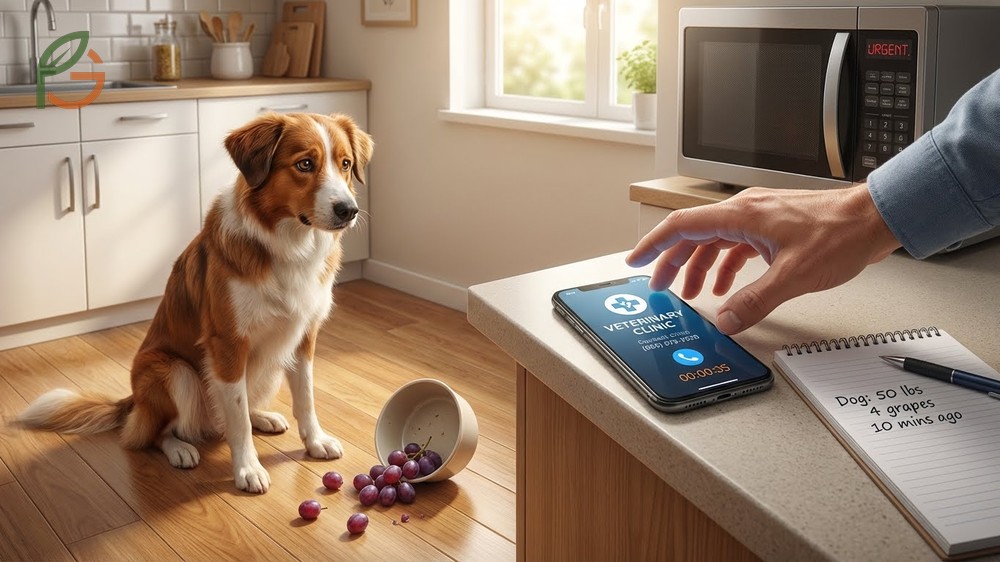
Time is critical when your dog eats grapes. Contact your veterinarian or an emergency animal clinic immediately, even if your dog seems fine. Provide specific details: your dog’s weight, how many grapes they ate, and when the ingestion occurred. Don’t try home remedies or wait to see if symptoms develop.
The goal is to prevent toxins from being absorbed into your dog’s system and reaching the kidneys. Treatment effectiveness drops significantly after the first few hours. Even if you’re not certain how many grapes your dog consumed, err on the side of caution and seek veterinary care.
Immediate Steps to Take
Call your vet, the ASPCA Animal Poison Control Center (888-426-4435), or the Pet Poison Helpline immediately. They’ll provide guidance based on your dog’s specific situation. Don’t induce vomiting at home unless a veterinary professional specifically instructs you to—improper technique can cause aspiration pneumonia or other complications.
Gather information before you call: note the time of ingestion, estimate the number of grapes consumed, and observe your dog for any symptoms. If possible, bring a sample of what your dog ate to the vet. This information helps veterinarians determine the best treatment protocol.
- Contact your veterinarian or emergency clinic immediately
- Note the time of ingestion and estimated quantity
- Don’t wait for symptoms to appear
- Prepare your dog’s weight and medical history
- Don’t induce vomiting without professional guidance
Veterinary Treatment
For recent ingestion (within 2-4 hours), vets typically induce vomiting to remove grapes from the stomach. Grapes can stay in the stomach for several hours, so this decontamination method remains effective longer than with many other toxins. After vomiting, activated charcoal may be administered to bind any remaining toxins in the digestive system.
Hospitalization for 24-72 hours is standard for grape poisoning cases. Your dog will receive aggressive intravenous fluid therapy to flush toxins from the body and support kidney function. Vets monitor kidney values every 24 hours to catch any elevation early. Anti-nausea medications help control vomiting and keep your dog comfortable during recovery.
This table outlines the three-phase veterinary treatment protocol for grape poisoning showing timing, procedures, and duration for each phase
| Treatment Phase | Timing | Procedures | Duration |
|---|---|---|---|
| Decontamination | Within 2-4 hours | Induce vomiting, activated charcoal | 1-2 hours |
| Supportive Care | Ongoing | IV fluids, anti-nausea medication | 24-72 hours |
| Monitoring | Every 24 hours | Kidney function tests, urine output tracking | 2-3 days minimum |
| Follow-up | Post-discharge | Repeat bloodwork, dietary adjustments | 1-2 weeks |
How Many Grapes Can Kill a Dog
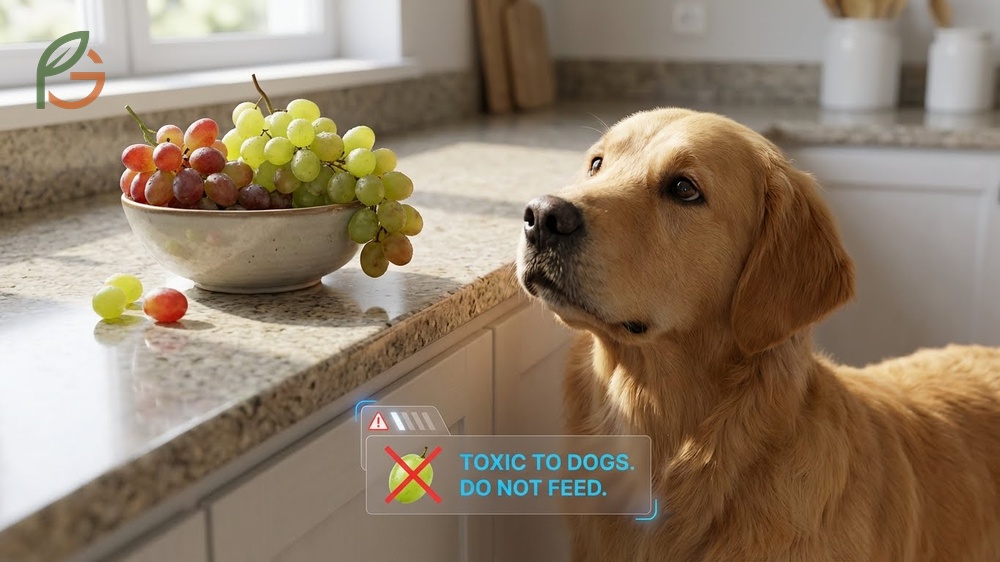
There’s no safe number of grapes for any dog. Dangerous doses begin at just 1-2 grapes for a 10-pound dog and 12-15 grapes for a 20-pound dog.[4] However, some dogs have developed kidney failure from eating a single grape, while others have consumed larger quantities without immediate symptoms. This unpredictability makes all grape exposure dangerous.
The variability stems from differences in tartaric acid concentration across grape types and individual dog sensitivities. Factors like your dog’s overall health, kidney function, and metabolic rate influence how severely they react. You can’t predict your dog’s response, which is why veterinarians recommend zero tolerance.
One study estimated that 3 grams of grapes per kilogram of body weight (about 0.05 ounces per pound) poses significant risk, but cases have occurred at lower doses. Raisins are approximately three times more concentrated than fresh grapes, making them even more dangerous in smaller quantities. Don’t gamble with your dog’s life by testing these limits.
| Dog Weight | Dangerous Dose (Fresh Grapes) | Dangerous Dose (Raisins) |
|---|---|---|
| 10 pounds | 1-2 grapes | Less than 1 raisin |
| 20 pounds | 12-15 grapes | 4-5 raisins |
| 50 pounds | 30-35 grapes | 10-12 raisins |
| Any weight | No amount is safe—seek vet care for any ingestion | |
Safe Fruits for Dogs
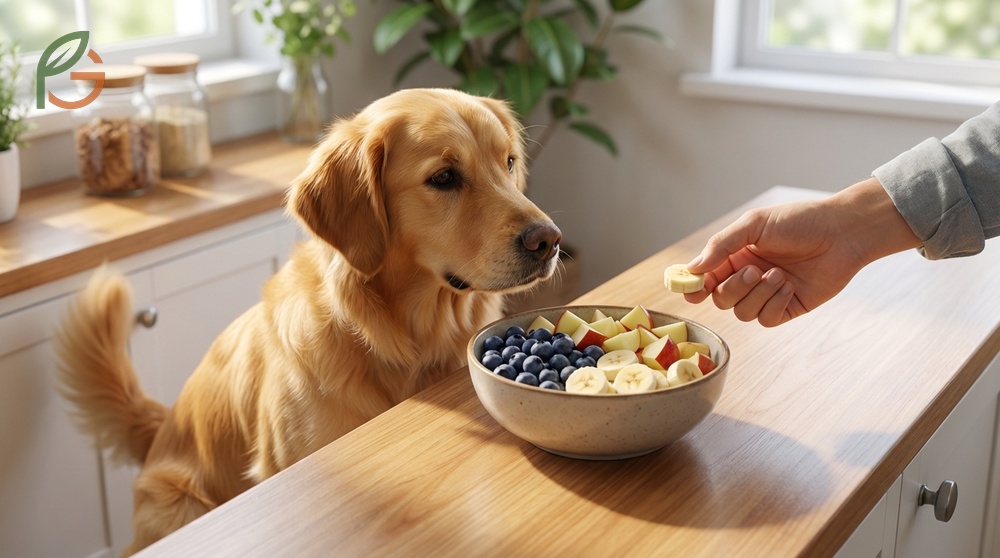
Many fruits make excellent, nutritious treats for dogs when prepared properly. Research shows that safe options like apples, blueberries, and watermelon provide vitamins, antioxidants, and hydration without toxic risks. The key is proper preparation—removing seeds, pits, cores, and rinds that can cause intestinal blockages or contain harmful compounds.
Fruits should make up no more than 10% of your dog’s daily caloric intake. Introduce new fruits slowly, offering small amounts and watching for any digestive upset or allergic reactions. What works well for one dog might cause stomach issues in another, so monitor your pet’s individual response.
- Apples: Remove core and seeds (which contain cyanide), cut into bite-sized pieces—high in vitamins A and C
- Blueberries: Serve whole or frozen—packed with antioxidants and low in calories
- Watermelon: Remove seeds and rind, serve flesh only—92% water for hydration[8]
- Bananas: Peel and cut into chunks—good source of potassium, but high in sugar so limit portions
- Cantaloupe: Remove rind and seeds—provides vitamins C and A for immune support
- Pineapple: Remove skin, core, and crown—contains bromelain to help protein absorption[8]
- Strawberries: Remove stems, wash thoroughly—high in fiber and vitamin C
Always avoid toxic fruits including grapes, raisins, avocados, and cherries. Also steer clear of processed fruits with added sugar, preservatives, or xylitol (an artificial sweetener that’s deadly to dogs). When in doubt about a fruit’s safety, consult your veterinarian before offering it to your dog.
Conclusion
The evidence is clear: can dogs eat grapes has only one answer—absolutely not. Even a single grape can trigger acute kidney failure in dogs due to tartaric acid toxicity, and there’s no way to predict which dogs will have severe reactions. Current veterinary guidance emphasizes immediate professional care for any grape ingestion, not waiting for symptoms to develop.
Keep grapes, raisins, and grape products completely out of your dog’s reach. If accidental ingestion occurs, contact your vet or animal poison control immediately—treatment within the first few hours dramatically improves survival rates. Choose safe fruit alternatives like apples, blueberries, and watermelon to give your dog healthy treats without the risk. FruitGarden provides research-based pet safety information to help you make informed decisions about what foods are truly safe for your canine companions.
Medical Disclaimer
Important Veterinary Disclaimer: This content is for informational and educational purposes only. It’s not intended as a substitute for professional veterinary advice, diagnosis, or treatment. Always consult a qualified veterinarian before making any changes to your pet’s diet or if your dog has ingested grapes or any potentially toxic substance. Time-sensitive pet emergencies require immediate professional care—contact your vet or animal poison control center without delay.
Frequently Asked Questions
Can one grape kill a dog?
Yes, one grape can potentially kill a dog, especially small breeds. Cases have been documented where a single grape caused acute kidney failure. The toxic dose varies unpredictably between individual dogs, making any amount dangerous regardless of your dog’s size or past grape exposure.
My dog ate grapes but seems fine—what should I do?
Contact your veterinarian immediately even if your dog shows no symptoms. Kidney damage often begins before visible signs appear, and the most severe symptoms can take 24-48 hours to develop. Early treatment within the first few hours significantly improves outcomes, so don’t wait for problems to emerge.
Are green grapes safer than red grapes for dogs?
No, all grape varieties are equally toxic to dogs. Green grapes, red grapes, seedless types, seeded varieties, and organic grapes all contain tartaric acid, the compound that causes kidney damage. Color and type don’t affect toxicity levels—no grapes are safe for dogs.
Can dogs eat seedless grapes safely?
No, seedless grapes are just as dangerous as seeded grapes. The toxicity comes from tartaric acid in the grape flesh, not the seeds. Removing seeds doesn’t eliminate the poison or make grapes safe for dogs to consume in any form.
Why can’t dogs eat grapes when humans can?
Dogs’ kidneys can’t properly metabolize tartaric acid, the compound found in grapes. While human kidneys handle this substance without problems, dogs experience acute renal failure when exposed to it. This species-specific sensitivity makes grapes toxic to dogs but safe for human consumption.
Are raisins more toxic than fresh grapes?
Raisins are approximately three times more concentrated in tartaric acid than fresh grapes because the drying process removes water but concentrates the toxin. This means a smaller quantity of raisins can deliver the same toxic dose as a larger number of fresh grapes, making them extremely dangerous in even tiny amounts.
What fruits are safe alternatives to grapes for dogs?
Safe fruit options include apples (without seeds or core), blueberries, watermelon (without rind or seeds), bananas, cantaloupe, strawberries, and pineapple (without skin and core). Always prepare fruits properly by removing seeds, pits, and inedible parts, and introduce new fruits gradually while monitoring for any digestive issues.





