

Benefits of red grapes include powerful antioxidants like resveratrol that protect your heart, reduce blood pressure, and slow aging. Research shows that red grapes deliver higher polyphenol content than green varieties, making them a nutrient-dense choice for health-conscious eaters. FruitGarden synthesizes current nutritional research to help you understand how these vibrant fruits impact your wellness.
Quick Answer
- Red grapes contain 52 calories and 0.7g fiber[1] per half-cup serving
- They’re packed with resveratrol—a polyphenol that supports cardiovascular health and reduces inflammation[2]
- Studies show red grape polyphenols reduce systolic blood pressure by 1.48 mmHg[3] compared to control groups
- Red grape consumption can lower cholesterol levels by 14-19%[4] in individuals with high cholesterol
Benefits of Red Grapes

Red grapes stand out for their rich concentration of polyphenols, particularly resveratrol, which you won’t find in the same amounts in green grapes. Studies demonstrate that these compounds work together to protect your cells from oxidative damage and reduce inflammation throughout your body[2]. Most people don’t realize that the skin of red grapes contains the highest concentration of these beneficial compounds.
What makes red grapes particularly valuable is their combination of fiber and antioxidants working synergistically. A half-cup serving delivers 0.7g of dietary fiber alongside 1,400mg of polyphenols[4] including procyanidin and catechin. This combo helps your body absorb nutrients more effectively than isolated supplements.
Unlike processed snacks that spike your blood sugar, red grapes provide natural sweetness with built-in nutritional benefits. You’re getting vitamins, minerals, and protective compounds in every handful. The convenience factor matters too—they’re portable, require no preparation, and stay fresh in your refrigerator for up to two weeks.
Resveratrol in Red Grapes
Resveratrol is the star compound in red grapes that’s earned attention from researchers worldwide. Current data indicates this polyphenol activates protective pathways in your cells at remarkably low concentrations—nanomolar levels that you can achieve through regular grape consumption[2]. It works by stimulating endothelial nitric-oxide synthase, which improves blood vessel function.
The anti-inflammatory effects of resveratrol extend beyond basic immune support. Research shows it can reduce reactive oxygen species production, inhibit platelet aggregation, and improve your lipid profile[2]. These mechanisms explain why moderate red grape consumption is linked to cardiovascular protection.
Important Note: You’ll get the most resveratrol by eating red grapes with their skins intact. The skin contains up to 50-100 times more resveratrol than the flesh, so don’t peel them before eating.
Red Grapes for Heart Health
Evidence suggests that red grapes offer specific cardiovascular benefits through multiple pathways. Spanish researchers found that red grape fiber and antioxidants reduced cholesterol levels by 14% in healthy individuals and 19% in those with high cholesterol[4]. Blood pressure also dropped by 5-6% across both groups.
What’s remarkable is how red grapes compare to traditional fiber sources. The same study tested red grapes against oats and psyllium—common fiber supplements—and red grapes performed better for reducing blood pressure and cholesterol[4]. This suggests that it’s not just the fiber content but the unique combination of compounds working together.
Red grape consumption can improve your heart’s function even if you already have controlled blood pressure. Clinical trials with hypertensive individuals showed that whole red grape juice reduced blood pressure from 133.3 mmHg to 114.6 mmHg[5] in subjects with controlled initial readings. The effects were statistically significant with a p-value of 0.02.
Red Grapes Antioxidants
Red grapes contain a diverse array of antioxidant compounds beyond just resveratrol. Procyanidins, catechins, and anthocyanins work together to neutralize free radicals before they can damage your cells. These polyphenols are concentrated in the skin and seeds, which is why eating whole grapes delivers maximum benefits.
The antioxidant capacity of red grapes translates to real-world health protection. Studies indicate that grape polyphenols can reduce oxidative stress markers like malondialdehyde while increasing your body’s own antioxidant enzymes such as superoxide dismutase[6]. This dual action provides more comprehensive protection than single-compound supplements.
- Resveratrol: Primary polyphenol with anti-inflammatory and cardioprotective effects
- Procyanidins: Oligomeric compounds that support vascular health and reduce cholesterol oxidation
- Catechins: Flavonoids that enhance metabolic function and protect against cellular damage
- Anthocyanins: Pigments responsible for red color that fight oxidative stress
- Quercetin: Flavonol with anti-inflammatory properties that supports immune function
Nutritional Value of Red Grapes

Red grapes deliver impressive nutrition in a compact, low-calorie package. A half-cup serving (approximately 76g or 10-12 grapes) contains just 52 calories[1], making them an ideal snack for weight management. You’re getting natural sweetness without the empty calories found in processed foods.
The nutrient density of red grapes means you get more nutritional value per calorie than many other fruits. They provide essential vitamins, minerals, and phytonutrients while keeping your calorie intake in check. This makes them particularly valuable if you’re trying to increase your fruit intake without exceeding your daily calorie goals.
Calories and Macronutrients
The macronutrient profile of red grapes is straightforward and plant-based. You’ll get 13.67g of carbohydrates[1] per half-cup serving, which includes natural sugars and dietary fiber. The protein content is minimal at 0.54g[1], and fat is nearly absent at just 0.12g[1].
What matters most is the quality of those carbohydrates. Red grapes contain 0.7g of dietary fiber[1] per serving, which helps slow sugar absorption and supports digestive health. The saturated fat content is exceptionally low at 0.041g[1], and there’s zero cholesterol.
This table compares macronutrient content per half-cup serving of red grapes including calories, protein, carbohydrates, fats, fiber, and cholesterol values from USDA data
| Nutrient | Amount | % Daily Value |
|---|---|---|
| Calories | 52 kcal[1] | 3% |
| Total Carbohydrates | 13.67 g[1] | 5% |
| Dietary Fiber | 0.7 g[1] | 3% |
| Protein | 0.54 g[1] | 1% |
| Total Fat | 0.12 g[1] | 0% |
| Saturated Fat | 0.041 g[1] | 0% |
| Cholesterol | 0 mg[1] | 0% |
Vitamins and Minerals
Red grapes contribute several essential micronutrients to your daily intake. You’ll get 2.4mg of vitamin C[1] per half-cup, which supports immune function and collagen production. The vitamin K content is notable too, contributing to blood clotting and bone health.
Mineral-wise, red grapes provide 8mg of calcium[1] and 0.27mg of iron[1] per serving. The sodium content is extremely low at just 2mg[1], making them heart-friendly for those watching their salt intake. You’re also getting trace amounts of B vitamins that support energy metabolism.
- Vitamin C: Antioxidant that protects cells and supports immune system function
- Vitamin K: Essential for blood clotting and maintaining strong bones
- Potassium: Helps regulate blood pressure and supports muscle function
- Iron: Necessary for oxygen transport throughout your bloodstream
- Calcium: Builds and maintains bone density and dental health
- B Vitamins: Support energy production and nervous system health
Health Benefits of Red Grapes
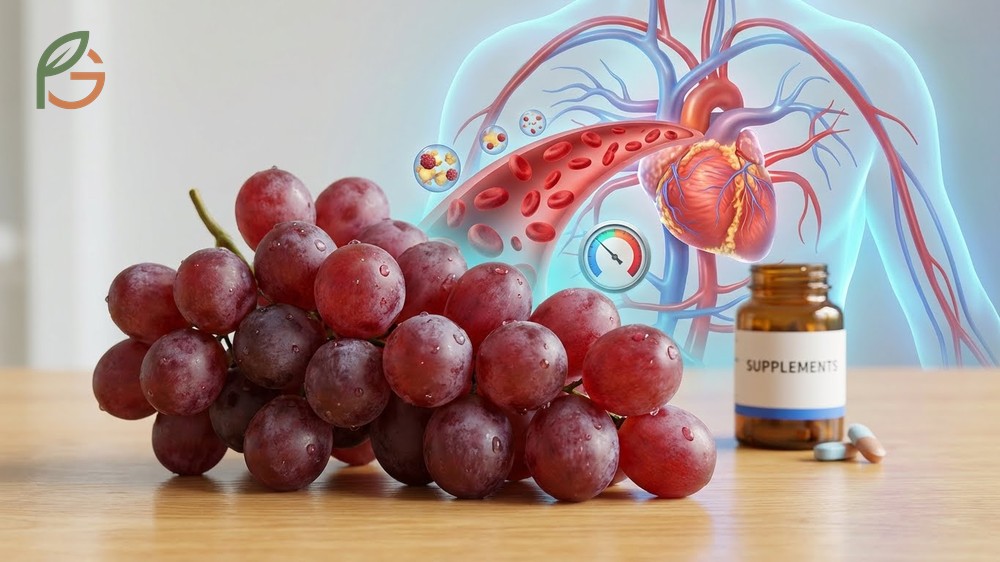
The health advantages of red grapes extend well beyond basic nutrition. Research demonstrates that regular consumption can modify several cardiovascular risk factors simultaneously—lowering blood pressure, reducing cholesterol, and improving arterial function[2]. This multi-targeted approach makes them more valuable than foods that address just one health concern.
Unlike supplements that isolate single compounds, whole red grapes deliver synergistic benefits. The combination of fiber, polyphenols, vitamins, and minerals works together in ways that individual nutrients can’t replicate. Current guidance emphasizes whole food sources over extracts for achieving optimal health outcomes.
Most people can incorporate red grapes into their daily routine without major dietary changes. You can add them to breakfast yogurt, pack them as portable snacks, freeze them for a refreshing treat, or include them in salads. The versatility makes it easier to maintain consistent intake over time.
Blood Pressure Reduction
Clinical evidence supports red grapes’ ability to lower blood pressure through multiple mechanisms. A comprehensive meta-analysis of 10 randomized controlled trials found that daily grape polyphenol intake significantly reduced systolic blood pressure by 1.48 mmHg[3] compared to control groups. While the reduction seems modest, it’s clinically meaningful when sustained over time.
What’s particularly interesting is how red grape juice performed in hypertensive individuals. The double-blind study with 26 participants showed that subjects with controlled baseline blood pressure achieved drops from 133.3 mmHg to 114.6 mmHg[5] after intervention. The researchers also noted improved post-exercise hypotension effects in certain subgroups.
The blood pressure benefits appear to stem from increased nitric oxide production in your blood vessels. This compound helps arteries relax and dilate, improving blood flow and reducing pressure on vessel walls. Lower doses of grape polyphenols (under 733mg daily) showed larger reductions, suggesting that moderate consistent intake works better than occasional high doses[3].
Important Consideration: If you’re taking blood pressure medication, talk with your healthcare provider before significantly increasing red grape intake. The combined effects could potentially lower your pressure more than intended.
Anti-Aging Properties
Grape seed proanthocyanidins demonstrate remarkable anti-aging effects at the cellular level. Studies show these compounds reduce reactive oxygen species, decrease malondialdehyde levels, and restore proliferative capacity in senescent cells[6]. This means they’re not just masking aging signs—they’re actually addressing the underlying cellular processes.
The skin benefits of red grape compounds are backed by both animal studies and human trials. Research on UV-exposed skin found that grape seed extract inhibited collagen degradation by suppressing the MAPK signaling pathway[6]. This protection helps maintain skin structure and elasticity despite sun exposure.
Resveratrol’s dual properties make it particularly effective for anti-aging. It neutralizes free radicals while simultaneously increasing your body’s own antioxidant capacity[6]. This two-pronged approach delivers better results than compounds that only work through one mechanism. You’re essentially training your cells to defend themselves more effectively.
Are Red Grapes Good for Health

Yes, red grapes are excellent for health when consumed as part of a balanced diet. The scientific evidence consistently shows benefits across multiple health markers—from cardiovascular function to cellular aging. You’re getting a concentrated source of bioactive compounds that work synergistically to protect your body.
The key is understanding that red grapes aren’t a miracle cure but rather a valuable component of an overall healthy lifestyle. Research indicates they work best when combined with other nutritious foods, regular physical activity, and adequate sleep. They can’t compensate for poor dietary habits elsewhere, but they can enhance the benefits of an already health-conscious approach.
For most adults, incorporating 1-2 cups of red grapes daily fits well within recommended fruit intake guidelines. You’re getting approximately 100-200 calories of nutrient-dense food that contributes to your hydration needs as well. The natural sugar content is moderated by fiber and polyphenols, which helps prevent blood sugar spikes.
Current agricultural research emphasizes the importance of grape variety selection for maximizing health benefits. Red seedless varieties offer convenience while maintaining most of the nutritional value found in seeded types. Organic options can reduce pesticide exposure, though conventional red grapes still provide substantial health benefits when properly washed.
- Morning boost: Add halved red grapes to oatmeal or yogurt for natural sweetness and texture
- Snack strategy: Pre-portion 1-cup servings in containers for grab-and-go convenience
- Frozen treat: Freeze red grapes on a baking sheet for a refreshing low-calorie dessert
- Salad enhancement: Toss red grapes with mixed greens, walnuts, and feta cheese
- Smoothie ingredient: Blend red grapes with Greek yogurt and spinach for nutrient-packed drinks
- Cheese pairing: Combine with aged cheddar or goat cheese for balanced snack plates
Red Grapes vs Green Grapes
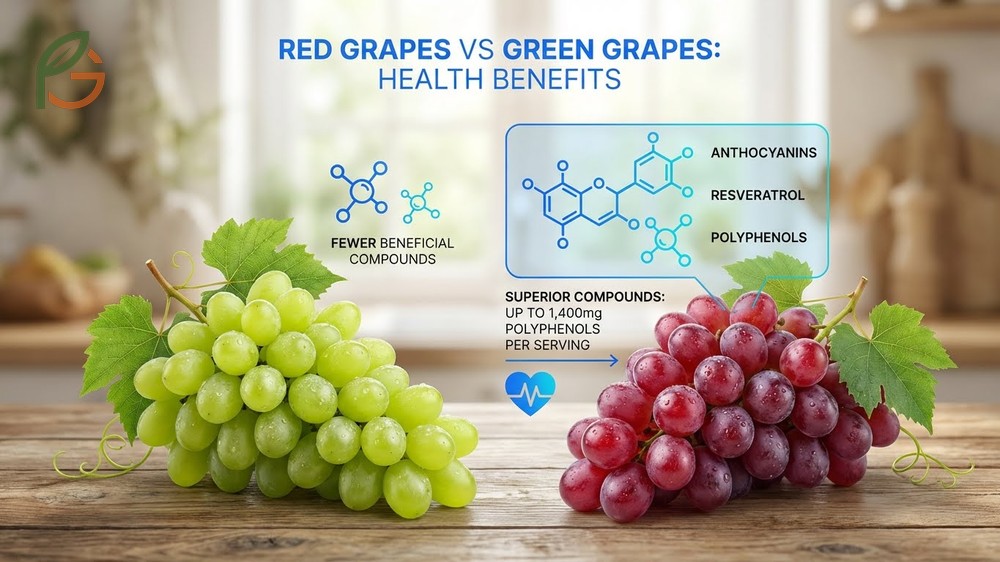
While both grape colors offer health benefits, red grapes contain significantly higher levels of beneficial compounds. The pigments that give red grapes their color—anthocyanins—are powerful antioxidants absent in green varieties. You’ll also find more resveratrol in red grape skins, which explains their superior cardiovascular benefits.
The polyphenol content differs dramatically between the two types. Red grapes can contain up to 1,400mg of polyphenols[4] per serving when you include the skin and seeds. Green grapes have lower concentrations, though they still provide valuable nutrients like vitamin C and potassium.
Flavor and texture preferences matter too—some people find red grapes sweeter and more satisfying. Both varieties contain similar calorie counts at approximately 52 calories per half-cup[1]. If you’re specifically targeting heart health or anti-aging benefits, red grapes deliver more targeted compounds, but green grapes remain a nutritious choice for general health.
Conclusion
The evidence is clear: benefits of red grapes include powerful cardiovascular protection, cellular anti-aging effects, and concentrated antioxidant delivery in a low-calorie package. You’re getting resveratrol, polyphenols, fiber, and essential vitamins that work together to support your long-term health. Research across multiple clinical trials consistently demonstrates measurable improvements in blood pressure, cholesterol levels, and oxidative stress markers.
Current nutritional guidance emphasizes whole food sources like red grapes over isolated supplements for achieving optimal health outcomes. FruitGarden encourages you to make red grapes a regular part of your fruit rotation, whether fresh, frozen, or incorporated into meals throughout the day.
Medical Disclaimer
Important Medical Disclaimer: This content is for informational and educational purposes only. It’s not intended as a substitute for professional medical advice, diagnosis, or treatment. Always consult a qualified healthcare professional before making any changes to your diet, medication, or health routine, especially if you have diabetes, cardiovascular disease, or other medical conditions. Individual results may vary based on your unique health status and medical history.
Frequently Asked Questions
How many red grapes should I eat per day?
Most nutrition experts recommend 1-2 cups of red grapes daily as part of your total fruit intake. This amount provides approximately 100-200 calories and delivers therapeutic levels of polyphenols without excessive sugar. If you’re managing blood sugar concerns, pair grapes with protein sources like nuts or cheese to moderate absorption.
Are red grapes better than green grapes for heart health?
Yes, red grapes offer superior cardiovascular benefits due to their higher resveratrol and anthocyanin content. Studies show red grape polyphenols reduce blood pressure by 1.48 mmHg and lower cholesterol by 14-19% compared to controls. Green grapes still provide nutritional value, but red varieties deliver more targeted heart-protective compounds.
What’s the best time to eat red grapes for maximum benefits?
You can eat red grapes any time of day, but many people find them most satisfying as mid-morning or afternoon snacks. Consuming them with protein sources like Greek yogurt at breakfast helps stabilize blood sugar throughout the morning. Avoid eating large quantities right before bed if you’re sensitive to natural sugars affecting your sleep.
Do frozen red grapes lose their nutritional value?
No, freezing preserves most of the nutritional content in red grapes. Polyphenols, vitamins, and minerals remain stable during freezing, though vitamin C levels may decrease slightly over extended storage periods. Frozen red grapes actually make an excellent low-calorie dessert alternative while maintaining their health benefits.
Can red grapes help with weight loss?
Red grapes can support weight loss when used as a low-calorie snack replacement. At just 52 calories per half-cup, they provide natural sweetness and fiber that helps control hunger. They work best when substituted for higher-calorie processed snacks rather than added on top of your current diet.
Should I eat red grape skins or peel them?
Always eat red grapes with their skins intact. The skin contains 50-100 times more resveratrol than the flesh, plus most of the fiber and anthocyanins. Wash them thoroughly under running water to remove pesticide residues, but don’t peel them if you want maximum health benefits.
Are organic red grapes worth the extra cost?
Organic red grapes reduce pesticide exposure, which can be valuable if you eat them frequently. However, conventional red grapes still provide substantial health benefits and are safer than avoiding grapes altogether due to cost concerns. Thoroughly washing conventional grapes removes most surface pesticide residues.





