
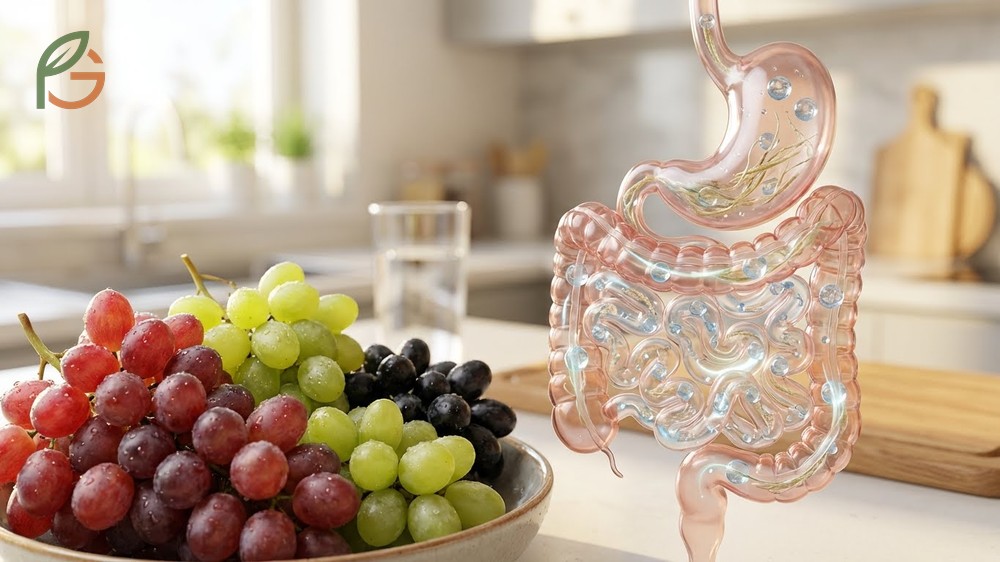
Are grapes good for digestion? Yes, grapes support digestive health through their fiber content and high water composition. Research shows that one cup of grapes provides 1.4g of fiber[1] and consists of 81% water[1], helping move waste through your colon and keeping bowel movements regular. Studies demonstrate that fiber in whole fruits like grapes reduces the time stool takes to move through your digestive system and increases fecal weight[1]. FruitGarden provides evidence-based guidance on fruit nutrition to help you make informed dietary choices for optimal digestive wellness.
Quick Answer
- Grapes contain 1.4g fiber[1] and 81% water[1] per cup, supporting regular bowel movements
- They’re high FODMAP at normal portions – only 2 grapes[2] qualify as low FODMAP for IBS sufferers
- Natural acidity (pH 3.0-4.5)[3] can trigger acid reflux in susceptible individuals
- Organic acids like tartaric and malic acid provide mild laxative effects[4]
Are Grapes Good for Digestion

Grapes support digestive health through multiple mechanisms that work together to promote regular bowel function. Research shows that one cup (151 grams) of grapes contains 1.4 grams of dietary fiber, which includes both soluble and insoluble types. The insoluble fiber in grape skins adds bulk to stool, while soluble fiber in the flesh softens it.
Current data indicates grapes reduce the time stool spends in your colon and increase fecal weight compared to fruit juices[1]. This combination helps prevent constipation more effectively than processed alternatives. The whole fruit format delivers fiber intact, unlike grape juice where heating during production reduces beneficial compounds.
Evidence suggests that pairing grapes’ 81% water content[1] with fiber creates optimal conditions for smooth digestion. Water helps fiber move through your system without causing discomfort. Most people find that eating grapes with protein sources like yogurt or nuts balances their natural sugars and extends digestive benefits throughout the day.
Fiber Content Breakdown
Grapes contain both fiber types your digestive system needs. The skin provides insoluble fiber that speeds waste elimination, while the flesh offers soluble fiber that feeds beneficial gut bacteria. This dual-action approach supports complete digestive wellness rather than addressing just one aspect.
Data from nutrition databases shows grapes deliver approximately 0.9g fiber per 100g[5], though this varies by variety. Red and green grapes contain similar fiber amounts, so you can choose based on taste preference without sacrificing digestive benefits.
Hydration Benefits
The high water content in grapes makes them particularly effective for digestive health. Dehydration is a common secondary cause of constipation, and grapes help you reach hydration goals while providing fiber. Research confirms that combining fluid intake with dietary fiber improves treatment outcomes for constipation[1].
Each grape acts as a tiny water reservoir that releases moisture during digestion. This gradual hydration supports fiber’s movement through your intestines more effectively than drinking water separately from dry fiber sources.
Important Note: If you’re dealing with chronic constipation lasting more than two weeks, grapes alone won’t solve the problem. Consult a healthcare professional to rule out underlying conditions that require medical treatment.
Are Grapes High in Fiber
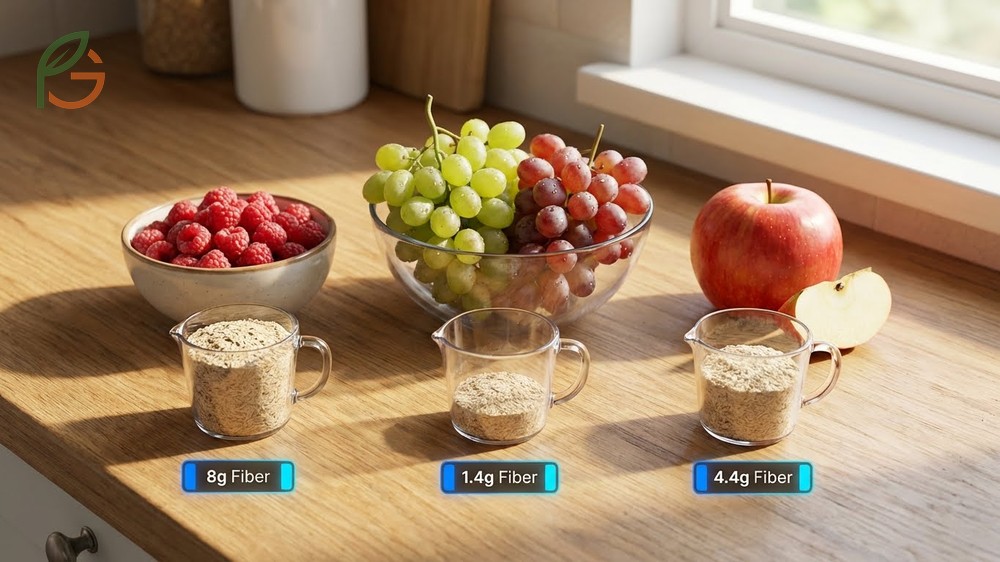
Grapes aren’t considered a high-fiber food compared to other fruits. With 1.4g fiber per cup[1], they provide roughly 4-5% of the daily value for dietary fiber. This places them in the moderate range – helpful for digestive health but not a primary fiber source in your diet.
For context, raspberries contain 8g fiber per cup while apples with skin provide about 4.4g per medium fruit. Grapes offer less fiber by weight but compensate with exceptional hydration and quick digestion. The combination makes them easier on sensitive stomachs than denser, higher-fiber options.
Current guidance emphasizes eating a variety of fiber sources rather than relying on any single food. Grapes work best as part of a balanced diet that includes legumes, whole grains, and vegetables. They’re an excellent addition to your fiber intake, particularly when you need something gentle that won’t cause bloating.
Comparing Fiber to Other Fruits
This table compares dietary fiber content across five common fruits per standard serving size with fiber type distribution
| Fruit | Serving Size | Total Fiber | Fiber Classification |
|---|---|---|---|
| Grapes | 1 cup (151g) | 1.4g[1] | Moderate |
| Raspberries | 1 cup (123g) | 8g | Very High |
| Apple (with skin) | 1 medium (182g) | 4.4g | Good |
| Banana | 1 medium (118g) | 3.1g | Good |
| Orange | 1 medium (131g) | 3.1g | Good |
The table shows grapes rank lower in absolute fiber content but excel in water-to-fiber ratio. This makes them particularly useful for people who struggle with bulkier, high-fiber fruits that cause gas or discomfort. Their gentler action on the digestive system suits those with sensitive constitutions.
Are Grapes Low FODMAP
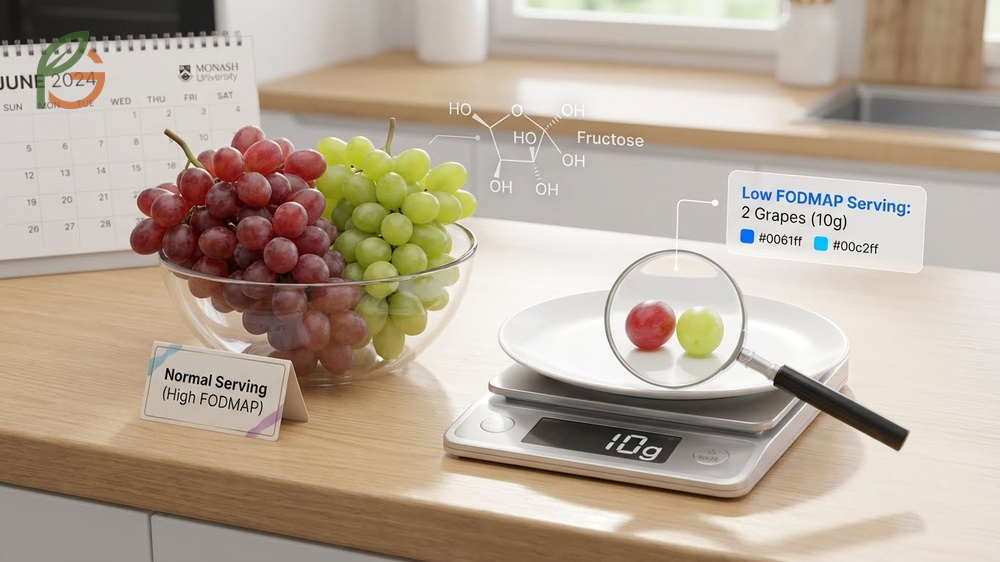
Grapes are high FODMAP at normal serving sizes, which creates challenges for people with IBS. Monash University retested grapes in June 2024 and changed the low FODMAP serving to just 2 grapes (10g) for both red and green varieties[2]. This represents a significant reduction from previous guidelines that allowed more generous portions.
The fructose content in grapes triggers digestive symptoms even at very low portion sizes for people with IBS. Fructose is a monosaccharide that some people can’t properly absorb, leading to gas, bloating, and diarrhea. The updated testing revealed higher fructose levels than originally measured, explaining why many IBS sufferers experienced symptoms despite following earlier low FODMAP recommendations.
Research indicates that grape-based products like juice concentrate your FODMAP intake even further since processing removes water while retaining fructose. If you’re following a low FODMAP diet, you’ll need to limit grapes strictly or choose alternative fruits like strawberries, oranges, or kiwi that offer better FODMAP profiles.
IBS Considerations
Current guidance from IBS dietitians suggests you may tolerate around 3 grapes at a moderate FODMAP level[2], provided you’re avoiding other trigger foods at the same meal. This slightly higher amount could work if grapes offer significant health benefits you don’t want to miss. Testing your personal tolerance during the FODMAP reintroduction phase helps determine your individual threshold.
Evidence suggests that eating grapes early in the day when digestive function is strongest may reduce symptoms compared to evening consumption. Pairing your small grape portion with low FODMAP protein sources helps slow fructose absorption and minimize digestive distress.
- Strawberries: 10 medium berries qualify as low FODMAP with better tolerance
- Oranges: 1 medium orange provides vitamin C and fiber without high fructose
- Kiwifruit: 2 kiwis deliver excellent fiber with lower FODMAP impact
- Cantaloupe: 1 cup diced melon offers hydration and gentle digestion
- Blueberries: 1/4 cup serves as a safe, antioxidant-rich option
Are Grapes Good for Acid Reflux
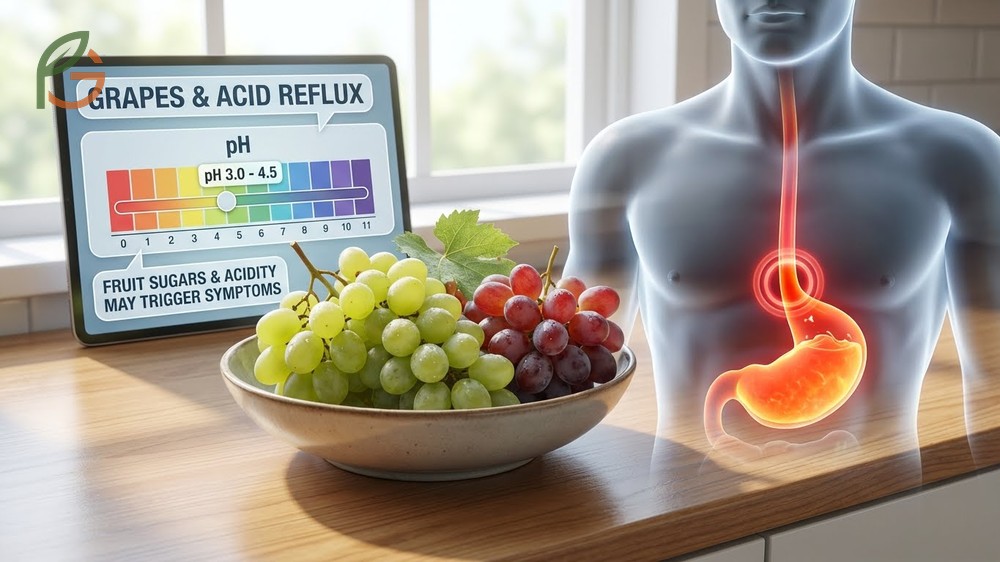
Grapes can trigger acid reflux or heartburn in susceptible individuals despite their nutritional benefits. Their natural acidity ranges from pH 3.0 to 4.5[3], combined with fruit sugars that may relax the lower esophageal sphincter (LES). This creates conditions where stomach acid flows backward into your esophagus, causing the burning sensation known as heartburn.
Research shows that several factors determine whether you’ll tolerate grapes with GERD. The high water content helps dilute stomach acid, and grapes digest quickly compared to fatty foods that linger in your stomach[3]. Ripe grapes contain lower malic acid levels, reducing their overall acidic impact on your digestive system.
Evidence indicates that portion size matters significantly for acid reflux sufferers. A cup of grapes contains roughly 23 grams of sugar[3], and high fruit sugar intake can relax the LES valve and boost stomach acid production. Most people with moderate to severe GERD experience discomfort when eating grapes on an empty stomach or in large amounts.
pH Levels and Acidity
Grapes fall into the acidic category on the pH scale, though they’re not as acidic as citrus fruits. The pH 3.0-4.5 range[3] means they produce acid when metabolized, despite what some alkaline diet proponents claim. The oxalate content in grapes further affects their alkaline-forming potential by altering potassium metabolism.
Different grape varieties show slight pH variations. Green grapes tend slightly more acidic than red varieties, though both can trigger symptoms in people with compromised LES function. Your individual acid reflux threshold depends on your LES strength, stomach acid levels, and overall digestive health.
Managing GERD Symptoms
If you experience acid reflux more than twice per week despite dietary changes, you need medical evaluation beyond simple grape avoidance. Persistent heartburn, difficulty swallowing, or the sensation of food sticking requires professional assessment to rule out serious complications.
- Choose ripe grapes: Lower malic acid content reduces acidic impact on your stomach
- Limit portions: Start with 5-10 grapes instead of a full cup to test tolerance
- Avoid empty stomach consumption: Eat grapes as part of balanced meals with protein and healthy fats
- Time your intake: Consume grapes 3-4 hours before bedtime to prevent nighttime reflux
- Stay upright after eating: Remain vertical for 30-45 minutes to help gravity keep acid down
- Track your triggers: Keep a food diary to identify if grapes specifically worsen your symptoms
Warning Signs: Severe chest pain with reflux, vomiting blood or coffee-ground material, black tarry stools, or sudden breathing difficulty require immediate medical care. These symptoms may indicate complications beyond simple acid reflux.
Are Grapes a Laxative
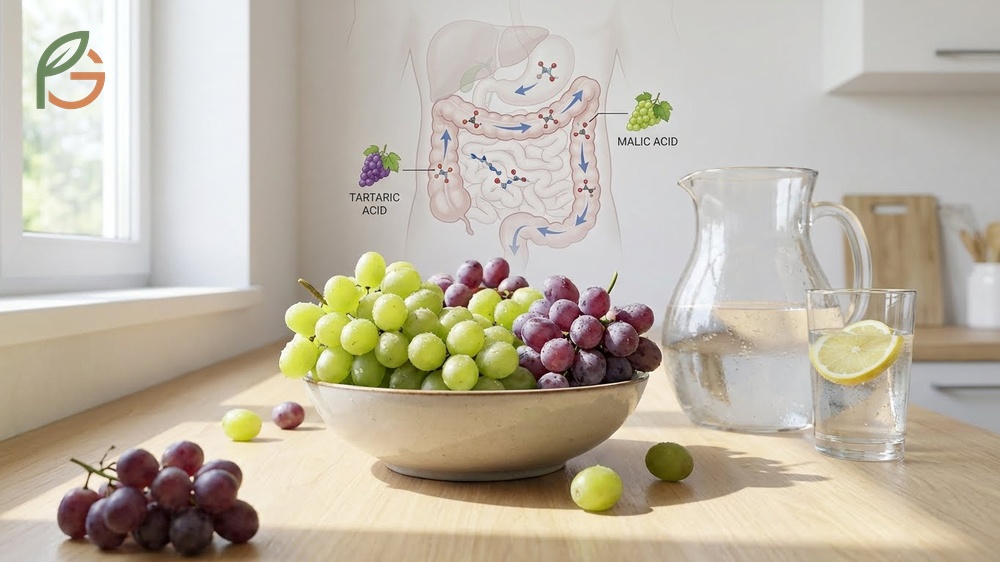
Grapes provide mild natural laxative effects through organic acids found in the fruit. Tartaric acid, the primary acid in grapes, has a mild stimulating effect on intestinal muscles that helps get things moving[4]. Malic acid encourages your colon to absorb water, which softens stool and promotes easier elimination[4].
Research shows that combining fiber, water, and organic acids creates grapes’ laxative potential. This makes them effective for mild constipation but insufficient for severe blockage issues. Most people notice results within 6-12 hours of eating a moderate portion, though individual response varies based on overall diet and hydration status.
Evidence indicates that excessive grape consumption can backfire and cause diarrhea. Too much fiber and fructose together lead to loose stools or diarrhea in some individuals[4]. A handful of grapes supports gut health, while a whole bowl could trigger digestive upset. The sugary truth is that fructose intolerance makes grapes a major trigger for gas, bloating, and diarrhea in susceptible people.
- Dual fiber action: Insoluble fiber adds bulk while soluble fiber softens stool consistency
- Organic acid stimulation: Tartaric and malic acids gently activate intestinal muscle contractions
- Hydration support: 81% water content helps fiber move smoothly through your system
- Gut bacteria fuel: Soluble fiber feeds beneficial microbes that support regular bowel movements
- Natural sugar effect: Moderate fructose draws water into your intestines, softening waste
Current data shows dried grapes (raisins) concentrate the laxative effect since water removal increases fiber and sugar density per serving. Black raisins particularly benefit digestion and help prevent constipation according to traditional Ayurvedic medicine practices. The fiber content in raisins helps ease indigestion and bloating conditions while improving iron absorption.
Are Grapes Hard to Digest
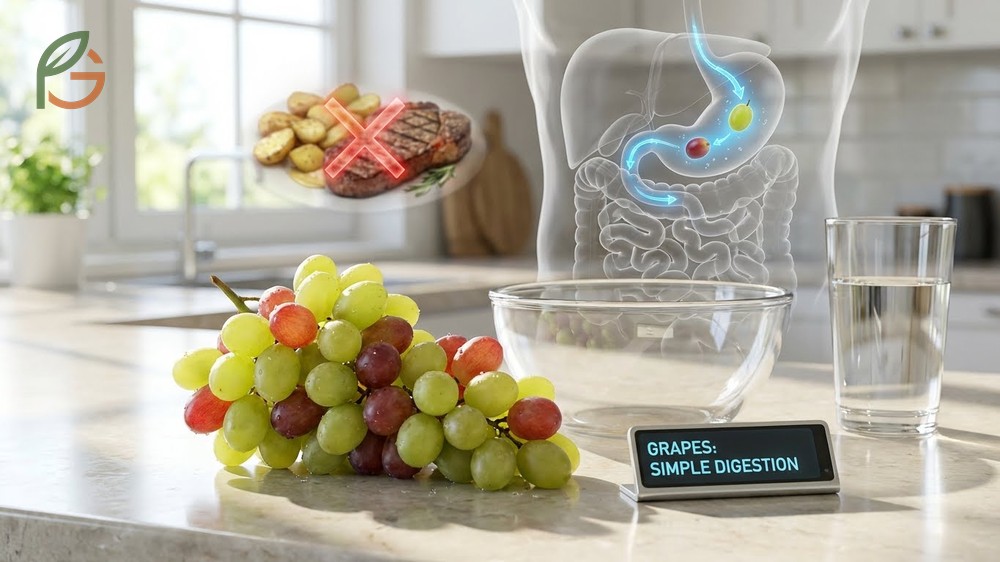
Grapes are easy to digest for most people due to their simple sugar content and high water composition. They digest quickly compared to fatty foods, protein-heavy meals, or complex carbohydrates that require extended breakdown. The soft flesh and thin skin pose minimal digestive challenges for healthy individuals with normal gut function.
However, certain conditions make grape digestion problematic. Fructose intolerance causes your body to struggle processing the natural fruit sugars, leading to gas, bloating, and discomfort. People with IBS often react to the high FODMAP fructose content even in small amounts. The grape skin contains insoluble fiber that some people with inflammatory bowel conditions find irritating.
Evidence suggests timing and preparation affect digestibility. Eating grapes on an empty stomach speeds their transit time but may trigger symptoms in people with sensitive digestion or GERD. Chewing thoroughly breaks down the skin and releases nutrients more effectively. Freezing grapes slows your eating pace naturally, giving your digestive system more time to process each bite.
- Remove skins if sensitive: Peeling grapes eliminates insoluble fiber that may irritate compromised digestive systems
- Start with small portions: Test tolerance with 5-10 grapes before eating larger amounts
- Choose seedless varieties: Seeds can cause minor irritation in people with diverticulitis or inflammatory conditions
- Pair with protein or fat: Combining grapes with nuts, cheese, or yogurt slows sugar absorption and improves tolerance
- Eat slowly and chew well: Thorough mastication breaks down skin and flesh for easier digestion
Digestive Sensitivity Tip: If grapes consistently cause stomach aches, bloating, or changes in bowel movements, you may have fructose malabsorption or IBS. Food intolerance testing can identify whether fructose is your specific trigger.
Conclusion
The evidence is clear: grapes support digestive health for most people through their balanced combination of fiber, water, and organic acids. With 1.4g fiber and 81% water content per cup, they help maintain regular bowel movements and prevent mild constipation effectively.
Current guidance emphasizes understanding your individual tolerance before making grapes a dietary staple. If you have IBS, limit portions to 2-3 grapes due to high FODMAP content. For acid reflux sufferers, choose ripe varieties, avoid empty stomach consumption, and monitor portion sizes. Those with fructose intolerance should consider alternative fruits with better digestive profiles. FruitGarden provides research-based fruit nutrition information to help you optimize your dietary choices for digestive wellness and overall health.
Medical Disclaimer
Important Medical Disclaimer: This content is for informational and educational purposes only. It is not intended as a substitute for professional medical advice, diagnosis, or treatment. Always consult a qualified healthcare professional before making any changes to your diet, medication, or health routine, especially if you have diabetes, GERD, IBS, or other digestive conditions. Individual responses to foods vary significantly, and what works for one person may not work for another.
Frequently Asked Questions
How Many Grapes Should You Eat for Constipation Relief?
Research suggests eating 1/2 to 1 cup (75-150g) of grapes can help relieve mild constipation within 6-12 hours. This portion provides approximately 0.7-1.4g fiber combined with sufficient water content to soften stool and promote bowel movements. Start with smaller amounts if you have a sensitive digestive system, and increase gradually while monitoring your response.
Can Grapes Cause Diarrhea?
Yes, excessive grape consumption can cause diarrhea due to high fructose and fiber content overwhelming your digestive system. People with fructose intolerance are particularly vulnerable to loose stools, gas, and bloating from even moderate grape portions. Limit intake to one cup or less per sitting, and pair grapes with protein or fat sources to slow sugar absorption and reduce diarrhea risk.
Are Red or Green Grapes Better for Digestion?
Red and green grapes provide similar digestive benefits with nearly identical fiber content (0.9g per 100g). Red grapes contain slightly higher antioxidant levels from anthocyanins, while green varieties tend marginally more acidic, which may affect acid reflux sufferers differently. Choose based on personal taste preference and how your body responds to each variety’s subtle differences in acidity and sugar content.
Should You Eat Grapes With or Without Skins for Better Digestion?
Eating grapes with skins provides maximum digestive benefits since the skin contains insoluble fiber that adds bulk to stool and promotes regular bowel movements. However, people with inflammatory bowel conditions, diverticulitis, or very sensitive digestion may tolerate peeled grapes better. The skin’s insoluble fiber can irritate compromised intestinal linings, while the soft flesh alone digests more gently.
When Is the Best Time to Eat Grapes for Digestive Health?
The best time to eat grapes for digestive health is during morning or early afternoon hours when digestive function operates strongest. Avoid eating grapes 3-4 hours before bedtime if you have acid reflux, as lying down after consumption increases reflux risk. For constipation relief, eating grapes with breakfast helps stimulate morning bowel movements 6-12 hours later.
Do Organic Grapes Digest Better Than Conventional Ones?
Organic and conventional grapes digest similarly since the digestive process breaks down the fruit regardless of growing method. Both provide identical fiber, water, and organic acid content that affects digestion. The main difference lies in pesticide residue rather than digestibility – organic grapes contain fewer chemical residues, but this doesn’t change how your body processes the fruit’s nutrients and fiber.
Can You Drink Grape Juice Instead of Eating Whole Grapes for Digestion?
Whole grapes are significantly better for digestion than grape juice because they contain intact fiber that juice processing removes. Fiber in whole fruits helps move stool through your colon, while juice lacks this benefit and delivers concentrated sugars that may cause blood sugar spikes and diarrhea. If constipation is your concern, choose whole grapes over juice to get the full digestive advantages.





