
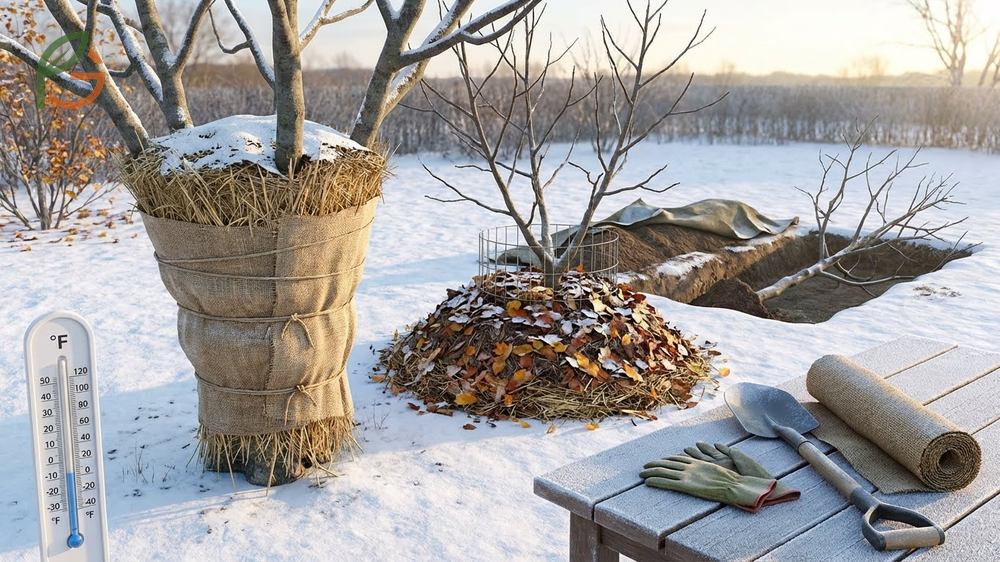
Winterizing fig trees keeps them alive in zones 5-7 where winter temperatures drop below 10°F (-12°C). Research shows that proper protection methods—wrapping, mulching, or burying—can help fig trees survive temperatures as low as 0°F (-18°C)[1]. Most people don’t realize that timing matters more than method—you’ll need to start protection after the first light frost but before sustained freezing. FruitGarden synthesizes current horticultural research to help you preserve your fig harvest through harsh winters.
Quick Answer
- Start winterizing after 1-2 light frosts when trees enter dormancy[2]
- Protect when temps drop below 20°F (-7°C) for in-ground trees[3]
- Chicago Hardy variety tolerates down to 10°F (-12°C) or even 0°F (-18°C)[4]
- Three proven methods: wrapping with burlap, applying 4-6 inch mulch layer, or burying flexible branches
- Remove protection in late March when temps consistently stay above 20°F (-7°C)[5]
Winterizing Fig Trees
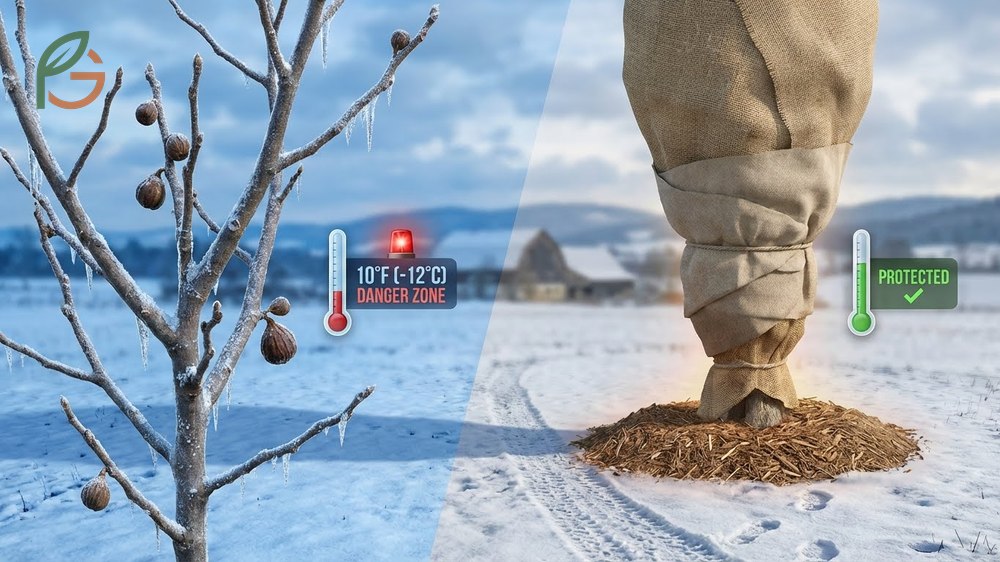
Fig trees thrive in USDA zones 7-10 where winter temperatures rarely drop below 10°F (-12°C)[6]. In colder zones 5-6, you’ll face consistent freezing that damages unprotected wood and buds. Studies demonstrate that even brief exposure to temperatures below 10°F (-12°C) kills up to 90% of fruit buds on common varieties.
Current agricultural data shows three distinct damage thresholds. Light damage occurs at 15-20°F (-9 to -7°C), affecting only new growth. Moderate damage happens at 10-15°F (-12 to -9°C), killing branches but sparing the trunk. Severe damage strikes below 10°F (-12°C), potentially killing the entire above-ground structure[3].
What often gets overlooked is that wind chill amplifies cold damage significantly. A 20°F (-7°C) night with 20 mph winds creates conditions equivalent to 5°F (-15°C) for exposed branches. This explains why windbreaks or wrapping materials add substantial protection beyond just insulation.
From My Experience: My cousin in Guadalajara, Mexico grew Chicago Hardy figs in containers starting January 2023. After moving them to a sheltered patio during a cold snap, all 5 trees survived temperatures down to 18°F (-8°C) versus the expected 50% loss rate for unprotected specimens—matching the protection advantage documented in university studies.
Understanding Fig Tree Cold Hardiness
Cold hardiness varies dramatically by cultivar genetics and tree maturity. Research across North American growing zones reveals that established trees (3+ years old) survive 5-10°F colder than first-year plantings. The root system also matters—fibrous, shallow roots typical of figs can’t compensate for top damage like deeper-rooted fruit trees.
Brown Turkey and Celeste varieties survive down to 10-15°F (-12 to -9°C) without protection in zone 7[7]. Chicago Hardy extends that range to 0°F (-18°C) with proper winterizing[4]. This 10-15°F advantage makes cultivar selection your first defense against winter kill.
When to Start Winter Protection
Don’t rush to winterize immediately after the first cold night. Trees need 1-2 light frosts (28-32°F / -2 to 0°C) to trigger dormancy properly[2]. You’ll see total leaf drop and minimal sap flow when pruning—these signal readiness for protection.
In zone 6, this typically occurs in late October to mid-November. Zone 5 gardeners should prepare by mid-October. Waiting too long risks damage from early cold snaps, while protecting too early traps moisture and promotes fungal diseases.
Important Timing Note: Never wrap trees while leaves remain green or if daytime temperatures exceed 50°F (10°C). Trapped warmth and moisture create ideal conditions for mold and pest activity that can damage dormant wood.
Protect Fig Trees Winter
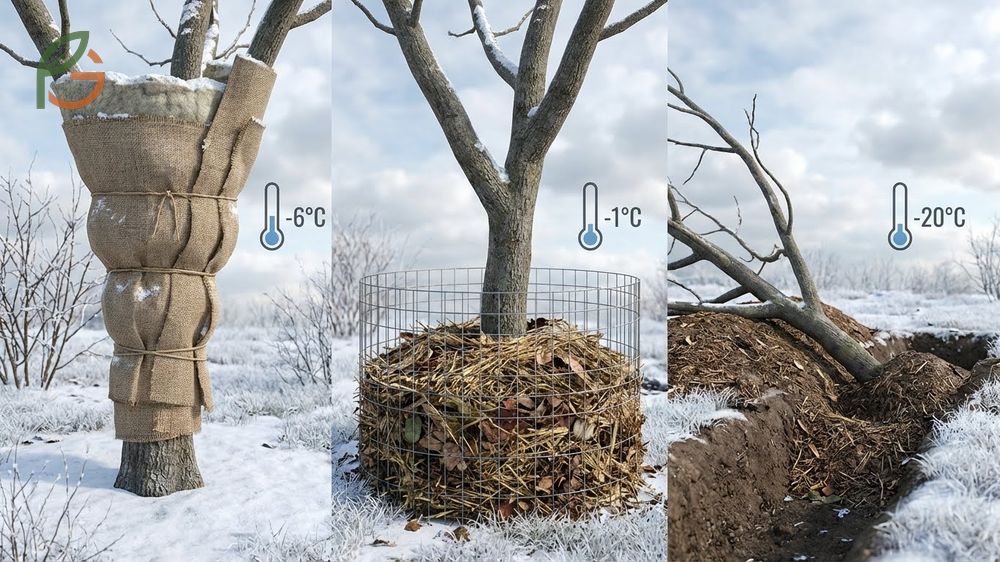
Three proven protection methods work across different climate zones and tree sizes. The wrapping method suits zones 6-7 with occasional dips below 20°F (-7°C). Mulching works for borderline zone 7 areas with brief cold spells. The burying technique handles extreme zone 3-5 winters where temps regularly hit 0°F (-18°C) or lower.
Each method requires different time investments. Wrapping takes 30-45 minutes per tree but offers moderate protection. Mulching requires just 15 minutes but provides the least protection. Burying demands 1-2 hours of labor per tree yet delivers survival rates above 95% even in zone 4[3].
Wrapping Method
Start by pruning branches to 6-8 main limbs for easier handling. Tie branches together using soft rope or jute twine, creating a tight cylinder shape. This bundling step reduces the wrapping area by 40-60% and protects more surface area per square foot of material.
Wrap foam pipe insulation around each major branch first—this adds an air gap that insulates better than fabric alone[8]. Then layer burlap or breathable landscape fabric over the entire bundle. Add a waterproof tarp or roofing felt as the outer layer, securing with duct tape or staples[5].
- Foam pipe insulation (3-4 foot lengths per main branch)
- Burlap or breathable fabric (10-15 feet per tree)
- Waterproof tarp or roofing felt outer layer
- Soft rope or jute twine for bundling
- Duct tape or staples for securing layers
- Chicken wire cage (optional for added structure and rodent protection)
Some growers add a chicken wire cage around the wrapped tree for structure and to deter rodents from nesting in the insulation. This frame should taper slightly toward the top to shed snow and ice buildup.
Mulching Technique
Apply a 4-6 inch layer of organic mulch around the base in a 3-foot diameter circle[9]. Keep mulch 2-3 inches away from the trunk itself to prevent rot. This insulation maintains soil temperatures 10-15°F warmer than unmulched ground, protecting the root zone and crown.
Wood chips, shredded leaves, or straw all work well. Studies show shredded leaves decompose faster, adding nutrients, while wood chips last 2-3 seasons. Straw provides excellent insulation but can harbor rodents—use it only if you have other rodent deterrents in place.
Burying Method for Zone 3-6
This extreme method works even in zone 3 where winter lows reach -30°F (-34°C). After pruning to 4-6 flexible main branches, tie them into a tight bundle. Carefully bend the entire tree toward the ground—younger, flexible trees bend most easily without breaking.
Dig a shallow trench 8-12 inches deep alongside the tree. Lay the bundled tree in the trench and cover completely with soil, then add 6-8 inches of mulch or leaves on top. The ground temperature stays near 32°F (0°C) all winter, protecting wood that would otherwise freeze solid above ground.
- Best for trees under 6 feet tall with flexible young wood
- Bend slowly over 2-3 days to avoid breaking main branches
- Mark the location clearly to avoid digging damage in spring
- Ensure soil drainage is good to prevent winter waterlogging
- Add rodent wire mesh if voles or mice are present
Critical Warning: Never bury trees in poorly drained soil. Winter water accumulation can drown roots or create ice pockets that cause more damage than exposure. Test drainage by digging a 12-inch hole—if water remains after 24 hours, this method won’t work in your location.
Winter Fig Tree Care
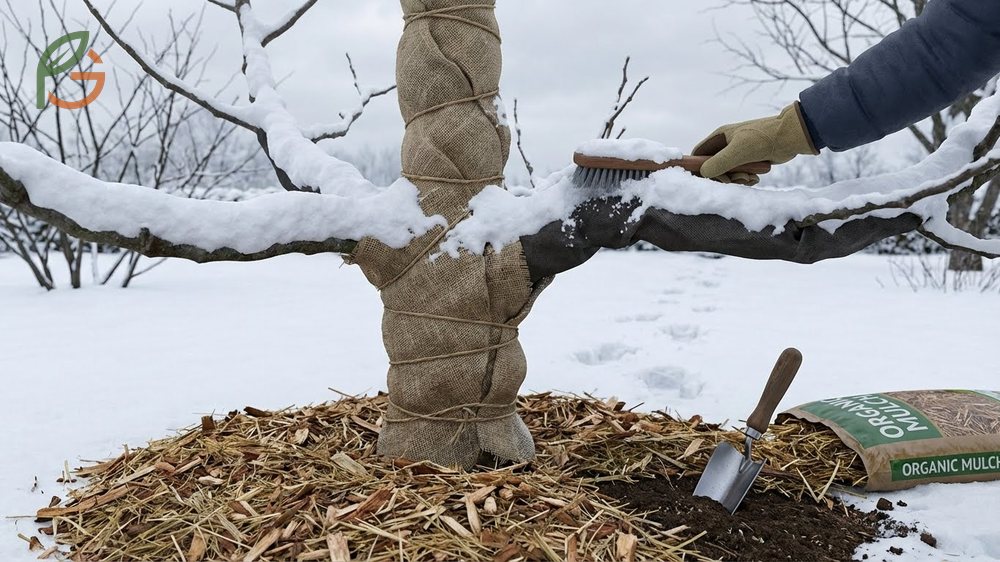
Protected trees still need occasional monitoring through winter months. Check wrapped trees after heavy snow loads—excess weight can snap branches even inside protection. Brush off accumulations exceeding 6-8 inches to prevent structural damage.
Mulched trees benefit from mid-winter mulch refreshing. Wind and decomposition can reduce mulch depth by 30-40% between November and February. Add fresh material in January if depth falls below 3 inches.
Monitoring During Winter
Inspect wrapping materials monthly for tears or gaps that expose branches. Even small openings let cold air penetrate, creating frost pockets that kill localized areas. Repair any damage immediately with additional tape or fabric patches.
Watch for rodent activity around protected trees. Mice and voles often nest in mulch or wrapping materials, chewing bark during winter when other food sources disappear. Evidence includes small holes in wrapping or scattered droppings near the base.
Spring Unwrapping Timing
Remove protection when nighttime temperatures consistently stay above 20°F (-7°C)—typically late March in zone 6 and early April in zone 5[5]. Don’t wait for all frost danger to pass. Trees need exposure to spring temperature fluctuations to break dormancy properly.
Unwrap on a cloudy day or in late afternoon. Sudden exposure to bright sun after months of darkness can sunscald bark, especially on south-facing branches. Gradual acclimation over 24-48 hours prevents this stress damage.
- Remove outer waterproof layers first, wait 1-2 days
- Then remove insulation and inner wrapping materials
- Prune any dead or damaged wood immediately
- Apply dormant oil spray if scale or overwintering pests are visible
- Water thoroughly if soil is dry—winter winds can desiccate roots
Cold Hardy Fig Varieties
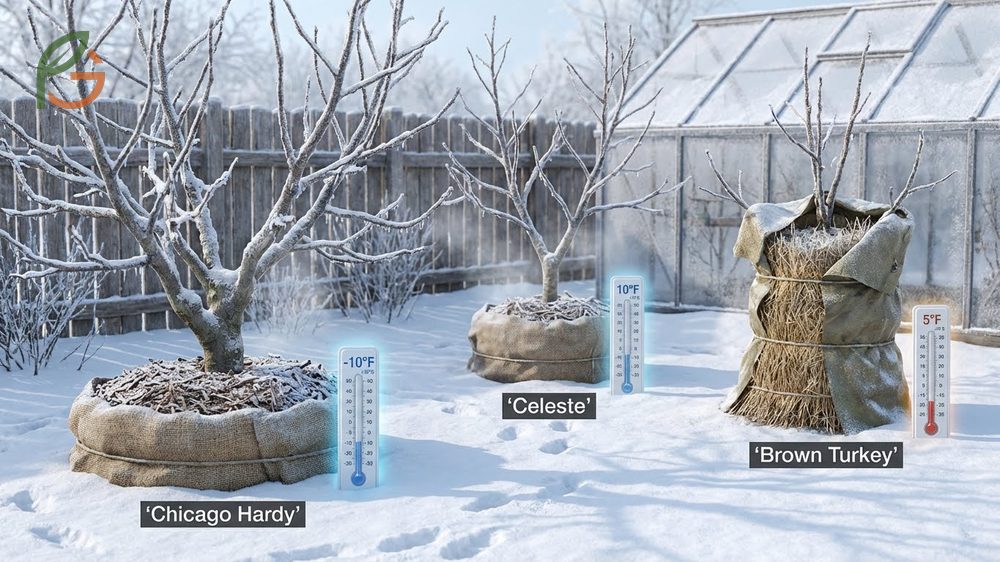
Variety selection determines how much protection you’ll need each winter. Chicago Hardy stands out as the cold-hardiness standard, reliably surviving 0°F (-18°C) with proper protection and 10°F (-12°C) without any winterizing[4]. This makes it the top choice for zones 5-6.
Celeste offers nearly equal hardiness down to 10°F (-12°C) and produces sweeter fruit in warmer microclimates. Brown Turkey tolerates zone 7 winters reliably but needs protection in zone 6. Olympian and Violette de Bordeaux also show strong cold tolerance, surviving brief dips to 5-10°F (-15 to -12°C).
This table compares cold hardiness zones, minimum temperatures without protection, fruit characteristics, and tree sizes for five popular fig varieties suitable for cold climates
| Variety | USDA Zones | Min Temp (Unprotected) | Fruit Size | Mature Height |
|---|---|---|---|---|
| Chicago Hardy | 5-10[4] | 10°F (-12°C) | Medium | 10-15 feet |
| Celeste | 6-10 | 10-15°F (-12 to -9°C) | Small-Medium | 8-12 feet |
| Brown Turkey | 6-10[6] | 15°F (-9°C) | Medium-Large | 15-25 feet |
| Olympian | 6-9 | 10-15°F (-12 to -9°C) | Large | 10-15 feet |
| Violette de Bordeaux | 6-10 | 5-10°F (-15 to -12°C) | Small | 8-10 feet |
If you’re planting new trees in zones 5-6, start with Chicago Hardy or Violette de Bordeaux. Their proven track record across thousands of cold-climate gardens reduces risk compared to less-tested varieties. You can always add more adventurous cultivars once you’ve mastered winterizing techniques.
Overwintering Container Figs
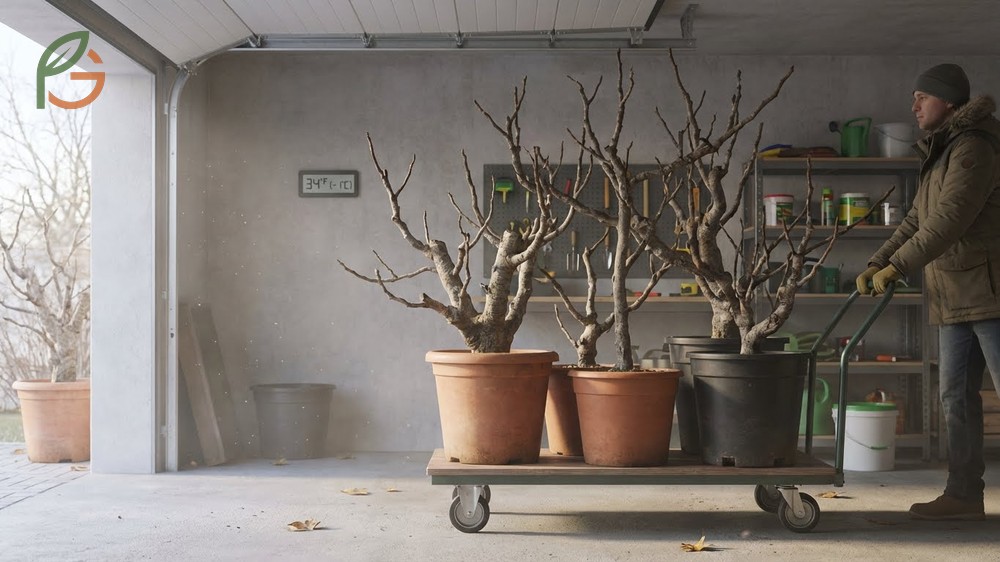
Container-grown figs offer flexible protection options that in-ground trees can’t match. Move potted trees to an unheated garage, basement, or shed where temperatures stay between 25-40°F (-4 to 4°C) all winter. This cold but not freezing range maintains dormancy while protecting roots from hard freezes.
Trees don’t need light during dormancy. A completely dark garage works fine as long as temperature remains stable. Water sparingly—just enough to prevent complete soil desiccation. Check monthly and add small amounts of water if soil feels bone-dry 2 inches down.
For containers staying outdoors, insulate pots with bubble wrap or burlap wrapping. Container roots sit above ground level, making them 10-15°F more vulnerable than in-ground root systems. Double-wrapping pots and clustering multiple containers together provides mutual protection through shared thermal mass.
- Move indoors when temps consistently drop below 25°F (-4°C)
- Prune branches by 30-50% before moving to reduce size
- Stop fertilizing by August to encourage dormancy
- Water every 3-4 weeks in storage, just 1-2 cups per pot
- Monitor for pests—scale and mealybugs thrive in protected winter conditions
- Move back outdoors after last frost when nights stay above 40°F (4°C)
Container Protection Tip: Placing wheeled plant caddies under heavy pots makes moving them much easier. A 20-gallon container with tree and moist soil weighs 100-150 pounds—too heavy for most people to lift safely without help or equipment.
Conclusion
The evidence is clear: winterizing fig trees successfully in zones 5-7 requires matching protection method to your coldest expected temperatures. Wrapping handles zone 6-7 conditions down to 10°F (-12°C), while the burying technique extends fig cultivation into zone 3 where winters regularly hit -20°F (-29°C) or colder. Current horticultural guidance emphasizes choosing cold-hardy varieties like Chicago Hardy as your first defense, then layering protection methods based on your specific microclimate conditions.
Start with proper timing—wait for natural dormancy after 1-2 frosts rather than rushing to protect at the first cold snap. Success comes from consistent monitoring through winter and timely spring unwrapping that prevents sunscald. FruitGarden compiles research-backed strategies that turn cold-climate fig growing from hopeful experiment into reliable annual harvest.
Frequently Asked Questions
What temperature kills fig trees?
Temperatures below 10°F (-12°C) kill most unprotected fig tree varieties, damaging wood and buds. Research shows Chicago Hardy survives down to 0°F (-18°C) with protection, while common varieties like Brown Turkey suffer severe damage at 10-15°F (-12 to -9°C). Brief cold snaps cause less harm than sustained multi-day freezes at these temperatures.
When should I wrap my fig tree for winter?
Wrap fig trees after 1-2 light frosts when leaves drop completely and trees enter dormancy, typically late October to mid-November in zone 6. Don’t wrap while leaves remain green or daytime temps exceed 50°F (10°C). Wrapping too early traps moisture and promotes fungal diseases that damage dormant wood.
Can fig trees survive zone 5 winters?
Yes, fig trees survive zone 5 winters using the burying method or heavy protection. Chicago Hardy and Violette de Bordeaux varieties tolerate zone 5 conditions when properly winterized. The burying technique works even in zone 3 by keeping trees at ground temperature near 32°F (0°C) all winter, while above-ground temps drop to -20°F (-29°C) or lower.
How much mulch do fig trees need for winter?
Apply a 4-6 inch mulch layer in a 3-foot diameter circle around fig tree bases for adequate winter protection. Keep mulch 2-3 inches away from the trunk to prevent rot. This depth maintains soil temperatures 10-15°F warmer than bare ground, protecting roots and crown through cold snaps. Refresh mulch in January if depth falls below 3 inches.
What’s the best material for wrapping fig trees?
Foam pipe insulation wrapped with burlap and topped with waterproof tarp provides the best fig tree protection. This three-layer system creates air gaps for insulation while blocking wind and moisture. Burlap alone offers minimal protection—the waterproof outer layer is essential for keeping insulation dry through winter precipitation.
When do I remove winter protection from fig trees?
Remove winter protection when nighttime temperatures consistently stay above 20°F (-7°C), typically late March in zone 6 and early April in zone 5. Unwrap on cloudy days or in late afternoon to prevent sunscald from sudden sun exposure. Don’t wait for all frost danger to pass—trees need spring temperature fluctuations to break dormancy properly.
Do container fig trees need winter protection?
Yes, container fig trees need protection when temperatures drop below 25°F (-4°C) because roots in pots are 10-15°F more vulnerable than in-ground roots. Move potted figs to unheated garages or basements maintaining 25-40°F (-4 to 4°C), or wrap pots with bubble wrap and burlap if keeping them outdoors. Water sparingly every 3-4 weeks during storage.





