
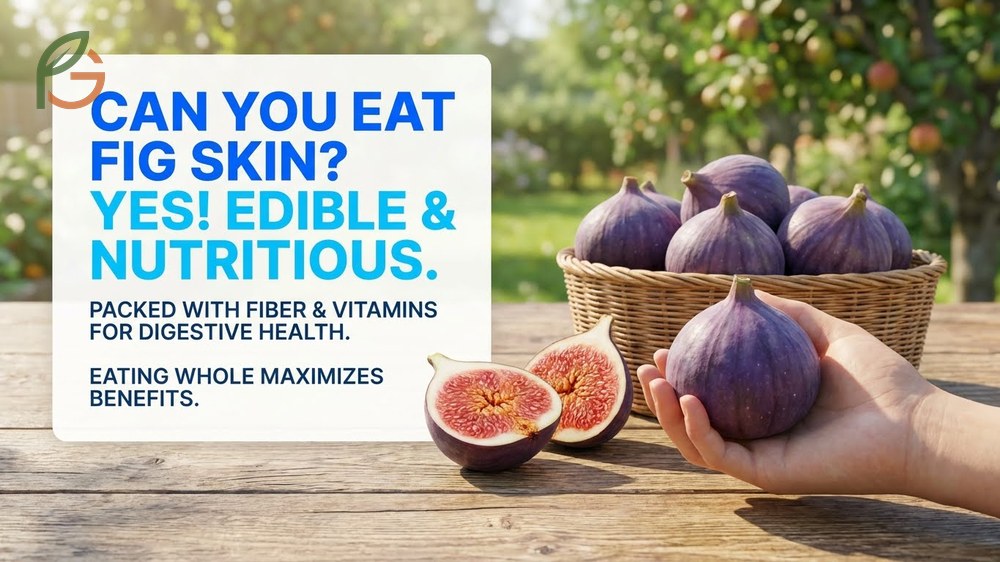
Can you eat fig skin? Yes, fig skin is entirely edible and packed with nutrients like fiber, polyphenols, and vitamins that support digestive health and antioxidant protection[1]. Research shows that eating whole figs with the skin maximizes nutritional benefits compared to peeling them[1]. FruitGarden provides evidence-based guidance on fruit consumption to help home gardeners and fruit enthusiasts make informed choices about maximizing nutrition from their harvests.
Quick Answer
- Fig skin is 100% edible and contains valuable nutrients concentrated in the peel[2]
- Early season figs have thin, delicate skin while late season figs develop thicker, more robust peels[3]
- Fig peel contains 8g fiber per 100g[4] and powerful polyphenols like rutin and chlorogenic acid[1]
- Always wash figs thoroughly before eating with skin to remove dirt and potential pesticide residue[2]
Can You Eat Fig Skin
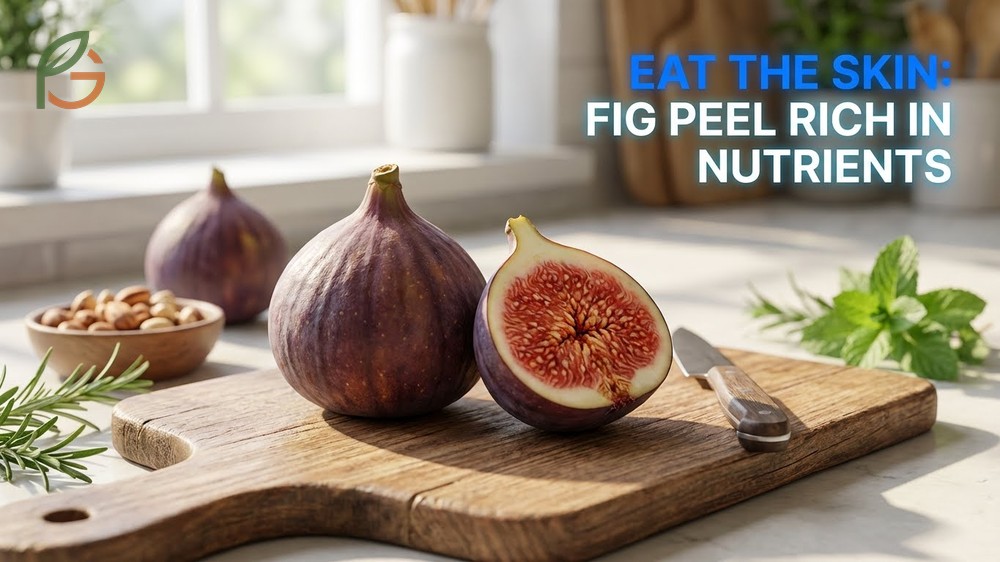
Fig skin is completely safe to eat and provides significant nutritional advantages over peeled figs. Research demonstrates that polyphenolic compounds are predominantly concentrated in fig peel rather than the pulp[1]. Studies across twelve fig cultivars found that consumption of unpeeled figs delivers substantially higher intakes of bioactive compounds compared to eating peeled fruit[1].
The entire fig is edible once you remove the stem. You don’t need to peel anything or remove the seeds, which are tiny and fully digestible[3]. Most people find the skin enhances the eating experience by adding a slight textural contrast to the sweet, jammy interior.
When figs reach full ripeness, the skin melds naturally with the pulp, making them difficult to peel anyway. This indicates peak eating quality[5]. If you can easily peel the skin, the fig is likely underripe and may taste bitter or grassy.
From My Experience: My neighbor in Guadalajara, Mexico grows three fig varieties in their backyard. When I visited in September 2024, they showed me how ripe Black Mission figs had skin so tender it practically dissolved on the tongue, while their earlier-harvest Brown Turkey figs from July had noticeably firmer peels.
Ripeness and Texture
Ripeness dramatically affects fig skin palatability. Underripe figs develop thick, tough skin with an unpleasant bitter taste that most people dislike[5]. Research shows that at proper maturity, the skin becomes thin and integrates seamlessly with the flesh.
Ripe fig skin should feel soft when gently pressed. The fruit yields slightly to pressure and may develop small cracks near the stem, signaling sugar concentration has peaked. At this stage, the skin contributes complementary flavors without any bitterness or chewiness.
Seasonal Differences
Early season figs produce thin, delicate peels that are more palatable to people who prefer tender textures[3]. Late season figs develop thicker, more robust skins as they mature in cooler temperatures[2]. Both are edible, but you’ll notice texture differences between June-July harvests and September-October fruit.
If you’re particular about texture, choose smaller, early-season figs for the most delicate eating experience. Larger, late-season figs offer more flesh but come with tougher peels that some people find less enjoyable.
Fig Skin Nutrition
Fig peel delivers concentrated nutrition that you miss when peeling the fruit. Current data shows fig skin contains substantial dietary fiber at 8g per 100g[4], accounting for a significant portion of the whole fruit’s fiber content. This fiber supports digestive health and helps regulate blood sugar response.
Vitamin content in whole figs includes vitamins C, B1, B2, B5, PP, and K, along with essential minerals like calcium, potassium, phosphorus, and magnesium[4]. Agricultural research indicates that many of these nutrients concentrate near the skin rather than distributing evenly throughout the fruit.
One medium fig provides approximately 37 calories, 10g carbohydrates, and 8g natural sugars[6]. The skin adds minimal calories while contributing most of the fiber and phytonutrients.
Polyphenol Content
Studies demonstrate that fig peel serves as a valuable source of polyphenolic compounds. Greenish fig peels contain primarily rutin and 5-caffeoylquinic acid, while dark-violet peels deliver high concentrations of cyanidin-3-O-rutinoside[1]. These compounds function as antioxidants that protect cells from oxidative damage.
Research across twelve fig cultivars found that some varieties contain up to 197 µg/g rutin in the peel[1]. The Corbo cultivar showed exceptional polyphenol density with 2,610 µg/g cyanidin-3-O-rutinoside in dark-violet skin[1].
Chlorogenic acid derivatives in fig skin have been associated with cognitive protection and anti-inflammatory effects in human studies. The concentration of these phenolic acids ranges from 34 to 131 µg/g depending on cultivar[1].
Fiber and Vitamins
The fiber in fig skin includes both soluble and insoluble types that support different digestive functions. Soluble fiber helps moderate blood glucose spikes after eating, while insoluble fiber promotes regular bowel movements and feeds beneficial gut bacteria.
Fig skin is particularly rich in copper and vitamin B6[7]. Copper contributes to energy production, blood cell formation, and neurotransmitter synthesis. Vitamin B6 aids protein metabolism and supports brain function. One medium fig delivers approximately 3% of daily copper needs[7].
Vitamin K content supports bone health and blood clotting processes. Fig skin also contains pectin, a natural thickening agent used in jam production that contributes to the fruit’s beneficial effects on digestion[2].
Important Note: People with latex allergies may experience sensitivity to fig skin due to sap residue. If you notice tingling or irritation around your mouth after eating figs with skin, soak them in water for 20 minutes before consuming or peel them entirely[3].
Fig Skin Texture
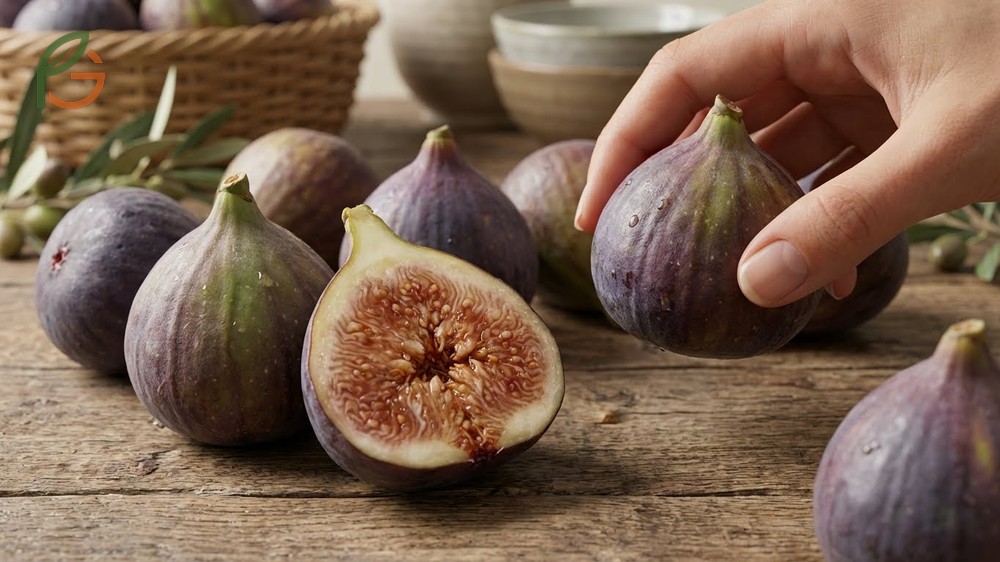
Fig skin texture varies significantly based on variety, growing conditions, and harvest timing. Most fresh fig varieties develop a slightly chewy exterior that provides textural contrast to the soft, jammy interior. This combination creates the distinctive mouthfeel that fig enthusiasts appreciate.
When you bite into a ripe fig, the skin should offer gentle resistance before giving way. It shouldn’t feel leathery or require excessive chewing. If the skin seems tough, the fig either hasn’t reached peak ripeness or belongs to a late-season variety with naturally thicker peels.
Color affects more than appearance—it also indicates texture differences. Green-skinned varieties typically develop thinner, more delicate peels compared to dark purple or black figs[1]. This doesn’t mean one is better than the other; it’s simply a characteristic to consider when selecting figs.
How Texture Varies
Temperature during fruit development influences skin thickness and texture. Figs ripening in hot summer months develop thinner skins than those maturing during cooler fall weather. Most people find summer figs easier to eat whole for this reason.
Water availability also plays a role. Figs grown with consistent irrigation develop more tender skin than those subjected to drought stress, which triggers thicker peel formation as a protective mechanism.
- Variety selection: Kadota and Adriatic figs have thin, delicate skin; Mission and Brown Turkey develop medium-thickness peels; Calimyrna figs produce tougher skin
- Growing temperature: Fruit developing at 80-90°F (27-32°C) forms thinner skin than figs ripening at 65-75°F (18-24°C)
- Harvest timing: Figs picked at peak softness offer tender skin; slightly underripe fruit maintains firmer peels
- Tree age: Mature trees often produce figs with more consistent skin thickness compared to young trees still establishing
- Soil nutrition: Adequate calcium and magnesium support proper cell wall formation, resulting in skin that’s neither too tough nor too delicate
Eating Whole Figs Safely
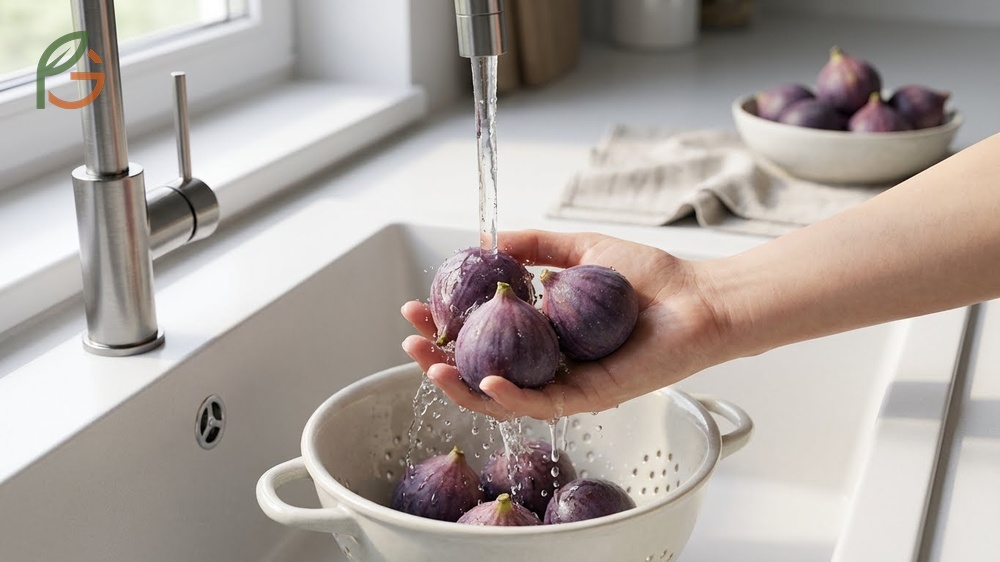
Safe fig consumption with skin starts with proper washing. Run fresh figs under cool water while gently rubbing the surface to remove field dust, potential pesticide residue, and any debris[2]. Don’t soak figs for extended periods, as this can make the delicate fruit waterlogged and mushy.
Choose organic figs when possible if you plan to eat the skin regularly. Agricultural data shows that conventional figs may carry pesticide residue on the exterior that washing doesn’t completely eliminate[2]. Organic certification ensures minimal chemical exposure, making whole fruit consumption safer.
Remove the stem by twisting it off or cutting it with a knife. The stem isn’t harmful, but it’s woody and unpleasant to eat. Everything below the stem attachment point is edible and nutritious.
Preparation Tips
The simplest way to eat figs involves splitting them open from the bottom to expose the interior while keeping the skin intact. This method showcases the beautiful interior while allowing you to eat everything in a few bites[3].
For recipes calling for fig skin, you can leave it on for baking, grilling, or roasting. Heat softens the peel and integrates it fully with the flesh. Grilled figs with honey develop caramelized skin that adds complexity to the sweetness.
- Fresh whole: Rinse, remove stem, and eat the entire fig—ideal for peak-ripe fruit with tender skin
- Quartered raw: Cut figs into quarters to expose interior while keeping skin attached for salads and cheese boards
- Halved and grilled: Grill cut-side down for 2-3 minutes to caramelize sugars while softening skin
- Roasted whole: Roast at 375°F (190°C) for 10-12 minutes to concentrate flavors and tenderize skin
- Baked in recipes: Include whole or chopped figs with skin in breads, muffins, and tarts for fiber and texture
- Dried with skin: Home-dehydrate figs at 135°F (57°C) for 8-12 hours to preserve skin nutrients
Practical Tip: If fig skin tastes bitter even when the fruit seems ripe, the fig likely hasn’t developed full sugar content. Leave it at room temperature for another 1-2 days until it softens further and develops a slight give when pressed.
When to Avoid Fig Skin
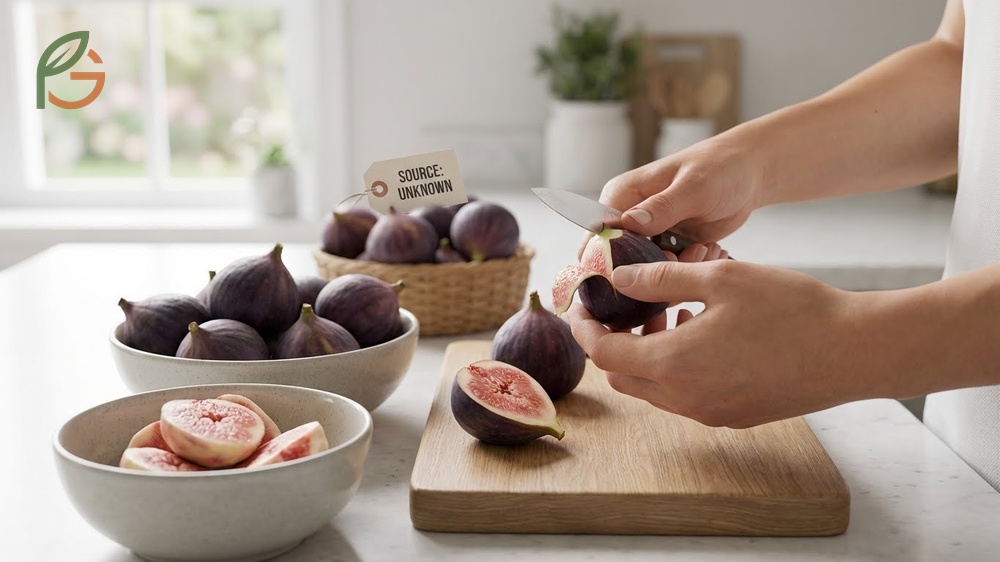
Some situations warrant peeling figs rather than eating them whole. If you’re uncertain about the fruit’s growing conditions or pesticide use, removing the skin eliminates surface contamination concerns[2]. Current agricultural guidance emphasizes this precaution when sourcing figs from unknown producers.
People with specific digestive sensitivities may find fig skin harder to process than the pulp. If you experience bloating or discomfort after eating whole figs but tolerate peeled figs fine, the fiber concentration in the skin may be the issue. Listen to your body’s signals and adjust accordingly[2].
Figs with visible damage, mold, or fermentation off-odors should be discarded entirely—peeling won’t make compromised fruit safe. Fresh figs spoil quickly, so examine them carefully before consuming.
- Unknown source: Peel figs from unfamiliar suppliers to avoid potential pesticide exposure
- Latex sensitivity: Remove skin if you experience oral irritation, as fig sap shares proteins with latex allergens
- Late-season tough skin: Peel October-November figs if the skin feels excessively thick or leathery
- Baby food preparation: Remove skin when preparing figs for infants under 12 months to reduce choking risk and ensure easier digestion
- Specific recipes: Some traditional recipes require peeled figs for texture purposes, such as smooth fig butter or refined preserves
Conclusion
The evidence is clear: fig skin is edible and delivers concentrated nutrition that eating peeled figs misses entirely. Research demonstrates that consuming whole figs maximizes your intake of fiber, polyphenols, vitamins, and minerals concentrated in the peel[1]. Choose early-season figs with thin, tender skin for the best eating experience, wash them thoroughly before consuming, and eat them whole to gain all the benefits this Mediterranean fruit offers.
Current nutritional guidance emphasizes whole fruit consumption over processed alternatives whenever possible. FruitGarden continues to provide research-backed information to help home gardeners and fruit enthusiasts make the most of their harvests through evidence-based growing and consumption practices.
Frequently Asked Questions
Is fig skin toxic or poisonous to humans?
No, fig skin is not toxic or poisonous. Research confirms that fig peel is completely safe to eat and contains beneficial nutrients like fiber and polyphenols[1]. Some people may experience mild sensitivity to fig sap residue on the skin, but this isn’t toxicity—it’s an allergic-type reaction similar to latex sensitivity[3].
Do you need to peel figs before eating them?
You don’t need to peel figs before eating. Studies show that most of the beneficial polyphenols concentrate in fig skin rather than the pulp, so eating whole figs delivers greater nutritional value[1]. Simply wash the fig thoroughly, remove the stem, and eat the entire fruit. Peeling is optional and based purely on personal texture preference.
What does fig skin taste like?
Ripe fig skin has a mild, slightly earthy flavor that complements the sweet interior. The taste varies by ripeness—fully ripe figs develop skin that blends seamlessly with the pulp, while underripe figs may have bitter or grassy-tasting skin[5]. The texture provides gentle resistance but shouldn’t taste unpleasant when the fruit reaches proper maturity.
Are fig skins hard to digest?
Fig skins are generally easy to digest for most people due to their high fiber content. The peel contains approximately 8g dietary fiber per 100g[4], which supports digestive health rather than hindering it. However, people with specific digestive sensitivities or those unaccustomed to high-fiber foods may experience temporary bloating when first eating figs with skin. Start with small portions to assess your tolerance.
Can you eat green fig skin or only purple fig skin?
You can eat both green and purple fig skin—both are edible and nutritious. Research shows different colors contain varying polyphenol profiles: green fig peels provide rutin and chlorogenic acid, while dark purple peels deliver high levels of anthocyanins like cyanidin-3-O-rutinoside[1]. Green varieties often have slightly thinner, more delicate skin compared to purple figs.
Should you wash figs before eating them with skin?
Yes, you should always wash figs thoroughly before eating them with skin. Rinse them under cool running water while gently rubbing the surface to remove dirt, debris, and potential pesticide residue[2]. This simple step removes surface contaminants without affecting the fruit’s texture or nutritional value. Choosing organic figs reduces pesticide concerns if you eat the skin regularly.
Does fig skin cause constipation or help with it?
Fig skin helps prevent and relieve constipation rather than causing it. The high fiber content in fig peel—8g per 100g—promotes regular bowel movements and supports digestive health[4]. Both soluble and insoluble fiber in the skin work together to improve gut motility and feed beneficial bacteria. Eating whole figs with skin provides more digestive benefits than eating peeled figs alone.





