
What is cranberry juice good for sexually? Research shows cranberry juice doesn’t directly boost sexual performance or libido, but it supports urinary tract health and hydration—factors that contribute to overall sexual wellness for women[1][2]. Studies demonstrate that cranberry products reduce UTI risk by 21% in women and help maintain vaginal pH balance through their vitamin C content of 24-30mg per 8oz serving. While popular beliefs suggest cranberry juice improves vaginal taste, no scientific evidence currently supports this claim[2]. FruitGarden provides evidence-based insights into how cranberries and other fruits support your health naturally.
Quick Answer
- Cranberry juice reduces UTI risk by 21% in women when consumed regularly[3]
- Contains 24-30mg vitamin C per 8oz serving, supporting immune and vaginal health[4]
- Best results require 36mg daily PACs (proanthocyanidins) for 12-24 weeks[5]
- No scientific evidence supports taste improvement claims for vaginal secretions[2]
What Is Cranberry Juice Good for Sexually
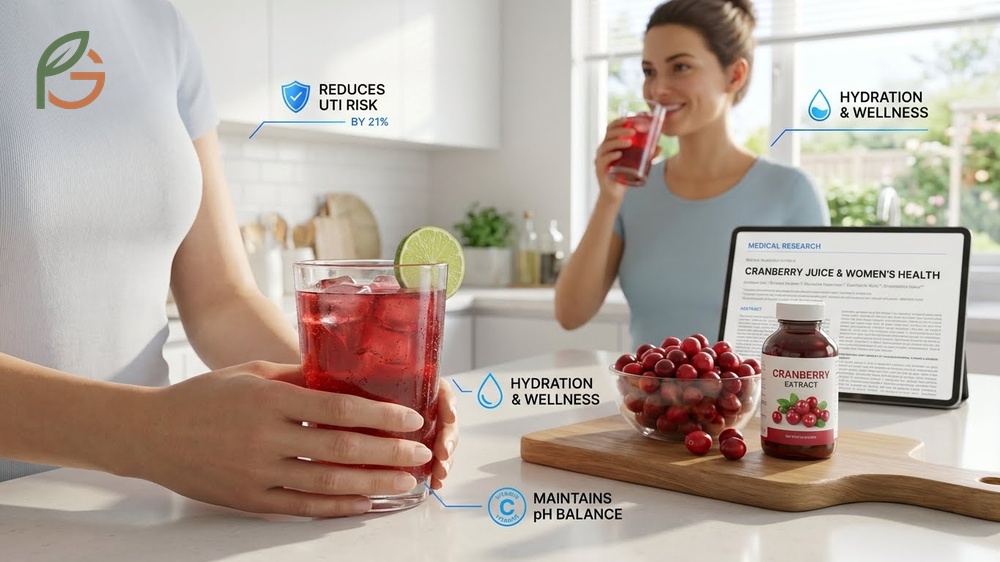
Current data indicates that cranberry juice doesn’t have any direct impact on sexual performance, libido, or arousal mechanisms[1]. The connection between cranberries and sexual health lies in preventing urinary tract infections, which affect sexual comfort and confidence. Women with recurrent UTIs often experience pain during intercourse, making prevention crucial for maintaining an active sex life.
Studies demonstrate that cranberry products work through proanthocyanidins (PACs), compounds that prevent bacteria from adhering to urinary tract walls. Most people don’t realize that timing matters—consuming cranberries daily for 12-24 weeks shows significantly better results than sporadic intake[5]. The antioxidants and vitamins support general health, but expecting cranberry juice to boost desire or enhance performance isn’t supported by research.
What often gets overlooked is that cranberry juice’s real value comes from reducing the discomfort and anxiety associated with UTIs. When women feel physically comfortable and confident about their urinary health, they’re more likely to enjoy intimacy without worry.
Urinary Tract Health Benefits
Research across 50 randomized controlled trials involving 8,857 participants confirms cranberry’s effectiveness for UTI prevention[6]. Women with recurrent UTIs saw risk reduction of 26%, while children experienced reductions exceeding 50%[7]. The protective effect becomes clinically relevant when daily PAC intake reaches at least 36mg, maintained consistently for three to six months[5].
For sexually active women, this prevention matters significantly because sexual activity increases UTI risk through bacterial transfer. Drinking cranberry juice or taking capsules creates a less hospitable environment for harmful bacteria like E. coli. Unlike antibiotics, cranberries work preventively without disrupting beneficial vaginal flora or causing antibiotic resistance.
- Reduces UTI risk by 21-26% in women with recurrent infections when consumed daily[3]
- Prevents bacterial adhesion through PACs that coat urinary tract walls
- Works best as juice (8oz daily) or capsules (36mg PACs minimum) taken consistently[5]
- Supports comfort during and after sexual activity by reducing infection anxiety
- Offers preventive benefits without antibiotic side effects or resistance concerns
Important Note: Cranberry juice cannot treat active UTIs or sexually transmitted infections. If you experience burning, frequent urination, or pelvic pain, consult a healthcare provider immediately for proper diagnosis and antibiotic treatment.
Hydration and Sexual Wellness
Evidence suggests that proper hydration supports sexual health by improving blood circulation, maintaining vaginal lubrication, and stabilizing energy levels[8]. Cranberry juice provides fluid intake while delivering nutrients, though pure water remains the gold standard for hydration. Dehydration reduces blood volume, which can weaken arousal responses and diminish natural lubrication in women.
Studies show that adequate hydration increases blood flow to pelvic regions, enhancing physical responsiveness during intimacy. When women drink enough fluids—approximately eight 8oz glasses daily—they’re less likely to experience vaginal dryness, a common complaint that affects sexual comfort and pleasure.
Cranberry Juice Benefits Female Sexually

Research shows that cranberry juice’s benefits for women center on maintaining urinary and vaginal health rather than directly enhancing sexual function. The vitamin C content—providing 23% of daily recommended intake per 8oz serving—supports collagen production and immune function[4]. This matters for vaginal tissue health, as vitamin C promotes tissue repair and maintains the integrity of mucous membranes.
Evidence indicates that women who consume cranberry juice regularly experience fewer disruptions to their sex lives from UTI-related discomfort[9]. The psychological benefit shouldn’t be underestimated—knowing you’re taking preventive action against painful infections can reduce anxiety and increase willingness to engage in intimacy. Current guidance emphasizes that cranberries work best as part of comprehensive urinary health habits, including proper hygiene and post-intercourse urination.
Some sources suggest cranberry juice may help with postmenopausal symptoms and premenstrual syndrome (PMS), though research remains limited[1]. The antioxidants in cranberries combat oxidative stress, which increases with age and can affect overall wellness.
Vaginal pH Balance Support
Agricultural data shows that cranberries contain acids that may influence vaginal pH, though the effect isn’t as straightforward as some claims suggest. A healthy vaginal pH ranges from 3.8 to 4.5, and this acidity protects against harmful bacteria and yeast overgrowth. While cranberry juice is acidic, drinking it doesn’t directly alter vaginal pH because the body’s regulatory systems maintain balance through complex mechanisms.
What cranberries do support is the overall microbiome health. Recent studies indicate that cranberry juice consumption may help maintain diversity of vaginal microbiota, creating a healthier microbial profile[10]. This diversity correlates with reduced infection risk and better vaginal health outcomes.
- Provides vitamin C for tissue health and collagen synthesis in vaginal walls[4]
- Contains antioxidants that combat oxidative stress affecting reproductive tissues
- May support beneficial vaginal bacteria through microbiome influence[10]
- Helps prevent UTIs that can disrupt vaginal flora balance
- Works alongside probiotic foods for comprehensive vaginal health support
Postmenopausal Health Effects
Current data indicates that postmenopausal women face increased UTI risk due to declining estrogen levels, which affect urinary tract tissue integrity. Cranberry products offer a non-hormonal prevention strategy that some women find helpful. The antioxidants in cranberries may also address signs of aging, though specific research on sexual health outcomes remains limited.
Studies show that combining cranberry consumption with adequate hydration helps postmenopausal women maintain better urinary health[8]. This prevention strategy supports continued sexual activity without the interruption of frequent infections.
Does Cranberry Juice Make You Taste Good

No scientific evidence supports the popular claim that drinking cranberry juice improves the taste of vaginal secretions[2]. This myth persists despite lacking research backing. While studies acknowledge that diet influences vaginal microbiome composition, they don’t demonstrate that cranberry juice specifically alters secretion flavor. The vagina’s natural taste ranges from slightly sweet to mildly acidic, influenced by pH levels, hormone cycles, and individual body chemistry.
What the research does show is that overall health, hydration, and diet quality matter more than any single food. Women who maintain balanced nutrition, stay hydrated, and avoid excessive sugar or alcohol tend to have healthier vaginal environments. Most people don’t realize that the vagina is self-cleaning and maintains its own chemical balance—trying to alter natural taste through diet alone rarely produces noticeable results.
The reason is simple: vaginal secretions are produced internally and filtered through the body’s complex systems. Drinking acidic juice doesn’t directly transfer that acidity to vaginal fluids in predictable ways. Despite widespread social media claims, no clinical trials have tested cranberry juice’s effect on taste in controlled conditions.
The Science Behind Taste Claims
Research shows that vaginal pH and taste are primarily determined by hormone levels, beneficial bacteria populations (especially Lactobacillus species), and overall metabolic health. The typical pH of 3.8-4.5 creates the slightly acidic environment that many describe as the vagina’s natural taste. Foods you eat undergo digestion, absorption, and metabolism before any compounds could theoretically affect secretions.
Evidence suggests that strong-smelling foods like garlic, asparagus, or curry can temporarily affect body odor through sweat glands, but the vagina operates differently[11]. The compounds that create vaginal secretions come from glandular production, not direct dietary transfer.
Reality Check: If your vaginal taste or smell changes dramatically, it usually signals infection (bacterial vaginosis or yeast) rather than diet effects. Any sudden changes in odor, discharge color, or accompanying symptoms warrant medical evaluation.
Foods That Actually Affect pH
While cranberry juice won’t change your taste, certain dietary patterns do support vaginal health through pH maintenance. Probiotic-rich foods like yogurt, kefir, kimchi, and sauerkraut introduce beneficial bacteria that help maintain optimal vaginal flora[12]. These foods work by supporting the Lactobacillus population that keeps pH acidic enough to prevent harmful bacteria and yeast overgrowth.
Current guidance emphasizes that eating for vaginal health means prioritizing overall nutrition rather than fixating on specific “magic” foods. High-sugar diets can promote yeast infections, while adequate hydration supports all mucous membranes including vaginal tissue.
- Probiotic yogurt and kefir with live cultures for beneficial bacteria support[12]
- Prebiotic foods like garlic, onions, and bananas that feed good bacteria[13]
- Vitamin C-rich fruits including cranberries, oranges, and strawberries for tissue health
- Leafy greens and vegetables providing nutrients for cellular function
- Adequate water intake (8 glasses daily) for mucous membrane hydration
- Limited sugar and processed foods to prevent yeast overgrowth
Pineapple and Cranberry Juice Combination
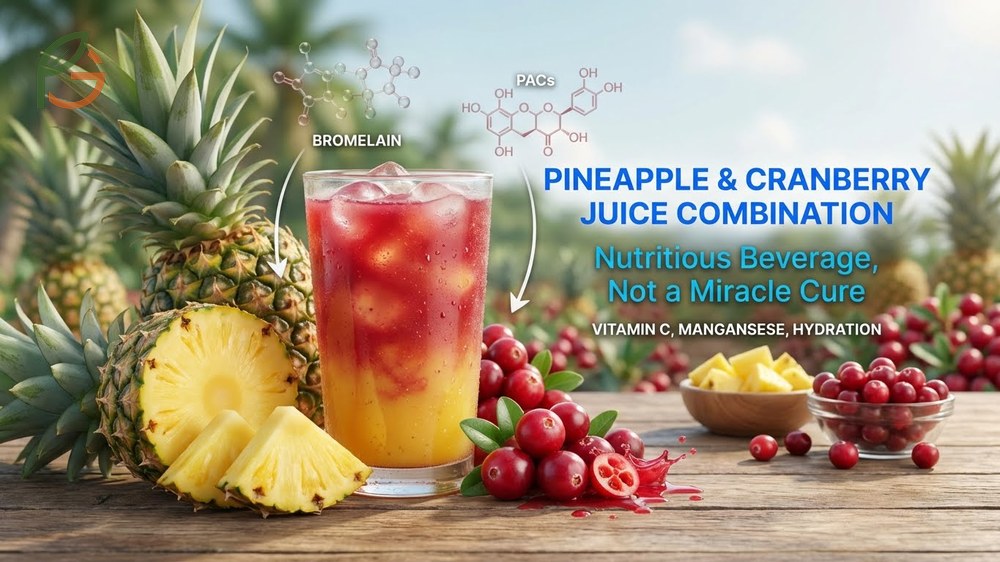
The combination of pineapple and cranberry juice has gained popularity for supposed sexual health benefits, though most claims lack scientific backing. Pineapple contains bromelain, an enzyme with anti-inflammatory properties, while cranberries offer PACs for UTI prevention[14]. Together, they create a nutritious beverage providing vitamin C, manganese, and hydration—but don’t expect miraculous effects on sexual performance.
Studies demonstrate that bromelain reduces inflammation and may support vascular health, factors relevant to erectile function in men[15]. For women, the hydration and vitamin content support overall wellness. The juice blend delivers approximately 110 calories per 8oz serving with significant vitamin C content, making it a reasonable choice when unsweetened varieties are selected[14].
What often gets overlooked is that commercial pineapple-cranberry blends frequently contain added sugars or apple/grape juice for sweetness. These additions increase calorie content and can promote yeast infections when consumed excessively. Homemade versions using fresh fruit let you control sugar content while maximizing nutrient density.
Bromelain and Sexual Health
Research shows that bromelain’s primary benefits relate to reducing inflammation and improving circulation. Studies suggest this enzyme may help testosterone production in animal models, though human research remains limited[16]. The anti-inflammatory effects matter because chronic inflammation damages blood vessels, potentially contributing to erectile dysfunction over time.
For sexual health, bromelain’s cardiovascular benefits may support better blood flow—essential for arousal in both men and women. However, eating fresh pineapple or drinking juice won’t produce dramatic overnight changes. The enzyme works gradually as part of overall anti-inflammatory dietary patterns.
Making Healthy Juice Blends
Creating your own pineapple-cranberry juice at home ensures you avoid added sugars and artificial ingredients found in commercial products. Use fresh or frozen fruit, add water to desired consistency, and consider adding ginger or cinnamon for flavor and additional anti-inflammatory compounds. Most people find that a 2:1 ratio of pineapple to cranberry creates good flavor balance without overwhelming tartness.
Current guidance emphasizes choosing organic produce when possible to minimize pesticide exposure. For those managing blood sugar, diluting juice with water or sparkling water reduces sugar concentration while maintaining flavor. Consuming juice with meals rather than alone helps moderate blood sugar spikes.
- Use unsweetened 100% cranberry juice as base, avoiding cocktail versions with added sugar
- Blend fresh pineapple chunks for maximum bromelain content and fiber retention
- Add natural sweeteners like stevia if needed, avoiding refined sugar additions
- Include fresh ginger root for anti-inflammatory boost and digestive support
- Dilute with water or coconut water to reduce calorie density
- Store homemade juice for maximum 3 days refrigerated to preserve vitamin C
Cranberry Juice Benefits Male Sexually

Evidence shows that cranberry juice offers minimal direct sexual health benefits for men. Research confirms no robust scientific support for cranberry juice treating erectile dysfunction or enhancing male sexual performance[17]. While cranberries contain antioxidants and polyphenols that support general vascular health, no clinical trials have demonstrated specific improvements in erectile function from cranberry consumption.
Studies demonstrate that men can benefit from cranberry’s UTI prevention, though UTIs occur less frequently in males than females. The antioxidants in cranberries combat oxidative stress throughout the body, potentially supporting overall cardiovascular health—which does matter for erectile function since erections require healthy blood flow. However, this connection is indirect and not specific to cranberries.
For male sexual health, proven interventions include maintaining healthy weight, regular exercise, stress management, and treating underlying conditions like diabetes or hypertension. Agricultural data shows that various fruits and vegetables support vascular health through different mechanisms, making dietary diversity more important than focusing on cranberries alone.
The reason cranberry juice won’t fix erectile dysfunction is simple: ED typically results from vascular disease, hormonal imbalances, medication side effects, or psychological factors—issues requiring targeted medical treatment rather than dietary supplementation. Men experiencing persistent erectile difficulties should consult healthcare providers for evidence-based treatments including PDE5 inhibitors, lifestyle modifications, or counseling.
- Provides antioxidants that support general cardiovascular health indirectly
- May help prevent UTIs in men with susceptibility or anatomical issues
- Offers vitamin C for immune function and tissue health
- Contributes to hydration when consumed as part of balanced fluid intake
- Does not treat ED, low libido, or other specific male sexual dysfunctions[17]
Men’s Health Tip: If you’re experiencing erectile dysfunction, premature ejaculation, or low libido, speak with a healthcare provider rather than relying on dietary supplements. Effective treatments exist, and sexual health issues often indicate underlying cardiovascular or hormonal conditions requiring medical attention.
Conclusion
The evidence is clear: what is cranberry juice good for sexually comes down to supporting urinary tract health and maintaining hydration—factors that indirectly contribute to sexual wellness rather than directly enhancing performance or desire. Research demonstrates that cranberry’s proven benefit lies in reducing UTI risk by 21-26% for women when consumed consistently with adequate PAC content[3]. While popular myths about taste improvement persist, no scientific evidence supports these claims.
Current guidance emphasizes that cranberry juice works best as part of comprehensive health habits including proper hydration, balanced nutrition with probiotic foods, and good hygiene practices. For those growing cranberries or other fruits at home, FruitGarden synthesizes current agricultural research to help you cultivate healthy, nutrient-dense crops that support your wellness goals naturally.
Medical Disclaimer
Important Medical Disclaimer: This content is for informational and educational purposes only. It is not intended as a substitute for professional medical advice, diagnosis, or treatment. Always consult a qualified healthcare professional before making any changes to your diet, supplement regimen, or health routine, especially if you have urinary tract conditions, diabetes, sexual health concerns, or other medical conditions. Cranberry juice cannot replace medical treatment for active infections or sexual dysfunction.
Frequently Asked Questions
What Does Cranberry Juice Do Sexually for Women?
Cranberry juice doesn’t directly affect sexual function but helps prevent UTIs, which reduces discomfort during and after intercourse. Studies show 21-26% UTI risk reduction in women who consume cranberry products regularly[3]. The vitamin C content supports vaginal tissue health, while hydration benefits overall wellness. No evidence supports claims about improving taste or enhancing libido.
Does Cranberry Juice Make It Taste Better Down There?
No scientific evidence supports this popular claim. Research confirms that while diet influences vaginal microbiome, no studies demonstrate cranberry juice specifically alters secretion taste[2]. Vaginal taste depends on pH levels, hormone cycles, and overall health rather than individual foods consumed. Probiotic foods, hydration, and balanced nutrition matter more for vaginal health than trying to change natural taste.
What Does Pineapple and Cranberry Juice Do for You Sexually?
This combination provides vitamin C, bromelain enzyme, and hydration that support general health rather than directly enhancing sexual function. Pineapple’s bromelain has anti-inflammatory properties that may benefit circulation[15], while cranberry helps prevent UTIs. Commercial blends often contain added sugars—homemade versions offer better nutritional value. Don’t expect dramatic sexual performance changes from drinking this juice blend.
How Much Cranberry Juice Should I Drink Daily for UTI Prevention?
Research shows optimal results with 8oz of cranberry juice daily or capsules providing at least 36mg PACs (proanthocyanidins) consumed consistently for 12-24 weeks[5]. Choose unsweetened varieties to avoid excess sugar. Consistency matters more than quantity—daily consumption produces better prevention than sporadic intake. Combine with proper hydration and post-intercourse urination for best results.
Can Men Benefit from Drinking Cranberry Juice Sexually?
Cranberry juice offers minimal direct sexual benefits for men. No clinical evidence supports its use for treating erectile dysfunction or enhancing male sexual performance[17]. Men can benefit from UTI prevention and general antioxidant support, but specific sexual health improvements aren’t documented. Proven interventions for male sexual dysfunction include weight management, exercise, and medical treatments rather than dietary supplements alone.
What Foods Actually Improve Vaginal Health and pH Balance?
Probiotic-rich foods like yogurt, kefir, kimchi, and sauerkraut support beneficial Lactobacillus bacteria that maintain optimal vaginal pH[12]. Prebiotic foods including garlic, onions, and bananas feed good bacteria[13]. Adequate hydration, vitamin C-rich fruits, and limiting sugar intake prevent yeast overgrowth. Focus on overall balanced nutrition rather than expecting single foods to dramatically alter vaginal health.
Does Hydration Really Affect Sexual Performance and Desire?
Yes, proper hydration supports sexual health by improving blood circulation, maintaining vaginal lubrication, and boosting energy levels[8]. Dehydration reduces blood volume, which weakens arousal responses and can cause vaginal dryness in women. Drinking approximately eight 8oz glasses of water daily supports mucous membrane health and reduces discomfort during intimacy. While hydration won’t directly boost libido, it creates physical conditions that support comfortable, pleasurable sexual experiences.





