
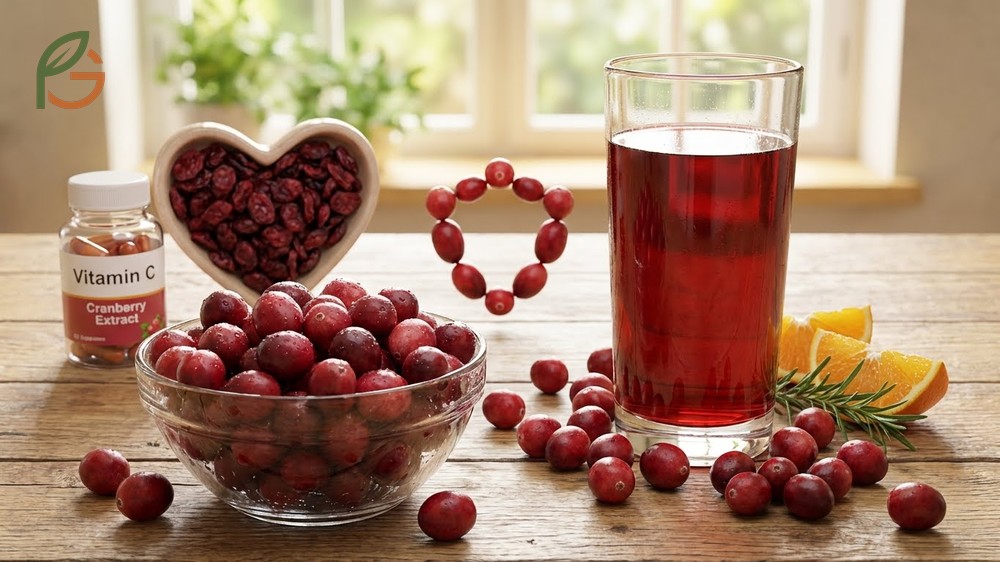
What is cranberry good for? Research shows cranberries prevent urinary tract infections, support heart health, boost immunity with vitamin C, and provide hydration with natural electrolytes. Studies demonstrate that drinking two glasses of cranberry juice daily lowers cardiovascular risk factors by improving five key blood markers[1]. FruitGarden synthesizes current nutritional research and agricultural data to help you understand how this tart berry fits into a healthy lifestyle.
Quick Answer
- Prevents UTIs: 25% reduction in women, 50% in children, 53% in medical intervention cases[2]
- Heart health: Two 8-oz servings daily lower cardiovascular disease risk markers[1]
- Vitamin C boost: 24mg per cup (26% daily value) supports immune function[3]
- Hydration support: Contains 300mg potassium (9% DV), 22mg magnesium (5% DV), and 86% water content[4]
What Is Cranberry Good For
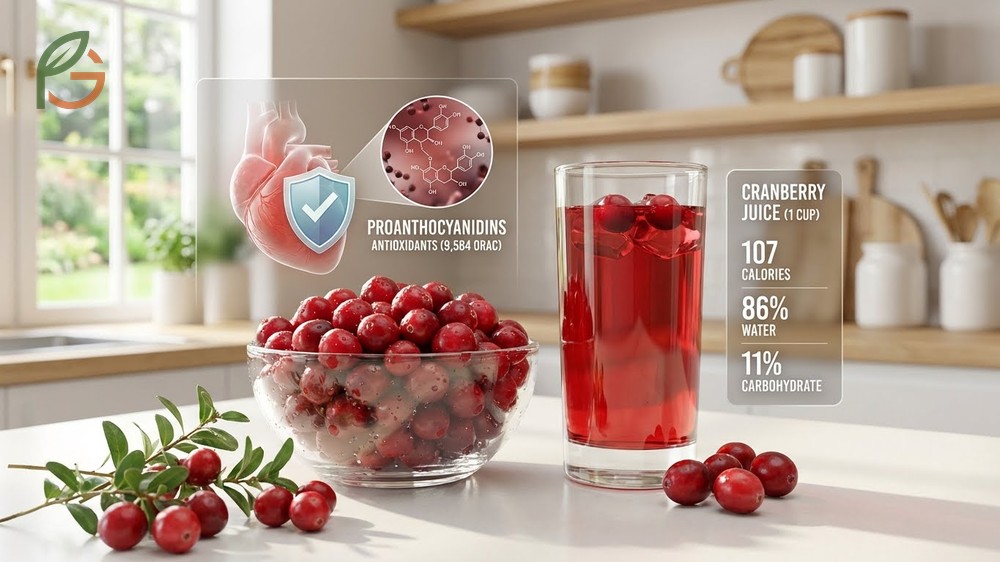
Cranberries deliver science-backed health benefits that go beyond holiday meals. Current data shows this tart berry contains some of the highest antioxidant levels among common fruits, scoring 9,584 ORAC units per 100g[5]. Research demonstrates cranberries fight inflammation, support heart health, and prevent bacterial infections through unique compounds called proanthocyanidins.
One cup of cranberry juice provides 107 calories, consists of 86% water and 11% carbohydrates, with minimal fat or protein[6]. This nutritional profile makes cranberries versatile for various health goals. Studies show regular consumption impacts multiple body systems, from the urinary tract to cardiovascular function.
Evidence indicates cranberries work differently than most fruits. While oranges and apples offer standard nutritional benefits, cranberries contain specialized polyphenols that prevent bacteria from adhering to body tissues. This mechanism explains why cranberry juice has become a go-to recommendation for specific health conditions rather than just general wellness.
Urinary Tract Health
A comprehensive Cochrane Reviews analysis of 50 randomized controlled trials involving 8,857 participants reveals cranberry products significantly reduce UTI occurrence[2]. Women with recurrent UTIs who consumed cranberry juice or capsules experienced a 25% reduction in infection rates. Children benefited even more dramatically, with a 50% decrease in UTI episodes.
The protective effect extends to people who’ve undergone medical interventions like bladder radiotherapy, showing a 53% reduction in UTIs. These aren’t small sample studies—they represent decades of research across diverse populations. What’s more, cranberries don’t just mask symptoms; they actively prevent bacterial adhesion in the urinary tract.
- Proanthocyanidins (PACs) prevent E. coli bacteria from sticking to urinary tract walls
- Natural acids in cranberries create an inhospitable environment for harmful bacteria
- Consistent daily consumption (rather than occasional intake) delivers the best results
- Both juice and supplement forms show effectiveness, though juice provides additional hydration
- Effects appear within 4-8 weeks of regular consumption based on clinical trials
Important note: If you’re already experiencing UTI symptoms like burning during urination or frequent urges, don’t rely solely on cranberry juice. Studies show cranberries work best for prevention rather than treatment of active infections. See a healthcare provider for proper antibiotic treatment when symptoms appear.
Antioxidant Powerhouse
Cranberries contain multiple types of antioxidants that work synergistically to protect your cells. Research shows vitamin C contributes 22.6% of the total antioxidant capacity, while phenolic compounds like epitecatechin and anthocyanins make up the remainder[7]. These compounds neutralize free radicals that otherwise damage DNA, proteins, and cell membranes.
Studies on animal models demonstrate cranberry juice restores antioxidant levels depleted by inflammatory conditions. Rats given 27% and 45% cranberry juice for 120 days showed increased plasma antioxidant capacity and superoxide dismutase activity—key markers of cellular protection. This matters because oxidative stress contributes to aging, chronic diseases, and weakened immunity.
- Cardiovascular disease: Antioxidants reduce LDL cholesterol oxidation that leads to arterial plaque
- Type 2 diabetes: Polyphenols improve insulin sensitivity and reduce inflammatory markers
- Cancer prevention: Studies show cranberry compounds inhibit growth of certain tumor cells in laboratory settings
- Cognitive function: Neuroprotective effects appear in research on age-related mental decline
- Skin health: Vitamin C supports collagen production, while antioxidants protect against UV damage
What Does Cranberry Juice Do for Men

Men can tap into specific cranberry benefits that address common health concerns. Research shows cranberry consumption supports prostate health, cardiovascular function, and overall vitality. Unlike many “superfoods” marketed broadly, cranberries have demonstrated measurable effects in clinical studies focused on male participants.
Most people associate cranberries exclusively with women’s urinary health, but that’s incomplete. Studies conducted specifically on men reveal benefits ranging from improved prostate markers to enhanced antioxidant status after surgical procedures. The compounds in cranberries interact with male physiology in ways that complement rather than duplicate female-focused research.
Prostate Health Support
A landmark study from Czech researchers evaluated 1,500mg daily of dried cranberry powder in men with benign prostatic hyperplasia (BPH), elevated PSA levels, and non-bacterial prostatitis[8]. After six months, participants showed statistically significant improvements in International Prostate Symptom Score, quality of life measures, urination parameters, and PSA levels.
These results represent the first firm evidence that cranberries can improve lower urinary tract symptoms in men, independent of prostate size. The study didn’t just measure subjective feelings—it tracked objective biomarkers that doctors use to assess prostate health. What’s particularly promising is that improvements occurred without the side effects commonly associated with prescription medications for BPH.
- Reduced PSA levels in men with histologically proven prostatitis
- Improved urinary flow and decreased nighttime bathroom trips
- Enhanced quality of life scores related to urinary symptoms
- Anti-inflammatory effects that address chronic prostate inflammation
- No correlation with C-reactive protein, suggesting targeted rather than systemic effects
For best results: Men concerned about prostate health should aim for 1,500mg of dried cranberry powder daily or equivalent in juice (approximately 16-24 oz). Effects typically emerge after 3-6 months of consistent use. Don’t stop prescribed medications without consulting your doctor.
Cardiovascular Benefits
The USDA-funded double-blind study that gave participants two 8-ounce servings of low-calorie cranberry juice daily for eight weeks showed remarkable results[1]. The 26 men in the cranberry group experienced lower levels of five out of 22 cardiometabolic risk indicators compared to the placebo group. These improvements matter because cardiovascular disease causes 930,000 deaths annually in the United States.
What makes this study particularly credible is its gold-standard methodology. Participants ate only foods provided by researchers, eliminating dietary variables that often confound nutrition studies. The cranberry juice contained the same 27% juice content as commercial brands, so results apply to products you’d actually buy at the store.
Is Cranberry Juice Hydrating
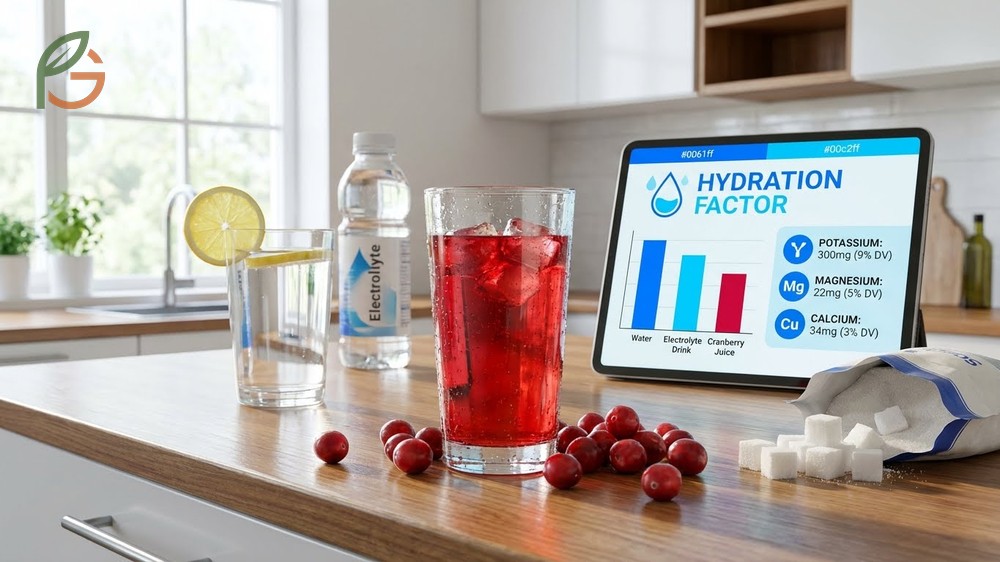
Yes, cranberry juice hydrates you, but it’s not as effective as water or specialized electrolyte drinks. Current nutritional analysis shows cranberry juice contains about 300mg potassium (9% daily value), 22mg magnesium (5% DV), and 34mg calcium (3% DV) per cup[4]. These minerals help your body retain and utilize fluids properly.
The 86% water content means you’re getting substantial fluid intake with each serving. However, cranberry juice comes with a trade-off: sugar. Even 100% cranberry juice with no added sugars contains 18g of carbohydrates per cup, including 9g of naturally occurring sugars.
Research comparing different hydration methods found that water alone can actually dilute essential electrolytes until cells can’t function properly. You need both water and minerals for optimal hydration. Cranberry juice provides this combination, but at 107 calories per cup compared to zero for water.
- After moderate exercise when you’ve lost some fluids but don’t need heavy electrolyte replacement
- During illness when plain water tastes unappealing and you need vitamin C
- As part of breakfast to kickstart hydration after overnight fluid deficit
- In hot weather when increased sweating depletes both water and minerals
- For people who struggle to drink enough plain water and need flavor incentive
Hydration tip: Dilute cranberry juice 50/50 with water or sparkling water to reduce sugar and calories while maintaining electrolyte benefits and flavor. This approach gives you about 270g of hydrating fluid per cup with half the carbohydrates.
Does cranberry juice dehydrate you? No, despite containing natural sugars, cranberry juice doesn’t dehydrate you the way caffeinated or alcoholic beverages might. The high water content and electrolyte profile outweigh any mild diuretic effect. Some people report increased urination, but that’s typically due to the volume of liquid consumed rather than dehydration.
For comparison, sports drinks contain 80 calories per liter while cranberry juice has about 430 calories per liter. If you’re training intensely or recovering from dehydration, specialized electrolyte solutions work better. But for everyday hydration support alongside water intake, cranberry juice serves well—especially since you’re getting antioxidants and vitamin C as bonuses.
Vitamin C and Immune System Benefits
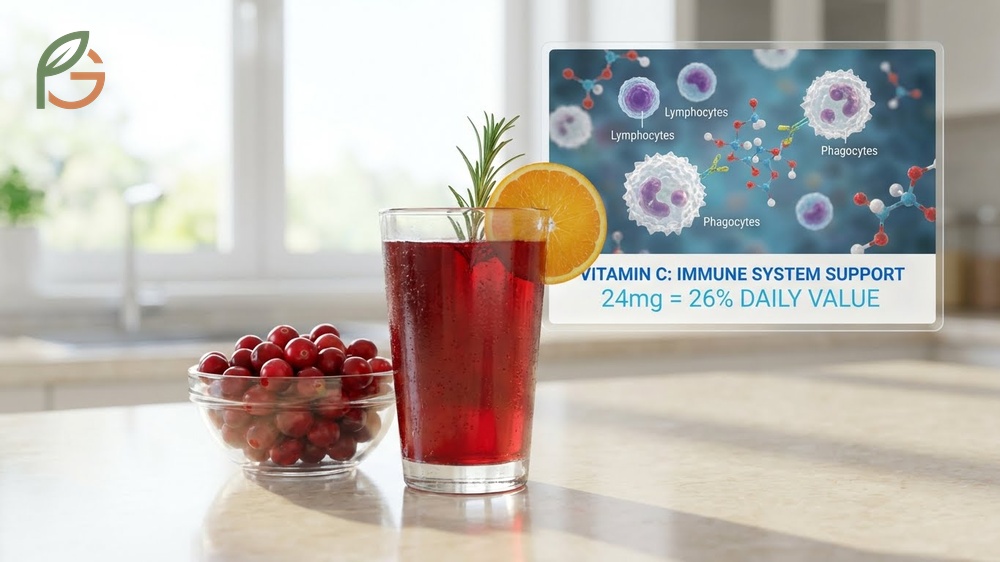
One cup of cranberry juice delivers 24mg of vitamin C, meeting 26% of your daily requirement[3]. This isn’t just about preventing scurvy—vitamin C plays active roles in immune function, collagen synthesis, iron absorption, and cellular protection. Research shows small cranberries contain 15.3-30% ascorbic acid by composition[7].
Vitamin C supports immune health through multiple pathways. It promotes production of white blood cells called lymphocytes and phagocytes, which protect against infection. The vitamin also helps these cells function more effectively while protecting them from potentially harmful molecules like free radicals. Studies demonstrate that adequate vitamin C intake shortens the duration of common colds, though it won’t prevent them entirely.
Beyond immune function, vitamin C in cranberry juice supports wound healing by enabling collagen production. Collagen forms connective tissue that repairs skin, blood vessels, and organs. This matters particularly for people recovering from surgery or injuries. The antioxidant properties of vitamin C also reduce inflammation throughout the body, which benefits conditions from arthritis to cardiovascular disease.
- Enhances iron absorption from plant-based foods when consumed together (pair cranberry juice with leafy greens or beans)
- Protects skin cells from UV damage and supports skin barrier function against pathogens
- Reduces oxidative stress that contributes to chronic diseases and aging
- Supports neurotransmitter production, potentially affecting mood and cognitive function
- Acts synergistically with other cranberry antioxidants for amplified protective effects
Is cranberry juice good for sore throat? While it won’t cure throat infections, the vitamin C and anti-inflammatory compounds may provide some comfort. The tartness stimulates saliva production, which helps keep throat tissues moist. However, avoid cranberry juice cocktails with added sugars, as sugar can temporarily suppress immune function and feed harmful bacteria.
For cold and flu season, drinking cranberry juice in the morning provides immune support without interfering with sleep. Does cranberry juice make you sleepy? No evidence suggests it causes drowsiness. In fact, the natural sugars might provide a mild energy boost. Some people drink cranberry juice before bed for its potential benefits, but timing matters less than consistency for immune support.
Conclusion
The evidence is clear: cranberries deliver measurable health benefits backed by gold-standard clinical research. From preventing UTIs to supporting heart health and boosting immunity, this tart berry earns its reputation as a functional food. Studies show that drinking 16-24oz daily provides optimal benefits for most people, though supplements offer a concentrated alternative for those who dislike the taste.
Current nutritional guidance emphasizes whole-food approaches to health, and cranberries fit perfectly into evidence-based dietary patterns. Whether you’re a man concerned about prostate health, someone prone to UTIs, or simply looking for antioxidant-rich hydration, cranberries offer science-supported advantages. FruitGarden encourages you to view cranberries not as a miracle cure but as a valuable component of varied, nutrient-dense eating habits that support long-term wellness.
Medical Disclaimer
Important Medical Disclaimer: This content is for informational and educational purposes only. It’s not intended as a substitute for professional medical advice, diagnosis, or treatment. Always consult a qualified healthcare professional before making changes to your diet, medication, or health routine, especially if you have diabetes, kidney stones, take blood-thinning medications, or have other medical conditions. Cranberry products can interact with certain medications, including warfarin. Don’t use cranberries to replace prescribed treatments for UTIs or other health conditions without your doctor’s approval.
Frequently Asked Questions
Is drinking cranberry juice every week good for you?
Yes, weekly consumption provides consistent antioxidant support and may help prevent UTIs over time. However, daily intake of 16-24oz shows the most significant benefits in clinical studies. Weekly consumption alone won’t deliver the full protective effects seen in research, but it’s better than no cranberry intake at all.
Does cranberry juice have electrolytes?
Yes, cranberry juice contains 300mg potassium (9% DV), 22mg magnesium (5% DV), and 34mg calcium (3% DV) per cup. While these levels support hydration, they’re lower than specialized sports drinks. Cranberry juice works well for everyday fluid balance but isn’t ideal for intense athletic recovery.
Is cranberry juice good for the prostate?
Research shows 1,500mg of dried cranberry powder daily improves prostate symptoms in men with benign prostatic hyperplasia and elevated PSA levels. A six-month study found significant improvements in urination parameters, quality of life scores, and PSA markers. Juice equivalent would be approximately 16-24oz daily.
Is cranberry juice good for dehydration?
Cranberry juice helps with mild dehydration due to its 86% water content and electrolyte profile, but it’s not the best choice for severe dehydration. The natural sugars slow absorption compared to water or electrolyte solutions. For significant fluid loss from illness or intense exercise, use oral rehydration solutions, then add cranberry juice once rehydrated.
How healthy is cranberry juice really?
Cranberry juice is genuinely healthy when consumed in moderation—it provides vitamin C, antioxidants, and proven UTI prevention benefits. However, it contains natural sugars that add calories, so limit intake to 8-16oz daily. Choose 100% juice without added sugars, or dilute juice cocktails 50/50 with water to reduce sugar content.
Is cranberry juice good for hangovers?
Cranberry juice can help with hangover recovery by providing hydration, electrolytes, and vitamin C that alcohol depletes. The natural sugars also help stabilize blood sugar that drops after drinking. However, water and electrolyte drinks work faster for rehydration. Drink cranberry juice alongside plenty of water for best results.
Can cranberry juice dehydrate you?
No, cranberry juice doesn’t dehydrate you. Despite containing natural sugars, the high water content (86%) and electrolyte profile support hydration. Some people urinate more frequently after drinking cranberry juice, but that’s due to fluid volume rather than dehydration. The mild diuretic effect is far weaker than coffee or alcohol.





