
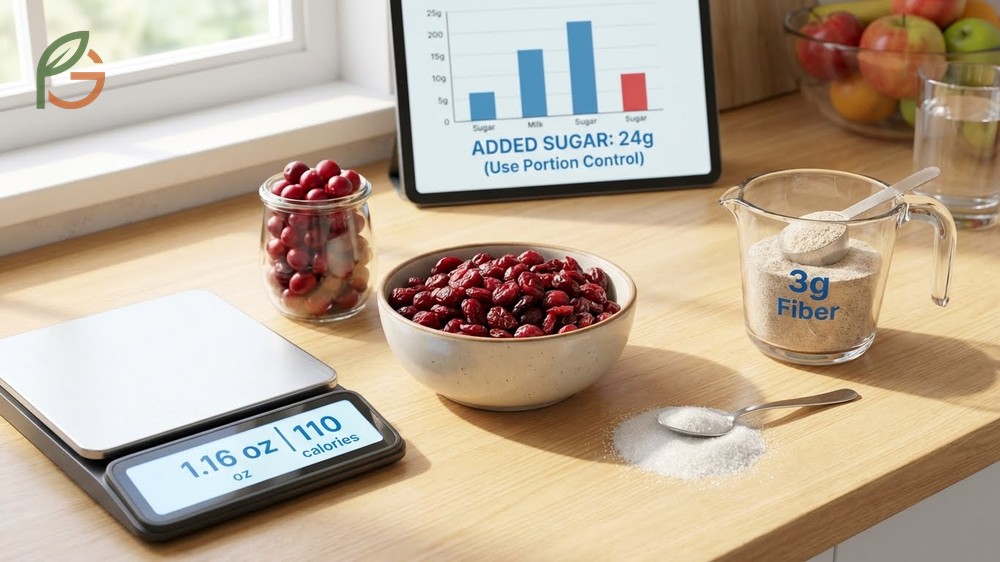
Is dried cranberries healthy? Yes, when eaten in moderation. Research shows that dried cranberries provide 110 calories and 3g fiber[1] per 1.16 oz serving, supporting digestive health and antioxidant intake. However, most brands contain 24g added sugar[1], which requires portion control for weight management. FruitGarden synthesizes current nutrition research and USDA data to help you make informed decisions about incorporating dried cranberries into your diet.
Quick Answer
- One serving provides 110 calories[1] and 3g fiber[1] (9% daily value)
- Contains 28g total carbohydrates[1] with 24g from added sugar[1]
- Research shows dried cranberries improved glucose response in type 2 diabetes patients at 2-hour and 4-hour marks[2]
- Recommended serving: ¼ cup (40g) daily[3] to balance benefits with sugar intake
Is Dried Cranberries Healthy
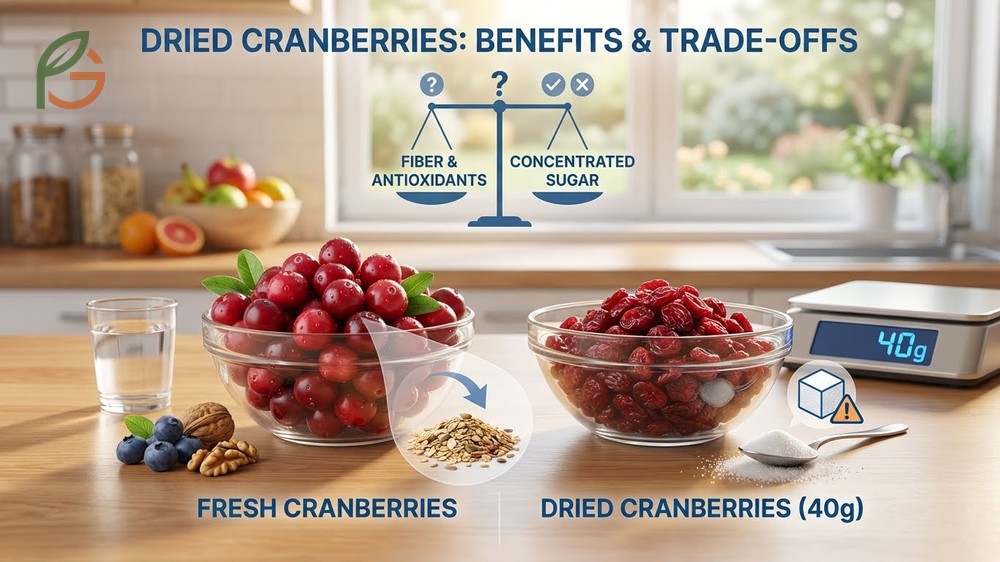
Research shows that dried cranberries offer concentrated nutrition with both benefits and trade-offs. Studies demonstrate they deliver essential fiber and antioxidants while containing significantly higher sugar content than fresh cranberries[4]. The drying process removes water and concentrates natural sugars, which manufacturers typically supplement with added sweeteners to balance the fruit’s natural tartness.
Current nutrition data indicates that a standard 40-gram serving contains approximately 130 calories[5] from Ocean Spray brand products. The American Heart Association recommends men limit added sugar to 36 grams daily and women to 25 grams daily[4], meaning one serving of sweetened dried cranberries can exceed women’s entire daily allowance. This makes portion awareness critical for maintaining balanced nutrition.
Evidence suggests that unsweetened varieties provide the healthiest option. These products eliminate added sugars while preserving the fruit’s natural polyphenols and fiber content. Most people don’t realize that timing matters when consuming dried cranberries—pairing them with protein or healthy fats can slow sugar absorption and improve satiety.
Calories in Dried Cranberries
USDA data reveals that dried cranberries contain 334.5 calories per 100 grams[1], making them a calorie-dense snack. A typical 1.16 oz (33g) serving provides 110 calories[1], which fits into most weight management plans when consumed mindfully. For comparison, fresh cranberries contain roughly 46 calories per 100 grams, demonstrating how the drying process concentrates energy content.
The calorie concentration occurs because water removal reduces volume while preserving carbohydrates and natural sugars. This means you’ll consume more calories from dried cranberries than fresh ones in the same portion size. Understanding this difference helps you make smarter serving choices whether you’re snacking, baking, or adding them to salads.
Dried Cranberries Nutrition Profile
A complete nutritional breakdown shows that dried cranberries deliver zero fat, zero cholesterol, and minimal sodium[1]. Each serving contributes 28g total carbohydrates[1] with 3g dietary fiber[1], meeting 9% of the daily value. The fiber content supports digestive regularity and helps moderate blood sugar spikes when consumed with balanced meals.
Studies document that cranberries rank among fruits with the highest polyphenol content and antioxidant capacity[6]. These compounds provide anti-inflammatory and antimicrobial properties that contribute to overall health. The 0.2mg iron content[1] offers a small boost to daily mineral intake, though the primary benefits come from fiber and phytonutrients.
This table compares calories, fiber, sugar, and carbohydrate content between dried and fresh cranberries per 100 gram serving
| Nutrient | Dried Cranberries (100g) | Fresh Cranberries (100g) | Difference |
|---|---|---|---|
| Calories | 334.5 kcal[1] | 46 kcal | 7x higher |
| Total Carbohydrates | 85.1g[1] | 12.2g | 7x higher |
| Dietary Fiber | 9.1g[1] | 4.6g | 2x higher |
| Sugars | 73g[1] | 4g | 18x higher |
| Total Fat | 0g | 0.1g | Negligible |
Dried Cranberry Health Benefits
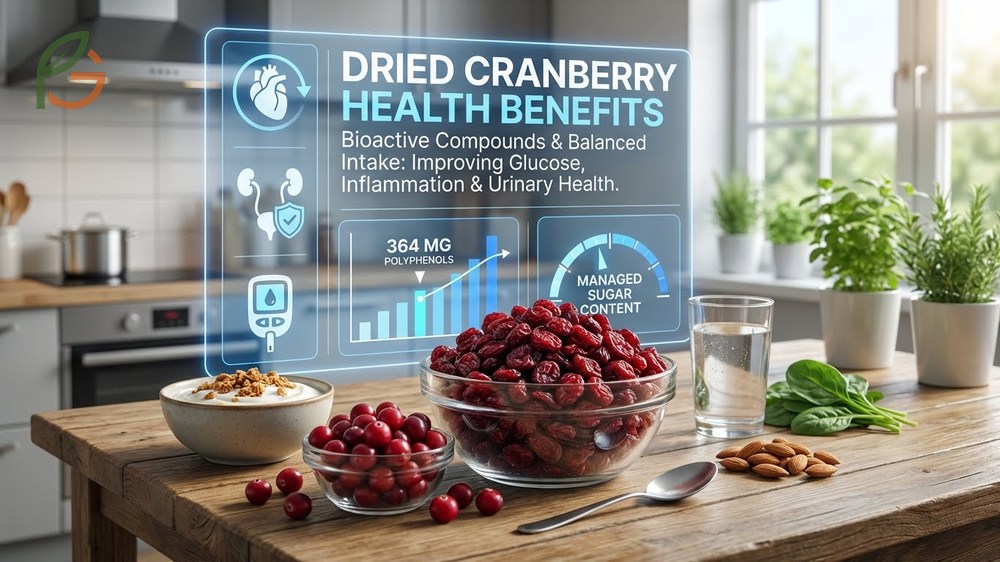
Research demonstrates that dried cranberries deliver measurable health advantages when incorporated into a balanced diet. Clinical trials show they improve postprandial glucose control, reduce inflammation markers, and support urinary tract health through unique bioactive compounds. The key lies in understanding how to maximize benefits while managing the sugar content that comes with most commercial products.
Studies indicate that consuming 364 mg polyphenols daily[7] from cranberry products effectively reduces oxidative stress and protein oxidation. These polyphenolic compounds work both as direct free radical scavengers and by influencing gene expression to boost endogenous antioxidant capacity. The concentration of these beneficial compounds remains stable in dried cranberries, making them a convenient year-round option.
Antioxidant Power
Cranberries contain chemically diverse secondary metabolites with antimicrobial and antioxidant properties[8]. The highest scavenging capacity ranges from 33.87-68.83 µmol/g of fresh mass[8], with specific varieties like ‘Stevens’ showing superior performance across multiple antioxidant assays. Total antioxidant content reaches 270 mg per 100g[8] when measured by amperometric methods.
The polyphenols in cranberries eliminate hydroxyl radicals, superoxide radicals, and singlet oxygen, preventing biomolecule oxidation. Evidence suggests these compounds maintain effectiveness even after the drying process, though spray-dried treatments show significantly higher polyphenol stability compared to other processing methods. This antioxidant activity translates to reduced markers of inflammation and lipid peroxidation in human studies.
Urinary Tract Health
Cranberries contain unique compounds that prevent harmful bacteria from adhering to urinary tract walls, reducing infection risk[9]. Regular consumption of cranberry products significantly decreases UTI frequency among women, a common health concern that affects millions annually. The proanthocyanidins in cranberries provide this anti-adhesion effect, making it harder for E. coli and other pathogens to colonize the urinary tract.
Clinical evidence shows that both fresh and dried cranberries deliver these protective benefits. The concentration of active compounds remains sufficient in dried products to support urinary health when consumed as part of a daily routine. Women who incorporate cranberry products report reduced UTI occurrences, though dried cranberries should complement rather than replace medical treatment when infections occur.
Digestive Health Support
A typical serving of dried cranberries provides approximately 2.12 grams of fiber[4], contributing 7-8% toward the daily recommended intake of 25-30 grams. This fiber aids digestion, promotes regular bowel movements, and helps you feel fuller longer, reducing the likelihood of overeating between meals. The fiber also plays a role in controlling blood sugar levels by slowing carbohydrate absorption.
The combination of fiber and polyphenols creates a prebiotic effect that supports beneficial gut bacteria. This digestive support becomes particularly valuable when dried cranberries are consumed with other fiber-rich foods like oatmeal, yogurt, or whole grain cereals. The sustained energy release from fiber helps prevent the blood sugar crashes that lead to unhealthy cravings throughout the day.
Important Note: Overconsumption can lead to digestive issues due to concentrated fiber and natural fruit acids. Stick to the recommended ¼ cup serving to maximize benefits while avoiding gastrointestinal discomfort.
Are Dried Cranberries Good for Weight Loss
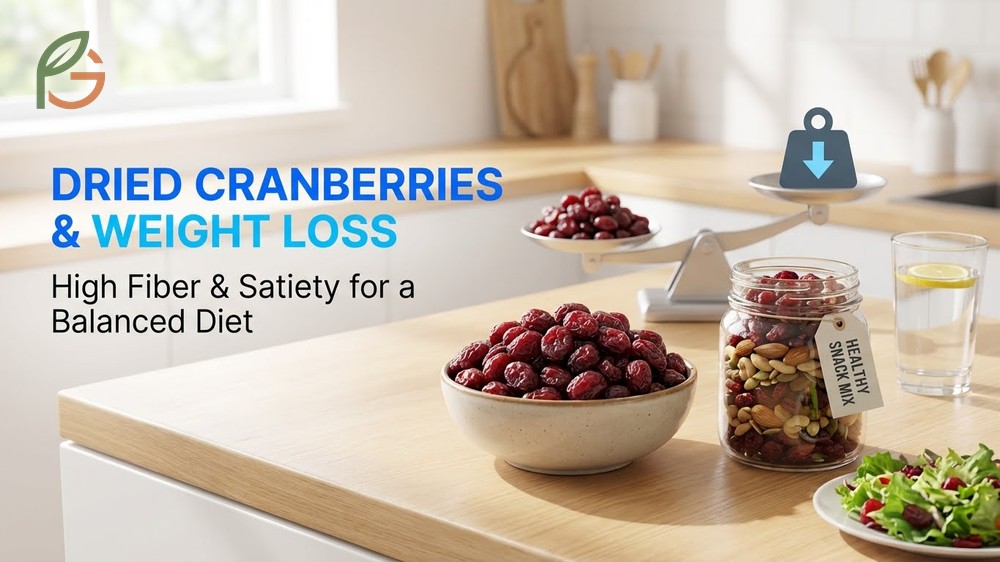
Dried cranberries can support weight loss goals when consumed strategically within a controlled calorie framework. Research shows their high fiber content promotes satiety and offers a healthier alternative to high-calorie processed snacks[10]. However, studies on dried fruit consumption reveal that weight outcomes depend critically on maintaining energy balance rather than simply adding dried fruit to existing diets.
Evidence from controlled trials indicates that dried fruit consumption within a hypercaloric diet can increase fasting glucose by 0.08 mmol/L[11] and lead to weight gain when energy intake exceeds expenditure. Participants in one study experienced mean weight increases of 0.3 kg[11] after four weeks of dried fruit consumption without calorie compensation. This demonstrates that portion control and overall calorie management matter more than the food source itself.
The antioxidants in cranberries help reduce inflammation, which can contribute to metabolic imbalances and weight gain. By adding unsweetened dried cranberries to your diet in measured portions, you get nutrient-dense sweetness without the empty calories from refined sugars. The fiber keeps you satisfied longer, making it easier to stick with reduced-calorie eating plans throughout the day.
Portion Control Strategies
Current guidance emphasizes that a small handful or approximately ¼ cup (40 grams) of dried cranberries makes a healthy daily snack[3]. This portion size provides benefits while limiting added sugar exposure to manageable levels. Pre-portioning dried cranberries into small containers or bags prevents mindless overconsumption that can derail weight loss efforts.
Studies show that choosing unsweetened varieties eliminates 24 grams of added sugar per serving[1], dramatically improving the nutrient-to-calorie ratio. Mix dried cranberries with raw almonds, walnuts, or pumpkin seeds to create a balanced snack that combines protein, healthy fats, and fiber. This combination slows digestion and provides sustained energy for 3-4 hours between meals.
- Measure servings using a ¼ cup measuring cup rather than eating directly from the package
- Combine 2 tablespoons dried cranberries with 1 ounce nuts for a balanced 150-calorie snack
- Add 1-2 tablespoons to breakfast oatmeal or yogurt instead of larger amounts
- Choose products labeled “50% less sugar” to reduce added sweetener intake by half
- Track dried cranberry servings in a food journal to maintain awareness of daily consumption
- Pair dried cranberries with protein sources like cheese or Greek yogurt to enhance satiety
Best Times to Eat Dried Cranberries
Morning consumption provides the best opportunity to utilize the energy from dried cranberries’ natural sugars. Adding them to breakfast oatmeal, whole grain cereal, or yogurt parfaits kickstarts your metabolism and provides sustained energy through mid-morning. The fiber content helps stabilize blood sugar levels during the critical post-breakfast period when glucose regulation matters most.
Pre-workout timing works well for active individuals who need quick-digesting carbohydrates for energy. Consuming a small portion 30-45 minutes before exercise provides readily available fuel without causing digestive discomfort. Post-workout consumption paired with protein helps replenish glycogen stores and supports muscle recovery, though whole food sources generally outperform dried fruit for this purpose.
Afternoon snacking represents the riskiest time for dried cranberries if portion control fails. Many people experience energy dips between 2-4 PM, leading to overconsumption of sweet snacks. If you choose dried cranberries during this window, combine them with protein-rich foods like string cheese or hard-boiled eggs to prevent blood sugar spikes followed by crashes that trigger additional cravings.
Weight Loss Tip: Avoid eating dried cranberries after dinner or as a late-night snack. The concentrated sugars can spike insulin levels when your metabolism naturally slows, promoting fat storage rather than energy utilization.
Is Dried Cranberry Good for Diabetes
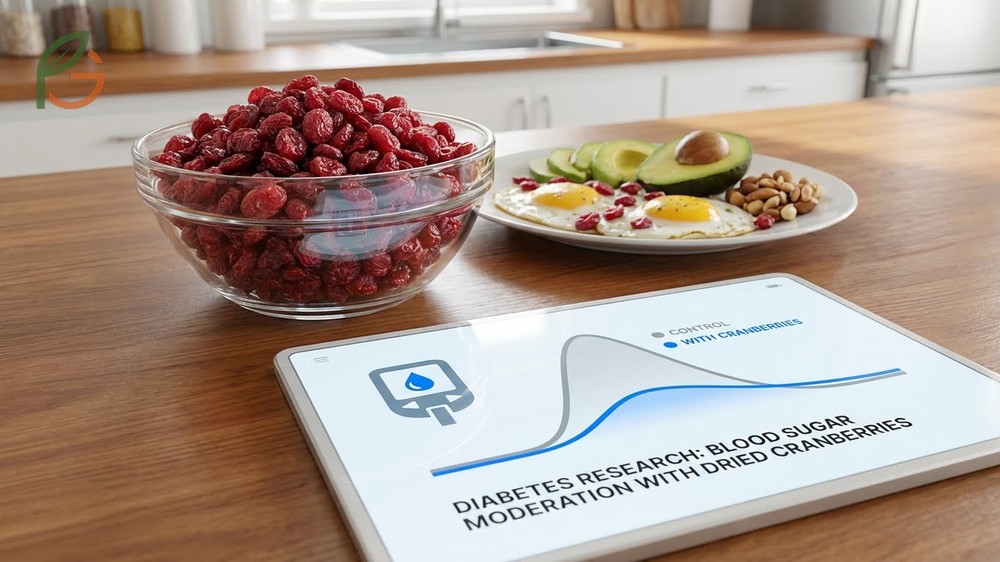
Research demonstrates that dried cranberries can benefit people with type 2 diabetes when consumed strategically with high-fat meals. A randomized crossover trial involving 25 obese participants with type 2 diabetes showed that postprandial glucose increases were significantly lower with cranberries versus control at 2-hour and 4-hour time points[2]. This suggests that dried cranberries help moderate blood sugar spikes when paired with meals containing fat and protein.
The same study revealed that dried cranberries significantly lowered inflammation markers, with serum interleukin-18 and malondialdehyde decreasing at 4 hours post-meal[2]. Serum total nitrite levels increased at 2 hours[2], indicating improved vascular function. These findings provide evidence that whole cranberries improve postprandial glucose management and reduce oxidative stress in people with diabetes.
However, diabetics must account for the carbohydrate content in their meal planning. Each serving contains 28g total carbohydrates[1], requiring insulin adjustment or reduced carbohydrate intake from other sources. Choosing unsweetened varieties eliminates added sugar concerns while preserving the beneficial polyphenols that contribute to improved glucose metabolism. Always consult with a healthcare provider before making significant dietary changes.
- Pair dried cranberries with protein sources like nuts, cheese, or Greek yogurt to slow glucose absorption
- Limit portions to 1-2 tablespoons (15-20g) when blood sugar control is challenging
- Consume dried cranberries with high-fat meals rather than alone for better glycemic response
- Monitor blood glucose levels 2 hours after consumption to understand individual response
- Choose unsweetened or “no sugar added” varieties to eliminate the 24g added sugar per serving
- Count dried cranberries as a carbohydrate exchange in your diabetes meal plan
- Avoid dried cranberries during periods of poor blood sugar control or diabetic complications
Dried Cranberries Side Effects
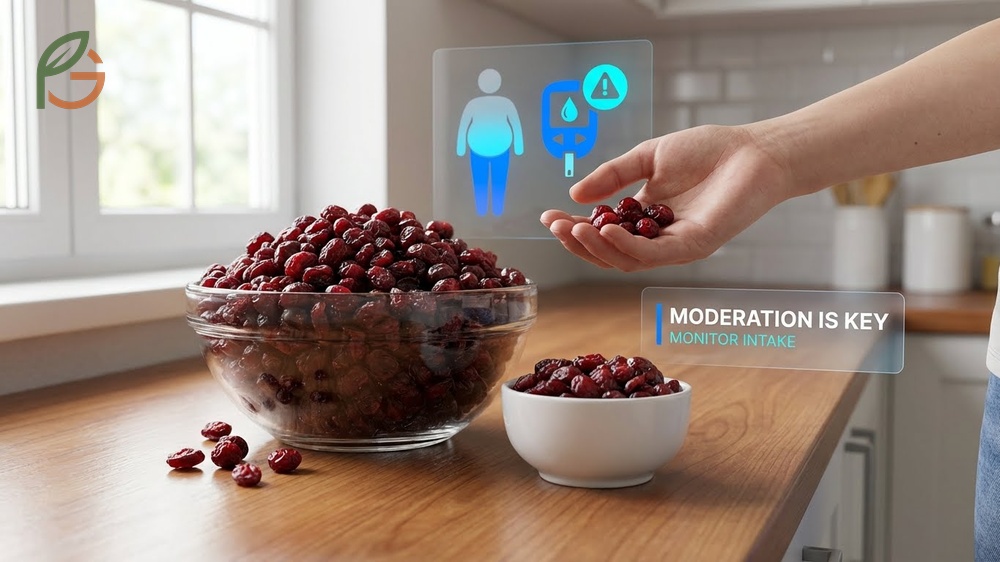
Overindulging in dried cranberries can lead to digestive issues including bloating, gas, and diarrhea due to concentrated fiber and natural fruit acids. The high sugar content affects blood glucose levels, particularly concerning for people with diabetes or those following low-carbohydrate diets. Most side effects emerge from excessive consumption rather than moderate intake within recommended portion sizes.
Dried cranberries contain oxalates, compounds that could potentially increase kidney stone risk for susceptible individuals[3]. People with a history of calcium oxalate kidney stones should limit consumption and increase water intake when eating dried cranberries. The concentrated nature of dried fruit means oxalate levels per serving exceed those in fresh cranberries.
Cranberry products might interfere with blood-thinning medications like warfarin[3]. The vitamin K content and bioactive compounds can affect how your body metabolizes these medications, potentially altering their effectiveness. If you’re taking blood thinners, consult your healthcare provider before adding dried cranberries to your regular diet.
- Blood sugar spikes from concentrated sugars, especially when consumed in excess of ¼ cup servings
- Gastrointestinal discomfort including bloating and loose stools from high fiber concentration
- Increased kidney stone risk for people prone to calcium oxalate stones
- Medication interactions with blood thinners like warfarin or anticoagulants
- Weight gain when consumed beyond daily calorie needs without activity compensation
- Dental cavities from prolonged sugar exposure if eaten frequently throughout the day
- Allergic reactions in rare cases, including skin rashes or digestive upset
Safety Warning: If you experience persistent digestive issues, unusual bleeding, or changes in medication effectiveness after consuming dried cranberries, discontinue use and consult a healthcare professional immediately.
Unsweetened Dried Cranberries Brands
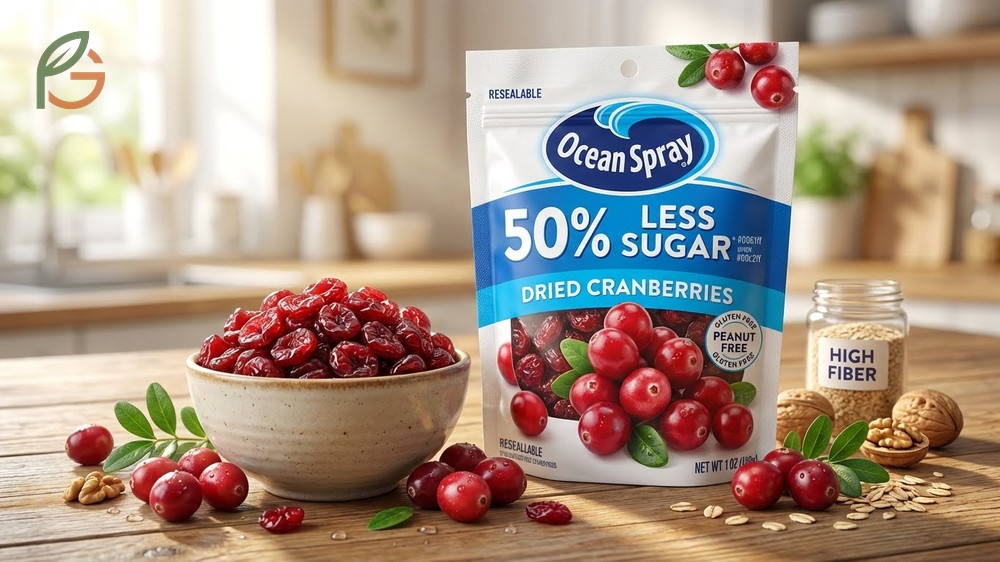
Ocean Spray dominates the dried cranberry market with their Craisins product line, offering both sweetened and reduced-sugar varieties. Their 50% Less Sugar option provides mouth-watering flavor with half the added sweeteners of original formulations[12]. These products maintain the bold cranberry taste while serving as an excellent source of fiber, making them peanut-free and gluten-free for people with dietary restrictions.
The Ocean Spray reduced-sugar line contains approximately 100 calories per serving[13] with no artificial flavors or preservatives. Their standard Craisins deliver 130 calories per ¼ cup serving[5] with 27g total sugars and 3g dietary fiber. The ingredient list remains simple: dried cranberries, cane sugar, and refined sunflower oil used as a processing aid.
When shopping for healthier alternatives, look for products specifically labeled “unsweetened,” “no sugar added,” or “juice-sweetened” on the packaging. These versions eliminate refined cane sugar while preserving the fruit’s natural antioxidant profile. Health food stores and online retailers typically stock a wider variety of unsweetened options compared to conventional grocery stores.
- Ocean Spray Craisins 50% Less Sugar – contains half the sweeteners of regular varieties
- Non-GMO certified products for consumers avoiding genetically modified ingredients
- Juice-sweetened varieties using apple or grape juice concentrate instead of cane sugar
- Organic certifications ensuring no synthetic pesticides or fertilizers in production
- Resealable pouches ranging from 5 oz to 64 oz for portion control and freshness
- Blueberry or strawberry juice-infused options for flavor variety without artificial additives
Are Dried Cranberries Low FODMAP
Dried cranberries qualify as low FODMAP in controlled serving sizes according to testing by both Monash University and FODMAP Friendly organizations. Monash University’s updated testing shows dried cranberries remain low FODMAP at 22 grams[14], becoming moderate at 28 grams due to fructan content. FODMAP Friendly testing confirms low FODMAP status at 17 grams with a maximum safe serving of 19 grams[14].
This translates to approximately 2 tablespoons per serving for people following a low FODMAP diet[15]. The fructan oligosaccharides present in cranberries can trigger digestive symptoms in sensitive individuals when consumption exceeds these tested thresholds. People with irritable bowel syndrome (IBS) should strictly adhere to portion limits during the elimination phase of the FODMAP protocol.
Fresh cranberries offer more flexibility with a low FODMAP serving of ½ cup (50 grams)[14], becoming moderate at 133 grams. The drying process concentrates FODMAPs along with sugars and nutrients, requiring smaller portions to maintain digestive tolerance. During the reintroduction phase, test dried cranberries separately from fresh to understand your individual threshold.
- Stick to 2 tablespoons (approximately 17-22g) maximum per meal or snack
- Space dried cranberry consumption several hours apart to prevent FODMAP accumulation
- Choose unsweetened varieties to avoid additional FODMAPs from added sweeteners
- Monitor symptoms for 2-3 hours after consumption during reintroduction testing
- Combine with low FODMAP foods rather than other moderate or high FODMAP items
- Consider fresh cranberries for larger portions if dried versions trigger symptoms
Conclusion
The evidence is clear: dried cranberries are healthy when consumed in moderation as part of a balanced diet. They deliver valuable fiber, antioxidants, and proven benefits for glucose management and urinary tract health. Current nutrition guidance emphasizes portion control—limiting intake to ¼ cup daily and choosing unsweetened varieties whenever possible to maximize nutritional benefits while minimizing added sugar exposure.
FruitGarden synthesizes the latest agricultural research and USDA nutritional data to help you make informed decisions about incorporating dried cranberries into your fruit garden harvest and dietary routine. Whether you’re managing weight, diabetes, or simply seeking nutritious snacks, understanding serving sizes and timing transforms dried cranberries from a potential sugar trap into a strategic health food that supports your wellness goals.
Medical Disclaimer
Important Medical Disclaimer: This content is for informational and educational purposes only. It is not intended as a substitute for professional medical advice, diagnosis, or treatment. Always consult a qualified healthcare professional before making any changes to your diet, medication, or health routine, especially if you have diabetes, kidney conditions, take blood-thinning medications, or have other medical concerns. Individual responses to dried cranberries may vary based on health status and medications.
Frequently Asked Questions
How many dried cranberries should I eat per day?
Research recommends consuming approximately ¼ cup (40 grams) of dried cranberries daily as a healthy portion. This serving size provides beneficial fiber and antioxidants while limiting added sugar intake to manageable levels. Exceeding this amount can lead to excessive sugar consumption that surpasses American Heart Association guidelines, particularly for women whose daily limit is 25 grams of added sugar.
Are Craisins dried cranberries good for you?
Craisins can be good for you when consumed in moderation, though they contain significant added sugar in standard formulations. Ocean Spray’s 50% Less Sugar variety offers a better nutritional profile with half the sweeteners while maintaining fiber content and antioxidant benefits. Choose reduced-sugar or unsweetened versions and limit portions to ¼ cup to balance health benefits with sugar intake concerns.
Can I eat dried cranberries if I have diabetes?
Studies show that dried cranberries can benefit people with type 2 diabetes when paired with high-fat, protein-rich meals and consumed in controlled portions. Research demonstrates improved postprandial glucose response at 2-hour and 4-hour time points compared to control groups. However, you must account for the 28g carbohydrates per serving in your meal planning and choose unsweetened varieties to eliminate added sugar concerns.
Do dried cranberries help with urinary tract infections?
Evidence indicates that cranberries contain compounds that prevent harmful bacteria from adhering to urinary tract walls, reducing infection risk. Regular consumption of dried cranberries provides these protective benefits, though they should complement rather than replace medical treatment when infections occur. The proanthocyanidins in cranberries deliver anti-adhesion effects that make it harder for E. coli to colonize the urinary tract.
What’s the difference between sweetened and unsweetened dried cranberries?
Sweetened dried cranberries contain 24g of added sugar per 1.16 oz serving, while unsweetened varieties eliminate refined sweeteners entirely. This difference dramatically impacts calorie content, glycemic response, and suitability for weight management or diabetes control. Unsweetened options preserve the fruit’s natural polyphenols and fiber while avoiding the sugar overload that can negate health benefits.
Are dried cranberries good for weight loss?
Dried cranberries can support weight loss when consumed within controlled calorie limits and appropriate portion sizes. Their fiber content promotes satiety and provides a healthier alternative to processed snacks, though studies show that adding dried fruit to a hypercaloric diet leads to weight gain. Success depends on portion control, choosing unsweetened varieties, and accounting for the 110-130 calories per serving in your daily intake.
Can I eat dried cranberries on a low FODMAP diet?
Dried cranberries are low FODMAP in servings up to 2 tablespoons (17-22 grams) according to Monash University and FODMAP Friendly testing. They contain fructans that become problematic at higher doses, with moderate FODMAP levels reached at 28 grams. People with IBS should strictly limit portions during the elimination phase and test tolerance individually during reintroduction.





