
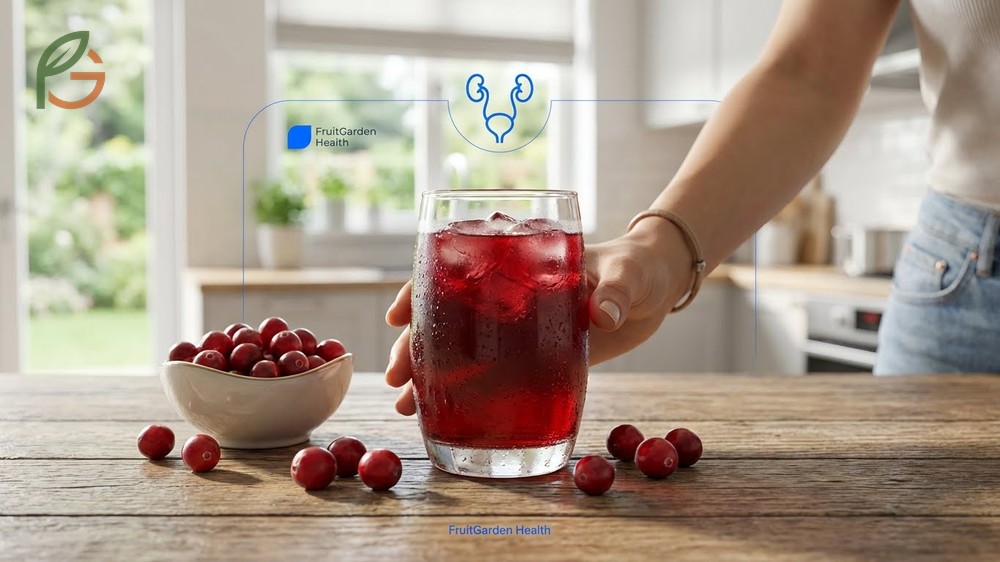
Cranberry juice for women provides scientifically-backed health benefits, particularly for urinary tract wellness and infection prevention. Research shows women who drink cranberry juice regularly experience a 26% reduction in recurrent UTIs, making it a powerful natural option for female health. FruitGarden examines current clinical evidence and nutritional data to explain why this tart beverage deserves a place in your daily routine.
Quick Answer
- Reduces UTI risk by 26% in women with recurrent infections[1]
- Provides 24mg vitamin C (26% daily value) per cup[2]
- Contains unique proanthocyanidins that prevent bacteria from adhering to bladder walls[1]
- Safe during all three trimesters of pregnancy for urinary tract support[3]
- Improves skin elasticity in women over 40 after six weeks of consumption[4]
Cranberry Juice for Women

Women face unique health challenges that make cranberry juice particularly valuable. Studies demonstrate that cranberries contain compounds called proanthocyanidins (PACs) that aren’t found in most other fruits[1]. These PACs work differently than typical preventive measures by targeting bacterial adhesion at the cellular level.
The American College of Obstetricians and Gynecologists acknowledges that unsweetened cranberry juice or supplements may lower UTI risk in women[1]. What sets cranberries apart is their dual mechanism: fructose and PACs together prevent E. coli bacteria from sticking to bladder walls, stopping infections before they start.
Current data shows women benefit more than other populations from regular cranberry consumption. One comprehensive review found that people drinking cranberry juice had 54% fewer UTIs than those receiving no treatment or non-cranberry beverages[1]. This translates to fewer doctor visits, reduced antibiotic use, and better quality of life.
How Cranberries Protect Urinary Health
The protective mechanism centers on bacterial adhesion prevention. When E. coli bacteria can’t attach to urinary tract walls, they’re flushed out naturally during normal urination. Research confirms this effect lasts for hours after drinking cranberry juice, providing extended protection throughout the day.
Unlike antibiotics that kill bacteria, cranberries physically prevent bacterial colonization. This distinction matters because it doesn’t contribute to antibiotic resistance, a growing concern in modern medicine. Evidence suggests cranberry consumption reduces antibiotic use by 49% compared to placebo treatments[1].
Important Note: Cranberry juice prevents UTIs but can’t treat active infections. If you have UTI symptoms like burning during urination or frequent urges, you’ll need antibiotics from your healthcare provider.
Nutritional Profile
One cup (248g) of unsweetened cranberry juice delivers substantial nutritional value with relatively low calories. The nutrient density makes it an efficient addition to balanced diets focused on whole-food nutrition.
This table shows the complete nutritional breakdown of one cup of cranberry juice including calories, macronutrients, and key vitamins
| Nutrient | Amount | Daily Value |
|---|---|---|
| Calories | 116[5] | 6% |
| Carbohydrates | 31g[5] | 10% |
| Vitamin C | 24mg[2] | 26% |
| Vitamin E | 3mg[2] | 20% |
| Protein | 1g | 2% |
| Fat | 0.3g | 0% |
Benefits of Drinking Cranberry Juice for Women
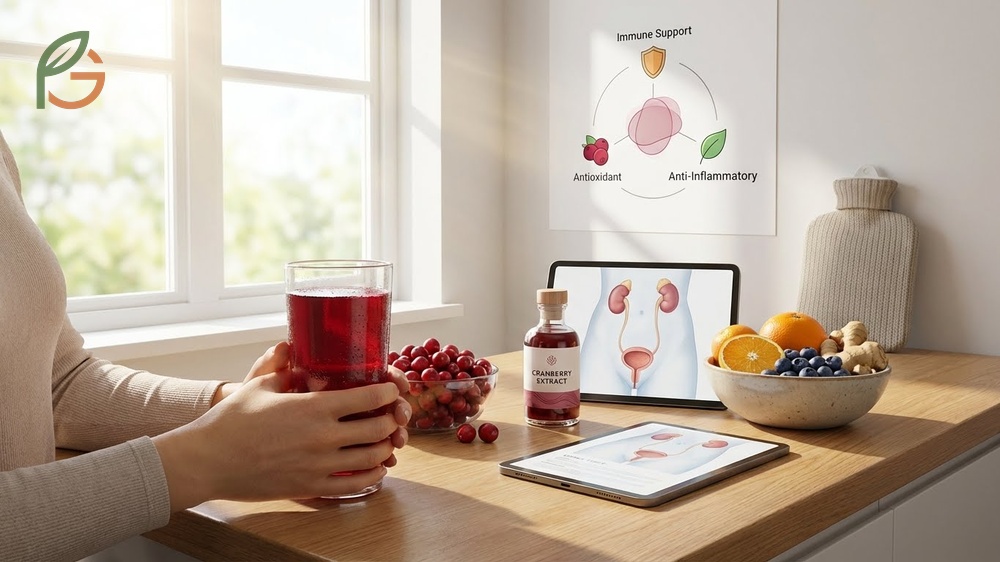
The advantages extend beyond urinary health into multiple body systems. Research demonstrates that regular consumption supports immune function, provides antioxidant protection, and may ease certain menstrual symptoms through its mineral content.
Women with recurrent health concerns find cranberry juice particularly helpful. The anti-inflammatory properties from polyphenols can address various issues simultaneously, making it a multi-functional dietary choice. Most benefits appear within 4-6 weeks of consistent daily intake.
UTI Prevention Effectiveness
Clinical trials consistently show measurable UTI reduction in women who consume cranberry products. A Cochrane review of multiple studies found that cranberry juice decreases repeat symptomatic UTIs in women by more than 25%[6]. This effect proves especially strong in women with a history of frequent infections.
The reduction isn’t just statistical—it translates to fewer missed work days and improved daily comfort. Women who previously experienced 4-5 UTIs yearly often see that number drop to 2-3 with consistent cranberry consumption. The preventive effect works best when juice is consumed daily rather than sporadically.
- Prevents E. coli bacterial adhesion to bladder and urethral walls
- Maintains urinary tract environment that discourages bacterial growth
- Reduces antibiotic dependence by 49% compared to placebo[1]
- Provides protection lasting 4-8 hours after consumption
- Works synergistically with proper hydration for maximum effect
Vaginal Health and pH Balance
Research indicates cranberry consumption supports vaginal microbiota balance. A study with 12 healthy women found that consuming cranberry drink twice daily resulted in the apparent loss of potential pathogens from the vagina in 42% of participants[7]. The cranberry treatment didn’t detrimentally affect the healthy vaginal microbiome.
The anti-inflammatory compounds in cranberries may help maintain optimal vaginal pH levels. This matters because balanced pH creates an environment where beneficial bacteria thrive while harmful organisms struggle to establish themselves. Women report fewer irritation issues when drinking cranberry juice regularly.
Worth Noting: Sweetened cranberry cocktails can raise pH levels and potentially contribute to yeast infections due to high sugar content. Always choose unsweetened or lightly sweetened varieties for vaginal health benefits.
Pregnancy Support
Pregnant women can safely drink cranberry juice throughout all three trimesters[3]. This is particularly valuable since pregnancy increases UTI risk, and treatment options become more limited when expecting. The vitamin C content also supports immune function during this vulnerable period.
A 2008 pilot study with 188 pregnant women found that those drinking at least 240ml (1 cup) daily experienced a 57% reduction in bacteria in their urine and 41% fewer UTIs[3]. These results prove especially significant since untreated bladder infections during pregnancy can lead to serious complications including kidney infections.
- Safe consumption throughout all pregnancy stages
- Reduces bacterial overgrowth in urinary tract by 57%[3]
- Provides vitamin C for immune system support
- May help prevent pregnancy-related UTI complications
- Offers natural alternative to reduce antibiotic dependence
Cranberry Juice Benefits for Skin

Recent studies reveal impressive skin health advantages, particularly for women over 40. Research published in 2024 showed that six weeks of cranberry beverage consumption significantly reduced UV-induced skin redness, improved net elasticity on face and forearm, enhanced facial smoothness, and increased forearm gross elasticity[4]. These effects appeared primarily in women aged 40 and older.
The mechanism involves cranberry polyphenols protecting against photoaging by neutralizing free radicals. Six weeks of consumption increased superoxide dismutase (SOD) activity in red blood cells[4]. SOD plays a crucial role in defending skin from sun damage because it neutralizes harmful radicals and promotes collagen production through specific cellular pathways.
The antioxidant concentration in cranberries ranks among the highest of any fruit or vegetable—exceeding even broccoli and spinach. This density of protective compounds translates to visible improvements in skin appearance when consumed consistently. Women notice enhanced radiance and texture within 6-8 weeks.
- Reduces UV-induced skin redness and inflammation
- Improves skin elasticity measurements on face and arms
- Enhances facial smoothness through cellular renewal
- Increases SOD enzyme activity that protects against aging[4]
- Provides vitamins C and E that support collagen synthesis
- Delivers benefits most pronounced in women over 40
The polyphenols also inhibit collagen glycation—a process where sugars attach to collagen proteins and cause stiffness. By preventing this degradation, cranberry compounds help maintain skin’s youthful flexibility and appearance. This effect combines with direct antioxidant protection for comprehensive anti-aging support.
How Much to Drink
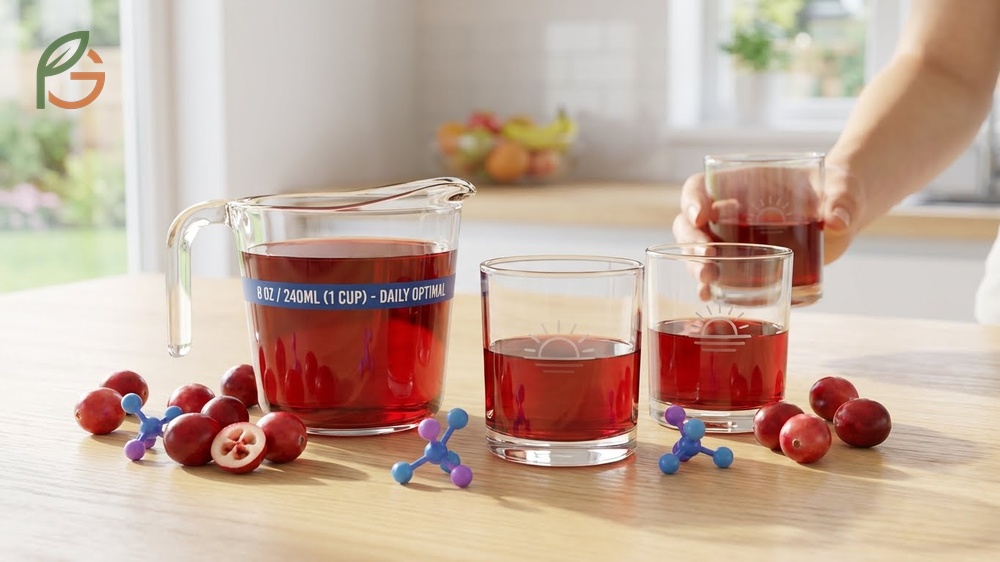
Research suggests 8 ounces (240ml or 1 cup) daily provides optimal benefits for most women. This amount delivers sufficient PACs and antioxidants to achieve measurable UTI prevention while keeping calorie and sugar intake reasonable. Studies demonstrating health benefits typically used this serving size.
Timing doesn’t appear critical, but spreading consumption throughout the day may extend protective effects. Some women prefer drinking half in the morning and half in the evening. The key is consistency—daily consumption works better than sporadic intake, since bacterial adhesion prevention requires ongoing compound presence.
Choose unsweetened or lightly sweetened varieties when possible. Cranberry juice cocktails often contain added sugars that can negate some health benefits, particularly for vaginal pH balance. Pure cranberry juice is quite tart, so if you need sweetness, consider diluting with water and adding a small amount of honey rather than buying pre-sweetened versions.
Practical Tip: If pure cranberry juice tastes too tart, mix 4 ounces of cranberry with 4 ounces of water and a splash of orange juice. This cuts calories while maintaining beneficial compound concentration and improves palatability without excessive sugar.
- Drink 8 ounces (1 cup) daily for UTI prevention
- Consume unsweetened varieties to avoid excess sugar
- Split into two 4-ounce servings if desired for extended protection
- Dilute with water if taste is too strong
- Avoid drinking more than 2 cups daily due to calorie content
- Maintain consistency rather than sporadic consumption
Women with diabetes should monitor blood sugar response, since cranberry juice contains natural sugars. The 31g of carbohydrates per cup[5] needs accounting in meal planning. Cranberry supplements in capsule form offer an alternative for those needing to limit sugar intake while still receiving the protective PACs.
Conclusion
The evidence is clear: cranberry juice for women provides measurable health benefits backed by clinical research. From 26% UTI reduction to skin elasticity improvements, daily consumption addresses multiple female health concerns simultaneously. The unique proanthocyanidins in cranberries work through bacterial adhesion prevention rather than antibiotic action, offering a sustainable long-term approach.
Current guidance emphasizes choosing unsweetened varieties and maintaining consistent daily intake for maximum benefits. FruitGarden recommends starting with 8 ounces daily and adjusting based on individual tolerance and health goals. Women with recurrent UTIs, those pregnant, or anyone over 40 concerned about skin aging will likely see the most pronounced effects within 4-6 weeks.
Medical Disclaimer
Important Medical Disclaimer: This content is for informational and educational purposes only. It’s not intended as a substitute for professional medical advice, diagnosis, or treatment. Always consult a qualified healthcare professional before making any changes to your diet, medication, or health routine, especially if you have diabetes, kidney stones, or take blood-thinning medications. Cranberry juice can interact with certain drugs, particularly warfarin. Don’t use cranberry juice to treat active UTIs—antibiotics are necessary for existing infections.
Frequently Asked Questions
What is cranberry juice good for females specifically?
Cranberry juice benefits females through UTI prevention, vaginal microbiota support, and pregnancy-safe urinary health maintenance. The unique proanthocyanidins prevent bacterial adhesion to urinary tract walls, reducing infection risk by 26% in women with recurrent UTIs. It’s also safe during all pregnancy trimesters and may help ease menstrual cramps through anti-inflammatory effects.
Why do women drink cranberry juice more than men?
Women drink cranberry juice more frequently because they experience UTIs at significantly higher rates than men due to anatomical differences. The shorter female urethra allows bacteria easier access to the bladder. Studies show cranberry consumption reduces UTIs by 26% in women, making it particularly valuable for female urinary health. Women also benefit from its effects on vaginal pH balance and skin health.
Is cranberry juice good for women’s vaginal health?
Research indicates cranberry juice supports vaginal health by maintaining beneficial microbiota without harming healthy bacteria. One study found that drinking cranberry twice daily led to the removal of potential pathogens from the vagina in 42% of participants. However, sweetened varieties can raise pH and potentially contribute to yeast infections, so choose unsweetened options for vaginal health benefits.
Can pregnant women safely drink cranberry juice?
Yes, pregnant women can safely drink cranberry juice throughout all three trimesters. Research with 188 pregnant women showed that those consuming at least 1 cup daily experienced a 57% reduction in urinary bacteria and 41% fewer UTIs. This matters because pregnancy increases UTI risk, and untreated infections can lead to serious complications. The vitamin C content also supports immune function during pregnancy.
Does cranberry juice really help prevent UTIs or is it a myth?
Cranberry juice does help prevent UTIs through scientifically-proven mechanisms, not myth. Multiple clinical studies confirm that the proanthocyanidins and fructose in cranberries prevent E. coli bacteria from adhering to bladder walls. Research shows a 26% reduction in recurrent UTIs among women who consume cranberry regularly. However, it can’t treat active infections—only antibiotics work for existing UTIs.
What are the cranberry juice benefits for skin in women?
Six weeks of cranberry juice consumption improves skin elasticity, reduces UV-induced redness, and enhances facial smoothness, particularly in women over 40. The effects result from cranberry polyphenols protecting against photoaging by increasing superoxide dismutase activity—an enzyme that neutralizes free radicals and promotes collagen production. Cranberries contain one of the highest antioxidant concentrations of any fruit, exceeding even broccoli and spinach.
How much cranberry juice should women drink daily for health benefits?
Women should drink 8 ounces (1 cup or 240ml) of unsweetened cranberry juice daily for optimal health benefits. This amount provides sufficient proanthocyanidins for UTI prevention while keeping calories reasonable at 116 per cup. Studies demonstrating measurable benefits used this serving size. Consistency matters more than quantity—daily consumption works better than sporadic intake. Don’t exceed 2 cups daily due to calorie and sugar content.





