
Are cherries good for you? Yes, research demonstrates that both sweet and tart cherries offer significant health benefits through their high antioxidant and anti-inflammatory properties[1]. Studies show cherries reduce oxidative stress in 8 out of 10 trials, decrease inflammation markers in 11 out of 16 studies, and improve sleep quality in all tested cases. FruitGarden brings you evidence-based information on fruit nutrition to help you make informed choices for your garden and health.
Quick Answer
- Cherries contain only 50-63 calories per 100g[2] with a low glycemic index of 22[2]
- Cherry consumption reduces gout flares by 35%[3] and improves muscle recovery in athletes
- Tart cherries contain 13ng of melatonin per gram[4], supporting better sleep quality
- Side effects are minimal, but crushed cherry pits contain amygdalin that converts to cyanide—always spit out pits
Are Cherries Good for You
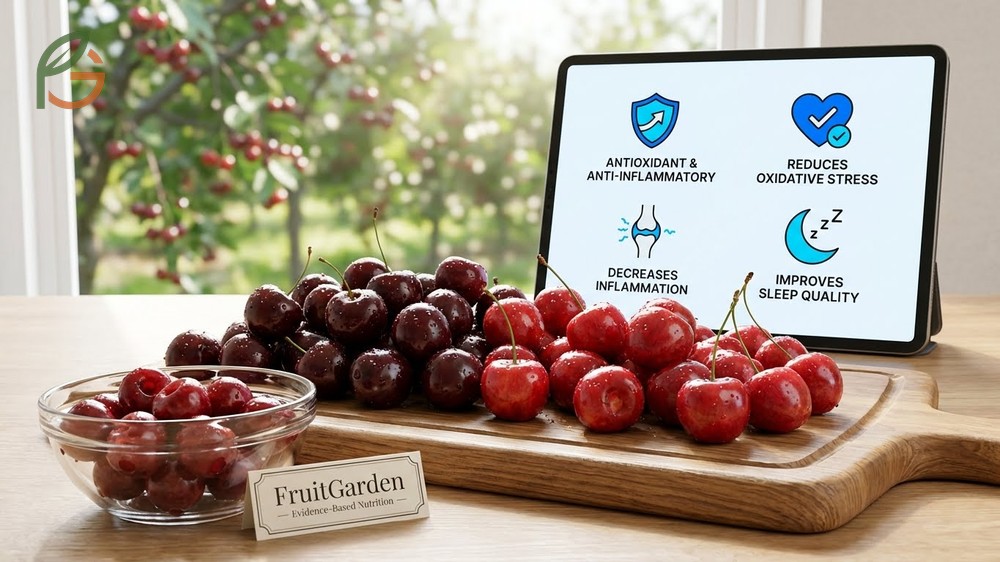
Research conducted by the USDA Agricultural Research Service reviewed 29 human studies and found that cherries consistently deliver measurable health benefits[1]. Most studies served participants the equivalent of 45 to 270 cherries daily, providing 55-720 mg of anthocyanins[1]. Two-thirds of these trials were randomized and placebo-controlled, ensuring reliable results.
Current data indicates cherries rank among the most antioxidant-rich fruits you can grow or buy. They’re packed with polyphenols and vitamin C that combat cellular damage. Studies demonstrate consistent benefits across multiple health markers, from reducing inflammation to improving cardiovascular function.
Antioxidant Power
Evidence from controlled trials shows that cherry consumption decreased oxidative stress markers in 8 out of 10 studies[1]. Oxidative stress accelerates aging and contributes to chronic diseases like heart disease and cancer. The anthocyanins in cherries—compounds that give them their red color—act as powerful free radical scavengers.
Both sweet and tart cherry varieties contain high levels of these protective compounds. Sweet cherries like Bing provide substantial anthocyanins for heart health, while tart Montmorency cherries excel in anti-inflammatory applications. The antioxidant effects appear within hours of consumption and persist with regular intake.
Anti-Inflammatory Effects
Studies found reduced inflammation markers in 11 out of 16 trials examining cherry consumption[1]. The anthocyanins in cherries inhibit cyclooxygenase activity—the same mechanism used by anti-inflammatory medications. This makes cherries particularly valuable for conditions involving chronic inflammation.
Research demonstrates that regular cherry intake helps lower C-reactive protein and other inflammatory biomarkers. The effects prove strong enough to ease symptoms of arthritis, gout, and post-exercise inflammation. Unlike medications, cherries provide these benefits without adverse side effects when consumed in normal amounts.
Important Note: While cherries show anti-inflammatory properties, they don’t replace prescribed medications. Consult your healthcare provider before using cherries as part of an arthritis or gout management plan.
Health Benefits of Cherries
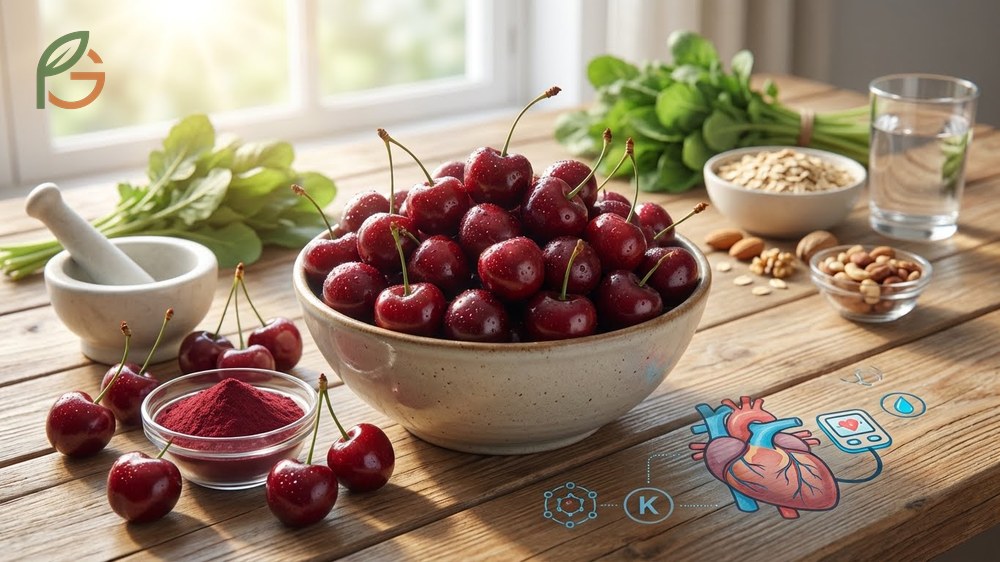
Clinical trials document specific therapeutic effects beyond general nutrition. Cherry consumption improved sleep quality in 4 out of 4 studies, reduced blood pressure in 5 out of 7 trials, and provided arthritis relief in all 5 studies examining joint health[1]. These benefits stem from cherries’ unique combination of bioactive compounds working together.
What makes cherries particularly effective is their concentration of multiple beneficial compounds—not just one isolated nutrient. The fiber supports digestive health while anthocyanins combat inflammation and vitamin C boosts immune function. This synergistic effect explains why whole cherries often outperform isolated supplements in research.
Cherries and Gout
A case-crossover study involving 633 gout patients found that cherry intake over a 2-day period reduced gout attack risk by 35% compared to no cherry consumption[3]. When combined with allopurinol medication, cherries reduced flares by an impressive 75%[5]. The mechanism involves lowering serum uric acid levels.
Research shows that eating 45 fresh Bing cherries lowered blood uric acid by 14%[5]. Tart cherry concentrate equivalent to about 90 cherries reduced uric acid nearly three times as much[5]. The anthocyanins inhibit xanthine oxidase, the enzyme responsible for uric acid production.
Most people find that consuming 10-40 cherries or one ounce of cherry juice concentrate daily provides optimal results. This dosage appears in multiple successful trials and matches the amount shown to prevent flare-ups during one-year follow-up periods.
Sleep Improvement
Tart cherries, especially Montmorency varieties, contain approximately 13ng of melatonin per gram of fruit[4]. Studies measuring melatonin levels confirmed that cherry juice consumption boosts circulating melatonin, while placebo beverages don’t produce this effect. Seven different cherry varieties tested all increased melatonin levels and actual sleep times.
Beyond melatonin, tart cherries contain approximately 9mg of tryptophan per 100g[4]. Tryptophan encourages your body to produce additional melatonin and serotonin, amplifying sleep benefits. This combination explains why cherries improved sleep quality in all four studies examining this outcome.
Exercise Recovery
Athletes who consumed cherries experienced reduced muscle soreness and less strength loss in 8 out of 9 studies[1]. The anti-inflammatory properties work similarly to anti-inflammatory medications but without side effects. Most research used tart cherry juice consumed before and after strenuous workouts.
The recovery benefits appear within 24-48 hours after exercise. Cherry consumption helps reduce inflammatory markers that cause delayed-onset muscle soreness. This makes cherries particularly valuable for gardeners doing heavy physical work or anyone engaging in regular exercise.
- Reduces muscle pain and tenderness after intense physical activity
- Minimizes strength loss following strenuous exercise sessions
- Speeds recovery time between workout sessions
- Decreases inflammatory markers associated with muscle damage
- Provides natural alternative to anti-inflammatory medications for athletes
Cherry Nutrition Facts
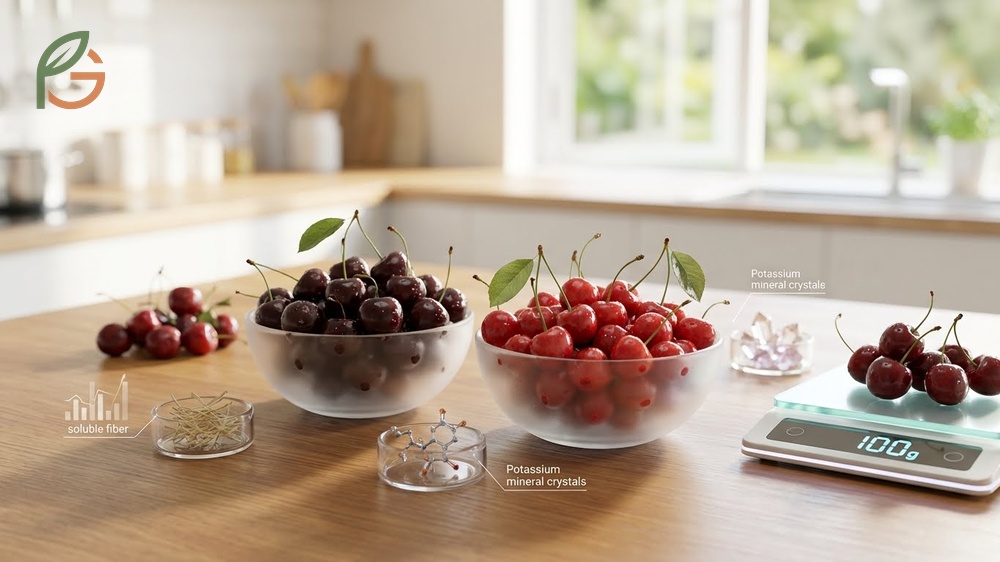
Fresh sweet cherries contain approximately 63 calories per 100g serving, while tart cherries provide about 50 calories for the same amount[2]. Both varieties offer impressive nutritional density with minimal fat content. The low glycemic index of 22 makes cherries suitable for blood sugar management[2].
A 100g serving provides 1.6g of fiber, 10mg of vitamin C (11% daily value), and 173mg of potassium (5% daily value)[2]. The carbohydrate content reaches 12g per 100g, with 8.5g coming from natural sugars[2]. This nutrient profile supports cardiovascular health, immune function, and digestive wellness.
This table compares nutritional content per 100g serving between sweet cherries and tart cherries across seven key nutrients including calories, carbohydrates, fiber, vitamins and minerals
| Nutrient | Sweet Cherries | Tart Cherries | Daily Value % |
|---|---|---|---|
| Calories | 63 kcal[2] | 50 kcal[2] | 3% |
| Carbohydrates | 16g | 12g[2] | 4-5% |
| Fiber | 2g | 1.6g[2] | 6-8% |
| Vitamin C | 7mg | 10mg[2] | 11-18% |
| Potassium | 222mg | 173mg[2] | 5-7% |
Different cherry varieties offer slightly different nutritional profiles. Rainier and yellow cherries contain similar calories and carbohydrates to their red counterparts but may have lower anthocyanin content since these compounds create red pigmentation. Bing cherries, known for their deep red color, typically provide higher antioxidant levels than lighter varieties.
- Vitamin C supports immune function and collagen production for healthy skin
- Potassium helps regulate blood pressure and supports heart health
- Vitamin A promotes eye health and immune system function
- Copper aids in iron absorption and red blood cell formation
- Manganese supports bone health and wound healing processes
Weight Loss Tip: Cherries provide natural sweetness with only 50-63 calories per 100g. The fiber content promotes satiety, helping you feel full longer and reducing overall calorie intake throughout the day.
Cherry Benefits and Side Effects
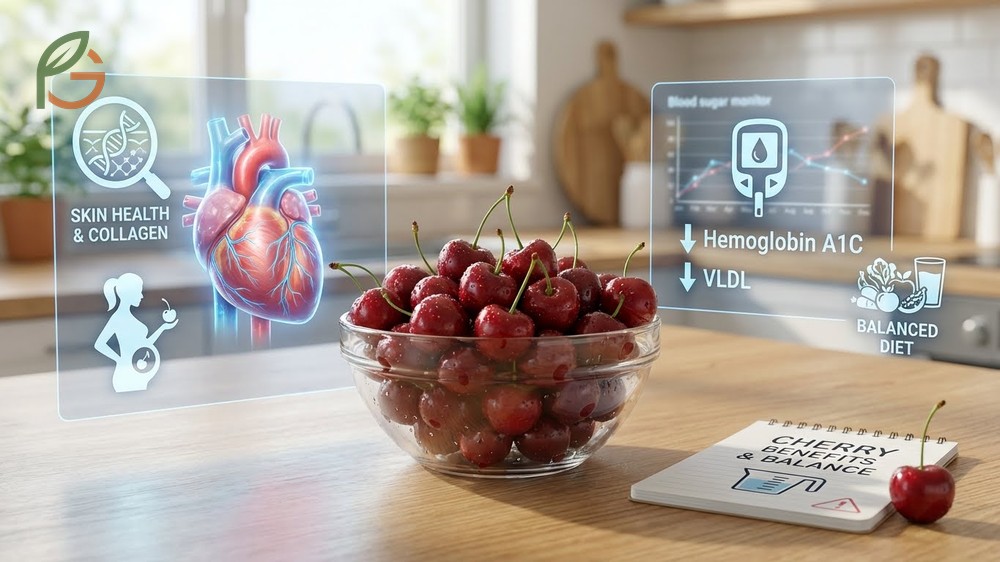
Cherries benefit females and males equally through their cardiovascular and anti-inflammatory effects. The antioxidants support skin health by protecting against UV damage and promoting collagen production. Research on diabetic women found that cherry consumption decreased hemoglobin A1C, VLDL, and triglyceride-to-HDL ratios[1]. Pregnant women can safely eat fresh cherries as part of a balanced diet, gaining vitamin C and fiber benefits.
Side effects from eating cherry flesh remain minimal for most people. Digestive discomfort may occur if you consume excessive amounts in one sitting due to the fiber and natural sugars. Dried cherries and frozen cherries retain most nutritional benefits but often contain added sugars, so check labels carefully.
The primary safety concern involves cherry pits, which contain amygdalin—a compound that converts to cyanide when crushed or chewed. Red cherry pits contain 3.9mg of amygdalin per gram, black cherry pits have 2.7mg per gram, and Morello cherry pits contain an astonishing 65mg per gram[6]. Eating just 3-4 Morello pits or 7-9 red or black cherry pits may lead to cyanide toxicity[6].
Swallowing a few whole pits won’t cause problems since the protective kernel prevents amygdalin from contacting saliva enzymes. However, they pose choking hazards and may cause intestinal blockages in large quantities. Always teach children to spit out cherry pits and practice this habit yourself.
- Digestive upset possible when consuming very large quantities due to fiber content
- Cherry pits contain amygdalin that converts to toxic cyanide when crushed—always spit them out
- Added sugars in dried cherry products may affect blood sugar levels
- Allergic reactions rare but possible in individuals with stone fruit allergies
- Excessive consumption may cause temporary bloating or loose stools in sensitive individuals
Safety Warning: Never crush, chew, or deliberately eat cherry pits. The amygdalin they contain breaks down into cyanide, which can cause chest pain, difficulty breathing, dizziness, and in severe cases, death. Even small amounts from Morello cherry pits prove dangerous.
Conclusion
The evidence is clear: are cherries good for you? Absolutely, when you consider their proven ability to reduce inflammation, improve sleep quality, decrease gout attacks by 35%, and support muscle recovery with minimal side effects. Research across 29 human studies confirms these benefits stem from cherries’ unique combination of anthocyanins, vitamin C, and other bioactive compounds.
Current guidance emphasizes consuming whole, fresh cherries rather than supplements to maximize health benefits. Whether you’re growing them in your garden or buying from local markets, aim for 45-90 cherries daily (about 1 cup) for optimal results. FruitGarden encourages you to explore both sweet and tart cherry varieties, each offering distinct advantages for your health and gardening goals.
Medical Disclaimer
Important Medical Disclaimer: This content is for informational and educational purposes only. It is not intended as a substitute for professional medical advice, diagnosis, or treatment. Always consult a qualified healthcare professional before making any changes to your diet, medication, or health routine, especially if you have diabetes, gout, arthritis, or other medical conditions. Cherry consumption should complement, not replace, prescribed medical treatments.
Frequently Asked Questions
What Are Cherries Good For?
Cherries are particularly good for reducing inflammation, supporting joint health in gout and arthritis, improving sleep quality through natural melatonin, and aiding muscle recovery after exercise. Research shows they also support heart health by lowering blood pressure and reducing oxidative stress markers.
Are Bing Cherries Good for You?
Yes, Bing cherries are excellent for your health, containing high levels of anthocyanins that provide strong anti-inflammatory benefits. Studies found that eating 45 fresh Bing cherries lowered blood uric acid by 14%, making them particularly valuable for gout management and cardiovascular health.
Are Dried Cherries Good for You?
Dried cherries retain most antioxidants and nutrients from fresh cherries but often contain added sugars that increase calorie content. Check labels carefully and choose unsweetened varieties when possible. They provide convenient year-round access to cherry benefits but lack the water content that promotes satiety in fresh fruit.
What Benefits Do Cherries Offer for Females?
Cherries benefit females through skin health support from antioxidants that protect against UV damage, potential improvements in sleep quality from melatonin content, and cardiovascular protection. Research on diabetic women showed cherry consumption improved hemoglobin A1C levels and lipid profiles, supporting metabolic health.
How Many Cherry Seeds Can Kill You?
Cherry pits contain amygdalin that converts to cyanide when crushed. Eating just 3-4 crushed Morello cherry pits or 7-9 red or black cherry pits may cause cyanide toxicity in adults. Swallowing whole pits typically won’t cause poisoning but poses choking and intestinal blockage risks—always spit them out.
Are Frozen Cherries Good for You?
Frozen cherries retain nearly all the nutritional benefits of fresh cherries since freezing preserves antioxidants, vitamins, and minerals. They offer convenient year-round availability and work well in smoothies or recipes. Choose varieties without added sugars for maximum health benefits equivalent to fresh cherries.
Can Cherries Help With Weight Loss?
Cherries support weight loss efforts by providing natural sweetness with only 50-63 calories per 100g and 1.6g of fiber that promotes satiety. The low glycemic index of 22 helps stabilize blood sugar levels, reducing cravings. Studies in obese participants showed cherry consumption improved VLDL and triglyceride-to-HDL ratios.





