
Dried cherries benefits extend far beyond their sweet-tart flavor, delivering powerful anthocyanins that combat inflammation and natural melatonin for better sleep. Research shows these concentrated fruits pack 133 calories and 27g natural sugars per quarter-cup serving, making them nutrient-dense snacks for active lifestyles. FruitGarden synthesizes current research on fruit nutrition to help growers and consumers understand how dried cherries support cardiovascular health, reduce oxidative stress, and enhance recovery.
Quick Answer
- Each quarter-cup serving provides 133 calories[1], 1g fiber, and 150mg potassium[1]
- Anthocyanins reduce inflammation markers like IL-6 by up to 40% in research studies[2]
- Natural melatonin content supports sleep quality without synthetic supplements[3]
- Montmorency variety contains up to 6 times more melatonin than other tart cherry types[3]
Dried Cherries Benefits
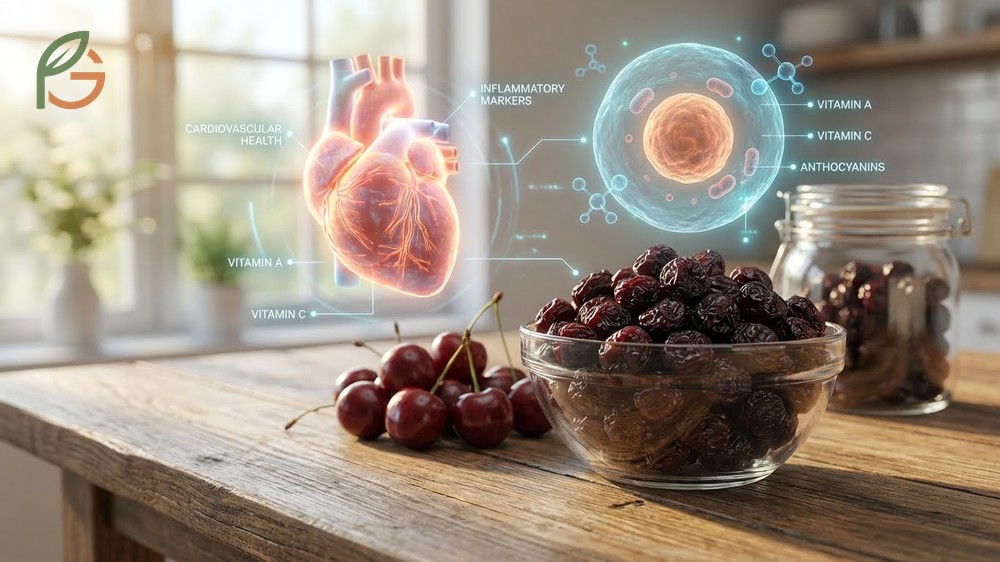
Studies demonstrate that regular consumption of dried cherries delivers measurable improvements in cardiovascular and inflammatory markers. The concentration process removes water while preserving polyphenols, creating a shelf-stable fruit with 340mcg vitamin A and 8mg vitamin C[1] per serving. These nutrients work synergistically with anthocyanins to protect cells from oxidative damage.
Current data indicates that dried cherries retain their bioactive compounds even after processing. Unlike fresh cherries with seasonal availability, the dried form provides year-round access to these health-promoting phytochemicals. Most people don’t realize that the drying process actually concentrates certain beneficial compounds by a factor of three to five times compared to fresh fruit.
Cardiovascular Support
Research shows that potassium-rich foods like dried cherries help regulate blood pressure by counteracting sodium’s effects. The 150mg potassium[1] in each serving supports healthy vascular function and improves oxygen delivery to tissues. Evidence suggests that anthocyanins in cherries may lower LDL cholesterol while protecting arterial walls from inflammation.
Athletes and active individuals benefit from improved circulation during exercise and recovery. The combination of natural sugars and heart-supporting compounds makes dried cherries an efficient pre-workout snack that doesn’t spike blood sugar as dramatically as processed alternatives.
Important Note: While dried cherries support heart health, they contain added sugars during processing. People managing diabetes or cardiovascular conditions should monitor portion sizes and consult healthcare providers before adding them to daily routines.
Inflammation Reduction
A controlled study published by the National Institutes of Health found that tart cherry anthocyanin treatment significantly reduced IL-6 levels in subjects following a high-fat diet[2]. The anthocyanin group showed inflammatory markers comparable to control subjects, despite consuming the same high-fat diet as untreated groups. This demonstrates how cherry polyphenols actively counteract diet-induced inflammation rather than simply preventing it.
Recent research on standardized tart cherry extract revealed that 28 days of supplementation significantly reduced both C-reactive protein (CRP) and uric acid in healthy adults[4]. These biomarkers indicate systemic inflammation levels, making dried cherries a functional food for managing low-grade chronic inflammation that contributes to various age-related conditions.
Dried Cherry Nutrition
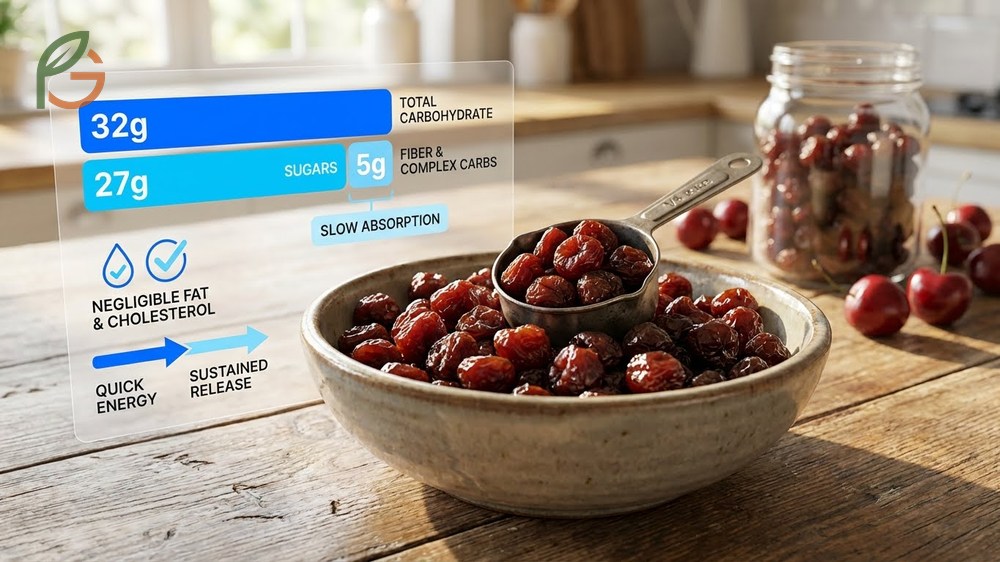
USDA Food Composition Database values show that a standard 40g serving (approximately ¼ cup) of dried cherries contains 32g total carbohydrate with 27g sugars[5]. The remaining 5g consists of complex carbohydrates and fiber that slow sugar absorption. This macronutrient balance provides quick energy while preventing the rapid blood sugar crashes associated with refined sweets.
What often gets overlooked is that dried cherries contain negligible fat and cholesterol, making them heart-friendly snacks. The 5mg sodium[5] content keeps them suitable for low-sodium diets, while their natural sweetness satisfies cravings without added salt or artificial flavoring.
Macronutrient Profile
Agricultural data shows the concentration process transforms fresh cherries into energy-dense dried fruit. Each 40g serving delivers 128-133 calories[5], with 1g protein and 1g dietary fiber[5]. The fiber contributes to satiety and supports digestive health by promoting regular bowel movements.
The carbohydrate composition breaks down into natural fruit sugars and small amounts of resistant starch. This matters because timing your dried cherry consumption around physical activity maximizes glycogen replenishment while minimizing fat storage.
- Energy density: Concentrated calories fuel endurance activities without heavy stomach load
- Low fat content: Less than 0.5g per serving allows rapid digestion
- Natural sugars: Fructose and glucose blend provides sustained energy release
- Fiber contribution: Supports gut microbiome diversity and regularity
- Cholesterol-free: Plant-based nutrition without cardiovascular risks
Vitamins and Minerals
Beyond macronutrients, dried cherries provide essential micronutrients that support immune function and tissue repair. The 340mcg vitamin A (38% daily value)[1] maintains healthy vision and skin integrity. Vitamin C content reaches 8mg[1] per serving, supporting collagen synthesis and immune response.
Trace minerals like copper and manganese work as cofactors in antioxidant enzyme systems. The mineral profile complements the polyphenol content, creating synergistic effects that amplify dried cherries’ protective benefits against cellular stress.
This table compares vitamin and mineral content in dried cherries showing nutrient amounts and percentage of daily values across five essential nutrients
| Nutrient | Amount per Serving | % Daily Value | Primary Function |
|---|---|---|---|
| Vitamin A | 340mcg[1] | 38% | Vision, immune function, skin health |
| Vitamin C | 8mg[1] | 9% | Collagen synthesis, antioxidant protection |
| Potassium | 150mg[1] | 3% | Blood pressure regulation, muscle function |
| Iron | 0.3mg[1] | 2% | Oxygen transport, energy metabolism |
| Calcium | 20mg[1] | 2% | Bone health, nerve signaling |
Dried Cherry Antioxidants
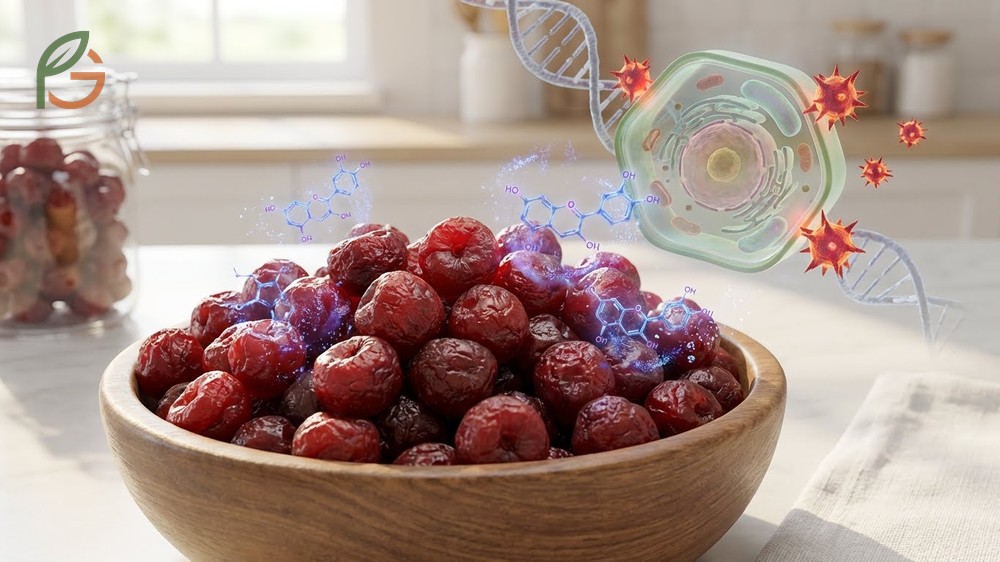
The deep red pigmentation in dried cherries signals high concentrations of anthocyanins, a subclass of flavonoid polyphenols with powerful antioxidant activity. These compounds neutralize free radicals that damage DNA, proteins, and cellular membranes. Unlike synthetic antioxidants, plant-derived anthocyanins demonstrate superior bioavailability and multi-target effects throughout the body.
Research across multiple studies confirms that tart cherry varieties contain higher anthocyanin levels than sweet cherries. The Montmorency cultivar dominates commercial dried cherry production due to its robust flavor profile and exceptional phytochemical content that survives dehydration processing.
Anthocyanin Compounds
Laboratory analysis reveals that tart cherry anthocyanins enhance both water-soluble antioxidant capacity (ACW) and superoxide dismutase (SOD) activity in biological systems[2]. SOD represents one of the body’s primary defense enzymes against oxidative stress. This dual action—providing exogenous antioxidants while stimulating endogenous production—explains why cherry consumption shows stronger effects than isolated antioxidant supplements.
The anthocyanin profile includes cyanidin-3-glucoside, cyanidin-3-rutinoside, and smaller amounts of peonidin derivatives. Each compound targets different inflammatory pathways, creating a broad-spectrum anti-inflammatory effect that single-molecule drugs can’t replicate.
- Free radical scavenging: Direct neutralization of reactive oxygen species
- Enzyme modulation: Upregulation of SOD and catalase activity
- Gene expression: Activation of Nrf2 antioxidant response pathway
- Inflammation suppression: Inhibition of NF-κB signaling cascade
- Vascular protection: Maintenance of nitric oxide bioavailability
- Mitochondrial support: Prevention of oxidative damage to cellular powerhouses
Sleep Quality and Melatonin
Cherries rank among the few whole foods containing measurable melatonin, the hormone that regulates circadian rhythms. Tart cherries naturally synthesize melatonin as part of their defense mechanisms against environmental stressors. Montmorency cherries contain up to 6 times more melatonin than Balaton varieties[3], making variety selection critical for sleep benefits.
Current guidance emphasizes keeping melatonin intake around 0.3mg to match the body’s natural production[3]. Dried cherries provide physiological doses without the grogginess associated with high-dose synthetic supplements. The combination of melatonin with tryptophan—dried cherries contain approximately 9mg tryptophan per 100g[3]—supports both sleep onset and maintenance throughout the night.
Sleep Optimization Tip: Consume 1-2 ounces of dried cherries 60-90 minutes before bedtime to allow melatonin absorption. Pair with a small amount of healthy fat like almonds to enhance tryptophan uptake across the blood-brain barrier.
Snacking Dried Cherries
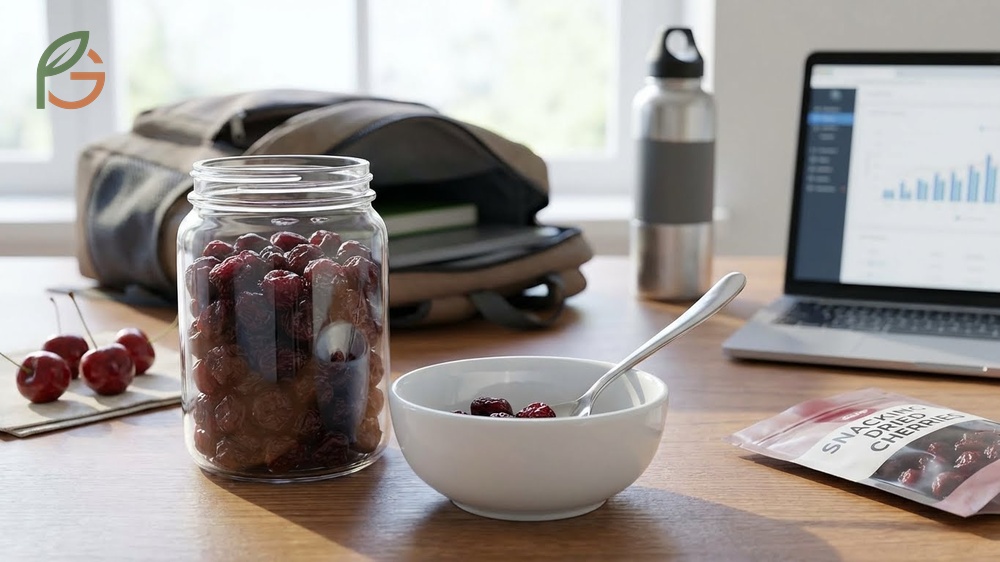
The portable, shelf-stable nature of dried cherries makes them practical snacks for busy lifestyles. Unlike fresh cherries that require refrigeration and have short viability windows, dried versions maintain nutritional quality for 6-12 months when stored in airtight containers away from heat and moisture. This convenience factor increases adherence to healthy eating patterns.
Portion control becomes essential with calorie-dense dried fruits. A quarter-cup serving provides appropriate energy for mid-morning or afternoon snacking without displacing balanced meals. Pre-portioning dried cherries into small containers prevents mindless overconsumption that can occur when eating directly from bulk bags.
Pairing dried cherries with protein sources creates balanced snacks that stabilize blood sugar for 3-4 hours. Greek yogurt, cheese, or nut butter combinations slow carbohydrate absorption while providing complementary amino acids. This strategy works particularly well for pre-workout nutrition, delivering both immediate glucose and sustained amino acid availability during exercise.
- Trail mix: Combine with raw almonds, walnuts, and pumpkin seeds for outdoor activities
- Yogurt parfait: Layer with Greek yogurt and granola for protein-rich breakfast
- Energy balls: Blend with dates, oats, and almond butter for homemade pre-workout snacks
- Cheese plate: Pair with aged cheddar or goat cheese for balanced appetizers
- Oatmeal topping: Add during last 2 minutes of cooking for warm, plump cherries
- Smoothie boost: Soak for 10 minutes, then blend with banana and protein powder
- Dark chocolate bark: Press into melted 70% cacao chocolate with sea salt
Storage Guidance: Keep dried cherries in vacuum-sealed bags or glass jars with tight-fitting lids. Refrigeration extends shelf life up to 18 months while maintaining anthocyanin stability. Avoid storing near strong-smelling foods as dried cherries absorb ambient odors.
Cooking With Dried Cherries
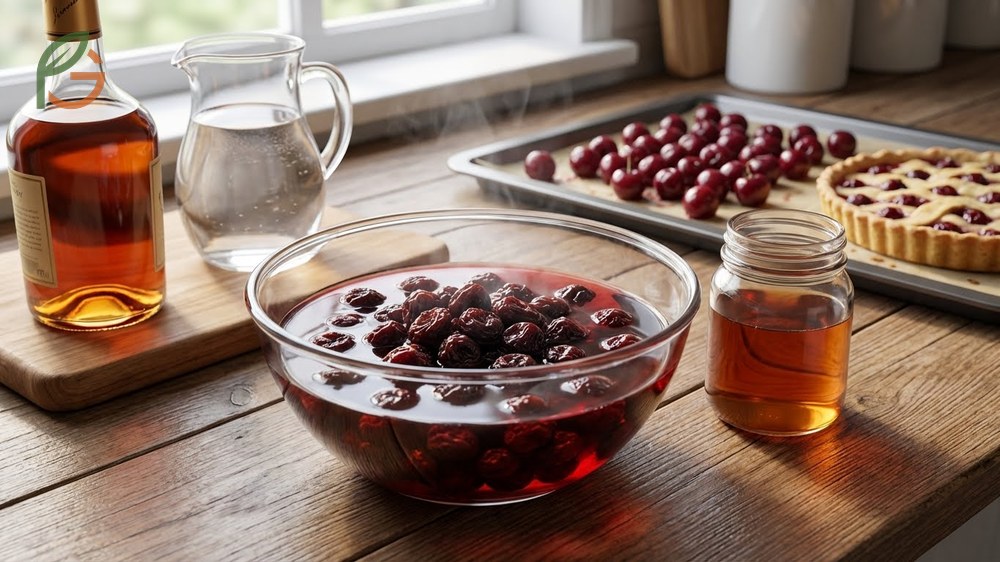
Rehydrating dried cherries before cooking releases their concentrated flavors while softening their texture. Cover cherries with warm water, juice, or alcohol (brandy, rum, bourbon) and let them soak for 15-20 minutes before draining. Reserve the soaking liquid for sauces, glazes, or cocktails—it contains dissolved sugars and water-soluble vitamins that add depth to recipes.
Baking applications benefit from dried cherries’ moisture-retaining properties. When incorporated into muffins, scones, or quick breads, they create pockets of jammy sweetness that stay moist longer than baked goods made with fresh fruit. The concentrated sugars also contribute to browning reactions that develop complex caramelized flavors in crusts and edges.
Savory cooking with dried cherries bridges sweet and tart flavor profiles that complement roasted meats and grain dishes. Their natural acidity cuts through rich, fatty proteins like duck, pork, or lamb. Simmering dried cherries in pan sauces with shallots, wine, and stock creates restaurant-quality reductions that pair beautifully with game meats.
For breakfast applications, fold rehydrated cherries into pancake batters or waffle mixes just before cooking. The heat causes them to release their absorbed liquid, creating burst-in-your-mouth pockets throughout each bite. Combine with vanilla extract and almond flour for complementary flavor pairings that highlight cherries’ stone fruit characteristics.
- Grain salads: Toss with quinoa, farro, or wild rice with toasted pecans and citrus vinaigrette
- Stuffing: Mix into bread cubes with sage, celery, and onions for poultry accompaniment
- Upside-down cake: Caramelize with brown sugar and butter before adding cake batter
- Compote: Simmer with orange zest, cinnamon, and maple syrup for pancake topping
- Braised dishes: Add to slow-cooked beef short ribs or pork shoulder during final hour
The anthocyanins in dried cherries remain relatively heat-stable up to 350°F (177°C), though prolonged high-heat exposure gradually degrades these compounds. For maximum antioxidant retention, add dried cherries near the end of cooking processes or use them in no-bake preparations like energy bars and refrigerated desserts.
Conclusion
The evidence is clear: dried cherries benefits encompass cardiovascular support, inflammation reduction, and sleep quality enhancement through their unique combination of anthocyanins, melatonin, and essential nutrients. Research demonstrates measurable improvements in inflammatory markers and antioxidant capacity with regular consumption, making them functional foods backed by peer-reviewed science.
Current guidance emphasizes whole-food approaches to nutrition that prioritize nutrient density over calorie restriction. FruitGarden recognizes dried cherries as exemplary functional foods that deliver concentrated phytochemicals in convenient, shelf-stable forms. Whether you’re growing cherry trees for home preservation or selecting commercial products, understanding these evidence-based benefits helps optimize fruit consumption for long-term health outcomes.
Medical Disclaimer
Important Medical Disclaimer: This content is for informational and educational purposes only. It is not intended as a substitute for professional medical advice, diagnosis, or treatment. Always consult a qualified healthcare professional before making any changes to your diet, medication, or health routine, especially if you have diabetes, cardiovascular conditions, or other medical concerns. Individual nutritional needs vary based on age, activity level, and health status.
Frequently Asked Questions
How many dried cherries should you eat per day?
Research supports consuming 1-2 ounces (28-56g) of dried cherries daily, which equals roughly ¼ to ½ cup servings. This amount provides beneficial anthocyanins and antioxidants without excessive calorie or sugar intake. Athletes or highly active individuals may tolerate up to 3 ounces during training periods when energy demands increase.
Are dried cherries as healthy as fresh cherries?
Dried cherries retain most anthocyanins and polyphenols found in fresh cherries, though vitamin C content decreases during dehydration. The concentration process creates higher antioxidant density per gram, but also increases calorie and sugar concentration. Fresh cherries provide more water content for hydration, while dried versions offer superior convenience and year-round availability.
Do dried cherries help you sleep better?
Studies demonstrate that tart cherries’ natural melatonin content can improve sleep onset and duration when consumed 60-90 minutes before bedtime. Montmorency dried cherries contain approximately 0.1-0.3mg melatonin per ounce, matching physiological doses that support circadian rhythms without causing next-day grogginess. Combine with tryptophan-rich foods for enhanced effects.
What is the difference between tart and sweet dried cherries?
Tart dried cherries (usually Montmorency variety) contain significantly higher anthocyanin and polyphenol concentrations compared to sweet varieties like Bing. Tart versions deliver stronger anti-inflammatory effects and more melatonin for sleep support. Sweet dried cherries taste less acidic but require less added sugar during processing, though both types provide similar macronutrient profiles.
Can dried cherries reduce inflammation in joints?
Clinical research shows that tart cherry anthocyanins reduce inflammatory markers like IL-6 and C-reactive protein, which contribute to joint inflammation and pain. Studies on athletes and arthritis patients demonstrate measurable improvements in mobility and discomfort after 4-6 weeks of consistent cherry consumption. Effects appear strongest when combined with anti-inflammatory diets low in processed foods.
How should you store dried cherries to maintain freshness?
Store dried cherries in airtight containers away from direct light, heat, and moisture to prevent oxidation and mold growth. Room temperature storage lasts 6-9 months, while refrigeration extends shelf life to 12-18 months. Vacuum-sealing portions in freezer bags allows frozen storage for up to 24 months without significant nutrient degradation or texture changes.
Are dried cherries good for weight loss?
Dried cherries can support weight management when consumed in controlled portions as part of balanced diets. Their fiber content promotes satiety, while natural sugars provide energy without triggering intense cravings like refined sweets. However, the calorie density (133 calories per ¼ cup) requires mindful portioning. Pair with protein sources and track total daily intake to prevent overconsumption that could hinder weight loss goals.





