
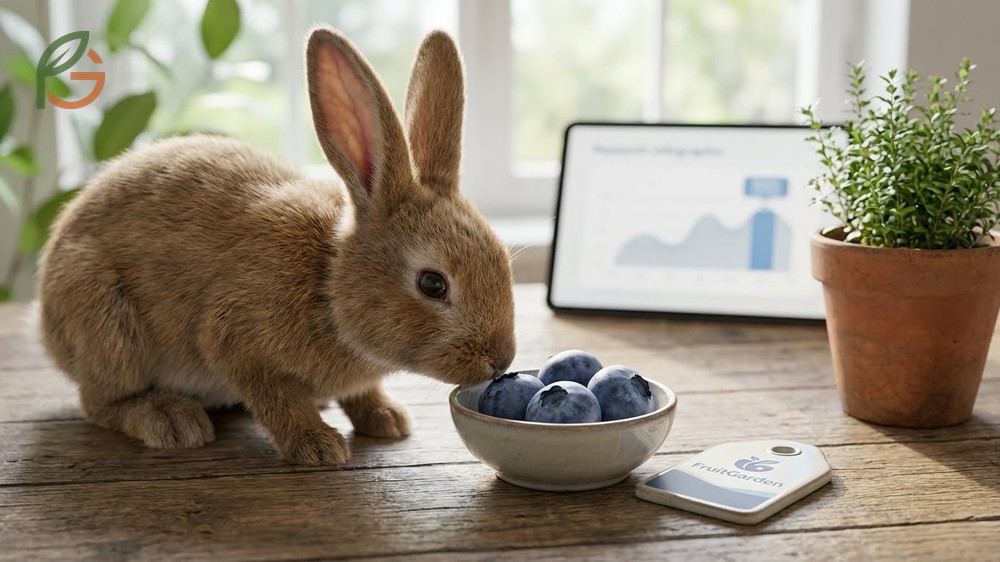
Can rabbits eat blueberries? Yes, rabbits can safely enjoy blueberries as occasional treats when fed in moderation. Research shows that limiting portions to 2-3 fresh berries once or twice weekly prevents digestive issues while providing antioxidants and vitamins[1]. FruitGarden synthesizes current veterinary research and rabbit nutrition data to help you make informed decisions about treats for your bunny.
Quick Answer
- Rabbits can eat blueberries safely in small portions as occasional treats, not daily food[2]
- Feed only 2-3 fresh blueberries once or twice weekly to prevent obesity and digestive upset[3]
- Blueberries provide antioxidants and vitamin C but contain natural sugars that require portion control
- Always wash berries thoroughly and start with one berry to test your rabbit’s tolerance
Can Rabbits Eat Blueberries
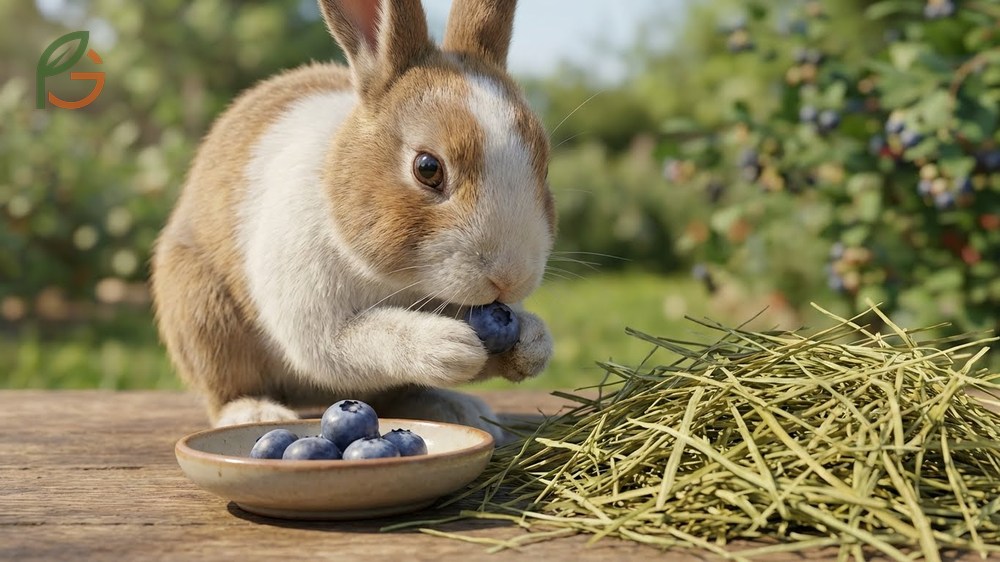
Studies demonstrate that rabbits can safely consume blueberries as occasional treats when proper portion control is maintained[1]. Blueberries contain antioxidants, vitamin C, and dietary fiber that can benefit your rabbit’s health. However, their natural sugar content means they should never replace hay, which must comprise 80-90% of your rabbit’s diet.
Research shows that rabbits’ digestive systems can process fruit sugars more efficiently than processed sugars, but excessive amounts still lead to weight gain and gastrointestinal problems[4]. Most rabbits enjoy the sweet taste and soft texture of blueberries. You can offer them as training rewards or special treats during bonding time.
Current veterinary guidance emphasizes introducing new foods gradually to monitor your rabbit’s response. Start with a single berry and observe stool consistency and appetite for 24 hours before offering more.
Why Moderation Matters
Blueberries’ high natural sugar content requires careful portion control to prevent obesity and digestive upset in rabbits. Excessive fruit consumption can disrupt the delicate bacterial balance in your rabbit’s cecum. This disruption potentially leads to soft cecotropes, gas buildup, and discomfort.
Veterinarians recommend limiting all fruits to 10% or less of your rabbit’s diet[2]. Prioritizing hay and leafy greens ensures your rabbit receives adequate fiber for proper gut motility. Treats like blueberries should enhance rather than replace core nutritional elements.
Important Note: Rabbits under 12 weeks old shouldn’t receive any fruit, including blueberries, as their developing digestive systems can’t handle the sugar content safely.
Nutritional Benefits
Blueberries provide valuable antioxidants called anthocyanins that protect cells from free radical damage. These compounds support immune function and may reduce inflammation in rabbits. The vitamin C content, while less critical for rabbits who produce their own, still contributes to overall health and wound healing.
The dietary fiber in blueberries aids digestive health when combined with adequate hay consumption. Blueberries also have high water content, contributing to your rabbit’s hydration needs. Fresh berries contain approximately 84% water, making them a refreshing treat during warm weather.
- Antioxidants (anthocyanins) that combat cellular damage and support immune health
- Vitamin C for immune system function and tissue repair processes
- Dietary fiber that complements hay for digestive tract health
- High water content (84%) for hydration support
- Low fat content making them suitable occasional treats
- Natural sugars that rabbits can digest more easily than processed sugars
How Many Blueberries for a Rabbit
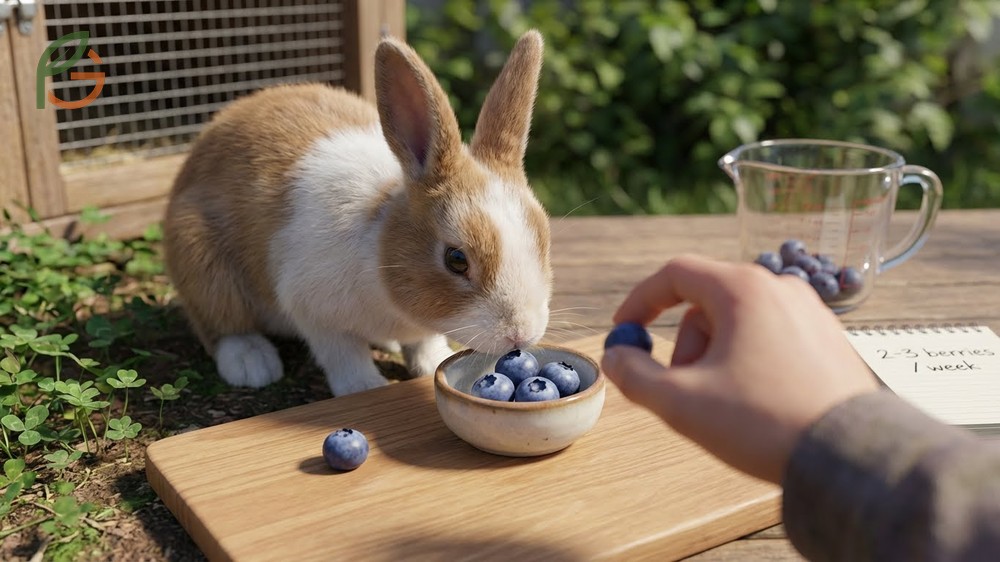
Evidence indicates that 2-3 fresh blueberries once or twice weekly provides the ideal serving size for most adult rabbits[3]. This portion delivers nutritional benefits without overwhelming your rabbit’s sensitive digestive system. For first-time feeding, offer only one berry and monitor for any changes in stool consistency or eating behavior.
The general guideline recommends 1-2 tablespoons of fruit total per day for a rabbit, which translates to approximately 2-4 blueberries depending on berry size. However, daily fruit feeding isn’t necessary or recommended. Spacing fruit treats to twice weekly helps maintain dietary balance and prevents sugar overload.
Smaller rabbits (under 5 pounds) should receive proportionally smaller portions—start with just one berry. Larger breeds (8-10 pounds) can handle 3-4 berries safely, but shouldn’t exceed this amount regardless of size.
Portion Guidelines by Weight
Research suggests using your rabbit’s body weight as a guide for fruit portions, with the standard recommendation of 1/2 teaspoon of fruit per pound of body weight[5]. This measurement helps prevent overfeeding while allowing you to adjust portions based on your rabbit’s size. A 4-pound rabbit would receive approximately 2 teaspoons (roughly 3-4 small berries), while a 6-pound rabbit could have 3 teaspoons (4-6 berries).
Always account for all fruits and vegetables in your rabbit’s daily intake when calculating portions. If you’ve already provided other treats like strawberries or apple slices, reduce blueberry amounts accordingly. The total treat allocation shouldn’t exceed the recommended daily fruit serving.
This table shows recommended blueberry portions based on rabbit weight, including number of berries and weekly frequency for different size categories.
| Rabbit Weight | Portion Size | Number of Berries | Frequency |
|---|---|---|---|
| Under 3 lbs (dwarf breeds) | 1-1.5 tsp | 1-2 small berries | Once weekly |
| 3-5 lbs (small breeds) | 1.5-2.5 tsp | 2-3 medium berries | Twice weekly |
| 5-8 lbs (medium breeds) | 2.5-4 tsp | 3-4 medium berries | Twice weekly |
| 8-12 lbs (large breeds) | 4-6 tsp | 4-6 medium berries | Twice weekly |
Frequency Recommendations
Current data indicates that offering blueberries 1-2 times per week maintains nutritional balance without risking digestive complications. This frequency allows your rabbit to enjoy variety while keeping sugar intake controlled. Some rabbits may handle twice-weekly treats well, while others do better with once-weekly servings.
Monitor your rabbit’s weight and stool consistency to adjust frequency as needed. If you notice soft cecotropes or weight gain, reduce treat frequency to once weekly or every other week. Individual metabolism varies among rabbits, so customizing treat schedules based on your pet’s response produces the best outcomes.
Feeding Tip: Wash all blueberries thoroughly before feeding to remove pesticide residues and dirt. Consider squashing large berries slightly to reduce choking risk, especially for smaller rabbit breeds.
Rabbit Digestive System
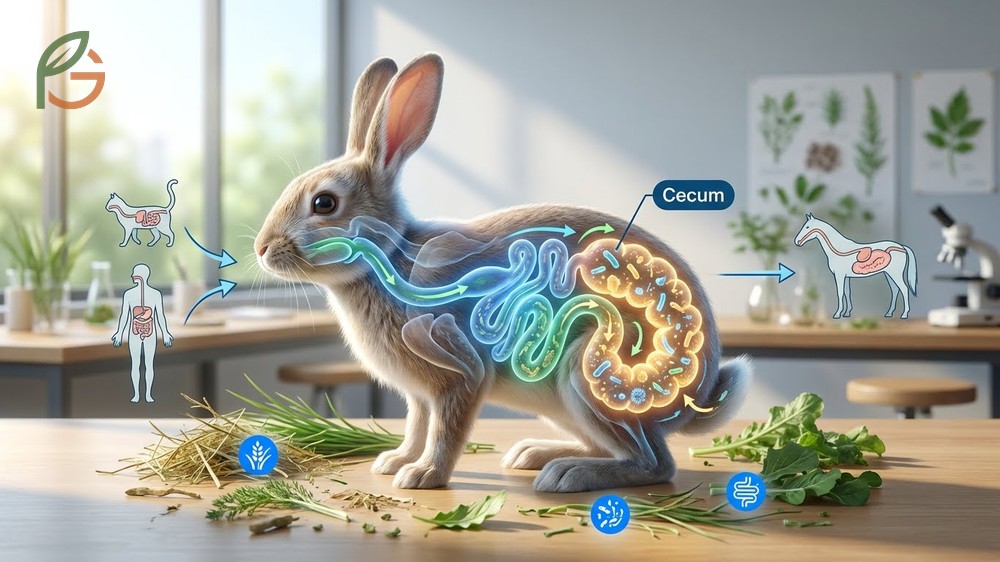
Rabbits are hindgut fermenters with a specialized digestive tract that differs significantly from cats, dogs, and humans[6]. They possess a large chamber called the cecum that houses beneficial bacteria and enzymes essential for breaking down plant fibers. This unique system requires high fiber intake to function properly and maintain healthy gut motility.
The rabbit digestive tract resembles that of horses more than other common pets, with fermentation occurring at the end of the digestive process rather than the beginning. Food passes through the stomach and small intestine first, where easily digestible nutrients and simple sugars get absorbed. The remaining material enters the cecum for bacterial fermentation.
Agricultural research shows that rabbits’ gastrointestinal tracts measure approximately 10-13 times their body length, accommodating the extensive processing required for fibrous plant material. This extended system allows thorough extraction of nutrients from difficult-to-digest compounds found in grasses and vegetables.
Hindgut Fermentation Process
The cecum functions as a fermentation vat where specialized microorganisms break down cellulose and other complex fibers that the small intestine can’t process. These beneficial bacteria produce volatile fatty acids and B vitamins that rabbits absorb through cecotrophy—the consumption of soft, nutrient-rich cecal pellets. This two-pass system maximizes nutrient extraction from fibrous foods.
Maintaining balanced cecal bacteria is critical for rabbit health, as disruptions can cause gas buildup, pain, and potentially fatal toxin production[6]. High-fiber hay provides the roughage needed to keep food moving through the digestive tract at the proper rate. When passage slows or fiber intake drops, harmful bacteria can multiply and compromise gut health.
- Cecum acts as primary fermentation chamber filled with beneficial microorganisms
- Bacterial colonies break down cellulose from hay and vegetables
- Fermentation produces volatile fatty acids that provide energy
- B vitamins synthesized by cecal bacteria get absorbed through cecotrophy
- Proper fiber levels maintain gut motility and prevent bacterial imbalances
- Two-pass digestion system maximizes nutrient extraction from plant material
Sugar Processing
Studies reveal that mature rabbits’ small intestines develop increased ability to digest fructose (fruit sugar) after weaning, while capacity to process other sugar types decreases[4]. This adaptation means adult rabbits can handle natural fruit sugars better than processed sugars found in candy or baked goods. However, excessive fruit consumption still leads to weight gain and potential digestive upset.
When sugars and starches reach the cecum undigested, they can trigger overgrowth of toxin-producing bacteria and cause serious illness. Adult rabbits typically absorb sugars in the small intestine, preventing cecal complications. Young rabbits with underdeveloped digestive systems face higher risks from sugar overload, which is why fruits are prohibited for bunnies under 12 weeks.
Digestive Health Warning: Sudden diet changes or excessive fruit intake can disrupt cecal bacteria balance, leading to soft cecotropes, gas, bloating, and GI stasis—a potentially life-threatening condition requiring immediate veterinary attention.
Safe Fruits for Rabbits List
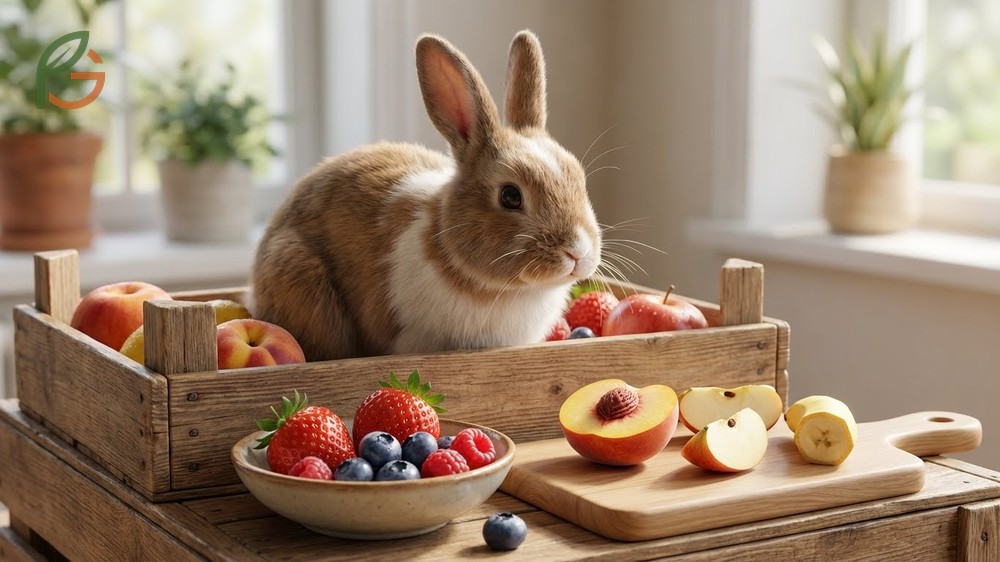
Current veterinary guidance identifies numerous fruits as safe occasional treats for adult rabbits when served in appropriate portions. Most fruits on the safe list should follow the same moderation principles as blueberries—small amounts once or twice weekly. Always remove seeds, pits, and stems before offering fruit, as some contain toxic compounds.
Variety in fruit treats provides different nutrients and prevents boredom, but rotating options doesn’t mean increasing total fruit consumption. If you feed apple slices on Monday, skip blueberries until Thursday or later. The cumulative fruit intake matters more than which specific fruits you choose.
Wash all fruits thoroughly to remove pesticide residues and surface contaminants. Organic options reduce chemical exposure, though washing remains important regardless of source. Room temperature fruits are preferable to cold produce directly from refrigeration.
- Apples (remove seeds—they contain cyanide compounds)
- Apricots (pit removed)
- Bananas (high potassium but very high sugar—use sparingly)
- Blackberries (leaves also safe and provide astringent properties)
- Blueberries (2-3 berries per serving)
- Cherries (remove pits—contain cyanide)
- Grapes (high sugar—limit to 1-2 per serving)
- Kiwi fruit (remove fuzzy skin for easier digestion)
- Mango (remove pit and skin)
- Melon (watermelon, cantaloupe, honeydew—high water content)
- Nectarines (pit removed)
- Papaya (enzyme-rich fruit that aids digestion)
- Peaches (pit removed)
- Pears (remove seeds)
- Pineapple (small amounts—enzyme content can be harsh)
- Plums (pit removed)
- Raspberries (leaves also safe with beneficial properties)
- Strawberries (leaves safe—1-2 berries per serving)
Dried Blueberries for Rabbits
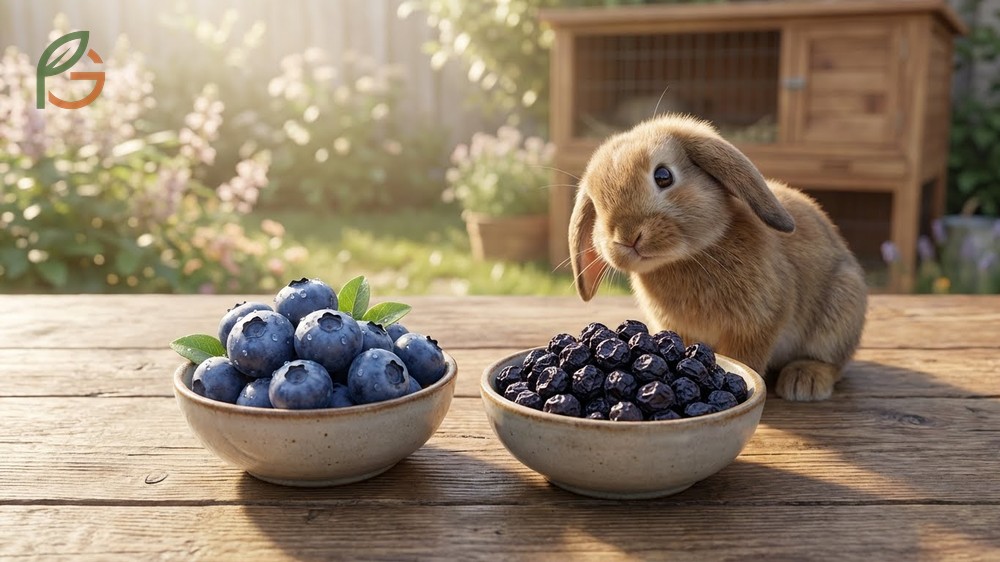
Research demonstrates that dried blueberries contain dramatically higher sugar concentrations than fresh berries—one cup of dried blueberries contains over 100 grams of sugar compared to just 15 grams in fresh berries[7]. This concentration makes dried blueberries unsuitable as regular rabbit treats. The caloric density also increases substantially—over 500 calories per cup versus 80 calories for fresh berries.
The dehydration process removes 40-50% of the antioxidants found in fresh blueberries, reducing their nutritional value significantly. While dried berries provide more fiber per serving, the sugar content far outweighs this benefit for rabbits. If you choose to offer dried blueberries occasionally, limit portions to a single small berry and feed less frequently than fresh alternatives.
Many commercially dried blueberries contain added sugars, oils, or preservatives that pose additional health risks for rabbits. Always read ingredient labels carefully and select products with only one ingredient: blueberries. Better yet, stick with fresh or frozen blueberries that maintain their natural nutritional profile without concentration effects.
Frozen blueberries without added sweeteners offer a middle ground, retaining most nutritional benefits while providing a cool treat during warm weather. Thaw frozen berries to room temperature before feeding to prevent digestive shock from cold foods. Never feed berries directly from the freezer, as the hard texture creates choking hazards.
Foods to Avoid for Rabbits
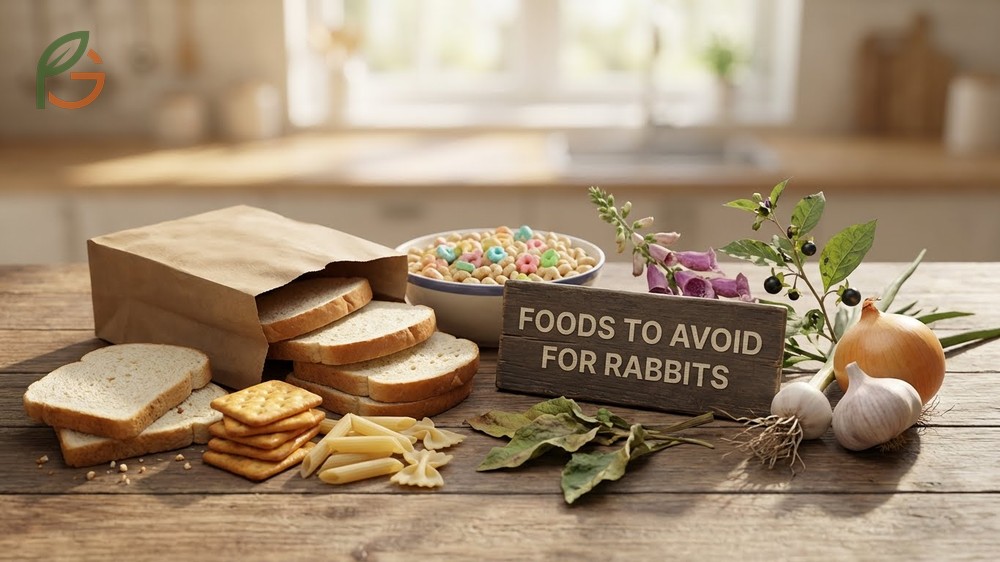
Evidence indicates that certain foods pose serious health risks to rabbits and should never be fed regardless of amount. These dangerous items include processed human foods, toxic plants, and specific vegetables that cause severe digestive or systemic problems. Understanding prohibited foods helps prevent accidental poisoning and illness.
High-starch foods like bread, crackers, pasta, and cereals disrupt cecal bacteria balance and provide no nutritional value for rabbits. The refined carbohydrates ferment abnormally in the hindgut, creating gas and potentially toxic compounds. Similarly, dairy products cause digestive distress since rabbits are naturally lactose intolerant after weaning.
Many common houseplants and garden flowers contain compounds toxic to rabbits. Rhubarb leaves contain oxalic acid at dangerous levels, while tomato and potato plants (leaves and stems) contain solanine. Even small amounts of these plants can cause serious illness or death.
- Avocado (all parts contain persin—highly toxic to rabbits)
- Chocolate (theobromine causes severe toxicity)
- Nuts and seeds (choking hazards and improper fat ratios)
- Bread, crackers, pasta, and other processed grains
- Dairy products including milk, cheese, and yogurt
- Cookies, candy, and any foods with refined sugar
- Onions, garlic, leeks, and chives (cause blood cell damage)
- Iceberg lettuce (contains lactucarium—causes diarrhea)
- Rhubarb leaves (oxalic acid poisoning)
- Potato and tomato plants—leaves and stems only (solanine toxicity)
- Raw beans (contain lectins that are toxic)
- Apple seeds and cherry pits (contain cyanide compounds)
Conclusion
The evidence is clear: rabbits can eat blueberries safely when you follow proper portion guidelines of 2-3 berries once or twice weekly. These antioxidant-rich treats complement a hay-based diet without disrupting digestive health. Current veterinary guidance emphasizes moderation, variety, and careful monitoring when introducing any fruits to your rabbit’s diet.
Prioritize high-quality hay as 80-90% of daily intake, supplement with fresh leafy greens, and reserve blueberries for special occasions. FruitGarden encourages informed pet nutrition decisions based on scientific research and species-appropriate feeding practices. Your rabbit’s long-term health depends on maintaining this balance between nutritious staples and occasional treats.
Medical Disclaimer
Important Veterinary Disclaimer: This content is for informational and educational purposes only. It is not intended as a substitute for professional veterinary advice, diagnosis, or treatment. Always consult a qualified veterinarian before making any changes to your rabbit’s diet, especially if your pet has existing health conditions, digestive sensitivities, or special dietary requirements. Individual rabbits may have unique nutritional needs or food intolerances that require personalized veterinary guidance.
Frequently Asked Questions
Can rabbits eat blueberry leaves?
Yes, rabbits can safely eat blueberry leaves and stems. Blueberry plant foliage contains beneficial compounds and provides additional fiber without the sugar content found in the berries themselves. Many rabbit owners grow blueberry bushes specifically to provide fresh browse material for their pets throughout the growing season.
What happens if my rabbit eats too many blueberries?
Excessive blueberry consumption can cause digestive upset including soft cecotropes, diarrhea, gas, and bloating due to sugar overload in the cecum. Long-term overfeeding leads to obesity and dental problems from inadequate hay consumption. If your rabbit accidentally eats many blueberries, monitor closely for 24-48 hours and contact your veterinarian if you notice lethargy, reduced appetite, or abnormal stool consistency.
Can baby rabbits eat blueberries?
No, rabbits under 12 weeks old should not receive any fruits including blueberries. Their developing digestive systems can’t properly process the sugar content, which may trigger dangerous bacterial imbalances and digestive upset. Young rabbits should consume only hay, pellets formulated for their age, and water until they reach 12 weeks. Gradually introduce vegetables before adding any fruits.
Are frozen blueberries safe for rabbits?
Frozen blueberries are safe for rabbits if thawed to room temperature before feeding. Never feed frozen berries directly from the freezer, as the hard texture creates choking hazards and cold temperatures can shock the digestive system. Thawed frozen berries retain most nutritional benefits and work well as occasional treats following the same portion guidelines as fresh berries.
How do I introduce blueberries to my rabbit for the first time?
Start by offering a single small blueberry and wait 24 hours while monitoring your rabbit’s stool consistency and appetite. If no digestive changes occur, you can gradually increase to the recommended 2-3 berries per serving. Some rabbits may be more sensitive to new foods, so this cautious approach helps identify potential intolerances before they cause significant problems.
Can diabetic or overweight rabbits eat blueberries?
Overweight or diabetic rabbits should avoid blueberries and other fruits due to their natural sugar content. These rabbits require strict dietary management focused on unlimited hay and carefully portioned vegetables. Consult your veterinarian about appropriate treat alternatives that won’t compromise weight management or blood sugar control efforts.
What’s better for rabbits—blueberries or strawberries?
Both blueberries and strawberries are safe occasional treats with similar sugar content and nutritional profiles. Neither is objectively better—variety matters more than specific fruit choice. Rotate between different safe fruits to provide diverse nutrients and prevent boredom. Follow the same portion guidelines for both: 2-3 small berries once or twice weekly as part of total fruit allocation.





