
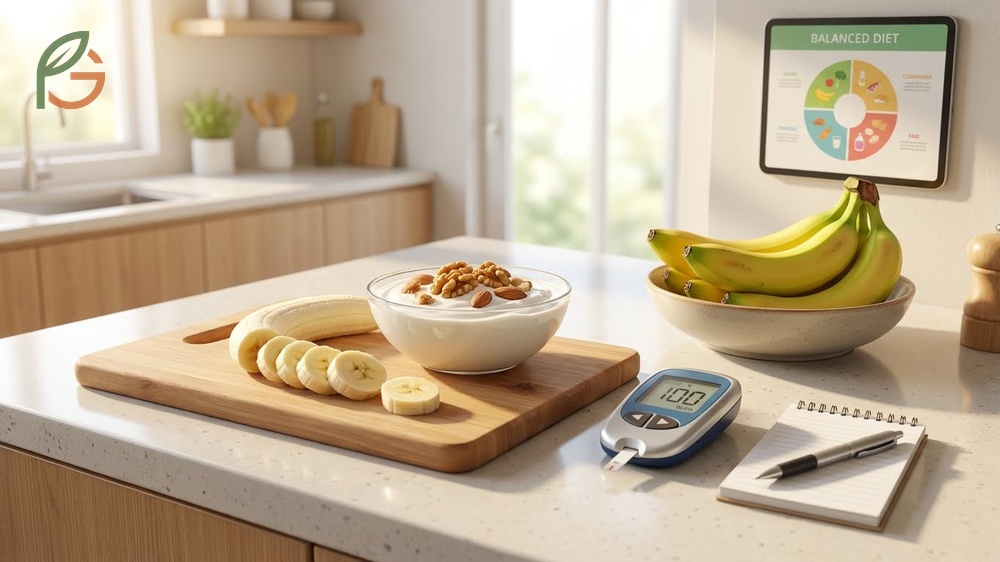
Are bananas good for diabetics? Yes, when eaten in moderation. Research shows that pairing bananas with protein sources like nuts or Greek yogurt helps control blood sugar spikes, making them a safe fruit choice for people managing diabetes[1]. Current evidence demonstrates that banana ripeness, portion size, and timing significantly affect glycemic response. FruitGarden synthesizes current nutritional research to help you make informed decisions about fruit consumption for diabetes management.
Quick Answer
- A medium banana contains 105 calories[2], 27g carbohydrates[2], and 3g fiber[2]
- Bananas score 31-62 on the glycemic index[1], depending on ripeness (low to medium range)
- Green bananas contain resistant starch that can reduce fasting blood sugar and HbA1c levels[3]
- Most diabetics can safely eat half to one small banana daily when paired with protein or healthy fats[4]
Are Bananas Good for Diabetics
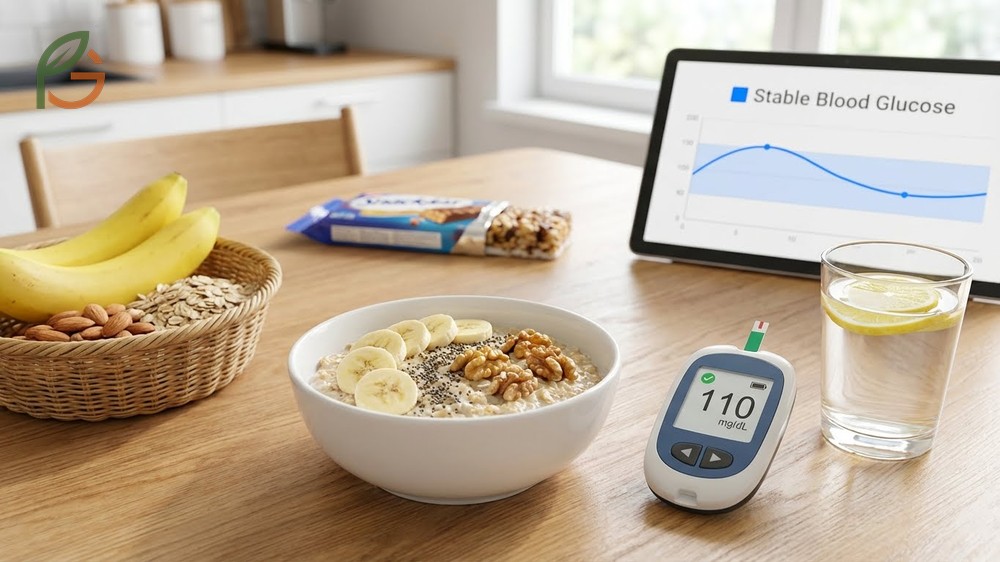
Studies demonstrate that bananas can be part of a diabetes-friendly diet when consumed mindfully. The American Diabetes Association recommends eating bananas and other fruits because they contain fiber, which helps lower blood sugar levels[1]. Unlike processed snacks that cause rapid glucose spikes, bananas provide nutrients that support metabolic health.
The key factor isn’t whether diabetics can eat bananas—it’s how they eat them. Research shows that banana consumption paired with healthy fats or protein significantly minimizes blood sugar responses[1]. For instance, eating half a banana with almond butter or Greek yogurt creates a more balanced glycemic impact than eating a whole banana alone.
What often gets overlooked is that banana ripeness affects glycemic response more than most people realize. Current data indicates that green, unripe bananas offer better blood sugar control than fully yellow ones due to their resistant starch content[1].
Nutritional Profile of Bananas
A medium banana (118g) provides 105 calories[2], making it a low-calorie fruit option. It contains 27g total carbohydrates, with approximately 14.4g coming from natural sugars[5]. The remaining carbs include starch and fiber.
Bananas deliver 422mg of potassium per serving, which helps regulate blood pressure—particularly important since diabetics face higher hypertension risk[6]. They’re also rich in vitamin B6, vitamin C, and magnesium, supporting energy metabolism and immune function.
Fiber Content Benefits
Each medium banana contains 3g of dietary fiber[2], representing about 10% of daily fiber needs. This fiber slows digestion and the absorption of carbohydrates, helping prevent sharp blood sugar spikes[1]. The soluble fiber, specifically pectin, forms a gel-like substance in the stomach that stabilizes glucose levels.
Fiber also promotes satiety, helping you feel full longer and reducing the likelihood of overeating. For diabetics managing weight alongside blood sugar, this benefit can’t be overstated.
Important Note: If you’re counting carbohydrates for insulin dosing, remember to include the full 27g from a medium banana in your calculations. Don’t subtract the fiber grams when calculating insulin needs.
Glycemic Index of Banana
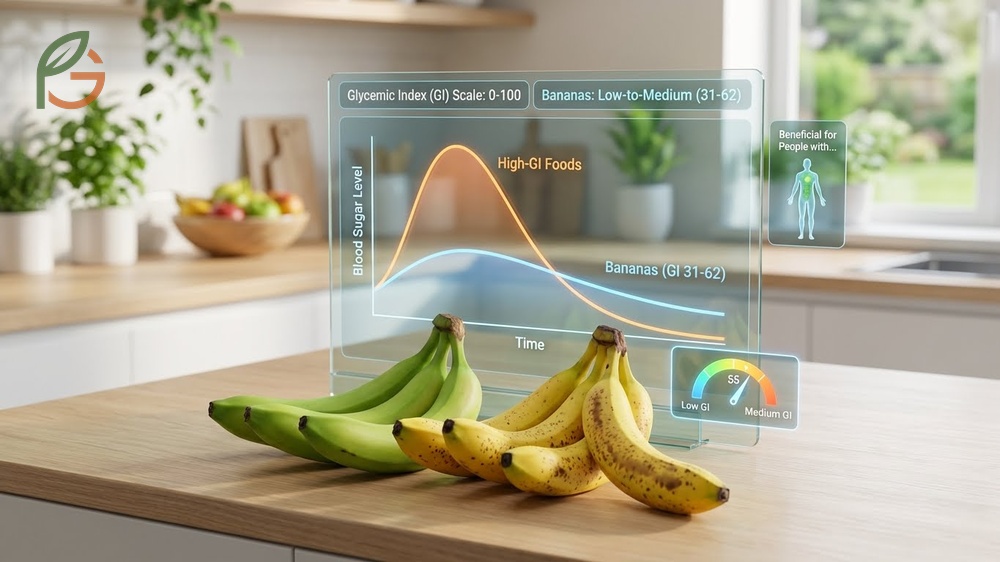
The glycemic index (GI) measures how quickly foods raise blood sugar levels on a scale from 0 to 100. Foods scoring 55 or less are low GI, 56-69 are medium, and 70-100 are high[1]. Bananas fall into the low-to-medium range, scoring between 31 and 62 depending on ripeness[1].
This GI range means bananas cause a more gradual blood sugar rise compared to high-GI foods like white bread or sugary snacks. Evidence suggests that low-GI diets are particularly beneficial for people with type 2 diabetes, helping maintain steadier glucose levels throughout the day[1].
Most people find that bananas don’t cause the dramatic energy crashes associated with processed sweets. The combination of natural sugars, fiber, and resistant starch creates a more balanced energy release.
How Ripeness Affects GI
Green, unripe bananas contain more resistant starch and less sugar, resulting in a lower glycemic index (around 31). As bananas ripen and turn yellow, the resistant starch converts to simple sugars, raising the GI to approximately 62[1]. This means fully ripe bananas cause faster blood sugar spikes.
For diabetics focused on blood sugar control, choosing slightly green or just-yellow bananas offers better glycemic management than spotty, overripe ones. The difference isn’t trivial—it can represent a 50% variation in how quickly your blood sugar rises.
- Green tip with mostly yellow body indicates moderate ripeness and balanced starch-sugar ratio
- Firm texture suggests higher resistant starch content that digests more slowly
- Minimal brown spots mean less sugar conversion has occurred
- Slight greenish tinge at stem end provides maximum fiber benefits
- Avoid fully brown or black bananas, which have the highest sugar concentration and fastest absorption
Glycemic Load and Portion Size
Glycemic load (GL) accounts for both the GI and the portion size you actually eat. A GL under 10 is low, 11-19 is moderate, and 20 or above is high[1]. The GL of a fully ripe banana ranges from 11 for a very small banana to 22 for a very large one[1].
This matters because eating a large, ripe banana can push you into the high GL category, causing a more significant blood sugar impact. Portion control becomes crucial—sticking to half or small bananas keeps your GL in the moderate range.
This table compares carbohydrate content, glycemic load, and diabetic recommendations across five banana sizes from very small to very large
| Size | Weight | Carbohydrates | Glycemic Load (Ripe) | Recommendation |
|---|---|---|---|---|
| Very Small | 81g | 19g[7] | 11 (Moderate) | Best choice for diabetics |
| Small | 101g | 23g[7] | 13 (Moderate) | Good option |
| Medium | 118g | 27g[2] | 16 (Moderate) | Acceptable with pairing |
| Large | 136g | 31g[7] | 19 (Moderate-High) | Split into two servings |
| Extra Large | 152g | 35g[7] | 22 (High) | Avoid or divide into thirds |
Monitoring Tip: Check your blood sugar 2 hours after eating a banana to see how your body responds. Individual reactions vary based on insulin sensitivity, activity level, and what you ate alongside the banana.
Green Banana for Diabetics
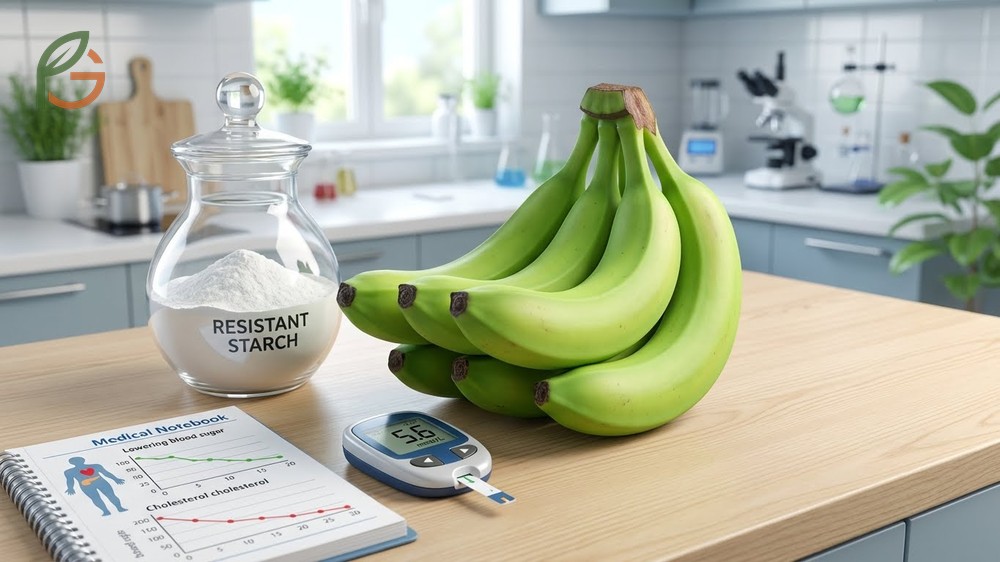
Green bananas offer unique advantages for diabetes management that ripe bananas don’t provide. A 2020 study published in the British Journal of Nutrition found that six months of green banana biomass consumption reduced total cholesterol, HbA1c levels, and fasting glucose in people with type 2 diabetes[3]. The HbA1c reduction was statistically significant at p=0.0007.
The reason lies in resistant starch—a carbohydrate that resists digestion in the small intestine and functions more like fiber. Green bananas contain substantially more resistant starch than yellow ones, making them a lower-glycemic option.
Another study of 113 patients demonstrated that 4.5g of resistant starch from green banana flour daily led to decreased waist circumference, body mass index, diastolic blood pressure, and fasting glucose over six months[8]. Subjects also experienced increased lean body mass and decreased fat mass.
Resistant Starch Benefits
Resistant starch doesn’t raise blood sugar levels because it bypasses digestion in the small intestine. Instead, it travels to the large intestine where gut bacteria ferment it, producing short-chain fatty acids that support metabolic health[1]. This process may help feed beneficial gut bacteria linked to improved blood sugar management.
A 2023 study of 17 adults with type 2 diabetes found that native banana starch supplementation reduced fasting blood sugar, decreased post-meal glucose spikes, reduced hunger, and increased feelings of fullness[1]. These effects make green bananas particularly valuable for weight management alongside diabetes control.
- Slice green bananas thin and bake them into chips for a crunchy, low-glycemic snack
- Boil or steam green bananas as a starchy vegetable side dish, similar to plantains
- Blend green banana into smoothies with protein powder and leafy greens to mask the starchy taste
- Use green banana flour as a gluten-free, low-GI flour alternative in baking (start with 25% substitution)
- Mash cooked green banana and mix it with eggs and cinnamon for low-sugar pancakes
Sugar Content in Banana
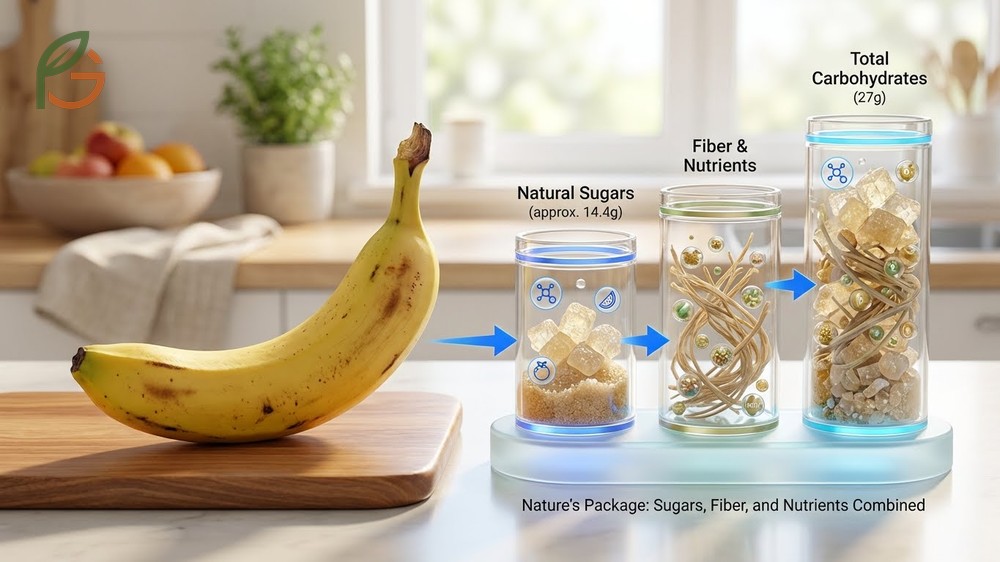
A medium banana contains approximately 14.4g of sugar[5], all naturally occurring from the fruit itself. This might sound high, but it’s important to understand that these sugars come packaged with fiber, water, and nutrients—not as isolated sweeteners.
The total carbohydrate count of 27g includes sugar, starch, and fiber combined[2]. About 93% of a banana’s calories come from these carbohydrates, with minimal fat or protein[7]. This macronutrient profile explains why bananas provide quick energy but need pairing with protein or fat for sustained blood sugar control.
Compared to a candy bar or soda with 40-50g of added sugar and zero fiber, a banana’s sugar content is moderate and offset by its nutritional benefits. The key difference is absorption rate—natural fruit sugars bound with fiber digest more slowly than refined sugars.
Sugar Reality Check: One medium banana has less sugar than a 12oz soda (39g), a glazed donut (12-18g), or a cup of sweetened yogurt (20-30g). When choosing between sweet options, whole fruit consistently offers better blood sugar outcomes.
Best Practices for Eating Bananas
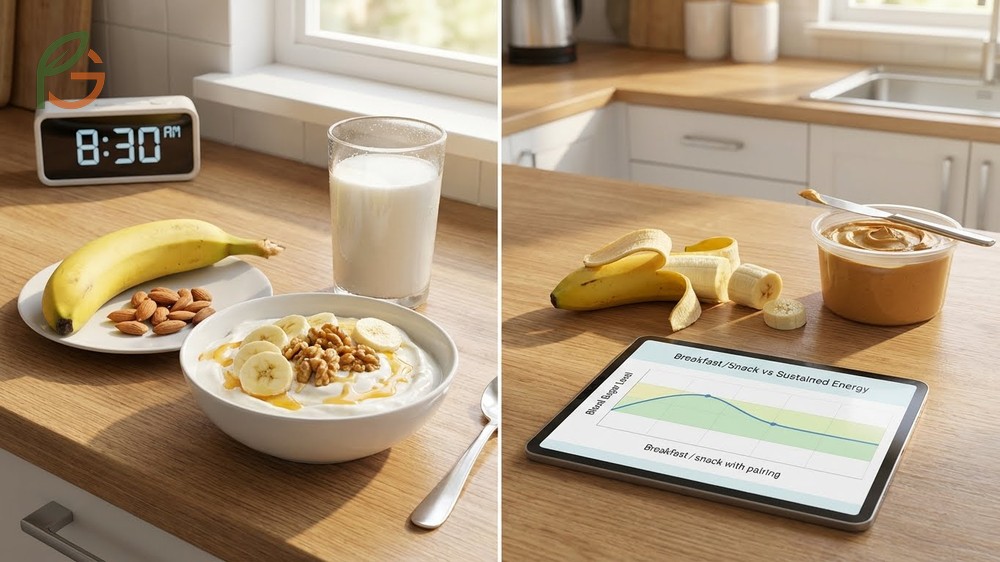
Timing matters more than most people realize when it comes to fruit consumption and diabetes. Research shows that eating bananas at breakfast or as a mid-morning snack, paired with protein, produces better blood sugar control than eating them alone as an afternoon snack[1]. This approach kickstarts metabolism and provides sustained energy for 4-5 hours.
The pairing strategy can’t be overstated. Combining bananas with healthy fats or protein significantly minimizes blood sugar spikes by slowing carbohydrate absorption. For instance, half a banana with 2 tablespoons of almond butter creates a more balanced glycemic response than eating a whole banana solo.
Optimal Portion Sizes
For most people with diabetes, half a banana to one small banana per day is generally safe[4]. American dietary guidelines recommend 1.5 to 2 cups of fruit daily for women and 2 to 2.5 cups for men, with one large banana equaling 1 cup[9].
Individual needs vary based on blood sugar control, activity level, and overall diet. Athletes or highly active individuals may tolerate larger portions, while sedentary people should stick to smaller servings.
- Buy smaller banana varieties (like apple bananas or niño bananas) that naturally provide portion control
- Cut a medium banana in half and save the other half for the next day (store with lemon juice to prevent browning)
- Use banana slices as a measured topping rather than eating a whole fruit—4-5 slices equals about 1/3 banana
- If eating a full banana, split it between two meals (half at breakfast, half as afternoon snack)
- Track your portions with a food scale or measuring cup to maintain consistency and accurate carb counting
Food Pairing Strategies
Pairing bananas with protein sources creates the most stable blood sugar response. Studies demonstrate that combining carbohydrates with protein or fat slows gastric emptying and glucose absorption, preventing sharp spikes[1]. Greek yogurt, nuts, seeds, and nut butters are ideal companions.
For breakfast, try half a banana with scrambled eggs and avocado. For snacks, combine banana slices with a handful of almonds or spread almond butter on banana rounds. The healthy fats and protein create a more complete nutritional profile that extends satiety and reduces glucose fluctuations.
- Half banana + 2 tablespoons natural peanut or almond butter provides healthy fats and 7-8g protein
- Banana slices + 1/2 cup plain Greek yogurt delivers 10-15g protein plus probiotics
- Small banana + 1 ounce cheese (about 7g protein) makes a portable snack
- Banana + 1/4 cup mixed nuts offers omega-3 fatty acids and 5-6g protein
- Green smoothie with half banana + protein powder + spinach + chia seeds balances all macronutrients
Conclusion
The evidence is clear: are bananas good for diabetics? Yes, when you choose the right ripeness, control portions, and pair them strategically. Research consistently shows that bananas offer valuable nutrients—fiber, potassium, resistant starch—that support blood sugar management rather than sabotaging it. The key is mindful consumption: opt for greener bananas, limit portions to half or one small fruit daily, and always combine with protein or healthy fats.
Current guidance emphasizes that no single food determines diabetes outcomes—it’s your overall dietary pattern that matters. FruitGarden synthesizes nutritional research to help you make evidence-based choices about fruit consumption, empowering you to enjoy bananas safely as part of a balanced, diabetes-friendly lifestyle.
Medical Disclaimer
Important Medical Disclaimer: This content is for informational and educational purposes only. It’s not intended as a substitute for professional medical advice, diagnosis, or treatment. Always consult a qualified healthcare professional before making any changes to your diet, medication, or health routine, especially if you have diabetes or other medical conditions. Individual responses to foods vary, and what works for one person may not work for another. Monitor your blood sugar levels regularly and work with your doctor or registered dietitian to develop a personalized meal plan.
Frequently Asked Questions
Can Diabetics Eat Bananas Every Day?
Yes, most diabetics can eat half to one small banana daily when incorporated into a balanced meal plan. Studies show that consistent, moderate banana consumption doesn’t negatively impact HbA1c levels when paired with protein or healthy fats. Monitor your individual blood sugar response and adjust portion sizes accordingly.
Do Bananas Raise Blood Sugar Quickly?
Bananas cause a moderate blood sugar rise due to their low-to-medium glycemic index of 31-62. They raise blood sugar more slowly than white bread or candy but faster than berries or citrus fruits. The speed depends on ripeness—green bananas raise blood sugar more gradually than fully ripe ones.
Are Green Bananas Better for Diabetics Than Yellow Ones?
Yes, green bananas offer superior blood sugar control for diabetics. Research demonstrates that green bananas contain more resistant starch, which doesn’t spike blood sugar and may reduce HbA1c levels. As bananas ripen, resistant starch converts to sugar, increasing the glycemic impact by up to 50%.
How Many Bananas Can a Diabetic Eat Per Day?
Most diabetics should limit intake to half a banana to one small banana daily. This provides the nutritional benefits while keeping carbohydrate intake manageable at 12-23g per serving. Individual tolerance varies based on activity level, medication, and overall carb intake throughout the day.
What’s the Best Time for Diabetics to Eat Bananas?
Breakfast or mid-morning snacks are optimal times for diabetics to eat bananas. This timing kickstarts metabolism and provides sustained energy for several hours. Avoid eating bananas late at night when insulin sensitivity decreases, and always pair them with protein to minimize blood sugar spikes.
Can Diabetics Drink Banana Smoothies?
Yes, but with modifications. Use half a green banana, add protein powder or Greek yogurt, include leafy greens, and avoid adding extra sweeteners. Blending breaks down fiber structure, potentially causing faster sugar absorption, so protein additions become even more critical for blood sugar control.
Are Bananas Better Than Other Fruits for Diabetics?
Bananas aren’t necessarily “better” but offer unique benefits. Berries typically have lower glycemic indexes (around 25-40), while bananas provide more resistant starch when green. The best fruit choice depends on individual goals—bananas excel for potassium and satiety, while berries offer more antioxidants with fewer carbs.





