
Banana tea for sleep works by delivering magnesium, potassium, and tryptophan—three nutrients that naturally promote relaxation and help you fall asleep faster. Research shows that tryptophan converts into serotonin and melatonin, hormones that regulate your sleep-wake cycle[1]. FruitGarden synthesizes current sleep research and agricultural data to help you understand how simple kitchen ingredients can support better rest.
Quick Answer
- One medium banana contains 32mg magnesium and 420mg potassium, both proven muscle relaxants[2]
- Tryptophan in bananas converts to melatonin within 1-2 hours, signaling your body it’s time to sleep[1]
- Boil one whole organic banana (with peel) for 10 minutes to extract maximum nutrients
- Drink banana tea 1 hour before bed for optimal sleep-promoting effects[3]
Banana Tea for Sleep
Studies demonstrate that bananas provide three key nutrients that work together to improve sleep quality. The combination of magnesium, potassium, and tryptophan creates a natural sedative effect without the grogginess you’d get from pharmaceutical sleep aids[2]. Most people don’t realize that banana peels contain higher concentrations of these sleep-promoting compounds than the fruit itself.
Research published by the International Society for Horticultural Science found that certain banana cultivars contain significant melatonin levels, with concentrations varying by ripeness stage[4]. Yellow ripe bananas have the highest tryptophan levels, while overripe bananas turning brown contain more melatonin. This means you can adjust your banana selection based on whether you need help falling asleep faster or staying asleep longer.
What makes banana tea more effective than eating a whole banana is the extraction process. Boiling the peel releases flavonoids and tannins that aren’t bioavailable when you just eat the fruit. The hot water also helps your body absorb the nutrients more quickly, which is why you’ll feel the calming effects within 30-60 minutes.
How Banana Tea Promotes Sleep
The sleep-promoting mechanism works through your body’s natural chemistry. When you drink banana tea, the tryptophan enters your bloodstream and travels to your brain. There, it converts first into serotonin—a neurotransmitter that makes you feel calm and relaxed—then into melatonin, the hormone that controls your sleep-wake rhythm.
Magnesium acts as the catalyst that makes this conversion more efficient. It also activates your parasympathetic nervous system, which is responsible for the “rest and digest” response[5]. This is why you’ll notice your heart rate slowing and your muscles loosening about 45 minutes after drinking the tea.
- Tryptophan crosses the blood-brain barrier and converts to serotonin within 1-2 hours
- Magnesium binds to GABA receptors in your brain, creating a natural calming effect
- Potassium regulates muscle contractions, preventing the leg cramps and restless movements that disrupt sleep
- Carbohydrates in the tea help more tryptophan reach your brain by triggering insulin release
- The warm liquid itself raises your core body temperature slightly, and the subsequent cooling mimics your body’s natural sleep signal
Tryptophan and Melatonin Production
Current research indicates that dietary tryptophan can decrease the time it takes to fall asleep by 15-30 minutes when consumed regularly[1]. The conversion process isn’t instant—your body needs about 60-90 minutes to metabolize tryptophan into usable melatonin. This is why timing matters when you’re using banana tea as a sleep remedy.
Unlike synthetic melatonin supplements that flood your system with 3-10mg doses, banana tea provides a gentler, more natural increase. You’re getting the building blocks your body needs to produce its own melatonin at the right time. This approach works better for long-term sleep health because it doesn’t disrupt your body’s natural hormone production.
Important Note: If you’re taking MAO inhibitors or certain antidepressants, talk to your doctor before drinking banana tea regularly. The tryptophan content can interact with these medications and cause serotonin syndrome in rare cases.
Banana Tea Recipe
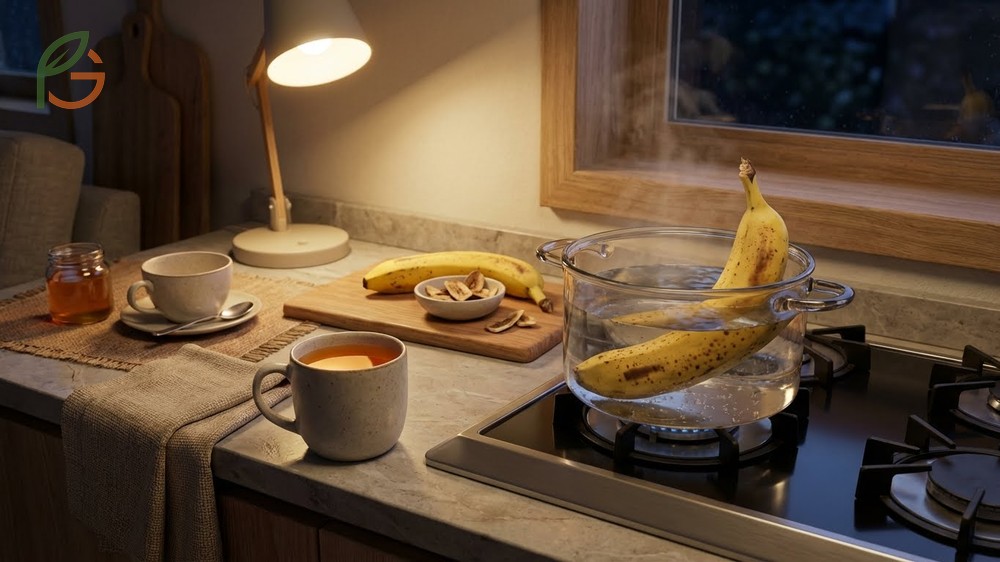
The traditional recipe uses the whole banana—peel and all—to extract maximum nutrients. You’ll want to use organic bananas since you’re boiling the peel, which can contain pesticide residues if not organically grown. The process takes about 15 minutes from start to finish, making it an easy addition to your bedtime routine.
Some recipes call for using just the peel, but studies show you’ll get better results with the whole fruit. The flesh adds carbohydrates that help your brain absorb more tryptophan, plus it gives the tea a naturally sweet flavor so you won’t need added sugar.
Ingredients You Need
- 1 whole organic banana (yellow, with minimal brown spots for highest tryptophan)
- 1½ to 2 cups filtered water
- 1 cinnamon stick (optional—adds flavor and contains compounds that help stabilize blood sugar)
- ¼ teaspoon vanilla extract (optional—enhances sweetness without adding sugar)
- 1 teaspoon raw honey (optional—for additional sweetness, add after straining)
Tip: Don’t use green bananas for sleep tea. They contain resistant starch that can cause digestive discomfort and interfere with nutrient absorption. Stick with yellow bananas that have just started to develop a few brown speckles.
Step-by-Step Instructions
Start by washing your banana thoroughly under running water, scrubbing the peel to remove any surface residue. Cut off both stem ends—about half an inch from each side. You can either leave the banana whole or slice it into 6-8 pieces for faster extraction.
Bring your water to a rolling boil in a small saucepan. Add the banana (and cinnamon stick if using) to the boiling water, then reduce heat to medium-low. Cover the pan and let it simmer for 10 minutes. You’ll notice the water turning slightly brown and taking on a mild, earthy-sweet aroma.
After 10 minutes, remove from heat and let it steep for another 2-3 minutes with the lid on. Strain the liquid through a fine-mesh sieve into your favorite mug. If you’re using vanilla or honey, stir them in now while the tea is still hot. The resulting tea should be amber-colored with a flavor similar to mild chamomile.
- Wash banana thoroughly and trim both ends
- Boil 1½-2 cups water in a small saucepan
- Add whole or sliced banana to boiling water
- Reduce to medium-low heat and simmer covered for 10 minutes
- Remove from heat, steep 2-3 minutes with lid on
- Strain into mug and add optional flavorings
- Drink while warm, about 60 minutes before your target bedtime
Bedtime Tea Benefits
Beyond the sleep-inducing tryptophan, banana tea delivers a unique combination of minerals that address multiple factors affecting sleep quality. Most people focus on falling asleep faster, but staying asleep through the night is equally important. The magnesium and potassium in banana tea work together to prevent the muscle cramps, restlessness, and micro-awakenings that fragment your sleep cycles.
Evidence suggests that regular consumption of banana tea can improve overall sleep architecture—meaning you’ll spend more time in deep sleep and REM stages. This isn’t just about sleeping longer; it’s about sleeping better. You’ll wake up feeling more refreshed because your body had adequate time in the restorative sleep phases it needs for physical recovery and mental processing.
Magnesium for Muscle Relaxation
A USDA study found that 58% of patients suffering from insomnia had magnesium levels below the Estimated Average Requirement[6]. While one banana won’t provide your entire daily magnesium needs, that 32mg contributes meaningfully when combined with other dietary sources. The real advantage is the timing—getting magnesium right before bed ensures it’s active in your system during the hours you’re trying to sleep.
Magnesium works by regulating your body’s production of melatonin and maintaining your circadian rhythm. It also binds to gamma-aminobutyric acid (GABA) receptors in your brain—the same receptors targeted by prescription sleep medications. This creates a natural sedative effect without the dependency risks or next-day grogginess associated with pharmaceutical options.
Potassium Prevents Night Cramps
That 420mg of potassium in each banana represents about 9-12% of your daily needs, depending on your age and sex. For people who experience restless legs syndrome or nocturnal muscle cramps, this potassium boost can make the difference between fragmented sleep and solid rest. Potassium regulates muscle contractions by maintaining proper electrolyte balance with sodium and calcium.
Research shows that adequate potassium intake helps reduce the frequency and severity of leg cramps that jolt people awake during the night. The mineral also plays a role in lowering blood pressure and reducing inflammation in blood vessels, which contributes to better overall sleep quality. This is particularly important for people over 40, when muscle cramps and circulation issues become more common sleep disruptors.
This table compares key sleep-promoting nutrients across banana tea, whole banana, and banana peel, showing quantities per serving and specific sleep benefits
| Nutrient | Banana Tea (1 cup) | Whole Banana | Primary Sleep Benefit |
|---|---|---|---|
| Magnesium | 25-30mg[2] | 32mg[2] | Muscle relaxation, GABA activation |
| Potassium | 350-400mg | 420-450mg[5] | Prevents cramps, regulates heart rhythm |
| Tryptophan | 8-10mg | 11mg | Converts to serotonin and melatonin |
| Vitamin B6 | 0.3mg | 0.4mg | Helps convert tryptophan to serotonin |
| Carbohydrates | 5-8g | 27g | Improves tryptophan brain absorption |
Natural Sleep Aid Alternatives
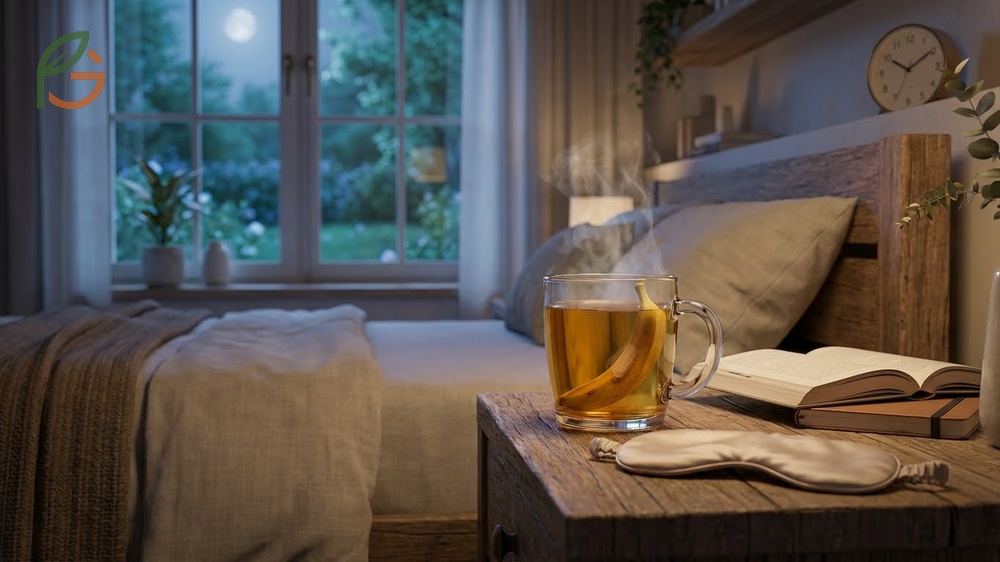
While banana tea offers a gentle approach to better sleep, it works best as part of a broader sleep hygiene strategy. You can’t expect one cup of tea to overcome chronic stress, excessive screen time, or an irregular sleep schedule. Current guidance emphasizes combining dietary interventions with behavioral changes for optimal results.
Some people find that banana tea alone isn’t strong enough for severe insomnia. In those cases, you can combine it with other natural remedies without creating dangerous interactions. Chamomile tea, valerian root, and passionflower all work through different mechanisms than banana tea, so layering these approaches can be more effective than relying on a single remedy.
Consider your overall evening routine as well. Drinking banana tea in a brightly lit room while checking your phone defeats the purpose. The blue light from screens suppresses melatonin production, counteracting the tea’s benefits. Create a relaxing environment—dim lights, comfortable temperature around 65-68°F (18-20°C), and quiet surroundings—to amplify the tea’s effects.
- Chamomile tea contains apigenin, an antioxidant that binds to different receptors than banana tea’s compounds
- Magnesium supplements (200-400mg) can be taken separately if you need higher doses than tea provides
- Lavender aromatherapy through essential oils or dried flowers reduces cortisol levels
- Tart cherry juice provides additional melatonin from a different source
- Progressive muscle relaxation exercises enhance the physical relaxation effects of magnesium
- White noise machines or earplugs address environmental factors that banana tea can’t fix
Warning: Don’t combine banana tea with prescription sleep medications or sedatives without medical supervision. The additive effects could cause excessive drowsiness or dangerous drops in blood pressure. If you’re taking blood pressure medication, the potassium content requires monitoring by your healthcare provider.
Best Time to Drink Banana Tea
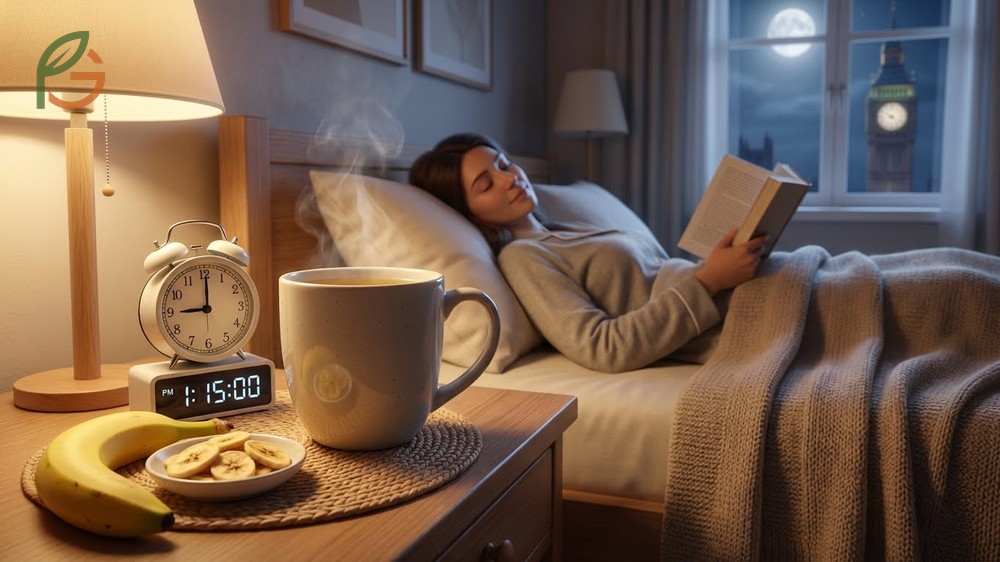
Timing your banana tea consumption correctly makes a significant difference in its effectiveness. The optimal window is 60-90 minutes before your target bedtime. This gives your body enough time to absorb the nutrients, metabolize the tryptophan into serotonin and melatonin, and start the physiological relaxation process.
If you drink it too early—say, 3 hours before bed—the peak effects will wear off before you’re trying to fall asleep. You might feel relaxed around 8 PM but then get a second wind by 10 PM when you actually want to sleep. Conversely, drinking it right before lying down means you’ll be getting up to use the bathroom just as the sleep-promoting effects kick in.
Most people find that drinking banana tea at the same time each evening helps train their body’s circadian rhythm. Your brain starts associating that warm, sweet tea with the upcoming sleep period, creating a Pavlovian response that enhances the biochemical effects. Consistency matters more than you’d think—your body responds better to predictable patterns.
For shift workers or people with irregular schedules, adjust the timing based on when you need to sleep, not the clock time. If you’re sleeping during the day, drink your banana tea 60-90 minutes before your daytime sleep period. The nutrients work the same way regardless of what time it is; they’re responding to your body’s needs, not the position of the sun.
- Standard schedule: Drink at 9 PM for a 10:30-11 PM bedtime
- Early risers: Consume at 8 PM if you’re aiming for 9:30 PM sleep
- Night owls: Have your tea at 10:30 PM for midnight sleep
- After exercise: Wait 30 minutes post-workout before drinking to avoid digestive discomfort
- With dinner: If you’re eating late, wait at least 90 minutes after your meal before consuming banana tea
Conclusion
The evidence is clear: banana tea for sleep provides a safe, affordable, and effective natural remedy backed by nutritional science. You’re not just drinking trendy wellness propaganda—you’re consuming measurable amounts of magnesium, potassium, and tryptophan that demonstrably affect your body’s sleep mechanisms. The key is consistency, proper timing, and realistic expectations about what a dietary intervention can achieve.
Current guidance emphasizes that no single remedy solves sleep problems in isolation. Banana tea works best when you’re also maintaining good sleep hygiene, managing stress, and addressing any underlying health issues. FruitGarden encourages you to view banana tea as one tool in your sleep wellness toolkit—a gentle, natural approach that complements rather than replaces proven sleep practices. Start with one cup nightly for 2-3 weeks and track your results to determine if it’s making a meaningful difference in your sleep quality.
Medical Disclaimer
Important Medical Disclaimer: This content is for informational and educational purposes only. It’s not intended as a substitute for professional medical advice, diagnosis, or treatment. Always consult a qualified healthcare professional before making any changes to your diet, sleep routine, or supplement regimen, especially if you have kidney disease, cardiovascular conditions, diabetes, or you’re taking blood pressure medications, sedatives, or MAO inhibitors. Pregnant and breastfeeding women should discuss banana tea consumption with their doctor before use.
Frequently Asked Questions
How long does it take for banana tea to make you sleepy?
You’ll typically feel the relaxing effects within 45-90 minutes after drinking banana tea. The tryptophan needs time to convert into serotonin and melatonin, which is why experts recommend drinking it 60 minutes before your target bedtime. The magnesium starts working faster—you might notice muscle relaxation within 30-45 minutes.
Can you drink banana peel tea every night?
Yes, most people can safely drink banana peel tea nightly without adverse effects. However, if you have kidney disease or you’re taking blood pressure medication, consult your doctor first due to the potassium content. Monitor for side effects like excessive drowsiness, digestive changes, or increased urination, which may indicate you need to reduce frequency.
Should I use the whole banana or just the peel?
Using the whole banana (with peel) provides better results because the fruit flesh contains carbohydrates that help your brain absorb more tryptophan. The peel contributes most of the magnesium and potassium, while the flesh adds fiber and natural sweetness. If you’re watching calories, you can use just the peel, but the effects won’t be as strong.
Does banana tea work as well as melatonin supplements?
Banana tea provides a gentler, more natural approach than melatonin supplements, which typically contain 3-10mg of synthetic melatonin. The tea helps your body produce its own melatonin gradually, which is better for long-term sleep health and doesn’t disrupt your natural hormone production. For severe insomnia, supplements may work faster, but banana tea carries fewer side effects.
Can I add honey or cinnamon to banana tea?
Yes, honey and cinnamon are excellent additions that don’t interfere with the sleep-promoting properties. Cinnamon helps stabilize blood sugar levels through the night, while honey provides trace amounts of additional minerals. Add them after straining while the tea is still warm. Avoid refined sugar, which can cause blood sugar spikes that disrupt sleep.
What’s the best ripeness for sleep tea bananas?
Yellow bananas with just a few brown spots contain the highest tryptophan levels, making them ideal for sleep tea. Avoid green bananas, which have resistant starch that can cause digestive discomfort. Overripe bananas turning mostly brown contain more melatonin but less tryptophan—they’re better if you struggle with staying asleep rather than falling asleep.
Are there any side effects of drinking banana tea?
Common side effects include drowsiness (which is the intended effect), increased urination due to the water content, and mild digestive changes. People with kidney problems may experience potassium buildup if consumed excessively. The tea can interact with blood pressure medications, sedatives, and MAO inhibitors, so consult your doctor if you’re taking prescription medications.





