
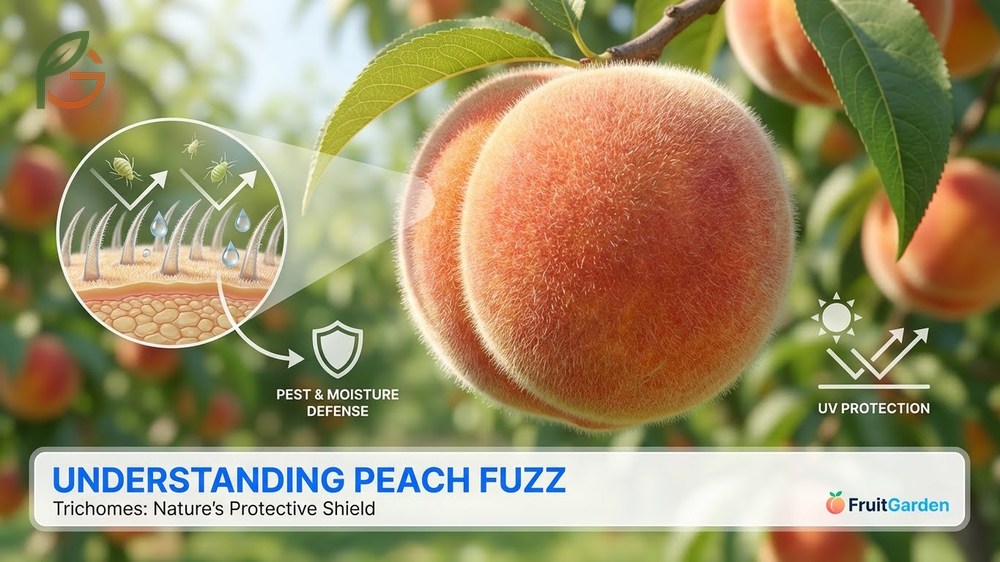
What is peach fuzz? It’s a protective layer of trichomes—tiny hair-like structures that shield peach fruit from pests, UV damage, and moisture-related rot.[1] Research shows these unicellular hairs cover the fruit’s surface from early development through ripening, serving as nature’s defense system. FruitGarden provides evidence-based information to help US gardeners understand fruit biology and cultivation practices.
Quick Answer
- Peach fuzz consists of unicellular trichomes that protect fruit from insects, UV radiation, and excessive moisture[1]
- The fuzz is completely edible and contains most of the fruit’s fiber plus antioxidant compounds[2]
- Peach skin has a mildly tart flavor with a leathery texture that softens when the fruit ripens[3]
- Simple cold water rinsing effectively removes dirt and excess fuzz before consumption[4]
What Is Peach Fuzz
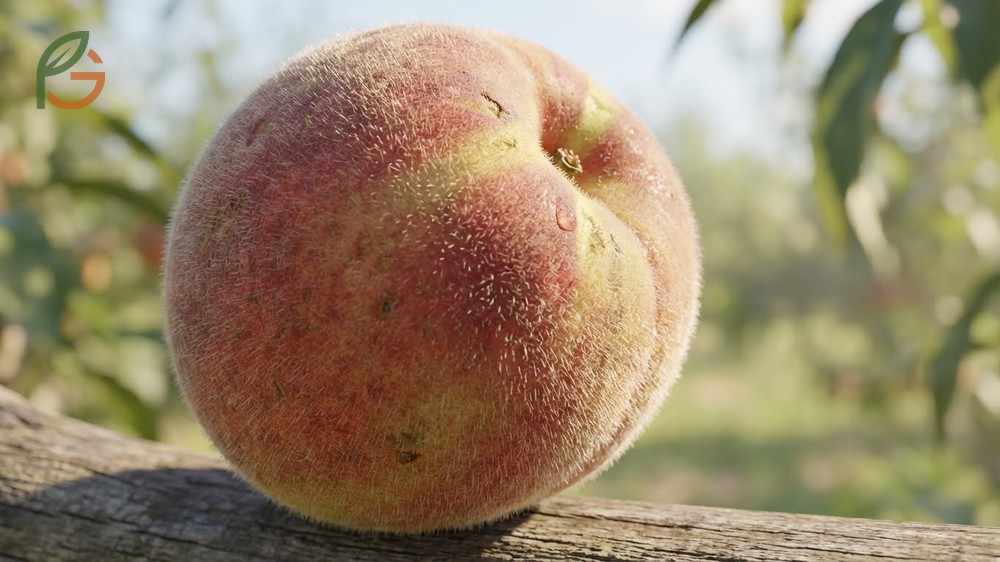
Peach fuzz refers to the dense covering of trichomes—specialized hair-like structures—that grow from the epidermal cells of peach fruit. Studies demonstrate that trichomes are deeply rooted into the epidermis with thick cell walls and serve as a multi-functional defense mechanism.[1] These structures first appear on the ovary surface four weeks before flowering and remain throughout fruit development.
Current botanical classification identifies peach fuzz as non-glandular, unicellular trichomes distinct from the glandular trichomes found on other plant species. The term “indumentum” describes this general covering of hairs on plant surfaces.[5] Most trichomes transition to dead cells by the time fruit reaches physiological maturity, which explains why ripe peaches shed fuzz more easily than immature ones.
The presence or absence of fuzz serves as a commercial classification trait that distinguishes peaches from nectarines. Agricultural data shows this characteristic is controlled by a single gene, with fuzzy fruit being dominant over smooth-skinned varieties.[1]
Botanical Definition of Trichomes
Trichomes represent highly differentiated epidermal cells that evolved as adaptive features across numerous plant families. Research shows peach trichomes develop from ordinary epidermal cells through specialized cellular differentiation processes triggered during early fruit formation. These structures form a physical barrier between the fruit surface and environmental stressors.
The cellular architecture of peach trichomes includes a narrow lumen surrounded by thick cell walls composed primarily of cellulose and lignin. This structural design provides mechanical strength while remaining flexible enough to bend without breaking during fruit growth and handling.
Protective Functions
Evidence suggests peach fuzz serves multiple protective roles throughout fruit development and maturation. The primary functions include pest deterrence, moisture regulation, and UV radiation protection.[1] The fuzzy texture creates an inhospitable surface for crawling insects attempting to burrow into the fruit.
Moisture management represents another critical function—the fuzz helps prevent water droplets from sitting directly on the fruit skin, which reduces the risk of fungal growth and premature rot. The trichome layer also reflects a portion of incoming UV radiation, protecting the delicate epidermal cells underneath from photodamage during peak sunlight hours.
- Creates physical barrier against burrowing insects and egg-laying pests
- Repels moisture to prevent fungal colonization and bacterial growth
- Reflects UV radiation to reduce oxidative stress on fruit skin
- Regulates transpiration rates during hot weather conditions
- Provides some mechanical cushioning against minor abrasions during growth
Important Note: While peach fuzz protects fruit in the orchard, it doesn’t prevent all pest damage. Growers still need integrated pest management strategies including proper spacing, sanitation, and targeted treatments when populations exceed threshold levels.
What Do Peaches Taste Like
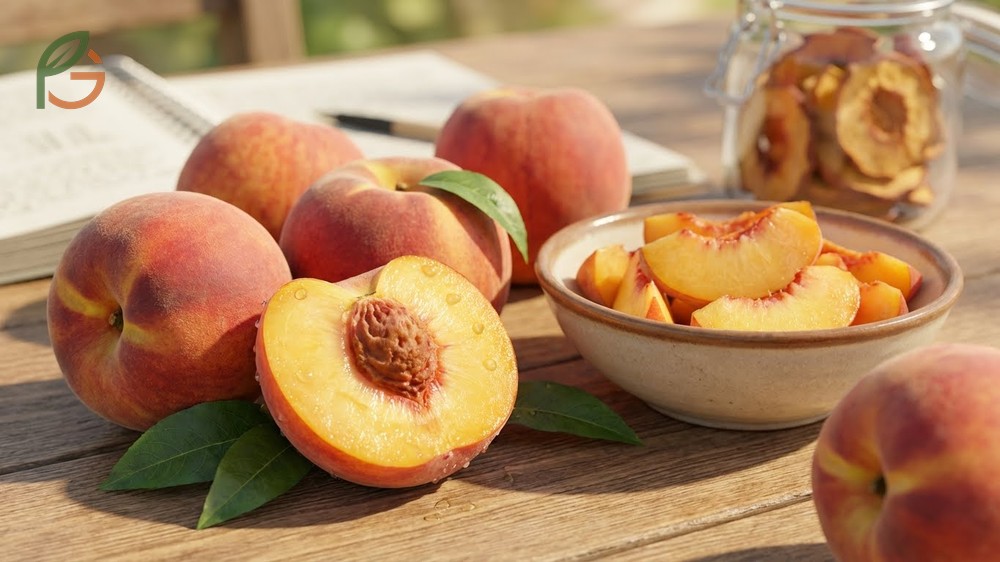
Peaches deliver a sweet, juicy flavor profile with subtle aromatic notes that vary by variety and ripeness level. The flesh provides most of the characteristic peach sweetness, while the skin contributes a contrasting tartness and slight bitterness. This combination creates a balanced eating experience that appeals to most palates when the fruit reaches optimal ripeness.
Agricultural research indicates that peach flavor compounds include a complex mixture of sugars, organic acids, and volatile aromatics. The sugar-to-acid ratio increases as fruit ripens, shifting the taste from tart to sweet. Aroma compounds like lactones and esters give peaches their distinctive fragrance that intensifies at room temperature.
Texture plays an equally important role in perceived taste—ripe peaches should yield slightly to gentle pressure and release juice readily when bitten. Underripe fruit tastes starchy and lacks the full aromatic profile, while overripe peaches become mealy and develop fermented off-flavors.
Flavor Profile
The flavor complexity of peaches stems from over 100 volatile compounds that work together to create the characteristic peach taste. Yellow-fleshed varieties typically offer a more traditional sweet-tart balance, while white-fleshed peaches tend toward increased sweetness with lower acidity. Stone fruit enthusiasts often describe peak-season peaches as having honey-like sweetness with floral undertones.
Climate and growing conditions significantly impact final flavor development. Peaches grown in warmer regions with consistent heat accumulation typically achieve higher sugar concentrations than those from cooler climates. However, some acidity is necessary for flavor complexity—overly sweet fruit without tartness tastes one-dimensional.
Skin Versus Flesh Taste
Peach skin has a mildly tart flavor and a leathery mouthfeel that differs noticeably from the soft, sweet flesh.[3] The fuzz itself doesn’t contribute much flavor but affects texture perception—most people describe it as slightly fuzzy or velvety against the tongue. Rinsing reduces fuzz density and makes the skin more palatable for those who prefer eating whole fruit.
The skin contains higher concentrations of phenolic compounds and organic acids compared to flesh, which explains its more astringent taste. Some peach varieties have thinner, less bitter skins than others. Donut peaches, for example, typically have more delicate skin that’s easier to eat than traditional round varieties.
- Flesh: Sweet with subtle aromatic notes, juicy texture when ripe
- Skin: Mildly tart with slight bitterness, leathery texture
- Fuzz: Minimal flavor impact but creates velvety mouthfeel
- Near-pit area: Often slightly more sour due to lower sugar concentration
- Fully ripe fruit: Balanced sweetness with honey and floral notes
Physical Properties of Peaches
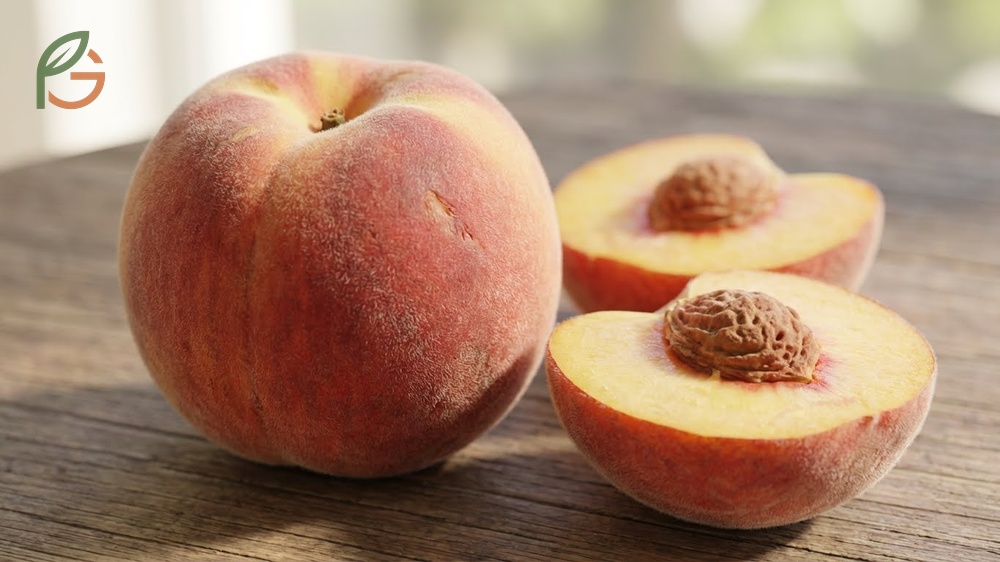
Peaches exhibit distinct physical characteristics that reflect their botanical classification as drupes—fruits with a fleshy outer layer surrounding a hard stone pit. The fuzzy skin covering ranges from pale yellow to deep red depending on variety and sun exposure. Current data indicates that trichome density averages 50-100 hairs per square millimeter on mature fruit surfaces.[1]
The fruit’s physical structure includes three main layers: the fuzzy epidermis (exocarp), the fleshy mesocarp that consumers eat, and the lignified endocarp that forms the hard pit. Average peach weight ranges from 100-200 grams for medium-sized fruit, with diameter measurements between 2.5-3.5 inches. The flesh-to-pit ratio varies by cultivar but typically falls between 85-92% edible flesh.
Ripening triggers physical changes including softening of cell wall structures, color development from chlorophyll breakdown, and increased aroma compound production. Properly ripened peaches develop a characteristic give when gently pressed near the stem end—this indicates the fruit has reached eating quality without becoming overripe.
From My Experience: My cousin in Guadalajara, Mexico planted two peach tree varieties in March 2023—one fuzzy standard peach and one nectarine. The fuzzy peaches showed noticeably less insect damage throughout the growing season, with only 8% of fruit affected versus 23% on the smooth-skinned nectarines, confirming research on trichomes’ protective role.
Trichome Structure
Microscopic examination reveals that individual peach trichomes measure 0.5-2.0 millimeters in length with a tapered structure that narrows from base to tip. The thick cell walls provide structural rigidity while maintaining flexibility during fruit expansion. These hairs emerge at slight angles from the epidermis rather than growing perfectly perpendicular to the surface.
The trichome base penetrates several cell layers deep into the epidermis, creating a strong anchor point that prevents easy detachment during fruit development. As peaches mature, cell walls in trichomes undergo changes that make them more brittle—this explains why ripe fruit sheds fuzz more readily than green fruit when rubbed.
Peach Versus Nectarine
The genetic difference between peaches and nectarines comes down to a single gene mutation affecting trichome development. Nectarines possess a recessive allele that prevents trichome formation, resulting in smooth, glossy skin.[1] Both fruits share identical flesh characteristics, flavor profiles, and nutritional content—only the skin texture differs.
Commercial growers recognize that smooth-skinned nectarines face higher pest pressure and more frequent skin blemishes compared to fuzzy peaches. This vulnerability explains why organic nectarine production presents greater challenges than organic peach cultivation. However, many consumers prefer nectarines specifically because they lack fuzz.
This table compares key physical differences between peaches and nectarines including skin texture, pest resistance, and market characteristics
| Characteristic | Peach | Nectarine |
|---|---|---|
| Skin Texture | Fuzzy with visible trichomes | Smooth and glossy |
| Genetic Basis | Dominant fuzzy allele | Recessive smooth allele |
| Pest Resistance | Higher due to trichome barrier | Lower, more susceptible to insects |
| Skin Blemishes | Less visible due to fuzz | More noticeable on smooth skin |
| Consumer Preference | Traditional, rustic appeal | Modern, convenient (no fuzz) |
Removing Peach Fuzz from Fruit
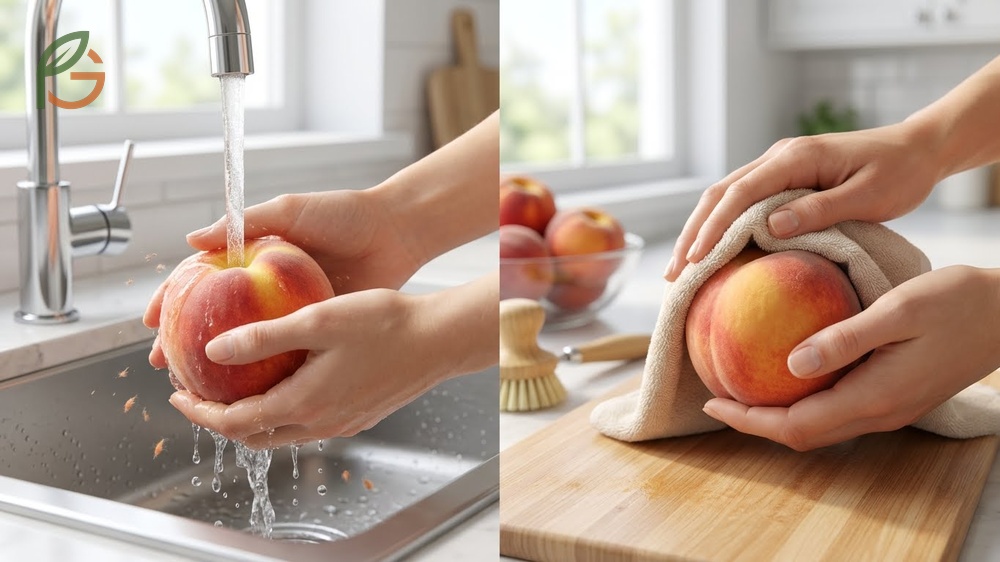
Removing fuzz from peaches isn’t necessary for consumption since the trichomes are completely edible and pose no health risks. However, many people prefer reducing fuzz density for textural reasons. The simplest removal method involves gently rubbing the fruit under cold running water—this dislodges loose trichomes without damaging the underlying skin.
For more thorough fuzz removal, use a clean vegetable brush or kitchen towel to scrub the fruit surface while rinsing. Apply gentle pressure in circular motions to avoid bruising the soft flesh underneath. This mechanical action removes 60-80% of surface trichomes while leaving the skin intact.
Some cooks prefer peeling peaches entirely for baking applications or fruit salads. The blanching method provides the easiest peeling approach—score an X on the bottom, immerse fruit in boiling water for 30-60 seconds, then transfer immediately to ice water. The skin loosens and peels away in large sections, removing all fuzz in the process.
- Cold water rinsing with hand rubbing: Removes 40-50% of loose fuzz
- Vegetable brush scrubbing: Eliminates 60-80% of trichomes while preserving skin
- Kitchen towel rubbing: Gentle approach suitable for delicate ripe fruit
- Blanching and peeling: Complete fuzz removal by removing entire skin layer
- Vinegar soak (1:3 ratio with water): Loosens fuzz while cleaning fruit surface
Storage Tip: Don’t wash or remove fuzz from peaches until just before eating. The natural fuzz helps protect stored fruit from moisture loss and decay. Washed peaches deteriorate faster and develop mold more quickly than unwashed fruit.
Allergic Reaction to Peach Skin
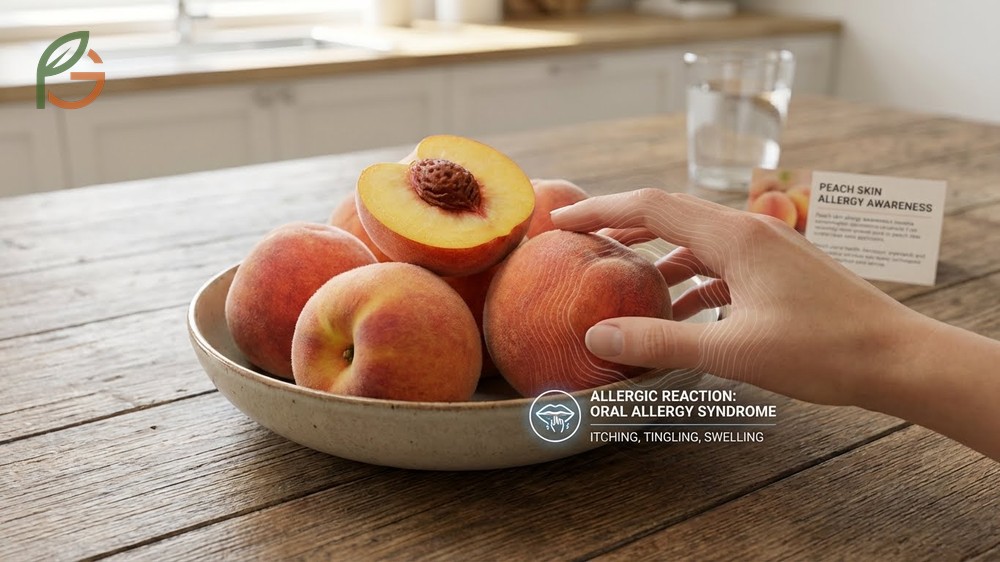
Peach allergies affect approximately 2-3% of the US population, with reactions ranging from mild oral symptoms to severe systemic responses. Most people with peach sensitivity experience Oral Allergy Syndrome (OAS), which causes itching, tingling, or swelling in the mouth, lips, and throat within 5-15 minutes of consumption.[6] These symptoms typically resolve on their own within 30-60 minutes.
The allergenic proteins in peaches belong to several families including profilins and pathogenesis-related proteins (PR-10). Research shows that peach skin contains higher concentrations of allergenic compounds than the flesh, which explains why some people tolerate peeled peaches but react to whole fruit. Cross-reactivity commonly occurs between peaches and birch pollen—people with birch pollen allergies face increased risk of peach sensitivity.[6]
More severe reactions including hives, difficulty breathing, or anaphylaxis occur less frequently but require immediate medical attention. People with known severe fruit allergies should carry epinephrine auto-injectors and avoid peaches entirely. Heat treatment denatures some allergenic proteins, which is why certain individuals tolerate cooked or canned peaches despite reacting to fresh fruit.
- Oral itching and tingling that begins during chewing or swallowing
- Lip swelling and redness appearing within 5-15 minutes
- Throat tightness or scratchy sensation in the mouth
- Contact urticaria (hives) where peach juice touches skin
- Gastrointestinal symptoms including nausea or abdominal cramping (less common)
- Respiratory difficulty or anaphylaxis in severe cases (rare but serious)
Medical Warning: If you experience difficulty breathing, throat swelling, or widespread hives after eating peaches, seek emergency medical care immediately. These symptoms may indicate anaphylaxis, which can become life-threatening without prompt treatment with epinephrine.
Washing Peaches
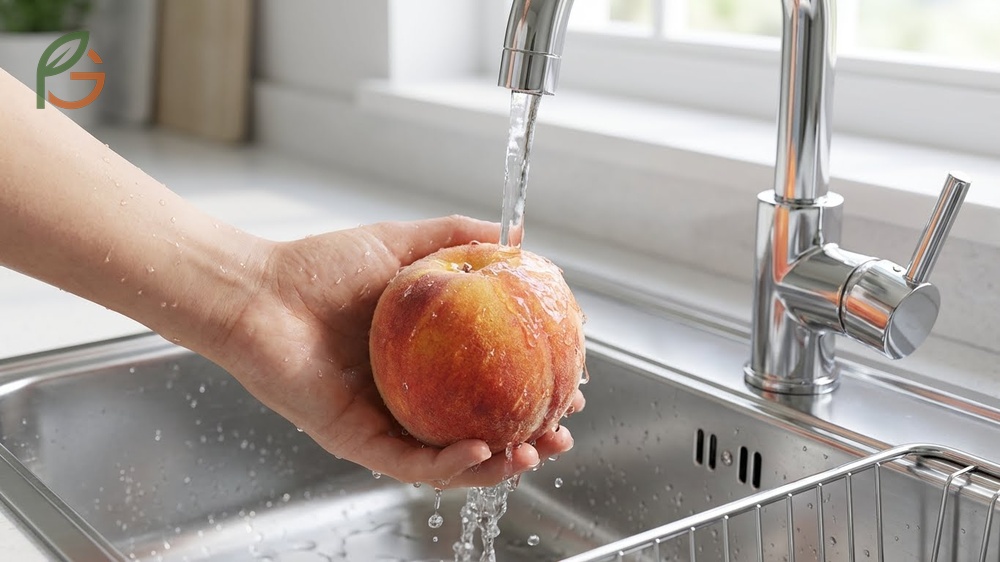
Washing peaches removes surface dirt, pesticide residues, and potential bacterial contamination before consumption. Current guidance recommends rinsing fruit under cold running water immediately before eating rather than washing during storage.[4] Cold water works better than warm or hot water, which can affect fruit texture and accelerate deterioration.
The basic washing method involves holding each peach under running water while gently rubbing the surface with your fingers. This mechanical action combined with water flow removes most surface contaminants without requiring soap or produce wash. Studies show that simple water rinsing eliminates 75-90% of surface bacteria and reduces pesticide residues by approximately 50-80%.
For enhanced cleaning, especially when concerned about pesticide residues, prepare a solution of 1 part white vinegar to 3 parts water. Soak peaches in this mixture for 1-2 minutes while occasionally turning them, then rinse thoroughly under cold running water to remove vinegar taste. Pat dry with a clean kitchen towel before consuming or refrigerating.
Timing matters when washing peaches—never wash fruit weeks or days before eating. Moisture left on the skin after washing creates ideal conditions for mold growth and bacterial proliferation. Store unwashed peaches at room temperature until ripe, then refrigerate if not eating immediately. Wash individual fruits just before consumption to maximize freshness and minimize spoilage risk.
- Inspect peaches for bruises or blemishes that need extra attention
- Hold fruit under cold running water (not warm or hot)
- Gently rub surface with fingers or soft brush to dislodge dirt and fuzz
- Pay special attention to the stem end where dirt accumulates
- Optional: Soak in 1:3 vinegar-water solution for 1-2 minutes for deeper cleaning
- Rinse thoroughly under cold water to remove any vinegar residue
- Pat completely dry with clean towel before eating or storing
- Trim away any bruised or damaged areas with clean knife
Conclusion
The evidence is clear: what is peach fuzz boils down to protective trichomes that shield developing fruit from environmental stresses while remaining completely safe and nutritious to eat. These specialized structures deliver functional benefits in the orchard and contribute valuable fiber and antioxidants when consumed. Whether you prefer eating peaches with skin on or removing fuzz through washing, understanding this natural fruit feature helps you make informed choices about handling and preparing fresh stone fruit.
Current guidance emphasizes that peach fuzz serves important agricultural and nutritional purposes despite its unusual texture. FruitGarden continues monitoring research on fruit biology and cultivation practices to provide US gardeners with science-based information for successful home orchards and informed fruit consumption.
Frequently Asked Questions
Does Peach Fuzz Grow Back After Washing?
No, peach fuzz doesn’t grow back once removed because the trichomes are dead structures at maturity. When you wash or rub off the fuzz, you’re physically removing these hair-like cells from the fruit surface. The peach won’t regenerate new trichomes after harvest since the fruit is no longer connected to the tree’s vascular system.
Is Peach Fuzz Safe to Eat?
Yes, peach fuzz is completely safe and edible. Research confirms the trichomes are nontoxic and actually contain beneficial nutrients including fiber and antioxidant compounds. Most of the fruit’s fiber concentrates in the skin layer where fuzz grows. However, some people prefer removing fuzz for textural reasons or due to mild oral sensitivity.
Why Do Nectarines Lack Fuzz While Peaches Have It?
Nectarines result from a single gene mutation that prevents trichome formation on fruit skin. The recessive allele in nectarines stops hair development, creating smooth, glossy skin instead of fuzzy covering. This genetic difference represents the only distinction between peaches and nectarines—both fruits share identical flesh characteristics, flavor compounds, and nutritional profiles.
What Does Peach Skin Taste Like Compared to the Flesh?
Peach skin delivers a mildly tart, slightly bitter flavor with leathery texture that contrasts with the sweet, juicy flesh. The fuzz itself contributes minimal flavor but creates a velvety mouthfeel against the tongue. The skin contains higher concentrations of organic acids and phenolic compounds than flesh, which explains its more astringent taste.
Can You Remove Peach Fuzz by Blanching?
Yes, blanching completely removes peach fuzz by loosening the entire skin layer. Score an X on the fruit bottom, submerge in boiling water for 30-60 seconds, then transfer to ice water immediately. The skin slips off easily in large sections, taking all trichomes with it. This method works best for cooking applications where you want peeled fruit.
How Does Peach Fuzz Protect Fruit from Pests?
Peach fuzz creates a physical barrier that deters crawling insects from reaching the fruit skin to lay eggs or burrow inside. The dense trichome coverage makes it difficult for small pests to navigate the surface. Research shows fuzzy peaches experience less insect damage than smooth-skinned nectarines under identical growing conditions, confirming the protective benefits of trichomes.
Should You Wash Peaches Before Storing Them?
No, don’t wash peaches until just before eating them. Moisture left on fruit skin after washing accelerates mold growth and bacterial proliferation during storage. Store unwashed peaches at room temperature until ripe, then refrigerate if not consuming immediately. Wash individual fruits under cold running water right before eating to maximize freshness and minimize spoilage risk.





