
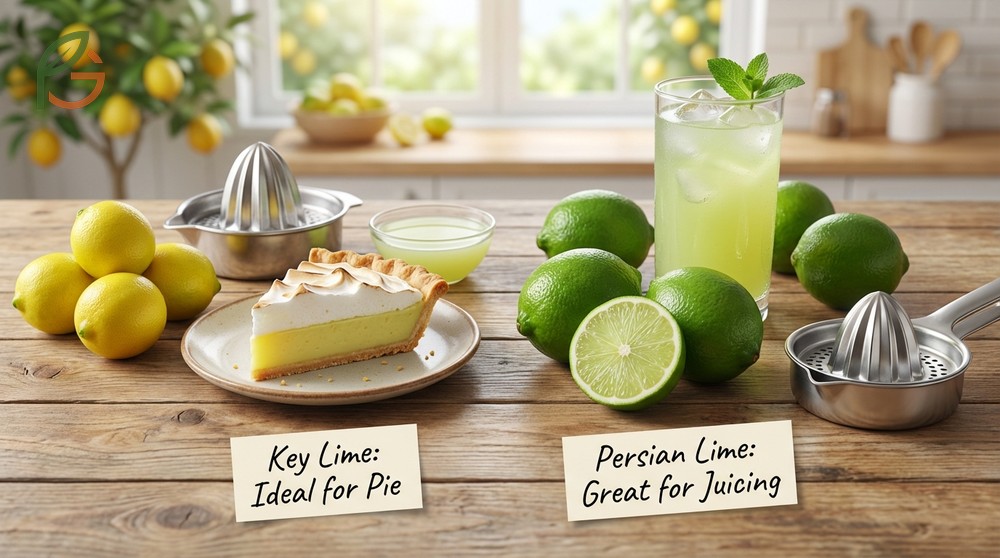
Key lime vs persian lime differences affect your cooking results significantly. Key limes are smaller, sweeter, and intensely aromatic—ideal for authentic Key lime pie—while Persian limes are larger, seedless, and easier to juice for everyday use.[1] What most gardeners don’t realize is that these two varieties require distinctly different growing conditions, even though they’re both limes. FruitGarden synthesizes current citrus cultivation research to help you choose the right variety for your climate and kitchen needs.
Quick Answer
- Key limes measure 3-6 cm diameter[2] while Persian limes reach 6-7 cm[3]
- You need 20 Key limes to yield one cup of juice versus just 4-5 Persian limes[4]
- Key limes thrive at 60-80°F (16-27°C)[5] while Persian limes prefer 70-90°F (21-32°C)[6]
- Persian limes are seedless and work better for juice; Key limes contain seeds but deliver superior pie flavor
Key Lime vs Persian Lime
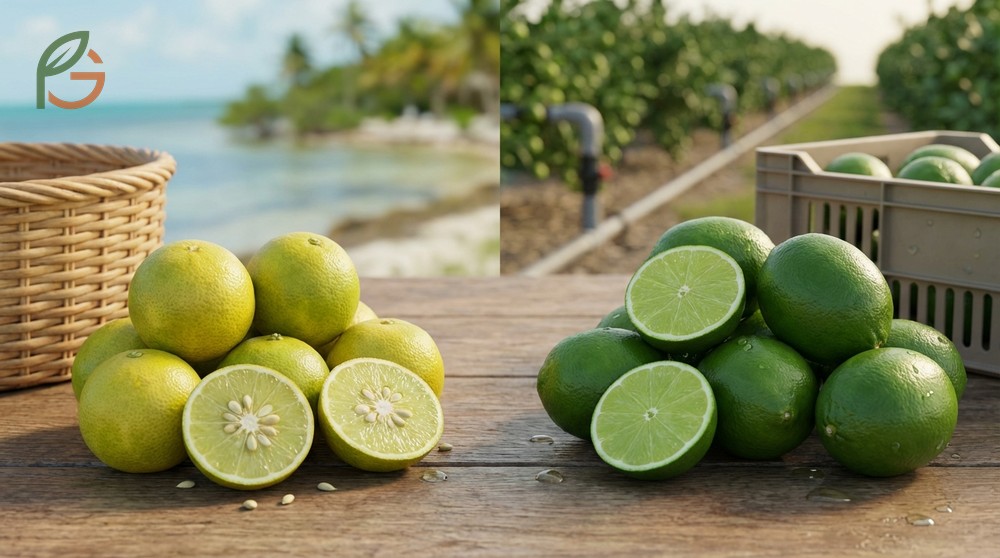
These two lime varieties differ fundamentally in origin and botanical classification. Key limes (Citrus aurantifolia) evolved in Southeast Asia and became synonymous with Florida’s Keys region, while Persian limes (Citrus × latifolia) emerged as a hybrid from Tahiti.[2] Persian limes now dominate U.S. commercial production because they’re easier to grow and ship.
Research shows the varieties produce fruit at different rates. Persian limes mature within 90-120 days from flowering, while Key limes take slightly longer but produce more intensely flavored fruit.[3] Commercial growers favor Persian varieties for this predictable harvest window.
The nutritional profiles overlap significantly, but Key limes pack more aromatic oils in their thin rinds. This concentration explains why Key lime zest delivers more punch than Persian lime zest in recipes. Most home gardeners find Persian limes more forgiving for backyard cultivation.
Size and Appearance
Key limes stay compact at 3-6 cm in diameter with a spherical shape and thin rind.[2] They turn yellow when fully ripe, though commercial harvesting happens while they’re still green. The thin skin bruises easily during transport.
Persian limes grow substantially larger at 6-7 cm with an oblong profile and thicker rind.[3] They maintain their green color even at peak ripeness. The robust skin protects them during shipping, which is why grocery stores stock them year-round.
From My Experience: My cousin in Guadalajara, Mexico grows both varieties in her citrus orchard. Her Persian lime trees consistently produce fruit measuring 6.5-7 cm versus Key limes averaging 4 cm—matching the documented size ranges from university extension research.
Taste and Aroma Profile
Key limes deliver a sweeter, more aromatic flavor with higher acid content and a subtle bitter component.[1] The essential oils in the rind create that distinctive “Key lime pie” aroma you can’t replicate with substitutes. Professional bakers prize this complexity for desserts.
Persian limes taste more tart and less aromatic, with a straightforward citrus punch that works well in savory dishes. They lack the floral notes that make Key limes special for sweets. Most cocktail recipes calling for “lime juice” assume you’re using Persian limes because they’re the standard grocery store option.
Lime Variety Comparison
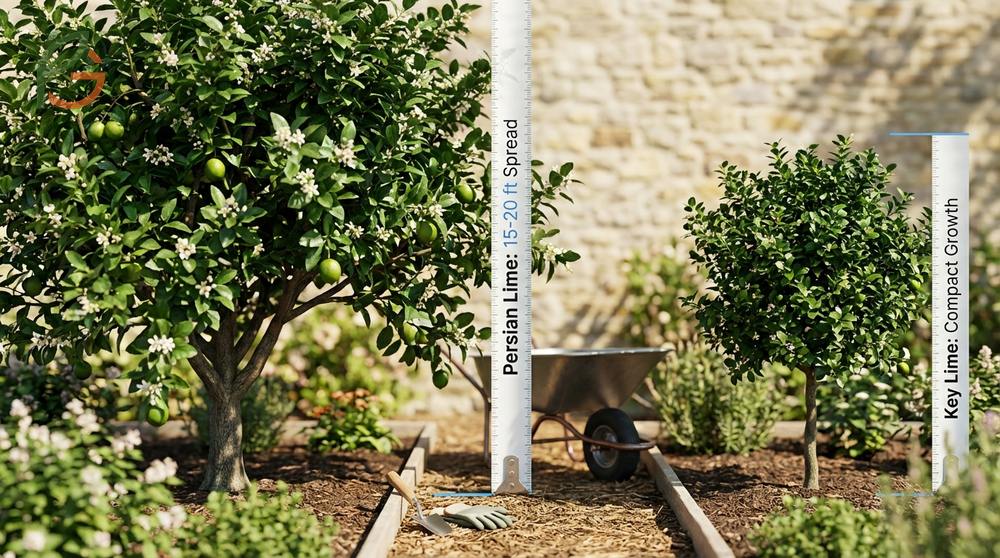
Current agricultural data shows distinct productivity differences between these cultivars. Persian lime trees reach 15-20 feet in spread with a dense canopy, while Key lime trees stay more compact.[7] This size difference affects home garden planning significantly.
Flowering patterns differ between varieties. Persian limes bloom from February to April in warm regions, sometimes year-round in tropical zones, producing clusters of 5-10 flowers.[3] Key limes bloom less predictably but produce fruit continuously once established.
This table compares physical characteristics, growing zones, temperature tolerance, and primary culinary uses between Key limes and Persian limes
| Feature | Key Lime | Persian Lime |
|---|---|---|
| Diameter | 3-6 cm[2] | 6-7 cm[3] |
| Weight | 0.75 oz[4] | 2-3 oz |
| Seeds | Multiple seeds | Seedless |
| USDA Zones | 9-11 | 9-11[7] |
| Ideal Temperature | 60-80°F (16-27°C)[5] | 70-90°F (21-32°C)[6] |
| Best For | Pies, desserts, zest | Juice, cocktails, savory dishes |
Seed Content
Key limes contain numerous small, plump seeds that complicate juice extraction. You’ll spend extra time removing seeds when juicing by hand. The polyembryonic seeds have white embryos and can germinate to produce trees identical to the parent plant.
Persian limes develop seedless unless cross-pollinated with other citrus varieties nearby.[3] This trait makes them dramatically easier to juice and use in recipes. Home gardeners can ensure seedless fruit by planting Persian limes away from other citrus trees.
Juice Yield
Evidence shows dramatic differences in juice productivity. You need approximately 20 Key limes to extract one cup of juice because each fruit weighs only 0.75 ounces.[4] The small size and low moisture content limit juice extraction.
Persian limes yield one cup of juice from just 4-5 fruits thanks to their larger size and higher juice content. This 4x efficiency explains why restaurants and bars stock Persian limes exclusively. The seedless interior means you can juice aggressively without filtering.
Important Note: If you’re making authentic Key lime pie but can’t find fresh Key limes, bottled Key lime juice works as a substitute. The baking process reduces the aromatic differences between fresh and bottled juice significantly.
Key Lime Characteristics
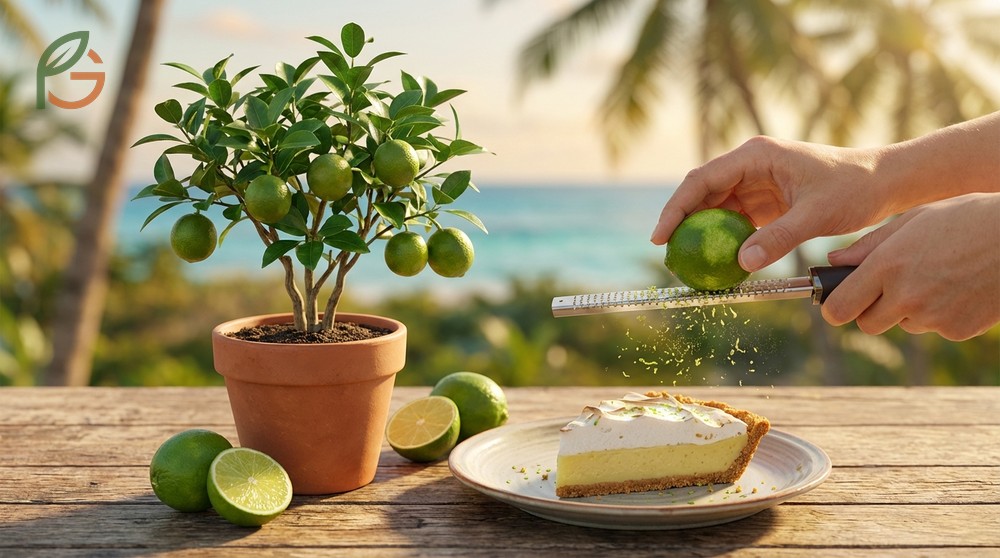
Key limes originated in Southeast Asia before spreading to the Caribbean and Florida Keys. The variety earned its common name from its association with Key lime pie, Florida’s signature dessert. These trees grow as multi-stemmed shrubs unless pruned to a single trunk.
The fruit’s thin rind contains concentrated essential oils that create the distinctive aroma. When you zest a Key lime, you release significantly more volatile compounds than from a Persian lime. This quality makes Key lime zest irreplaceable in certain recipes, even though the juice can sometimes be substituted.
Commercial availability remains limited because Key limes bruise easily and spoil faster than Persian limes. You’ll find them seasonally at specialty grocers or farmers markets, typically from summer through fall. Many home gardeners grow their own trees specifically for fresh Key limes.
Growing Requirements
Key lime trees need tropical conditions with temperatures between 60-80°F (16-27°C) for optimal growth.[5] They suffer damage when temperatures drop below 50°F (10°C), so container growing works better in zones cooler than 9. Bring potted trees indoors during cold snaps to prevent leaf drop.
These trees demand 6-8 hours of direct sunlight daily and high humidity levels. If you’re growing Key limes indoors, position them near south-facing windows and use a humidifier to maintain moisture. Keep them away from heating vents that dry the air excessively.
- Plant in well-draining soil with pH 6.0-7.0 to prevent root rot
- Water deeply when the top 2 inches of soil feel dry to touch
- Fertilize every 2-3 months with citrus-specific fertilizer during growing season
- Provide afternoon shade during extreme heat above 95°F (35°C)
- Maintain humidity above 50% for healthy leaf growth and fruit set
- Prune minimally, only to remove dead wood or maintain shape
Best Uses
Key limes excel in desserts where their aromatic sweetness shines. Authentic Key lime pie requires this variety’s unique flavor—the sweet-tart balance and floral notes don’t translate with Persian lime substitutes.[1] Bakers also prefer Key lime zest in cookies, cakes, and custards.
The juice works beautifully in beverages that benefit from aromatic complexity. Mix Key lime juice with sparkling water and a touch of honey for a sophisticated refresher. The intense flavor means you can use less juice than you’d need with Persian limes, partially offsetting the extraction effort.
- Key lime pie with the signature tart-sweet custard filling
- Key lime bars, tarts, and other citrus-forward desserts
- Marinades for fish and chicken where aroma matters
- Cocktails requiring complex lime flavor, like authentic mojitos
- Preserved limes for Middle Eastern and North African dishes
- Lime curd with intense citrus character for pastries
Persian Lime Features
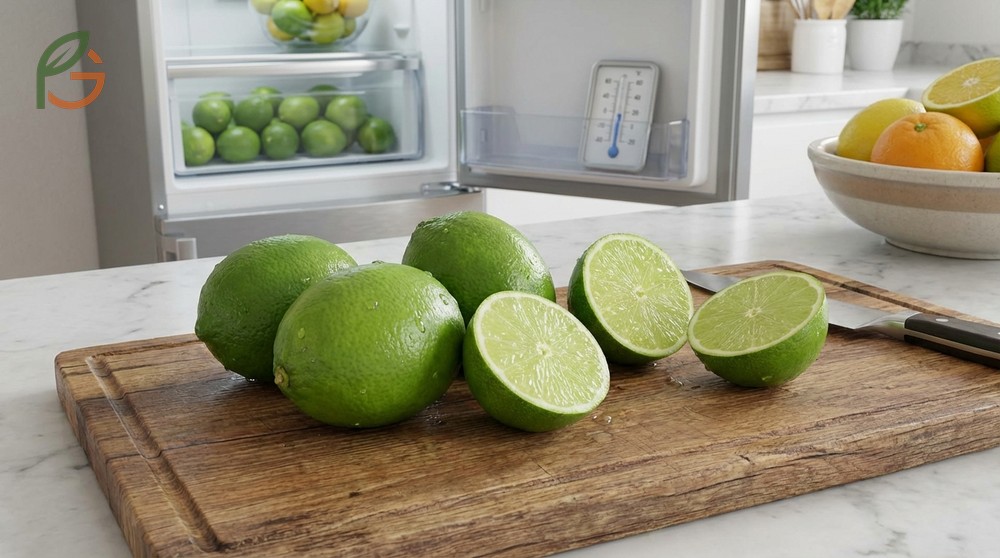
Persian limes (also called Tahiti or Bearss limes) dominate commercial citrus production in the United States. Growers favor them because the trees produce heavily, the fruit ships well, and consumers recognize the consistent size and shape. These advantages make Persian limes available year-round at reasonable prices.
The thicker rind protects the juice vesicles during handling and extends shelf life significantly. You can store Persian limes in the refrigerator for 2-3 weeks without quality loss. This durability transformed lime availability in regions far from growing areas.
Persian lime trees tolerate a broader range of conditions than Key limes. They’re more cold-hardy, more drought-resistant once established, and less prone to pest problems. This resilience makes them the better choice for novice citrus growers.
Cultivation Zones
Persian limes thrive in USDA hardiness zones 9-11, which covers most of coastal California, Florida, Texas, and the Deep South.[7] They prefer temperatures between 70-90°F (21-32°C) for vigorous growth and fruit production.[6] Container cultivation extends the growing range to zone 8 with winter protection.
Plant Persian lime trees in full sun locations receiving at least 6-8 hours of direct light daily. Position them 15-20 feet away from buildings and other trees to accommodate the mature canopy spread.[3] Avoid low-lying areas where cold air settles during winter nights.
- Choose sites with sandy loam or well-draining soil to prevent waterlogging
- Ensure soil pH between 6.0-8.0 for optimal nutrient uptake
- Mound planting areas to improve drainage in heavy soils
- Provide wind protection in exposed locations to prevent fruit drop
- Allow 15-20 feet spacing between trees for mature spread
- Test soil drainage by digging a hole and filling with water—it should drain within 24 hours
Cold Hardiness
Persian limes handle cold better than most citrus varieties. Leaf damage occurs when temperatures drop below 28°F (-3°C), trunk damage happens at 26°F (-3°C), and the tree dies below 24°F (-4°C).[3] This tolerance exceeds Key limes and Mexican limes significantly.
If you’re in zone 9a where occasional freezes happen, protect Persian lime trees during cold snaps. Cover the canopy with frost cloth when temperatures threaten to drop below 28°F (-3°C). Container-grown trees should move to a garage or enclosed porch during freeze warnings. The cold hardiness makes Persian limes viable for more U.S. gardeners than Key limes.
Cold Protection Tip: Bank mulch around the trunk base before winter and keep strings of outdoor lights in the canopy. Turn lights on during freezes—the heat output from incandescent bulbs can raise temperatures 2-4°F (1-2°C), enough to prevent damage.
Which Lime Is Better
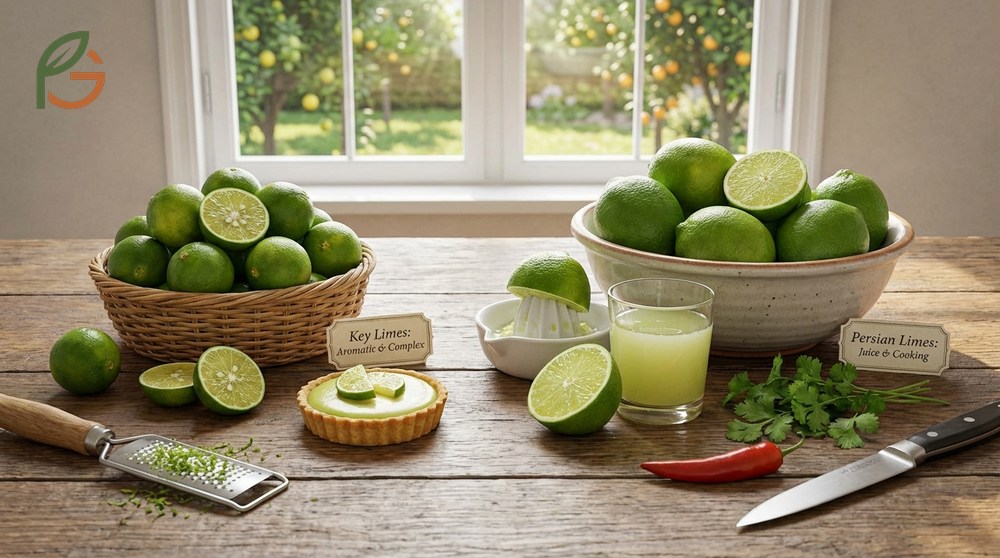
The better lime depends entirely on your intended use and growing conditions. Neither variety is objectively superior—they excel in different applications. Key limes win for aromatic desserts and situations where flavor complexity matters. Persian limes dominate for juice volume, convenience, and general cooking.
For home gardeners in borderline climates, Persian limes make more sense because they tolerate cold better and produce more usable fruit per tree. If you live in zone 10-11 with tropical conditions, growing both varieties gives you options for different recipes. Container growers should choose Persian limes for their more manageable size and higher productivity.
For Pie Making
Authentic Key lime pie demands Key limes for the signature flavor profile. The aromatic oils and subtle bitterness create the dessert’s characteristic taste that Persian limes can’t replicate.[1] Serious bakers notice the difference immediately in blind taste tests.
If you can’t find fresh Key limes, bottled Key lime juice works surprisingly well for pie. The heating process during baking reduces the aromatic differences between fresh and bottled juice. Studies show most people can’t distinguish pies made with fresh versus quality bottled Key lime juice once baked. Look for brands like Nellie & Joe’s that use 100% Key lime juice without added sugars or preservatives.
Persian limes produce an acceptable lime pie, just not an authentic Key lime pie. The result tastes more like a standard citrus custard—pleasant but missing the nuanced flavor that makes Key lime pie special. Save Persian limes for applications where straightforward tart citrus flavor works fine.
For Juice Extraction
Persian limes win decisively for juice applications. The 4-5x yield advantage over Key limes makes them the practical choice for cocktails, marinades, and cooking.[4] The seedless interior means faster juicing without the tedious seed removal step.
Most bartenders and chefs use Persian limes exclusively because the juice volume justifies the effort. One Persian lime yields 2-3 tablespoons of juice versus barely 1 teaspoon from a Key lime. This efficiency matters when you’re making drinks or dishes for multiple servings. The tart, straightforward flavor works better in savory applications anyway.
- Choose Persian limes for ceviche, guacamole, and other Latin dishes requiring volume
- Use Persian limes in margaritas, mojitos, and cocktails where juice quantity matters
- Pick Key limes only for recipes specifically calling for their aromatic character
- Select Persian limes for marinades and salad dressings needing substantial juice
- Opt for Persian limes in limeade and agua fresca where you need cups of juice
- Choose Key limes for citrus butter sauces where aroma enhances seafood dishes
Conclusion
The evidence is clear: key lime vs persian lime selection should match your specific needs rather than following a universal preference. Key limes deliver unmatched aromatic complexity for desserts and zest applications, while Persian limes provide superior juice yields and growing resilience for everyday use. Current cultivation guidance emphasizes that Persian limes suit most home gardeners in zones 9-11, while Key limes reward growers who prioritize flavor over convenience and can provide tropical conditions.
Agricultural research shows both varieties thrive with proper care in suitable climates. FruitGarden recommends starting with Persian limes if you’re new to citrus cultivation, then adding Key limes once you’ve mastered the basics and can dedicate attention to their more demanding requirements.
Frequently Asked Questions
Can I substitute Persian lime for Key lime in pie recipes?
You can substitute Persian limes, but the result won’t taste like authentic Key lime pie. Persian limes lack the aromatic complexity and subtle bitterness that define Key lime pie’s signature flavor. The pie will taste like a pleasant citrus custard rather than the distinctive dessert associated with Florida’s Keys. If you can’t find fresh Key limes, bottled Key lime juice preserves more of the authentic flavor than using Persian limes.
How many Key limes equal one Persian lime for juice?
You need approximately 4-5 Key limes to match the juice volume from one Persian lime. Key limes weigh only 0.75 ounces each and have lower moisture content, while Persian limes weigh 2-3 ounces with higher juice content. This 4-5x difference makes Persian limes far more efficient for recipes requiring substantial juice volume like marinades or cocktails.
Which lime tree is easier to grow in home gardens?
Persian lime trees are easier for home gardeners because they tolerate cold better, resist pests more effectively, and produce more fruit per tree. Persian limes survive temperatures down to 28°F (-3°C) before leaf damage occurs, while Key limes suffer below 50°F (10°C). Persian limes also grow more vigorously with less specialized care, making them the better choice for beginners.
Do Key limes taste sweeter than Persian limes?
Yes, Key limes taste sweeter and more aromatic than Persian limes, though both are acidic. Key limes have a complex sweet-tart flavor with floral notes and a slight bitterness, while Persian limes deliver a straightforward tart, acidic punch. This sweetness makes Key limes preferred for desserts and baked goods, whereas Persian limes work better in savory dishes and cocktails where tart flavor dominates.
Can I grow Key limes in USDA zone 8?
Key limes don’t survive outdoors in zone 8 because winter temperatures regularly drop below their 50°F (10°C) tolerance threshold. You can grow them in large containers and bring them indoors from November through March, placing them near south-facing windows with supplemental grow lights. Maintain indoor temperatures between 60-80°F (16-27°C) and use a humidifier to prevent leaf drop during the heating season.
Why are Persian limes seedless?
Persian limes are seedless because they’re triploid hybrids that produce sterile pollen and don’t self-pollinate. They only develop seeds if cross-pollinated by other citrus varieties planted nearby. Commercial growers and home gardeners maintain seedless fruit by planting Persian limes away from other citrus trees, ensuring the fruit remains seed-free for easier juicing and consumer preference.
What’s the best time to harvest Key limes versus Persian limes?
Harvest both lime varieties while still green for maximum acidity and juice content. Key limes turn yellow when fully ripe, signaling overmaturity for most culinary uses—pick them when dark green for optimal flavor. Persian limes remain green at maturity; harvest when they reach full size (6-7 cm diameter) and give slightly to gentle pressure. Both varieties taste best when picked slightly underripe rather than waiting for color change.





