
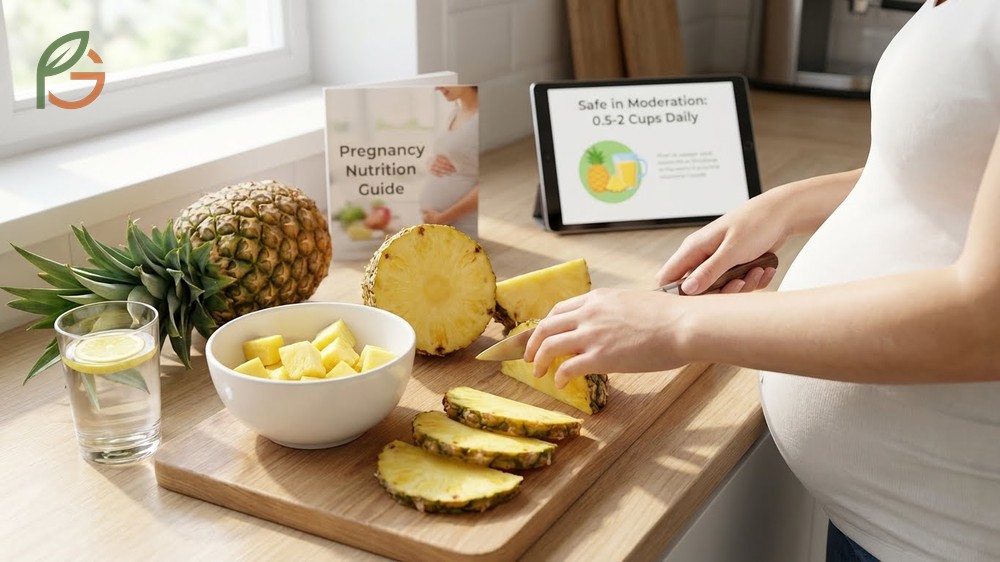
Is pineapple safe during pregnancy? Yes, when consumed in moderation. Research shows that normal pineapple intake (0.5-1 cup daily in the first trimester, 1-2 cups in later trimesters) provides essential nutrients without adverse effects[1]. Most concerns stem from bromelain, an enzyme concentrated in the core rather than the edible flesh that pregnant women typically consume. FruitGarden synthesizes current medical research and pregnancy nutrition data to help expectant mothers make informed decisions about tropical fruits.
Quick Answer
Is Pineapple Safe During Pregnancy
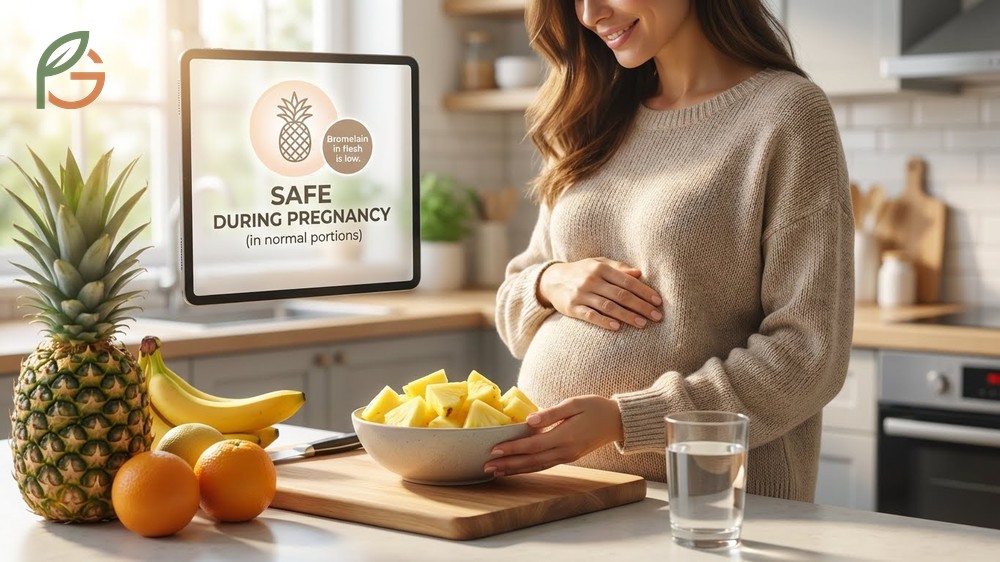
Current medical guidance confirms that pineapple is safe during pregnancy when you eat normal portions. The primary concern revolves around bromelain, a protein-digesting enzyme found in pineapple[1]. Studies demonstrate that the bromelain content in pineapple flesh—the part you actually eat—is too low to cause pregnancy complications.
Research shows that bromelain supplements can break down proteins and potentially lead to abnormal bleeding, which is why they’re not recommended during pregnancy[3]. However, the amount you get from eating fresh pineapple differs dramatically from concentrated supplements. The flesh contains minimal bromelain compared to the core and stem.
Evidence indicates that you’d need to consume unrealistic quantities—far beyond what most people can physically eat—to reach problematic bromelain levels. Medical professionals agree that incorporating pineapple into a balanced pregnancy diet poses no significant risk when consumed in recommended amounts.
Bromelain and Pregnancy Concerns
Bromelain concentration varies significantly across different parts of the pineapple plant. The core and stem contain the highest levels, while the edible flesh—what pregnant women typically consume—contains substantially less[3]. This explains why eating pineapple fruit is different from taking bromelain supplements or consuming core extracts.
Medical research distinguishes between pharmaceutical-grade bromelain and the enzyme naturally present in food. When you eat a serving of fresh pineapple, the bromelain passes through your digestive system and breaks down before it could affect your uterus. Direct application to tissue in laboratory settings—which some animal studies used—doesn’t replicate what happens when you eat the fruit normally.
Important Note: Discard the pineapple core and stem to minimize bromelain exposure. Stick to the yellow flesh and avoid incorporating cores into smoothies or juices during pregnancy.
Nutritional Benefits for Expectant Mothers
Pineapple delivers impressive nutritional value for pregnant women. One cup provides approximately 100% of your daily vitamin C requirement, supporting immune function and iron absorption[2]. Vitamin C also aids collagen production, which is essential for your baby’s developing bones, skin, and connective tissues.
Beyond vitamin C, pineapple contains vitamin B6, which plays a vital role in fetal brain development and nervous system formation. Adequate B6 intake helps alleviate morning sickness symptoms that many women experience in early pregnancy. The fruit also provides manganese, supporting bone development and metabolism regulation.
Is Pineapple Good for Pregnant Women
Pineapple offers multiple health advantages for expectant mothers when consumed as part of a varied diet. The fruit’s nutrient profile addresses several common pregnancy needs, from immune support to digestive comfort. Research demonstrates that tropical fruits like pineapple can help pregnant women meet increased nutritional demands without excessive calorie intake.
The natural fiber in pineapple supports digestive regularity, which matters because pregnancy hormones often slow digestion and lead to constipation. Most women find that combining pineapple with other fruits creates balanced nutrition throughout pregnancy.
Vitamin C and Immune Support
Vitamin C strengthens your immune system during pregnancy, helping you ward off common infections. This water-soluble vitamin also enhances iron absorption from plant-based foods, reducing anemia risk. Studies show that adequate vitamin C intake during pregnancy correlates with better birth outcomes and reduced preterm delivery rates.
The vitamin C in pineapple promotes healthy skin elasticity, potentially minimizing stretch marks as your body changes. It also supports wound healing, which becomes relevant during delivery and postpartum recovery.
- Strengthens immune response against infections
- Improves iron absorption from leafy greens and legumes
- Supports collagen production for fetal development
- Reduces oxidative stress on maternal tissues
- Aids in cellular repair and tissue regeneration
Digestive Health Benefits
Pregnancy often brings digestive challenges including bloating, gas, and constipation due to hormonal changes and uterine pressure on the digestive tract. Pineapple’s natural fiber content promotes regular bowel movements and supports beneficial gut bacteria. The small amount of bromelain in the flesh can help break down proteins in your diet, potentially easing digestion.
However, pineapple’s acidity means you should monitor your body’s response. If you experience heartburn—a common pregnancy symptom—you might need to limit acidic fruits or eat them with other foods to buffer the acid.
Heartburn Tip: If pineapple triggers reflux, try eating smaller portions with meals rather than on an empty stomach. Avoid eating it within 2-3 hours of bedtime to minimize nighttime discomfort.
Pineapple During Pregnancy by Trimester
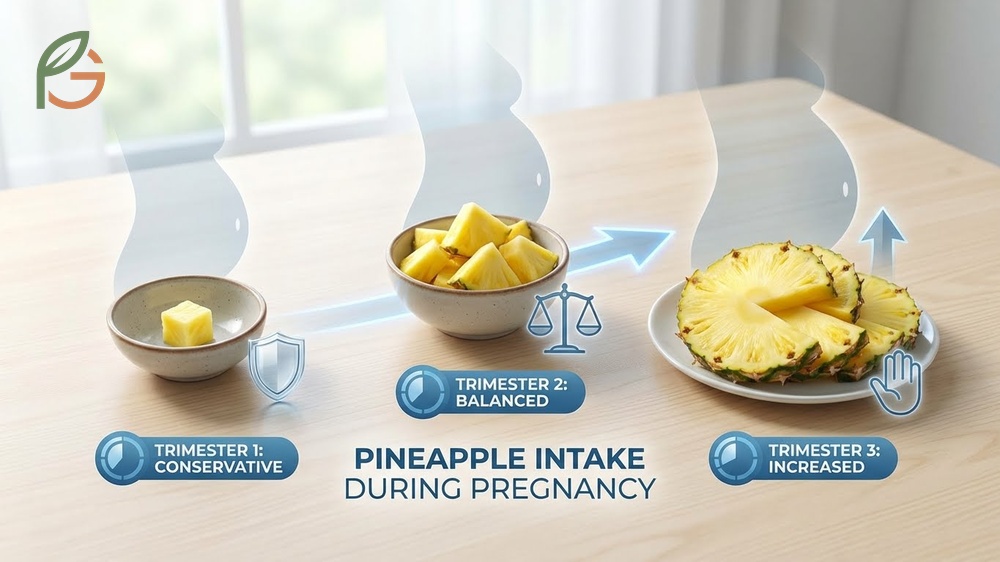
Recommended pineapple intake varies across pregnancy trimesters based on changing nutritional needs and potential sensitivities. Medical guidance suggests more conservative portions in the first trimester, with increased allowance as pregnancy progresses[4]. This approach balances nutritional benefits with cautious intake during the most vulnerable developmental period.
Understanding trimester-specific recommendations helps you incorporate pineapple safely throughout pregnancy. These guidelines account for fetal development stages, maternal digestive changes, and overall fruit and vegetable requirements.
First Trimester Guidelines
During the first trimester (weeks 1-13), limit pineapple intake to 0.5-1 cup per day[4]. This cautious approach reflects the critical organ development occurring during these early weeks. The embryo is most vulnerable to external factors during this period, though no evidence suggests that normal pineapple consumption causes harm.
First-trimester nutrition focuses on establishing healthy eating patterns while managing morning sickness. If pineapple helps settle your stomach or provides relief from nausea, small portions can be beneficial. The vitamin C supports early immune development in your growing baby.
Many women experience heightened taste sensitivities during early pregnancy. You might find pineapple’s sweet-tart flavor appealing when other foods seem unappealing. Listen to your body’s signals and adjust portion sizes based on your tolerance and digestive comfort.
Second and Third Trimester Recommendations
As you enter the second trimester (weeks 14-27) and continue through the third trimester (weeks 28-40), you can increase pineapple intake to 1-2 cups daily[4]. This adjustment aligns with increased fruit and vegetable recommendations as your baby grows. The USDA suggests 5-6.5 cups of combined fruits and vegetables daily during later pregnancy, depending on your height, weight, and activity level[1].
Second and third trimesters bring increased nutritional demands for fetal bone development, brain growth, and maternal blood volume expansion. Pineapple’s vitamin C aids iron absorption, which is particularly important as iron requirements nearly double during pregnancy. The fruit’s natural sweetness can satisfy sugar cravings in a more nutritious way than processed desserts.
During late pregnancy, digestive discomfort often intensifies due to the growing uterus compressing your stomach and intestines. Pineapple’s fiber can help maintain regularity, though you should balance this benefit against potential heartburn if you’re prone to reflux.
This table compares recommended daily pineapple portions, key benefits, and precautions across all three pregnancy trimesters
| Trimester | Daily Portion | Key Benefits | Precautions |
|---|---|---|---|
| First (Weeks 1-13) | 0.5-1 cup | Morning sickness relief, vitamin C for immune development | Most cautious period; avoid core and stem |
| Second (Weeks 14-27) | 1-2 cups | Iron absorption support, bone development nutrients | Monitor for heartburn if prone to reflux |
| Third (Weeks 28-40) | 1-2 cups | Digestive support, sustained energy from natural sugars | Balance with blood sugar monitoring if at risk for gestational diabetes |
Pineapple Labor Induction Myth
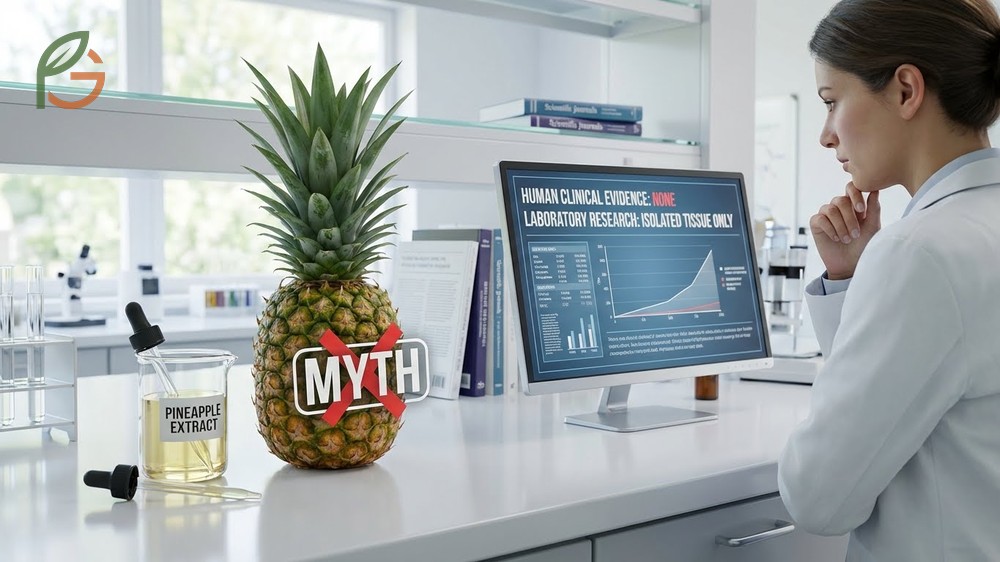
The belief that eating pineapple induces labor persists despite a complete lack of human clinical evidence. No studies with pregnant women demonstrate that consuming pineapple—in any amount—triggers labor or leads to miscarriage[5]. This myth likely originated from misinterpreting laboratory research involving isolated animal tissue.
Studies conducted on rat uterine tissue in laboratory dishes showed that pineapple extract could cause contractions when applied directly to the tissue. A 2016 study also tested pineapple extracts on human uterine tissue samples obtained from women having cesarean sections. The extract did induce contractions in the isolated tissue[5]. However, these laboratory conditions don’t replicate what happens when you eat pineapple.
When you consume pineapple normally, the bromelain gets broken down by your digestive system. The enzyme doesn’t reach your uterus in its active form. Even in animal studies where contractions occurred, researchers observed uterine contractions but no actual labor progression. The contractions didn’t lead to delivery or speed up the birth process.
Current medical consensus treats pineapple for labor induction as an evidence-free practice. While eating pineapple at term isn’t harmful, don’t expect it to kickstart labor. If you’re past your due date and seeking natural methods to encourage labor, consult your healthcare provider about evidence-based approaches rather than relying on fruit consumption.
- Zero human clinical trials support pineapple causing labor onset
- Laboratory tissue studies don’t translate to eating pineapple normally
- Digestive breakdown prevents bromelain from reaching the uterus in active form
- Animal studies showed contractions but no actual labor progression
- Medical organizations don’t recommend pineapple as a labor induction method
Foods to Enjoy and Avoid
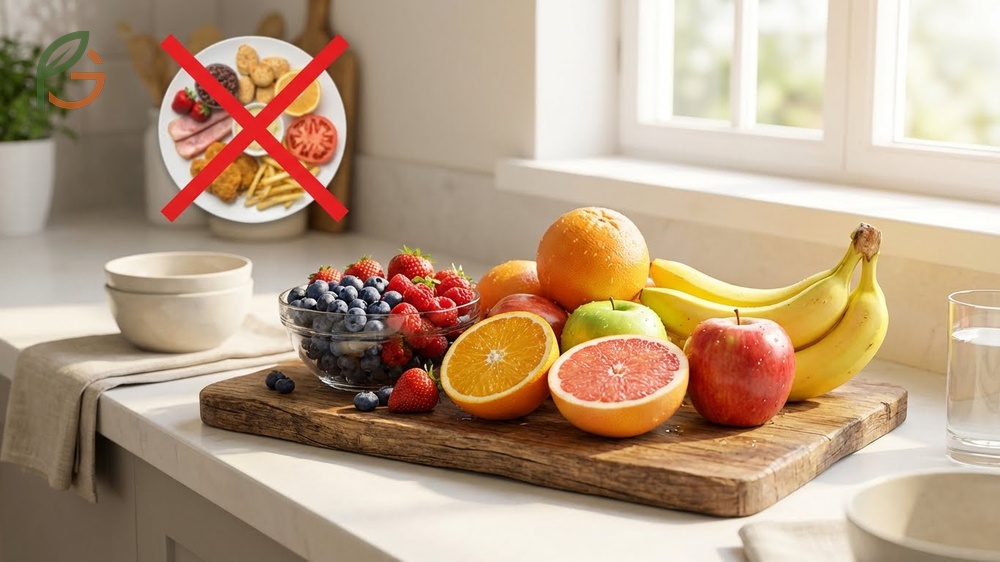
Pregnancy nutrition extends beyond pineapple to encompass a diverse range of safe fruits and foods to avoid. Understanding which foods provide optimal nutrition helps you build a balanced diet that supports both your health and your baby’s development. Most fresh fruits are safe and beneficial during pregnancy when washed thoroughly.
Safe fruits for pregnancy include berries (blueberries, strawberries, raspberries), citrus fruits (oranges, grapefruits), apples, bananas, mangoes, kiwis, and pomegranates. These fruits provide essential vitamins, fiber, and antioxidants without safety concerns. Avocados offer healthy fats crucial for fetal brain development.
Foods to avoid during pregnancy include raw or undercooked meat, fish high in mercury (shark, swordfish, king mackerel), unpasteurized dairy products, raw eggs, deli meats unless heated to steaming, and unwashed produce. These items carry risks of foodborne illness or contain substances that could harm fetal development.
- Berries: High in vitamin C, fiber, and folate for sustained energy
- Citrus fruits: Support immune function and iron absorption
- Bananas: Provide potassium for blood pressure and fluid balance
- Avocados: Rich in healthy fats, folate, and vitamin C
- Mangoes: Excellent vitamin A source for fetal development
- Watermelon: Helps with hydration and reduces cramping
Food Safety Reminder: Always wash fresh fruits thoroughly before eating to remove potential bacteria and pesticide residues. Choose organic options when possible for fruits you eat with the skin on.
Conclusion
The evidence is clear: is pineapple safe during pregnancy—yes, when you follow trimester-specific portion guidelines and avoid the core. Research demonstrates that normal pineapple consumption provides valuable vitamin C and fiber without the risks suggested by persistent myths. Current medical guidance emphasizes moderation, with 0.5-1 cup daily in the first trimester and 1-2 cups in later trimesters offering optimal nutritional benefits.
FruitGarden encourages expectant mothers to incorporate diverse fruits into their pregnancy diet based on current nutritional research. Listen to your body’s signals, adjust portions if you experience heartburn, and consult your healthcare provider about any specific dietary concerns related to your individual pregnancy needs.
Medical Disclaimer
Important Medical Disclaimer: This content is for informational and educational purposes only. It is not intended as a substitute for professional medical advice, diagnosis, or treatment. Always consult a qualified healthcare professional before making any changes to your diet, medication, or health routine during pregnancy. Individual nutritional needs vary based on health conditions, trimester, and other factors that only your doctor can properly assess. If you have gestational diabetes, bleeding disorders, or other pregnancy complications, discuss pineapple consumption with your obstetrician before including it in your diet.
Frequently Asked Questions
Can I eat pineapple in my first trimester?
Yes, you can eat pineapple in the first trimester. Medical guidelines recommend limiting intake to 0.5-1 cup daily during weeks 1-13. This conservative approach accounts for early fetal development while still providing beneficial vitamin C and nutrients. Avoid the pineapple core and stem, which contain higher bromelain concentrations.
Does pineapple juice have the same effects as fresh pineapple during pregnancy?
Fresh pineapple is preferable to juice during pregnancy. Juice concentrates the natural sugars while removing beneficial fiber, potentially causing blood sugar spikes. If you drink pineapple juice, choose 100% juice without added sugars and limit portions to 4-6 ounces daily. Fresh fruit provides better satiety and more complete nutrition.
Is pineapple safe during the third trimester?
Pineapple is safe during the third trimester in 1-2 cup daily portions. Despite myths about labor induction, no evidence shows that eating pineapple triggers labor or causes complications in late pregnancy. The fruit provides valuable vitamin C and fiber that support maternal health and fetal development throughout the final trimester.
Can pineapple help with implantation or early pregnancy?
No scientific evidence supports eating pineapple core or other parts for implantation support. This myth stems from misunderstanding bromelain’s anti-inflammatory properties. The enzyme in edible pineapple flesh is too minimal to affect implantation, and the core contains higher bromelain levels that could potentially cause digestive upset rather than benefit early pregnancy.
Should I avoid pineapple if I have gestational diabetes?
Women with gestational diabetes should limit pineapple due to its natural sugar content. One cup contains approximately 16 grams of sugar, which can impact blood glucose levels. If you have gestational diabetes, discuss appropriate portions with your doctor or dietitian. Pairing small amounts of pineapple with protein sources can help moderate blood sugar responses.
Can eating pineapple cause miscarriage?
No credible evidence indicates that eating normal amounts of pineapple causes miscarriage. This myth persists despite the lack of any human studies showing this connection. The bromelain content in pineapple flesh is far too low to affect pregnancy outcomes. Miscarriages occur due to chromosomal abnormalities and other medical factors, not from consuming pineapple in typical dietary amounts.
Is pineapple beneficial while breastfeeding?
Yes, pineapple is safe and beneficial during breastfeeding. The vitamin C supports immune function for both you and your baby, while the fruit’s hydration content aids milk production. Some babies may react to acidic foods in breast milk with temporary fussiness, but this is uncommon. Most nursing mothers can enjoy pineapple without issues or dietary restrictions.





