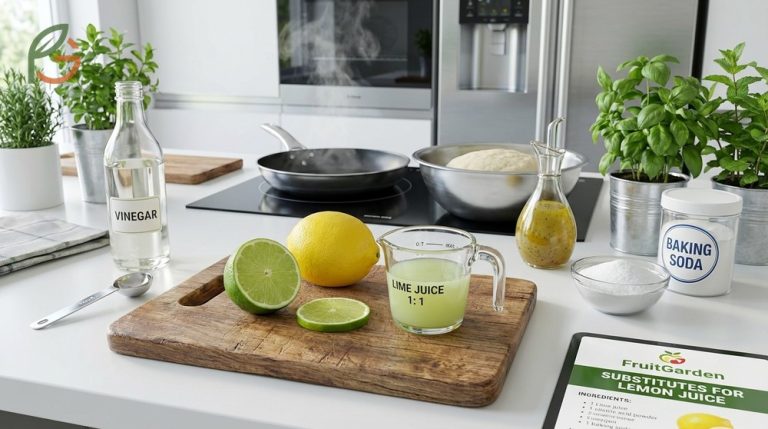
Substitute for Lemon Juice: Best Alternatives for Cooking
Looking for a substitute for lemon juice? Lime juice works 1:1, vinegar at 1/2 ratio, and citric acid (1/4 tsp = 1 tbsp). Get exact ratios f…

Looking for a substitute for lemon juice? Lime juice works 1:1, vinegar at 1/2 ratio, and citric acid (1/4 tsp = 1 tbsp). Get exact ratios f…

Side effects of lemon water for female include tooth enamel erosion, bladder irritation, and GERD symptoms. Research shows these risks affec…
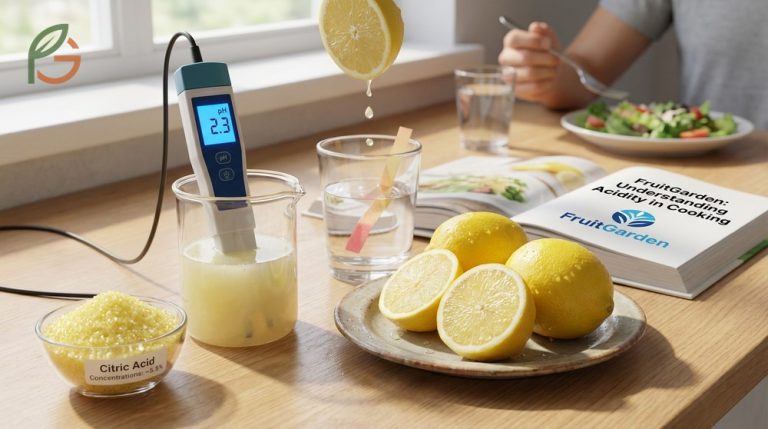
pH of lemon juice ranges from 2.0-2.6, making it highly acidic. Learn how lemon juice's acidity affects cooking, health, and why it turns al…
Nutritional value of lemon includes 53mg vitamin C per 100g, only 29 calories, and 2.8g fiber. Learn complete lemon nutrition facts, health …
Meyer lemon vs regular lemon: Meyer lemons are sweeter with floral notes (pH 2.6), while regular lemons are tart and acidic (pH 2.3). Learn …
Lemon water vs apple cider vinegar: which morning drink wins? Research shows ACV offers stronger weight loss and blood sugar benefits, while…
Lemon water in the morning works best when warm. Research shows warm water (68-79°F) preserves vitamin C and boosts digestion better than co…
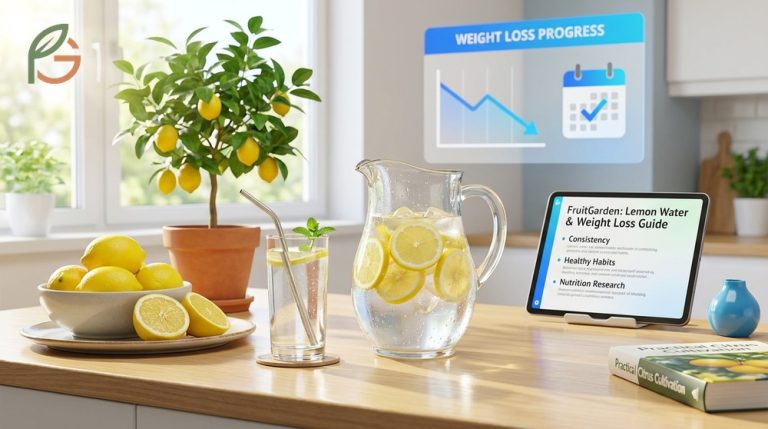
Lemon water for weight loss can help you shed 1-4kg in just 3 weeks. Discover detox recipes with cayenne pepper, apple cider vinegar, and ch…
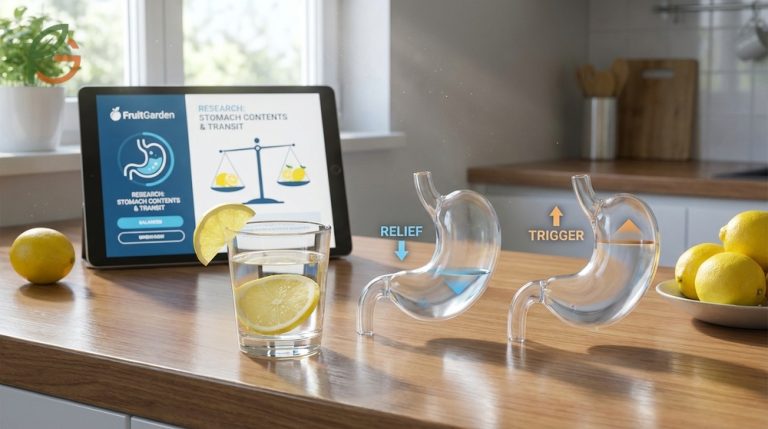
Lemon water for acid reflux may help or worsen symptoms. Research shows mixed results—citric acid triggers reflux in some, while speeding di…

Lemon water during pregnancy is safe when consumed in moderation. Research shows it relieves nausea, boosts hydration, and provides vitamin …