
Dragon fruit nutrition facts show this tropical cactus fruit delivers impressive health benefits with minimal calories. Research demonstrates that 100 grams contains just 60 calories, 3 grams of fiber[1], and a low glycemic index of 48-52[2], making it suitable for diabetes management and weight loss. FruitGarden synthesizes current agricultural research and nutritional data to help you understand this exotic fruit’s role in a healthy diet.
Quick Answer
- Dragon fruit contains 60 calories[1] and 3g fiber[1] per 100-gram serving
- Low glycemic index of 48-52[2] makes it safe for people with diabetes when eaten in moderation
- Contains 13g carbohydrates[1] with a low glycemic load of 4-6[2]
- Rich in antioxidants including betalains, flavonoids, and vitamin C for immune support[3]
Dragon Fruit Nutrition Facts

Dragon fruit, also called pitaya, delivers essential nutrients without excess calories. Studies show that a 100-gram serving provides 60 calories[1], making it one of the lowest-calorie tropical fruits available. White-fleshed varieties contain 9.5g carbohydrates, while red-fleshed types have 11.2g[1].
The fruit’s moisture content exceeds 85%[1], keeping you hydrated while providing minerals like potassium, magnesium, and iron. This hydration factor helps with digestion and nutrient absorption throughout your body.
When you compare dragon fruit to other tropical options, it stands out for weight management. It contains fewer carbs than bananas (22.8g per 100g)[1] or mangoes (15g per 100g)[1]. The naturally sweet taste comes from glucose and fructose, with minimal impact on blood sugar spikes.
This table compares calories, protein, carbohydrates, and fiber content per 100g between white dragon fruit, red dragon fruit, and common tropical fruits like banana and mango
| Fruit | Calories (kcal) | Protein (g) | Carbs (g) | Fiber (g) |
|---|---|---|---|---|
| White Dragon Fruit | 60[1] | 0.5[1] | 9.5[1] | 0.3[1] |
| Red Dragon Fruit | 60[1] | 1.1[1] | 11.2[1] | 0.9[1] |
| Banana | 89[1] | 1.1[1] | 22.8[1] | 2.6[1] |
| Mango | 795[1] | 0.4[1] | 15.0[1] | 1.1[1] |
Calories in Dragon Fruit
A typical serving of dragon fruit (150g or half a fruit) contains approximately 90 calories. This low-calorie profile makes it an excellent snack for calorie-conscious diets without sacrificing nutritional value.
White-fleshed varieties have slightly fewer calories than red-fleshed types, though the difference is minimal. Both varieties provide energy primarily from natural sugars and carbohydrates rather than fats or proteins.
Portion Control Tip: If you’re tracking calories, weigh your dragon fruit after removing the peel. A medium fruit typically yields 200-250g of edible flesh, providing 120-150 total calories.
Protein in Dragon Fruit
Dragon fruit isn’t a significant protein source. Research shows white varieties contain 0.5g protein per 100g[1], while red varieties offer 1.1g[1]. For breakfast or snacks, pair it with Greek yogurt or nuts to increase protein intake.
The seeds contain small amounts of essential amino acids that support muscle maintenance. While you won’t rely on dragon fruit for daily protein needs, its amino acid profile complements protein-rich foods in balanced meals.
Carbs in Dragon Fruit
Most of dragon fruit’s calories come from carbohydrates. Studies indicate that 100g contains 9.5-11.2g total carbs, with about 8-9g from natural sugars[1]. Glucose dominates the sugar profile, followed by fructose and trace amounts of sorbitol.
Net carbs (total carbs minus fiber) range from 6-8g per 100g serving. This makes dragon fruit unsuitable for strict keto diets but acceptable for moderate low-carb eating plans.
Dragon Fruit and Diabetes

Current evidence suggests dragon fruit is safe for people with diabetes when consumed in appropriate portions. The combination of low glycemic index[2], fiber content[1], and antioxidant compounds[3] helps regulate blood sugar responses. Research on metabolic disorders shows that dragon fruit extracts improved glucose homeostasis in animal models[4].
Studies demonstrate that bioactive compounds in dragon fruit, particularly phenolic acids and flavonoids, may enhance insulin sensitivity over time[2]. These compounds help cells respond more effectively to insulin, potentially reducing blood sugar fluctuations throughout the day.
Most people with diabetes tolerate 100-150g servings without blood sugar spikes. Eating dragon fruit as part of a balanced meal—rather than alone—slows sugar absorption and minimizes glucose rises.
Dragon Fruit Glycemic Index
Dragon fruit’s glycemic index ranges from 48-52[2], placing it firmly in the low-GI category (foods scoring below 55). White-fleshed varieties typically score around 48[5], while red-fleshed types may reach 52[5]. This low GI means dragon fruit causes gradual blood sugar increases rather than sudden spikes.
The glycemic load (GL), which accounts for portion size, stays between 4-6 per 100g serving[2]. Foods with GL below 10 are considered low-impact, making dragon fruit an excellent choice for blood sugar management.
- Ripeness affects GI—fully ripe fruits have slightly higher sugar content but still maintain low-GI status
- Eating dragon fruit with protein or healthy fats further reduces glycemic impact
- Frozen dragon fruit maintains similar GI values to fresh varieties
- Processing into juice increases GI by removing fiber and concentrating sugars
- Individual responses vary based on metabolism, activity level, and overall diet composition
Fiber in Dragon Fruit
Fiber content varies between dragon fruit varieties. Studies show white varieties contain 0.3g fiber per 100g[1], while red types provide 0.9g[1]. Other sources report higher amounts at 3g per 100g[6], likely due to testing methodology differences and seed inclusion.
The fiber in dragon fruit is primarily soluble, which slows digestion and helps stabilize blood sugar. This type of fiber also feeds beneficial gut bacteria, supporting digestive health and immune function.
Maximize Fiber Benefits: Eat dragon fruit with its tiny black seeds intact. These edible seeds contribute omega-3 fatty acids and additional fiber that enhance the fruit’s nutritional profile.
Dragon Fruit for Weight Loss
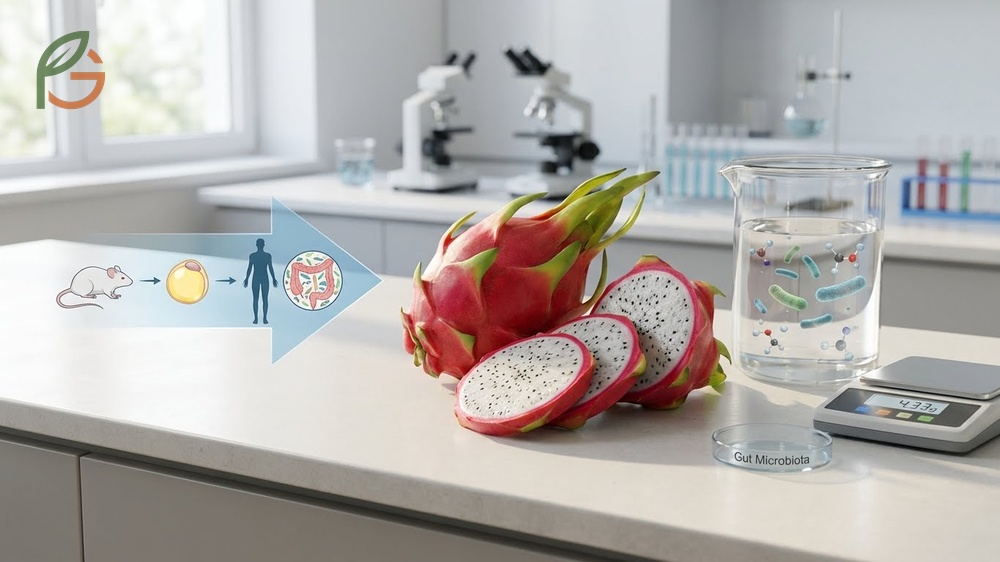
Research demonstrates that dragon fruit supports weight loss through multiple mechanisms. A 20-week study on high-fat diet-induced obesity in mice found that red dragon fruit extracts reduced body weight by 4.33g and decreased body fat percentage[4]. The fruit’s bioactive components improved lipid metabolism and altered gut microbiota to enhance beneficial bacteria and short-chain fatty acids[4].
Low calorie density makes dragon fruit an ideal snack for weight management. At 60 calories per 100g[1], you can eat satisfying portions without exceeding daily calorie targets. The high water content (over 85%)[1] creates fullness that reduces cravings between meals.
Dragon fruit’s fiber content, though moderate, slows stomach emptying and prolongs satiety. Studies indicate that dragon fruit juice supplementation for 8 weeks in rats on high-carb, high-fat diets resulted in improved liver enzyme profiles[7], suggesting protective effects during weight loss.
- Replace high-calorie desserts with chilled dragon fruit cubes for a naturally sweet treat under 100 calories
- Add dragon fruit to breakfast smoothies with protein powder to create filling 200-calorie meals
- Use dragon fruit in salads with lean proteins for volume without excess calories
- Freeze dragon fruit chunks as low-calorie ice cream alternatives during summer months
- Pair dragon fruit with cottage cheese or Greek yogurt for balanced snacks that control hunger for 3-4 hours
Weight Loss Strategy: Timing matters more than quantity. Eating dragon fruit in the morning or early afternoon provides energy when you need it most, while evening consumption may lead to unused calories stored as fat.
Dragon Fruit Vitamin C Content

Dragon fruit provides modest vitamin C levels compared to citrus fruits. Research shows 100g supplies approximately 5.6mg vitamin C[1], representing 5% of the recommended daily intake[6]. While this falls below oranges (53mg per 100g) or kiwis (93mg per 100g), it still contributes to daily antioxidant needs.
Vitamin C in dragon fruit works synergistically with other antioxidants to enhance immune function and iron absorption. The combination of vitamin C with flavonoids and betalains creates a more powerful antioxidant effect than vitamin C alone.
Storage and preparation affect vitamin C retention. Fresh, raw dragon fruit maintains maximum vitamin C content, while heat processing or prolonged storage reduces levels. Consume within 3-5 days of purchase for optimal nutrient preservation.
Dragon Fruit Antioxidants
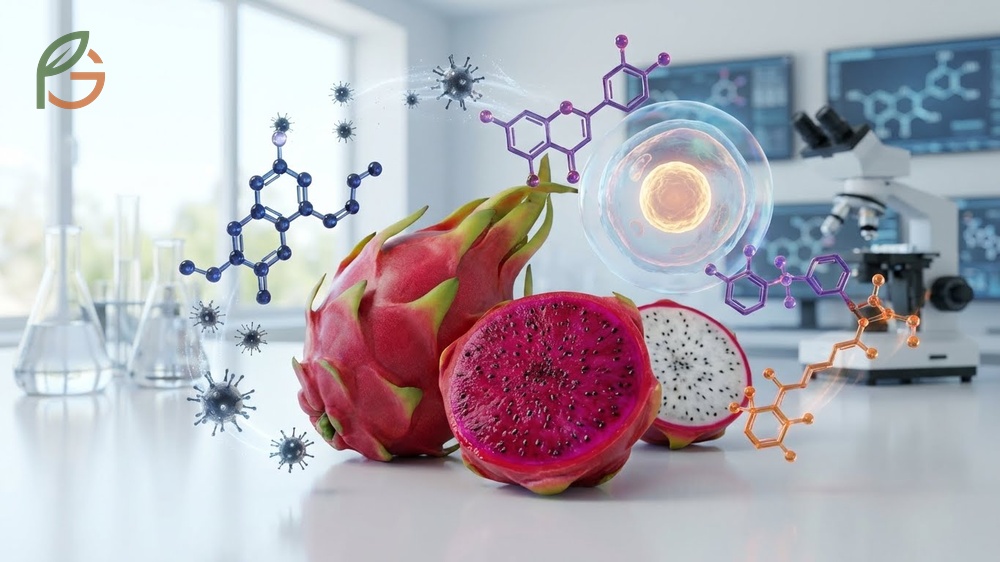
Dragon fruit contains diverse antioxidant compounds that protect cells from oxidative damage. Scientific reviews identify phenolic acids, flavonoids, betalains, and carotenoids as primary antioxidants[3]. These compounds neutralize free radicals that otherwise damage DNA, proteins, and cell membranes.
Red-fleshed dragon fruit demonstrates higher antioxidant activity than white varieties due to betacyanin pigments[1]. Studies using DPPH and FRAP assays confirm that dragon fruit peel contains even more antioxidants than the flesh, though most people discard the peel.
Research demonstrates that dragon fruit’s antioxidant capacity depends on extraction methods and temperature. Methanolic extraction yields 48.2mg GAE per 100g phenolic content[1], while heat treatment from 50-90°C doubles total phenolic content by activating bound compounds.
- Betalains provide anti-inflammatory effects and protect against chronic disease development
- Quercetin and catechin flavonoids reduce inflammation markers and support cardiovascular health
- Lycopene in red varieties offers anti-cancer properties and protects skin from UV damage
- Gallic acid demonstrates anti-obesity and anti-diabetic activities in laboratory studies
- Anthocyanins contribute to the fruit’s vibrant color while providing neuroprotective benefits
Conclusion
The evidence is clear: dragon fruit nutrition facts support its role in healthy eating patterns for weight management and diabetes control. With 60 calories per 100g[1], a low glycemic index of 48-52[2], and powerful antioxidants[3], this exotic fruit delivers nutrients without excess calories or blood sugar spikes.
Current guidance emphasizes whole fruit consumption over juices to preserve fiber and maintain low glycemic responses. FruitGarden compiles research-based nutrition data to help home gardeners and fruit enthusiasts make informed choices about growing and consuming tropical fruits like dragon fruit.
Medical Disclaimer
Important Medical Disclaimer: This content is for informational and educational purposes only. It is not intended as a substitute for professional medical advice, diagnosis, or treatment. Always consult a qualified healthcare professional before making any changes to your diet, medication, or health routine, especially if you have diabetes or other medical conditions. Individual nutritional needs vary based on age, activity level, and health status.
Frequently Asked Questions
How many calories in dragon fruit?
Research shows 100 grams of dragon fruit contains 60 calories, making it one of the lowest-calorie tropical fruits. A typical half-fruit serving (150g) provides approximately 90 calories. Both white and red varieties have similar calorie content despite differences in appearance.
Is dragon fruit good for diabetes?
Yes, dragon fruit is generally safe for people with diabetes when eaten in moderation. Studies confirm a low glycemic index of 48-52 and glycemic load of 4-6, which minimize blood sugar spikes. The fiber content and antioxidant compounds may improve insulin sensitivity over time, though individual responses vary.
What is the nutritional value of dragon fruit?
Dragon fruit provides 60 calories, 13g carbohydrates, 3g fiber, and 0.5-1.1g protein per 100g. It supplies minerals including potassium (399mg), magnesium (27-39mg), and iron, plus modest vitamin C (5.6mg). The fruit also contains powerful antioxidants like betalains, flavonoids, and phenolic acids.
Is dragon fruit good for weight loss?
Dragon fruit supports weight loss through low calorie density (60 calories per 100g) and high water content (over 85%). Animal studies demonstrate that dragon fruit extracts reduced body weight by 4.33g and improved fat metabolism. The fiber content promotes fullness, though portion control remains important.
How many carbs are in dragon fruit?
Dragon fruit contains 9.5-11.2g total carbohydrates per 100g, with white varieties having slightly less than red types. Approximately 8-9g comes from natural sugars (glucose and fructose), while fiber accounts for 0.3-3g depending on variety and testing methods. Net carbs range from 6-8g per serving.
What is the sugar content in dragon fruit?
Dragon fruit contains approximately 8-9g sugar per 100g, primarily glucose followed by fructose and trace sorbitol. This represents lower sugar content than bananas (12.2g) or mangoes (13.7g). The natural sugars don’t cause rapid blood sugar increases due to the fruit’s low glycemic index and fiber content.
How much fiber is in dragon fruit?
Fiber content varies by variety and testing method. White dragon fruit contains 0.3g fiber per 100g, while red types provide 0.9g. Some sources report up to 3g per 100g when including seeds and using different measurement protocols. The soluble fiber supports digestive health and blood sugar regulation.