
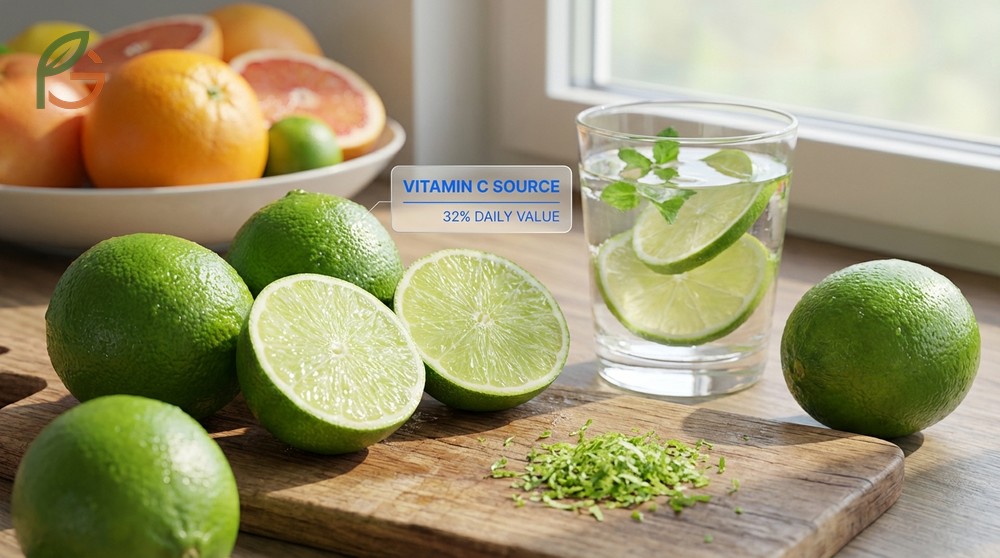
Do limes have vitamin C? Yes, absolutely. Research shows one medium lime delivers approximately 32% of your daily vitamin C requirement[1], making these small citrus fruits a concentrated source of this essential nutrient. While they’re smaller than lemons, limes pack powerful antioxidants and bioactive compounds that support immunity, skin health, and overall wellness. At FruitGarden, we bring you evidence-based insights into fruit nutrition to help home gardeners and health-conscious readers make informed choices.
Quick Answer
- One whole lime (2-inch diameter) contains 29-30mg of vitamin C[1], which is 32% of the daily value
- Fresh lime juice from one fruit provides 22% of daily vitamin C needs[1]
- Limes contain powerful antioxidants including flavonoids, limonoids, and quercetin[2]
- This vitamin C content supports collagen production, immune function, and protects cells from oxidative stress
Do Limes Have Vitamin C
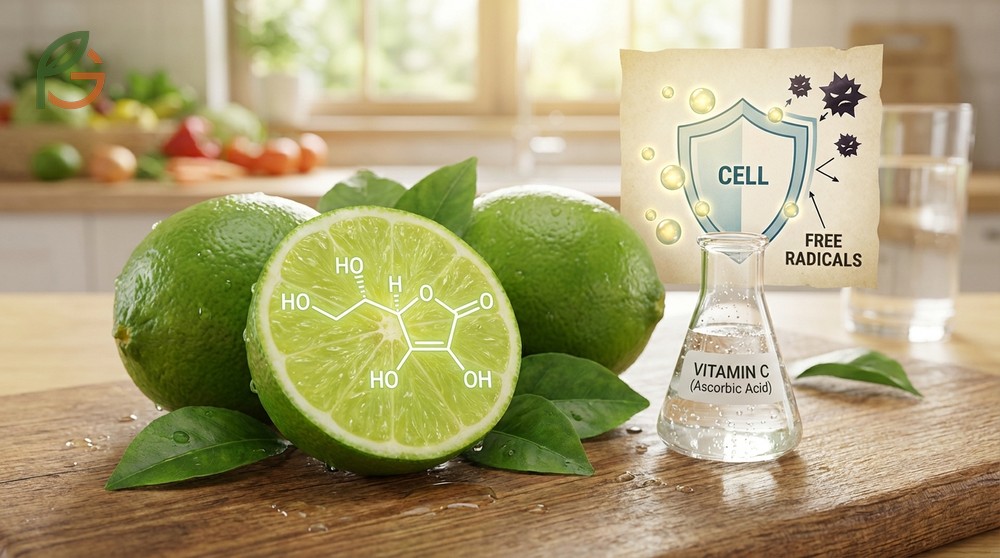
Limes are packed with vitamin C, also known as ascorbic acid. A single medium-sized lime with a 2-inch diameter delivers about 29.1mg of vitamin C[1], which represents roughly one-third of what adults need daily. This makes limes one of the most concentrated natural sources of this water-soluble vitamin.
Current data indicates that vitamin C plays multiple roles in human health. It acts as a powerful antioxidant, protecting cells from free radical damage linked to chronic diseases like heart disease and diabetes[2]. The vitamin also regulates immune function by supporting the gut’s protective lining and helping white blood cells function properly.
Historical evidence demonstrates vitamin C’s importance through scurvy prevention. In 1747, naval surgeon James Lind conducted one of the first controlled clinical trials, proving that citrus fruits effectively treated and prevented scurvy among sailors[3]. This discovery revolutionized maritime health and established citrus fruits as essential nutritional interventions.
Daily Value Breakdown
The recommended daily intake of vitamin C for adults is 90mg for men and 75mg for women according to current nutritional guidelines. One whole lime provides between 29-32% of these daily requirements[1]. Pregnant women need 85mg daily, while breastfeeding mothers require 120mg.
If you’re using just the juice, you’ll get slightly less. The juice from one lime contains approximately 22% of your daily vitamin C needs[1]. This is still significant, especially when you consider how easily lime juice can be added to water, teas, or recipes throughout the day.
Important Note: Vitamin C degrades when exposed to heat, light, and air. For maximum nutrient retention, use fresh lime juice immediately after squeezing rather than storing it for extended periods.
Bioavailability and Absorption
Research shows that vitamin C from whole fruits like limes is highly bioavailable, meaning your body can absorb and use it efficiently. Unlike synthetic supplements, whole limes provide vitamin C alongside other beneficial compounds including flavonoids and fiber that may enhance absorption and provide additional health benefits.
Your body can’t store vitamin C for long periods since it’s water-soluble. Excess amounts are excreted through urine within hours. This means you need regular daily intake from foods like limes to maintain optimal levels.
How Much Vitamin C in a Lime

The exact vitamin C content in limes varies based on size, variety, and ripeness. Studies demonstrate that one cup of raw lime juice contains approximately 72.6mg of vitamin C[4], according to USDA nutritional data. This makes lime juice nearly as vitamin C-rich as orange juice when compared ounce for ounce.
Most people don’t consume whole cups of lime juice at once. For practical daily use, one tablespoon of fresh lime juice provides roughly 4-5mg of vitamin C. Adding two tablespoons to your morning water gives you about 10% of your daily requirement—a simple way to boost intake.
This table compares vitamin C content and percentage of daily value across different lime serving sizes from one tablespoon to one whole fruit.
| Portion | Vitamin C (mg) | % Daily Value | Common Uses |
|---|---|---|---|
| 1 tablespoon juice | 4-5mg | 5-6% | Salad dressing, marinades |
| 2 tablespoons juice | 8-10mg | 10-12% | Morning water, tea |
| Juice from 1 lime | 18-20mg[1] | 22% | Cocktails, recipes |
| 1 whole lime | 29-30mg[1] | 32% | Complete fruit consumption |
| 1 cup lime juice | 72.6mg[4] | 80-97% | Beverages, preserves |
- Ripeness level – Fully ripe limes contain peak vitamin C concentrations, while overripe fruits show degradation
- Storage conditions – Refrigerated limes retain vitamin C longer than those stored at room temperature
- Time since harvest – Vitamin C content gradually decreases after picking, with 10-25% loss possible within a week
- Variety differences – Persian limes (most common in US) contain slightly more vitamin C than Key limes
- Growing conditions – Limes grown in optimal tropical conditions with adequate sunlight tend to have higher vitamin C levels
Vitamin C in Lime vs Lemon

While both limes and lemons are excellent vitamin C sources, lemons edge ahead nutritionally. Evidence shows that lemons contain approximately twice as much vitamin C as limes[5] when compared gram for gram. A medium lemon typically provides 50-60mg of vitamin C, compared to a lime’s 29-30mg.
This difference explains historical maritime choices. British sailors were originally given lemons for scurvy prevention during long voyages. When the navy later switched to cheaper West Indian limes, they noticed reduced effectiveness since limes contained significantly less vitamin C[6]. This substitution contributed to the British sailors’ nickname “limeys.”
Despite lower vitamin C levels, limes offer other advantages. They contain approximately twice as much vitamin A as lemons[5] and provide slightly higher amounts of certain minerals including calcium and copper. Both fruits remain alkaline-forming in the body despite their acidic taste, with lemons being slightly more alkalizing.
This table compares nutritional content between limes and lemons including vitamin C, vitamin A, acidity levels, and key mineral differences.
| Nutrient | Lime | Lemon | Winner |
|---|---|---|---|
| Vitamin C | 29mg | 53mg[5] | Lemon (2x more) |
| Vitamin A | 50 IU[5] | 22 IU | Lime (2x more) |
| Citric acid | Lower concentration | Higher concentration | Lemon (more acidic) |
| Calcium | 33mg | 26mg | Lime |
| pH level | 2.0-2.4 | 2.0-2.6 | Similar |
Practical Tip: Don’t choose between limes and lemons based solely on vitamin C. Both fruits offer unique flavor profiles and nutritional benefits. Rotate between them to enjoy diverse phytonutrients and antioxidants.
Lime Nutrition Facts
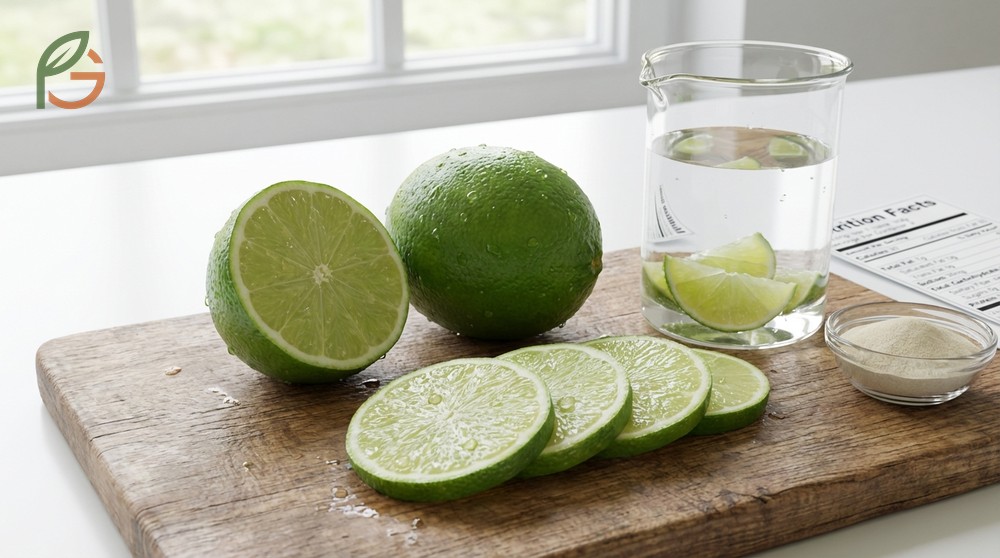
Beyond vitamin C, limes provide a well-rounded nutritional profile with minimal calories. One medium lime (approximately 67 grams) contains only 20 calories, making it an excellent choice for flavor enhancement without significant caloric impact. The fruit consists of about 88% water, which contributes to its refreshing quality and hydration benefits.
Limes deliver these nutrients with virtually no fat and minimal natural sugars. This combination makes them suitable for various dietary approaches, including low-carb, ketogenic, and diabetic-friendly eating patterns when used in moderation.
Macronutrient Profile
One whole lime provides approximately 7 grams of carbohydrates, with nearly 2 grams coming from dietary fiber. This fiber content supports digestive health and helps slow sugar absorption. The remaining carbohydrates include about 1.1 grams of natural sugars, primarily fructose and glucose.
Protein content in limes is minimal at 0.5 grams per fruit, and fat content is negligible at less than 0.1 grams. The low calorie and carbohydrate profile means limes won’t significantly impact blood sugar levels when consumed in typical quantities like juice from one or two fruits.
Micronutrients and Minerals
Beyond their impressive vitamin C content, limes supply several essential micronutrients. They contain small but meaningful amounts of folate (vitamin B9), which supports cell division and DNA synthesis. Studies show that limes also provide vitamin B6, potassium, and trace amounts of calcium and iron.
The potassium in limes—about 68mg per fruit—supports heart function and helps regulate blood pressure. While this represents only 2% of daily potassium needs, every bit contributes to overall intake, especially for those monitoring cardiovascular health.
- Calories: 20 kcal – minimal energy contribution suitable for calorie-conscious diets
- Protein: 0.5g – trace amounts insufficient for protein goals
- Carbohydrates: 7g total, with 1.9g fiber and 1.1g natural sugars
- Fat: 0.1g – essentially fat-free
- Folate: 5mcg – supports red blood cell formation and prenatal health
- Potassium: 68mg – aids muscle function and blood pressure regulation
- Calcium: 22mg – contributes to bone health
Benefits of Vitamin C for Skin

Vitamin C from limes plays a critical role in maintaining healthy, youthful-looking skin through its essential function in collagen production. Collagen is the structural protein that gives skin its firmness and elasticity. Research demonstrates that collagen synthesis cannot occur without adequate vitamin C, making this nutrient absolutely essential for skin structure and repair.
Current dermatological evidence indicates that vitamin C supports skin health through multiple mechanisms. As an antioxidant, it neutralizes free radicals caused by UV exposure and pollution that accelerate skin aging. The vitamin also helps reduce hyperpigmentation by interfering with the enzyme that produces melanin, leading to a more even skin tone over time.
While topical vitamin C serums deliver direct benefits to skin, consuming vitamin C-rich foods like limes supports skin health from the inside out. Your body distributes dietary vitamin C throughout all tissues, including the dermis and epidermis, where it participates in wound healing and tissue maintenance.
- Collagen synthesis support – Enables the body to produce new collagen fibers, reducing fine lines and maintaining skin firmness
- Antioxidant protection – Shields skin cells from oxidative damage caused by sun exposure and environmental pollutants
- Wound healing acceleration – Speeds recovery from cuts, acne scars, and other skin injuries through enhanced tissue repair
- Brightening effects – Helps fade dark spots and evens out skin tone by inhibiting excess melanin production
- Anti-aging properties – Slows visible signs of aging by protecting elastin fibers and supporting skin structure
- Moisture retention – Helps skin maintain hydration by strengthening the barrier function
Skin Health Note: While vitamin C from limes benefits skin when consumed, applying lime juice directly to skin isn’t recommended. The high acidity and compounds called psoralens can cause photosensitivity and potential burns when exposed to sunlight.
Antioxidants in Limes
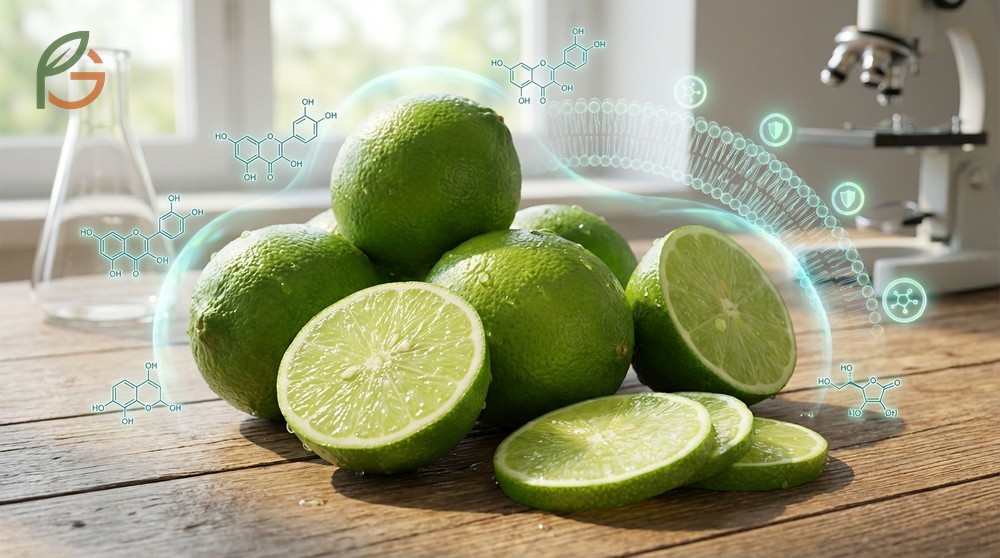
Limes contain a diverse array of antioxidant compounds beyond vitamin C. Studies identify flavonoids, limonoids, kaempferol, quercetin, and ascorbic acid as key active compounds that function as antioxidants in your body[2]. These molecules work together to defend cells against oxidative damage that contributes to chronic diseases.
Flavonoids represent a particularly important class of lime antioxidants. These plant compounds have been linked to reduced inflammation, improved blood vessel function, and lower risk of certain cancers in population studies. The specific flavonoids in limes include hesperidin and various forms of quercetin, each offering distinct protective mechanisms.
Limonoids, another group of compounds concentrated in citrus fruits, show promising properties in laboratory research. While most studies remain preliminary, early evidence suggests these phytochemicals may support liver health and possess antimicrobial properties. The combination of multiple antioxidant types makes limes more beneficial than isolated vitamin C supplements.
- Flavonoids (hesperidin, quercetin) – Reduce inflammation, strengthen blood vessels, and may lower cardiovascular disease risk
- Limonoids – Demonstrate potential antimicrobial and detoxification support properties in preliminary research
- Ascorbic acid (vitamin C) – Primary water-soluble antioxidant that protects cells throughout the body
- Kaempferol – Plant compound linked to reduced cancer risk and improved metabolic health in observational studies
- Limonene – Aromatic compound concentrated in lime peel with potential anti-inflammatory effects
Agricultural data shows that the concentration of these antioxidants varies based on growing conditions, harvest timing, and lime variety. Fresher limes generally contain higher antioxidant levels than those stored for extended periods, giving you another reason to choose recently harvested fruit when possible.
Conclusion
The evidence is clear: limes have substantial vitamin C content, with one medium fruit delivering about 32% of daily requirements alongside beneficial antioxidants, flavonoids, and minerals. While lemons contain roughly twice as much vitamin C, limes offer their own unique nutritional advantages including higher vitamin A levels and distinctive bioactive compounds that support overall health.
Current nutritional guidance emphasizes incorporating diverse citrus fruits into your diet rather than relying on a single source. Whether you’re growing limes in your home garden or selecting them at the market, these versatile fruits provide an easy, low-calorie way to boost vitamin C intake and enhance meals with vibrant flavor. FruitGarden continues to explore the science behind homegrown nutrition to help you maximize the health benefits of your harvest.
Medical Disclaimer
Important Medical Disclaimer: This content is for informational and educational purposes only. It is not intended as a substitute for professional medical advice, diagnosis, or treatment. Always consult a qualified healthcare professional or registered dietitian before making significant changes to your diet or nutrition routine, especially if you have existing medical conditions, take medications, or have specific dietary restrictions. Individual nutritional needs vary based on age, health status, and other factors.
Frequently Asked Questions
How many limes do I need to eat to get 100% of my daily vitamin C?
You’d need to consume approximately 3-4 medium limes to reach 100% of the daily vitamin C recommendation for adults. Since one lime provides about 32% of daily needs, eating three limes would deliver roughly 90-95% of requirements. However, most people meet their vitamin C needs through varied sources rather than relying solely on limes.
Does cooking with lime juice destroy the vitamin C?
Yes, heat significantly degrades vitamin C content in lime juice. Studies show that prolonged cooking or heating can reduce vitamin C levels by 30-50% or more. To preserve maximum vitamin C, add fresh lime juice at the end of cooking or use it in raw preparations like dressings, marinades, and beverages.
Are Key limes and Persian limes equally high in vitamin C?
Persian limes (the larger, common variety in US grocery stores) generally contain slightly more vitamin C than Key limes due to their larger size and thicker flesh. However, when compared by equal weight rather than by fruit count, the vitamin C concentration is similar. Both varieties provide excellent vitamin C content.
Can I get too much vitamin C from eating limes?
It’s extremely difficult to consume excessive vitamin C from whole limes alone. The upper tolerable limit for vitamin C is 2,000mg daily for adults—you’d need to eat about 65-70 limes to reach this level. Since vitamin C is water-soluble, your body excretes excess amounts. The acidity of eating many limes would cause digestive discomfort long before vitamin C toxicity became a concern.
Does lime water provide the same vitamin C as fresh lime juice?
Lime water provides vitamin C, but the amount depends on how much juice you add. If you squeeze one whole lime into your water, you’ll get approximately 22% of your daily vitamin C needs. Simply adding lime slices provides minimal vitamin C since most of the nutrient is in the juice, not the peel or pulp.
How should I store limes to preserve their vitamin C content?
Store whole limes in the refrigerator’s crisper drawer to maximize vitamin C retention. Refrigeration slows vitamin degradation significantly compared to room temperature storage. Whole limes keep for 2-4 weeks refrigerated, while cut limes should be wrapped tightly and used within 2-3 days to minimize nutrient loss from air exposure.
Can lime juice prevent or cure a cold due to its vitamin C?
While vitamin C from limes supports immune function, research shows it doesn’t prevent common colds in most people. Some evidence suggests regular vitamin C intake may slightly reduce cold duration by about 8-10% in those who already consume adequate amounts. Lime juice can be part of a healthy diet that supports immunity, but it’s not a cold cure or guaranteed prevention method.





