
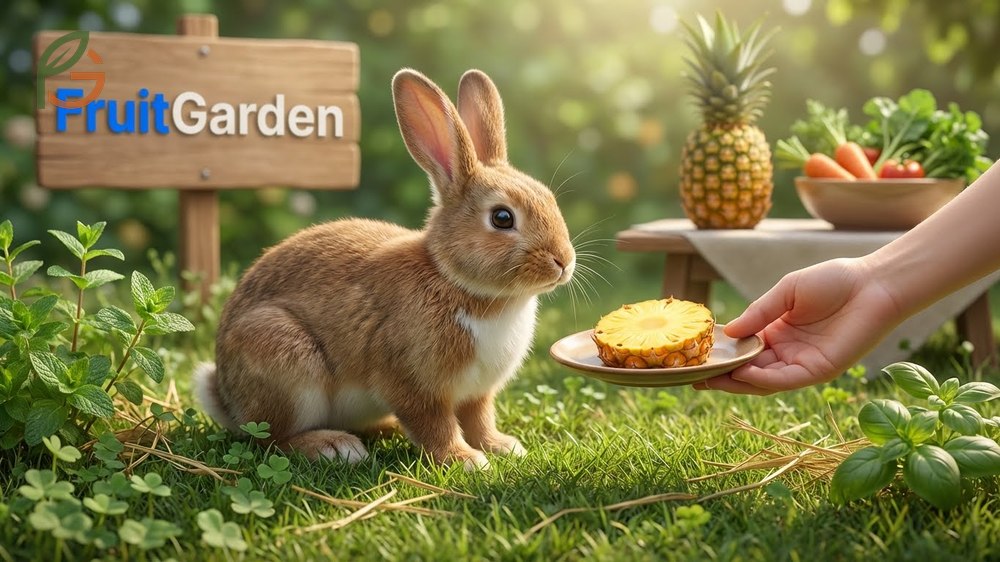
Can rabbits eat pineapple? Yes, rabbits can safely eat fresh pineapple, but only in small amounts as an occasional treat. Research shows that while pineapple offers vitamin C and bromelain enzymes, its high sugar content—around 10g per 100g[1]—can disrupt your bunny’s delicate digestive system if overfed. FruitGarden synthesizes current veterinary guidance and nutritional data to help you make informed decisions about your rabbit’s diet.
Quick Answer
- Feed only 1-2 small cubes (about 1 tablespoon) per 5 lbs of body weight, once or twice weekly[2]
- Fresh pineapple contains 13g carbohydrates and 50 calories per 100g[3]
- Never feed canned or dried pineapple—added sugars and preservatives are harmful
- Hay should remain 80-90% of your rabbit’s daily diet for proper digestive health
Can Rabbits Eat Pineapple
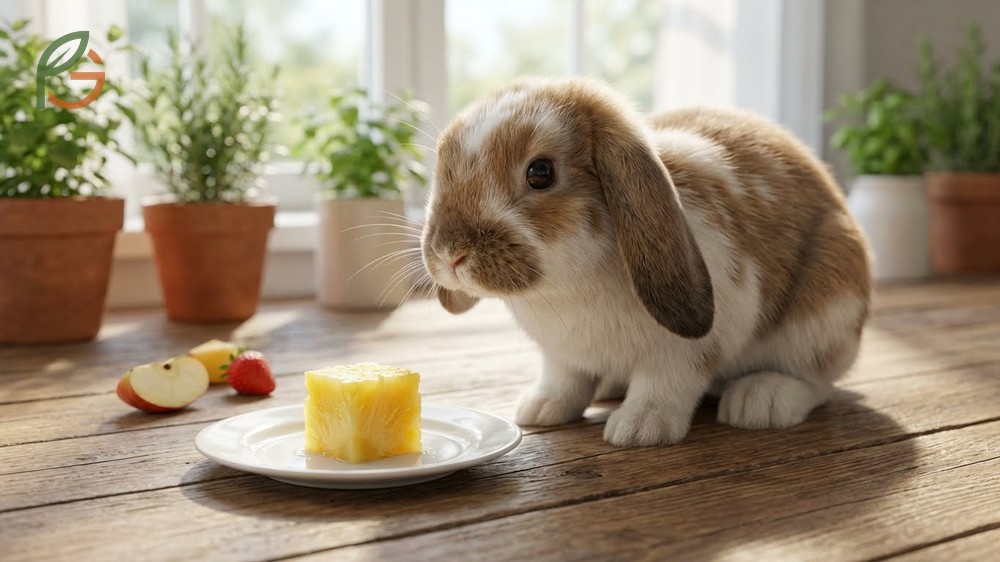
Fresh pineapple is safe for rabbits when given in strict moderation. Studies of rabbit digestion demonstrate that their cecum—a specialized fermentation chamber—processes fiber efficiently but struggles with concentrated sugars[4]. Most people don’t realize that timing matters when introducing new foods to bunnies.
Pineapple falls into the acceptable fruits category alongside apples, strawberries, and bananas[5]. However, you’ll want to start with just a single small cube to test tolerance. Watch your rabbit for 24 hours before offering more.
The key difference between safe and harmful feeding lies in portion control. Wild rabbits rarely encounter fruits with this level of concentrated sugar, making domestic rabbits’ systems particularly vulnerable to overfeeding.
From My Experience: My cousin in Guadalajara, Mexico keeps three Holland Lop rabbits and tried introducing fresh pineapple last spring. She started with cubes smaller than her thumbnail—about half the recommended size. Two rabbits loved it immediately, while the third showed zero interest, proving that individual preferences vary even within the same breed.
Nutritional Profile of Fresh Pineapple
A 100g serving of fresh pineapple delivers 50 calories, 13.1g carbohydrates, and 0.5g protein[3]. The fruit provides vitamin C and manganese, which support immune function. But here’s the catch—rabbits synthesize their own vitamin C internally, unlike humans.
The glycemic load of pineapple sits at 7 with a glycemic index of 59[6]. This moderate rating means the sugar enters the bloodstream relatively quickly. For comparison, hay and leafy greens have minimal impact on blood sugar levels.
Sugar and Acidity Concerns
Pineapple’s pH ranges from 3.3 to 5.2, making it notably acidic[1]. This acidity can irritate sensitive mouth tissues in some rabbits. Research shows that excess sugar disrupts the balance of Bacteroides and Clostridial bacteria species essential for cecal fermentation[7].
When gut bacteria become imbalanced, a condition called dysbiosis develops. In severe cases, this progresses to GI stasis—a potentially fatal emergency where the digestive system essentially shuts down. That’s why veterinarians emphasize the “treat only” rule for all fruits.
Important Warning: If your rabbit shows signs of soft stool, reduced appetite, or lethargy within 24 hours of eating pineapple, discontinue immediately and consult your veterinarian. These symptoms can indicate digestive upset that requires professional attention.
Can Rabbits Have Pineapple as a Regular Treat
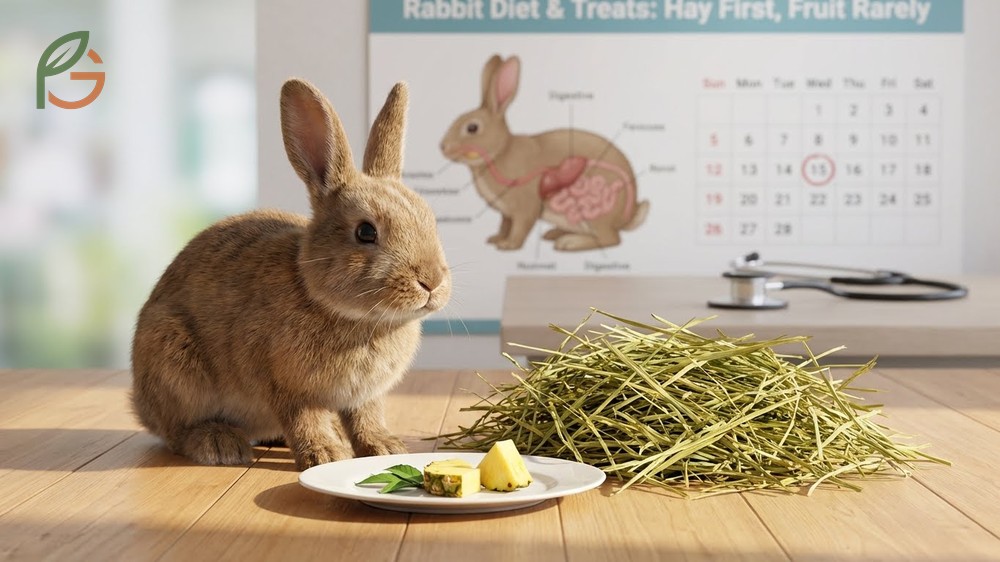
Veterinary guidance recommends limiting all fruits to no more than 1-2 times weekly. Pineapple shouldn’t become a daily indulgence despite your bunny’s enthusiasm. What often gets overlooked is that rabbits don’t need fruit at all—it’s purely supplemental to their hay-based diet.
Think of pineapple like dessert for humans. You wouldn’t eat cake three times daily, and your rabbit shouldn’t have fruit that frequently either. Current data indicates that rotating different safe fruits prevents both nutritional imbalances and boredom.
The 90/5/5 rule provides a helpful framework: 90% hay, 5% vegetables, and 5% pellets. Fruits like pineapple come from that 5% vegetable portion, further limited to occasional substitutions. This structure maintains optimal digestive health while allowing variety.
Safe Portion Sizes
Portion control makes the difference between safe treating and digestive disaster. For a 5-pound rabbit, offer 1-2 small cubes measuring roughly 1 tablespoon total[2]. Larger rabbits weighing 10-12 pounds can handle up to 2 tablespoons. Dwarf breeds need even smaller portions.
Most owners make the mistake of cutting pieces too large. If you’re unsure, err on the side of smaller portions—you can always give more next time if tolerance is good.
- Under 3 lbs: half tablespoon (about 2-3 tiny cubes)
- 3-5 lbs: 1 tablespoon (4-5 small cubes)
- 5-8 lbs: 1.5 tablespoons (6-7 cubes)
- 8-12 lbs: 2 tablespoons (8-10 cubes)
- Over 12 lbs: no more than 2.5 tablespoons maximum
Preparation Guidelines
Only fresh, raw pineapple is appropriate for rabbits. Remove all skin and the tough core before cutting into small cubes. Wash the fruit thoroughly even if you’re removing the exterior, as residual pesticides can transfer during cutting.
Never offer canned pineapple, which contains added syrups, preservatives, and sometimes artificial sweeteners toxic to rabbits[5]. Dried pineapple concentrates the sugars to dangerously high levels—what was 10g of sugar per 100g fresh becomes 60-70g when dried. This makes it completely unsuitable.
- Select ripe but firm pineapple with no brown spots
- Wash exterior thoroughly under running water
- Remove crown, base, and all spiky skin
- Cut out the fibrous core completely
- Cube the flesh into rabbit-appropriate sizes
- Serve immediately or refrigerate for up to 3 days
Storage Tip: Pre-cut pineapple cubes can be frozen in single-serving portions. Thaw completely before serving, as frozen fruit can cause digestive shock and tooth damage.
Rabbit Digestive Health
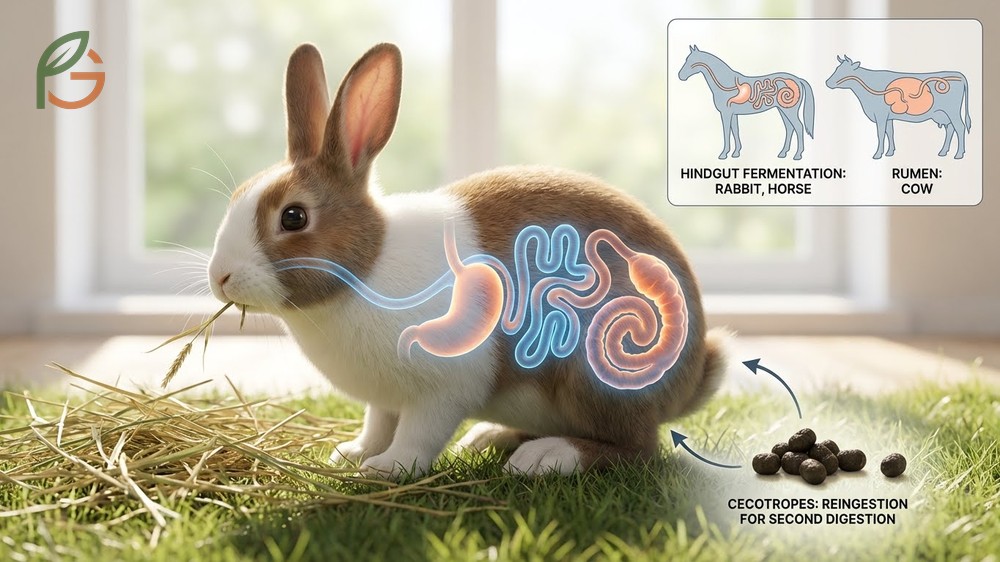
Rabbits are hindgut fermenters, meaning their digestive system closely resembles that of horses[4]. The cecum sits at the end of their digestive tract rather than the beginning like a cow’s rumen. This specialized organ houses billions of beneficial microbes that break down fibrous plant material.
After approximately 8 hours in the cecum, unabsorbed nutrients form cecotropes—soft, nutrient-rich pellets that rabbits reingest for a second round of digestion[8]. This process, called coprophagy, isn’t gross—it’s essential for extracting maximum nutrition from a fiber-based diet. High-sugar foods can interfere with this delicate cycle.
The colonic separation mechanism allows rabbits to sort digestible fiber from indigestible material through retrograde peristaltic contractions. Fiber particles move back into the cecum for fermentation, while harder pellets pass through as waste. When you introduce too much sugar, this sorting process becomes less efficient.
This table compares digestive characteristics between rabbits and other common herbivores including fermentation location and dietary fiber needs
| Animal | Fermentation Type | Primary Site | Fiber Need |
|---|---|---|---|
| Rabbit | Hindgut | Cecum (end of tract) | 80-90% of diet[4] |
| Horse | Hindgut | Cecum and colon | 60-70% of diet |
| Cow | Foregut | Rumen (beginning) | 50-60% of diet |
| Guinea Pig | Hindgut | Cecum | 75-85% of diet |
This comparison shows why rabbits can’t handle the same diet flexibility as cows or goats. Their entire system evolved to process tough grasses and fibrous plants—not tropical fruits with concentrated sugars.
Pineapple Enzymes for Rabbits
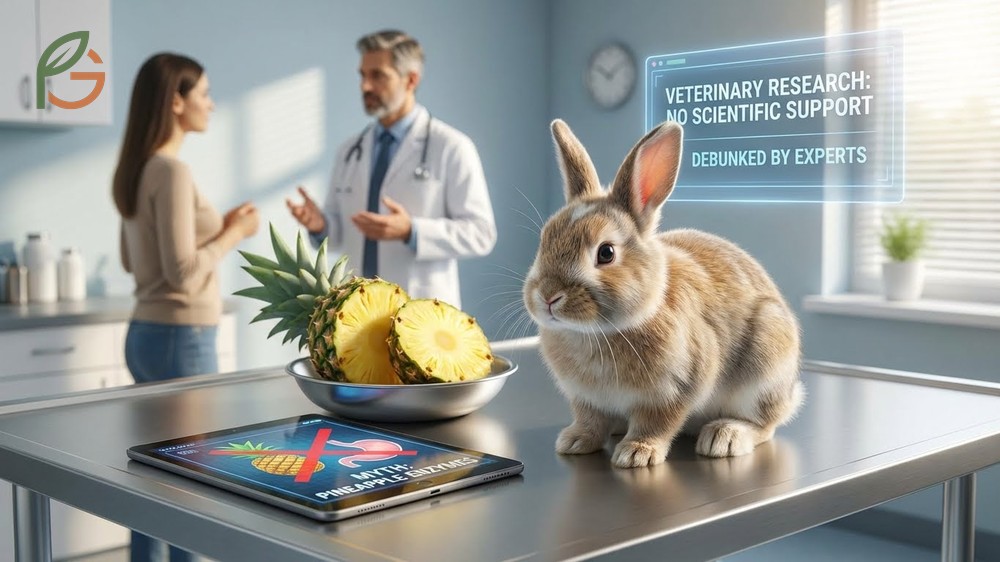
You’ve probably heard that pineapple’s bromelain enzyme helps with hairballs or GI stasis. Here’s the truth: no scientific veterinary research supports using pineapple as a natural remedy for digestive blockages in rabbits[9]. This myth persists despite being thoroughly debunked by exotic animal veterinarians.
Bromelain is a proteolytic enzyme that breaks down proteins in certain conditions. The problem? A rabbit’s stomach pH is extremely acidic—acidic enough to denature and destroy the enzyme before it reaches any potential blockage. Even if bromelain could dissolve compacted material, it wouldn’t survive the journey there.
Studies on rabbits fed pineapple extract show the bromelain does affect protein digestibility in feed, but only when processed specifically for that purpose[10]. Feeding fresh pineapple fruit doesn’t provide therapeutic benefits—it just adds sugar. If your rabbit shows signs of GI stasis, contact your vet immediately rather than trying home remedies.
- Provide unlimited access to fresh, high-quality grass hay
- Ensure constant availability of clean drinking water
- Encourage exercise through space and enrichment
- Brush long-haired breeds daily during molting seasons
- Schedule annual vet checkups to catch issues early
- Learn to recognize early warning signs like reduced appetite or small pellets
What actually prevents hairballs and digestive issues? Fiber, fiber, and more fiber. The indigestible long-strand fiber in timothy hay keeps the gut moving continuously, preventing material from accumulating and compacting.
Safe Fruits for Rabbits
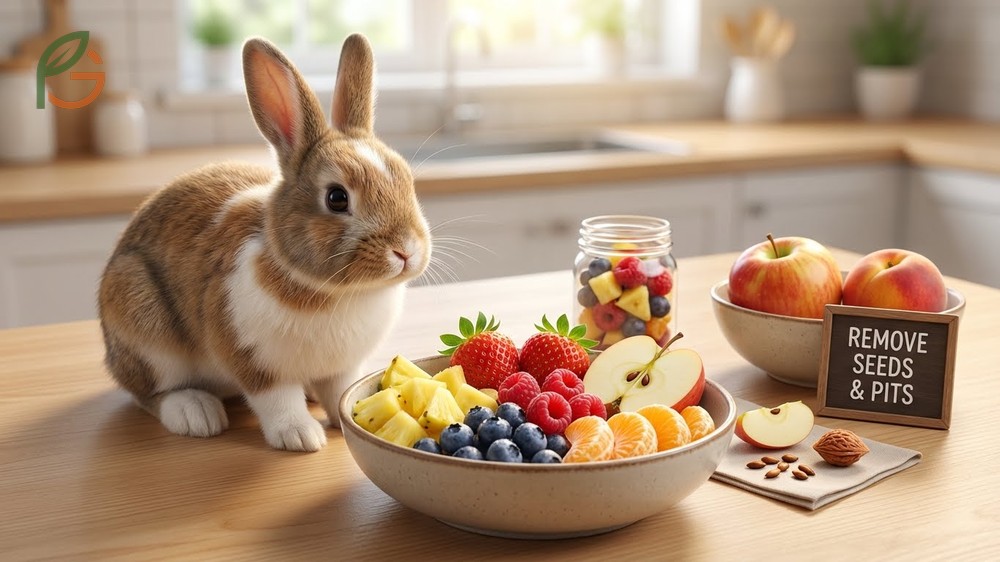
Pineapple isn’t the only fruit option for treating your bunny. Research across rabbit care organizations identifies at least 15-20 safe fruits when fed appropriately[11]. Rotating options prevents both nutritional imbalances and taste fatigue. Some rabbits develop strong preferences, while others happily try anything you offer.
Always wash fruits thoroughly and remove seeds, pits, and stems before serving. Apple seeds, and pits from apricots, peaches, and plums contain cyanide compounds that are deadly to rabbits[5]. Orange peels are actually safe and many rabbits enjoy the strong citrus scent, though the flesh itself should be limited due to acidity.
| Fruit | Portion (5 lb rabbit) | Frequency |
|---|---|---|
| Apple (no seeds) | 1-2 thin slices | 2-3 times weekly |
| Banana | 2-3 small coins | 1-2 times weekly |
| Strawberry | 1 medium berry | 2-3 times weekly |
| Blueberries | 3-5 berries | 2-3 times weekly |
| Pineapple | 1 tablespoon cubed | 1-2 times weekly |
| Mango | 1 tablespoon cubed | 1-2 times weekly |
- Apples (remove all seeds and core)
- Apricots (flesh only, no pit)
- Bananas (high potassium content)
- Blackberries and raspberry leaves (excellent astringent properties)
- Blueberries (antioxidant-rich)
- Cherries (remove pits—they contain cyanide)
- Kiwis (vitamin C boost)
- Melons (watermelon, cantaloupe, honeydew)
- Papayas (digestive enzyme papain)
- Peaches and nectarines (no pits)
- Pears (remove seeds)
- Pineapples (fresh only)
- Plums (remove pits)
- Strawberries (leaves are also safe)
Vegetables like bell peppers, cucumber, and leafy greens make better daily additions than fruits. They provide hydration, vitamins, and minerals without the sugar spike. Save fruits as special rewards for training, bonding sessions, or occasional variety.
Conclusion
The evidence is clear: rabbits can eat pineapple safely when you follow proper portion control and frequency guidelines. Fresh pineapple offers a sweet treat your bunny will likely enjoy, but it must remain just that—an occasional treat, not a dietary staple. Current veterinary guidance emphasizes that hay-based nutrition forms the foundation of rabbit health, with fruits serving as minimal supplementation.
Remember that individual rabbits respond differently to new foods. Start small, observe carefully, and adjust based on your specific bunny’s tolerance. FruitGarden provides research-based nutritional information to help you make informed decisions about what goes into your pet’s bowl, ensuring both enjoyment and optimal digestive health.
Medical Disclaimer
Important Medical Disclaimer: This content is for informational and educational purposes only. It isn’t intended as a substitute for professional veterinary advice, diagnosis, or treatment. Always consult a qualified exotic animal veterinarian before making changes to your rabbit’s diet, especially if your pet has pre-existing digestive conditions, dental issues, or other medical concerns. If your rabbit shows signs of GI stasis, lethargy, or reduced appetite, seek immediate veterinary care.
Frequently Asked Questions
How Much Pineapple Can I Give My Rabbit?
For a 5-pound rabbit, offer 1 tablespoon of fresh pineapple cubes once or twice weekly maximum. Larger rabbits up to 12 pounds can have 2 tablespoons, while dwarf breeds need smaller portions around half a tablespoon. Always start with less when introducing it for the first time.
Can Baby Rabbits Eat Pineapple?
No, baby rabbits under 12 weeks old shouldn’t have any fruits including pineapple. Their digestive systems are still developing and require mother’s milk followed by gradual introduction of hay and pellets. Wait until your rabbit reaches at least 3-4 months old before offering any fruit treats.
Is Dried Pineapple Safe for Rabbits?
Never feed dried pineapple to rabbits. The dehydration process concentrates sugars to 60-70g per 100g compared to 10g in fresh pineapple—a six-fold increase that can cause severe digestive upset, obesity, and dysbiosis. Only fresh, raw pineapple is appropriate.
Does Pineapple Help With Rabbit Hairballs?
No, this is a persistent myth without scientific support. While pineapple contains bromelain enzyme, the rabbit’s acidic stomach destroys it before it can reach any blockage. The best hairball prevention is unlimited grass hay, regular brushing during molts, and ensuring adequate hydration.
Can Rabbits Eat Pineapple Skin or Core?
No, remove all spiky skin and the tough fibrous core before serving. The skin can contain pesticide residues and the texture is too hard for rabbits to chew safely. Only offer the soft yellow flesh cut into small, manageable cubes.
What Fruits Are Safer Than Pineapple for Daily Feeding?
No fruits are appropriate for daily feeding—all should remain occasional treats due to sugar content. However, leafy greens like romaine lettuce, cilantro, and parsley make excellent daily additions. Vegetables like bell peppers and cucumber also work better for regular feeding than any fruit.
Why Did My Rabbit Get Diarrhea After Eating Pineapple?
Soft stool or diarrhea after pineapple indicates either too large a portion or sensitivity to the fruit’s acidity and sugar. Discontinue pineapple immediately, ensure unlimited hay access, and monitor closely. If diarrhea persists beyond 24 hours or your rabbit seems lethargic, contact your veterinarian right away.





