Do Strawberries Have Vitamin C? Nutrition Facts Breakdown
Do strawberries have vitamin C? Yes, they’re packed with it. One cup delivers 89mg of vitamin C—that’s 99% of your daily value, plus powerful antioxidants for health.

 Taki Lockman
 Do strawberries have vitamin C? Yes, they’re packed with it. One cup delivers 89mg of vitamin C—that’s 99% of your daily value, plus powerful antioxidants for health.
Companion plants for strawberries boost yields by 30% and deter pests naturally. Learn what to plant with strawberries and which plants to avoid.
Can rabbits eat strawberries? Yes, in moderation. Research shows strawberries are safe but high in sugar. Learn proper portions for rabbits, guinea pigs, and hamsters.

Can dogs eat strawberries? Yes, in moderation. This sweet fruit offers vitamin C, fiber, and antioxidants. Learn safe serving sizes, risks, and recipes.

Can chickens eat strawberries? Yes, chickens can safely eat strawberries in moderation. Discover nutritional benefits, feeding guidelines, and safety tips.

Can cats eat strawberries? Yes, in moderation. Strawberries are non-toxic to cats but require careful portioning to avoid digestive upset and sugar overload.
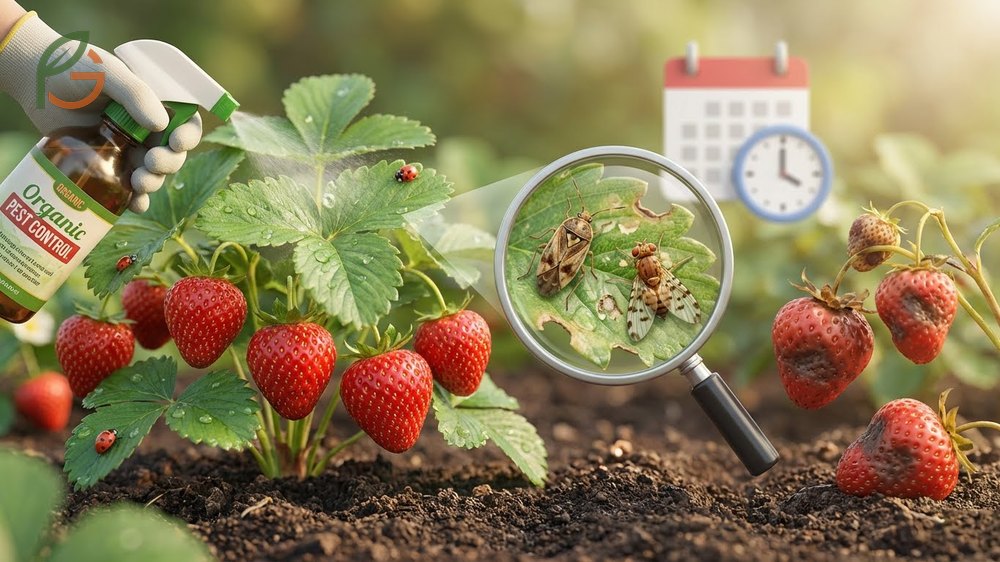
Bugs on strawberry plants include aphids, slugs, and tarnished plant bugs. Learn organic control methods using neem oil, beer traps, and netting to protect your harvest from pests.

Best Soil For Strawberries needs pH 5.5-6.5, sandy loam texture, and 4-6% organic matter. Discover ideal potting mixes and drainage tips for sweeter berries.

Best Fertilizer For Strawberries? Research shows balanced 10-10-10 NPK formulas boost yields 30-40%. Learn timing, organic options, and proven schedules for bigger berries.

Benefits of strawberry leaves include digestive support, immune boosting, and anti-inflammatory effects. Rich in vitamin C and antioxidants for wellness.