

Health benefits of tangerines include powerful immune system support, antioxidant protection, and improved digestive health. Research shows that a single cup of tangerine sections delivers 87% of your daily vitamin C[1], along with unique flavonoids that protect against chronic disease. Whether you’re growing citrus in your backyard or selecting fruit at the market, understanding these nutritional advantages can guide your health choices. FruitGarden combines horticultural expertise with nutritional science to help home gardeners maximize the wellness potential of their fruit harvests.
Quick Answer
- One cup of tangerine sections provides 87% of daily vitamin C[1], strengthening immune defense
- Contains 1.3-2.2g of fiber[2] per fruit, supporting digestive health and regularity
- Delivers powerful flavonoids like nobiletin and hesperidin[3] that lower cholesterol and protect cells
- A medium tangerine has only 64 calories[2], making it ideal for weight-conscious diets
Health Benefits of Tangerines
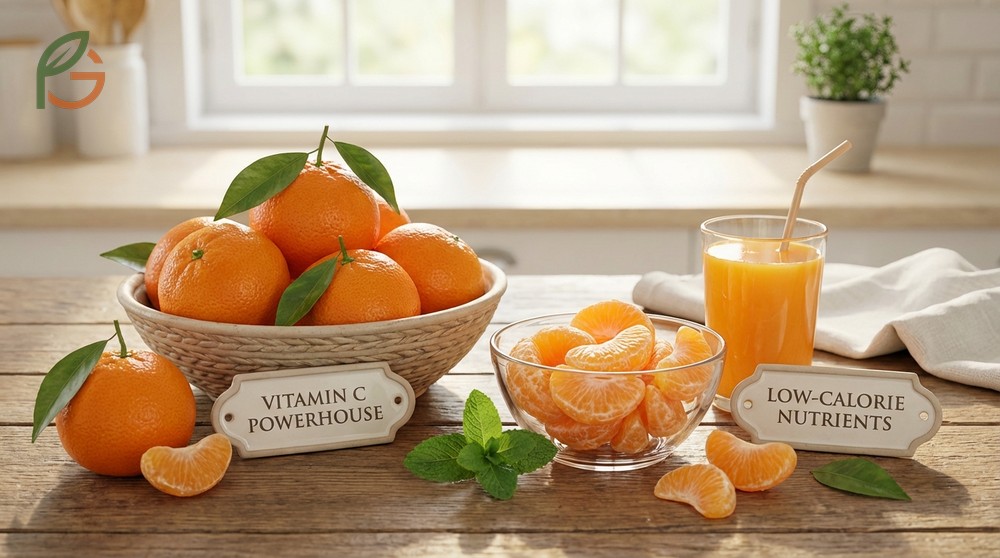
Studies demonstrate that tangerines deliver a concentrated package of essential nutrients in a low-calorie format. A medium tangerine contains just 64 calories while providing significant amounts of vitamin C, fiber, and disease-fighting plant compounds.
The vitamin C content is particularly impressive for home gardeners and fruit enthusiasts. One cup of tangerine sections delivers 52.1 mg of vitamin C[4], meeting nearly all your daily requirements in a single serving.
Current research emphasizes the synergistic effects of tangerine nutrients working together. The combination of vitamin C, flavonoids, and fiber creates multiple protective pathways in your body, from immune defense to cardiovascular support.
Vitamin C and Immune System Power
Vitamin C strengthens immune function through specific cellular mechanisms. Research shows it acts upon T cells—specialized white blood cells that protect against infections[5].
The vitamin influences T cell development and blocks pathways leading to their premature death. This helps maintain healthy levels of these protective cells throughout cold and flu season.
Studies indicate that consuming 1-2 grams of vitamin C daily[5] can reduce both severity and duration of common colds. While a single tangerine won’t provide that much, eating 2-3 tangerines daily gets you closer to therapeutic levels.
Antioxidant Compounds and Cell Protection
Tangerines contain a unique profile of flavonoids not found in equal concentrations in other citrus fruits. The most notable are nobiletin, tangeretin, hesperidin, and naringin.
Research from the National Institutes of Health confirms these compounds protect cells by neutralizing free radicals—unstable molecules that damage DNA and contribute to aging[6]. Antioxidants prevent oxidative stress linked to heart disease, arthritis, and certain cancers.
The flavonoid nobiletin shows particular promise. Studies demonstrate it works at concentrations as low as 5 micromol/L[3] to regulate cholesterol metabolism in liver cells. Don’t forget the white pith beneath the peel—it contains the highest concentration of these beneficial compounds.
Important Note: Don’t remove all the white pith when peeling tangerines. That fibrous layer contains concentrated flavonoids and additional fiber that enhance the fruit’s health benefits.
Fiber and Digestive Support
A single tangerine provides approximately 1.3 grams of fiber[7], representing about 5% of your daily fiber needs. This may seem modest, but it’s entirely soluble fiber—the type that slows digestion and regulates blood sugar.
Soluble fiber forms a gel-like substance in your digestive tract. This slows the absorption of sugars and helps lower cholesterol by binding bile acids.
Tangerine Nutrition Benefits

Understanding the complete nutritional profile helps gardeners appreciate what they’re cultivating. The California Department of Education provides detailed nutrient analysis showing tangerines pack impressive nutrition into a small package[2].
Most nutrients concentrate in the flesh, though the peel offers additional flavonoids if you’re willing to use it in cooking or zesting. For home gardeners, tree-ripened tangerines develop fuller nutrient profiles than commercially harvested fruit picked early.
Complete Nutritional Profile
Evidence shows one medium tangerine delivers a balanced mix of macronutrients and micronutrients. You’re getting natural fruit sugars for quick energy, negligible fat, and small amounts of protein.
The carbohydrate content is approximately 16 grams per fruit[2], primarily from natural fructose and glucose. The fiber content moderates sugar absorption, preventing rapid blood sugar spikes common with processed sweets.
This table compares key nutrients in one medium tangerine including calories, macronutrients, fiber, and essential vitamins with their daily value percentages
| Nutrient | Amount | % Daily Value |
|---|---|---|
| Calories | 64 kcal[2] | 3% |
| Carbohydrates | 16.01 g[2] | 5% |
| Dietary Fiber | 2.2 g[2] | 8% |
| Protein | 0.97 g[2] | 2% |
| Vitamin C | 32 mg[2] | 36% |
| Vitamin A | 41 RAE[2] | 4% |
Vitamin and Mineral Content
Beyond vitamin C, tangerines supply meaningful amounts of other essential nutrients. Vitamin A supports eye health and immune function, while calcium contributes to bone strength.
One medium tangerine contains 44 mg of calcium[2] and trace minerals including iron and manganese. The sodium content is negligible at just 2 mg, making tangerines suitable for low-sodium diets.
- Folate: Essential for DNA synthesis and cell division
- Potassium: Regulates blood pressure and heart rhythm
- Thiamin: Converts carbohydrates into usable energy
- Riboflavin: Supports cellular energy production
- Pantothenic acid: Crucial for hormone synthesis
- Beta-carotene: Converts to vitamin A in your body
Immune System Support

The immune-boosting properties of tangerines extend beyond simple vitamin C supplementation. Current research reveals multiple mechanisms by which tangerine nutrients enhance your body’s natural defenses.
Vitamin C enhances phagocytes—immune cells that engulf and destroy bacteria and harmful compounds[5]. It also improves what scientists call “microbial killing,” strengthening your overall immune response.
The flavonoids hesperidin and naringenin show promise in reducing allergic reactions. If you’re like most Americans dealing with seasonal allergies, these compounds might offer relief alongside traditional treatments.
T-Cell Function and White Blood Cells
T cells are specialized white blood cells that remember past infections and respond faster when threats return. Research demonstrates vitamin C protects these cells from premature death while supporting their development.
This matters most during winter months when respiratory viruses circulate widely. Maintaining adequate vitamin C levels keeps T cell populations robust and ready to defend against pathogens.
Infection Defense Mechanisms
Studies show vitamin C’s infection-fighting properties work through several pathways simultaneously. It strengthens skin barriers that prevent pathogen entry, supports cellular barriers in the respiratory tract, and enhances the oxidative burst that kills captured bacteria.
For home gardeners, freshly harvested tangerines retain maximum vitamin C content. The nutrient degrades gradually after picking, so eating fruit within days of harvest optimizes immune benefits.
Timing Tip: Eat tangerines in the morning or as a midday snack to maximize vitamin C absorption. Taking them with iron-rich foods like spinach enhances iron uptake since vitamin C converts iron to more absorbable forms.
Digestive Health Tangerines

Fiber from tangerines supports digestive health through multiple mechanisms. The soluble fiber slows digestion, creates feelings of fullness, and feeds beneficial gut bacteria.
Unlike insoluble fiber found in wheat bran, soluble fiber dissolves in water to form a gel. This gel slows stomach emptying, which explains why eating whole tangerines satisfies hunger longer than drinking tangerine juice.
Soluble Fiber Benefits
Research indicates soluble fiber lowers cholesterol by binding bile acids in your intestines[7]. Your liver must then use cholesterol to produce new bile acids, effectively removing cholesterol from circulation.
The fiber also regulates blood sugar levels by slowing carbohydrate absorption. This prevents the rapid glucose spikes that stress your pancreas and contribute to insulin resistance over time.
Most people find that eating 2-3 tangerines daily provides enough fiber to notice improved regularity without the gas and bloating that can accompany high-fiber supplements.
Prebiotic Effects on Gut Bacteria
Tangerine fiber acts as a prebiotic—food for beneficial bacteria in your colon. These microbes ferment the fiber into short-chain fatty acids that nourish colon cells and reduce inflammation.
Current guidance emphasizes the importance of feeding your gut microbiome diverse plant foods. Adding tangerines to a varied fruit rotation supports microbial diversity better than eating the same fruit daily.
- Prevents and relieves constipation through increased stool bulk
- Reduces risk of hemorrhoids and diverticular disease
- Supports healthy gut bacteria populations
- May lower colorectal cancer risk through improved colon health
- Helps manage symptoms of irritable bowel syndrome
- Promotes regular bowel movements without harsh laxative effects
Heart and Cardiovascular Benefits
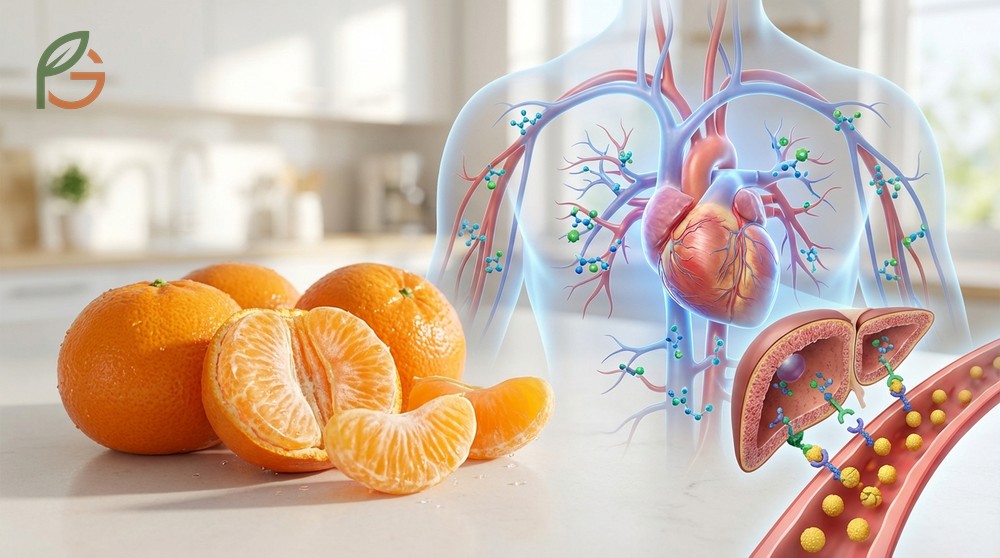
The cardiovascular benefits of tangerines come from the combined effects of fiber, flavonoids, and vitamin C. Research demonstrates these nutrients work synergistically to protect your heart and blood vessels.
The flavonoid nobiletin demonstrates impressive cholesterol-lowering effects at remarkably low concentrations. Studies show it increases LDL receptor expression in liver cells[3], helping remove excess cholesterol from your bloodstream.
Hesperidin—another key flavonoid—reduces inflammation in blood vessel walls and improves endothelial function. The endothelium is the thin layer lining your blood vessels, and its health determines how well vessels dilate and contract to regulate blood pressure.
Vitamin C prevents oxidation of LDL cholesterol, a critical step in atherosclerosis development. Oxidized LDL triggers inflammatory responses that damage artery walls and promote plaque formation.
For gardeners growing tangerine trees, the peel contains the highest concentration of cardioprotective flavonoids. Consider using organic tangerine zest in cooking or making candied peel to capture these benefits.
- Lowers LDL cholesterol levels through fiber and flavonoid action
- Reduces inflammation markers associated with heart disease
- Improves blood vessel flexibility and function
- Helps regulate blood pressure through potassium content
- Prevents arterial plaque formation via antioxidant protection
- Supports healthy circulation and reduces stroke risk
Growing Tip: Tangerine trees thrive in USDA zones 9-11 with well-drained soil and full sun. Home-grown fruit ripened on the tree develops higher flavonoid concentrations than commercially harvested tangerines picked early for shipping.
Conclusion
The evidence is clear: health benefits of tangerines extend far beyond simple vitamin C supplementation. These citrus gems deliver immune support, antioxidant protection, digestive health, and cardiovascular benefits in a convenient, low-calorie package that fits any lifestyle.
Current nutritional guidance emphasizes whole fruit consumption over juice or supplements whenever possible. Eating 2-3 tangerines daily provides therapeutic levels of vitamin C, meaningful fiber, and concentrated flavonoids that work together for optimal health. FruitGarden encourages home gardeners to consider tangerine varieties suited to their climate, maximizing both yield and nutritional quality from backyard citrus cultivation.
Medical Disclaimer
Important Medical Disclaimer: This content is for informational and educational purposes only. It’s not intended as a substitute for professional medical advice, diagnosis, or treatment. Always consult a qualified healthcare professional before making any changes to your diet, medication, or health routine, especially if you have diabetes, cardiovascular disease, or other medical conditions. The health information provided here represents general guidance and may not apply to your individual circumstances.
Frequently Asked Questions
How Many Tangerines Should I Eat Daily for Immune Support?
Studies suggest eating 2-3 tangerines daily provides significant immune benefits. This delivers approximately 60-90 mg of vitamin C, meeting most adults’ daily requirements while providing beneficial flavonoids. Space them throughout the day for sustained vitamin C levels since your body can’t store excess amounts.
Are Tangerines Better Than Oranges for Vitamin C?
Oranges contain slightly more vitamin C per serving, but tangerines offer advantages in other areas. They’re easier to peel, contain unique flavonoids like nobiletin in higher concentrations, and pack similar nutritional benefits in a smaller, more convenient package. Both are excellent choices for vitamin C intake.
Can Tangerines Help Lower Cholesterol?
Research demonstrates tangerine fiber and flavonoids can modestly reduce cholesterol levels. The soluble fiber binds bile acids, forcing your liver to use cholesterol to make more bile. Meanwhile, flavonoids like nobiletin increase LDL receptor activity, helping remove cholesterol from your bloodstream. Results vary by individual.
Should I Eat the White Pith on Tangerines?
Yes, you should eat at least some of the white pith. It contains concentrated amounts of flavonoids and additional fiber that enhance tangerines’ health benefits. While it’s slightly bitter, the nutritional advantages outweigh the minor taste difference. Don’t meticulously remove all white strands before eating.
Are Tangerines Safe for Diabetics?
Tangerines can fit into a diabetic diet when consumed in moderation. The fiber slows sugar absorption, preventing rapid blood glucose spikes. However, they still contain about 16 grams of carbohydrates per fruit, so count them toward your daily carb allowance. Pair them with protein or healthy fats to further moderate blood sugar impact.
Do Tangerines Lose Nutrients After Harvesting?
Vitamin C content gradually decreases after harvest, though tangerines retain most nutrients for 1-2 weeks when properly stored. Keep them in the refrigerator to slow nutrient degradation. Home gardeners who eat tree-ripened fruit get maximum nutritional value since commercial tangerines are often picked before full ripeness.
Can I Get the Same Benefits From Tangerine Juice?
Tangerine juice provides vitamin C but lacks the fiber and some flavonoids found in whole fruit. Juicing removes the pulp and pith where fiber and certain antioxidants concentrate. You’ll also consume more natural sugars faster without fiber to slow absorption. Whole tangerines offer superior health benefits compared to juice.





