
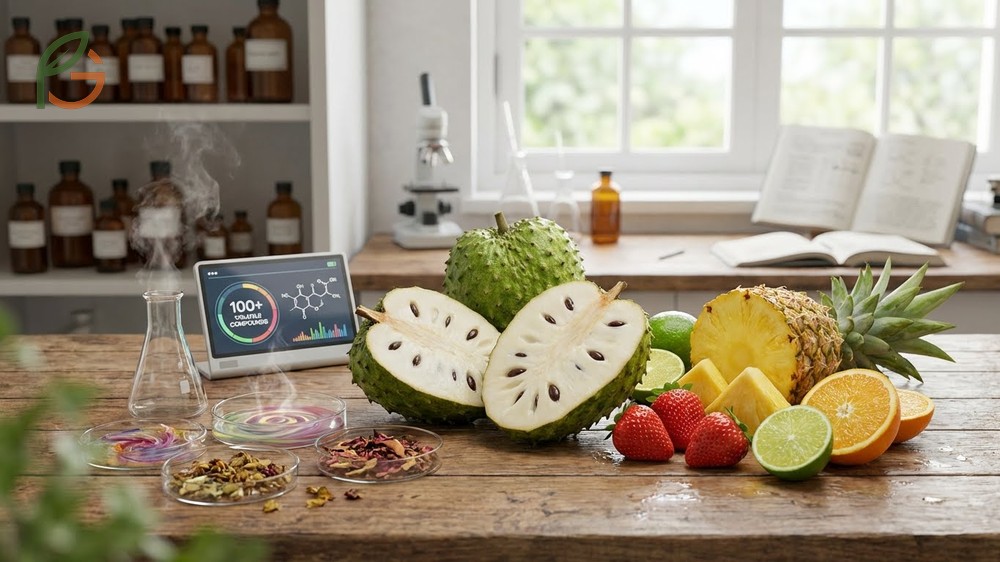
What does soursop taste like? Soursop delivers a complex tropical flavor profile combining sweet strawberry, tangy pineapple, and citrus notes with a creamy custard-like texture. Research shows this unique taste comes from over 100 volatile compounds[1] that create its distinctive aroma and flavor. FruitGarden synthesizes current horticultural research to help you understand, select, and enjoy this remarkable tropical fruit.
Quick Answer
What Does Soursop Taste Like
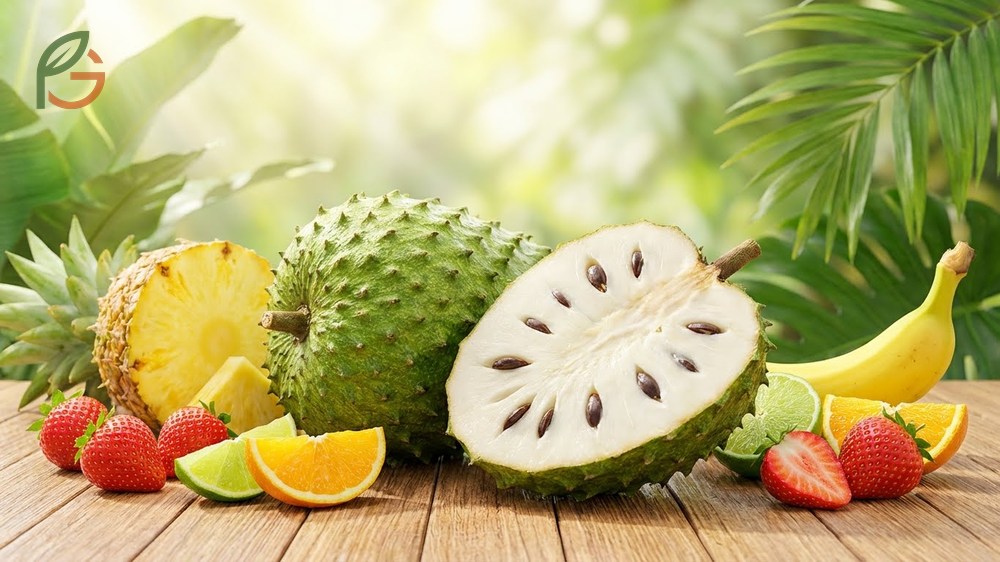
Soursop tastes like a tropical fusion of strawberries, pineapple, and citrus with creamy banana undertones. The flavor intensity changes as the fruit ripens, developing more sweetness and less tartness over time.
Studies show that soursop’s unique taste comes from a complex mixture of esters, terpenes, and organic acids. The dominant flavor compounds include methyl hexanoate (fruity notes) and linalool (floral hints)[1].
Most people describe the taste as refreshing and mildly tangy, not overwhelmingly sour despite its name. The fruit’s acidity typically measures between pH 3.4-4.0[3], which creates a balanced sweet-tart profile similar to pineapple.
From My Experience: My cousin in Guadalajara, Mexico grew soursop trees in her backyard and harvested her first fruit in June 2023. She described the taste as “pineapple meets banana with a hint of lemon”—matching the flavor profile documented in tropical fruit research.
Soursop Flavor Profile
The soursop flavor profile shifts based on ripeness stages. Unripe soursop tastes sharp and acidic, while fully ripe fruit develops pronounced sweetness with subtle sour notes.
Agricultural data shows optimal eating ripeness occurs when Brix levels reach 13-18°[3]. At this stage, you’ll notice dominant flavors in this order.
- Strawberry essence with tropical sweetness
- Pineapple tanginess that adds brightness
- Citrus undertones (similar to lime or tangerine)
- Banana creaminess in the background
- Subtle coconut and vanilla hints when fully ripe
Important Note: Soursop seeds and skin aren’t edible. The seeds contain compounds that can cause digestive discomfort if consumed in large quantities, so always remove them before eating.
Soursop Texture
Soursop texture resembles a cross between ripe banana and papaya—soft, creamy, and slightly fibrous. The white flesh breaks apart easily with a spoon, making it ideal for blending.
Research on Annona muricata shows the fruit’s moisture content ranges from 80-84%[2], which creates its signature juicy consistency. The texture transitions from firm to custard-like as the fruit ripens fully.
You’ll notice small fibrous strands throughout the flesh, similar to string cheese texture but softer. These fibers become less noticeable when the fruit is blended or strained for beverages and desserts.
How to Eat Soursop
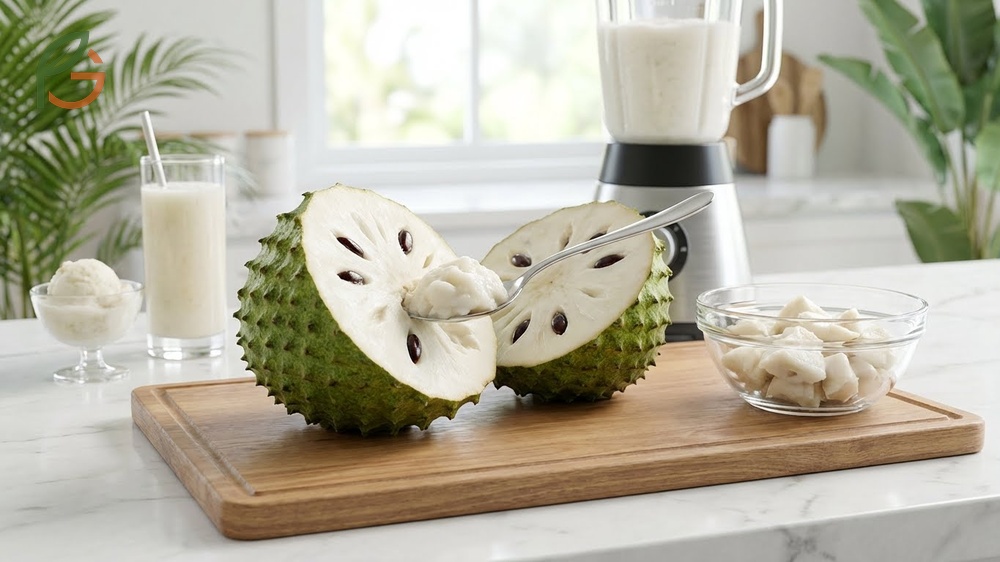
The simplest method is cutting the fruit in half and scooping out the white flesh with a spoon. This approach works best for fresh consumption and lets you easily remove seeds as you eat.
You can also peel the skin and separate the flesh into chunks for recipes. Most people blend soursop into smoothies, juices, or frozen desserts since the creamy texture performs well in liquid-based preparations.
Current guidance from tropical fruit experts recommends consuming soursop within 2-3 days of ripening. The fruit oxidizes quickly once cut, developing brown spots within 4-6 hours at room temperature.
How to Cut Soursop
Start by washing the exterior under running water to remove any dirt or residue. Use a sharp chef’s knife to slice the fruit lengthwise down the center, cutting through the soft green skin.
Gently twist the two halves apart to expose the white flesh and black seeds. The skin should peel away easily if the fruit is ripe—similar to removing avocado skin.
- Rinse the fruit thoroughly under cool water
- Cut lengthwise from stem to bottom using a large knife
- Twist halves in opposite directions to separate
- Scoop flesh with a spoon or peel skin away manually
- Remove and discard all black seeds before consuming
Eating Soursop Fresh
Fresh soursop tastes best when chilled for 1-2 hours before eating. The cold temperature enhances the fruit’s refreshing qualities and reduces the perceived acidity.
Scoop the flesh directly from the skin, avoiding seeds as you go. Some people prefer to extract all the flesh first, then pick out seeds before eating—this method works well for serving multiple people.
You can enhance the natural flavor by adding a squeeze of lime juice or a sprinkle of salt. These additions balance the sweetness and bring forward the tropical notes more prominently.
Serving Tip: Pair fresh soursop with other tropical fruits like mango, papaya, or passion fruit for a balanced fruit salad. The contrasting textures and complementary flavors create a more complex taste experience.
How to Tell if Soursop Is Ripe
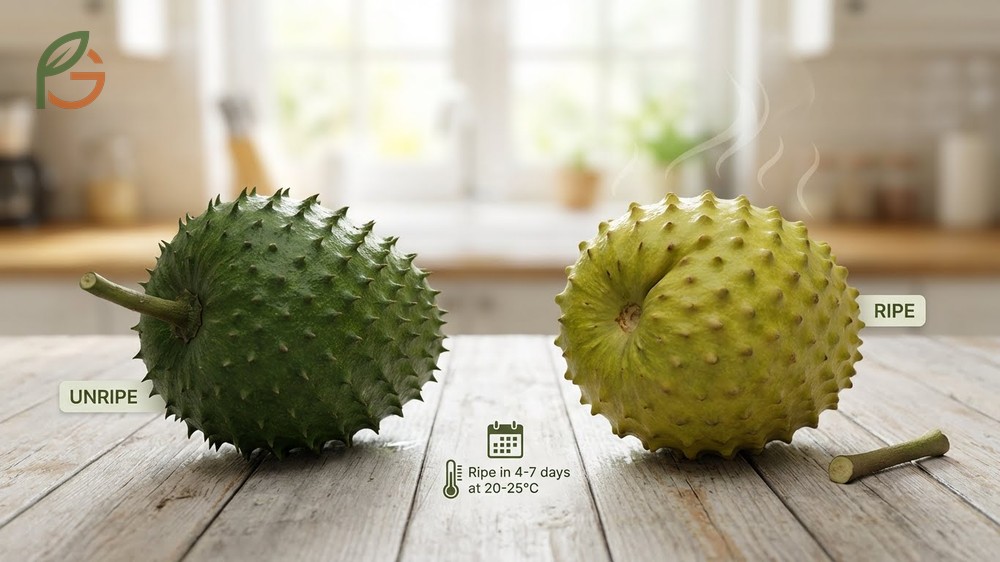
Ripe soursop yields slightly to gentle pressure, similar to a ripe avocado. The skin color shifts from bright green to a duller yellow-green as ripeness progresses.
The spines on the exterior become softer and more flexible when the fruit reaches optimal ripeness. If the spines still feel rigid and sharp, the fruit needs more time to mature.
A sweet, fruity aroma develops at the stem end when soursop is ready to eat. This scent becomes stronger as the fruit ripens—if you can’t detect any smell, it’s likely still unripe.
- Skin gives slightly when pressed with your thumb
- Color changes from bright green to dull yellow-green
- Sweet tropical fragrance noticeable at stem end
- Spines become soft and flexible rather than rigid
- Small brown spots may appear on skin surface
- Fruit separates easily from stem with gentle pull
Ripening Soursop Fast
Store unripe soursop at room temperature (68-75°F) to accelerate ripening naturally. The process typically takes 3-5 days depending on initial maturity level.
Place the fruit in a paper bag with a ripe banana or apple to speed ripening by 1-2 days. These fruits release ethylene gas, which triggers faster ripening in nearby produce.
Check the fruit daily by gently pressing the skin. Once it yields to light pressure and develops the characteristic sweet aroma, transfer it immediately to the refrigerator to halt further ripening and prevent spoilage.
Soursop Smoothie Recipe
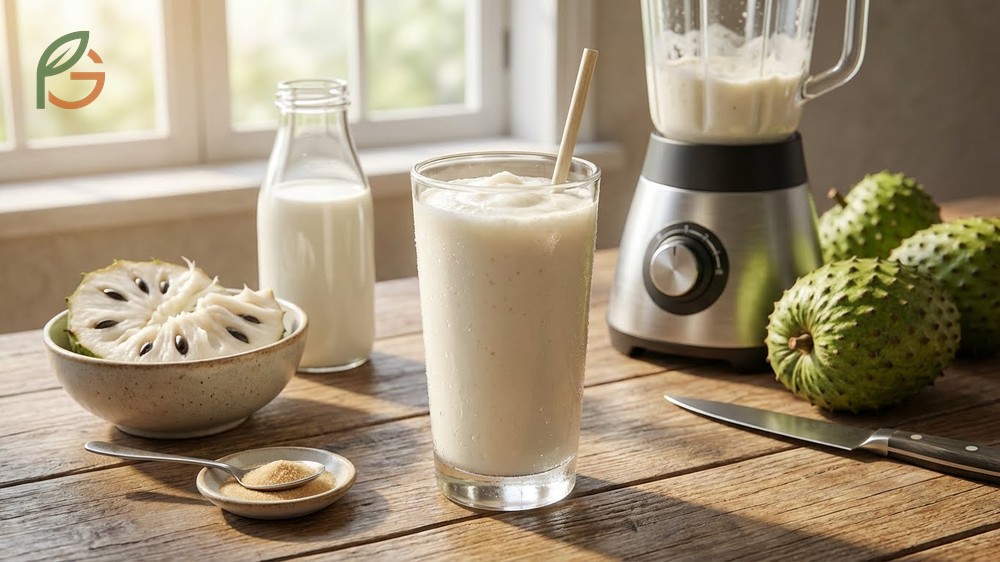
A basic soursop smoothie requires just three core ingredients: soursop flesh, milk (dairy or plant-based), and sweetener to taste. This combination highlights the fruit’s natural tropical flavors without overwhelming them.
Start with 1 cup of fresh soursop flesh (seeds removed) and add ¾ cup of your preferred milk. Blend on high for 30-45 seconds until completely smooth and no fibrous chunks remain.
The resulting smoothie has a creamy, milkshake-like consistency. Add 2-3 ice cubes before blending if you prefer a thicker, frozen texture similar to a fruit frappé.
- 1 cup fresh soursop flesh, seeds removed
- ¾ cup milk (coconut, almond, or dairy)
- 1-2 tablespoons honey or sugar (adjust to sweetness preference)
- ¼ teaspoon vanilla extract (optional enhancement)
- 3-4 ice cubes for thicker consistency
Blend all ingredients on high speed until no chunks remain. Taste and adjust sweetness if needed—riper soursop requires less added sugar.
Pour into a chilled glass and consume immediately for best flavor and texture. The smoothie separates slightly after 10-15 minutes but can be re-stirred before drinking.
Soursop Ice Cream Recipe
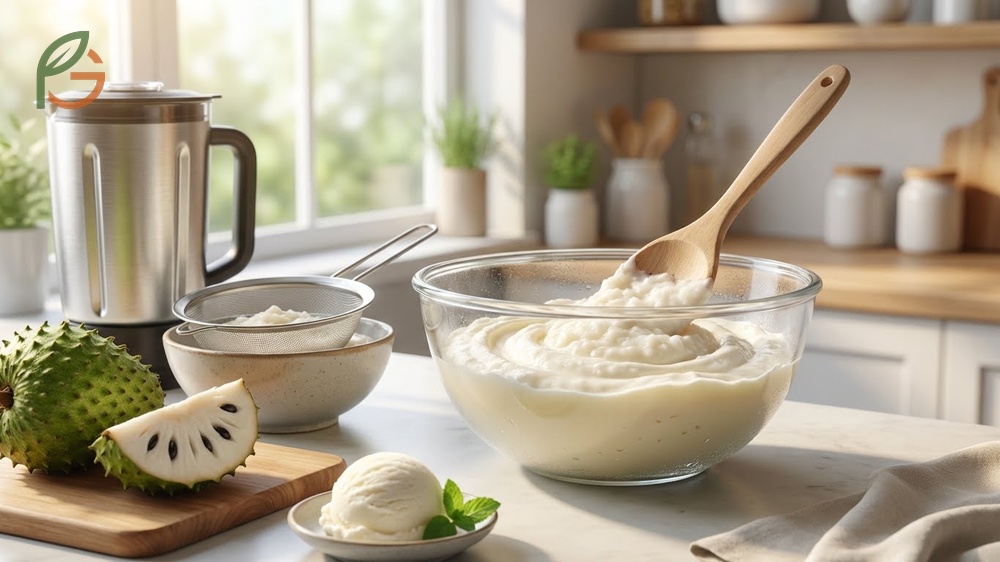
Soursop ice cream requires no special equipment if you use the no-churn method. Combine soursop puree with sweetened condensed milk and whipped cream, then freeze for 4-6 hours.
Process 2 cups of soursop flesh in a blender until completely smooth. Strain through a fine mesh sieve to remove any remaining fibers—this step creates a silkier final texture.
Fold the soursop puree into 1 cup of whipped heavy cream and ½ cup of sweetened condensed milk. Mix gently to preserve air bubbles, which keep the ice cream light and creamy.
- 2 cups soursop flesh, pureed and strained
- 1 cup heavy cream, whipped to stiff peaks
- ½ cup sweetened condensed milk
- 2 tablespoons fresh lime juice (brightens flavor)
- Pinch of salt to enhance sweetness
Pour the mixture into a freezer-safe container and freeze for at least 4 hours. Stir once after 2 hours to break up ice crystals and ensure even freezing throughout.
Let the ice cream sit at room temperature for 5 minutes before scooping. This softens the texture slightly and makes serving easier while maintaining the creamy consistency.
Can Dogs Eat Soursop
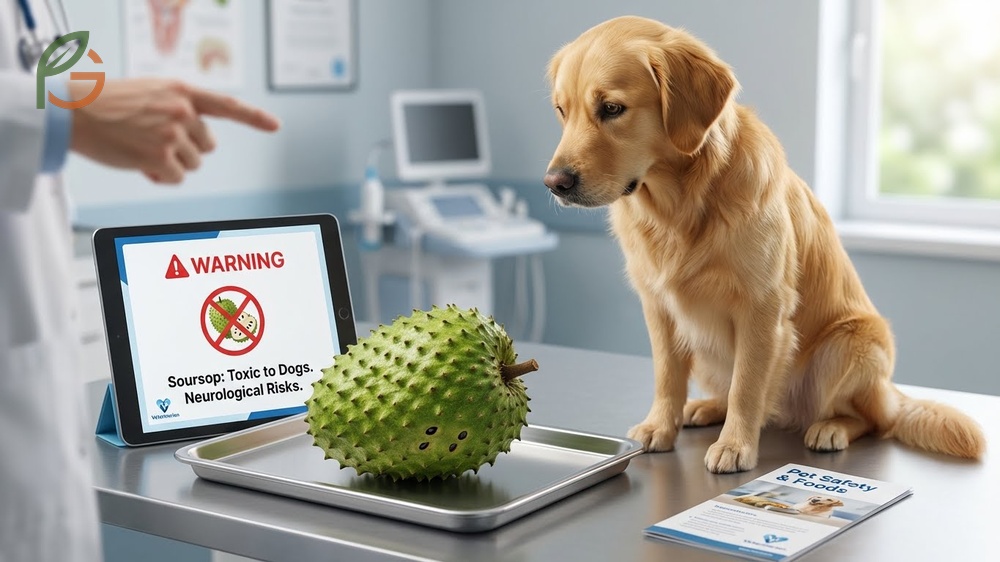
Dogs shouldn’t eat soursop due to potential toxicity concerns from annonaceous acetogenins found throughout the plant. These compounds exist in the seeds, skin, and leaves, posing risks even in small amounts.
Veterinary research indicates that annonaceous acetogenins can affect neurological function in animals when consumed regularly[4]. While the flesh contains lower concentrations than seeds, the risk doesn’t justify feeding soursop to pets.
If your dog accidentally consumes a small amount of soursop flesh, monitor for symptoms like vomiting, diarrhea, or lethargy. Contact your veterinarian immediately if any unusual behavior develops within 24 hours.
Pet Safety Warning: Never feed soursop seeds, skin, or leaves to dogs. These parts contain the highest concentrations of potentially harmful compounds. Safe alternatives include small portions of apple, banana, or watermelon (seedless).
- Apple slices (seeds removed, small portions)
- Banana chunks (high in potassium, dogs love them)
- Blueberries (antioxidant-rich, perfect training treats)
- Watermelon cubes (seedless, hydrating option)
- Strawberries (vitamin C boost, 1-2 berries max)
Conclusion
The evidence is clear: soursop tastes like a complex tropical blend of strawberry, pineapple, and citrus with creamy custard texture. This unique flavor profile makes it versatile for fresh eating, smoothies, and frozen desserts when you follow proper selection and preparation methods.
Current guidance from tropical fruit experts emphasizes choosing fruit that yields to gentle pressure and emits a sweet aroma at the stem end. FruitGarden continues tracking horticultural research to help gardeners and fruit enthusiasts maximize their soursop experience from tree to table.
Frequently Asked Questions
What is the best way to eat soursop for beginners?
Cut the fruit in half and scoop out the white flesh with a spoon, removing seeds as you go. Chill the fruit for 1-2 hours before eating to enhance the refreshing tropical flavor and reduce perceived acidity.
Does soursop taste better than cherimoya?
Soursop has a more pronounced tangy-sweet balance, while cherimoya is purely sweet with flavors closer to bubblegum and vanilla. Personal preference determines which tastes better—soursop appeals to those who enjoy bright, acidic tropical fruits, while cherimoya suits those preferring milder sweetness.
Can you eat soursop skin?
No, soursop skin isn’t edible and should be discarded. The green outer layer is tough, fibrous, and contains higher concentrations of compounds that can cause digestive discomfort. Always peel or cut away the skin before consuming the white flesh.
How long does cut soursop last in the fridge?
Cut soursop lasts 2-3 days when stored in an airtight container in the refrigerator. The exposed flesh oxidizes and browns within 4-6 hours at room temperature, so refrigeration is essential for maintaining quality and preventing spoilage.
What does soursop smell like when ripe?
Ripe soursop emits a sweet, tropical fragrance similar to pineapple mixed with strawberry. The aroma intensifies at the stem end and becomes noticeable from 6-12 inches away when the fruit reaches peak ripeness.
Is soursop taste similar to jackfruit?
No, soursop and jackfruit have distinctly different flavors. Jackfruit tastes like a combination of banana, pineapple, and bubblegum with a chewy texture, while soursop offers more citrus tartness with a creamy, custard-like consistency.
Can you freeze soursop for later use?
Yes, soursop freezes well for 3-6 months. Remove all seeds, portion the flesh into freezer bags, and press out excess air before sealing. Frozen soursop works perfectly for smoothies and ice cream without needing to thaw first.





