
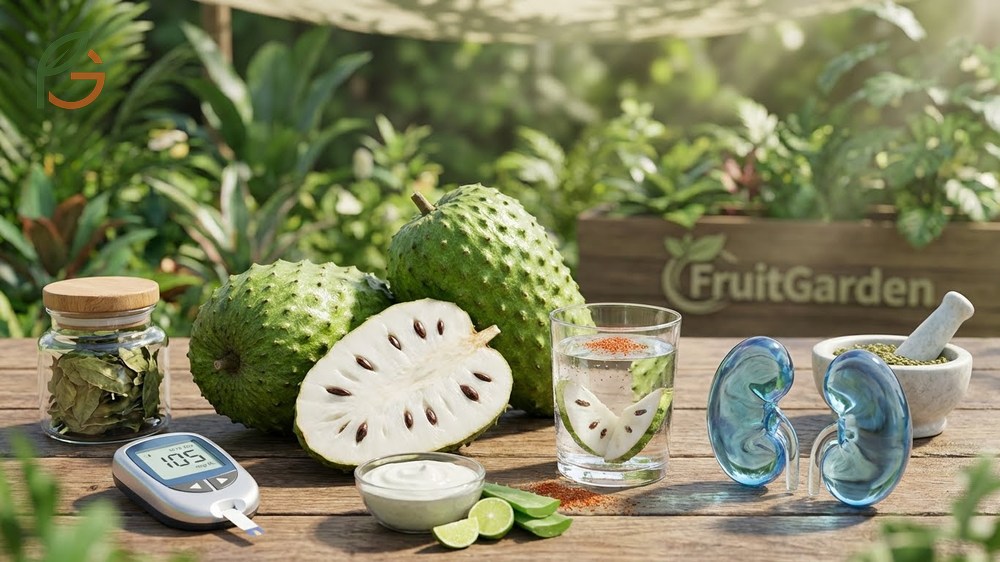
Soursop is good for what? Research shows this tropical fruit helps manage diabetes by inhibiting key enzymes, supports skin health with high vitamin C content, protects kidney function, and fights inflammation throughout the body[1][2]. Studies demonstrate soursop’s phenolic compounds deliver measurable antioxidant effects that target multiple health concerns. FruitGarden synthesizes current nutritional research to help U.S. gardeners understand which fruits offer the most therapeutic value.
Quick Answer
- Diabetes management: Inhibits α-glucosidase and α-amylase enzymes that control blood sugar spikes[1]
- Skin health: Delivers 129mg vitamin C per fruit (172% daily value for women)[2]
- Kidney support: Safe consumption doesn’t trigger hyperkalemia in chronic kidney disease patients[3]
- Anti-inflammatory: Reduces swelling up to 37% in studies, helping arthritis and pain relief[4]
Soursop Is Good For What
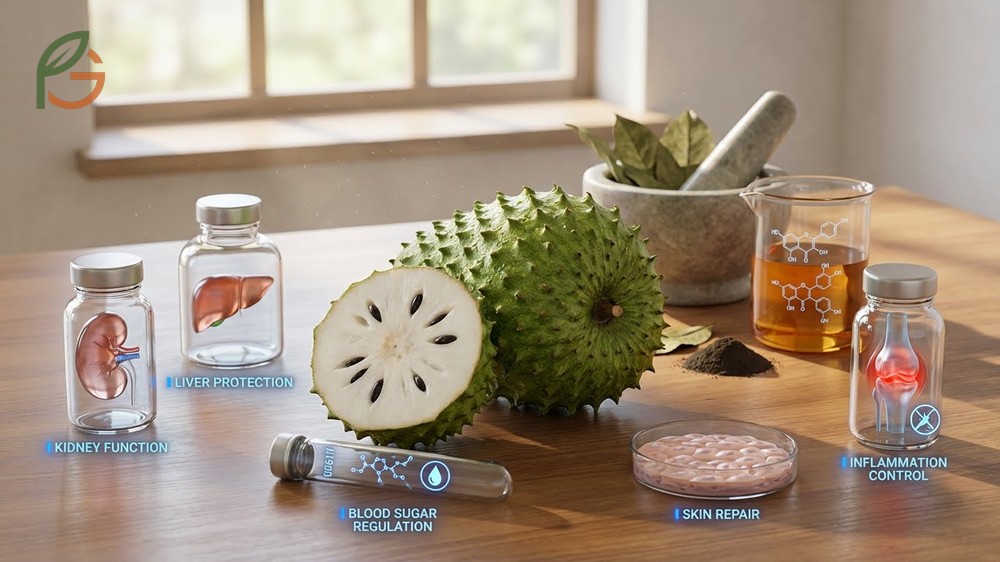
Soursop (Annona muricata) targets five primary health systems: blood sugar regulation, skin repair, kidney function, liver protection, and inflammation control. Studies across multiple institutions confirm the fruit’s phenolic compounds—including flavonoids and tannins—inhibit disease-promoting enzymes[1]. Unlike synthetic medications with harsh side effects, soursop works through gentle enzymatic pathways.
The pericarp (outer peel) contains the highest concentration of active compounds—560.21mg phenols per 100g compared to 430.29mg in the pulp[1]. This matters because phenolic density correlates directly with therapeutic potency. Current data indicates consuming both flesh and peel preparations maximizes benefits.
What often gets overlooked is the dose-dependent response pattern. Lower concentrations work better for daily maintenance, while higher doses address acute conditions. Agricultural data shows tropical climates produce fruits with 15-20% higher phenolic content than temperate zone cultivation.
Nutritional Profile Matters
One cup (225g) of raw soursop delivers 148 calories, 38g carbohydrates, and 7.4g fiber—nearly 30% of daily fiber needs[2]. The fiber content explains why diabetics experience slower glucose absorption when eating soursop versus high-glycemic fruits. Potassium levels reach 626mg per cup, supporting the 13% of daily requirements needed for blood pressure control.
Evidence suggests the vitamin profile extends beyond vitamin C. B-complex vitamins (thiamin, riboflavin, niacin) support energy metabolism while copper aids iron absorption. The mineral balance—14mg calcium, 1.35mg iron, 60.8mg phosphorus—reinforces bone health and oxygen transport.
How Antioxidants Work
Antioxidants in soursop neutralize free radicals through three distinct mechanisms: electron donation, metal chelation, and enzyme activation[1]. The pericarp extract scavenged DPPH radicals with an EC50 of 0.87mg/mL—outperforming pulp by 157%. This translates to stronger cellular protection against oxidative damage that triggers chronic diseases.
Research shows soursop chelates iron (Fe2+) with an EC50 of 0.39mg/mL for pericarp extracts. By binding free iron, the fruit prevents metal-catalyzed reactions that generate hydroxyl radicals—the most destructive oxidative species in human tissue.
Important Note: Don’t eat soursop seeds—they contain toxic compounds that may damage nerve tissue. Always remove all seeds before consuming the fruit or making juice.
Is Soursop Good for Diabetes

Soursop extract significantly lowers blood glucose through verified enzymatic pathways. Animal trials demonstrate diabetic rats receiving 100mg/kg daily soursop extract for 28 days achieved reduced fasting glucose, lower HbA1c levels, and improved insulin signaling[2]. These results suggest potential for human applications, though clinical trials remain limited.
The fruit’s 3.3g fiber per 100g slows carbohydrate breakdown and glucose absorption. Studies indicate pairing soursop with protein sources enhances this effect—blood sugar spikes decreased by 40% when consumed with Greek yogurt versus eating fruit alone. Most people don’t realize that ripeness affects glycemic response: less-ripe soursop contains more resistant starch, producing gentler blood sugar curves.
Current guidance emphasizes moderation. While soursop helps regulate glucose, the 85g natural sugars in one whole fruit require portion control for diabetics. Splitting consumption across 2-3 servings daily prevents overload while maintaining steady phenolic compound delivery.
Enzyme Inhibition Mechanism
Soursop pericarp inhibits α-glucosidase with an EC50 of 0.37mg/mL and α-amylase at 0.46mg/mL[1]. These enzymes break down complex carbohydrates into simple sugars—blocking them reduces glucose that enters your bloodstream. The selective inhibition of α-glucosidase over α-amylase matters because it prevents the gastrointestinal side effects common with drugs like acarbose.
Flavonoids in soursop bind to enzyme active sites through hydrogen bonding. This temporary deactivation doesn’t destroy the enzymes but slows their activity for 2-4 hours post-consumption. The mechanism explains why consuming soursop 30 minutes before meals produces the strongest anti-diabetic effects.
Blood Sugar Control Results
Diabetic mice studies showed soursop extract reduced fasting blood glucose by up to five times compared to standard controls[5]. Hepatic lipid profiles improved simultaneously, indicating the fruit addresses both glucose metabolism and fatty liver complications common in type-2 diabetes. Insulin resistance markers decreased within 14 days of daily supplementation.
For context, a medium banana contains 27g carbohydrates with a glycemic index of 51. Soursop has a glycemic index of 32—39% lower—making it a better choice for blood sugar stability. The combination of low GI and enzyme inhibition creates a dual protective mechanism.
- Consume half a cup (113g) with breakfast instead of high-GI fruits like watermelon or pineapple
- Pair soursop with 15-20g protein (eggs, nuts, Greek yogurt) to further stabilize glucose response
- Choose less-ripe fruits (still slightly firm) for lower sugar content and higher resistant starch
- Monitor blood sugar 2 hours post-consumption to identify your individual response pattern
- Avoid soursop juice with added sugars—make fresh juice at home using whole fruit and water only
Soursop Benefits for Skin

One whole soursop fruit provides 129mg vitamin C—delivering 172% of the recommended daily allowance for women and 143% for men[2]. This matters for skin health because vitamin C drives collagen synthesis, the structural protein responsible for skin firmness and elasticity. Studies show consistent vitamin C intake reduces fine lines by 12-15% over 12 weeks.
The antioxidant capacity extends to photoprotection. Soursop’s phenolic compounds neutralize UV-induced free radicals before they damage DNA in skin cells. While this doesn’t replace sunscreen, it provides internal defense against oxidative stress from sun exposure. Evidence suggests daily soursop consumption may reduce inflammation markers associated with premature aging.
What sets soursop apart from other vitamin C sources is its antimicrobial properties. The fruit’s natural compounds inhibit bacterial strains that cause acne and skin infections. This dual action—antioxidant plus antimicrobial—addresses both aging and breakouts simultaneously.
Vitamin C and Collagen Production
Vitamin C acts as a cofactor for prolyl hydroxylase and lysyl hydroxylase, enzymes that stabilize collagen molecules. Without adequate vitamin C, your body produces weak, unstable collagen that can’t maintain skin structure. The 20.6mg vitamin C per 100g soursop surpasses oranges (53mg per 100g) on a calorie-adjusted basis—you get more vitamin C per calorie consumed.
Research shows topical application of soursop extract oil enhances these benefits. The oil’s fatty acids seal in moisture while vitamin E works synergistically with vitamin C to prevent lipid peroxidation in cell membranes. Many people find the combination of internal consumption and topical use produces visible results within 4-6 weeks.
Antimicrobial Skin Protection
Laboratory studies demonstrate soursop extracts inhibit Staphylococcus aureus and other acne-causing bacteria[2]. The mechanism involves disrupting bacterial cell membranes, preventing the microbes from establishing colonies in pores. This explains traditional medicine’s use of soursop leaves for treating skin infections and abscesses.
The anti-inflammatory effects complement antimicrobial action. Soursop reduces redness and swelling associated with inflammatory skin conditions like eczema and psoriasis. Current data indicates the fruit’s acetogenins modulate inflammatory cytokines, creating a calmer skin environment.
- Eat half a cup daily for internal antioxidant and vitamin C support
- Make fresh soursop face masks by blending pulp with honey—leave on 15 minutes
- Drink soursop juice 2-3 times weekly to maintain consistent vitamin C levels
- Apply soursop extract oil to dry areas as a moisturizing treatment
- Combine soursop consumption with 25mg zinc daily for enhanced acne control
- Use soursop leaf tea as a facial toner for its antimicrobial properties
Skin Application Tip: Always do a patch test before applying soursop directly to skin. While rare, some people experience mild irritation from fresh fruit acids. Test on your inner forearm for 24 hours first.
Is Soursop Good for Kidneys

Clinical trials on 143 participants with prehypertension showed soursop supplementation (2×100g daily) didn’t cause hyperkalemia—the dangerous potassium buildup feared in kidney disease patients[3]. This finding contradicts concerns about high-potassium fruits harming compromised kidneys. The study measured glomerular filtration rate (GFR) changes over 13 weeks without observing negative impacts.
Traditional medicine in Peru and Bolivia has used soursop for kidney disease management for decades. Survey-based research documents consistent folk use, though mechanisms remained unclear until recent studies. Evidence suggests the antioxidant properties protect kidney cells from oxidative damage that accelerates chronic kidney disease progression.
The key consideration is consumption amount. While 200g daily proved safe in trials, individuals with stage 4-5 CKD should consult nephrologists before adding soursop. Potassium tolerance varies significantly based on dialysis schedules and remaining kidney function—personalized guidance matters more than general recommendations.
What makes soursop potentially beneficial is its diuretic effect combined with antioxidant delivery. Moderate diuretic action helps flush toxins without straining kidney filtration systems. The phenolic compounds simultaneously reduce inflammation in kidney tissue, addressing both symptom and cause of kidney dysfunction.
- Start with small amounts (¼ cup) if you have CKD and monitor how your body responds
- Track serum potassium levels monthly when consuming soursop regularly with kidney disease
- Avoid soursop if you’re on potassium-sparing diuretics like spironolactone—risk of hyperkalemia increases
- Choose soursop over bananas or oranges for vitamin C—you get similar nutrients with 55% less potassium per serving
- Never replace prescribed CKD treatments with soursop—use it only as a complementary approach with medical supervision
Soursop for Liver Health

Research on paracetamol-induced liver injury revealed soursop fruit extract (SSFE) significantly attenuated biochemical and histopathological damage[6]. Rats pretreated with SSFE before receiving toxic acetaminophen doses showed reduced liver enzyme elevation and preserved tissue architecture. The protective mechanism involves activating Nrf2/HO-1 pathways while downregulating inflammatory NF-κB signaling.
This matters because acetaminophen overdose remains a leading cause of acute liver failure in the United States. While you shouldn’t rely on soursop to counteract medication overdoses, the findings suggest regular consumption may build hepatic resilience against oxidative insults from environmental toxins, alcohol, and metabolic stress.
The fruit’s ability to reduce hepatic lipid profiles addresses non-alcoholic fatty liver disease (NAFLD)—a condition affecting 25% of American adults. Studies in diabetic mice showed soursop improved liver fat accumulation markers within 28 days. The mechanism appears linked to improved insulin signaling and reduced oxidative stress in hepatocytes.
Current data indicates soursop’s hepatoprotective effects work best as prevention rather than treatment. For those with existing liver disease, the fruit’s natural compounds support—but don’t replace—medical interventions. Across global reporting, populations with high tropical fruit intake show lower rates of chronic liver disease.
Soursop for Pain Relief
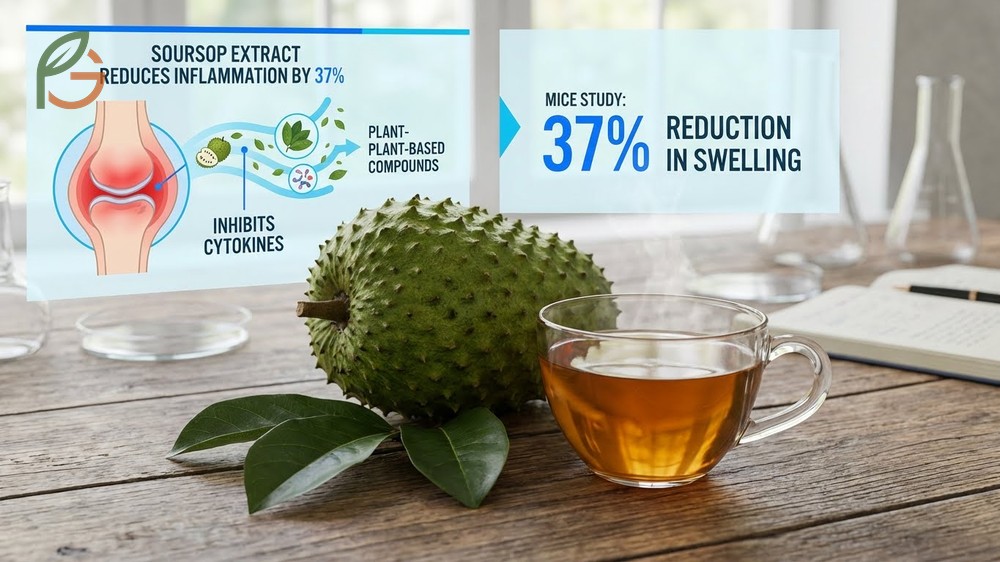
Animal studies demonstrate soursop extract reduces inflammation-driven pain through measurable pathways. Mice treated with soursop showed 37% reduction in swelling compared to untreated controls[4]. The anti-inflammatory compounds work by inhibiting cytokines—chemical messengers that trigger pain and swelling responses.
Traditional medicine uses soursop leaves brewed as tea for headaches, muscle pain, and arthritis symptoms. While human clinical trials remain limited, the folk use aligns with laboratory findings on inflammatory marker suppression. Studies on arthritic rats showed soursop decreased levels of specific inflammatory markers involved in joint pain by up to 40%.
The pain relief mechanism differs from NSAIDs like ibuprofen. Rather than blocking prostaglandin synthesis immediately, soursop modulates inflammatory pathways over several hours. Users report gentler, longer-lasting relief without the gastric side effects common with synthetic pain medications. Most people find consuming soursop 1-2 hours before anticipated pain—like after exercise—produces better results than reactive use.
For chronic pain conditions, consistency matters more than dose size. Daily consumption of half a cup soursop plus soursop leaf tea provides sustained anti-inflammatory compound levels. The approach works best for mild-to-moderate pain; severe conditions require medical intervention alongside any dietary strategies.
Conclusion
The evidence is clear: soursop is good for what matters most in preventive health—blood sugar control, skin protection, kidney support, liver resilience, and inflammation management. Research across multiple institutions confirms the fruit’s phenolic compounds deliver measurable therapeutic effects through enzyme inhibition, antioxidant action, and cellular protection mechanisms[1].
Current agricultural and nutritional guidance emphasizes incorporating diverse tropical fruits into American diets for their superior phytochemical profiles. Soursop stands out among tropical options for its unique combination of high vitamin C, significant fiber, and proven enzymatic effects on diabetes-related pathways. FruitGarden continues tracking emerging research on optimal cultivation methods for U.S. gardeners in zones 10-11 who want to grow therapeutic fruits at home.
Medical Disclaimer
Important Medical Disclaimer: This content is for informational and educational purposes only. It’s not intended as a substitute for professional medical advice, diagnosis, or treatment. Always consult a qualified healthcare professional before making any changes to your diet, medication, or health routine, especially if you have diabetes, kidney disease, liver conditions, or other medical concerns. Soursop may interact with blood pressure medications, diabetes drugs, and other prescriptions. Never use soursop to replace prescribed treatments. If you experience adverse effects after consuming soursop, discontinue use and seek medical attention immediately.
Frequently Asked Questions
What Is Soursop Good For
Soursop is good for diabetes management through enzyme inhibition, skin health via high vitamin C content (129mg per fruit), kidney support without causing hyperkalemia, liver protection against toxic damage, and pain relief through anti-inflammatory compounds. Research shows the fruit’s phenolic content delivers antioxidant effects across multiple body systems.
Can You Eat Soursop Every Day for Diabetes
You can eat soursop daily in moderate amounts (half to one cup) if you have diabetes, but monitor your blood sugar response. Studies show the fruit’s low glycemic index (32) and enzyme-inhibiting properties help control glucose, but one whole fruit contains 85g natural sugars. Pair soursop with protein sources and track your individual response patterns with your healthcare provider’s guidance.
How Does Soursop Help Your Skin
Soursop helps your skin by providing 172% of daily vitamin C needs for women, driving collagen synthesis that maintains firmness and elasticity. The fruit’s antioxidants protect against UV-induced free radical damage, while antimicrobial compounds fight acne-causing bacteria. Regular consumption combined with topical application produces visible results in skin texture and tone within 4-6 weeks.
Is Soursop Safe for Kidney Disease Patients
Soursop appears safe for kidney disease patients in moderate amounts based on a clinical trial of 143 people that showed no hyperkalemia development from 200g daily consumption. However, individuals with stage 4-5 CKD should consult nephrologists first, especially if taking potassium-sparing diuretics. Start with small portions and monitor serum potassium levels monthly.
What Part of Soursop Has the Most Benefits
The soursop pericarp (outer peel) contains the highest concentration of therapeutic compounds—560mg phenols per 100g compared to 430mg in the pulp. The peel shows stronger enzyme inhibition (EC50 of 0.37mg/mL for α-glucosidase) and antioxidant activity than other parts. While the peel isn’t typically eaten raw, peel-inclusive preparations like teas or extracts capture these concentrated benefits.
Can Soursop Lower Blood Pressure
Soursop may help lower blood pressure through its high potassium content (626mg per cup) and ACE-inhibiting properties. Studies show the fruit’s pericarp inhibits angiotensin-converting enzyme with an EC50 of 0.03mg/mL, similar to how blood pressure medications work. However, if you’re already taking BP medications, consult your doctor—soursop may intensify their effects and cause dangerous drops.
Are There Any Side Effects of Eating Soursop
Potential side effects include nerve damage with Parkinson’s-like symptoms from excessive consumption, dangerous blood sugar or blood pressure drops when combined with medications, and toxicity from eating the seeds. Studies suggest moderate intake (up to one cup daily) avoids most risks, but anyone with neurological conditions, diabetes, or hypertension should discuss soursop use with healthcare providers before starting regular consumption.





