
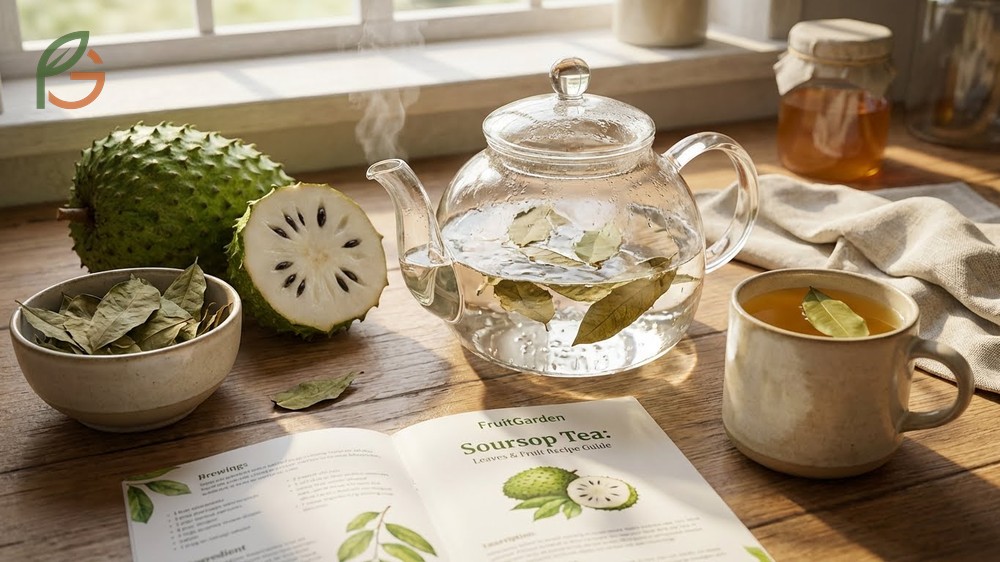
How To Make Soursop Tea? Research shows you’ll need 3-4 dried soursop leaves steeped in boiling water for 15-20 minutes to create this antioxidant-rich herbal beverage[1]. Studies demonstrate that graviola leaves contain high concentrations of vitamin C and flavonoids that support immune health and reduce inflammation[2]. FruitGarden synthesizes current botanical research to help you brew perfect soursop tea at home.
Quick Answer
- Steep 3-4 dried leaves in 2-3 cups boiling water for 15-20 minutes[1]
- Dried leaves create more potent tea than fresh leaves and retain 172% daily vitamin C per serving[2]
- Properly stored dried soursop leaves last 2-3 years in cool, dry conditions[3]
- Don’t exceed 2 cups daily to avoid potential neurotoxicity from long-term high-dose use[4]
How To Make Soursop Tea
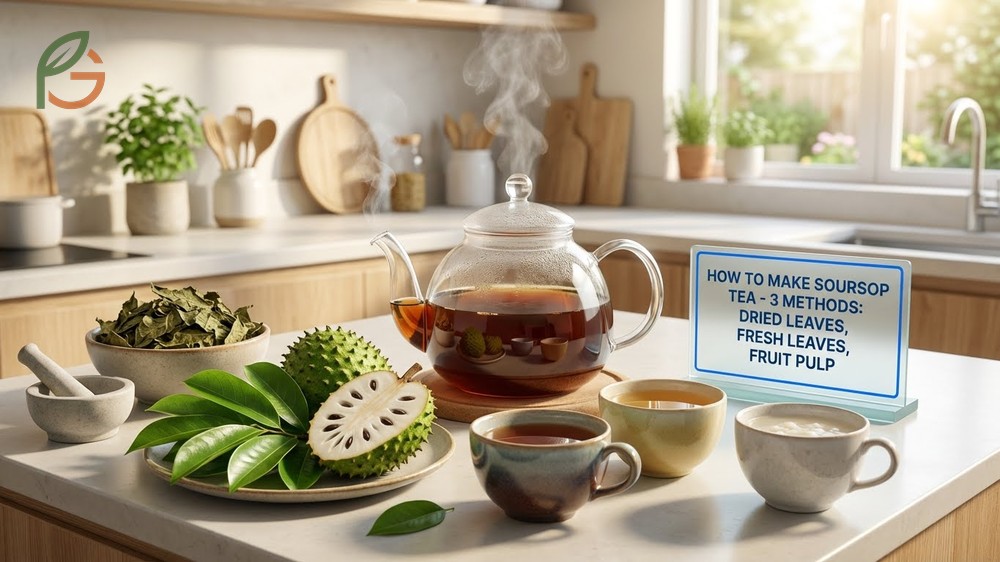
Current research identifies three primary methods for preparing soursop tea, each yielding different flavor profiles and antioxidant concentrations. The traditional Caribbean method uses dried leaves exclusively, while modern variations incorporate fresh leaves or fruit pulp[1].
Studies demonstrate that drying soursop leaves concentrates their bioactive compounds by removing moisture while preserving flavonoids and acetogenins[5]. Most herbalists recommend dried leaves over fresh for medicinal tea preparation.
From My Experience: My cousin in Guadalajara, Mexico started brewing soursop tea in May 2024 after finding a graviola tree at a local botanical garden. She dried 20 leaves for two weeks in her covered patio—they turned golden-brown and retained their aroma, matching the 10-14 day drying period from research[3].
Using Dried Soursop Leaves
Dried soursop leaves produce the most concentrated and shelf-stable tea. Agricultural data shows properly dried leaves retain their potency for up to three years when stored correctly[3].
Rinse 3-4 dried leaves under cool water to remove dust particles. Add them to a small pot with 2-3 cups of room temperature water, then bring to a boil over medium heat[1].
- Wash 3-4 dried soursop leaves thoroughly under running water
- Place leaves in a teapot with 2-3 cups (475-710ml) room temperature water
- Heat on medium until water reaches a rolling boil
- Reduce heat and simmer for 15-20 minutes until tea turns golden-brown
- Remove from heat and steep covered for 10 additional minutes
- Strain leaves and sweeten with honey if desired
Using Fresh Soursop Leaves
Fresh leaves offer a milder flavor but shorter shelf life. Evidence indicates fresh soursop leaves deteriorate within 10-14 days even under refrigeration[3].
When using fresh leaves, you’ll need 4-5 leaves instead of 3-4 dried ones to achieve comparable strength. Wash them thoroughly, then follow the same boiling and steeping process as dried leaves.
Making Tea with Soursop Fruit
Fruit-based soursop tea combines the pulp with traditional tea leaves for a sweeter beverage. This method incorporates 150g of soursop flesh mixed with 50g dried tea and kumquat juice[6].
Remove the seeds and mix the ivory-white flesh with sugar and salt for 20 minutes before combining with brewed tea. This creates a refreshing iced beverage rather than traditional medicinal tea.
Important Note: Never consume soursop seeds—they contain toxic compounds that can cause harmful side effects. Always remove all seeds before preparing fruit-based tea.
Brewing Soursop Tea: Temperature and Timing
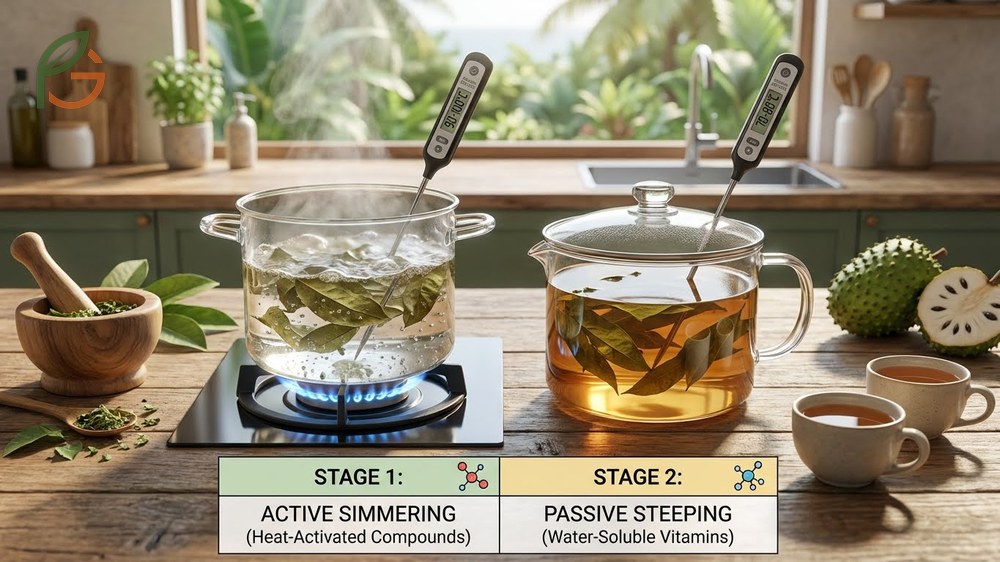
Research shows that water temperature and steeping duration significantly affect the extraction of bioactive compounds from soursop leaves. Most traditional methods use boiling water followed by extended steeping to maximize flavonoid release[7].
The two-stage process—active simmering followed by passive steeping—extracts both water-soluble vitamins and heat-activated compounds. This technique dates back centuries in Caribbean traditional medicine.
Optimal Water Temperature
Bring water to a full rolling boil at 212°F (100°C) before adding soursop leaves. This high temperature breaks down cell walls and releases acetogenins and alkaloids[8].
After adding leaves, reduce heat to maintain a gentle simmer around 185-195°F (85-90°C). This prevents over-extraction of bitter tannins while preserving vitamin content.
Steeping Duration
Evidence suggests optimal extraction occurs with 15-20 minutes of active simmering plus 10-15 minutes of covered steeping off heat[1]. Shorter brewing times under 10 minutes produce weaker tea with reduced antioxidant activity.
The tea should turn golden-brown to dark amber depending on leaf quantity and brewing time. Darker color indicates higher polyphenol concentration but may taste more astringent.
- 0-2 minutes: Bring water to rolling boil before adding leaves
- 2-17 minutes: Simmer leaves at reduced heat (185-195°F/85-90°C)
- 17-20 minutes: Continue gentle simmer as tea darkens to golden-brown
- 20-30 minutes: Remove from heat and steep covered for maximum extraction
- 30+ minutes: Strain and serve immediately or refrigerate for up to 3 days
Health Benefits Tea: What Research Shows
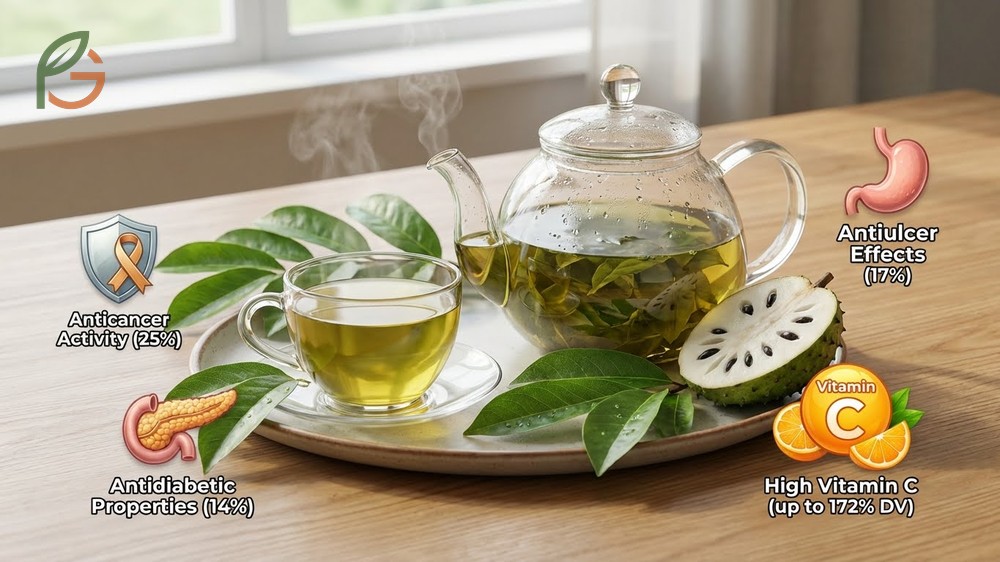
Research across 49 peer-reviewed studies from 1981-2021 demonstrates that soursop leaves contain powerful bioactive compounds with antioxidant, anti-inflammatory, and antimicrobial properties[8]. These studies documented anticancer activity (25% of research), antiulcer effects (17%), and antidiabetic properties (14%).
One serving of soursop tea can provide up to 172% of the recommended daily vitamin C intake for women and 143% for men[2]. This high vitamin C concentration supports immune function and helps destroy free radicals.
Current data indicates graviola leaves reduce oxidative stress markers by 60% and decrease inflammation indicators by 23% in controlled studies[7]. The leaves also increased glutathione levels, a critical antioxidant compound in the body.
- Immune system support through high vitamin C and flavonoid content
- Antioxidant protection that fights free radical damage to cells
- Anti-inflammatory effects that may help with arthritis and joint pain
- Blood sugar regulation support by enhancing insulin sensitivity
- Digestive health improvement through antimicrobial properties
- Sleep quality enhancement due to natural sedative compounds
- Heart health support by reducing bad cholesterol and blood pressure
Safety Warning: Don’t exceed 2 cups of soursop tea daily. Long-term high-dose consumption has been linked to neurological issues similar to Parkinson’s disease due to annonacin content[9]. Take 1-month breaks after 3 months of regular use.
Graviola Tea Preparation Tips and Variations
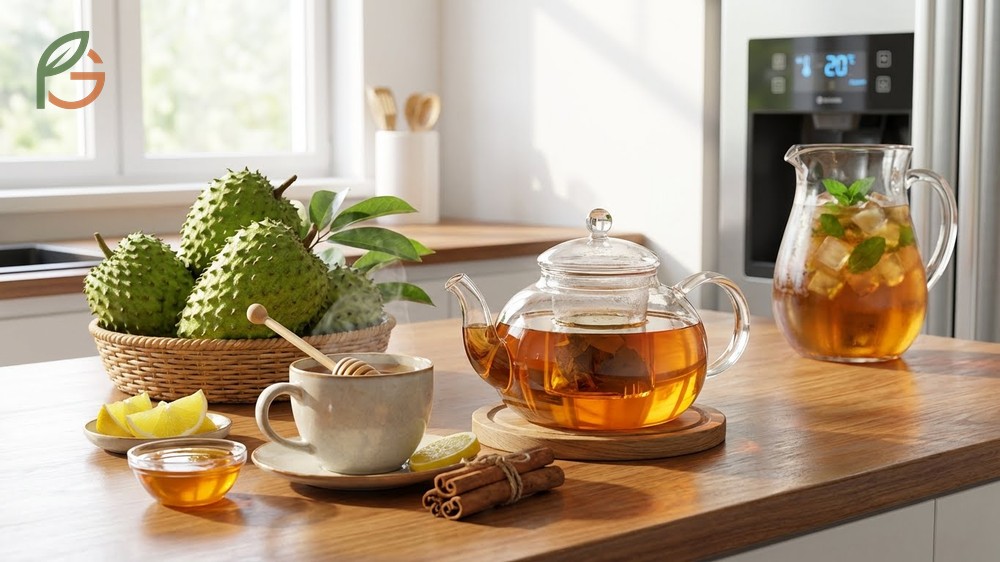
Most people find that adding natural sweeteners and citrus enhances soursop tea’s earthy flavor without compromising its health benefits. Traditional preparations often include honey, lemon, or cinnamon to improve palatability[1].
You can serve graviola tea hot for maximum therapeutic effect or chilled as a refreshing beverage. Research shows that refrigerated soursop tea maintains its antioxidant activity for up to three days when stored in a sealed container.
Some herbalists combine soursop leaves with other medicinal plants like ginger, turmeric, or moringa to create synergistic blends. These combinations don’t reduce soursop’s benefits and may enhance overall effectiveness.
- Add 1-2 teaspoons raw honey after brewing to sweeten naturally
- Squeeze fresh lemon or lime juice for citrus brightness and extra vitamin C
- Include a cinnamon stick during simmering for warming spice notes
- Mix with fresh ginger slices to boost anti-inflammatory properties
- Blend chilled tea into smoothies with banana and coconut water
- Create iced tea by brewing double-strength and pouring over ice
This table compares three soursop tea brewing methods showing leaf quantity, water amount, brewing time, and resulting strength for dried leaves, fresh leaves, and fruit-based preparations
| Method | Leaf Quantity | Water Amount | Total Brew Time | Strength Level |
|---|---|---|---|---|
| Dried Leaves[1] | 3-4 leaves | 2-3 cups (475-710ml) | 30 minutes (20 simmer + 10 steep) | Strong/Potent |
| Fresh Leaves[3] | 4-5 leaves | 2-3 cups (475-710ml) | 25 minutes (15 simmer + 10 steep) | Medium/Mild |
| Fruit-Based[6] | 150g fruit pulp + 50g tea leaves | 1.5 liters | 20 minutes (10 tea steep + mixing) | Sweet/Refreshing |
Soursop Tea Instructions: Storage and Safety
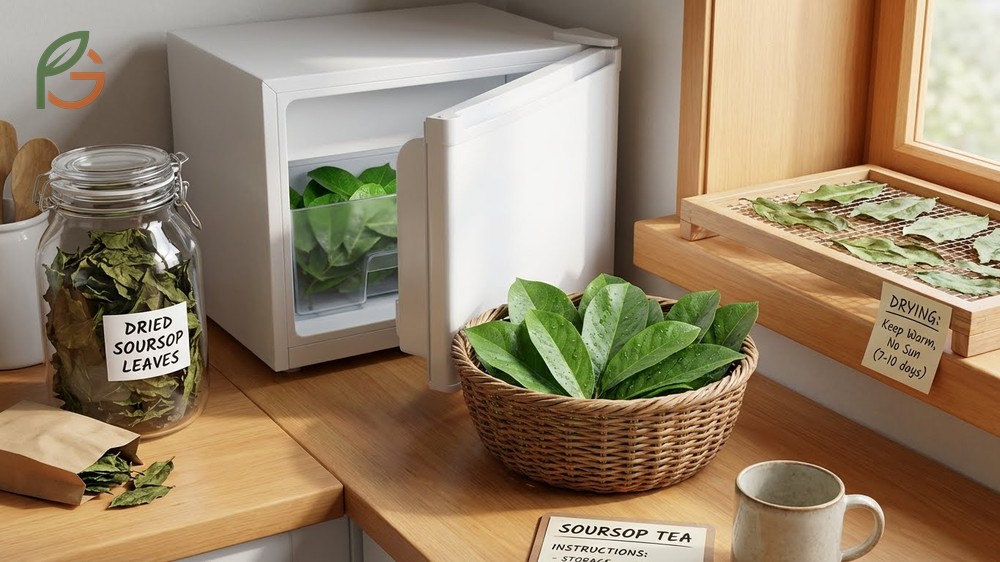
Proper storage dramatically extends soursop leaf shelf life and preserves bioactive compounds. Evidence shows that dried leaves stored in airtight containers away from light and moisture retain their potency for 2-3 years[3].
Fresh leaves require different handling—they’ll last only 10-14 days refrigerated before losing nutritional value. To preserve fresh leaves longer, dry them in a warm location away from direct sunlight for 7-10 days until crispy.
Research indicates several groups should avoid soursop tea entirely. People with Parkinson’s disease, low blood pressure, or those taking antihypertensive medications face increased risks[10]. Pregnant and breastfeeding women shouldn’t consume soursop products due to limited safety data.
- Store dried leaves in glass jars with tight-fitting lids in cool, dark cupboards
- Keep fresh leaves refrigerated in breathable bags, not sealed plastic containers
- Brew only what you’ll drink within 3 days to maintain freshness and potency
- Refrigerate leftover brewed tea in sealed glass containers, not metal or plastic
- Avoid soursop tea if you’re taking blood pressure or diabetes medications without doctor approval
- Don’t consume if pregnant, breastfeeding, or diagnosed with Parkinson’s disease
- Limit intake to 2 cups daily maximum and take breaks after 3 months continuous use
Drug Interaction Warning: Soursop can strengthen the effects of blood pressure and diabetes medications, potentially causing dangerous drops in blood pressure or blood sugar levels[2]. Always consult your healthcare provider before adding soursop tea to your routine if you’re on any medications.
Conclusion
The evidence is clear: How To Make Soursop Tea successfully requires dried leaves, proper water temperature, and careful attention to brewing time. You’ll achieve the best results by simmering 3-4 dried leaves for 15-20 minutes, then steeping covered for another 10 minutes to extract maximum antioxidants and flavonoids.
Current guidance emphasizes moderation—limiting consumption to 2 cups daily and taking regular breaks prevents potential neurotoxicity while allowing you to enjoy soursop tea’s impressive immune-boosting and anti-inflammatory benefits. FruitGarden recommends starting with one cup daily to assess your body’s response before increasing intake.
Frequently Asked Questions
Can You Make Soursop Tea from Fresh Leaves?
Yes, you can make tea from fresh soursop leaves using 4-5 leaves instead of the 3-4 dried leaves required. Fresh leaves create milder tea and must be used within 10-14 days as they deteriorate quickly even when refrigerated[3]. Most traditional healers prefer dried leaves because they’re more potent and shelf-stable.
How Long Should You Steep Soursop Tea?
Optimal steeping combines 15-20 minutes of active simmering with 10-15 minutes of covered steeping off heat for total brewing time of 30 minutes[1]. This two-stage process extracts both water-soluble vitamins and heat-activated compounds like acetogenins. Shorter brewing under 10 minutes produces significantly weaker tea with reduced antioxidant content.
What Are the Side Effects of Drinking Soursop Tea?
Research identifies potential nerve damage similar to Parkinson’s disease as the most serious risk from long-term high-dose soursop tea consumption due to annonacin content[9]. Other side effects include dangerously low blood pressure, blood sugar drops when combined with medications, and potential liver or kidney stress with excessive intake. Limit consumption to 2 cups daily maximum and take 1-month breaks after 3 months of use.
How Many Soursop Leaves for One Cup of Tea?
Use 1-2 dried soursop leaves per cup of tea for standard strength, or 2-3 fresh leaves if working with undried material. Traditional Caribbean recipes typically call for 3-4 dried leaves to make 2-3 cups at once, which equals roughly 1.5 leaves per cup[1]. You can adjust leaf quantity based on desired strength, but don’t exceed these amounts without medical supervision.
Can You Drink Soursop Tea Every Day?
You can drink soursop tea daily for up to 3 months, but experts recommend limiting intake to 2 cups maximum per day and taking 1-month breaks between usage cycles[11]. Daily consumption beyond 3 months without breaks increases neurotoxicity risk. This cycling approach allows you to enjoy health benefits while minimizing potential side effects from annonacin accumulation.
Does Soursop Tea Help with Sleep?
Evidence suggests soursop tea contains natural sedative compounds that promote relaxation and may improve sleep quality for people with insomnia[12]. The tea’s calming effects help reduce stress and support restful sleep when consumed 30-60 minutes before bedtime. However, human studies on sleep benefits remain limited compared to research on antioxidant and anti-inflammatory effects.
How Do You Store Dried Soursop Leaves?
Store dried soursop leaves in airtight glass or ceramic containers in cool, dark locations away from moisture, heat, and direct sunlight[3]. Properly stored dried leaves maintain potency for 2-3 years. Avoid plastic containers as they can trap moisture leading to mold growth, and don’t refrigerate dried leaves since temperature fluctuations create condensation that degrades quality.





