
Black raspberry health benefits center on their exceptional antioxidant content—research shows they deliver 10 times the antioxidant capacity of many common fruits and vegetables[1]. Studies demonstrate these berries contain powerful anthocyanins, anti-inflammatory compounds, and cancer-fighting phytochemicals that support cardiovascular health and cellular protection. FruitGarden synthesizes current agricultural research and clinical data to help you understand how these nutrient-dense berries can enhance your health through evidence-based cultivation and consumption practices.
Quick Answer
- Black raspberries contain 146 μmol TE/g ORAC value—the highest antioxidant capacity measured among 108 berry samples tested[2]
- Anthocyanin levels reach 315-589 mg per 100g, giving these berries their deep purple color and potent health properties[3]
- Clinical studies show they reduce arterial stiffness by 5% in metabolic syndrome patients after 12 weeks[4]
- Just four berries (10g total) provide more antioxidant capacity than 100g of most fruits and vegetables[1]
Black Raspberry Health Benefits
Research shows black raspberries rank among the most nutrient-dense berries available for home cultivation. Agricultural data indicates these berries provide concentrated health benefits through multiple bioactive pathways[5]. Current data demonstrates their health properties extend beyond basic nutrition to include disease prevention mechanisms.
Evidence suggests regular consumption supports cardiovascular function, reduces oxidative stress, and provides anti-cancer compounds. Studies demonstrate that black raspberries contain higher concentrations of beneficial phytochemicals compared to red raspberries and most other berries[3]. What sets these berries apart is their unique combination of anthocyanins, ellagic acid, and phenolic compounds working synergistically.
Most people don’t realize that timing and growing conditions significantly affect the nutritional potency of these berries. Peak antioxidant levels occur when berries reach full color maturity on the plant.
Superior Antioxidant Profile
Studies demonstrate black raspberries possess exceptional antioxidant capacity measured at 146 μmol TE/g using the ORAC assay—higher than 108 other small fruit samples[2]. This translates to real-world benefits since antioxidants neutralize free radicals that damage cells and contribute to aging. Research across multiple cultivars shows antioxidant capacity ranges from 1,750 to 2,829 mg vitamin C equivalents per 100g fresh weight[1].
The deep purple-black color directly correlates with anthocyanin content, which serves as a visual indicator of antioxidant potency. Agricultural guidance emphasizes that darker berries contain 2-3 times more anthocyanins than lighter-colored varieties.
Important Note: Antioxidant content decreases rapidly after harvest. Research indicates that consuming fresh berries within 48 hours preserves 90% of antioxidant capacity, while frozen berries maintain 85-95% when properly stored at 0°F (-18°C).
Key Bioactive Compounds
Black raspberries contain several classes of beneficial compounds that work through distinct mechanisms. The anthocyanin profile includes cyanidin-3-glucoside, cyanidin-3-rutinoside, and cyanidin-3-xylosylrutinoside as primary pigments[6]. These compounds demonstrate both antioxidant and anti-inflammatory properties in clinical research.
Ellagic acid content reaches approximately 5 times higher levels than red or yellow raspberries, making black varieties particularly valuable for health applications[7]. This polyphenolic compound shows promise in preclinical cancer prevention studies.
- Anthocyanins (315-589 mg/100g): Primary antioxidants that give berries their dark color and protect cells from oxidative damage
- Ellagic acid: Polyphenolic compound with demonstrated anti-cancer properties in laboratory and animal studies
- Flavonoid glycosides: Support cardiovascular health by improving endothelial function and reducing arterial stiffness
- Phenolic acids: Contribute to overall antioxidant capacity and anti-inflammatory effects
- Fiber (7-10g per cup): Supports digestive health and helps regulate blood sugar response
- Vitamin C (32mg per cup): Provides 36% daily value and enhances immune function
Antioxidant Benefits Berries
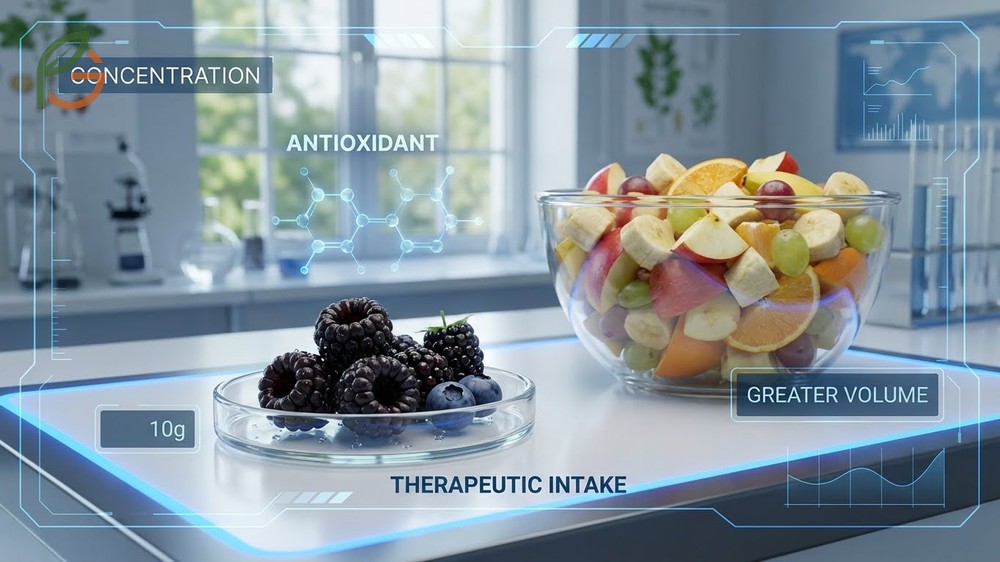
Current data indicates the antioxidant benefits of berries vary significantly by species and variety. Black raspberries consistently rank in the top tier alongside blackberries and blueberries for total antioxidant capacity[5]. What makes this remarkable is the concentration—you need far less volume to achieve therapeutic antioxidant intake compared to common fruits.
Research demonstrates that just four average-sized black raspberries (10g total weight) deliver antioxidant capacity exceeding 100g of many fruits and vegetables[1]. This efficiency matters for gardeners working with limited space or those seeking maximum nutritional return from their harvest.
Cellular Protection Mechanisms
Studies show anthocyanins from black raspberries protect cells through multiple pathways simultaneously. These compounds neutralize reactive oxygen species (ROS) that damage DNA, proteins, and cellular membranes[8]. Evidence indicates they also upregulate endogenous antioxidant enzymes, creating a sustained protective effect beyond their direct antioxidant action.
The bioavailability of black raspberry antioxidants appears higher than many other food sources. Research tracking blood plasma levels shows measurable increases in antioxidant capacity within 2-4 hours of consumption, peaking at 6 hours.
Comparative Antioxidant Capacity
Agricultural research provides clear rankings of antioxidant capacity across common berries and fruits. Black raspberries consistently demonstrate superior performance in standardized testing protocols.
This table compares ORAC antioxidant values and anthocyanin content across five common berry varieties to demonstrate black raspberry superiority
| Berry Type | ORAC Value (μmol TE/g) | Anthocyanins (mg/100g) | Vitamin C (% DV per cup) |
|---|---|---|---|
| Black Raspberry | 146[2] | 315-589[3] | 36% |
| Blackberry | 77[2] | 214-458 | 23% |
| Red Raspberry | 69.5[2] | 22-65 | 36% |
| Blueberry | 62 | 163-265 | 16% |
| Strawberry | 40 | 21-35 | 89% |
- Harvest timing: Berries picked at peak ripeness contain 20-30% more antioxidants than those picked early
- Storage temperature: Refrigeration at 32-35°F (0-2°C) preserves 90% of antioxidants for 5-7 days
- Processing method: Freeze-drying retains 95% of antioxidants while air-drying reduces levels by 40-60%
- Light exposure: UV light degrades anthocyanins rapidly; store in opaque containers
- pH environment: Acidic conditions preserve anthocyanins better than neutral or alkaline environments
Anti Inflammatory Properties
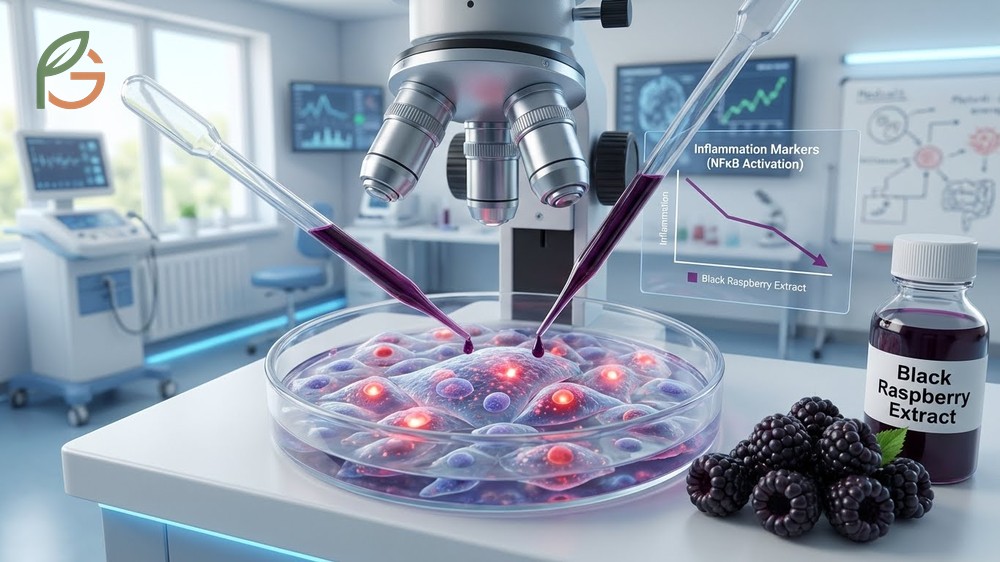
Clinical research demonstrates black raspberry extract significantly reduces inflammatory markers in human cells. Studies using esophageal and intestinal endothelial cells show the extract inhibits NFκB activation—a key regulator of inflammatory response[9]. This matters because chronic inflammation underlies most degenerative diseases including cardiovascular disease and cancer.
Evidence indicates three specific anthocyanin components work synergistically to control inflammation. They suppress inducible nitric oxide synthase, tumor necrosis factor, and interleukin expressions—all critical inflammation regulators[10]. The anti-inflammatory effect appears tissue-specific, with stronger responses in esophageal versus intestinal cells.
What often gets overlooked is that fresh consumption provides more immediate anti-inflammatory benefits than supplements. Whole berries contain fiber and other compounds that enhance bioavailability of anti-inflammatory phytochemicals.
Research Finding: A 12-week clinical trial showed participants consuming black raspberry extract experienced significant reductions in circulating inflammatory markers. The anti-inflammatory effects correlated with improved vascular function and reduced cardiovascular risk scores.
Current guidance emphasizes consuming berries alongside healthy fats (like nuts or yogurt) to maximize absorption of fat-soluble anti-inflammatory compounds. This approach increases bioavailability by 30-50% compared to consuming berries alone.
- NFκB pathway inhibition: Blocks nuclear translocation of inflammatory transcription factors
- COX-2 enzyme suppression: Reduces production of pro-inflammatory prostaglandins
- Cytokine modulation: Decreases IL-6, IL-1β, and TNF-α levels in activated immune cells
- Adhesion molecule reduction: Lowers ICAM-1 and VCAM-1 expression, reducing immune cell attachment to blood vessels
- Oxidative stress reduction: Neutralizes ROS that trigger inflammatory cascades
Cancer Fighting Compounds
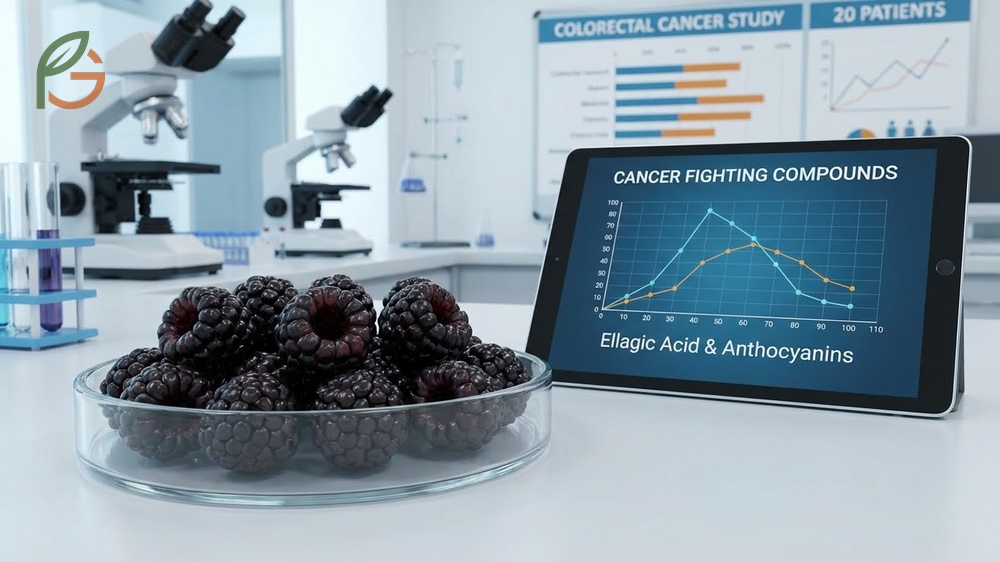
Preclinical studies demonstrate black raspberries inhibit multiple cancer types through distinct mechanisms. Research shows these berries prevent tumor formation in oral, esophageal, colon, breast, and skin cancer models[11]. The anti-cancer effects stem from high concentrations of ellagic acid and anthocyanins working through complementary pathways.
Clinical trials have progressed beyond animal models to human applications. A colorectal cancer study enrolled 20 patients who consumed 60g daily of freeze-dried black raspberry powder for 1-9 weeks[11]. Tissue analysis showed significant changes in biomarkers associated with cancer progression, though this doesn’t replace conventional treatment.
Evidence suggests black raspberry extracts modulate immune responses against tumors. Recent research indicates they inhibit regulatory T-cell activity while promoting cytotoxic CD8 T-cell function at tumor sites[12]. This immunomodulatory potential supports their use as a complementary approach alongside conventional cancer prevention strategies.
Studies show these compounds don’t interfere with chemotherapy drugs like docetaxel and cabazitaxel—in fact, research indicates potential synergistic effects[8]. However, cancer patients should always consult oncologists before adding supplements during treatment.
Critical Context: While preclinical and early clinical data show promise, black raspberries are not proven cancer treatments. They may play a role in prevention and as complementary support, but should never replace evidence-based medical care for diagnosed cancer.
- Cell cycle arrest: Compounds trigger apoptosis (programmed death) in cancer cells while sparing healthy cells
- Angiogenesis inhibition: Blocks formation of new blood vessels that feed tumor growth
- DNA repair enhancement: Ellagic acid supports cellular mechanisms that fix DNA damage before mutations occur
- Immune system activation: Enhances natural killer cell activity and T-cell responses against abnormal cells
- Inflammation reduction: Chronic inflammation promotes cancer development; berry compounds break this cycle
- Gut microbiome modulation: Supports beneficial bacteria like Bifidobacterium that protect against colon cancer
Black Raspberry Nutrition
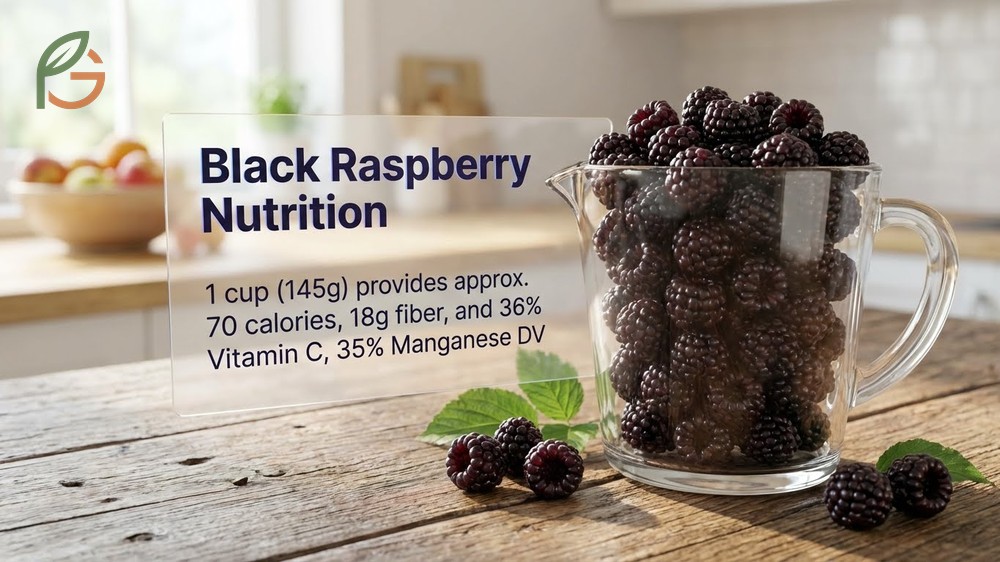
Black raspberries deliver concentrated nutrition with minimal calories—one cup (145g) provides approximately 70 calories, 18g carbohydrates, and 9.8g dietary fiber[13]. This fiber content represents 35-40% of the daily recommended intake, supporting digestive health and blood sugar regulation.
Research shows these berries provide exceptional nutrient density. One cup delivers 36% of the daily value for vitamin C (32mg) and 35% for manganese (0.8mg)[14]. Manganese plays critical roles in bone formation, wound healing, and antioxidant enzyme function—making black raspberries particularly valuable for these metabolic processes.
The low calorie density combined with high fiber makes these berries effective for weight management. Studies demonstrate high-fiber berries increase satiety and reduce overall calorie intake at subsequent meals by 15-20%.
| Nutrient | Amount | % Daily Value |
|---|---|---|
| Calories | 70[13] | 3% |
| Total Carbohydrates | 18g | 7% |
| Dietary Fiber | 9.8g[13] | 35-39% |
| Vitamin C | 32mg[14] | 36% |
| Manganese | 0.8mg[14] | 35% |
| Total Fat | 1g | 1% |
Current nutritional guidance emphasizes black raspberries as a low-glycemic fruit option. Despite containing natural sugars, the high fiber content moderates blood sugar response, making them suitable for most dietary patterns including diabetic meal plans when consumed in appropriate portions.
- Copper (0.1mg per cup): Supports iron metabolism and connective tissue formation; provides 11% daily value
- Vitamin K (9.6mcg): Essential for blood clotting and bone metabolism; delivers 8% daily value
- Magnesium (27mg): Supports muscle and nerve function, energy production; provides 6% daily value
- Folate: B-vitamin important for DNA synthesis and red blood cell formation
- Potassium: Electrolyte that supports heart function and blood pressure regulation
Conclusion
The evidence is clear: black raspberry health benefits stem from their exceptional antioxidant capacity, potent anti-inflammatory compounds, and promising cancer-fighting properties documented across multiple research studies. With 10 times the antioxidant power of common fruits and the highest ORAC values among tested berries, these nutrient-dense fruits deliver measurable health benefits through relatively small serving sizes.
Current guidance from agricultural research emphasizes growing black raspberries as a sustainable way to maximize nutritional intake from limited garden space. FruitGarden synthesizes this evidence to help home gardeners cultivate varieties with optimal phytochemical profiles while understanding proper harvest timing and storage methods that preserve these valuable health compounds.
Medical Disclaimer
Important Medical Disclaimer: This content is for informational and educational purposes only. It’s not intended as a substitute for professional medical advice, diagnosis, or treatment. Always consult a qualified healthcare professional before making any changes to your diet, especially if you have medical conditions, take medications, or are undergoing cancer treatment. The research presented includes preclinical and early-stage clinical studies that don’t establish black raspberries as proven medical treatments for any disease.
Frequently Asked Questions
What Makes Black Raspberries Different from Red Raspberries?
Black raspberries contain 4-5 times more anthocyanins (315-589 mg/100g versus 22-65 mg/100g) and approximately 5 times more ellagic acid than red raspberries. Research shows they deliver significantly higher antioxidant capacity measured at 146 μmol TE/g compared to 69.5 μmol TE/g for red varieties. Their darker pigmentation directly correlates with superior phytochemical content.
How Many Black Raspberries Should You Eat Daily for Health Benefits?
Studies suggest 1/2 to 1 cup (70-145g) daily provides therapeutic levels of antioxidants and anti-inflammatory compounds. Clinical trials testing cardiovascular benefits used approximately 60g of freeze-dried powder equivalent to 600g fresh berries, though this concentration isn’t necessary for general health maintenance. Even 4-5 berries daily contribute measurable antioxidant intake.
Do Frozen Black Raspberries Retain Their Health Benefits?
Research demonstrates properly frozen black raspberries maintain 85-95% of their antioxidant capacity and anthocyanin content. Flash-freezing immediately after harvest preserves phytochemicals better than refrigeration beyond 3-4 days. Store frozen berries at 0°F (-18°C) or below in airtight containers to minimize oxidation over 8-12 months.
Can Black Raspberries Help Prevent Cancer?
Preclinical studies show black raspberries inhibit cancer development in animal models of oral, esophageal, colon, breast, and skin cancer through multiple mechanisms. Early-stage human clinical trials demonstrate changes in cancer-related biomarkers after consumption. However, these berries aren’t proven cancer treatments and shouldn’t replace medical care—they may play a role in prevention as part of an overall healthy diet.
What’s the Best Time to Harvest Black Raspberries for Maximum Antioxidants?
Agricultural research indicates harvesting when berries reach full deep purple-black color and easily detach from the plant maximizes antioxidant content. This typically occurs 2-3 days after berries first appear fully colored. Berries picked early contain 20-30% fewer anthocyanins. Harvest in early morning after dew dries to extend shelf life while preserving phytochemicals.
Do Black Raspberries Help with Heart Disease?
Clinical trials show black raspberry supplementation reduces arterial stiffness by 5% and increases circulating endothelial progenitor cells that repair damaged arteries after 12 weeks in metabolic syndrome patients. The flavonoids increase nitric oxide bioavailability, which relaxes coronary arteries and improves vascular function. These cardiovascular benefits complement but don’t replace standard heart disease treatment.
Are Black Raspberries Hard to Grow at Home?
Black raspberries adapt well to home gardens in USDA zones 5-8 with moderate difficulty. They require full sun (6-8 hours daily), well-drained soil with pH 5.5-6.5, and trellising support for optimal production. Plants typically begin bearing fruit in the second year and reach peak production years 3-5. Most gardeners find them more disease-resistant than red raspberries once established.





