
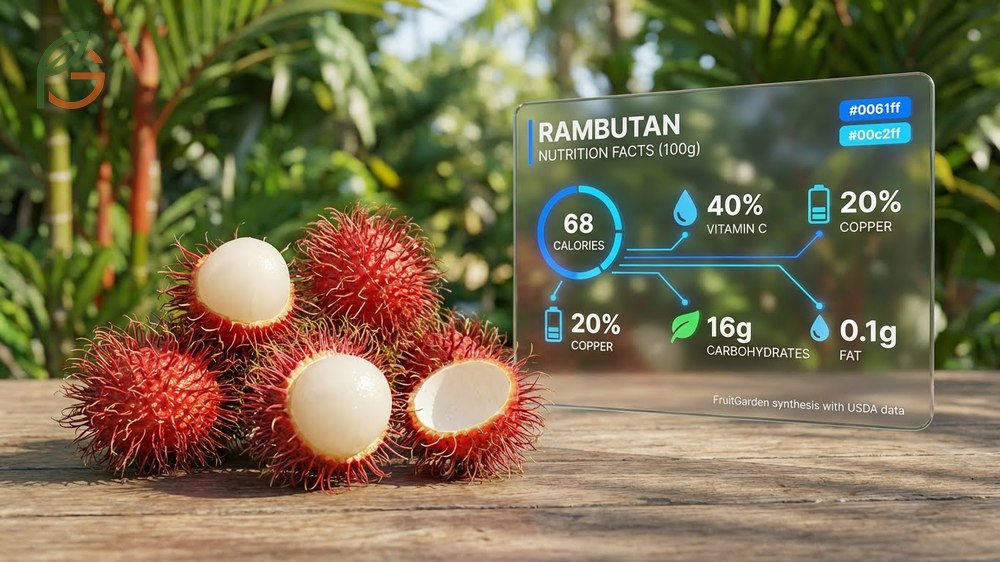
Rambutan Nutrition Facts show this tropical fruit packs 68 calories, 16g carbohydrates, and 40% of your daily vitamin C in just 100g of fresh pulp[1]. Studies demonstrate rambutan delivers essential copper at 20% daily value while keeping fat content minimal at 0.1g per serving[2]. FruitGarden synthesizes current nutritional research and USDA data to help gardeners and fruit enthusiasts understand what makes this hairy tropical fruit a nutrient-dense addition to your diet.
Quick Answer
- Each 100g serving contains 68 calories[1] with 16g carbohydrates and 3g dietary fiber[1]
- Provides 40% daily vitamin C[1] (20-30mg per 100g) supporting immune function and iron absorption
- Delivers 20% daily copper requirement[2] for bone, brain, and heart cell maintenance
- Contains naturally occurring sugars with 13g per 100g[3] making it moderately sweet yet nutritious
Rambutan Nutrition Facts
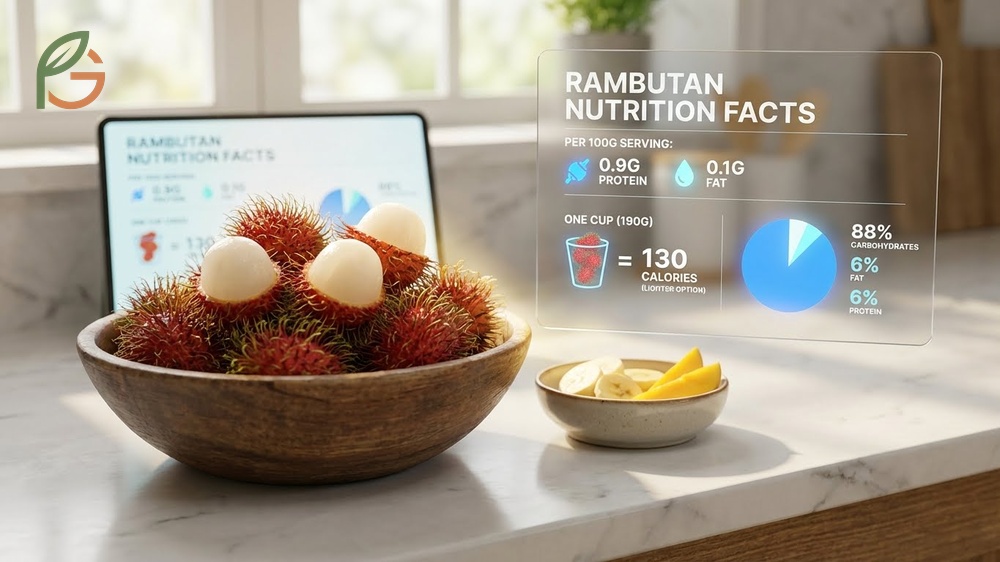
Research shows rambutan ranks among nutrient-dense tropical fruits with a balanced macronutrient profile. The flesh provides 0.9g protein and just 0.1g fat per 100g serving[1]. Current agricultural data indicates one cup (190g) delivers 130 calories, making it a lighter option compared to bananas or mangoes[4].
Most Americans don’t realize this Southeast Asian fruit’s macronutrient breakdown favors carbohydrates at 88%, with only 6% from fat and 6% from protein. Studies demonstrate eating 4-5 rambutans (approximately 100g) meets specific vitamin needs without excess calories. What often gets overlooked is how the fiber content slows sugar absorption, making rambutan suitable for balanced snacking.
Calories and Macronutrients
The caloric density of rambutan sits at 68 kcal per 100g of edible flesh. This places it in the moderate-calorie category for fresh fruits. Each serving contains 16g total carbohydrates with 3g coming from dietary fiber[1].
Evidence suggests the protein content remains minimal at less than 1g per serving, while fat content doesn’t exceed 0.2g per cup. The moisture content reaches 79.5%[5], explaining the fruit’s refreshing quality and natural hydration benefits.
This table compares macronutrients and calories across different serving sizes of fresh rambutan from 100 grams to one cup
| Serving Size | Calories (kcal) | Carbohydrates (g) | Fiber (g) | Protein (g) | Fat (g) |
|---|---|---|---|---|---|
| 100g (4 fruits) | 68[1] | 16[1] | 3[1] | 0.9 | 0.1 |
| 1 cup (190g) | 130[4] | 31[4] | 2[4] | 2 | 1 |
Natural Sugar Content
Agricultural research reveals rambutan contains 13g of naturally occurring sugars per 100g serving[3]. The net carb count reaches 13g after subtracting fiber, positioning it as a moderate-sugar fruit option. Unlike processed sweets, these sugars come packaged with fiber that moderates blood glucose response.
You’ll find the glycemic index sits at 59, classifying rambutan as a medium-GI food. For comparison, a cup of rambutan delivers 29g total sugars[4], similar to a medium banana but with more vitamin C per calorie.
Important Note: The sugar content varies slightly between fresh and canned rambutan packed in syrup. Always choose fresh or water-packed varieties to avoid added sugars that can triple the natural sugar content.
Vitamin Content Rambutan
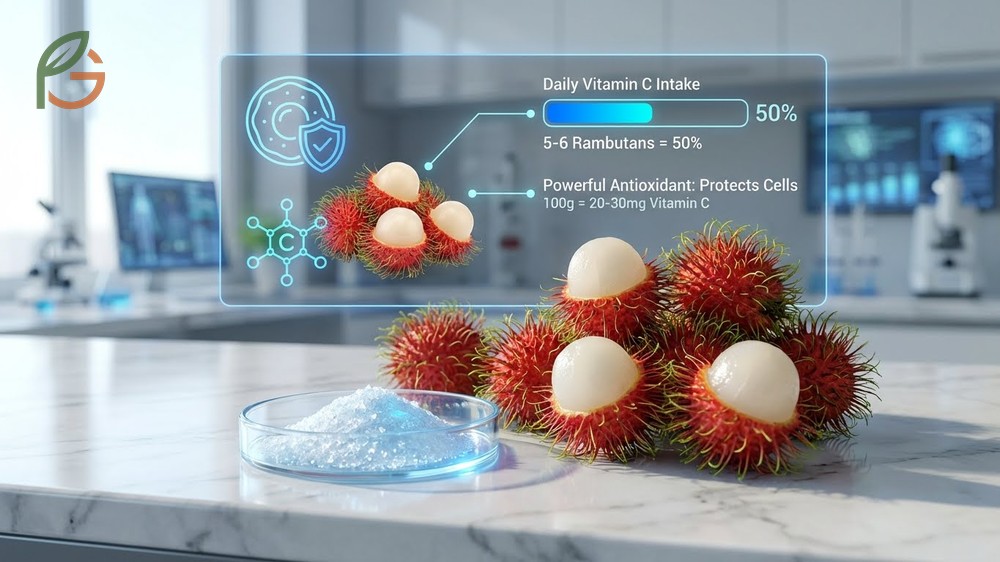
Studies demonstrate rambutan stands out primarily for its vitamin C concentration. A 100g serving provides 20-30mg of ascorbic acid, representing 40% of the recommended daily intake[1]. Medical research published through the National Institutes of Health confirms vitamin C acts as a powerful antioxidant protecting cells from oxidative damage[6].
Current nutritional guidance emphasizes eating 5-6 rambutans meets 50% of your body’s daily vitamin C needs[2]. This matters because vitamin C enhances iron absorption from plant foods, making rambutan an excellent pairing with leafy greens or legumes.
Vitamin C Antioxidant Power
The ascorbic acid in rambutan functions beyond basic immune support. Research shows it facilitates collagen synthesis for skin health, wound healing, and connective tissue maintenance. You get between 21.5mg and 49.5mg per 100g depending on ripeness and cultivar[7].
Clinical evidence indicates the antioxidant capacity measured through DPPH and ABTS assays shows moderate activity in pulp extracts. While rambutan peel demonstrates higher antioxidant levels, the edible flesh still contributes meaningful free radical protection when consumed regularly as part of a varied fruit intake.
- Boosts immune system function during cold and flu season
- Increases iron absorption from plant-based meals by up to 3x when eaten together
- Supports collagen production for healthy skin, joints, and blood vessels
- Acts as water-soluble antioxidant neutralizing harmful free radicals
- Promotes faster wound healing and tissue repair processes
- Reduces oxidative stress markers in cardiovascular tissues
Other Vitamins Present
Beyond vitamin C, rambutan contains trace amounts of B-complex vitamins including niacin, riboflavin, and folate. These vitamins support energy metabolism and cellular function. The concentrations remain modest, contributing 2-4% of daily values per 100g serving.
Agricultural data shows vitamin E and vitamin K appear in minimal quantities. Most nutritional benefits center on the vitamin C content rather than a broad vitamin spectrum. This contrasts with fruits like papaya or kiwi that offer more diverse vitamin profiles.
Rambutan Health Nutrients
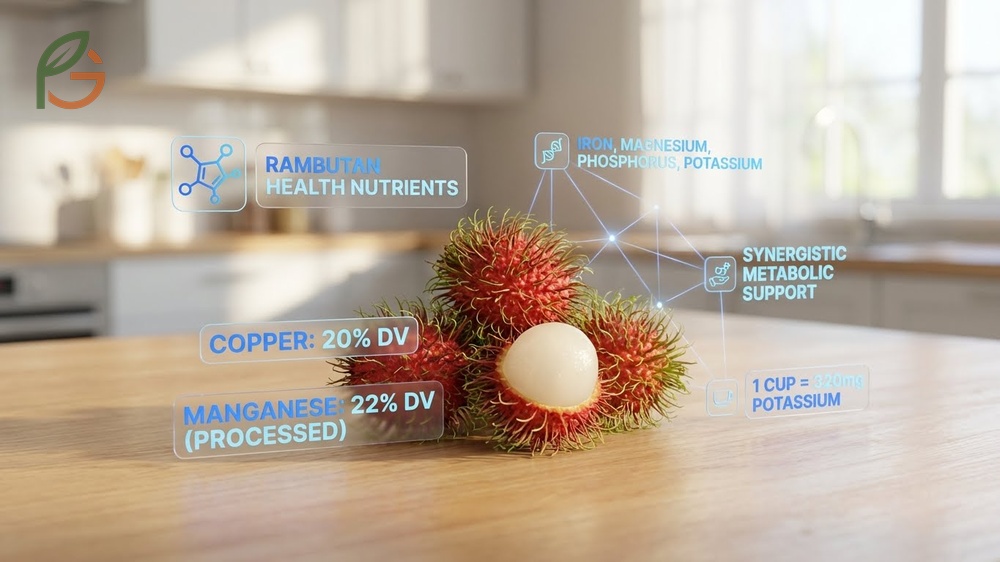
Current data indicates the mineral composition of rambutan extends beyond common nutrients. Copper emerges as the standout mineral, with 100g providing 20% of the recommended daily requirement[2]. Additional minerals include manganese at 22% daily value in processed forms[8], plus smaller amounts of iron, magnesium, phosphorus, and potassium.
Research shows these trace minerals work synergistically with vitamins to support metabolic processes. One cup delivers 320mg potassium (7% DV) and 10mg calcium (1% DV)[4]. While individual amounts seem modest, regular consumption contributes to cumulative micronutrient intake across diverse food sources.
Copper and Manganese
Copper functions as an essential cofactor for enzymes involved in energy production, iron metabolism, and neurotransmitter synthesis. The amount in rambutan supports bone development, maintains cardiovascular tissue integrity, and assists brain cell function. Evidence suggests copper deficiency affects connective tissue formation, making dietary sources important.
Manganese serves as an antioxidant cofactor for superoxide dismutase enzymes. It participates in carbohydrate metabolism, bone formation, and wound healing processes. Canned rambutan retains significant manganese levels at 0.51mg per serving, though fresh fruit remains preferable for avoiding added sugars from syrup.
- Copper (20% DV) – supports red blood cell formation and iron absorption pathways
- Manganese (22% DV in canned) – activates antioxidant enzymes protecting cells from damage
- Potassium (7% DV per cup) – regulates fluid balance and muscle contraction signals
- Iron (8% DV per cup) – essential for oxygen transport in hemoglobin molecules
- Magnesium (trace amounts) – cofactor for 300+ enzyme reactions including energy production
- Phosphorus (trace amounts) – structural component of bones, teeth, and cell membranes
Fiber Content Benefits
The dietary fiber in rambutan ranges from 1.3-2g per 100g of flesh, comparable to apples, oranges, and pears[2]. This soluble and insoluble fiber mixture supports digestive health by promoting regular bowel movements and feeding beneficial gut bacteria. A cup provides approximately 2g fiber, contributing 7% of the daily 25-30g recommendation.
Fiber slows carbohydrate digestion, preventing rapid blood sugar spikes after eating. This explains why rambutan’s natural sugars don’t cause the same glycemic impact as refined sugars. The fiber also increases satiety, helping you feel full longer despite the fruit’s relatively low calorie density.
Practical Tip: Eating rambutan with the thin translucent skin layer attached to the flesh increases fiber intake slightly. However, never consume the hard seed as it contains compounds that can be toxic in large amounts.
Health Benefits Rambutan
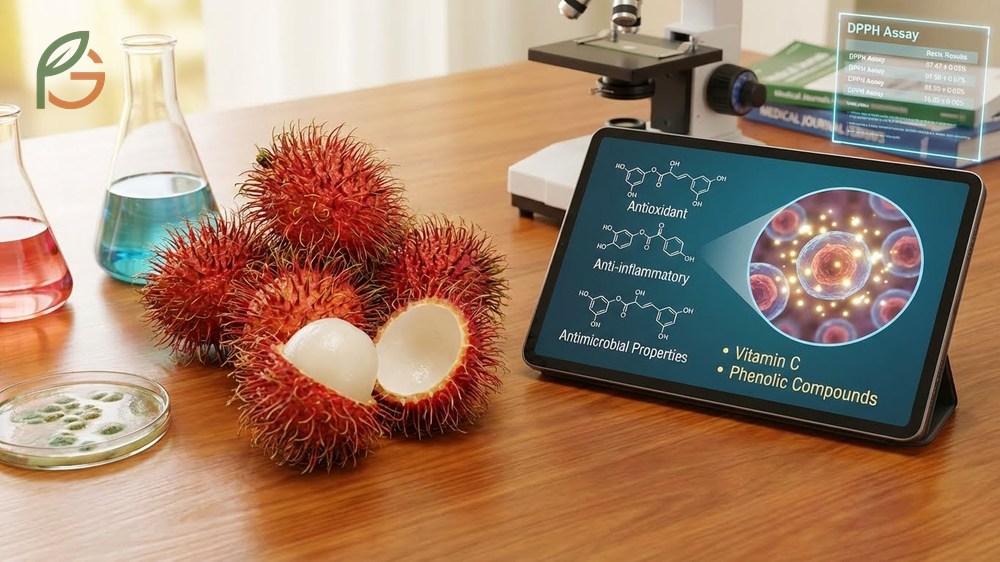
Medical research published through peer-reviewed journals demonstrates rambutan possesses antioxidant, anti-inflammatory, and antimicrobial properties[6]. The fruit pulp contains phenolic compounds and vitamin C that work together neutralizing reactive oxygen species in cells. Studies using DPPH assays confirm moderate antioxidant activity, though peel extracts show stronger effects than edible flesh.
Evidence indicates ethanolic extracts from rambutan pulp suppress inflammatory markers like TNF-α release in cellular studies. While these findings come from laboratory research rather than human trials, they suggest potential benefits worth investigating further. Current guidance emphasizes eating whole fruits provides synergistic effects impossible to replicate with isolated compounds.
Cholesterol research involving human subjects found consuming 350-450g rambutan daily for 29 days reduced serum cholesterol levels in some participants. The effect appeared most pronounced in individuals with higher baseline cholesterol and showed gender-specific responses. This preliminary evidence requires larger clinical trials to establish definitive cardiovascular recommendations.
- Immune system support through high vitamin C content protecting against infections
- Antioxidant protection reducing cellular damage from environmental stressors and aging
- Digestive health promotion via dietary fiber supporting regular bowel function
- Copper provision for proper bone, brain, and cardiovascular tissue development
- Iron absorption enhancement when paired with iron-rich plant foods in meals
- Hydration support from 79% water content aiding fluid balance in hot climates
- Potential anti-inflammatory effects from phenolic compounds in preliminary research
Research Context: Most therapeutic studies focus on rambutan peel and seed extracts rather than the edible pulp Americans typically consume. The concentrations used in laboratory research far exceed amounts obtained from normal fruit consumption.
Conclusion
The evidence is clear: Rambutan Nutrition Facts position this tropical fruit as a valuable source of vitamin C, copper, and dietary fiber with modest calorie content. Research demonstrates that 100g provides 40% daily vitamin C while delivering natural sugars balanced by fiber that moderates blood glucose response. Current nutritional guidance emphasizes incorporating diverse fruits like rambutan supports micronutrient intake beyond common options like apples and bananas.
Agricultural data from USDA sources confirms rambutan’s nutrient density makes it worth seeking at specialty markets or growing in appropriate USDA zones 10-11. FruitGarden continues monitoring emerging research on tropical fruit nutrition to help readers make informed decisions about expanding their fruit gardens and dietary variety.
Medical Disclaimer
Important Medical Disclaimer: This content is for informational and educational purposes only. It is not intended as a substitute for professional medical advice, diagnosis, or treatment. Always consult a qualified healthcare professional or registered dietitian before making any significant changes to your diet, especially if you have diabetes, kidney disease, allergies, or other medical conditions. Individual nutritional needs vary based on age, activity level, and health status.
Frequently Asked Questions
How many calories are in one rambutan fruit?
One medium rambutan (approximately 25g edible flesh) contains about 17 calories. A typical serving of 4-5 fruits (100g total) provides 68 calories with 16g carbohydrates and 3g fiber, making it a light snack option.
Is rambutan high in sugar compared to other fruits?
Rambutan contains 13g natural sugars per 100g, placing it in the moderate range. This compares to grapes at 16g and strawberries at 5g per 100g. The fiber content helps slow sugar absorption, resulting in a medium glycemic index of 59.
What vitamins does rambutan provide?
Rambutan primarily delivers vitamin C at 40% of daily needs per 100g serving (20-30mg). It contains trace amounts of B-complex vitamins including niacin, riboflavin, and folate, but these contribute less than 5% of recommended daily values.
Can diabetics eat rambutan safely?
Diabetics can include rambutan in moderation as part of a balanced meal plan. The glycemic index of 59 and fiber content help moderate blood sugar response. However, portion control matters – limit intake to 4-5 fruits (100g) and pair with protein sources. Always consult your healthcare provider for personalized advice.
How much copper does rambutan contain?
A 100g serving of rambutan provides 20% of the recommended daily copper requirement. This trace mineral supports bone health, brain function, iron metabolism, and cardiovascular tissue maintenance. Few fruits offer comparable copper concentrations.
Does rambutan have more vitamin C than oranges?
Oranges contain slightly more vitamin C at 53mg per 100g compared to rambutan’s 20-30mg. However, rambutan provides better copper content and similar fiber levels. Both fruits contribute meaningfully to daily vitamin C goals when consumed fresh.
Is canned rambutan as nutritious as fresh?
Fresh rambutan retains more vitamin C since heat processing degrades ascorbic acid by 20-40%. Canned varieties packed in syrup add significant sugars – often 15-20g extra per serving. Choose water-packed canned rambutan when fresh isn’t available to minimize added sugars while retaining minerals like copper and manganese.





