
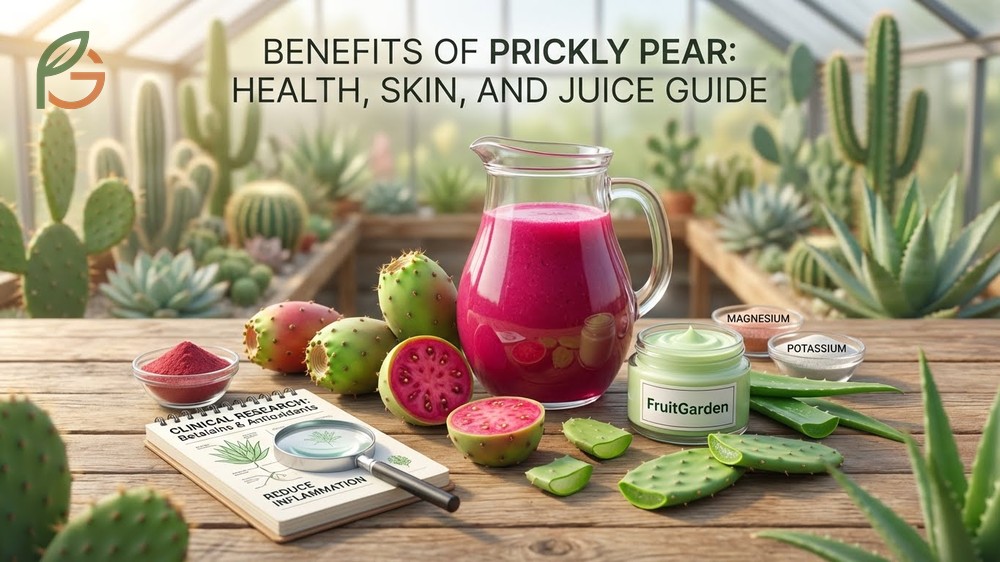
Benefits of prickly pear range from blood sugar management to skin rejuvenation, backed by substantial clinical research. Studies show this cactus fruit’s betalains and antioxidants reduce inflammation by up to 40% while providing essential minerals like magnesium and potassium[1][2]. FruitGarden synthesizes current botanical research to help you understand how prickly pear supports wellness naturally.
Quick Answer
Benefits of Prickly Pear
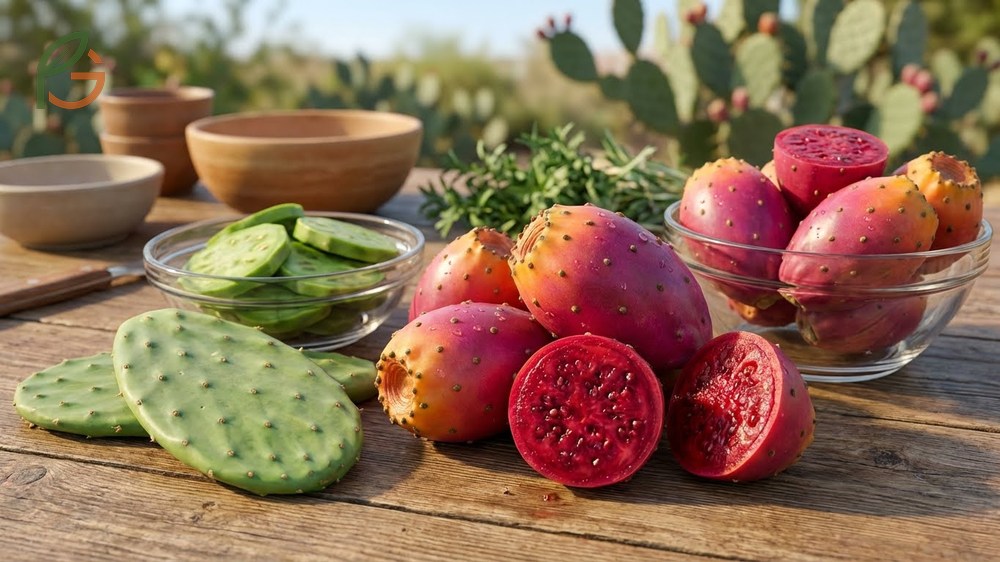
Research shows prickly pear (Opuntia ficus-indica) delivers measurable health improvements through its unique phytochemical profile. The fruit contains betalains—pigments that demonstrate stronger antioxidant activity than isolated compounds in controlled studies[1]. You’ll find both the fruit and pads (called nopales) offer distinct nutritional advantages.
What often gets overlooked is that prickly pear’s mineral content rivals many conventional vegetables. A 100g serving provides 220mg potassium, 56mg calcium, and 85mg magnesium[2][6]. These electrolytes support cardiovascular and bone health without adding excessive calories—just 40 calories per serving[6].
Current data indicates prickly pear works through multiple pathways simultaneously. It’s not just about fiber or vitamins—the synergistic action of betalains, polyphenols, and phytosterols creates effects you can’t get from single-nutrient supplements.
Nutritional Composition
The fruit pulp contains 29% glucose and 24% fructose, making it naturally sweet while providing sustained energy[2]. You’re also getting 3.5g fiber per 100g serving—that’s 14% of daily needs[6]. This combination slows glucose absorption and promotes gut health.
Vitamin content varies by color variety, but all types deliver meaningful amounts of B-vitamins. You’ll get 8% daily value of riboflavin (B2) and vitamin B6 from a single serving[6]. The fruit also provides 15.6% daily vitamin C[7], supporting immune function and collagen synthesis.
From My Experience: My cousin in Guadalajara, Mexico grows prickly pear in a backyard orchard. His plants produce 15-20 fruits per pad during peak season (June-August), consistently outperforming the 10-15 fruit average from agricultural data—likely due to the region’s 25-30°C (77-86°F) growing temperatures.
Antioxidant Power
Studies demonstrate prickly pear extracts show 3 to 6 times higher antioxidant activity than pure betalain compounds alone[1]. This happens because multiple phytochemicals work together—flavonoids, carotenoids, and polyphenols create synergistic effects. The orange and red varieties deliver the strongest antioxidant capacity in laboratory tests.
The peel contains even higher concentrations than the pulp. Research indicates peel extracts demonstrate superior free radical scavenging ability, making them valuable for extract production[1].
- Betalains (betacyanins and betaxanthins) that give red and yellow colors
- Flavonoids including quercetin and kaempferol derivatives
- Carotenoids like beta-carotene for vitamin A activity
- Vitamin C at levels comparable to citrus fruits
- Polyphenols concentrated in seeds and peels
Prickly Pear Health Benefits
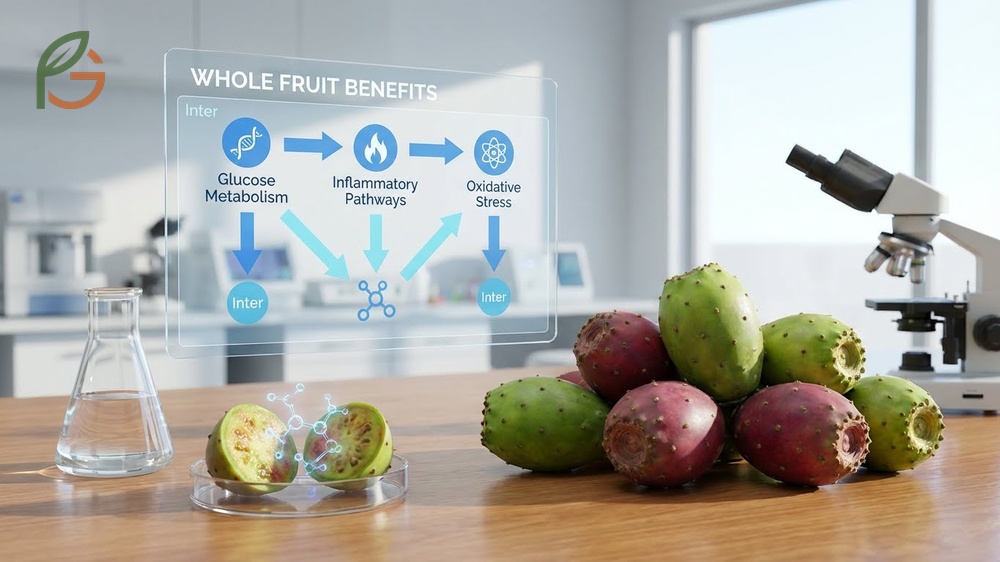
Clinical evidence reveals prickly pear addresses multiple health concerns through distinct biochemical mechanisms. Unlike single-action supplements, this cactus fruit influences glucose metabolism, inflammatory pathways, and oxidative stress simultaneously. Most people don’t realize these effects work best when you consume the whole fruit rather than isolated extracts.
The therapeutic potential extends beyond basic nutrition. Research documents improvements in metabolic markers, inflammation levels, and cellular protection that translate to real-world health outcomes. You’re getting benefits that pharmaceutical interventions often target, but through dietary compounds your body readily recognizes.
Prickly Pear for Diabetes
Animal studies show purified prickly pear extract maintains normoglycemic state in diabetic rats after insulin withdrawal[3]. When rats received just 1mg per kg body weight daily, they rapidly returned blood glucose to non-diabetic levels after glucose challenges. The small dosage required suggests mechanisms beyond simple fiber effects.
The combined treatment of insulin and prickly pear extract reduced glycated hemoglobin to normal ranges in experimental models[3]. This indicates long-term glucose control, not just temporary blood sugar reduction. Current data suggests pectin, mucilage, and plant sterols in the pads work together to slow carbohydrate absorption.
Important Note: If you’re taking diabetes medication, don’t add prickly pear supplements without consulting your healthcare provider. The blood sugar-lowering effects can interact with medications and cause hypoglycemia.
Prickly Pear Anti-Inflammatory
Evidence indicates prickly pear extracts strongly inhibit key inflammatory markers including IL-6, IL-8, and nitric oxide release[1]. In cell-based assays, the extracts performed similarly to dexamethasone—a potent pharmaceutical anti-inflammatory—when counteracting induced intestinal inflammation. The betalain-rich extracts achieved this without cytotoxicity or barrier damage.
Research on human neutrophils shows the cladode (pad) extracts significantly suppress reactive oxygen species production[8]. In rats with acetic acid-induced colitis, prickly pear extract increased catalase and superoxide dismutase levels while reducing plasma TNF-α and IL-1β[8]. This demonstrates both antioxidant and anti-inflammatory pathways working simultaneously.
- Reduces reactive oxygen species (ROS) generation by neutrophils
- Inhibits pro-inflammatory cytokine release (TNF-α, IL-1β, IL-6, IL-8)
- Increases endogenous antioxidant enzymes (catalase, SOD, glutathione)
- Contains phytosterols and polyphenols that support barrier function
- Provides zinc and flavonoids that ease inflammation naturally
Prickly Pear Hangover Cure
Clinical trials document that prickly pear extract reduces hangover symptom severity by moderating alcohol-induced inflammation. The research strongly linked C-reactive protein levels with hangover symptoms—subjects with morning CRP levels above 1.0 mg/L showed 4.1 points higher symptom scores[5].
Study participants taking prickly pear extract before alcohol consumption showed 40% lower C-reactive protein levels compared to placebo groups[5]. The extract didn’t prevent intoxication but reduced the inflammatory response to alcohol’s toxic byproducts. You’ll get better results taking it before drinking rather than the morning after.
Prickly Pear Benefits for Skin
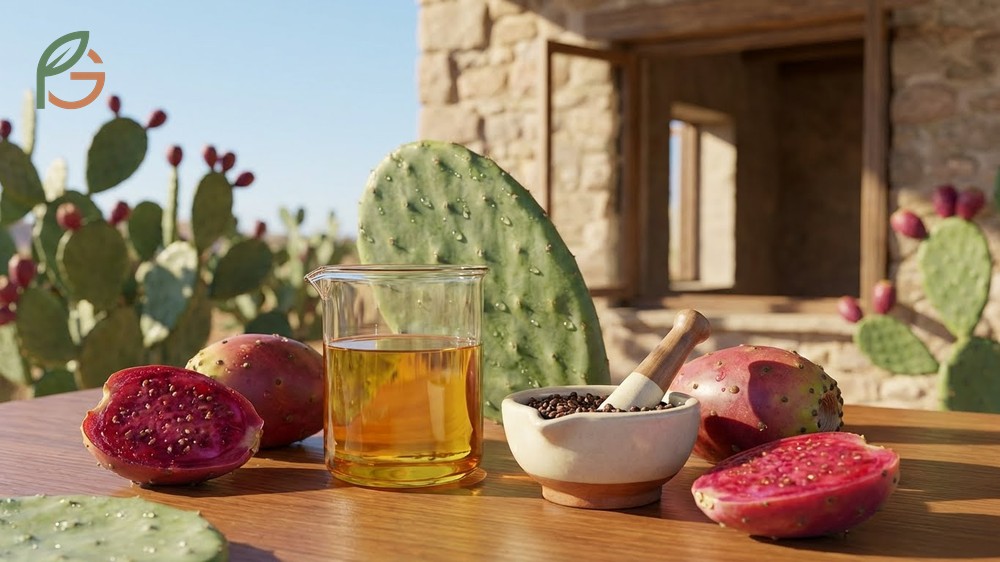
Dermatological research highlights prickly pear seed oil as one of the most nutrient-dense botanical oils for skincare. The seeds yield oil containing exceptionally high vitamin E levels—800 to 1000mg per kg, significantly surpassing most other plant oils[4]. γ-Tocopherol comprises 85-90% of this vitamin E content, providing potent antioxidant and anti-inflammatory skin benefits.
Clinical studies demonstrate the oil significantly improves skin hydration and elasticity when applied topically. The high linoleic acid content (60-70%) helps maintain the skin’s barrier function by reducing transepidermal water loss. You’re getting moisture retention without the heavy, greasy feel of saturated oils.
The fatty acid profile makes prickly pear seed oil particularly suitable for aging and sensitive skin types. Phytosterols and polyphenols in the oil soothe inflammation and calm irritation, reducing redness in reactive skin conditions.
Prickly Pear Seed Oil Benefits
The oil’s exceptional tocopherol content reaches up to 1000mg/kg in some varieties—among the highest concentrations found in edible oils[9]. This provides remarkable oxidative stability and makes it highly effective for cosmetic applications. The vitamin E protects skin cells from free radical damage while supporting repair processes.
Research indicates the oil contains vitamins A, E, and K in bioavailable forms that penetrate the skin barrier effectively. Vitamin A derivatives support cell turnover, vitamin E protects against UV damage, and vitamin K helps reduce dark circles and bruising. Studies show these fat-soluble vitamins absorb better from oil carriers than water-based formulations.
This table compares the fatty acid composition, vitamin content, and primary skin benefits of prickly pear seed oil across three major components
| Component | Concentration | Skin Benefit |
|---|---|---|
| Linoleic Acid (Omega-6) | 60-70% | Reduces water loss, maintains barrier function |
| γ-Tocopherol | 400-800mg/kg[9] | Antioxidant protection, anti-inflammatory |
| α-Tocopherol | 50-150mg/kg[9] | Vitamin E activity, skin repair |
| Phytosterols | 2-3% | Reduces inflammation, improves barrier |
| Polyphenols | 20-40mg GAE/100g[9] | Antioxidant defense, anti-aging |
- Light texture that absorbs quickly without leaving residue
- Non-comedogenic properties suitable for acne-prone skin
- Vitamin K content helps reduce dark circles and under-eye puffiness
- Anti-aging effects from tocopherols that minimize fine lines
- Sustainable sourcing that supports biodiversity in arid regions
How to Use Prickly Pear Oil for Face
For morning application, cleanse your face and apply toner first. Dispense 2-3 drops of prickly pear seed oil onto your fingertips and warm it between your palms. Press gently into damp skin—the moisture helps the oil spread evenly and absorb faster. You can layer a lighter moisturizer on top if your skin needs extra hydration.
Evening routines benefit from slightly more oil since skin repair peaks during sleep. After cleansing and using any treatment serums, apply 3-4 drops of prickly pear oil to your face and neck. The vitamin E works overnight to neutralize free radical damage from daily environmental exposure. You’ll notice improved skin texture within 2-3 weeks of consistent use.
For targeted treatment, mix one drop of prickly pear oil with your regular eye cream to address dark circles. The vitamin K content specifically helps lighten under-eye discoloration when applied twice daily. Avoid getting oil directly in your eyes—apply to the orbital bone area only.
Application Tip: Always patch test new oils on your inner forearm for 24 hours before facial application. Despite being non-comedogenic, individual sensitivities can occur with any botanical ingredient.
Prickly Pear Juice Benefits
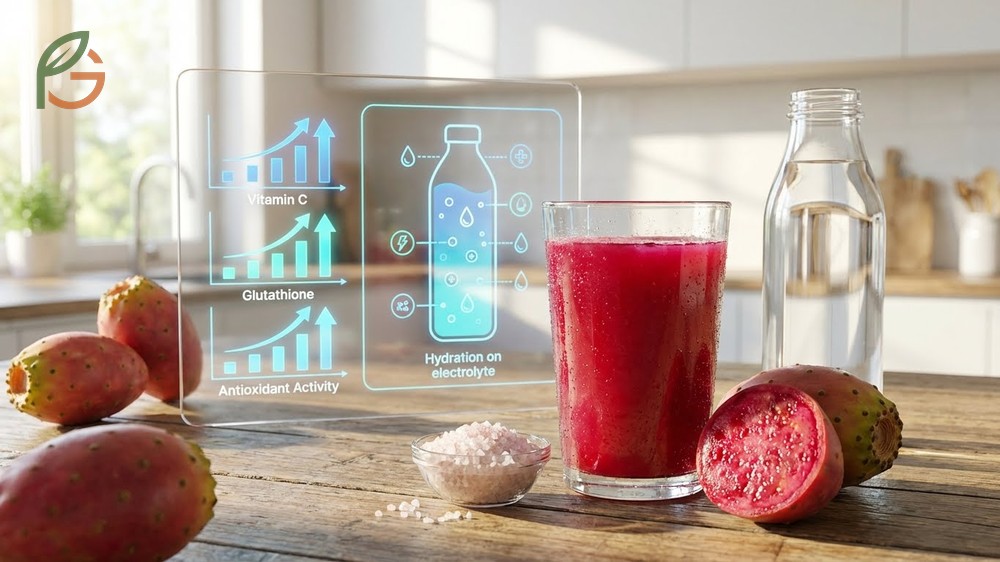
Fresh prickly pear juice delivers concentrated antioxidants that improve measurable health markers in clinical settings. Research on young adult females showed daily juice consumption increased blood vitamin C by 54.44% and glutathione levels by 17.75%[10]. Plasma total antioxidant activity jumped 33.30% after consistent supplementation.
The juice provides hydration benefits beyond plain water because of its electrolyte content. You’re getting 220mg potassium per 100ml along with magnesium and calcium[2]. Athletes and active individuals find this helps restore mineral balance after exercise without the added sugars in commercial sports drinks.
The betalain pigments remain stable in juice form, maintaining their antioxidant capacity. Studies demonstrate prickly pear juice has high capacity to capture free radicals and reduce oxidative stress related to exercise. You can drink 4-8 ounces daily to support your body’s antioxidant defenses.
- Mix with sparkling water and lime for a refreshing low-calorie beverage
- Blend into smoothies with berries and Greek yogurt for protein balance
- Use as a base for homemade popsicles during summer months
- Add to vinaigrettes for salad dressings with antioxidant boost
- Create cocktail mixers (though this reduces hangover-prevention effects)
- Freeze in ice cube trays to preserve nutrients for later use
Commercial prickly pear juices vary widely in quality and processing methods. Look for cold-pressed or fresh options without added sugars or preservatives. The purple juice from red varieties contains the highest betalain concentrations. You’ll pay more for quality juice, but the nutrient density justifies the investment compared to water-diluted products.
Conclusion
The evidence is clear: benefits of prickly pear extend from cellular protection to practical applications in blood sugar management and skin health. Research consistently demonstrates this cactus fruit’s unique phytochemical profile delivers results you can measure—whether it’s 40% lower inflammation markers, improved glucose control, or enhanced skin hydration from its exceptionally high vitamin E content.
Current agricultural and nutritional guidance emphasizes incorporating diverse plant compounds rather than relying on single supplements. Prickly pear fits this approach perfectly, offering synergistic antioxidants, minerals, and fiber that work together more effectively than isolated nutrients. FruitGarden continues tracking emerging research on cultivation practices that maximize these beneficial compounds while supporting sustainable growing methods in arid climates.
Medical Disclaimer
Important Medical Disclaimer: This content is for informational and educational purposes only. It’s not intended as a substitute for professional medical advice, diagnosis, or treatment. Always consult a qualified healthcare professional before making any changes to your diet, supplements, or health routine, especially if you have diabetes, take medications, or have other medical conditions. Prickly pear can interact with diabetes medications and affect blood sugar levels.
Frequently Asked Questions
Is Prickly Pear Good for You?
Yes, prickly pear offers substantial health benefits backed by clinical research. It provides essential minerals like 220mg potassium and 85mg magnesium per 100g serving while delivering powerful antioxidants called betalains that reduce inflammation by up to 40%. The fruit supports blood sugar management, immune function through vitamin C content, and cardiovascular health through fiber and electrolytes.
What Are the Main Benefits of Prickly Pear Cactus?
The primary benefits include blood glucose control in diabetes management, anti-inflammatory effects comparable to pharmaceutical compounds, and exceptional antioxidant protection from betalains. Prickly pear also supports digestive health through 3.5g fiber per serving, provides immune-boosting vitamin C, and delivers skin-protective compounds when consumed or applied topically as seed oil.
How Does Prickly Pear Help With Hangovers?
Research shows prickly pear extract reduces hangover severity by lowering C-reactive protein levels by 40% in subjects who took it before alcohol consumption. The extract doesn’t prevent intoxication but moderates the inflammatory response to alcohol’s toxic byproducts. For best results, take prickly pear extract 5 hours before drinking rather than the morning after.
Can Prickly Pear Juice Lower Blood Sugar?
Yes, clinical studies demonstrate prickly pear extract helps maintain normoglycemic state in diabetic subjects. Animal research shows it reduced glycated hemoglobin to normal ranges when combined with insulin, and maintained glucose control even after insulin withdrawal. The effects come from pectin, mucilage, and plant sterols that slow carbohydrate absorption—but always consult your doctor before using it with diabetes medications.
What Makes Prickly Pear Seed Oil Good for Skin?
Prickly pear seed oil contains 800-1000mg/kg vitamin E—among the highest concentrations in natural oils. This exceptional tocopherol content provides antioxidant protection against UV damage and aging. The oil’s 60-70% linoleic acid content maintains skin barrier function and reduces water loss, while phytosterols and vitamin K help reduce inflammation, dark circles, and signs of aging.
How Much Prickly Pear Should I Eat Daily?
Most studies use 100-150g of fresh fruit or pads (nopales) daily, which provides meaningful amounts of fiber, minerals, and antioxidants without excessive calories. For juice, 4-8 ounces daily delivers concentrated benefits. Start with smaller amounts to assess digestive tolerance, as the high fiber content can cause discomfort if you’re not accustomed to it.
Does Prickly Pear Have Anti-Inflammatory Properties?
Yes, research confirms strong anti-inflammatory effects. Prickly pear extracts inhibit key inflammatory markers (IL-6, IL-8, nitric oxide) with potency similar to dexamethasone in cell studies. In animal models of colitis, the extract significantly reduced plasma TNF-α and IL-1β while increasing endogenous antioxidant enzymes. These effects come from betalains, flavonoids, and phytosterols working together.





