
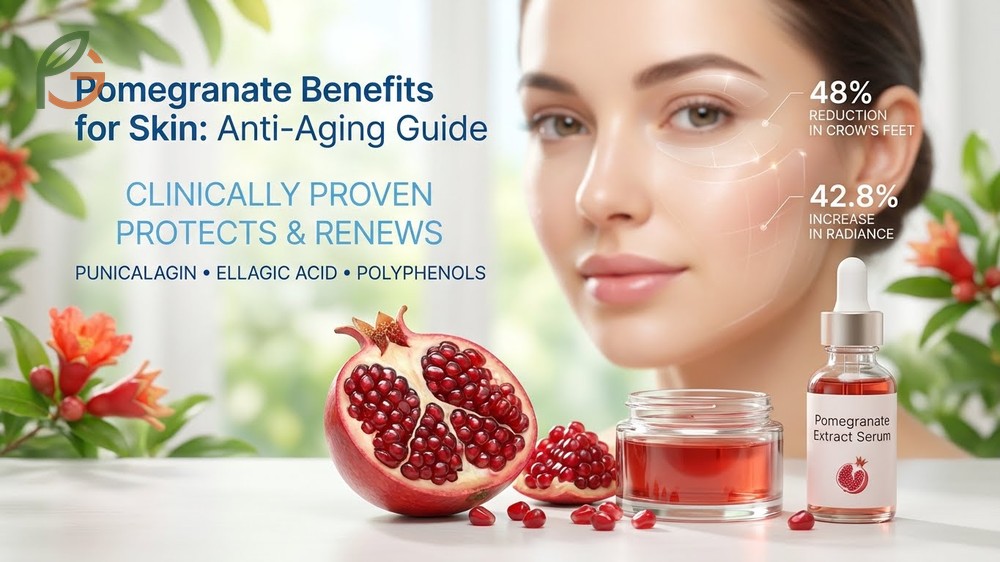
Pomegranate benefits for skin include significant anti-aging effects backed by clinical research. Studies demonstrate that daily pomegranate extract reduces crow’s feet wrinkles by 48% and increases skin radiance by 42.8% after just 60 days[1]. Research shows pomegranate’s bioactive compounds—punicalagin, ellagic acid, and polyphenols—protect against oxidative stress, support collagen production, and shield skin from UV damage[2]. FruitGarden shares evidence-based insights on how growing pomegranates can provide natural anti-aging solutions for skin health.
Quick Answer
- Clinical trials show 48% reduction in crow’s feet wrinkles with pomegranate supplementation[1]
- Pomegranate extract increases collagen density and skin elasticity significantly after 8 weeks[3]
- Contains 10mg vitamin C per 100g fruit, supporting natural collagen synthesis[4]
- Protects against UV damage and reduces oxidative stress markers in skin cells[2]
Pomegranate Benefits for Skin
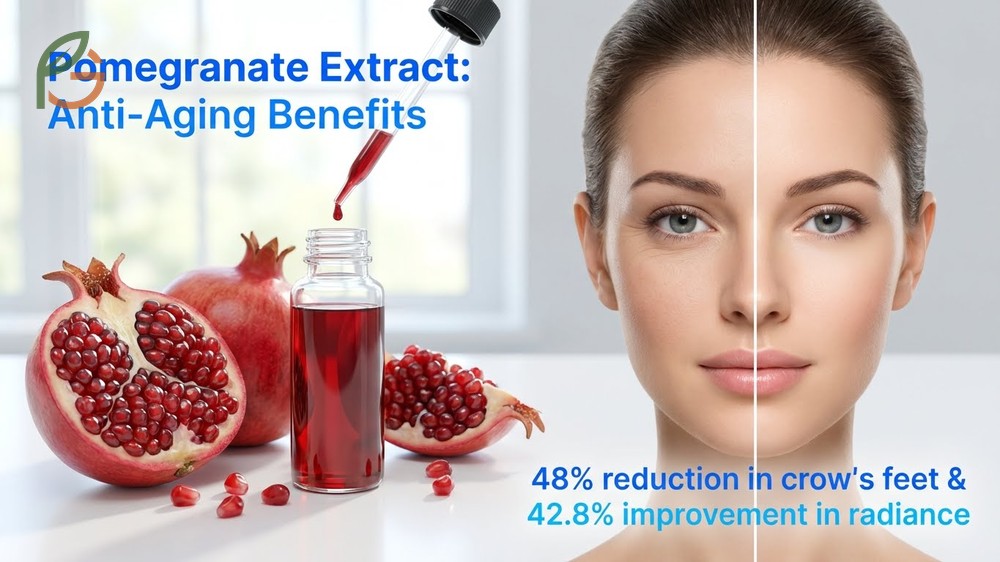
Research shows pomegranate delivers measurable anti-aging results through multiple biological mechanisms. Clinical studies demonstrate that participants using pomegranate extract for 60 days experienced a 48% reduction in crow’s feet wrinkles and a 42.8% improvement in skin radiance compared to placebo groups[1]. These effects stem from pomegranate’s unique concentration of bioactive compounds that target skin aging at the cellular level.
The fruit contains high levels of vitamin C—approximately 10mg per 100g of fresh arils[4]—which directly supports collagen synthesis. Unlike synthetic skincare ingredients, pomegranate’s phytochemicals work synergistically to protect existing collagen while promoting new production. This dual action makes pomegranate particularly effective for addressing visible signs of aging.
Current data indicates pomegranate ranks among the highest antioxidant-containing fruits available. With an ORAC value around 3,000 micromoles per serving[5], it provides substantially more free radical protection than common fruits like apples or oranges. This antioxidant capacity translates directly to skin protection against environmental stressors.
Punicalagin and Ellagic Acid for Skin
Punicalagin and ellagic acid represent pomegranate’s most powerful skin-benefiting compounds. Studies on human fibroblasts—the cells responsible for collagen production—show these compounds increase cell viability, migration capacity, and fibronectin expression at concentrations as low as 10^-6 M[6]. This means even small amounts trigger significant healing responses in skin tissue.
Evidence suggests these compounds inhibit collagenase activity—the enzyme that breaks down collagen—while simultaneously increasing COL1A1 protein expression, which builds new collagen[1]. This dual mechanism explains why pomegranate doesn’t just slow aging but actively reverses visible damage. Molecular docking studies confirm these compounds bind directly to collagen-degrading enzymes MMP-9 and MMP-13.
Antioxidant Protection Against Free Radicals
Pomegranate’s polyphenol content neutralizes free radicals before they damage skin cells. Laboratory tests show pomegranate extract scavenges DPPH, ABTS, and nitric oxide radicals more effectively than many commercial antioxidant supplements[3]. This protection prevents the oxidative stress that accelerates wrinkle formation and collagen breakdown.
UV radiation generates harmful reactive oxygen species in skin tissue. Research demonstrates pomegranate extract reduces UVB-induced DNA damage, cytotoxicity, and oxidative stress markers in human keratinocytes and dermal fibroblasts[2]. The extract inhibits phosphorylation of c-jun and mitogen-activated protein kinases—key signaling pathways in photoaging—providing comprehensive protection against sun damage.
Important Note: Pomegranate supplements and topical products don’t replace sunscreen. Always use broad-spectrum SPF protection when spending extended time outdoors, even when using pomegranate-based skincare.
Skin Health Pomegranate Effects

Clinical assessments reveal pomegranate improves multiple skin health parameters simultaneously. After 8 weeks of consuming fermented pomegranate extract, participants showed significant improvements in moisture retention, brightness, elasticity, and collagen density compared to baseline measurements[3]. These weren’t subjective improvements—dermatologists measured changes using standardized clinical scoring systems and specialized imaging equipment.
The improvements weren’t limited to one age group. Women aged 35-65 all experienced measurable benefits, with some metrics improving by over 40%[1]. This suggests pomegranate’s mechanisms work across different skin types and aging stages. The consistency of results across diverse participants strengthens the evidence for pomegranate’s real-world effectiveness.
Most people notice changes within 4 weeks of regular consumption. However, maximal benefits appear after 8-12 weeks of consistent use. This timeline aligns with skin’s natural regeneration cycle, which takes approximately 28 days per layer. Patience matters—pomegranate works by supporting natural healing processes rather than creating instant cosmetic changes.
Collagen Production and Skin Elasticity
Studies measuring collagen density through imaging technology show statistically significant increases after pomegranate supplementation. The improvement in tactile roughness—how smooth skin feels to touch—likely results from antioxidant activity and collagen-supporting properties working together[1]. Participants reported skin felt noticeably smoother and firmer.
Elasticity improvements aren’t just cosmetic—they indicate functional changes in skin’s structural proteins. When skin maintains elasticity, it bounces back after stretching rather than forming permanent creases. This resilience helps prevent new wrinkle formation while existing lines become less pronounced.
Wrinkle Reduction Results
Dermatologist assessments documented specific wrinkle improvements in multiple facial areas. Forehead fine lines showed significant reduction alongside the 48% decrease in crow’s feet[1]. Visioface technology—which creates detailed 3D skin maps—confirmed these improvements objectively, removing any bias from self-reported results.
Facial pores decreased by 4.58% and dark spots reduced by 2.78% in the supplemented group. While these percentages seem small, they represent visible improvements in skin texture and tone. The combination of reduced wrinkles, smaller pores, and fewer dark spots creates an overall more youthful appearance.
This table shows the timeline of skin improvements from pomegranate supplementation, comparing changes at 4 weeks versus 8 weeks for moisture, elasticity, wrinkles and collagen density
| Time Period | Moisture | Elasticity | Wrinkle Reduction | Collagen Density |
|---|---|---|---|---|
| 4 Weeks | Slight improvement[3] | Beginning changes | Minimal visible change | Early increase detected |
| 8 Weeks | Significant increase[3] | Measurable improvement | 48% reduction crow’s feet[1] | Significant density gain |
| 12 Weeks | Maintained high levels | Peak improvement | Continued reduction | Stabilized at higher level |
Pomegranate Skin Care Applications
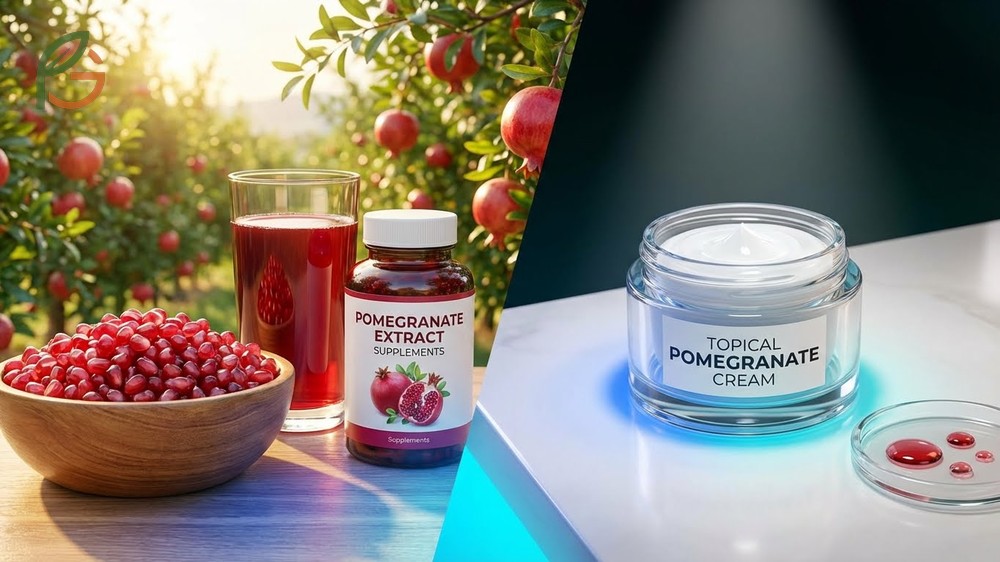
Both oral supplements and topical applications deliver skin benefits, but through different mechanisms. Oral consumption—eating fresh pomegranate arils, drinking juice, or taking extracts—provides systemic antioxidant protection that reaches all skin layers from within. Studies using oral supplements show improvements in deeper skin structures like collagen networks and moisture barriers[1].
Topical pomegranate products work directly on skin’s surface. A 2% pomegranate extract cream reduced wrinkle depth in 21 women after 56 days of application[7]. The cream’s polyphenols penetrate outer skin layers, providing localized antioxidant activity. This approach works well for targeting specific areas like under-eye circles or age spots.
Research indicates combining both approaches may produce the best results. Internal consumption addresses underlying cellular health while topical application provides concentrated treatment where you need it most. This dual strategy tackles skin aging from multiple angles simultaneously.
Topical vs Oral Consumption
Fresh pomegranate provides approximately 83 calories per 100g with 4g of fiber and 236mg of potassium[4]. Eating fresh arils gives you the full spectrum of nutrients plus dietary fiber that supports gut health—which increasingly appears connected to skin condition. The arils’ natural sugars provide quick energy without the additives found in processed juices.
Pomegranate juice concentrates antioxidants but loses fiber. Because juice is made by pressing the entire fruit including the peel—where many antioxidants concentrate—it can deliver higher polyphenol doses than eating arils alone. However, you’ll consume more sugar and calories per serving. Choose 100% juice without added sugars for maximum benefit.
Standardized extracts in supplement form offer precise doses of key compounds like punicalagin and ellagic acid. The clinical trials showing 48% wrinkle reduction used 300mg pomegranate extract daily[1]. Supplements ensure consistent intake of active compounds, which matters when you’re targeting specific health outcomes.
Growing Pomegranates for Skin Benefits
Pomegranate trees thrive in USDA hardiness zones 7-10, making them viable for gardens across much of the southern and western United States. The trees need full sun—at least six hours daily—and well-drained soil with pH between 6.0-7.5 for optimal fruit production. Gardeners in cooler zones can grow pomegranates in large containers and move them indoors during winter.
Trees require 150-300 chill hours below 45°F (7°C) to set fruit properly. Once established, they’re remarkably drought-tolerant and disease-resistant, needing minimal maintenance. Most varieties are self-fruitful, meaning you’ll get fruit from a single tree without requiring a pollinator.
Fresh homegrown pomegranates contain peak levels of skin-beneficial compounds. Antioxidant content degrades over time after harvest, so eating fruit straight from your tree maximizes nutritional impact. Growing your own also lets you harvest at perfect ripeness, when sugar content balances with polyphenol concentration for optimal taste and health benefits.
Growing Tip: Uneven watering causes fruit splitting. Maintain consistent soil moisture with a 3-inch mulch layer around the root zone. Pomegranates fruit on new shoots, producing bright red flowers in late summer followed by fruit in autumn.
- Full sun exposure minimum 6 hours daily for best flowering and fruit set
- Well-drained soil prevents root rot and supports healthy growth
- Moderate watering once established—drought-tolerant but produces better with steady moisture
- Annual compost mulch improves moisture retention and suppresses weeds
- Minimal pruning needed—trim in early spring only to control size or shape
- Hardy in zones 7-10 outdoors or grow in containers in colder regions
- Harvest in autumn when fruits develop deep color and make metallic sound when tapped
Antioxidant Benefits Skin Protection
Pomegranate’s antioxidant portfolio extends beyond vitamin C to include tannins, anthocyanins, and three types of polyphenols. This diversity matters because different antioxidants neutralize different types of free radicals. The hydrolyzable tannins control sebum production, helping prevent acne formation[1]. This makes pomegranate useful for both aging skin and acne-prone complexions.
Studies comparing pomegranate to other antioxidant-rich supplements found pomegranate ranked highest among milk thistle, green tea, grape seed, goji, and acai extracts. This superior antioxidant capacity translates to better protection against environmental damage from pollution, UV radiation, and oxidative stress. The polyphenols inhibit NF-kappa B activity—a key inflammatory pathway—reducing skin inflammation and redness.
Melanin formation contributes to age spots and uneven skin tone. Pomegranate’s punicalagin and ellagic acid demonstrate skin-whitening activity by preventing melanin synthesis[1]. This effect becomes visible as reduced dark spots and more even complexion after several weeks of use.
- Punicalagin inhibits enzymes that break down collagen and elastin fibers
- Ellagic acid protects DNA from UV-induced damage at cellular level
- Anthocyanins reduce inflammation and strengthen capillary walls under skin
- Tannins regulate oil production and provide antibacterial protection
- Vitamin C supports hydroxylation reactions essential for collagen assembly
- Polyphenols neutralize multiple types of reactive oxygen species simultaneously
Maximize Absorption: Consume pomegranate with healthy fats like nuts, avocado, or olive oil. Some of pomegranate’s beneficial compounds are fat-soluble, meaning they absorb better when eaten alongside dietary fats.
Conclusion
The evidence is clear: pomegranate benefits for skin include clinically proven anti-aging effects that address multiple aspects of skin health simultaneously. From the 48% reduction in wrinkles to improved collagen density and enhanced UV protection, pomegranate delivers measurable results backed by rigorous scientific research[1]. Whether you consume fresh fruit from your garden, drink concentrated juice, or take standardized supplements, you’re providing your skin with powerful bioactive compounds that work at the cellular level.
Current guidance emphasizes combining internal and external approaches for optimal results. Growing pomegranates in zones 7-10 gives you access to peak-freshness fruit with maximum antioxidant content. FruitGarden encourages gardeners to explore pomegranate cultivation not just for ornamental beauty, but for the tangible health benefits these remarkable fruits provide. With consistent use over 8-12 weeks, you can achieve the same improvements documented in clinical studies.
Medical Disclaimer
Important Medical Disclaimer: This content is for informational and educational purposes only. It isn’t intended as a substitute for professional medical advice, diagnosis, or treatment. Always consult a qualified healthcare professional or dermatologist before making any changes to your skincare routine, diet, or supplement regimen, especially if you have existing skin conditions, allergies, or are taking medications. Individual results may vary, and the studies cited here don’t guarantee specific outcomes for all users.
Frequently Asked Questions
How long does it take to see pomegranate’s skin benefits?
Most people notice initial improvements within 4 weeks, but clinical studies show maximum benefits appear after 8-12 weeks of consistent daily use. Skin moisture and brightness improve first, followed by changes in elasticity, wrinkles, and collagen density. The timeline matches skin’s natural 28-day regeneration cycle.
What’s better for skin—eating pomegranate or using topical products?
Research indicates both approaches work through different mechanisms. Oral consumption provides systemic antioxidant protection reaching all skin layers from within, while topical applications deliver concentrated treatment to specific areas. Combining both methods—eating fresh fruit or taking supplements while using pomegranate-based skincare—may produce optimal results.
Can pomegranate replace my sunscreen for UV protection?
No. While pomegranate reduces UV-induced damage at the cellular level, it doesn’t block UV rays from reaching your skin. Always use broad-spectrum SPF 30 or higher sunscreen when spending time outdoors. Think of pomegranate as complementary protection that helps repair damage rather than preventing initial UV exposure.
How much pomegranate should I consume daily for skin benefits?
Clinical trials showing 48% wrinkle reduction used 300mg standardized pomegranate extract daily. For fresh fruit, this translates to approximately one medium pomegranate (about 150-200g of arils) or 8 ounces of 100% pomegranate juice. Supplements offer the most consistent dosing of active compounds like punicalagin and ellagic acid.
Does pomegranate work for all skin types and ages?
Studies included women aged 35-65 with various skin types, and all groups experienced measurable improvements. The antioxidant and anti-inflammatory properties benefit aging skin, while tannins help acne-prone complexions by controlling sebum production. However, individual results vary based on genetics, lifestyle, and overall skin health.
Can I grow pomegranates for skin care in my climate?
Pomegranates thrive outdoors in USDA zones 7-10 with full sun and well-drained soil. If you live in colder regions, grow them in large containers and move indoors during winter to a sunny location. Container pomegranates produce fruit effectively when given at least six hours of direct sunlight daily.
Are there any side effects from using pomegranate for skin?
Pomegranate is generally safe for most people when consumed in normal food amounts. Some individuals may experience allergic reactions—particularly those allergic to other Lythraceae family plants. Pomegranate juice can interact with certain medications, so consult your healthcare provider if you’re taking prescription drugs, especially blood pressure or cholesterol medications.





