
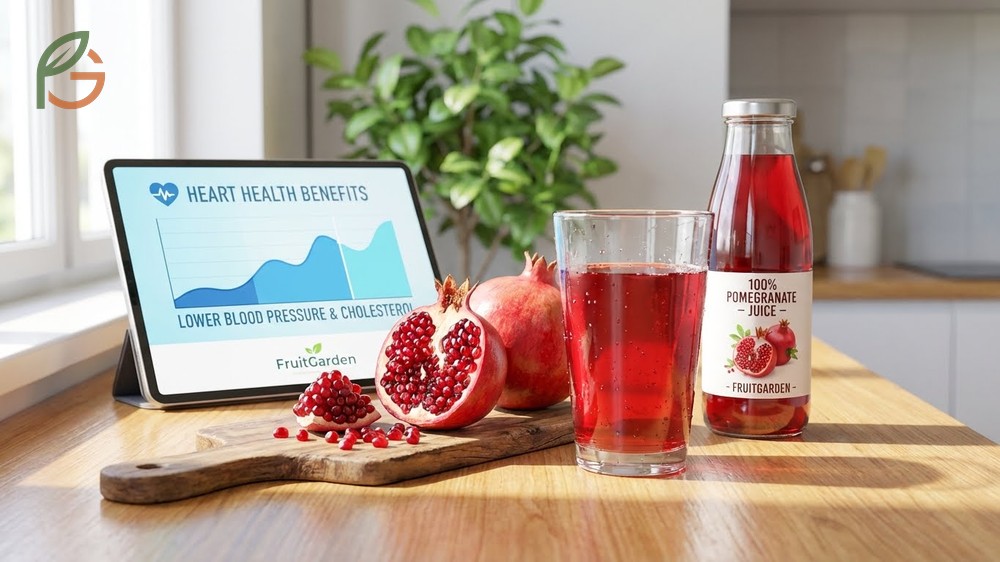
Benefits of pomegranate juice extend far beyond basic nutrition—research demonstrates this ruby-red beverage can lower blood pressure, reduce cholesterol, and protect your cardiovascular system through powerful antioxidants.[1] Studies show consistent improvements in heart health markers when you drink just 8 ounces daily. FruitGarden compiles the latest research to help you understand how this ancient fruit supports modern wellness goals.
Quick Answer
- Lowers systolic blood pressure by 4.96 mmHg and diastolic by 2.01 mmHg[1]
- Reduces arterial plaque buildup by up to 35% after 12 months[2]
- Decreases total cholesterol and LDL levels significantly in diabetic patients[3]
- Contains 20-fold higher antioxidants than aril juice alone when using whole fruit[4]
Benefits of Pomegranate Juice
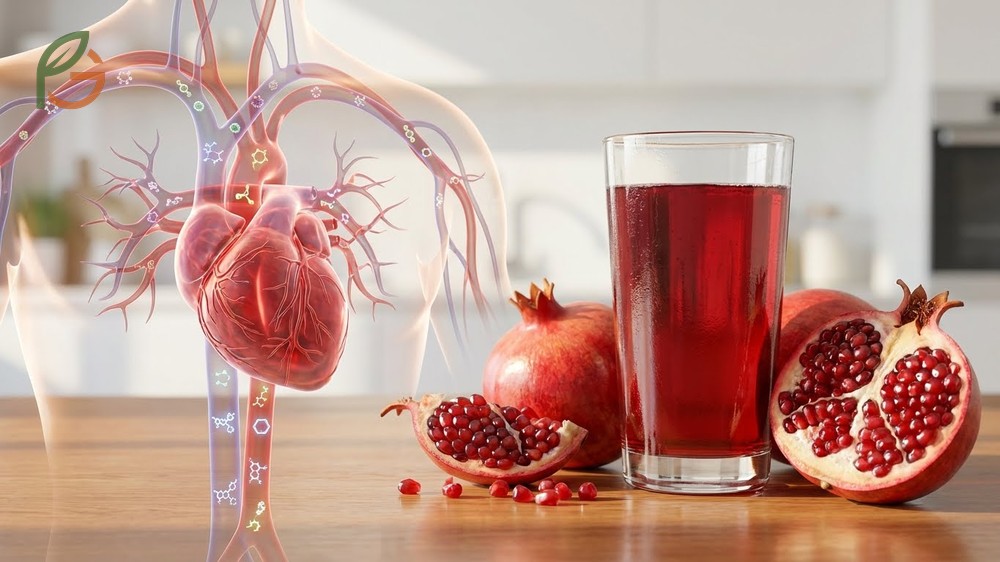
Research demonstrates pomegranate juice delivers measurable cardiovascular benefits through multiple mechanisms. When you drink 8 ounces daily, you’re consuming concentrated polyphenols that work throughout your circulatory system. These compounds don’t just provide antioxidants—they actively reduce inflammation and improve blood vessel function.[5]
The juice contains three primary polyphenol types: punicalagins, anthocyanins, and ellagic acid. Punicalagins account for most of the antioxidant activity you’ll find. Studies show these tannins reduce oxidized LDL cholesterol by over 90% in macrophages, which prevents the foam cell formation that triggers atherosclerosis.[5]
Most people notice improved energy within 2-3 weeks of daily consumption. The vitamin C content supports immune function while potassium helps regulate fluid balance. What often gets overlooked is that pomegranate juice affects blood sugar differently than other fruit juices—components in the juice appear to modulate glucose metabolism independent of sugar content.
Cardiovascular Protection
Studies tracked patients drinking 240 mL of pomegranate juice daily for one year. Carotid intima-media thickness (CIMT)—a key marker of arterial health—decreased progressively: 13% at 3 months, 22% at 6 months, and 35% by 12 months.[2] Meanwhile, control groups showed 10% increased arterial thickness.
The juice improves arterial elasticity by reducing oxidative stress in vessel walls. Peak systolic velocity dropped 12-28% in treated patients. End-diastolic velocity fell by 44% after one year, indicating better blood flow and reduced arterial stiffness.[2]
Anti-Inflammatory Effects
Chronic inflammation drives most cardiovascular diseases. Pomegranate juice targets this through multiple pathways rather than a single mechanism. The polyphenols inhibit pro-inflammatory cytokines and reduce oxidative damage to cells and tissues.
Research shows the anti-inflammatory effects persist beyond the digestive system. When pomegranate compounds enter your bloodstream, they accumulate in areas of inflammation and oxidative stress. This targeted action explains why benefits appear in specific tissues like arterial walls and heart muscle.
- Reduces serum markers of systemic inflammation within 4-6 weeks
- Inhibits inflammatory enzyme activity in blood vessel linings
- Decreases oxidative stress markers by up to 50% in clinical trials
- Prevents inflammatory cell adhesion to arterial walls
- Modulates immune response without suppressing healthy immune function
Important Note: Don’t rely on pomegranate juice as your only intervention for heart disease. It works best alongside prescribed medications, exercise, and dietary changes recommended by your healthcare provider.
Does Pomegranate Juice Lower Blood Pressure
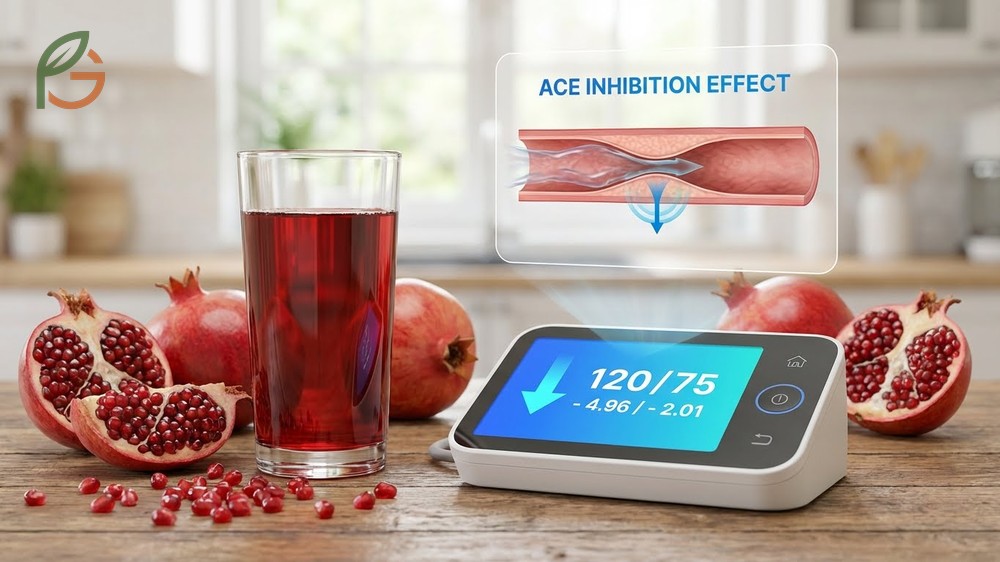
Meta-analysis of eight randomized controlled trials confirms pomegranate juice significantly reduces blood pressure. Systolic pressure dropped an average of 4.96 mmHg, while diastolic pressure decreased 2.01 mmHg across all studies.[1] These reductions remain consistent regardless of consumption duration or daily dose.
The effect works through natural ACE inhibition—the same mechanism used by prescription blood pressure medications. When you drink pomegranate juice regularly, it doesn’t cause the dramatic drops you’d see with pharmaceuticals. Instead, you get modest, sustained reductions that complement other lifestyle changes.
Studies tested doses ranging from less than 240 mL to over 240 mL daily. Interestingly, smaller doses (under 240 mL) produced an 11.01 mmHg systolic reduction, while larger doses showed 3.62 mmHg decreases.[1] This suggests more isn’t always better—your body may absorb and utilize smaller amounts more efficiently.
Clinical Evidence
Short-term studies (under 12 weeks) showed 5.83 mmHg systolic reductions. Long-term consumption (over 12 weeks) produced 4.36 mmHg decreases.[1] Both timeframes delivered statistically significant benefits, meaning results weren’t due to chance.
Clinical trials used double-blind, placebo-controlled designs—the gold standard for medical research. Participants received either pomegranate juice or a similar-tasting beverage without active compounds. Neither group knew which drink they consumed, eliminating placebo effects from results.
ACE Inhibition
Pomegranate juice reduces serum angiotensin-converting enzyme (ACE) activity by 36%.[2] ACE converts angiotensin I to angiotensin II, a hormone that constricts blood vessels and raises pressure. By blocking this conversion, the juice helps vessels stay relaxed.
This natural ACE inhibition offers advantages over synthetic drugs. You won’t experience the dry cough or angioedema that affects some pharmaceutical ACE inhibitor users. The juice provides gradual, sustained effects rather than dramatic swings in blood pressure.
- Natural ACE inhibition without pharmaceutical side effects
- Improved nitric oxide production in blood vessel linings
- Reduced arterial stiffness through antioxidant protection
- Decreased oxidative stress in vascular smooth muscle
- Enhanced endothelial function for better blood flow regulation
Does Pomegranate Juice Lower Cholesterol
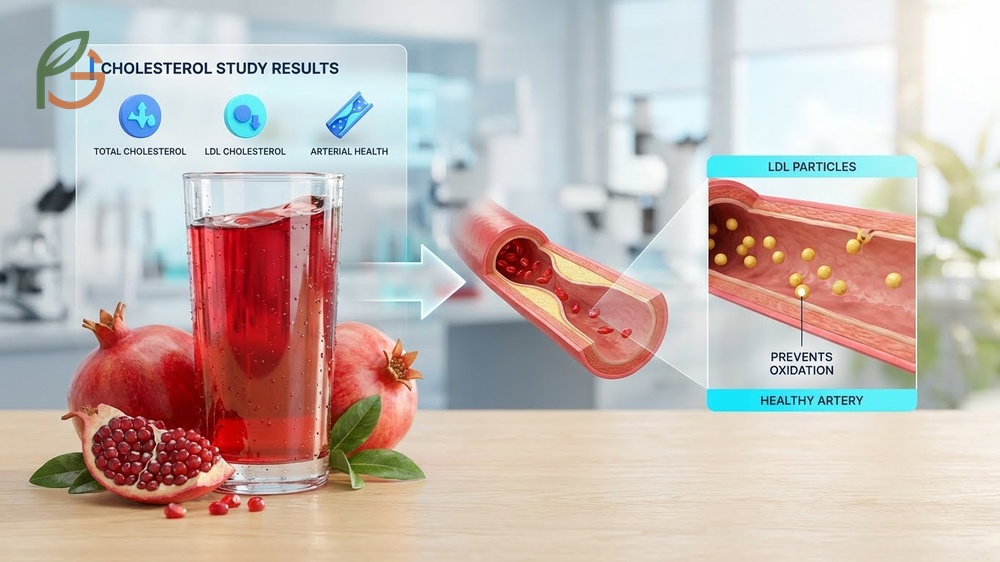
Clinical trials with type 2 diabetic patients showed significant cholesterol improvements after consuming concentrated pomegranate juice for 8 weeks. Total cholesterol dropped measurably (p<0.006), as did LDL cholesterol (p<0.006).[3] The LDL-to-HDL and total cholesterol-to-HDL ratios also improved significantly (p<0.001).
The juice works by preventing LDL oxidation rather than simply lowering LDL levels. Oxidized LDL particles stick to arterial walls and trigger inflammation. By keeping LDL in its native form, pomegranate juice reduces the harmful effects even when total cholesterol numbers remain elevated.
Studies found pomegranate juice reduced oxidized LDL degradation in macrophages by 40% and inhibited cholesterol biosynthesis by 50%.[5] This dual action—less cholesterol production and less oxidized cholesterol uptake—explains why it prevents foam cell formation better than interventions targeting only one pathway.
Recent meta-analyses show pomegranate consumption significantly raises HDL (good) cholesterol while leaving total cholesterol, LDL, and triglycerides unchanged in healthy populations. People with non-alcoholic fatty liver disease and those consuming pomegranate for 8+ weeks saw the strongest HDL improvements.
This table compares cholesterol effects between diabetic and healthy populations consuming pomegranate juice, showing changes in total cholesterol, LDL, HDL, and cholesterol ratios
| Population | Duration | Total Cholesterol | LDL Change | HDL Change |
|---|---|---|---|---|
| Type 2 Diabetics | 8 weeks | Decreased[3] | Decreased[3] | Improved ratio |
| Healthy Adults | 8+ weeks | No change | No change | Increased |
| NAFLD Patients | 8+ weeks | No change | No change | Significant increase |
| Atherosclerosis Patients | 12 months | Stable | 31% oxidation reduction[5] | 39% improved efflux |
For Best Results: Drink pomegranate juice 30-60 minutes before meals. This timing maximizes antioxidant absorption and may enhance the cholesterol-lowering effects through improved polyphenol bioavailability.
Pomegranate Juice Antioxidants
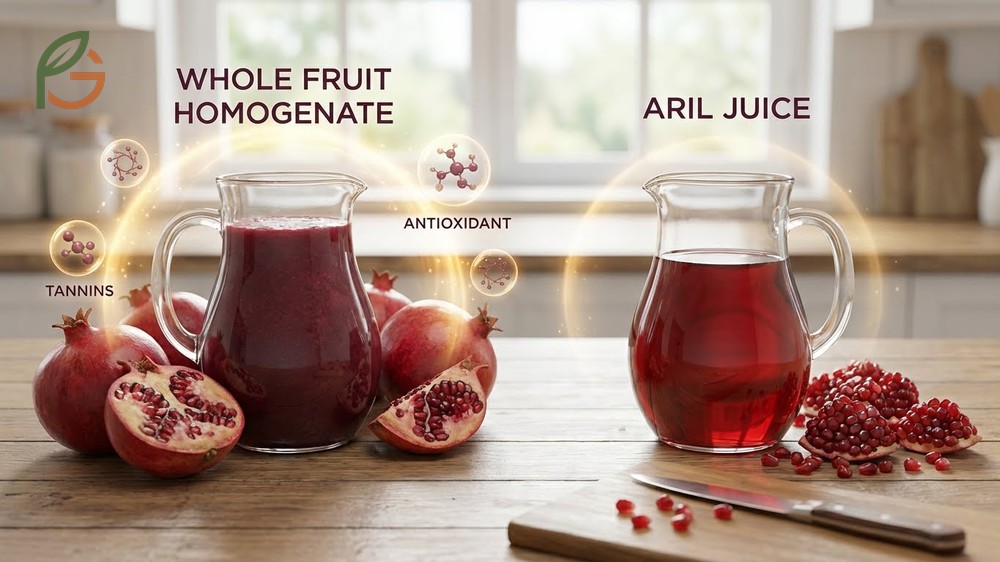
Pomegranate juice ranks among the highest antioxidant beverages available. The antioxidant capacity varies dramatically based on which parts of the fruit you use. Whole fruit homogenates show approximately 20-fold higher antioxidant activity than juice from arils alone.[4]
This massive difference comes from hydrolyzable tannins concentrated in the peel and membranes. Punicalagin—the predominant tannin—contributes more antioxidant power than the anthocyanins in the red arils. Commercial juices made from whole fruit pressing deliver significantly more benefits than products using only the sweet aril juice.
When you check pomegranate juice labels, look for products that include peel extracts or specify “whole fruit” processing. The color provides a clue: darker, more opaque juices typically contain peel compounds, while clear ruby juice comes from arils only.
- Punicalagins: largest molecules, most potent hydrolyzable tannins, concentrated in peel
- Ellagic acid: derived from punicalagin breakdown, crosses blood-brain barrier
- Anthocyanins: provide red color, correlate with aril juice antioxidant activity[4]
- Ellagitannins: convert to urolithins in gut, support long-term cellular protection
- Gallic acid: simple phenolic compound with antimicrobial properties
- Vitamin C: ascorbic acid enhances absorption of other polyphenols
The antioxidant compounds in pomegranate juice don’t just neutralize free radicals—they activate your body’s own antioxidant defense systems. This means benefits extend beyond the immediate effects of consumption. Your cells maintain enhanced protection for hours after drinking the juice.
Research shows pomegranate polyphenols accumulate in tissues with high oxidative stress. Heart tissue, arterial walls, and inflammatory sites concentrate these compounds. This selective accumulation explains why pomegranate juice shows stronger effects on cardiovascular health than general antioxidant supplements.
Pomegranate Juice Side Effects
Pomegranate juice is generally safe for most people when consumed in typical amounts (8-12 ounces daily). Clinical trials report minimal adverse effects across thousands of participants.[6] The safety profile makes it one of the most well-tolerated functional beverages.
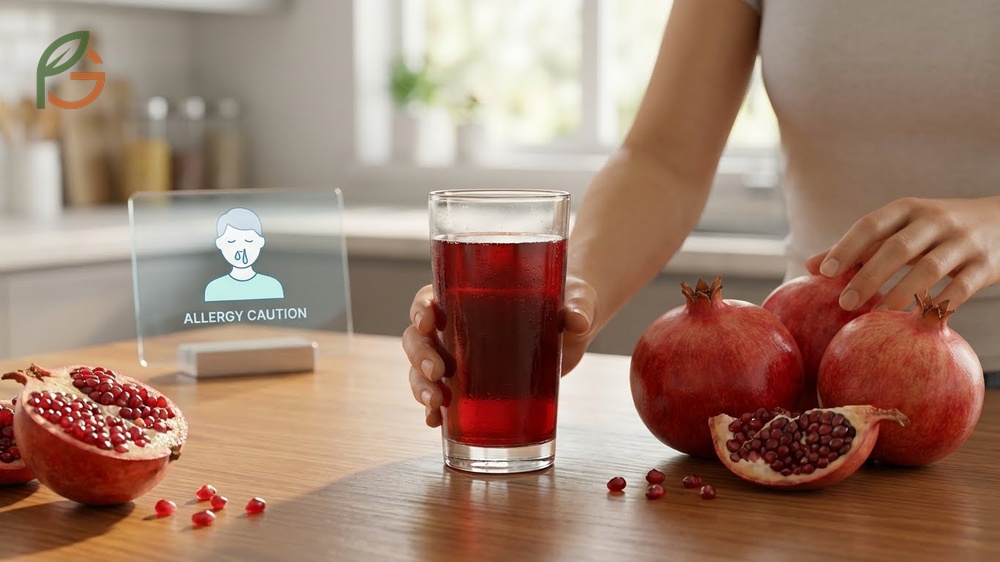
Some individuals experience allergic reactions to pomegranate fruit. Symptoms include itching, swelling, runny nose, and difficulty breathing.[6] If you’ve reacted to other fruits in the berry family, start with small amounts (2-4 ounces) to test tolerance.
Digestive issues represent the most common complaint. Some people report diarrhea or loose stools, particularly when drinking large quantities on an empty stomach. The high polyphenol content can irritate sensitive digestive systems. Starting with 4 ounces daily and gradually increasing helps your gut microbiome adjust.
Drug interactions require attention if you’re taking blood thinners like warfarin (Coumadin) or other anticoagulants. Pomegranate juice can enhance these medications’ effects, potentially increasing bleeding risk.[7] Always consult your healthcare provider before adding pomegranate juice to your routine if you take prescription medications.
- Avoid pomegranate root, stem, or peel as supplements—they contain potentially harmful alkaloids[7]
- Monitor blood sugar if diabetic—juice affects glucose metabolism differently than other fruit juices
- Check with your doctor if taking blood pressure medications—combined effects may lower pressure too much
- Limit to 8-12 ounces daily to avoid excessive sugar intake (30-40g natural sugars per serving)
- Choose 100% juice without added sugars to maximize health benefits while minimizing glycemic impact
Medication Warning: If you take statins, ACE inhibitors, blood thinners, or diabetes medications, talk to your healthcare provider before drinking pomegranate juice regularly. The juice can interact with these drugs and alter their effectiveness.
Pomegranate Juice vs Seeds
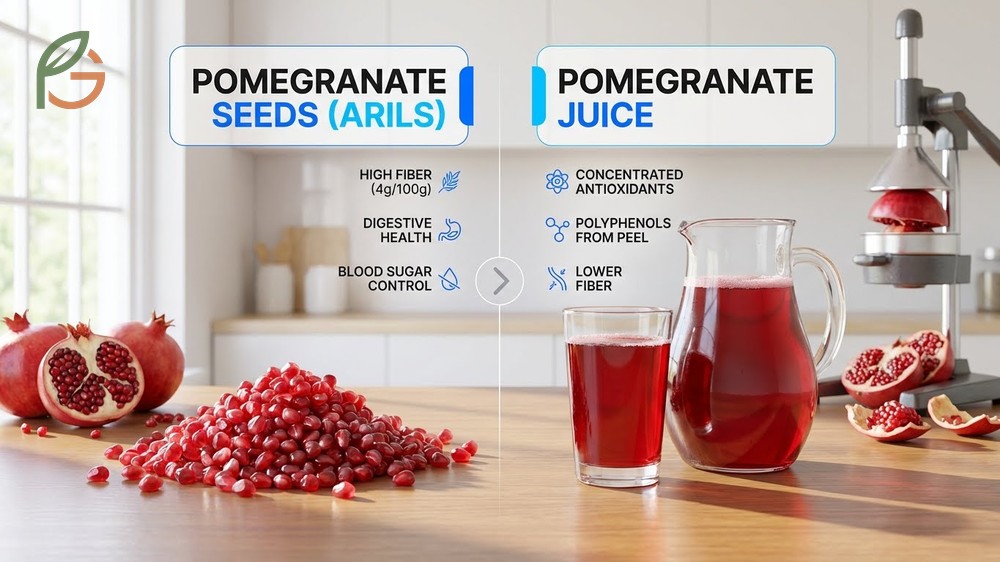
Seeds (arils) provide significantly more fiber than juice—about 4 grams per 100 grams of fruit versus virtually zero in juice. If you’re prioritizing digestive health or blood sugar control, eating whole seeds offers clear advantages. The fiber slows sugar absorption and feeds beneficial gut bacteria.
Juice concentrates certain antioxidants more effectively than seeds. When manufacturers press whole pomegranates, they extract polyphenols from the peel and membranes that you’d never consume by eating seeds alone. This creates an antioxidant concentration up to 20 times higher than what you get from arils.[4]
Commercial juices often add sugar, reducing the health advantages. Pure pomegranate juice naturally contains 12-16 grams of sugar per 100 mL. Seeds deliver the same sugars but package them with fiber, protein, and healthy fats that moderate absorption.
| Nutrient | Seeds (100g) | Juice (100mL) |
|---|---|---|
| Fiber | 4g | 0g |
| Protein | 1.7g | 0.4g |
| Antioxidants | Moderate | Very High[4] |
| Convenience | Requires opening fruit | Ready to drink |
For cardiovascular benefits specifically, juice shows stronger clinical evidence. The blood pressure and cholesterol studies used juice rather than whole seeds. The concentrated polyphenols in properly processed juice deliver therapeutic doses difficult to achieve by eating seeds alone.
Your best choice depends on your primary health goals. Choose seeds if you want fiber, complete nutrition, and blood sugar stability. Pick juice when targeting heart health, blood pressure reduction, or maximum antioxidant intake. Many people do both—eating seeds as a snack while drinking juice for cardiovascular support.
Conclusion
The evidence is clear: benefits of pomegranate juice for heart health aren’t marketing hype—they’re backed by rigorous clinical trials showing real reductions in blood pressure, cholesterol, and arterial plaque. When you drink 8 ounces of quality pomegranate juice daily, you’re giving your cardiovascular system a research-proven boost that complements other healthy lifestyle choices.
Current guidance emphasizes choosing 100% juice products that include whole fruit pressing rather than aril-only extraction. This ensures you’re getting the therapeutic doses of punicalagins and other polyphenols that drive the health benefits. FruitGarden recommends starting with 4 ounces daily and working up to 8-12 ounces while monitoring how your body responds, especially if you take any medications.
Medical Disclaimer
Important Medical Disclaimer: This content is for informational and educational purposes only. It isn’t intended as a substitute for professional medical advice, diagnosis, or treatment. Always consult a qualified healthcare professional before making any changes to your diet, medication, or health routine, especially if you have high blood pressure, diabetes, heart disease, or other medical conditions. Pomegranate juice can interact with certain medications including blood thinners, statins, and ACE inhibitors. Never stop taking prescribed medications without consulting your doctor.
Frequently Asked Questions
How Much Pomegranate Juice Should I Drink Daily?
Research shows 8 ounces (240 mL) daily provides optimal cardiovascular benefits without excessive sugar intake. Studies used this amount to achieve blood pressure reductions of 4.96 mmHg systolic.[1] Start with 4 ounces if you’re new to pomegranate juice, then gradually increase. Don’t exceed 12 ounces daily due to natural sugar content (30-40g per 8-ounce serving).
When Is the Best Time to Drink Pomegranate Juice?
Drink pomegranate juice 30-60 minutes before meals for maximum antioxidant absorption. Morning consumption supports blood pressure regulation throughout the day. Avoid drinking it with medications—wait at least 2 hours before or after taking prescriptions, especially blood thinners, statins, or ACE inhibitors. Evening consumption may interfere with sleep in sensitive individuals due to natural sugars.
Does Pomegranate Juice Help With Kidney Health?
Research shows pomegranate juice’s antioxidant properties protect kidneys against oxidative stress from medical procedures like lithotripsy. However, people with advanced kidney disease should consult their doctor before consuming pomegranate juice regularly. The potassium content (236mg per 100g of fruit) can accumulate in compromised kidneys. For healthy kidneys, moderate consumption supports overall renal function through improved circulation.
Can Diabetics Drink Pomegranate Juice Safely?
Studies with type 2 diabetics showed pomegranate juice improved cholesterol profiles without adverse glucose effects.[3] Components in the juice appear to modulate glucose metabolism differently than other fruit juices. However, diabetics should limit intake to 4-6 ounces daily, drink it with meals rather than alone, and monitor blood sugar responses. Always discuss with your healthcare provider, especially if taking diabetes medications.
What’s the Best Brand of Pomegranate Juice?
Look for 100% pomegranate juice with no added sugars or concentrates from other fruits. The label should specify “whole fruit” or include peel extracts to ensure maximum polyphenol content. POM Wonderful uses whole fruit pressing and funded much of the cardiovascular research. Darker, more opaque juices typically contain more beneficial tannins from peels. Avoid juice blends or “cocktails” that dilute pomegranate with cheaper juices like apple or grape.
How Long Does It Take to See Blood Pressure Benefits?
Studies show blood pressure reductions begin within 2-4 weeks of daily consumption. Short-term trials (under 12 weeks) demonstrated 5.83 mmHg systolic reductions.[1] Benefits continue improving with longer use—12-month studies showed progressive arterial health improvements including 35% CIMT reduction.[2] Consistency matters more than quantity for sustained cardiovascular benefits.
Can I Make Fresh Pomegranate Juice at Home?
Yes, homemade pomegranate juice delivers excellent benefits if you include some peel. Remove arils from 2-3 pomegranates and blend with a small piece of inner peel (not the tough outer skin). Strain through cheesecloth to remove seeds while retaining polyphenol-rich liquid. Fresh juice contains maximum antioxidant activity but lacks the standardization of commercial products. Drink immediately or refrigerate up to 3 days. Home juicing costs less but requires 15-20 minutes per batch.





