
Are pomegranate seeds good for you? Yes, these ruby-red jewels are nutrient powerhouses that deliver impressive health benefits. Research shows pomegranate seeds provide high levels of fiber, antioxidants, and essential vitamins while remaining low in calories. FruitGarden synthesizes current nutritional research to help you understand how these ancient fruits can enhance your diet and support overall wellness.
Quick Answer
- Pomegranate seeds contain 7 grams of fiber per 100g[2], supporting digestive health and regularity
- Each cup provides only 105 calories[1] with powerful antioxidants called punicalagins
- Seeds deliver 25% of daily vitamin K needs[2] and heart-healthy nutrients
- You can eat the entire seed—white center included—for maximum nutritional benefits[3]
Are Pomegranate Seeds Good for You
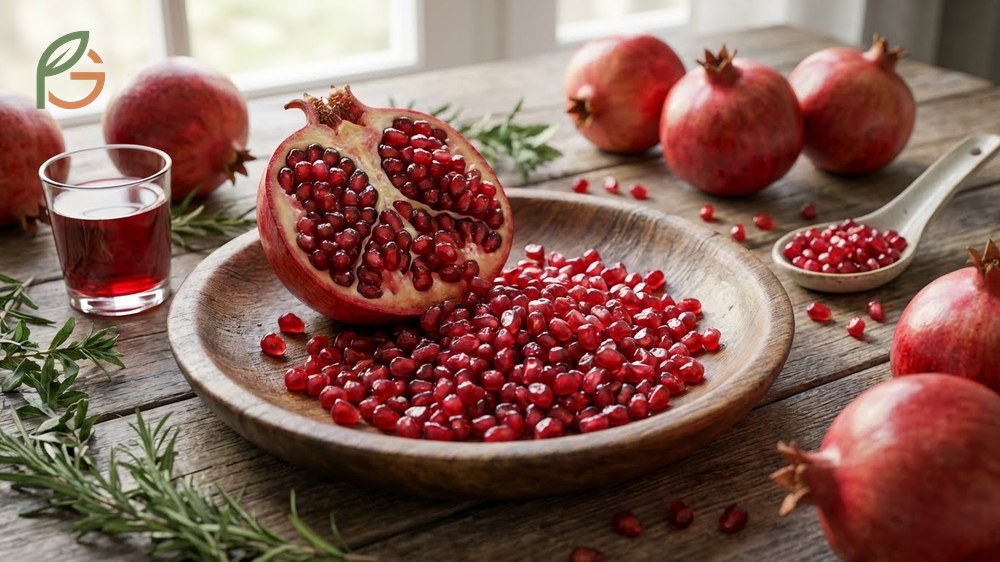
Pomegranate seeds, also called arils, are among the most nutrient-dense foods you can add to your diet. Studies demonstrate these tiny seeds pack remarkable amounts of fiber, vitamins, and plant compounds that support multiple body systems[2]. Unlike many fruits that require peeling away inedible portions, you can eat the entire pomegranate seed for maximum benefit.
Current nutritional data shows pomegranate seeds contain significantly higher fiber levels than most popular fruits. The crunchy white center inside each seed provides additional texture and nutrients that many people mistakenly discard[3]. What sets pomegranates apart is their unique combination of antioxidants, particularly punicalagins and ellagic acid, which aren’t found in most other fruits.
Research indicates that regular consumption of pomegranate seeds may support heart health, reduce inflammation, and improve digestive function. Most people can safely eat half to one cup daily without experiencing negative effects[4]. The seeds work well as standalone snacks or additions to various dishes throughout the day.
Benefits of Pomegranate Seeds

Evidence suggests pomegranate seeds offer broad-spectrum health benefits that extend beyond basic nutrition. These seeds contain bioactive compounds that interact with multiple physiological pathways in your body. The combination of fiber, antioxidants, and micronutrients creates synergistic effects that amplify individual benefits.
Heart Health Support
Research shows pomegranate seeds may help lower blood pressure and reduce cholesterol levels in people at risk for cardiovascular disease[2]. The antioxidants in these seeds protect LDL cholesterol from oxidation, which is a key step in preventing arterial plaque buildup. Studies involving participants who consumed pomegranate products daily for several weeks showed measurable improvements in vascular health markers.
The potassium content in pomegranate seeds—about 236mg per 100g[1]—helps regulate blood pressure by counteracting sodium’s effects. This mineral supports healthy circulation and reduces strain on blood vessel walls.
Digestive Wellness
The high fiber content in pomegranate seeds promotes regular bowel movements and feeds beneficial gut bacteria. With 7 grams of fiber per 100g serving[2], these seeds deliver nearly 25% of your daily fiber needs in a single cup. This soluble and insoluble fiber combination supports both digestive regularity and gut microbiome diversity.
Agricultural data shows that the fiber in pomegranate seeds differs from typical fruit fiber due to the seed structure. The crunchy white center provides additional bulk that helps move food through your digestive tract efficiently.
Antioxidant Protection
Pomegranate seeds rank among the highest antioxidant-containing foods available. They’re particularly rich in punicalagins, a type of polyphenol that demonstrates three times the antioxidant activity of green tea[2]. These compounds neutralize free radicals that damage cells and contribute to aging and disease.
Current research indicates that pomegranate antioxidants may help protect against certain chronic conditions by reducing oxidative stress throughout the body. The vitamin C content—providing about 10% of daily needs per serving[1]—further enhances antioxidant protection and immune function.
Important Note: While pomegranate seeds offer numerous benefits, they’re most effective as part of a balanced diet rather than a standalone solution. Pair them with other nutrient-rich foods for optimal results.
Pomegranate Seeds Nutrition
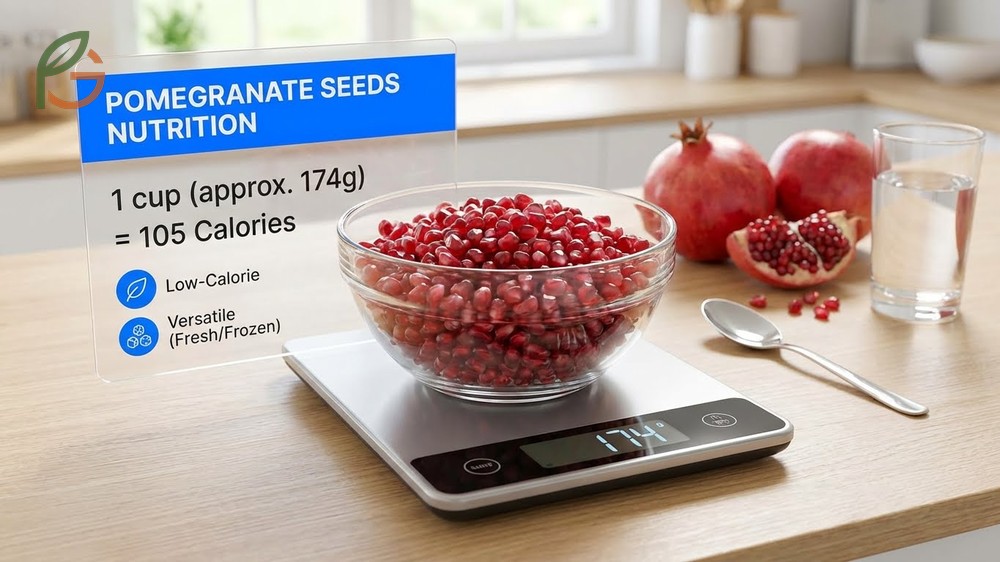
Understanding pomegranate seed nutrition helps you make informed decisions about incorporating them into your meal plans. These seeds provide concentrated nutrition in a low-calorie package that fits various dietary approaches. The nutrient profile remains consistent whether you eat them fresh or frozen, making them versatile year-round.
Calories and Macronutrients
A standard serving of pomegranate seeds—about one cup or 174 grams—contains approximately 105 calories[1]. Most of these calories come from natural sugars and complex carbohydrates that provide sustained energy without blood sugar spikes. The carbohydrate content totals about 24 grams per cup, with 4-7 grams coming from dietary fiber.
Pomegranate seeds contain minimal fat—less than 2 grams per serving—and about 2 grams of protein. This macronutrient balance makes them ideal for pre- or post-workout snacks when you need quick energy without heaviness.
Vitamins and Minerals
The micronutrient content in pomegranate seeds extends beyond the commonly mentioned vitamins. Each serving provides 25% of your daily vitamin K requirement[2], which plays crucial roles in blood clotting and bone metabolism. Vitamin C levels contribute to immune function and collagen synthesis, while folate supports cell division and DNA production.
The mineral profile includes significant amounts of potassium, copper, and manganese. These trace elements participate in hundreds of enzymatic reactions throughout your body, from energy production to antioxidant defense systems.
This table compares key nutrients in pomegranate seeds per 100g serving showing calories, macronutrients, fiber, and essential vitamins with their percent daily values
| Nutrient | Amount | % Daily Value |
|---|---|---|
| Calories | 83 kcal[1] | 4% |
| Dietary Fiber | 7g[2] | 25% |
| Vitamin C | 10.2mg[1] | 11% |
| Vitamin K | 16µg[2] | 13% |
| Potassium | 236mg[1] | 5% |
How to Eat Pomegranate Seeds
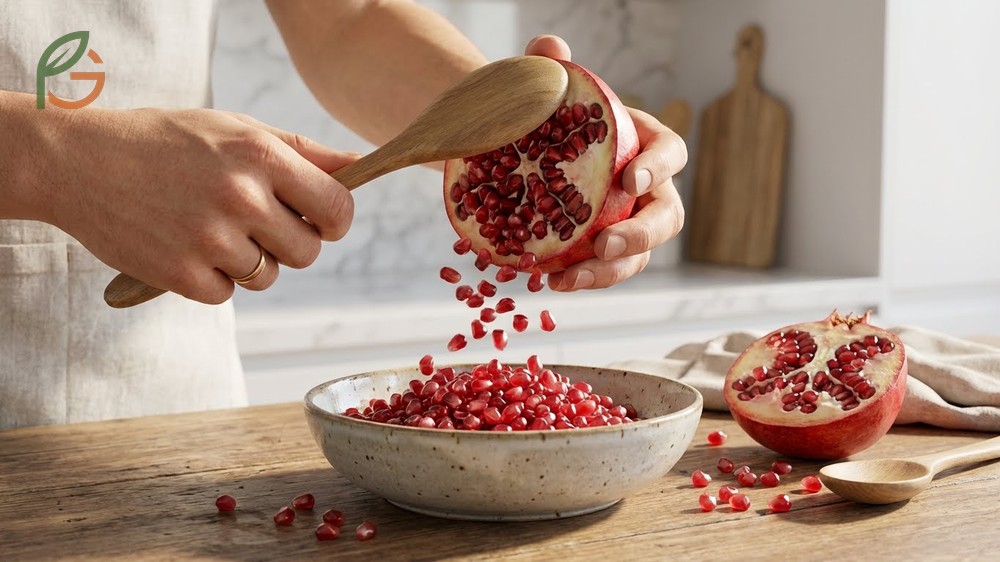
Preparing pomegranate seeds doesn’t have to be messy or time-consuming once you know the right technique. The most efficient method involves cutting the fruit horizontally around the middle, then holding each half seed-side down over a bowl while tapping the skin with a wooden spoon[3]. This causes the seeds to fall out cleanly while leaving most of the bitter white pith behind.
You can eat pomegranate seeds straight from the fruit or incorporate them into various dishes. Many people enjoy sprinkling them over yogurt, oatmeal, or salads for added crunch and sweetness. The seeds also blend well into smoothies, though this removes some of the beneficial fiber found in the whole seed.
For longer storage, spread cleaned seeds on a baking sheet and freeze them for 2-3 hours before transferring to freezer bags. Frozen seeds maintain their nutritional value for up to 12 months and can be eaten frozen as a refreshing snack or thawed for use in recipes.
- Mix seeds into grain bowls with quinoa, roasted vegetables, and tahini dressing for Mediterranean-inspired meals
- Layer seeds with Greek yogurt and granola to create nutrient-dense breakfast parfaits
- Add seeds to green salads alongside nuts and vinaigrette for textural contrast
- Blend seeds into smoothies with banana and spinach for antioxidant-rich drinks
- Sprinkle seeds over roasted sweet potatoes or butternut squash for seasonal side dishes
- Stir seeds into overnight oats with cinnamon and chia seeds
Preparation Tip: Fill your bowl halfway with water when removing seeds—the seeds sink while the bitter white pith floats, making separation easier and preventing stains from pomegranate juice.
Pomegranate Seeds vs Juice
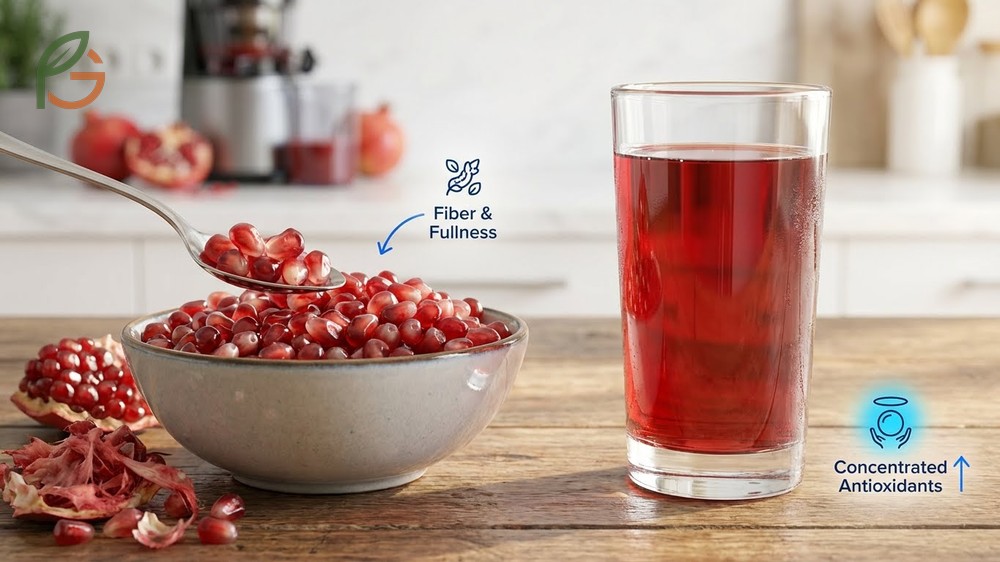
The choice between pomegranate seeds and juice significantly affects the nutrition you receive. Whole seeds retain all their natural fiber, which gets filtered out during juicing processes. This fiber difference impacts how your body processes the fruit’s natural sugars and affects feelings of fullness.
Pomegranate juice concentrates antioxidants into smaller volumes, potentially providing higher antioxidant doses per serving. However, commercial juices often contain added sugars and lack the 7 grams of fiber found in whole seeds[2]. One cup of juice typically contains 30 grams of sugar compared to about 24 grams in whole seeds, where fiber slows sugar absorption.
Fresh seeds provide more complete nutrition by including healthy fats from the seed centers and protein that juice lacks. The act of chewing seeds also promotes satiety better than drinking juice, which may help with portion control and weight management goals.
- Seeds contain 4-7 grams of fiber per cup while juice provides zero fiber
- Juice delivers more concentrated antioxidants but often includes added sugars and preservatives
- Whole seeds require chewing, which slows eating pace and improves satiety signals
- Seeds provide vitamin C that’s often reduced during commercial juice processing
- Juice is more convenient for quick consumption but seeds offer better blood sugar control
Pomegranate Seeds Side Effects

Pomegranate seeds are generally safe for most people when consumed in normal food amounts. The National Center for Complementary and Integrative Health confirms that pomegranate fruit and juice rarely cause side effects in healthy individuals[4]. However, some people may experience digestive symptoms, particularly when eating large quantities.
Allergic reactions to pomegranates occur occasionally and may include itching, swelling, runny nose, or difficulty breathing. Those with known allergies to related fruits should introduce pomegranate seeds cautiously and in small amounts initially[5].
Pomegranate seeds may interact with certain medications, including blood pressure drugs, cholesterol medications, and blood thinners. If you’re taking prescription medications regularly, it’s wise to discuss pomegranate consumption with your healthcare provider to avoid potential interactions that could affect medication effectiveness.
- Digestive discomfort may occur when eating large amounts due to high fiber content
- Allergic reactions can develop in sensitive individuals, causing respiratory or skin symptoms
- Medication interactions are possible with blood pressure, cholesterol, and anticoagulant drugs[5]
- Pregnant and breastfeeding women should limit intake to normal food amounts
- People with low blood pressure should monitor their response to regular pomegranate consumption
Safety Warning: Never consume pomegranate root, stem, or peel in large amounts—these parts contain compounds that can be toxic[4]. Stick to the edible seeds and juice only.
Conclusion
The evidence is clear: are pomegranate seeds good for you—absolutely, they’re among the most nutrient-dense fruits available. These ruby gems deliver exceptional amounts of fiber, antioxidants, and essential vitamins in a low-calorie package that supports heart health, digestion, and cellular protection. Whether you’re eating them fresh, frozen, or incorporated into recipes, pomegranate seeds provide measurable health benefits backed by solid research.
Current nutritional guidance emphasizes whole foods like pomegranate seeds over processed alternatives. FruitGarden helps you understand how ancient fruits like pomegranates fit into modern wellness approaches, combining traditional knowledge with contemporary nutritional science for optimal health outcomes.
Medical Disclaimer
Important Medical Disclaimer: This content is for informational and educational purposes only. It’s not intended as a substitute for professional medical advice, diagnosis, or treatment. Always consult a qualified healthcare professional before making any changes to your diet, medication, or health routine, especially if you have allergies, take prescription medications, or have existing medical conditions. Individual nutritional needs vary based on age, health status, and other factors that only a healthcare provider can properly assess.
Frequently Asked Questions
Can You Eat Pomegranate Seeds Every Day?
Yes, you can safely eat pomegranate seeds daily in moderate amounts. Research shows most people tolerate half to one cup per day without issues, gaining consistent antioxidant and fiber benefits. Start with smaller portions if you’re new to pomegranates to allow your digestive system to adjust to the fiber content.
Do You Eat the White Part of Pomegranate Seeds?
Yes, the white crunchy center of pomegranate seeds is completely edible and provides additional fiber. Many people eat the entire seed without separating parts, as the white portion contributes to the seed’s nutritional value and digestive benefits. The only inedible part is the bitter yellow pith that separates seed sections.
What’s the Best Time to Eat Pomegranate Seeds?
Morning or early afternoon works best for most people because the natural sugars provide sustained energy throughout the day. Eating pomegranate seeds with breakfast or as a mid-morning snack helps you feel fuller longer due to the fiber content. Some people avoid eating them late at night since the natural sugars might interfere with sleep.
Are Pomegranate Seeds Good for Weight Loss?
Pomegranate seeds can support weight loss goals due to their low calorie density and high fiber content. The 7 grams of fiber per 100g serving promotes fullness and helps control appetite between meals. However, they work best as part of a balanced diet with controlled portions rather than as a standalone weight loss solution.
How Long Do Pomegranate Seeds Last in the Refrigerator?
Fresh pomegranate seeds stay good for 5-7 days when stored in an airtight container in the refrigerator. For longer storage, freeze them on a baking sheet first, then transfer to freezer bags where they’ll maintain quality for up to 12 months. Frozen seeds work well in smoothies or can be thawed for other uses.
Can Pomegranate Seeds Cause Digestive Problems?
Some people experience mild digestive symptoms when eating large amounts of pomegranate seeds due to their high fiber content. Starting with smaller portions and gradually increasing intake allows your digestive system to adapt. Most people tolerate normal serving sizes without issues, but those with sensitive digestion should monitor their response.
Are Frozen Pomegranate Seeds as Healthy as Fresh?
Frozen pomegranate seeds retain nearly all their nutritional value, including fiber, vitamins, and antioxidants. Freezing actually preserves nutrients by stopping degradation that occurs in fresh produce over time. Choose unsweetened frozen seeds without added ingredients to get the same health benefits as fresh seeds.





