
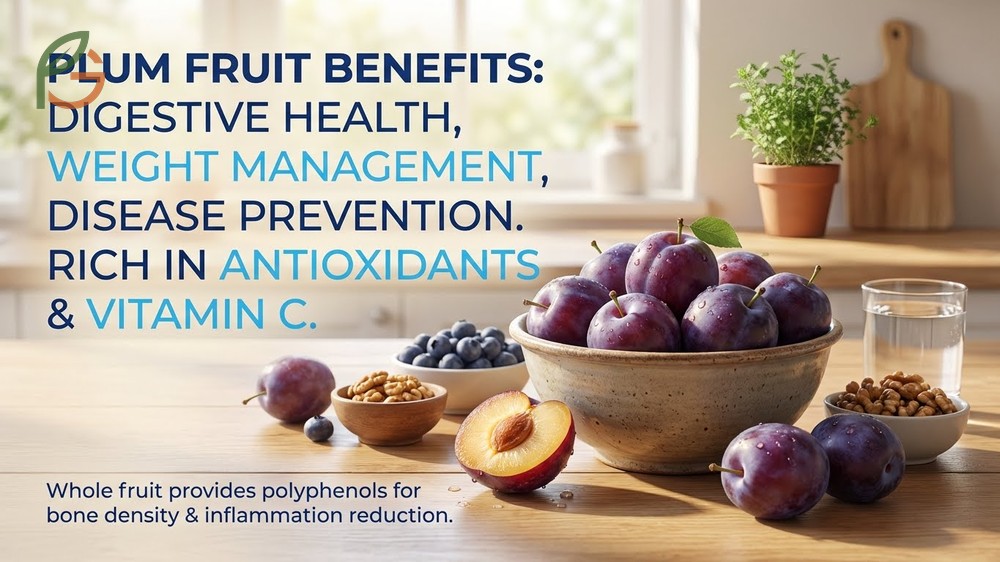
Advantages of plum fruit span digestive health, weight management, and disease prevention through rich antioxidant content. Research shows that one medium plum delivers 30 calories[1] with 10% of your daily vitamin C needs[2], while providing polyphenol compounds that reduce inflammation and support bone density. Current nutritional guidance from FruitGarden emphasizes whole fruit consumption over juice, as plum skin contains the highest concentration of disease-fighting antioxidants.
Quick Answer
- One medium plum (66g) provides 30 calories[1], 0.92g fiber[2], and 10% daily vitamin C[2]
- Plum antioxidants help reduce cancer risk for breast and colon tissues[3]
- High fiber content regulates blood sugar spikes and supports weight management naturally
- Dried plums contain 732mg potassium[4] and 59.5μg vitamin K[4] per 100g for bone strength
Advantages of Plum Fruit
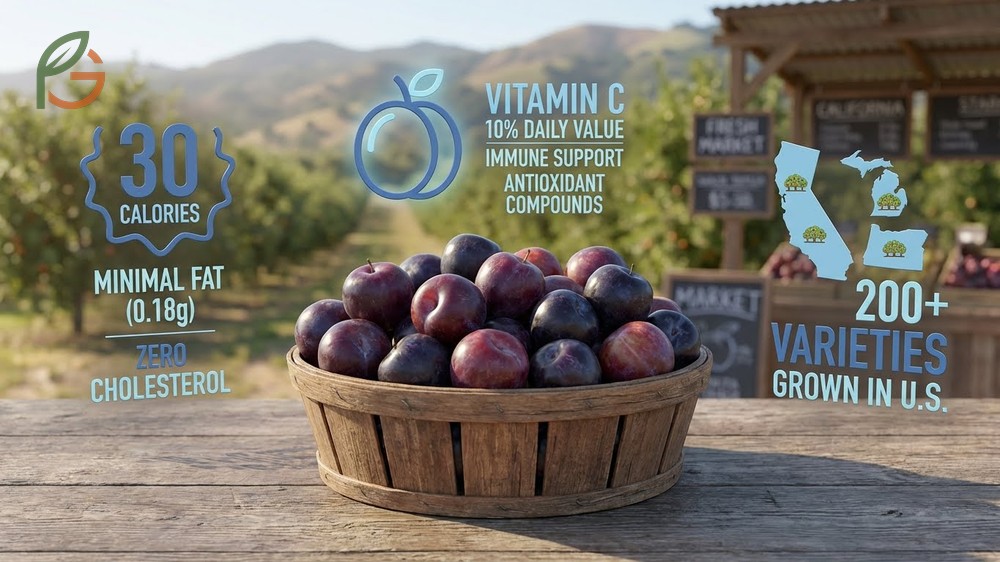
Research shows plums rank among the most nutrient-dense stone fruits available year-round in U.S. markets. One medium plum delivers 30 calories[1] with minimal fat (0.18g) and zero cholesterol. Studies demonstrate that plums provide 10% of daily vitamin C requirements[2] while supporting immune function through antioxidant compounds.
Agricultural data shows over 200 plum varieties grow across California, Michigan, and Oregon orchards. The most common types—Santa Rosa, Black Splendor, and Angeleno—offer slightly different nutrient profiles but share similar health advantages. What sets plums apart from other fruits is their high polyphenol concentration, which protects cells from oxidative damage.
Current nutrition guidance emphasizes eating plums with skin intact for maximum fiber and antioxidant absorption. The flesh provides natural sugars (6.55g per plum)[2] that digest gradually, preventing blood sugar spikes seen with processed snacks. Most Americans find plums convenient for on-the-go nutrition without refrigeration needs for several days.
Is a Plum a Fruit?
Yes, plums qualify botanically as stone fruits (drupes) with a single large seed surrounded by sweet flesh. The Prunus genus includes plums alongside cherries, peaches, and apricots—all sharing similar structural characteristics. Unlike berries with multiple seeds or citrus with segmented flesh, plums develop from a single ovary with one seed.
Botanists classify plums within the Rosaceae family, which also encompasses apples and strawberries. The distinguishing feature is the hard, woody pit (endocarp) protecting the seed inside. This makes plums true drupes rather than berries or pomes, a distinction that affects how we store and prepare them for consumption.
Plum Nutrition Facts
A medium plum (66g) provides a balanced nutritional profile that supports daily dietary needs. According to FDA data, two medium plums (151g total) deliver 70 calories[5] with 19g carbohydrates and 2g protein. The sugar content (approximately 10g per 100g) consists primarily of fructose and glucose that provide quick energy without artificial additives.
Mineral content includes 104mg potassium[2], which regulates fluid balance and blood pressure. Plums also supply 10.6mg phosphorus for bone health and 4.62mg magnesium for muscle function. The negligible sodium content (0mg) makes plums ideal for low-sodium diets recommended for cardiovascular health.
- Calories: 30 with minimal fat content for weight-conscious eating
- Carbohydrates: 7.52g providing sustained energy without crashes
- Fiber: 0.92g supporting digestive health and satiety
- Protein: 0.46g contributing to daily amino acid intake
- Potassium: 104mg regulating heart rhythm and muscle contractions
- Vitamin C: 6.27mg protecting cells from oxidative stress
- Vitamin K: 4.22μg essential for blood clotting and bone metabolism
Important Note: Plum nutrition values vary by ripeness level. Fully ripe plums contain 15-20% more antioxidants than underripe fruit, so choose plums that yield slightly to gentle pressure for maximum health benefits.
Vitamins in Plums
Plums deliver a spectrum of vitamins that address multiple body systems simultaneously. Vitamin C leads the profile at 10% of daily requirements[2], acting as an antioxidant that neutralizes free radicals causing cellular damage. This water-soluble vitamin also boosts collagen production for skin elasticity and wound healing efficiency.
Vitamin A content (11.2μg per plum) supports retinal health and night vision adaptation. Beta-carotene precursors convert to active vitamin A in the liver, maintaining immune system strength against bacterial infections. The combination of vitamins C and A creates synergistic effects that amplify individual benefits beyond isolated supplementation.
Vitamin K appears in smaller but meaningful amounts (4.22μg), contributing to bone mineralization and calcium regulation. Research indicates that vitamin K works alongside vitamin D to direct calcium into bones rather than soft tissues. For people taking blood thinners, consistent plum consumption helps maintain stable vitamin K levels rather than causing problematic fluctuations.
Benefits of Plum Fruit
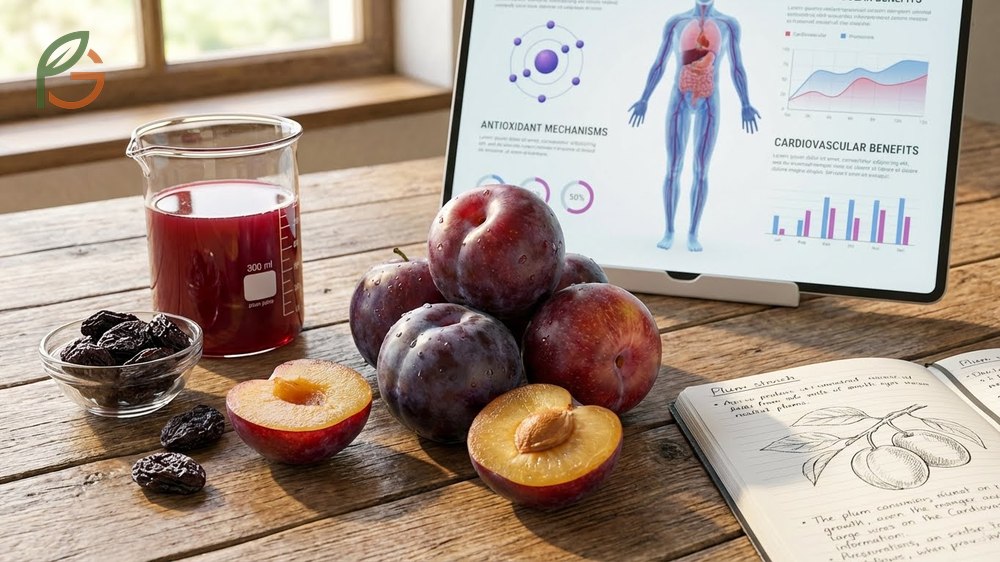
Evidence indicates plums offer protective effects against chronic diseases through multiple biological pathways. A review of 54 studies found that plum consumption and plum-derived products reduced cancer risk for breast and colon tissues[3] through antioxidant mechanisms. The polyphenol compounds in plums help minimize inflammation that drives tumor development and metastasis progression.
Cardiovascular benefits emerge from plum’s ability to improve lipid profiles and arterial flexibility. Research published in systematic reviews demonstrates that plum supplementation significantly reduces total cholesterol levels in individuals with elevated readings[6]. The fiber content traps bile acids in the digestive tract, forcing the liver to use circulating cholesterol to produce new bile.
Bone density preservation represents another advantage, particularly for postmenopausal individuals at osteoporosis risk. Dried plums provide 732mg potassium[4] and 59.5μg vitamin K[4] per 100g serving. Studies show these nutrients restore trabecular and cortical bone structure when combined with calcium-rich foods.
- Cancer protection: Antioxidants neutralize DNA-damaging free radicals in breast and colon tissues
- Heart health: Fiber and potassium reduce blood pressure and arterial plaque formation
- Bone strength: Vitamin K and potassium increase mineral density and reduce fracture risk
- Blood sugar control: Fiber slows glucose absorption, preventing insulin spikes after meals
- Immune support: Vitamin C enhances white blood cell function and antibody production
- Vision protection: Vitamin A and antioxidants reduce cataract formation and macular degeneration
Antioxidants in Plums
Polyphenol antioxidants in plums defend cells from oxidative stress that accelerates aging and disease development. Anthocyanins give dark-skinned plums their purple color while providing anti-inflammatory effects throughout the body. These compounds work by neutralizing reactive oxygen species before they damage cell membranes and DNA strands.
Research on Queen Garnet plums—a high-anthocyanin variety—showed threefold increases in hippuric acid excretion after consumption, indicating enhanced polyphenol metabolism. Studies also documented increased urinary antioxidant capacity and decreased malondialdehyde levels (a marker of oxidative damage) within 24 hours of plum juice intake.
Chlorogenic acid and other phenolic compounds in plum flesh inhibit the oxidation of LDL cholesterol particles. This prevents the formation of arterial plaques that narrow blood vessels and trigger heart attacks. For maximum antioxidant exposure, eat plums at peak ripeness when polyphenol concentrations reach their highest levels.
Plum Digestion Benefits
Plum fiber content addresses both constipation prevention and overall gut health maintenance. The 0.92g fiber per plum[2] includes soluble and insoluble types that serve different digestive functions. Soluble fiber dissolves into a gel-like substance that slows nutrient absorption and feeds beneficial gut bacteria, while insoluble fiber adds bulk to stool and speeds intestinal transit time.
The skin of plums contains most of the insoluble fiber, which scrubs the intestinal lining and removes trapped debris. This mechanical action promotes regular bowel movements without harsh laxative effects. Dried plums (prunes) contain nearly five times the fiber of fresh plums, making them particularly effective for constipation relief when two to four prunes are consumed daily.
Sorbitol, a natural sugar alcohol in plums, draws water into the intestines to soften stool consistency. This gentle osmotic effect explains why prunes work reliably for digestive regularity without causing dependency like stimulant laxatives. For optimal results, pair plums with adequate water intake (8-10 glasses daily) to support fiber’s digestive benefits.
Digestive Tip: If you’re new to eating plums regularly, start with one per day and gradually increase to 2-3 over two weeks. Sudden fiber increases can cause temporary bloating or gas until your digestive system adapts to the higher intake.
Plum Benefits for Weight Loss
Plums support weight management through low calorie density and high satiety value. With just 30 calories per medium fruit[1], plums allow volume eating without excessive calorie consumption. The fiber content triggers stretch receptors in the stomach that signal fullness to the brain, reducing overall food intake at subsequent meals.
Studies on fiber’s weight loss effects show that each gram of fiber consumed correlates with 0.25kg less body weight over time. A person eating three plums daily (approximately 2.8g fiber) could theoretically lose 0.7kg over several months through improved satiety alone, assuming no other dietary changes. This modest but sustainable approach fits naturally into long-term weight maintenance strategies.
Plums’ natural sweetness satisfies sugar cravings without triggering the blood sugar rollercoaster associated with candy or pastries. The fructose in plums digests more slowly than sucrose or high-fructose corn syrup, providing steady energy for 2-3 hours. For breakfast, pairing sliced plums with Greek yogurt creates a balanced meal that controls hunger until lunch without mid-morning snacking.
- Pre-meal appetizer: Eat one plum 15 minutes before lunch to reduce main course portions by 10-15%
- Dessert replacement: Substitute plum slices for high-calorie sweets, saving 150-300 calories per serving
- Snack timing: Consume plums during 3-4pm energy dips to prevent vending machine temptations
- Smoothie additions: Blend frozen plums with spinach and protein powder for filling, low-calorie meals
- Portion awareness: Keep to 2-3 plums daily to avoid excess fructose that might hinder fat loss
For accelerated results, combine plum consumption with protein sources that enhance satiety further. Adding 20-30g protein per meal (chicken breast, tofu, or beans) alongside plums creates powerful hunger suppression lasting 4-6 hours. This combination prevents the common weight loss pitfall of feeling deprived and eventually abandoning dietary efforts.
Plum vs Prune Nutrition
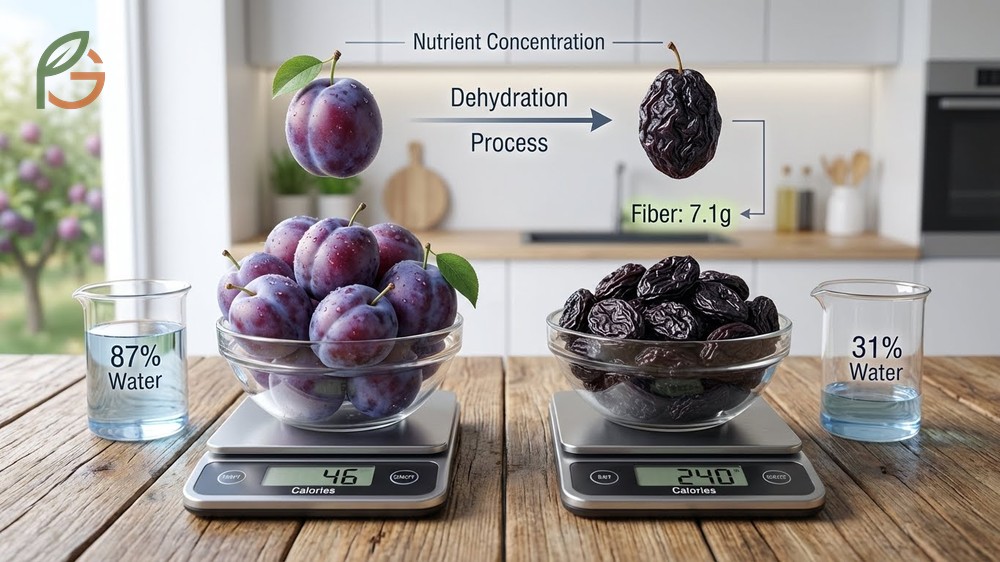
Prunes are simply dried plums, but the dehydration process concentrates nutrients into a smaller volume with dramatically different nutritional profiles. Fresh plums contain approximately 87% water, while prunes contain only 31% water after drying. This concentration means prunes deliver five times the calories (240 vs 46 per 100g), making portion control more critical for weight management.
The drying process preserves and concentrates fiber content to 7.1g per 100g in prunes compared to 1.4g in fresh plums. This five-fold increase explains prunes’ reputation as a natural constipation remedy. Prunes also contain significantly higher potassium (732mg vs 157mg per 100g)[4], vitamin K (59.5μg vs 6.4μg), and vitamin A levels than fresh plums.
However, fresh plums retain 15 times more vitamin C than prunes due to heat sensitivity during the drying process. If you’re prioritizing immune support and collagen production, fresh plums deliver superior vitamin C benefits. For bone health and digestive regularity, prunes offer concentrated minerals and fiber that fresh plums can’t match in equivalent serving sizes.
This table compares nutritional values per 100 grams between fresh plums and dried prunes across calories, fiber, vitamins, and minerals to guide dietary choices
| Nutrient | Fresh Plums | Prunes (Dried Plums) | Key Difference |
|---|---|---|---|
| Calories | 46 kcal | 240 kcal | 5x higher in prunes |
| Fiber | 1.4g | 7.1g | 5x higher in prunes |
| Vitamin C | 9.5mg | 0.6mg | 15x higher in fresh plums |
| Potassium | 157mg | 732mg[4] | 4.7x higher in prunes |
| Vitamin K | 6.4μg | 59.5μg[4] | 9x higher in prunes |
For practical application, choose fresh plums when seeking hydration, vitamin C, and low-calorie snacking. Select prunes when addressing constipation, supporting bone density, or needing concentrated energy for endurance activities. Many people find rotating between both forms provides comprehensive nutritional benefits without monotony.
Plum Skin Benefits

Plum consumption supports skin health through vitamin C’s role in collagen synthesis and antioxidant protection against UV damage. The 10% daily vitamin C intake[2] per plum helps fibroblasts produce collagen proteins that maintain skin firmness and elasticity. As we age, collagen production declines by 1% annually after age 30, making dietary vitamin C increasingly important for preventing sagging and wrinkle formation.
Anthocyanins in dark-skinned plum varieties protect against photoaging caused by sun exposure. These pigments absorb UV radiation before it penetrates skin cells and damages DNA. Studies show regular consumption of anthocyanin-rich fruits correlates with 20-30% less visible sun damage compared to low-antioxidant diets over five-year periods.
Plum’s vitamin A content (11.2μg per fruit) regulates skin cell turnover and sebum production. This helps prevent acne breakouts by keeping pores clear while maintaining natural moisture barriers. The anti-inflammatory properties of plum polyphenols also reduce redness and irritation in conditions like rosacea or eczema when combined with topical treatments.
- Collagen production: Vitamin C increases synthesis by 30-40% when combined with amino acid intake
- Dark spot reduction: Vitamin C inhibits melanin formation, gradually lightening hyperpigmentation over 8-12 weeks
- Wrinkle prevention: Antioxidants neutralize free radicals that break down elastin fibers causing lines
- Hydration support: High water content (87%) in fresh plums contributes to daily fluid needs for plump skin
- Acne control: Anti-inflammatory compounds reduce sebum oxidation that triggers breakouts
Skincare Timing: For optimal skin benefits, eat plums in the morning when vitamin C absorption rates peak. Pair with healthy fats like almonds or avocado toast to enhance absorption of fat-soluble vitamin A for maximum complexion improvements.
Conclusion
The evidence demonstrates that advantages of plum fruit extend across digestive health, cardiovascular protection, weight management, and skin vitality through scientifically-documented mechanisms. With only 30 calories per serving[1] but rich antioxidant content, plums deliver exceptional nutritional value that rivals more expensive superfoods. The versatility of fresh plums and dried prunes allows you to target specific health goals—whether that’s constipation relief, bone density preservation, or blood sugar control.
Current nutritional guidance emphasizes eating whole plums with skin intact to maximize fiber and polyphenol absorption. FruitGarden compiles research from leading institutions showing that consistent plum consumption—2 to 3 servings daily—produces measurable health improvements within 4 to 8 weeks when combined with balanced dietary patterns.
Medical Disclaimer
Important Medical Disclaimer: This content is for informational and educational purposes only. It is not intended as a substitute for professional medical advice, diagnosis, or treatment. Always consult a qualified healthcare professional before making any changes to your diet, medication, or health routine, especially if you have diabetes, digestive disorders, are taking blood thinners, or have other medical conditions. Plum consumption may interact with certain medications or affect blood sugar levels.
Frequently Asked Questions
Are Plums and Prunes the Same Fruit?
Yes, prunes are simply dried plums that have undergone dehydration to remove water content. The drying process concentrates nutrients, resulting in five times the calories, fiber, and potassium compared to fresh plums. While both offer health benefits, prunes excel at digestive support while fresh plums provide more vitamin C for immune function.
How Many Plums Should I Eat Daily for Health Benefits?
Research supports eating 2-3 medium plums (approximately 200g total) daily to achieve measurable health benefits without excessive sugar intake. This amount provides 60-90 calories, 2-3g fiber, and substantial antioxidant protection. For weight loss goals, limit to 2 plums daily and pair with protein sources to enhance satiety and blood sugar control.
Do Plums Help With Weight Loss?
Yes, plums support weight loss through low calorie density (30 calories per fruit) and high fiber content that increases satiety. Studies show fiber intake correlates with reduced body weight over time by controlling hunger and reducing overall calorie consumption. Plums work best for weight management when substituted for high-calorie desserts or processed snacks between meals.
What’s the Best Time to Eat Plums for Maximum Benefits?
Morning consumption optimizes vitamin C absorption when digestive enzyme activity peaks. Eating plums with breakfast (combined with protein and healthy fats) provides sustained energy for 3-4 hours and prevents mid-morning hunger. For digestive benefits, eat plums 30 minutes before meals to stimulate digestive enzyme release and improve nutrient absorption from main courses.
Are Plum Skins Safe and Nutritious to Eat?
Yes, plum skins contain the highest concentration of fiber and antioxidants, making them the most nutritious part of the fruit. The skin provides insoluble fiber that supports digestive regularity, plus anthocyanins that give purple plums their color and anti-inflammatory properties. Always wash plums thoroughly to remove pesticide residues before eating with skin.
Can Diabetics Eat Plums Safely?
Plums can fit into diabetic meal plans when consumed in controlled portions and paired with protein or fat to slow sugar absorption. One medium plum contains approximately 7g natural sugars with a moderate glycemic index around 40. Monitor blood glucose responses individually and limit intake to 1-2 plums per sitting, preferably with meals rather than as isolated snacks.
How Do Plums Compare to Other Fruits Nutritionally?
Plums rank in the top 20% of fruits for antioxidant capacity while providing moderate vitamin and mineral levels at low calorie cost. Compared to berries, plums offer less vitamin C but more vitamin K. Versus tropical fruits like mangoes, plums contain fewer calories and sugars with comparable fiber content, making them excellent for weight-conscious individuals seeking nutritional variety.





