
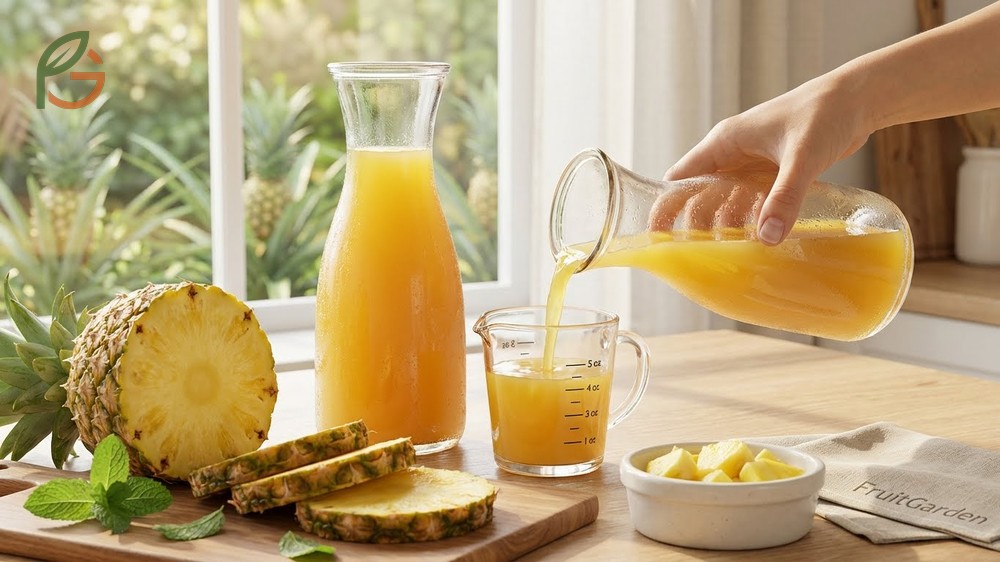
Is pineapple juice good for you? Yes, when consumed in moderation. Research shows that pineapple juice delivers over 100% of your daily vitamin C needs[1] and contains bromelain enzymes that support digestion[2], but it’s also high in natural sugars—about 25-30 grams per cup[3]. Current guidance emphasizes limiting juice intake to no more than 5 ounces daily to avoid blood sugar spikes while still reaping the benefits[4]. FruitGarden provides evidence-based information to help you make informed decisions about incorporating tropical fruits like pineapple into your diet.
Quick Answer
- One cup provides 130 calories and over 100% daily vitamin C[1]
- Contains bromelain enzymes[2] that aid digestion and reduce inflammation
- High sugar content: 25-30g per cup[3] (similar to soda)
- Limit intake to 5 ounces (150ml) daily[4] to avoid blood sugar issues
Is Pineapple Juice Good for You
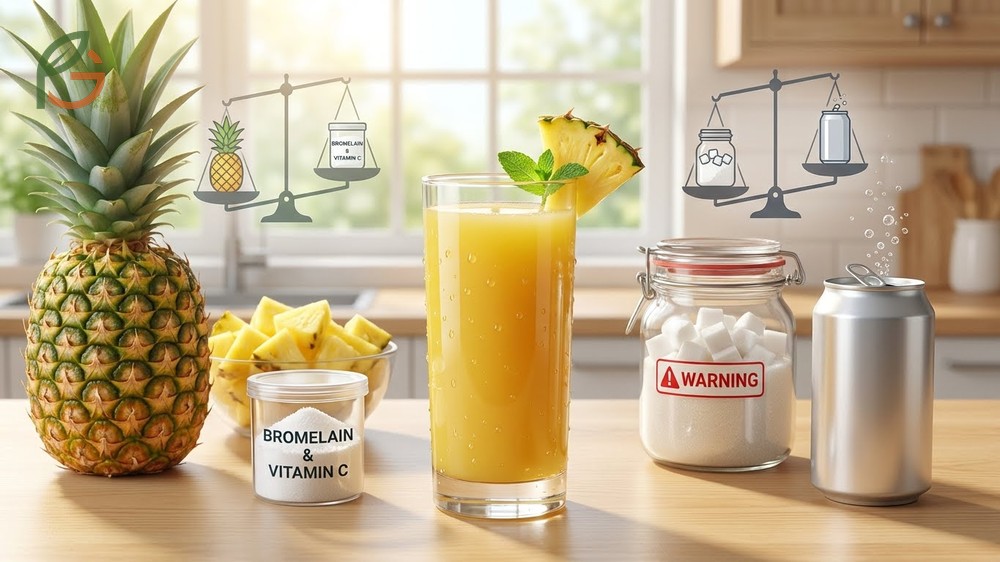
Studies demonstrate that pineapple juice offers legitimate health benefits when you drink it strategically. The juice contains bromelain, a complex of proteolytic enzymes that can reduce inflammation and aid protein digestion[2]. It’s also packed with vitamin C, providing more than your entire daily requirement in just one cup[1].
However, the sugar content presents a real challenge. Most people don’t realize that an 8-ounce glass contains as much sugar as a can of soda—between 25-30 grams[3]. This matters because even natural sugars can spike your blood glucose levels, especially when consumed without fiber or protein.
The key difference between pineapple juice being beneficial or problematic comes down to portion size and timing. Research indicates that limiting intake to 5 ounces (about two-thirds of a standard cup) per day helps you capture the nutritional benefits while minimizing sugar-related risks[4].
What Makes Pineapple Juice Beneficial
Evidence suggests that pineapple juice’s health benefits stem from its unique enzyme profile and micronutrient density. Bromelain works as both a digestive aid and an anti-inflammatory agent, potentially reducing airway inflammation in asthma patients. The vitamin C content supports collagen production and immune function, which explains why tropical communities have traditionally used pineapple for wound healing.
Manganese stands out as another significant nutrient. A single serving provides more than 100% of your daily adequate intake[6], supporting bone health and metabolism. The juice also delivers about 10% of your daily potassium and magnesium needs[6].
When Pineapple Juice Becomes Problematic
The high glycemic impact makes pineapple juice risky for certain populations. People with diabetes face particular challenges since the juice can cause rapid blood sugar spikes due to its lack of fiber and concentrated sugar content[3]. Drinking more than 5 ounces daily has been linked to increased risk of type 2 diabetes and heart disease[4].
The acidity also poses problems for some people. Pineapple juice can irritate your stomach lining, trigger heartburn, or worsen acid reflux—especially when consumed on an empty stomach. Those with gastroesophageal reflux disease (GERD) should approach it cautiously or avoid it entirely.
Important Note: If you’re taking blood thinners or have a bleeding disorder, consult your doctor before drinking pineapple juice regularly. Bromelain may increase bleeding risk when combined with certain medications.
Benefits of Pineapple Juice

Current research highlights several mechanisms through which pineapple juice supports health. The benefits extend beyond basic nutrition to include enzyme-based therapeutic effects and antioxidant protection. Understanding these specific advantages helps you decide when and how to incorporate pineapple juice into your diet.
Digestive Health Support
The enzymes in pineapple juice actively break down protein in your gut, which can reduce constipation, gas, and bloating[5]. This makes it particularly useful after heavy protein meals. Bromelain also exhibits antibacterial properties that may support a healthier gut environment.
What often gets overlooked is that timing matters significantly. Drinking pineapple juice 30-60 minutes before a protein-rich meal can enhance digestion more effectively than consuming it afterward. The enzyme concentration remains highest in fresh juice, so processing and storage methods directly impact digestive benefits.
Immune System Boost
Vitamin C plays a vital role in strengthening your body’s immune response and supporting white blood cell function. Since pineapple juice delivers over 100% of your daily vitamin C requirement[1], it can help your body fight off infections more effectively. The vitamin also supports collagen formation, which maintains the integrity of skin and blood vessels as protective barriers against pathogens.
Research shows that regular vitamin C intake may reduce the duration and severity of common colds, though it won’t necessarily prevent them. The antioxidant properties also combat free radicals that can damage immune cells.
Anti-Inflammatory Properties
Bromelain functions as an immunomodulator with anti-edematous and anti-inflammatory effects demonstrated in clinical studies[2]. This property makes pineapple juice potentially beneficial for conditions involving chronic inflammation. Athletes sometimes use it to reduce exercise-induced inflammation and speed recovery.
The anti-inflammatory mechanism extends to respiratory health. Studies have found links between bromelain intake and reduced airway inflammation, a primary symptom of asthma[5]. While more research is ongoing, preliminary results suggest therapeutic potential for inflammatory respiratory conditions.
- Supports eye health through vitamin C, beta-carotene, and vitamin A content, reducing risk of age-related macular degeneration[5]
- Provides copper (about 15% of daily requirements[6]), essential for red blood cell formation and iron absorption
- Delivers B vitamins including thiamin (B1), pyridoxine (B6), and folate, supporting energy metabolism and nervous system function
- Contains hydroxycinnamic acids (about 30% of adequate daily intake[6]), which function as antioxidants
- May help reduce symptoms of hay fever and sinusitis due to bromelain’s mucolytic properties
For Women: Some women report benefits for menstrual cramps and bloating, though scientific evidence remains limited. The anti-inflammatory properties may provide modest relief, but it’s not a substitute for medical treatment of severe symptoms.
Nutritional Value of Pineapple Juice
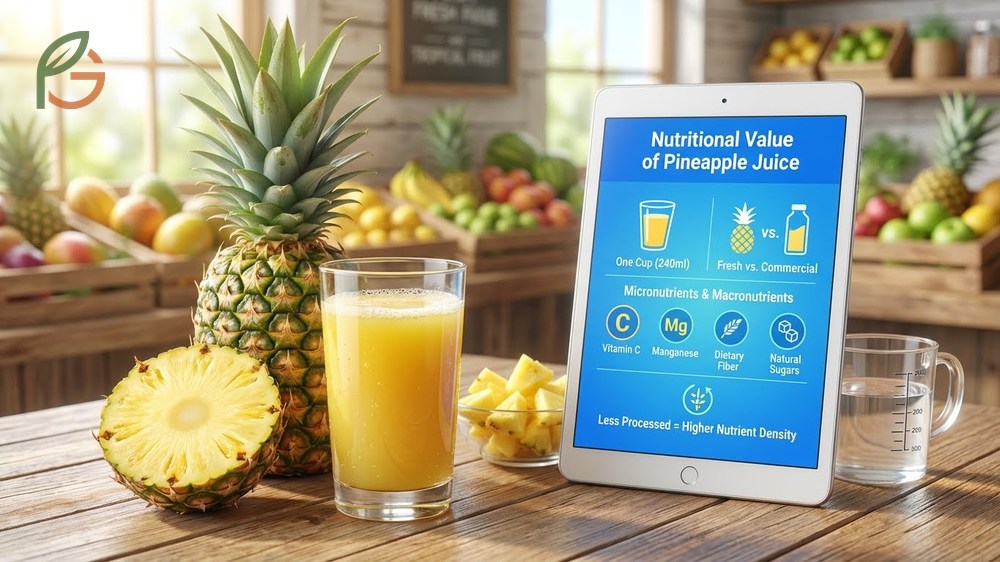
Understanding the complete nutritional profile helps you make informed decisions about portion sizes and frequency. Agricultural data shows that pineapple juice’s nutrient density varies based on processing methods, with fresh juice typically offering superior nutritional value compared to commercial varieties.
One cup (240ml) of unsweetened pineapple juice provides a concentrated source of specific micronutrients alongside its macronutrient content. The vitamin and mineral profile makes it particularly valuable for manganese, vitamin C, and certain B vitamins.
This table presents comprehensive nutritional data per one cup serving of pineapple juice, including calories, macronutrients, vitamins, minerals, and percentage of daily values
| Nutrient | Amount | % Daily Value | Key Benefits |
|---|---|---|---|
| Calories | 130 kcal[1] | 6.5% | Moderate energy density |
| Carbohydrates | 33g[1] | 11% | Quick energy source |
| Sugar | 25-30g[3] | ~50-60% | Natural but high concentration |
| Protein | 0.9g[1] | 2% | Minimal protein |
| Fiber | 0.5g[1] | 2% | Very low compared to whole fruit |
| Vitamin C | 25mg[1] | 100%+ | Immune support, antioxidant |
| Manganese | 1.3mg[6] | 100%+ | Bone health, metabolism |
| Potassium | 325mg | 10% | Blood pressure regulation |
| Copper | 0.18mg | 15% | Red blood cell formation |
The sugar composition deserves special attention. Pineapple juice contains glucose, fructose, and sucrose in roughly a 1:1:1.6 ratio[6]. This balance means you get a mix of quick-acting glucose and slower-absorbing fructose, though both ultimately raise blood sugar levels.
Unlike whole pineapple, the juice contains minimal fiber—only about 0.5g per cup compared to 2-3g in an equivalent amount of fresh fruit. This fiber loss significantly impacts how quickly your body absorbs the sugars, leading to faster blood glucose spikes.
Fresh vs Canned Pineapple Juice
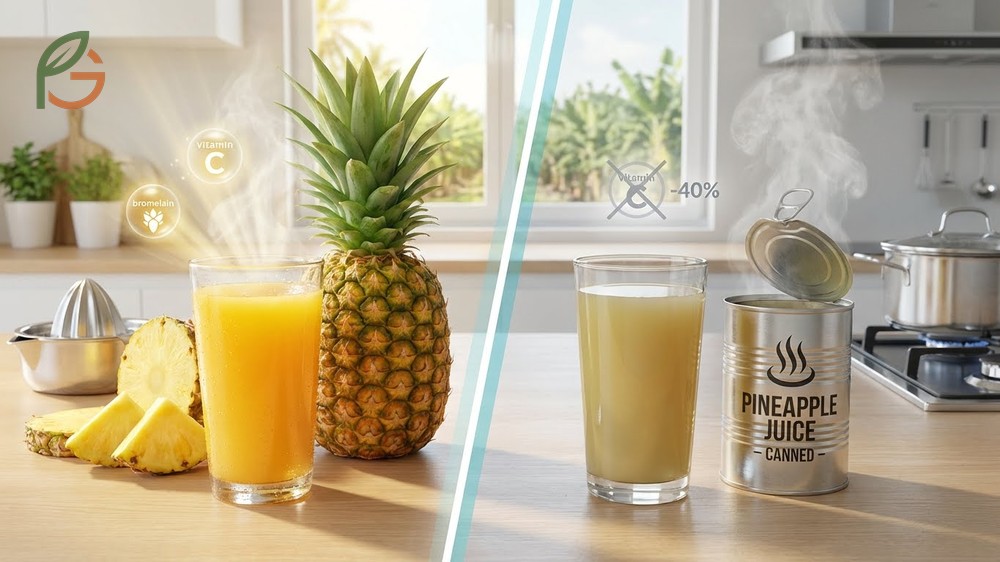
The processing method dramatically affects both nutritional value and health benefits. Heat treatment during canning destroys heat-sensitive compounds, resulting in juice that’s nutritionally inferior to fresh-pressed varieties. Understanding these differences helps you choose the best option for your health goals.
Fresh pineapple juice retains the highest concentration of bromelain and vitamin C. Canned varieties lose approximately 40% of their vitamin C content during heat processing[7], though they still provide about 60% of what fresh juice offers. More significantly, the canning process completely destroys bromelain enzymes[7], eliminating the digestive and anti-inflammatory benefits.
Canned juice often contains added sweeteners despite “unsweetened” labels, which can further increase sugar content. Always check ingredient lists—100% pure pineapple juice should list only pineapple (and sometimes water) as ingredients. Commercial processing also typically adds preservatives and may filter out some beneficial plant compounds.
- Fresh juice contains full bromelain enzyme activity for digestion and inflammation reduction; canned has zero bromelain[8]
- Vitamin C content in fresh juice measures 60% higher than canned versions[7]
- Fresh juice offers better texture and more vibrant flavor from volatile aromatic compounds
- Canned juice provides convenience, longer shelf life, and consistent year-round availability
- Cost-wise, canned juice typically runs 30-50% cheaper than fresh-pressed options
- Fresh juice must be consumed within 2-3 days of pressing; canned lasts 12-18 months unopened
If you’re primarily seeking the anti-inflammatory and digestive benefits of bromelain, fresh juice is your only effective option. However, if you want the vitamin and mineral content for general nutrition, canned juice can work—just be prepared to compensate for the reduced vitamin C levels.
A practical middle-ground approach involves using frozen pineapple chunks to make fresh juice at home. Freezing doesn’t destroy bromelain the way heat does, and you’ll retain most nutrients while gaining convenience and cost savings compared to fresh whole pineapples.
Pineapple Juice Side Effects

Despite its benefits, pineapple juice can cause adverse effects in certain situations or when consumed excessively. The most common issues relate to its high sugar concentration, acidity, and enzyme activity. Recognizing these potential problems helps you avoid unnecessary complications.
Blood sugar spikes represent the primary concern for most people. The juice’s high glycemic index combined with minimal fiber causes rapid glucose elevation[3]. This becomes particularly problematic when consumed on an empty stomach or in quantities exceeding 5 ounces. People with prediabetes or type 2 diabetes may experience worsened insulin resistance over time with regular consumption.
The acidity can irritate digestive tissues, especially in sensitive individuals. Some people experience heartburn, acid reflux, or stomach discomfort after drinking pineapple juice. Those with gastroesophageal reflux disease (GERD) or stomach ulcers should approach it cautiously or avoid it entirely.
- Rapid blood sugar elevation followed by crashes, leading to fatigue and increased sugar cravings
- Digestive irritation including heartburn, nausea, or stomach pain from high acidity
- Mouth and tongue tingling or soreness from bromelain’s protein-breaking action on oral tissues
- Increased bleeding risk when combined with blood thinners due to bromelain’s anticoagulant properties
- Allergic reactions in people sensitive to pineapples, latex, or related fruits (kiwi, papaya)
- Dental enamel erosion from repeated exposure to acidic juice without proper oral hygiene
- Weight gain over time from excessive calorie and sugar intake if not accounting for juice in daily totals
Warning for Medication Users: If you’re taking antibiotics, blood thinners (warfarin, aspirin), or sedatives, consult your healthcare provider before consuming pineapple juice regularly. Bromelain can interact with these medications and alter their effectiveness or increase side effects.
People with diabetes face particular risks. The juice can trigger significant blood glucose swings that complicate diabetes management[9]. Those managing blood sugar should test their response to small amounts before making it a regular part of their diet, and always pair it with protein or fiber-rich foods to slow absorption.
Individuals with high blood pressure should also exercise caution. While potassium can support healthy blood pressure, excessive pineapple juice consumption may trigger symptoms like facial flushing, headaches, and dizziness in some hypertensive patients. Moderation becomes especially important for this population.
Daily Pineapple Juice Intake
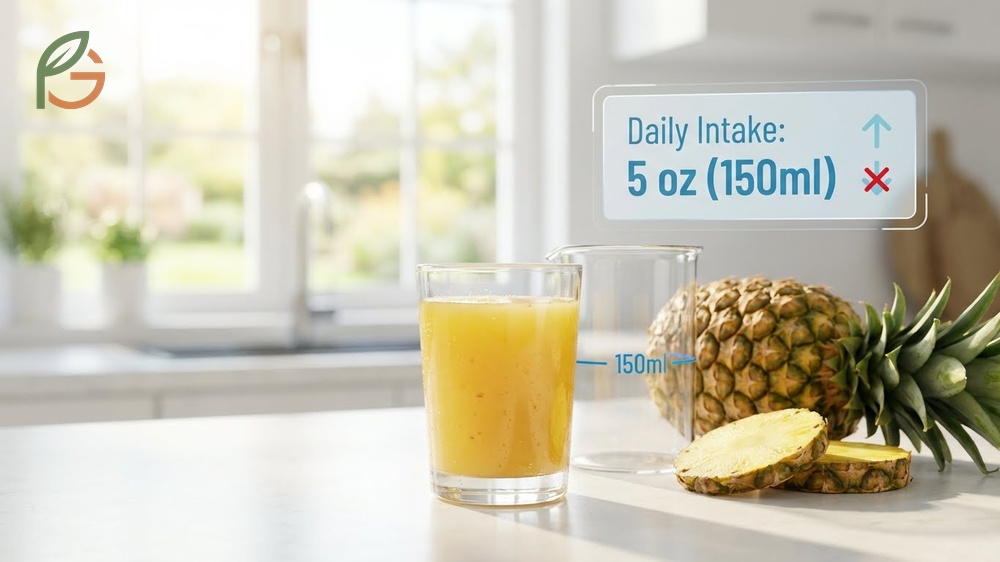
Evidence-based dietary guidelines provide clear parameters for safe pineapple juice consumption. The recommended limit stands at 5 ounces (150ml) per day[4], which represents about two-thirds of a standard cup. This amount allows you to capture nutritional benefits while minimizing sugar-related health risks.
Exceeding this threshold consistently has been associated with negative health outcomes. Studies show that drinking more than 5 ounces daily increases risk of type 2 diabetes and cardiovascular disease[4]. The sugar load becomes difficult for your body to handle efficiently when consumed in larger quantities, especially if you’re not physically active.
Timing significantly impacts how your body processes the juice. Consuming it with meals rather than between meals helps slow sugar absorption and reduces blood glucose spikes. Pairing it with protein sources (like Greek yogurt) or healthy fats (such as nuts) further moderates the glycemic response. Morning consumption with breakfast often works best since your body’s insulin sensitivity tends to be higher earlier in the day.
For specific health goals, adjust your approach accordingly. If you’re using pineapple juice primarily for its bromelain benefits to aid digestion, drink 3-4 ounces about 30 minutes before protein-heavy meals. For immune support during cold season, 4-5 ounces daily provides adequate vitamin C without excessive sugar.
Consider pineapple juice as part of your total daily fruit intake rather than an addition to it. Dietary guidelines recommend juice comprise no more than half of your fruit servings. If you drink 5 ounces of pineapple juice (equivalent to about one fruit serving), balance it with whole fruits for the remaining servings to ensure adequate fiber intake.
Special Populations: Children should consume even less—typically 4 ounces or less depending on age and size. Pregnant women can safely drink pineapple juice in moderation (4-6 ounces daily), despite myths about it causing labor; there’s no scientific evidence supporting this claim at normal consumption levels.
- Dilute with water (1:1 ratio) to reduce sugar concentration while maintaining flavor and nutrients
- Choose fresh-pressed or 100% pure varieties without added sugars or preservatives
- Drink through a straw to minimize direct contact with tooth enamel and reduce erosion risk
- Rinse your mouth with plain water after drinking to neutralize acidity
- Track it as part of your daily carbohydrate and sugar totals, especially if managing diabetes or weight
- Rotate with other fruit juices to diversify nutrient intake and avoid excessive manganese accumulation
Conclusion
The evidence is clear: is pineapple juice good for you depends entirely on how much and how often you drink it. When limited to 5 ounces daily[4], pineapple juice delivers significant benefits—over 100% of your vitamin C needs[1], inflammation-fighting bromelain[2], and essential minerals like manganese. Exceed that amount regularly, and you risk blood sugar problems, weight gain, and increased disease risk.
Current guidance emphasizes fresh juice over canned when possible, strategic timing with meals to moderate blood sugar response, and treating juice as a supplement to—not replacement for—whole fruits. FruitGarden synthesizes current nutritional research to help you make informed decisions about incorporating tropical fruits into a balanced diet that supports long-term health.
Medical Disclaimer
Important Medical Disclaimer: This content is for informational and educational purposes only. It’s not intended as a substitute for professional medical advice, diagnosis, or treatment. Always consult a qualified healthcare professional before making any changes to your diet, medication, or health routine, especially if you have diabetes, high blood pressure, digestive disorders, or other medical conditions. Individual responses to pineapple juice vary based on health status, medications, and overall diet.
Frequently Asked Questions
Is Pineapple Juice Healthy for Weight Loss?
Pineapple juice can fit into a weight loss plan when strictly portioned, but it’s not ideal due to its high sugar content and low fiber. One cup contains 130 calories and 25-30g sugar, similar to soda. If you’re trying to lose weight, whole pineapple provides better satiety with more fiber and fewer calories per serving. Limit juice to 4-5 ounces daily and account for it in your total calorie budget.
What Does Pineapple Juice Do for Digestion?
Pineapple juice contains bromelain enzymes that break down protein in your gut, which can reduce bloating, gas, and constipation. For best results, drink 3-4 ounces of fresh juice 30-60 minutes before protein-heavy meals. The enzyme works most effectively in fresh juice since canning destroys bromelain completely. Bromelain also has antibacterial properties that may support overall gut health.
Can I Drink Pineapple Juice Every Day?
Yes, you can drink pineapple juice daily if you limit it to 5 ounces (150ml) or less. This amount provides vitamin C and other nutrients without excessive sugar intake. Consume it with meals rather than alone to moderate blood sugar spikes. People with diabetes should consult their healthcare provider first and monitor their blood glucose response carefully.
What Are the Benefits of Pineapple Juice for Women?
Women benefit from pineapple juice’s high vitamin C content, which supports collagen production for skin health and may reduce risk of age-related vision problems. Some women report relief from menstrual cramps and bloating due to bromelain’s anti-inflammatory properties, though scientific evidence remains limited. The juice also provides manganese, important for bone health—particularly relevant for post-menopausal women at higher osteoporosis risk.
Is Dole Pineapple Juice Good for You?
Dole and other commercial canned pineapple juices provide vitamins and minerals but lack bromelain enzymes due to heat processing. They typically contain 60% less vitamin C than fresh juice and may include added sugars despite “unsweetened” labels. If using commercial juice, choose 100% pure varieties without added ingredients. For maximum health benefits, fresh-pressed juice remains the better option.
What Are Pineapple Juice Side Effects?
Common side effects include blood sugar spikes, heartburn, stomach irritation, and mouth tingling from bromelain. Excessive consumption can cause weight gain, worsen insulin resistance, and increase diabetes risk. People taking blood thinners may experience increased bleeding. Those with GERD, stomach ulcers, or citrus allergies should avoid it or use extreme caution. Always start with small amounts to assess your individual tolerance.
How Does Pineapple Juice Compare to Other Fruit Juices?
Pineapple juice contains more sugar than most citrus juices but provides unique bromelain enzymes not found in other options. It delivers comparable vitamin C to orange juice (both providing 100%+ daily value per cup) but significantly less fiber. Apple juice has similar calories but lacks pineapple’s anti-inflammatory properties. For overall health, rotating between different 100% fruit juices provides more diverse nutrients than relying on any single variety.





