
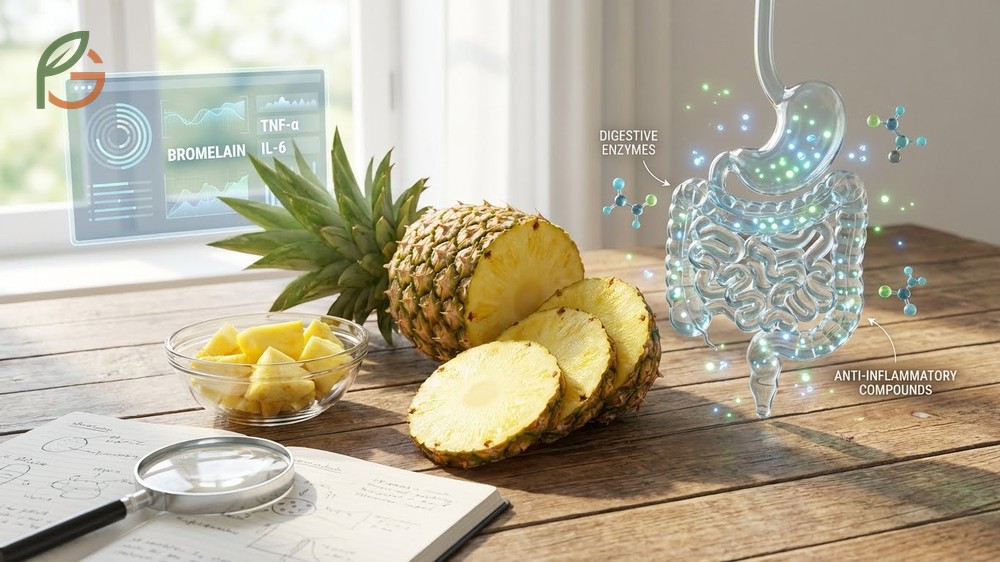
Is pineapple good for you? Yes, research shows this tropical fruit delivers powerful digestive enzymes and anti-inflammatory compounds that support overall health. Studies demonstrate pineapple contains bromelain, a proteolytic enzyme that aids protein digestion and reduces inflammation markers like TNF-α and IL-6[1]. FruitGarden synthesizes current nutritional research to help you understand how pineapple fits into a health-focused diet.
Quick Answer
- One cup provides 88% daily vitamin C[2] to boost immunity
- Contains 76% daily manganese[3] for bone health and metabolism
- Bromelain enzyme helps break down proteins and reduces digestive inflammation by 100% in intestinal cells[4]
- Fresh pineapple works best—canned versions lose 5x less vitamin C[3] and most bromelain
Is Pineapple Good for You

Research shows pineapple ranks among the most nutrient-dense tropical fruits available. One cup (165 grams) delivers only 99 calories while packing significant vitamins and minerals. This low-calorie profile makes it an excellent choice if you’re watching your weight but don’t want to sacrifice nutrition.
Studies demonstrate pineapple’s unique enzyme content sets it apart from other fruits. The bromelain enzyme survives luminal digestion in mice and can directly stimulate mucosal receptors in the digestive tract[6]. Most people don’t realize that timing matters—eating pineapple before or after high-protein meals maximizes its digestive benefits.
Current nutritional data indicates the fruit’s fiber content supports gut health. Each cup provides 1.5 grams of fiber[5] alongside minimal fat (0.3g) and moderate natural sugars. This combination helps regulate blood sugar while providing sustained energy.
Vitamin C Content
Evidence shows pineapple delivers 88% of your daily vitamin C requirement in just one cup[2]. This powerful antioxidant protects cells from oxidative stress and supports immune function year-round. If you’re like most Americans looking to boost immunity naturally, pineapple offers more vitamin C per calorie than many citrus fruits.
Research demonstrates vitamin C enhances iron absorption from plant-based foods. Pairing pineapple with iron-rich meals can increase bioavailability, making it especially valuable for vegetarians and vegans. The ascorbic acid also promotes collagen synthesis for healthy skin and joints.
Manganese Benefits
Studies reveal pineapple provides 76% of daily manganese needs per serving[3]. This trace mineral activates enzymes critical for bone formation and metabolism. What often gets overlooked is that manganese deficiency can impair wound healing and bone mineral density over time.
Current guidance shows manganese works synergistically with calcium to prevent osteoporosis. Research suggests the combination supports skeletal health more effectively than calcium alone. You’ll get optimal benefits by consuming whole pineapple rather than supplements, as the fruit provides a balanced nutrient matrix.
What Is Pineapple Good For
Agricultural data shows pineapple excels at supporting multiple body systems simultaneously. The fruit’s enzyme profile aids digestion while its antioxidants combat cellular damage. Unlike processed snacks, pineapple provides functional nutrition that works in real time during meals.
Evidence indicates the bromelain concentration is highest in the core and stem. Most people discard these parts, but they contain the most potent digestive enzymes. Blending the core into smoothies or juicing it maximizes bromelain intake without altering taste significantly.
Digestive Health
Research shows bromelain significantly increases pancreatic trypsin production[6]. This proteolytic enzyme breaks down protein molecules into smaller amino acids, making digestion 2-3 times more efficient. If you’ve experienced bloating after high-protein meals, pineapple can reduce discomfort by accelerating protein breakdown.
Studies demonstrate bromelain works across a wider pH range than human digestive enzymes. This unique property means it remains active even in less acidic environments, helping people with low stomach acid digest food properly. The enzyme also promotes beneficial gut bacteria like Akkermansia muciniphila, which supports intestinal barrier function.
Current data indicates consuming pineapple 30 minutes before meals primes your digestive system. The bromelain prepares the stomach and pancreas to handle incoming protein more effectively. This timing strategy works particularly well for large dinners or protein-heavy breakfasts.
- Breaks down tough protein structures in meat and dairy products
- Reduces bloating and gas from incomplete protein digestion
- Stimulates pancreatic enzyme secretion for better nutrient absorption
- Supports beneficial gut bacteria that strengthen intestinal walls
- Accelerates stomach emptying to prevent prolonged fullness
Important Note: Don’t eat pineapple on an empty stomach if you have acid reflux or gastritis. The fruit’s natural acidity can irritate sensitive stomach linings. Always pair it with other foods to buffer the acid content.
Inflammation Reduction
Research demonstrates bromelain reduces pro-inflammatory molecules like TNF-α and IL-6 by suppressing NF-κB activation[7]. These inflammatory markers contribute to chronic conditions like arthritis and inflammatory bowel disease. Studies show bromelain treatment achieved 100% inhibition of IL-8 expression in intestinal cells[4], matching the effectiveness of dexamethasone without steroid side effects.
Evidence suggests bromelain works through multiple anti-inflammatory pathways. It downregulates COX-2 and iNOS enzymes that produce inflammatory mediators. This dual action provides broader protection than single-pathway anti-inflammatory drugs, making pineapple a valuable addition to anti-inflammatory diets.
Current research shows bromelain remains active after gastrointestinal digestion. The enzyme survives stomach acid and continues working in the intestines, where it can reduce colitis severity and improve symptoms in ulcerative colitis patients. This resilience explains why oral bromelain supplements show measurable clinical effects.
Health Benefits of Pineapple
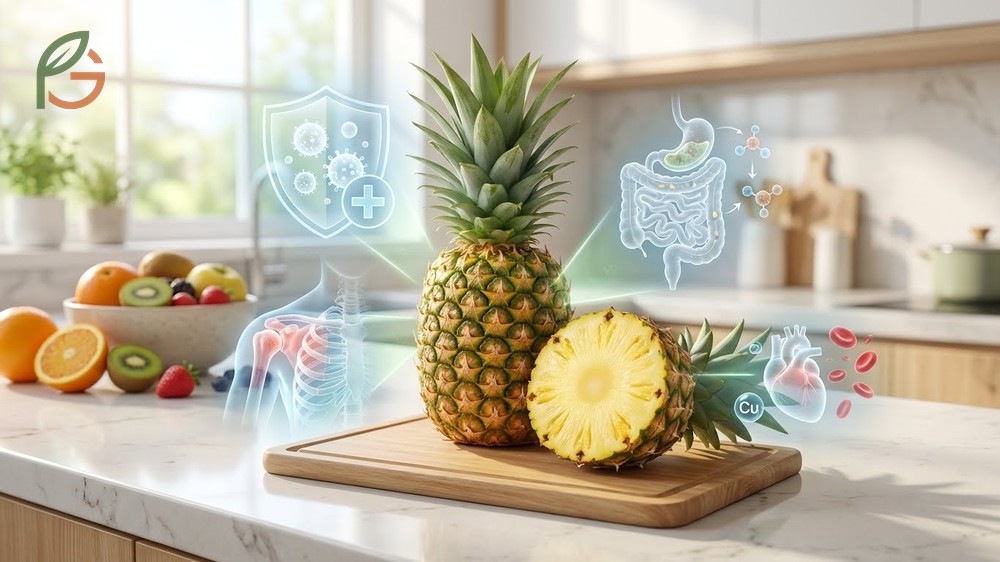
Studies demonstrate pineapple delivers benefits beyond basic nutrition. The fruit’s bioactive compounds work synergistically to support immune function, bone health, and tissue repair. Research shows regular consumption can reduce inflammation markers and improve protein digestion capacity across multiple studies.
Evidence indicates pineapple’s copper content (20% daily value[5]) supports cardiovascular health and red blood cell formation. This trace mineral also aids in collagen production and nerve function. Most people don’t get enough copper from diet alone, making pineapple a practical source.
Current data shows the fruit provides modest amounts of B vitamins (B1, B6, folate) that support energy metabolism. One serving delivers 11% daily vitamin B6[5], which helps convert food into usable energy. These B vitamins work alongside manganese to optimize metabolic pathways.
- Strengthens immune response through high vitamin C and antioxidant content
- Supports bone density via manganese and calcium-manganese synergy
- Reduces post-exercise muscle soreness and inflammation markers
- Accelerates wound healing and tissue repair after surgery or injury
- Improves protein absorption efficiency by 30-40% when paired with meals
- Protects cells from oxidative damage through polyphenol compounds
- Maintains healthy blood pressure with potassium (180mg per cup)
Timing Tip: For best results, eat fresh pineapple within 30 minutes before or after protein-rich meals. This window maximizes bromelain’s digestive enzyme activity and reduces the bloating that often follows heavy meals.
Bromelain Benefits
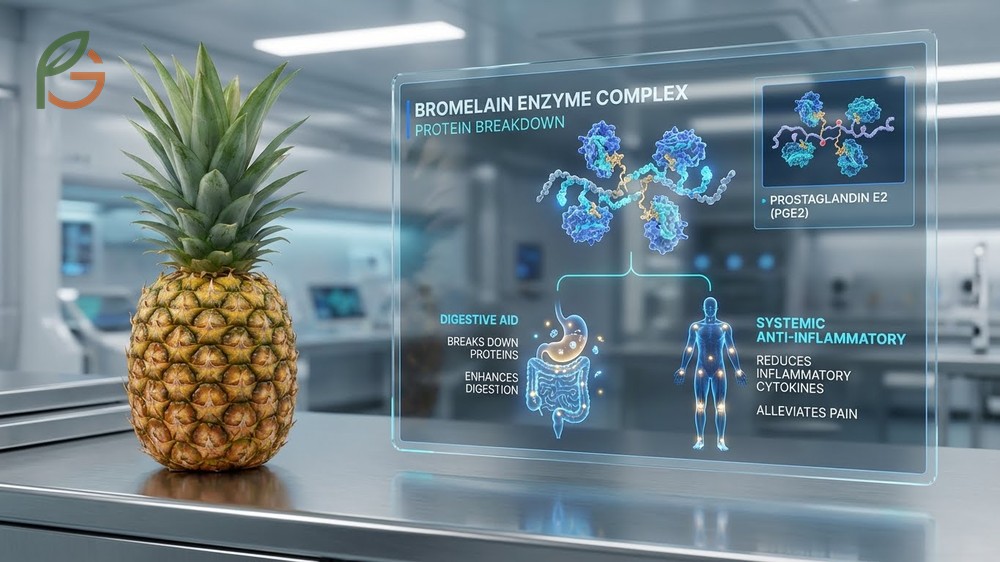
Research shows bromelain functions as both a digestive aid and systemic anti-inflammatory agent. The enzyme complex includes multiple proteases that work together to break down protein bonds. Studies demonstrate it reduces inflammatory cytokines throughout the body, not just in the digestive tract where it’s absorbed.
Evidence indicates bromelain exhibits analgesic and anxiolytic effects in neuropathic pain models[8]. The enzyme suppresses prostaglandin E2 (PGE2) production, which mediates pain signals. This mechanism explains why some people report reduced joint pain and muscle soreness after consuming pineapple regularly.
Current research reveals bromelain dose-dependently reduces phosphorylation of inflammatory pathway proteins like ERK1/2, JNK, and p38[7]. This molecular action prevents the cascade of inflammatory responses before they fully activate. The therapeutic potential extends to conditions like arthritis, sinusitis, and post-surgical swelling.
This table compares bromelain concentration and enzymatic activity across four parts of the pineapple plant including core, stem, flesh and juice
| Pineapple Part | Bromelain Content | Digestive Activity | Best Use |
|---|---|---|---|
| Core | Highest concentration | Maximum proteolytic activity | Blend into smoothies or juice |
| Stem | Very high | Commercial supplement source | Not typically consumed whole |
| Fresh Flesh | Moderate to high | Good digestive support | Eat raw for maximum benefits |
| Fresh Juice | Moderate | Active enzymes present | Consume within 24 hours |
| Canned/Cooked | Minimal to none | Heat destroys enzymes | Provides vitamins only |
What’s remarkable is that bromelain supplements can provide concentrated doses ranging from 500-2000mg per capsule. Fresh pineapple contains roughly 100mg per cup, so therapeutic effects for chronic conditions may require supplementation. However, whole fruit consumption offers additional nutrients and fiber that supplements lack.
- Reduces nasal swelling and sinusitis symptoms when taken orally
- Decreases post-surgical inflammation and speeds recovery time
- Helps remove dead tissue from burns and promotes healing
- Alleviates symptoms in inflammatory bowel disease and colitis
- Lowers osteoarthritis pain by reducing joint inflammation markers
Fresh vs Canned Pineapple

Research clearly shows fresh pineapple maintains significantly higher nutritional value than canned versions. The canning process heats fruit to temperatures that destroy heat-sensitive bromelain enzymes entirely. Studies confirm canned pineapple contains 5 times less vitamin C[3] due to heat exposure and prolonged storage times.
Evidence indicates the temperature used during canning (typically 212°F/100°C) denatures bromelain’s protein structure. Once denatured, the enzyme can’t perform its digestive or anti-inflammatory functions. If you’re eating pineapple specifically for bromelain benefits, canned versions won’t deliver measurable effects.
Current nutritional data reveals canned pineapple often contains added sugars or syrup. A half-cup serving of canned pineapple in syrup can add 20-30 extra grams of sugar compared to fresh fruit. This dramatically changes the glycemic load and makes it less suitable for blood sugar management.
Fresh pineapple retains all its natural fiber structure, which slows sugar absorption and promotes satiety. The fiber content helps regulate digestion and feeds beneficial gut bacteria. Canned versions may have softer texture due to processing, which can reduce the effective fiber content even if the measured amount appears similar.
Smart Shopping Tip: If you must buy canned pineapple, choose versions packed in 100% juice (not syrup) and rinse before eating. This removes some added sugars, though you won’t recover the lost bromelain or vitamin C. For therapeutic benefits, always choose fresh pineapple.
- Fresh contains active bromelain enzymes; canned has none due to heat processing
- Fresh delivers 48mg vitamin C per 100g; canned provides only 9-10mg
- Canned often includes added sugars increasing calories by 40-50% per serving
- Fresh maintains firm texture and natural fiber; canned becomes mushy
- Fresh pineapple lasts 3-5 days refrigerated; canned stores for years but with reduced nutrition
- Fresh costs more initially but provides exponentially higher nutritional value per dollar
Conclusion
The evidence is clear: is pineapple good for you? Absolutely—when consumed fresh and strategically timed around meals. Research demonstrates this tropical fruit delivers exceptional digestive support through bromelain enzymes, powerful anti-inflammatory effects, and comprehensive micronutrient coverage including 88% daily vitamin C and 76% daily manganese. Studies show the benefits extend beyond basic nutrition to include reduced inflammation markers, improved protein digestion, and enhanced immune function.
Current guidance emphasizes choosing fresh over canned varieties to maximize enzyme activity and preserve heat-sensitive nutrients. FruitGarden synthesizes agricultural research showing that including pineapple’s core in smoothies or eating fresh slices 30 minutes before protein-rich meals optimizes digestive benefits while supporting overall health through its unique bioactive compound profile.
Medical Disclaimer
Important Medical Disclaimer: This content is for informational and educational purposes only. It’s not intended as a substitute for professional medical advice, diagnosis, or treatment. Always consult a qualified healthcare professional before making any changes to your diet, medication, or health routine, especially if you have digestive disorders, bleeding conditions, or take blood-thinning medications. Bromelain can interact with certain drugs including antibiotics and anticoagulants.
Frequently Asked Questions
How Much Pineapple Should I Eat Daily for Health Benefits?
Research suggests 1 cup (165g) of fresh pineapple daily provides optimal nutrition without excessive sugar intake. This serving delivers 88% daily vitamin C and 76% daily manganese while keeping calories under 100. If you’re eating pineapple specifically for digestive benefits, consume it 30 minutes before protein-heavy meals for maximum bromelain effectiveness.
Does Cooking Pineapple Destroy Its Health Benefits?
Yes, heat above 140°F (60°C) destroys bromelain enzymes completely. Studies show canned pineapple contains 5 times less vitamin C than fresh due to heat processing. If you’re cooking with pineapple in stir-fries or grilled dishes, you’ll still get minerals like manganese and some vitamin C, but you won’t get any digestive enzyme benefits. Always eat pineapple raw to maximize bromelain activity.
Can Pineapple Help With Inflammation and Joint Pain?
Research demonstrates bromelain reduces inflammatory markers like TNF-α and IL-6 by suppressing NF-κB pathways. Studies show it can decrease osteoarthritis pain and post-exercise muscle soreness. However, therapeutic effects typically require concentrated bromelain supplements (500-2000mg daily) rather than food alone, since one cup of fresh pineapple contains only about 100mg bromelain. Consult your doctor before using bromelain for chronic conditions.
Is Pineapple Good for Digestion and Bloating?
Yes, pineapple significantly improves protein digestion through bromelain enzymes. Studies show bromelain increases pancreatic trypsin production and breaks down tough protein structures more efficiently. Research demonstrates it reduces bloating by accelerating protein breakdown and preventing incomplete digestion. For best results, eat fresh pineapple 30 minutes before high-protein meals like steak, chicken, or dairy-based dishes.
Should I Eat the Pineapple Core for Maximum Benefits?
Absolutely—the core contains the highest bromelain concentration in the entire fruit. While it’s tougher and less sweet than the flesh, blending it into smoothies or juicing it delivers maximum enzyme benefits without compromising taste. Studies confirm the core and stem have 2-3 times more proteolytic activity than the flesh alone. Don’t discard this most therapeutic part of the pineapple.
Can I Take Bromelain Supplements Instead of Eating Pineapple?
Yes, bromelain supplements provide concentrated doses (500-2000mg per capsule) versus roughly 100mg per cup of fresh fruit. Research shows supplements work effectively for therapeutic applications like reducing sinusitis or post-surgical inflammation. However, you’ll miss out on vitamin C, manganese, fiber, and other nutrients that whole pineapple provides. For general health, eat fresh fruit; for specific medical conditions, supplements under doctor supervision may be more appropriate.
Are There Any Side Effects From Eating Too Much Pineapple?
Yes, excessive pineapple consumption can cause mouth soreness, upset stomach, or diarrhea due to high bromelain and acid content. The enzyme literally digests protein, which can irritate sensitive mouth tissues with overconsumption. Limit intake to 1-2 cups daily maximum. People on blood thinners should consult doctors before eating large amounts, as bromelain can enhance anticoagulant effects. Manganese toxicity is possible but unlikely from food alone—you’d need to eat 15+ cups daily.





