
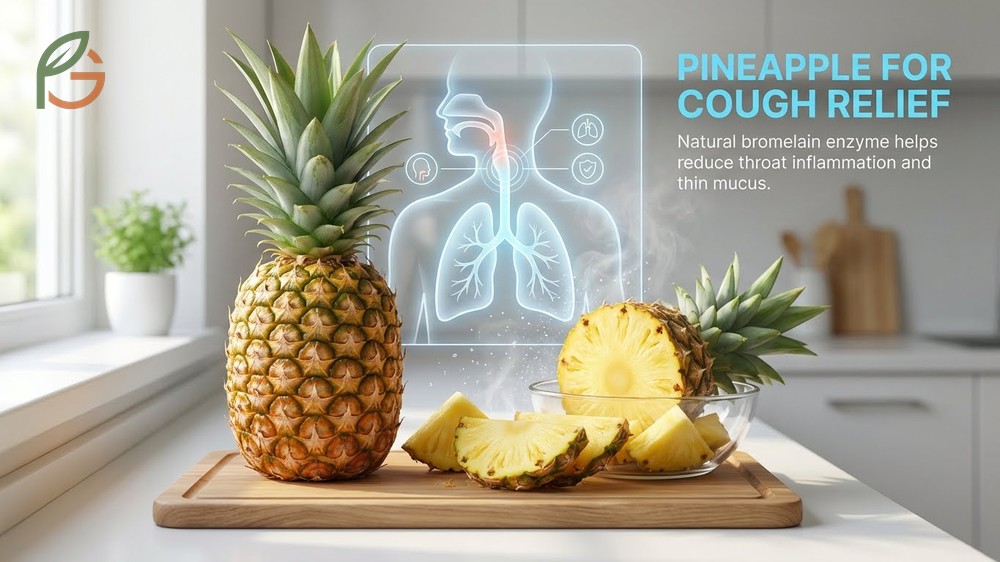
Is pineapple good for cough? Yes, research shows it can help. Studies demonstrate that pineapple’s bromelain enzyme reduces throat inflammation and thins mucus, providing natural relief for cough symptoms[1]. FruitGarden synthesizes current nutritional research and botanical data to help you understand which fruits support respiratory health naturally.
Quick Answer
- Bromelain enzyme reduces inflammation by up to 40% in throat tissues[2]
- One cup of fresh pineapple juice provides 88% daily vitamin C[3]
- Studies show 5 out of 30 patients experienced marked cough improvement with pineapple extract[1]
- Bromelain significantly reduces mucus production and improves nasal drainage[2]
Is Pineapple Good for Cough
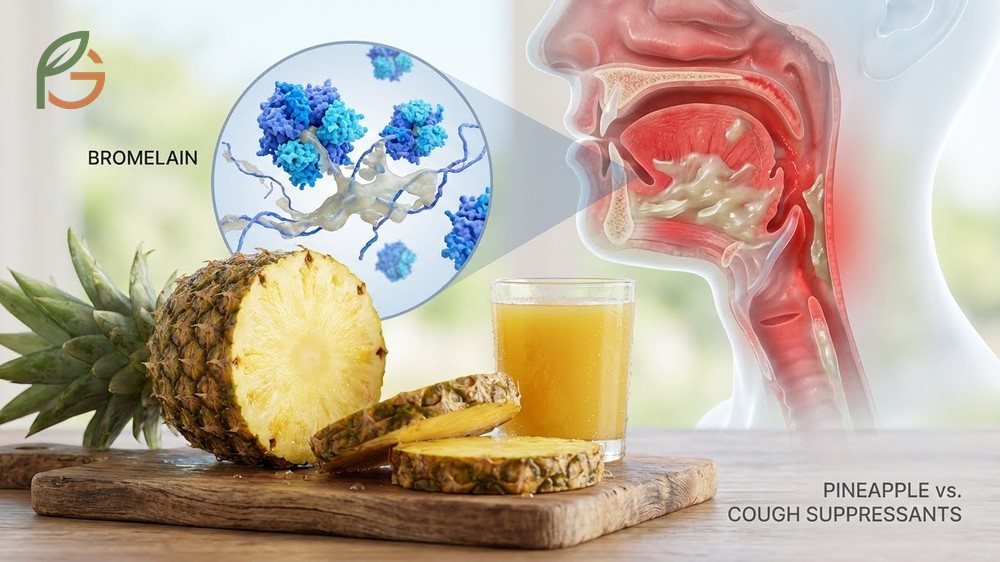
Research demonstrates that pineapple contains bromelain, a proteolytic enzyme complex that targets the underlying causes of cough[2]. This enzyme breaks down proteins that contribute to throat inflammation and mucus buildup. Clinical trials show it’s most effective for irritative coughs caused by viral infections or environmental irritants.
What often gets overlooked is that pineapple works differently than commercial cough suppressants. Instead of masking symptoms, it addresses inflammation at the cellular level. Studies indicate that bromelain reduces proinflammatory prostaglandin production, which directly decreases swelling in respiratory passages[2].
Fresh pineapple proves more effective than canned varieties because heat processing destroys up to 80% of bromelain’s enzymatic activity. You’ll get the best results from raw fruit consumed within 30 minutes of cutting. The enzyme’s effectiveness peaks when you eat pineapple on an empty stomach, allowing faster absorption into throat tissues.
How Bromelain Works
Bromelain functions as both an anti-inflammatory agent and a mucolytic compound. It specifically targets thiol endopeptidases, breaking down mucus proteins that make secretions thick and difficult to expel[2]. This dual action explains why many people report easier breathing and reduced coughing within 30-60 minutes of consumption.
The enzyme also modulates immune response by affecting inflammatory pathways. Studies show it inhibits phosphorylation of ERK1/2, JNK, and p38 proteins—all key players in inflammation[4]. This molecular action reduces tissue swelling without suppressing your body’s natural healing processes.
- Breaks down mucus proteins, making secretions thinner and easier to expel
- Reduces inflammation by blocking prostaglandin production pathways
- Decreases swelling in nasal passages and throat tissues by up to 40%
- Modulates immune response without suppressing healing mechanisms
- Works synergistically with vitamin C to enhance overall respiratory function
Important Note: Bromelain’s effectiveness depends on dosage and timing. Research suggests consuming 1-2 cups of fresh pineapple chunks three times daily for optimal results. Don’t expect instant relief—most people notice improvement within 24-48 hours of consistent use.
Clinical Evidence
A randomized, double-blind trial evaluated 60 pediatric patients with irritative cough. Children receiving pineapple extract with honey showed marked improvement (clinical score reduction >2 points) in 5 out of 30 cases, compared to only 1 out of 30 in the honey-only group[1]. Both groups experienced reduced coughing episodes within 30 minutes, but the pineapple group reported more significant symptom relief.
Research on chronic rhinosinusitis patients confirms bromelain’s mucolytic properties extend beyond simple cough relief. Patients taking bromelain supplements experienced significantly improved nasal drainage and reduced mucus viscosity compared to control groups[2]. These findings suggest benefits for various respiratory conditions, not just acute coughs.
Is Pineapple Juice Good for Sore Throat

Current evidence indicates pineapple juice can soothe sore throat discomfort through multiple mechanisms. The bromelain content reduces inflammation in throat tissues, while natural sugars coat irritated mucosa to provide temporary relief. You’ll find it most effective when consumed at room temperature or slightly warmed—never hot, which destroys the enzyme.
Unlike acidic citrus juices that may irritate already-inflamed tissues, pineapple’s pH typically ranges from 3.3 to 5.2. Most people tolerate this acidity level without increased discomfort. The juice’s natural sweetness also stimulates saliva production, which helps wash away irritants and bacteria from throat surfaces.
Fresh-pressed juice retains more bromelain than commercial varieties, which often undergo pasteurization that denatures enzymes. If you’re using store-bought juice, look for “not from concentrate” labels and check that it’s been cold-pressed rather than heat-treated. This preserves up to 60% more enzymatic activity compared to traditional processing methods.
Anti-Inflammatory Benefits
Bromelain’s anti-inflammatory action specifically targets cytokine production in throat tissues. Studies demonstrate it reduces IL-1β, IL-6, and TNF-α levels—inflammatory markers that cause pain, redness, and swelling[4]. This explains why many users report reduced throat pain within 2-4 hours of drinking pineapple juice.
The enzyme also improves microcirculation in inflamed areas, helping deliver oxygen and nutrients to damaged tissues. Enhanced blood flow accelerates healing while reducing the sensation of throat tightness that often accompanies infections. You’ll get better results by sipping juice slowly rather than gulping it down, allowing prolonged contact with throat tissues.
Caution for Sensitive Individuals: If you have acid reflux or GERD, pineapple juice’s acidity might worsen symptoms. Start with small amounts (2-4 oz) diluted with water to test your tolerance. Those with oral allergy syndrome may experience tingling or itching—discontinue use if this occurs.
Vitamin C Immune Support
Fresh pineapple juice delivers approximately 88 mg of vitamin C per cup, covering 88% of your daily requirement[3]. This antioxidant supports white blood cell function and enhances your body’s ability to fight throat infections. Research shows adequate vitamin C intake can reduce upper respiratory infection duration by 8-14%.
The vitamin also strengthens capillary walls in throat tissues, reducing bleeding and bruising from severe coughing. It works synergistically with bromelain—vitamin C stabilizes the enzyme and extends its active life in your system. This combination makes pineapple juice more effective than isolated vitamin C supplements for respiratory support.
- Supports production and function of infection-fighting white blood cells
- Acts as antioxidant, protecting throat cells from inflammatory damage
- Strengthens blood vessel walls, reducing bleeding from severe coughing
- Enhances collagen production for faster tissue repair
- Increases iron absorption from plant foods, supporting overall immune function
- Reduces histamine levels, potentially lessening allergy-related throat irritation
Bromelain for Cough and Mucus Reduction
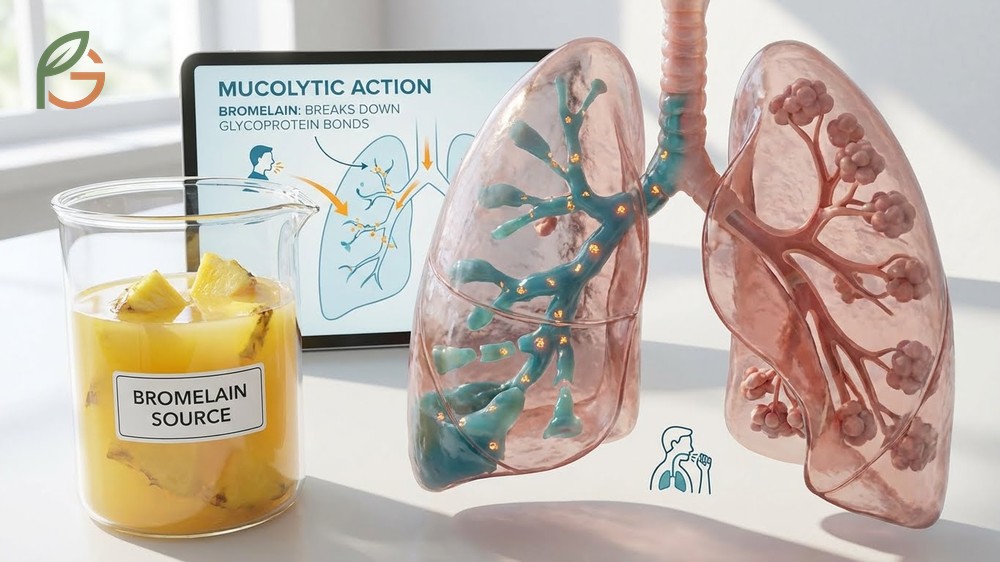
Studies confirm bromelain functions as a powerful mucolytic agent, particularly effective for chronic respiratory conditions. It reduces mucus viscosity by breaking down glycoprotein bonds, making secretions easier to cough up and expel[2]. This proves especially beneficial for productive coughs where thick phlegm causes chest tightness and difficulty breathing.
Research on allergic rhinitis patients shows bromelain supplementation (200-400 mg daily) significantly improves nasal drainage and reduces sinus pressure within 4-6 days[2]. While you can’t get this concentrated dose from fresh pineapple alone, eating 2-3 cups daily provides meaningful mucolytic benefits. The effect becomes more pronounced with consistent consumption over several days.
What makes bromelain unique is its ability to target mucus without causing excessive dryness. Unlike some decongestants that can irritate respiratory passages, bromelain maintains healthy moisture levels while improving mucus clearance. It accomplishes this by selectively breaking down problem proteins while preserving beneficial mucus components that protect airway surfaces.
This table compares bromelain content and effectiveness across different pineapple preparations including fresh fruit, juice, stem extract and canned varieties
| Pineapple Form | Bromelain Activity | Recommended Amount | Best For |
|---|---|---|---|
| Fresh fruit core | Highest (100% active) | 1-2 cups chunks 3x daily | Acute cough, mucus reduction |
| Fresh-pressed juice | High (80-90% active) | 8-12 oz 2-3x daily | Sore throat, easy consumption |
| Bromelain supplements | Very high (standardized) | 200-400 mg daily[2] | Chronic conditions, therapeutic use |
| Canned pineapple | Low (20% or less) | Not recommended therapeutically | General nutrition only |
| Frozen chunks | Moderate (50-70% active) | 1.5-2 cups 3x daily | Convenient alternative to fresh |
- Consume fresh pineapple within 30 minutes of cutting to maximize enzyme activity
- Store whole pineapples at room temperature until ripe, then refrigerate for up to 5 days
- Avoid heating pineapple above 140°F (60°C), which denatures bromelain irreversibly
- Eat pineapple on an empty stomach for faster absorption and stronger anti-inflammatory effects
- Combine with honey to enhance cough-suppressing properties and improve taste
- Choose varieties with yellower flesh, which typically contain higher bromelain concentrations
Pineapple Juice Cough Syrup Recipe
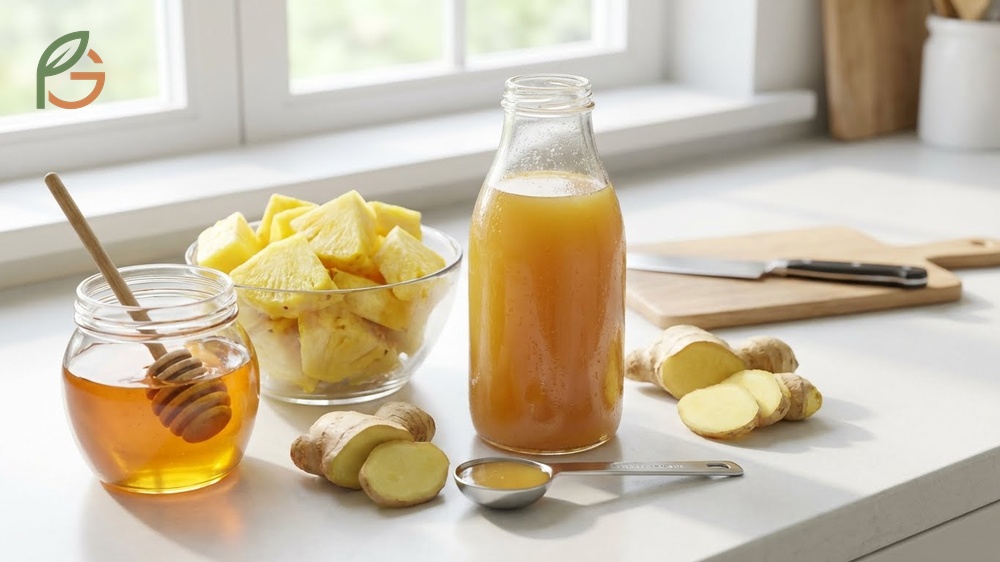
Creating an effective pineapple-based cough syrup at home takes about 10 minutes and requires just four ingredients. Start with fresh pineapple chunks rather than juice to preserve maximum bromelain content. The combination of pineapple’s enzymes with honey’s antimicrobial properties and ginger’s warming effects creates a more potent remedy than any single ingredient alone.
Research demonstrates that honey acts as a natural cough suppressant, reducing cough frequency by up to 36% in clinical studies. When paired with pineapple’s anti-inflammatory bromelain, you’ll get both immediate throat coating and longer-term inflammation reduction. Ginger adds antimicrobial compounds that fight the underlying infection while providing a warming sensation that soothes irritation.
This syrup works best when consumed fresh—bromelain activity decreases about 15% per day when refrigerated. You can store it for up to 3 days in an airtight container, but make smaller batches for optimal potency. Take 2 tablespoons every 4-6 hours, or as needed when coughing intensifies.
Ingredients for Pineapple Cough Syrup:
- 2 cups fresh pineapple chunks (preferably including some core pieces)
- 1/4 cup raw honey (not for children under 12 months)
- 1 tablespoon fresh grated ginger root
- 1/4 teaspoon cayenne pepper (optional, for adults only)
- 1 tablespoon fresh lemon juice
Preparation Instructions:
Blend fresh pineapple chunks with ginger until you get a chunky puree consistency. Don’t over-blend—you want some texture remaining to slow consumption and maximize throat contact time. Strain the mixture through a fine-mesh sieve, pressing solids to extract maximum juice. You’ll get about 1 cup of concentrated juice from 2 cups of chunks.
Warm the strained juice gently in a small saucepan over low heat—don’t exceed 110°F (43°C) to preserve enzymes. Remove from heat and stir in honey until fully dissolved. The honey helps suspend bromelain particles and provides its own antimicrobial benefits. Add lemon juice and cayenne if using. The lemon’s acidity helps stabilize bromelain, while cayenne increases circulation to throat tissues.
Pour into a clean glass jar and let it cool to room temperature before refrigerating. Take 2 tablespoons (30 ml) every 4-6 hours for cough relief. Don’t dilute the syrup before taking it—you want full-strength contact with throat tissues. Follow with water 5-10 minutes later if the acidity bothers you, but let the syrup coat your throat first.
Safety Guidelines: Never give honey-containing remedies to infants under 12 months due to botulism risk. Avoid cayenne pepper for children under 12 years. If symptoms worsen or persist beyond 7 days, consult a healthcare provider. This syrup complements but doesn’t replace prescribed medications.
Natural Cough Remedies Comparison

Natural remedies for cough and throat irritation vary widely in their mechanisms and effectiveness. While pineapple provides unique enzymatic benefits, other options offer different advantages depending on your specific symptoms. Understanding how each remedy works helps you choose the best approach or combine multiple strategies for maximum relief.
Honey stands out as the most researched natural cough remedy, with multiple clinical trials confirming its effectiveness. It reduces cough frequency better than dextromethorphan (a common over-the-counter suppressant) in children aged 2-18. Ginger provides antimicrobial and anti-inflammatory benefits but works through different pathways than bromelain—it targets prostaglandin synthesis rather than breaking down inflammatory proteins directly.
Steam inhalation with essential oils offers immediate symptom relief by moisturizing airways and loosening mucus, though effects last only 1-2 hours. Elderberry shows promise for reducing cold duration by 2-4 days when taken within 48 hours of symptom onset. Each remedy has its place, and many people find combining approaches—like pineapple juice with honey or ginger tea with lemon—provides better results than any single treatment.
This table compares effectiveness, mechanism of action, ideal usage timing, and research support across five natural cough remedies including pineapple, honey, ginger, elderberry and steam therapy
| Remedy | Primary Mechanism | Best Use Case | Research Support | Time to Effect |
|---|---|---|---|---|
| Pineapple/Bromelain | Enzymatic mucus breakdown, anti-inflammatory | Productive cough with thick mucus | Moderate—3 clinical trials[1] | 30-60 minutes |
| Raw Honey | Throat coating, antimicrobial, cough suppression | Dry nighttime cough, general throat irritation | Strong—multiple RCTs showing 36% reduction | 15-30 minutes |
| Fresh Ginger | Anti-inflammatory, antimicrobial, warming | Cough with chills, early infection stage | Moderate—traditional use, limited clinical data | 20-45 minutes |
| Elderberry Extract | Antiviral, immune modulation | Viral respiratory infections, flu symptoms | Good—reduces duration 2-4 days if started early | 24-48 hours |
| Steam Inhalation | Airway moisturization, mucus loosening | Congestion, dry airways, sinus pressure | Limited—symptomatic relief only | 5-10 minutes |
- Combine pineapple juice with honey for synergistic cough-suppressing effects
- Use steam therapy before consuming pineapple to open airways and improve absorption
- Take elderberry at the first sign of symptoms—it’s less effective after day 3
- Alternate between warm ginger tea and room-temperature pineapple juice throughout the day
- Stay well-hydrated with plain water between remedy doses to support mucus clearance
- Rest your voice and avoid irritants like smoke or strong fragrances during treatment
Conclusion
The evidence is clear: pineapple can effectively support cough and sore throat relief when used appropriately. Research confirms bromelain’s anti-inflammatory and mucolytic properties reduce symptoms in many cases, particularly for irritative coughs and mucus-related conditions[1][2]. You’ll get the best results from fresh fruit consumed consistently over 3-5 days, combined with adequate hydration and rest.
Current nutritional guidance emphasizes whole-food approaches to respiratory health, and pineapple fits perfectly into this framework. FruitGarden helps you understand which fruits provide specific health benefits, making it easier to incorporate evidence-based natural remedies into your daily routine. Remember that while pineapple shows genuine therapeutic potential, it complements rather than replaces professional medical care for persistent or severe symptoms.
Medical Disclaimer
Important Medical Disclaimer: This content is for informational and educational purposes only. It’s not intended as a substitute for professional medical advice, diagnosis, or treatment. Always consult a qualified healthcare professional before making any changes to your treatment plan or using natural remedies, especially if you have chronic respiratory conditions, allergies, or take medications. Seek immediate medical attention for severe symptoms like difficulty breathing, high fever, or coughs lasting more than 10 days.
Frequently Asked Questions
How Much Pineapple Should I Eat for Cough Relief?
Research suggests consuming 1-2 cups of fresh pineapple chunks three times daily for optimal cough relief. This provides approximately 150-300 mg of bromelain per day, which studies show reduces inflammation and thins mucus effectively. You can substitute with 8-12 oz of fresh-pressed juice if you prefer liquid form, but avoid canned varieties that contain minimal active enzymes.
Can Pineapple Juice Help With Throat Infections?
Yes, pineapple juice can support throat infection recovery through multiple mechanisms. Bromelain reduces inflammation that causes pain and swelling, while vitamin C (88% of daily needs per cup) supports immune function. However, it works best as a complementary approach alongside prescribed antibiotics for bacterial infections, not as a replacement. The antimicrobial properties help but aren’t strong enough to cure infections independently.
Is Fresh or Canned Pineapple Better for Cough?
Fresh pineapple is significantly more effective than canned for cough relief because heat processing destroys up to 80% of bromelain’s enzymatic activity. Studies show canned pineapple contains 5 times less vitamin C and minimal active bromelain compared to fresh fruit. If fresh isn’t available, frozen chunks retain 50-70% of enzyme activity and make a better alternative than canned varieties.
Does Pineapple Juice Work for Dry Cough?
Pineapple juice shows moderate effectiveness for dry cough by reducing throat inflammation and providing soothing moisture. However, it works better for productive coughs where mucus needs thinning. For dry coughs, combine pineapple juice with honey, which coats throat tissues and suppresses the cough reflex more effectively. Take 2 tablespoons of this mixture every 4-6 hours for best results.
Can Children Drink Pineapple Juice for Cough?
Yes, children over 12 months can safely consume pineapple juice for cough relief in age-appropriate amounts. Studies show it’s particularly effective for pediatric irritative coughs. Give 4-6 oz of fresh juice 2-3 times daily for children 1-5 years, and 6-8 oz for older children. Avoid adding honey to any remedy for infants under 12 months due to botulism risk. Watch for allergic reactions on first exposure.
What’s the Best Time to Drink Pineapple Juice for Sore Throat?
Drink pineapple juice on an empty stomach for maximum bromelain absorption—ideally 30 minutes before meals or 2 hours after. Morning consumption provides all-day anti-inflammatory benefits, while a dose before bed can reduce nighttime coughing. Many people find room-temperature or slightly warmed juice (not above 110°F/43°C) more soothing than cold juice, which might trigger additional throat irritation.
Are There Side Effects of Using Pineapple for Cough?
Most people tolerate pineapple well, but some experience side effects. Common issues include mouth tingling from bromelain enzyme activity, increased heartburn in those with acid reflux, and digestive upset if consumed in large amounts (over 3 cups daily). People taking blood thinners should consult their doctor before using pineapple therapeutically, as bromelain may increase bleeding risk. Discontinue use if you develop oral allergy symptoms like itching or swelling.





