
When comparing pears vs apples nutrition, research shows pears take the lead on fiber content with 6 grams per medium fruit compared to apples’ 4.4 grams, yet apples deliver more antioxidant polyphenols that protect against cellular damage[1][2]. Both fruits provide essential vitamins, minerals, and plant compounds that support heart health, digestion, and immune function. FruitGarden synthesizes current nutritional research to help home gardeners and fruit enthusiasts understand which fruits deliver the most value for specific health goals.
Quick Answer
- Pears contain 6g fiber per medium fruit (178g) versus apples’ 4.4g fiber (182g)—that’s 37% more fiber[1][3]
- Apples pack more antioxidant polyphenols including quercetin and chlorogenic acid for cellular protection[4]
- Both fruits provide similar calories (101 cal for pears, 95 cal for apples) and potassium for heart health[1][3]
- Pears excel for digestive health; apples win for antioxidant protection and longer shelf life
Pears vs Apples Nutrition
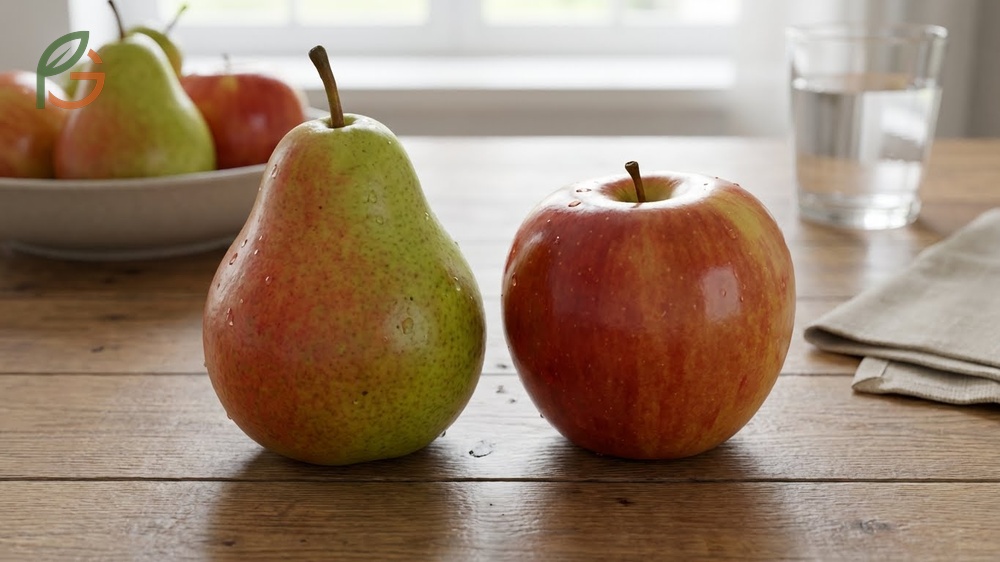
Studies demonstrate that pears and apples share similar macronutrient profiles, yet they differ in key areas that matter for specific health outcomes. A medium pear (178g) delivers 101 calories and 27g carbohydrates, while a medium apple (182g) provides 95 calories and 25g carbohydrates[1][3]. These minimal differences mean either fruit works as a low-calorie snack for weight management.
Both fruits contain zero fat, zero cholesterol, and minimal sodium (1-2mg). Their high water content—approximately 84% for pears and 86% for apples—contributes to hydration while keeping calorie density low. Current agricultural data shows both fruits qualify as nutrient-dense options that deliver vitamins, minerals, and fiber without adding empty calories to your diet.
The protein content remains negligible in both fruits at less than 1 gram per serving. This makes them ideal for pairing with protein-rich foods like Greek yogurt, almond butter, or cheese to create balanced snacks that sustain energy levels for 3-4 hours.
Calorie and Carbohydrate Basics
Research shows the 6-calorie difference between pears and apples won’t impact weight loss efforts. What matters more is the quality of carbohydrates each fruit provides. Pears contain 27g total carbohydrates with 6g coming from fiber, leaving 21g net digestible carbs[1].
Apples deliver 25g total carbohydrates with 4.4g fiber for approximately 20.6g net carbs[3]. The higher fiber-to-carb ratio in pears means slower digestion and more stable blood sugar levels compared to apples.
Sugar Content Comparison
Evidence indicates pears contain 17g total sugars per medium fruit, while apples pack 18.9g—a difference of just 1.9g that’s unlikely to affect blood sugar response in healthy individuals[1][3]. Both fruits contain zero added sugars—all sweetness comes from naturally occurring fructose, glucose, and sucrose.
The key factor isn’t total sugar but how fiber slows sugar absorption. Pears’ higher fiber content means their natural sugars enter the bloodstream more gradually, preventing the energy spikes and crashes associated with refined sugars.
Fiber Content Comparison
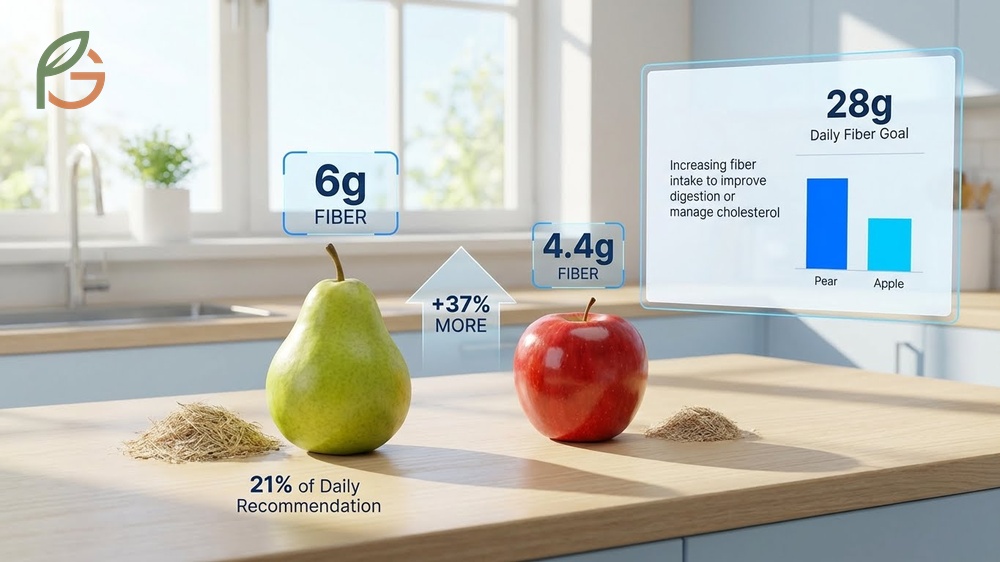
Current data indicates pears dominate the fiber category, providing 6 grams per medium fruit compared to apples’ 4.4 grams—that’s 37% more fiber and represents 21% of the daily 28g fiber recommendation for adults[1][2]. This substantial difference makes pears the superior choice when your primary goal is increasing fiber intake to improve digestion or manage cholesterol.
Research across multiple studies confirms most Americans fall short on fiber, consuming only 15-16g daily instead of the recommended 25-38g. Adding one medium pear to your daily routine closes roughly 21% of that gap. Apples contribute 16% of daily fiber needs, which still qualifies them as a good fiber source but not in the same league as pears.
The fiber advantage extends beyond quantity. Systematic reviews published in nutrition journals show pear consumption correlates with improved gut health markers and reduced constipation risk due to their unique combination of fiber types and naturally occurring sorbitol[5].
Why Fiber Matters
Studies demonstrate that dietary fiber delivers multiple health benefits beyond basic digestion. Soluble fiber dissolves in water to form a gel-like substance that slows digestion, stabilizes blood sugar, and binds to cholesterol particles for excretion. Insoluble fiber adds bulk to stool and speeds transit through the digestive tract, preventing constipation.
Evidence suggests consuming 25-30g fiber daily reduces heart disease risk by 15-30% through mechanisms that lower LDL cholesterol and reduce inflammation. The fiber in whole fruits like pears and apples also promotes satiety—you feel fuller longer, which naturally reduces calorie intake by 10-15% in controlled studies.
- Lowers LDL cholesterol by 5-10% when consuming 10g additional fiber daily
- Stabilizes blood sugar levels by slowing carbohydrate absorption
- Reduces constipation risk by adding bulk and speeding intestinal transit
- Supports healthy gut bacteria that produce short-chain fatty acids
- Increases satiety signals that reduce overall calorie consumption
- May reduce colorectal cancer risk by up to 10% per 10g fiber increase
Soluble vs Insoluble Fiber
Research shows both pears and apples contain a mix of soluble and insoluble fiber types, though the exact ratio differs between varieties. Pears provide pectin (a soluble fiber) concentrated in their flesh, along with cellulose and lignin (insoluble fibers) in their skin and core.
Apples contain similar fiber types with slightly higher pectin concentrations in certain varieties like Granny Smith. The soluble fiber in both fruits feeds beneficial gut bacteria like Bifidobacteria and Lactobacilli, which ferment fiber into butyrate—a compound that reduces gut inflammation and strengthens intestinal barrier function.
Important note: If you’re increasing fiber intake from pears or apples, add it gradually over 2-3 weeks to prevent bloating and gas. Start with one fruit daily and drink an extra 8-16 ounces of water to help fiber move through your digestive system.
Vitamin and Mineral Comparison
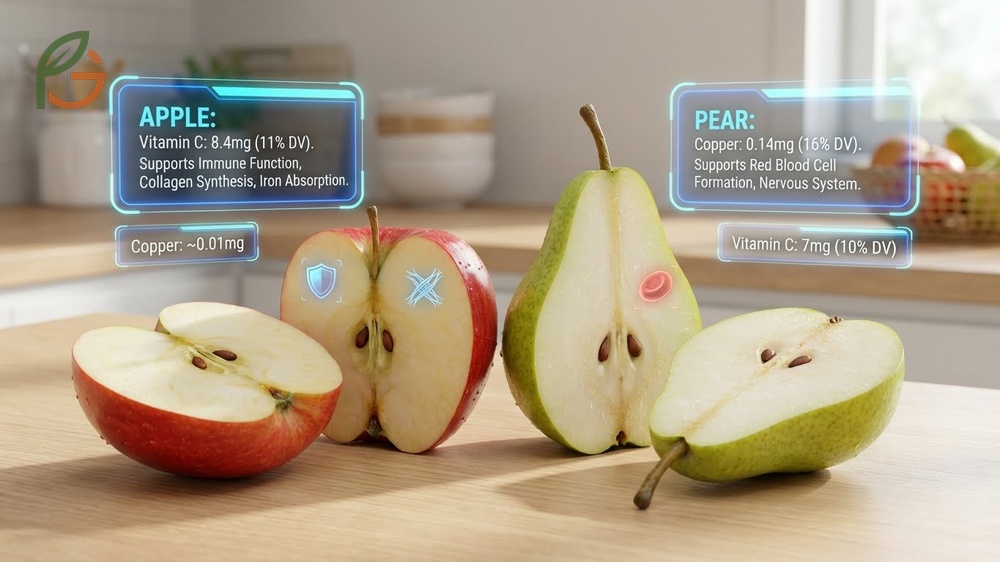
Evidence indicates that while both fruits provide essential micronutrients, apples and pears excel in different areas. Apples contain more vitamin C—about 8.4mg (11% DV) compared to pears’ 7mg (10% DV)—which supports immune function, collagen synthesis, and iron absorption[6]. This 1.4mg difference matters little for most people who consume varied diets.
Pears provide more copper (0.14mg or 16% DV) than apples, supporting red blood cell formation and nervous system function. Both fruits deliver similar amounts of potassium—about 195-200mg per serving—which helps regulate blood pressure and muscle contractions. Current nutritional data shows neither fruit offers significant amounts of vitamins A, D, E, or B vitamins.
This table compares calories, fiber, vitamins, minerals, and antioxidants between medium-sized pears and apples with data per 100 gram serving
| Nutrient | Pear (100g) | Apple (100g) | Winner |
|---|---|---|---|
| Calories | 57 kcal[1] | 52 kcal[3] | Tie (minimal difference) |
| Dietary Fiber | 3.1g[1] | 2.4g[3] | Pears (+29%) |
| Vitamin C | 4.3mg[5] | 4.6mg[3] | Apples |
| Potassium | 119mg[5] | 107mg[3] | Pears |
| Polyphenols | 0.22g[4] | 0.68g[4] | Apples (+209%) |
The most striking difference appears in polyphenol content, where apples deliver more than triple the antioxidant compounds found in pears. Research published in peer-reviewed journals confirms that apple polyphenols—particularly in the peel—provide superior protection against oxidative stress and cellular damage[4].
- Vitamin C supports immune defense and collagen production for healthy skin
- Potassium regulates blood pressure and reduces stroke risk by 20% at higher intakes
- Copper aids in iron metabolism and neurotransmitter synthesis
- Vitamin K contributes to blood clotting and bone mineralization
- Folate supports DNA synthesis and cell division processes
Which Fruit Is Healthier
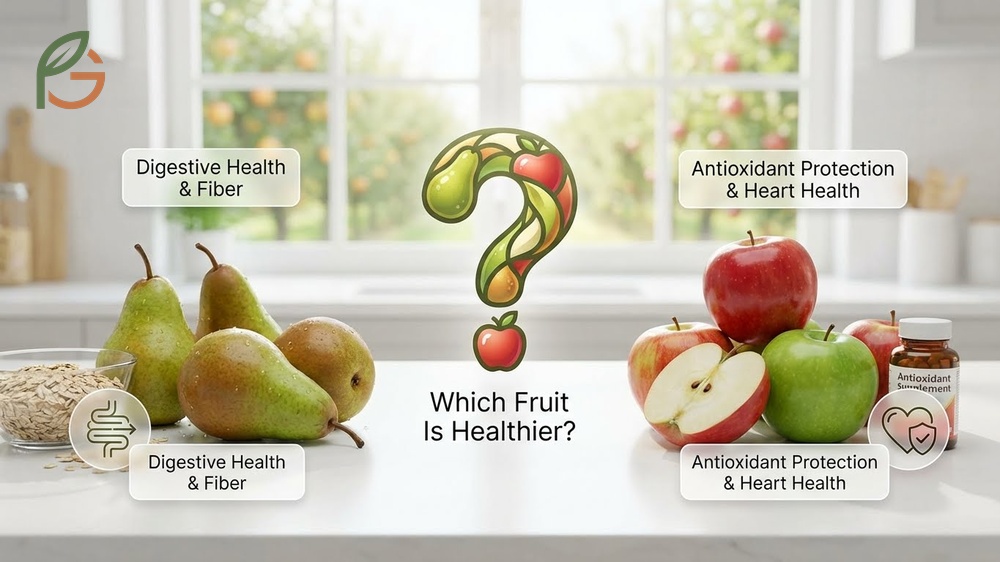
The evidence shows neither fruit claims absolute superiority—your choice depends on specific health priorities. If you’re targeting digestive health, constipation relief, or cholesterol reduction, pears win with 37% more fiber and beneficial sorbitol that promotes regular bowel movements[2][5].
If you’re focused on antioxidant protection, inflammation reduction, or heart disease prevention, apples excel with three times more polyphenols including quercetin, catechin, and chlorogenic acid[4]. Studies demonstrate these compounds reduce LDL oxidation—the process that leads to arterial plaque formation.
For practical purposes, incorporating both fruits into your weekly rotation delivers complementary benefits. Systematic reviews confirm that eating 2-3 servings of mixed whole fruits daily reduces chronic disease risk by 10-15% compared to eating no fruit. Most Americans fall short of this target, consuming only 1 cup of fruit daily instead of the recommended 1.5-2 cups.
Gardening tip: If you’re growing your own fruit trees, consider planting one pear and one apple variety to extend your harvest season. Bartlett pears ripen in August-September while Honeycrisp apples peak in September-October, giving you fresh fruit for 8-10 weeks.
- Choose pears when you need maximum fiber for digestive regularity or cholesterol management
- Pick apples when seeking antioxidant protection or longer storage life (3-4 months refrigerated)
- Eat pears with skin for full fiber benefits—removing skin cuts fiber content by 30-40%
- Select crisp apple varieties like Granny Smith for higher polyphenol concentrations
- Pair either fruit with protein sources to create balanced snacks that sustain energy for 4 hours
- Alternate between both fruits weekly to gain diverse phytonutrients and prevent taste fatigue
Conclusion
The evidence is clear: pears vs apples nutrition reveals two excellent fruit choices with complementary strengths rather than a clear winner. Pears deliver 37% more fiber for digestive and heart health, while apples provide three times more antioxidant polyphenols for cellular protection. Both fruits offer similar calorie counts, potassium levels, and vitamin C content that support overall wellness without adding empty calories.
Current nutritional guidance emphasizes eating a variety of whole fruits to maximize diverse phytonutrients and prevent dietary monotony. For home gardeners and fruit enthusiasts, FruitGarden recommends planting both pear and apple varieties to extend harvest seasons and gain complementary nutritional benefits throughout fall and winter months.
Medical Disclaimer
Important Medical Disclaimer: This content is for informational and educational purposes only. It’s not intended as a substitute for professional medical advice, diagnosis, or treatment. Always consult a qualified healthcare professional or registered dietitian before making significant changes to your diet, especially if you have diabetes, digestive disorders, food allergies, or other medical conditions. Individual nutritional needs vary based on age, activity level, and health status.
Frequently Asked Questions
Do pears have more sugar than apples?
No, pears actually contain slightly less sugar than apples. A medium pear has 17g total sugars while a medium apple contains 18.9g—a difference of just 1.9g that won’t significantly impact blood sugar response in healthy individuals. Both fruits contain zero added sugars, with all sweetness coming from naturally occurring fructose and glucose that’s balanced by fiber.
Which fruit is better for weight loss?
Both pears and apples work equally well for weight loss since they provide similar low calorie counts (101 vs 95 calories) with high water and fiber content that promotes fullness. Research shows pears’ higher fiber content (6g vs 4.4g) may increase satiety slightly more, helping you feel satisfied for 30-45 minutes longer. The key to weight loss isn’t choosing between these fruits but consistently incorporating whole fruits instead of processed snacks.
Are pears or apples better for diabetics?
Pears may have a slight advantage for blood sugar management due to their higher fiber content, which slows carbohydrate absorption and prevents glucose spikes. Studies show that pairing either fruit with protein sources like nuts or cheese further stabilizes blood sugar response. Both fruits have low to medium glycemic index values (38-44 for pears, 36-40 for apples) and can fit into diabetic meal plans when consumed in moderation as part of balanced meals.
Can you eat the skin of pears and apples?
Yes, you should eat the skin of both pears and apples to maximize nutritional benefits. The skin contains 30-50% of each fruit’s total fiber content and concentrates polyphenol antioxidants, vitamin C, and other beneficial compounds. Research confirms that peeling these fruits removes the most nutrient-dense portion. Wash fruits thoroughly under running water before eating to remove pesticide residues and surface contaminants.
Which fruit has more antioxidants?
Apples contain significantly more antioxidants than pears, delivering three times the polyphenol content per 100 grams. Studies show apple polyphenols like quercetin, catechin, and chlorogenic acid provide superior protection against oxidative stress and may reduce heart disease risk by 15-20%. The highest antioxidant concentrations occur in apple peels, particularly in red varieties like Red Delicious and Gala apples.
How many pears or apples should I eat daily?
Current dietary guidelines recommend 1.5-2 cups of fruit daily for adults, which equals 2 medium pears or apples. Evidence suggests eating 2-3 servings of mixed whole fruits daily provides optimal health benefits without excessive sugar intake. Most health experts advise varying your fruit choices throughout the week rather than eating the same fruit daily to maximize diverse phytonutrients and prevent taste fatigue.
Do cooked pears and apples retain their nutrients?
Cooking pears and apples reduces vitamin C content by 15-30% but concentrates fiber and minerals while maintaining polyphenol antioxidants. Baking, poaching, or sautéing at moderate temperatures (300-350°F) preserves more nutrients than boiling, which leaches water-soluble vitamins into cooking liquid. The fiber in cooked fruit becomes more digestible, which benefits people with sensitive digestive systems but may reduce the satiety factor slightly compared to raw fruit.





