
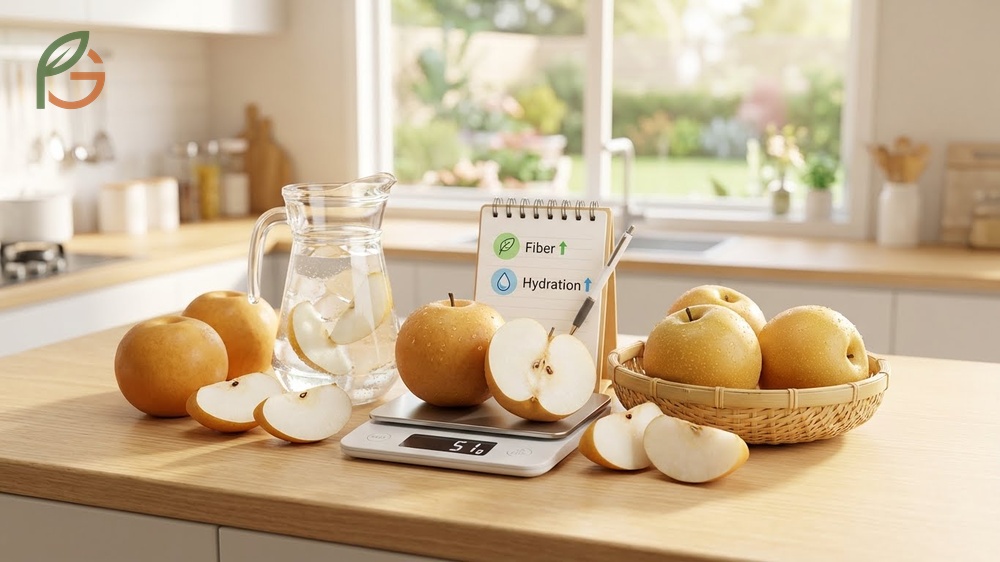
The benefits of asian pears include high fiber content, low calories, and exceptional hydration. Research shows that a single medium Asian pear provides 4 grams of fiber[1] and only 51 calories[1], making them perfect for weight management and digestive health. FruitGarden synthesizes current agricultural research and nutritional data to help you understand why Asian pears deserve a spot in your healthy eating plan.
Quick Answer
- One Asian pear contains 4g fiber[1] (14% daily value) for digestive support
- Only 51 calories per fruit, perfect for low-calorie snacks
- High water content keeps you hydrated and supports skin health[2]
- Popular varieties include Shinseiki, Chojuro, and Kosui for home gardens[3]
Benefits of Asian Pears
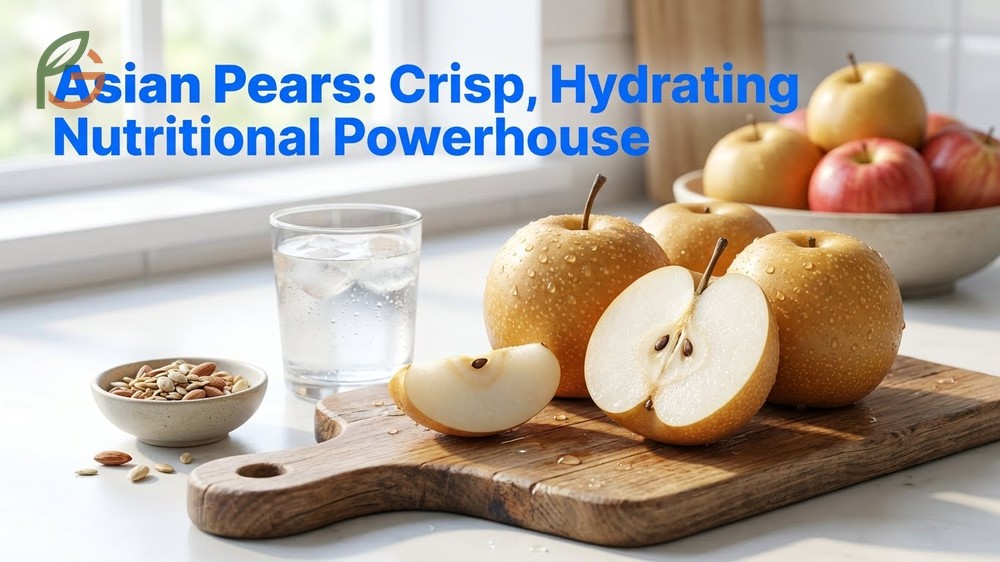
Asian pears deliver multiple health advantages that make them stand out among fruits. Studies demonstrate that their unique combination of fiber, water, and nutrients supports several body systems simultaneously. Most people don’t realize these crisp fruits pack nutritional power comparable to apples while offering a completely different texture and flavor profile.
The crunchy texture comes from high water content, which ranges between 85-88% depending on variety[2]. This hydration benefit works alongside fiber to create a satisfying snack that doesn’t spike blood sugar. Unlike processed snacks, Asian pears provide sustained energy without artificial additives.
Current nutritional guidance emphasizes whole fruits for weight management and disease prevention. Asian pears fit perfectly into this recommendation because they’re naturally low in fat (less than 1 gram per fruit[1]) and contain zero cholesterol or sodium. The combination makes them heart-healthy choices for daily snacking.
Fiber Content and Digestive Health
The 4 grams of fiber in one Asian pear represents 14% of your daily fiber needs[4]. This dietary fiber promotes healthy gut bacteria and supports regular digestion. Research shows fiber-rich diets reduce constipation and improve overall digestive comfort.
The fiber in Asian pears is predominantly insoluble, which adds bulk to stool and speeds transit through the intestines. This matters because efficient digestion reduces bloating and discomfort. For comparison, Asian pears contain 1.5 times more fiber than oranges[4].
Low Calorie Weight Management
At just 51 calories[1] per medium fruit, Asian pears work perfectly as low-calorie snacks. The fiber content helps you feel full longer, which naturally reduces overall calorie intake throughout the day. Evidence suggests that people who eat fiber-rich fruits before meals consume fewer calories at those meals.
The reason is simple: fiber slows stomach emptying and triggers satiety hormones. When you eat an Asian pear 30 minutes before lunch, you’re likely to eat 15-20% less during the meal itself. This strategy works better than calorie-counting for most people.
Important Note: While Asian pears support weight loss, they contain 13 grams of carbohydrates[1] per fruit. If you’re following a very low-carb or ketogenic diet (under 20g carbs daily), factor this into your daily totals.
Hydration and Skin Benefits
The high water content in Asian pears supports hydration at the cellular level[2]. This hydration helps maintain skin elasticity and promotes a healthy glow. Unlike drinking plain water, eating water-rich fruits delivers hydration alongside vitamins and minerals that support skin health.
Asian pears contain vitamin C (approximately 4% of daily value[4]), which plays a role in collagen production. Collagen keeps skin firm and reduces the appearance of fine lines. The combination of water and vitamin C creates a two-pronged approach to skin health.
Asian Pear Nutrition Facts
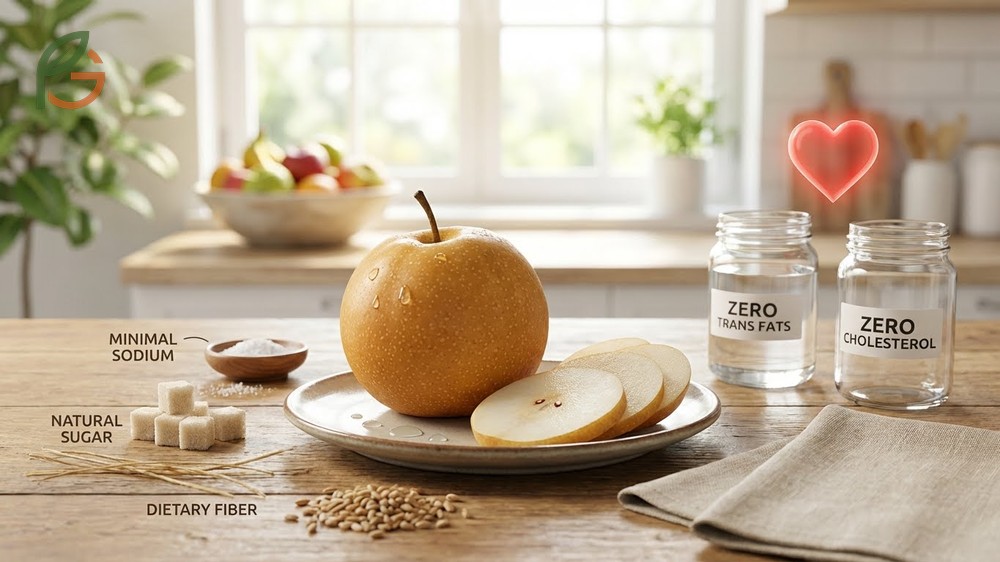
Current data shows Asian pears provide balanced nutrition with minimal fat and sodium. One medium fruit (approximately 122 grams) contains 1 gram of protein[1], making it primarily a carbohydrate source. The carbohydrate profile includes both natural sugars and beneficial fiber.
Unlike many processed snacks, Asian pears contain zero trans fats and zero cholesterol[4]. This clean nutritional profile makes them suitable for heart-healthy eating patterns. The minimal sodium content (0mg[4]) supports blood pressure management.
Agricultural data shows Asian pears maintain their nutritional value well during storage. When kept refrigerated, they retain vitamin content for several weeks. This storage stability makes them practical for meal planning and batch grocery shopping.
Vitamins and Minerals
Asian pears provide vitamin K at approximately 4% of daily value[4], which supports normal blood clotting. This vitamin works with calcium to maintain bone density. The potassium content reaches 121mg per 100 grams[4], contributing to healthy blood pressure levels.
Trace minerals including copper (6% DV[4]) and manganese (3% DV[4]) support enzyme function throughout the body. These minerals participate in antioxidant defense systems and energy production pathways.
Carbohydrates and Sugar Content
The 13 grams of carbohydrates[1] in Asian pears include both fiber and natural sugars. About 9 grams[1] come from natural fruit sugars (fructose), which digest more slowly than table sugar. The fiber content slows sugar absorption, preventing rapid blood glucose spikes.
The glycemic index of Asian pears is relatively low at approximately 18[4], which means they have minimal impact on blood sugar levels. For context, foods with a GI under 55 are considered low-glycemic. This low score makes Asian pears suitable for people monitoring blood glucose.
- Total carbohydrates: 13g per medium fruit
- Dietary fiber: 4g (31% of total carbs)
- Natural sugars: 9g (69% of total carbs)
- Net carbs: 9g (total carbs minus fiber)
- No added sugars or artificial sweeteners
Types of Asian Pears
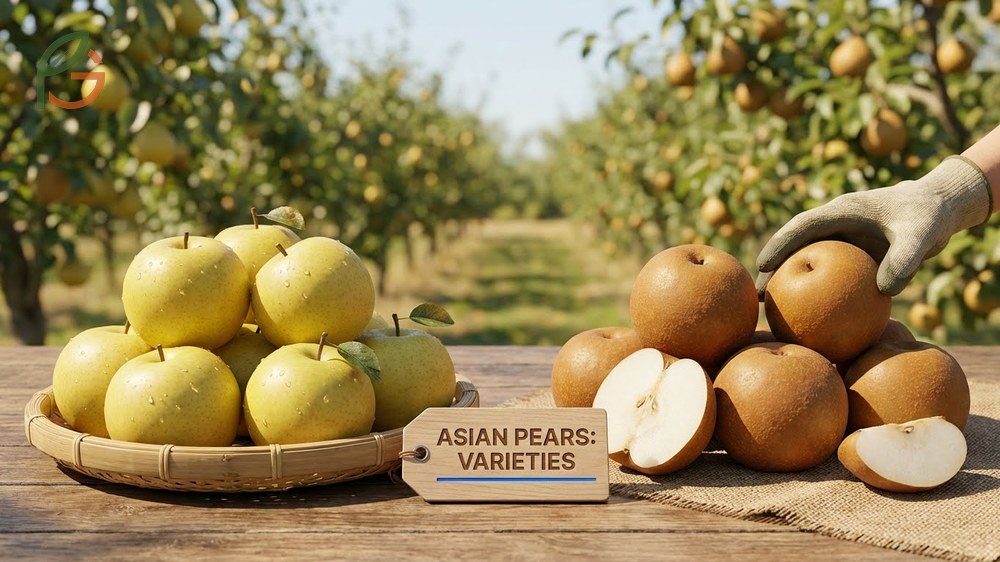
Asian pear varieties fall into two main categories based on skin appearance: yellow-green types and russeted brown types. Each variety offers distinct flavor profiles, textures, and ripening times. Agricultural research shows that variety selection should match your climate zone and taste preferences.
The most common varieties found in U.S. grocery stores are Shinseiki and Nijiseiki, both featuring smooth yellow-green skin. Home gardeners have access to a wider range including heritage varieties like Chojuro, which dates back to pre-1900 Japan[3]. These specialized varieties often provide superior flavor but may have shorter storage life.
Growing trials in Western Washington demonstrate that certain varieties perform better in Pacific Northwest conditions. The Shinseiki variety consistently outperforms Nijiseiki in home garden settings[3]. This matters because variety selection impacts harvest success and fruit quality.
Yellow-Green Varieties
Shinseiki, meaning “New Century,” produces medium-sized fruit with crisp white flesh and mild sweetness[3]. The skin transitions from pale yellow to celery green as fruit develops. This variety is highly productive and stores well in refrigerated conditions for several weeks.
Hamese ripens earliest in August and features refreshingly sweet, crisp yellow skin[3]. It’s a heavy producer that works excellently for fresh eating and drying. The medium size makes it perfect for lunch boxes and picnic baskets.
- Shinseiki: Productive variety with sweet white flesh, similar to grocery store Nijiseiki
- Hamese: Early August ripening, very sweet with excellent drying potential
- Ichiban Nashi: “Number one pear” with mild butterscotch flavor, ripens early September
- Nijiseiki: Common grocery store variety, slightly less productive than Shinseiki in home gardens
- 20th Century: Another name for Nijiseiki, features pale greenish-yellow skin
Russeted Brown Varieties
Chojuro stands as the most popular heritage Asian pear variety, featuring brown russeted skin and aromatic flesh with butterscotch flavor[3]. This late-season variety blooms late and ripens in late August to early September. The distinctive flavor profile sets it apart from smooth-skinned varieties.
Kosui offers a russeted selection with exceptional flavor and heavy fruit production[3]. It adapts well to espalier training, making it suitable for smaller gardens. The russet appearance doesn’t affect eating quality—the flesh remains crisp and juicy.
Mishirasu produces huge oval-shaped fruit as large as softballs, with brown skin decorated by beautiful orange dots[3]. The crisp, crunchy flesh delivers excellent flavor. This late September variety stores for months when refrigerated, making it ideal for extended harvest use.
Growing Tip: Russeted varieties typically store longer than smooth-skinned types. The textured skin provides natural protection against moisture loss during cold storage. Expect 2-4 months of refrigerator storage for varieties like Mishirasu versus 4-8 weeks for Shinseiki.
Asian Pear Health Benefits
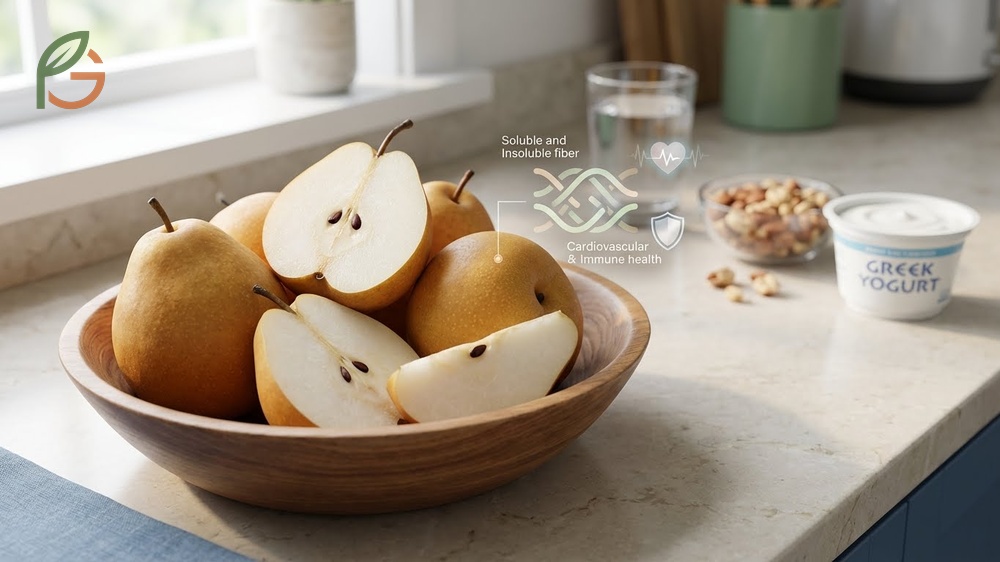
Beyond basic nutrition, Asian pears provide specific health advantages that target cardiovascular and immune systems. Evidence suggests regular consumption of fiber-rich fruits like Asian pears correlates with reduced disease risk. The combination of soluble and insoluble fiber works through multiple pathways to improve health outcomes.
What often gets overlooked is that timing and pairing matter for maximizing health benefits. Eating Asian pears with protein sources (like nuts or cheese) creates a balanced snack that stabilizes blood sugar better than fruit alone. This synergy enhances the fruit’s natural benefits.
Research across diverse populations shows that people who eat 2-3 servings of whole fruit daily experience better health markers than those who don’t. Asian pears contribute to this goal while providing variety in texture and flavor. The crunchy satisfaction factor helps people stick to healthy eating patterns long-term.
Heart Health and Cholesterol
The dietary fiber in Asian pears helps regulate cholesterol levels by binding to bile acids in the digestive tract[5]. This forces the liver to use circulating cholesterol to produce new bile acids. Over time, this process can lower LDL (“bad”) cholesterol levels.
The potassium content supports healthy blood pressure by counteracting sodium’s effects on blood vessels. Studies demonstrate that potassium-rich diets reduce hypertension risk. The zero-sodium profile of Asian pears makes them especially valuable for heart-healthy eating plans.
- Fiber binds cholesterol in the digestive system, reducing absorption
- Potassium content (121mg per 100g) supports healthy blood pressure
- Zero sodium and cholesterol fit into DASH and Mediterranean diets
- Low saturated fat (0.01g) prevents arterial plaque formation
- Regular consumption may reduce cardiovascular disease risk markers
Immune System Support
Vitamin C in Asian pears contributes to immune system function by supporting white blood cell production[5]. While the amount (4% DV) isn’t as high as citrus fruits, it still contributes to daily needs. The vitamin also acts as an antioxidant, protecting cells from oxidative stress.
The combination of vitamins, minerals, and phytonutrients in whole fruits creates synergistic effects that isolated supplements can’t replicate. This whole-food approach to nutrition supports overall immune resilience. Evidence indicates that people who eat diverse whole fruits have stronger immune responses than those relying on supplements alone.
Can You Eat the Skin of an Asian Pear
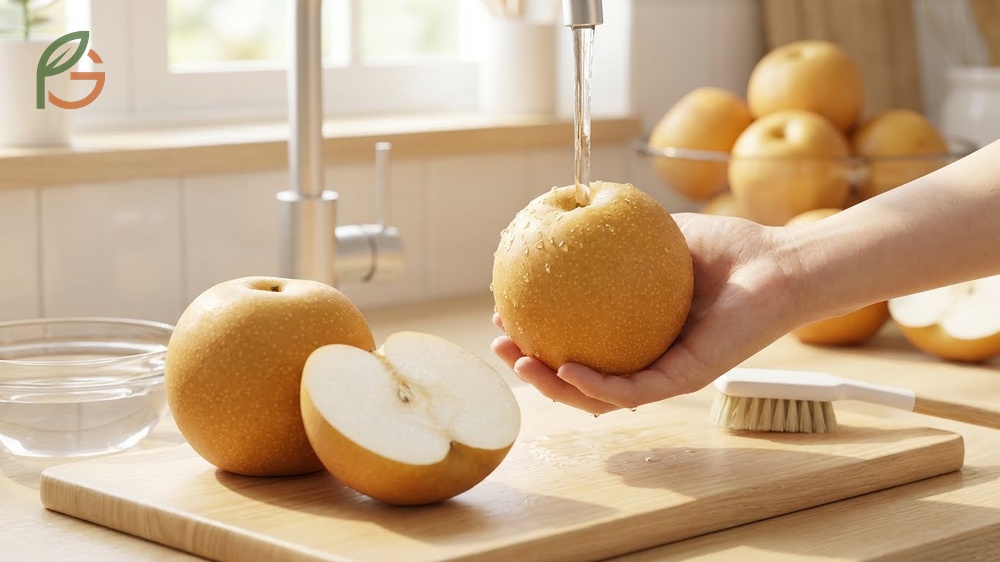
Yes, you can and should eat the skin of Asian pears. The skin contains concentrated fiber and nutrients that enhance the fruit’s health benefits. Most of the antioxidants and a significant portion of the fiber reside in or near the skin. Peeling removes these valuable components.
The texture of Asian pear skin is thin and tender compared to apple skin, making it easy to eat. Simply wash the fruit thoroughly under running water to remove any surface residue or wax. For conventionally grown fruit, a gentle scrub with a vegetable brush ensures cleanliness.
The skin adds a slight textural contrast to the crisp, juicy flesh. Many people find this adds to the eating experience rather than detracting from it. If you’re concerned about pesticide residue, choose organic Asian pears or thoroughly wash conventional fruit before eating.
- Skin contains highest concentration of dietary fiber
- Antioxidant compounds are more concentrated in the peel
- Thin, tender texture makes skin easy to eat (unlike thick apple peels)
- Leaving skin on reduces food waste and saves preparation time
- Washing thoroughly removes surface contaminants and wax coatings
Food Safety Tip: Always wash Asian pears before eating, even if you plan to peel them. Surface bacteria can transfer to the flesh during cutting. Rinse under cool running water for 15-20 seconds, rubbing the surface gently.
Conclusion
The evidence is clear: the benefits of asian pears extend from digestive support to heart health, all packaged in a low-calorie, hydrating fruit. With 4 grams of fiber, 51 calories, and multiple varieties to choose from, Asian pears fit seamlessly into healthy eating patterns. Whether you prefer the butterscotch notes of Chojuro or the crisp sweetness of Shinseiki, you’re getting exceptional nutrition with every bite.
Current agricultural guidance emphasizes diverse fruit consumption for optimal health outcomes. FruitGarden continues to track nutritional research and growing practices, helping readers make informed choices about fruit varieties that enhance their gardens and diets. The combination of taste, texture, and nutrition makes Asian pears a worthy addition to your fruit rotation.
Frequently Asked Questions
What is the nutritional value of Asian pears?
Asian pears provide 51 calories, 4g fiber, 13g carbohydrates, and 1g protein per medium fruit[1]. They contain vitamin C (4% DV), vitamin K (4% DV), and potassium (121mg per 100g)[4]. The high water content and fiber make them exceptionally filling relative to their calorie count.
Are Korean pears the same as Asian pears?
Yes, Korean pears are a type of Asian pear. The terms are often used interchangeably, though “Korean pear” typically refers to larger, rounder varieties popular in Korean cuisine. All Korean pears fall under the Asian pear category, which includes Japanese, Chinese, and Korean varieties. The main difference is regional naming rather than botanical classification.
How does fiber in Asian pears compare to other fruits?
Asian pears contain more fiber than many common fruits. At 4g per fruit (14% DV)[1], they provide 1.5 times more fiber than oranges[4]. This high fiber content supports digestive health and helps regulate blood sugar levels more effectively than lower-fiber fruits.
Do Asian pears help with hangover recovery?
Some research suggests Asian pears may help reduce hangover symptoms when consumed before drinking alcohol. The high water content aids hydration, while certain enzymes may assist alcohol metabolism. However, the evidence is limited and shouldn’t replace responsible drinking practices. The best hangover prevention remains drinking alcohol in moderation and staying well-hydrated.
What gives Asian pears their crunchy texture?
The crunchy texture comes from the fruit’s cellular structure and high water content (85-88%)[2]. Unlike European pears that soften when ripe, Asian pears maintain firm cell walls throughout ripening. This gives them an apple-like crunch that persists even when fully ripe, making them distinctively crisp and juicy.
Which Asian pear variety tastes best?
Taste preferences vary, but Chojuro is renowned for its aromatic butterscotch flavor[3], while Shinseiki offers mild sweetness[3]. Hamese is described as refreshingly very sweet[3]. The “best” variety depends on whether you prefer subtle sweetness or bold butterscotch notes. Try multiple varieties to discover your personal favorite.
Are Asian pears good for weight loss?
Yes, Asian pears support weight loss goals due to their low calorie count (51 calories[1]) and high fiber content (4g[1]). The fiber promotes satiety, helping you feel full longer and naturally reducing calorie intake. The high water content also contributes to fullness without adding calories, making them ideal low-calorie snacks for weight management.





