

Benefits of peach tea extend beyond flavor—this beverage delivers powerful antioxidants, supports digestive health, and may aid weight management. Research shows that peach tea contains vitamin C, beta-carotene, and chlorogenic acid that protect cells from oxidative damage[1]. When combined with ginger and turmeric, these benefits multiply through synergistic anti-inflammatory effects that boost metabolism and support weight loss goals[2]. FruitGarden synthesizes current nutritional research and botanical data to help you understand how peach tea fits into a health-conscious lifestyle.
Quick Answer
- Peach tea provides antioxidants like vitamin C and beta-carotene that fight free radicals and support immune function[1]
- Unsweetened peach tea contains less than 5 calories per 8-ounce cup, making it ideal for weight management[3]
- Ginger-peach-turmeric blends show synergistic anti-inflammatory activity that reduces pro-inflammatory markers by inhibiting TNF-α and IL-6[2]
- Studies demonstrate that curcumin supplementation increased weight loss from 1.88% to 4.91% over 30 days[4]
Benefits of Peach Tea

Peach tea delivers substantial health advantages through its rich nutrient profile. The antioxidants present work at the cellular level to protect your body from environmental stressors and age-related decline[1].
Current data indicates that regular consumption supports multiple body systems simultaneously. The vitamin C content contributes to collagen synthesis, while polyphenols enhance cardiovascular function and metabolic efficiency[3].
Antioxidant Protection
Studies demonstrate that peach tea contains vitamin C, vitamin E, and beta-carotene that neutralize harmful free radicals. These compounds prevent oxidative stress by donating electrons to unstable molecules before they damage cell membranes[3].
Chlorogenic acid, another key antioxidant in peach tea, inhibits glucose absorption in the intestines. This mechanism helps regulate blood sugar levels and reduces inflammation throughout the digestive tract[1].
Immune System Support
Evidence suggests that the vitamin C in peach tea strengthens your body’s natural defenses. A medium peach provides approximately 11% of your daily vitamin C requirement, which supports white blood cell function and antibody production[5].
The flavonoids and carotenoids complement immune system defense mechanisms by maintaining mucosal cell integrity. These cells form your body’s first line of protection against pathogens entering through respiratory and digestive passages[3].
Digestive Wellness
Research shows that peach tea’s fiber content normalizes bowel movements and prevents constipation. The dietary fiber ensures smoother food passage through your digestive tract, reducing discomfort and bloating[3].
The warm liquid itself provides soothing relief for minor stomach discomfort. This calming effect combines with the tea’s mild anti-inflammatory properties to ease digestive tension without medication.
Important Note: If you have specific digestive conditions like IBS or acid reflux, start with small amounts of peach tea. The compounds that stimulate gastric acid production may exacerbate symptoms in sensitive individuals.
Ginger Peach Turmeric Tea Benefits

The combination of ginger, peach, and turmeric creates a powerful therapeutic blend. Research published in peer-reviewed journals confirms that these ingredients work synergistically to amplify each compound’s individual effects[2].
What sets this blend apart is the molecular-level interaction between gingerols, curcumin, and peach polyphenols. These bioactive compounds activate complementary pathways that wouldn’t trigger if you consumed each ingredient separately.
Anti-Inflammatory Synergy
Studies demonstrate that ginger-turmeric combinations at a 5:2 ratio display optimal anti-inflammatory activity. This specific proportion inhibits nitric oxide, tumor necrosis factor, and interleukin-6 with a combination index below 1, indicating true synergy[2].
The mechanism involves upregulated Nrf2 activation and interactions among key bioactive compounds. Curcumin inhibits inflammatory pathways like NF-kB, while gingerols reduce pro-inflammatory cytokines throughout your body[4].
- Reduces chronic inflammation associated with obesity and metabolic disorders
- Lowers TNF-α and IL-6 markers that contribute to insulin resistance
- Protects against oxidative stress by boosting antioxidant enzyme defenses
- Supports joint health by reducing inflammation in connective tissues
- May help prevent cancer cell formation through anti-carcinogenic pathway modulation
Metabolism Enhancement
Evidence indicates that curcumin supplementation significantly improves metabolic profiles. After 30 days of regular intake, participants experienced weight loss increases from 1.88% to 4.91%, plus BMI reductions from 2.10% to 6.43%[4].
Ginger’s thermogenic properties complement turmeric’s fat-burning effects. The gingerols and shogaols in fresh ginger stimulate blood flow and improve circulation, which increases your body’s calorie-burning capacity at rest[4].
How Many Calories in One Cup of Peach Tea

Unsweetened peach tea contains less than 5 calories per 8-ounce serving, making it an excellent choice for calorie-conscious individuals[3]. This negligible caloric content allows you to enjoy the beverage throughout the day without impacting your energy balance.
Pre-sweetened commercial peach teas tell a different story. These products typically contain 70-90 calories per cup due to added sugars, with some varieties packing up to 17 grams of sugar per serving. The sugar content dramatically alters the tea’s metabolic effects and undermines potential weight management benefits.
This table compares calorie and carbohydrate content across three peach tea preparation methods
| Tea Type | Calories (8 oz) | Carbohydrates | Sugar Content |
|---|---|---|---|
| Unsweetened Homemade | <5[3] | 0-1g | 0g |
| Lightly Sweetened | 40-60 | 10-15g | 8-12g |
| Commercial Bottled | 70-90 | 18-23g | 16-20g |
For weight management purposes, brewing your own peach tea gives you complete control over ingredients. You can adjust sweetness gradually using natural alternatives like stevia or monk fruit without the calorie load of table sugar.
Pro Tip: If you’re transitioning from sweetened beverages, reduce sugar by 25% each week. Your taste buds adapt within 2-3 weeks, and you’ll appreciate the natural peach flavor more fully.
Peach Tea for Weight Loss

Current data indicates that peach tea supports weight management through multiple mechanisms. The beverage provides hydration with minimal calories while delivering compounds that influence appetite and metabolism[3].
The catechins present in tea-based peach beverages boost metabolic rate for several hours after consumption. This temporary increase in calorie burning, combined with the tea’s near-zero caloric content, creates favorable conditions for fat loss when paired with proper nutrition.
Appetite Control
Research shows that certain compounds in peach tea help temper appetite and reduce unnecessary snacking. Studies on ginger’s satiety effects demonstrated that meals consumed with ginger tea reduced hunger and increased satisfaction compared to control groups[4].
The mechanism involves gastric distension from liquid volume plus active compounds that influence hunger hormones. Drinking a warm cup before meals creates a sense of fullness that naturally reduces portion sizes without conscious restriction.
Thermogenic Effects
Evidence suggests that the caffeine content in peach tea made with black or green tea bases stimulates thermogenesis. Your body burns more calories at rest as it generates heat to maintain core temperature[3].
The effect amplifies when you add ginger to the blend. Ginger’s natural warming properties increase blood flow and improve circulation, which supports the body’s fat-burning processes throughout the day[4].
- Replace high-calorie beverages with unsweetened peach tea to reduce daily caloric intake by 200-400 calories
- Drink one cup 20 minutes before meals to naturally reduce portion sizes through increased satiety
- Choose green tea or black tea bases for caffeine-driven metabolic enhancement
- Add fresh ginger and turmeric to maximize thermogenic and anti-inflammatory benefits
- Consume cold-brewed peach tea, which requires additional energy for your body to warm to core temperature
Caffeine in Peach Tea
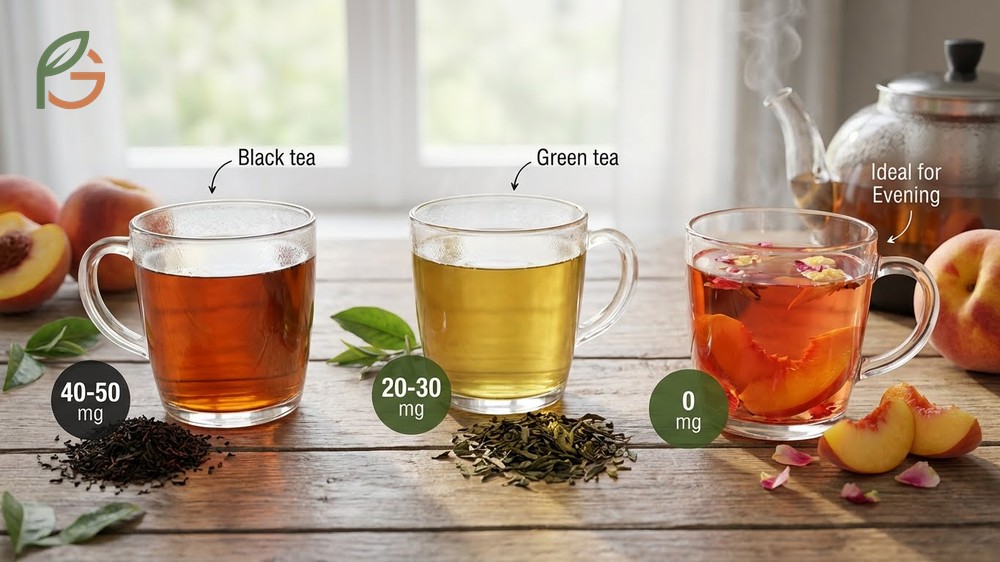
The caffeine content in peach tea varies dramatically based on the tea base you choose. Black tea-based peach tea contains approximately 40-50 milligrams of caffeine per 8-ounce cup, while green tea versions deliver 20-30 milligrams[3].
Herbal peach tea made without true tea leaves (Camellia sinensis) contains zero caffeine. This makes herbal versions ideal for evening consumption or for individuals sensitive to stimulants.
Brewing variables significantly impact final caffeine levels. Water temperature, steep time, and leaf-to-water ratio all influence extraction. Hotter water (195-205°F / 90-96°C) and longer steep times (4-5 minutes) maximize caffeine release from the leaves.
- Black peach tea: 40-50mg per 8 oz cup
- Green peach tea: 20-30mg per 8 oz cup
- Oolong peach tea: 30-40mg per 8 oz cup
- White peach tea: 15-25mg per 8 oz cup
- Herbal peach tea: 0mg (caffeine-free)
How to Make Peach Tea

Making homemade peach tea gives you complete control over flavor intensity and sweetness levels. The process takes 30-40 minutes total, including steeping and cooling time.
Start by creating a peach simple syrup with 2 thinly sliced ripe peaches, 1 cup water, and sugar to taste (or omit for unsweetened). Bring ingredients to a boil, then reduce heat and simmer for 10 minutes while crushing peaches with a wooden spoon to release flavor.
Brew 2-3 tablespoons of loose leaf tea (or 3-4 tea bags) in 8 cups of filtered water. Steep black tea for 3-4 minutes, green tea for 2-3 minutes—don’t exceed these times or bitterness develops. Remove tea leaves, strain peach syrup to remove solids, then combine the liquids.
For ginger-turmeric peach tea, add 1 tablespoon fresh grated ginger and 1 teaspoon fresh grated turmeric (or ½ teaspoon ground turmeric) during the peach syrup simmering stage. This extracts the anti-inflammatory compounds while infusing complex flavor layers.
Brewing Tip: Fresh peaches deliver the best flavor from June through September. During other months, use frozen peaches (thawed) which retain most nutrients and work equally well in syrups.
Conclusion
The evidence is clear: benefits of peach tea extend from cellular protection through antioxidants to practical weight management support. Research demonstrates that combining peach tea with ginger and turmeric creates synergistic effects that amplify anti-inflammatory activity and metabolic enhancement beyond what each ingredient achieves alone.
Current nutritional guidance emphasizes whole-food ingredients and minimal processing for optimal health outcomes. Brewing your own peach tea from fresh ingredients allows you to harness these benefits while avoiding the excessive sugars found in commercial products. Whether you’re seeking antioxidant protection, digestive support, or weight loss assistance, peach tea offers a scientifically-backed addition to your wellness routine.
Medical Disclaimer
Important Medical Disclaimer: This content is for informational and educational purposes only. It is not intended as a substitute for professional medical advice, diagnosis, or treatment. Always consult a qualified healthcare professional before making any changes to your diet, starting new supplements like turmeric or ginger in concentrated amounts, or health routine, especially if you have diabetes, digestive disorders, or other medical conditions. Individual results may vary, and the weight loss claims referenced in studies may not apply to all individuals.
Frequently Asked Questions
What Is Peach Tea Good For?
Peach tea is good for antioxidant protection, immune system support, and hydration with minimal calories. Studies show it delivers vitamin C, beta-carotene, and polyphenols that combat oxidative stress while providing a flavorful alternative to water. The beverage supports digestive health through its fiber content and may aid weight management when consumed unsweetened as part of a balanced diet.
Does Peach Tea Help You Lose Weight?
Peach tea can support weight loss efforts when you choose unsweetened versions and use it to replace high-calorie beverages. The catechins in tea-based versions boost metabolism temporarily, while the liquid volume helps control appetite. Research on ginger-turmeric additions shows enhanced fat-burning properties, with studies documenting weight loss increases from 1.88% to 4.91% over 30 days when combined with proper nutrition.
Is It OK to Drink Peach Tea Every Day?
Yes, drinking unsweetened peach tea daily is generally safe for most people and provides consistent antioxidant benefits. The beverage contributes to your daily fluid intake while delivering protective compounds. However, if you choose caffeinated versions made with black or green tea, limit intake to 3-4 cups daily to stay within the recommended 400mg caffeine limit. People with digestive sensitivities should start with smaller amounts.
What Are the Benefits of Drinking Peach Tea?
The benefits of drinking peach tea include cellular protection from antioxidants, immune system strengthening through vitamin C, digestive support from natural compounds, and hydration with minimal calories. When prepared with ginger and turmeric, you gain anti-inflammatory effects that reduce markers like TNF-α and IL-6. The beverage also supports skin health through vitamin A and may improve cardiovascular function through flavonoid content.
How Much Caffeine Is in Peach Tea?
Caffeine in peach tea ranges from 0mg to 50mg per 8-ounce cup depending on the tea base. Black tea versions contain 40-50mg, green tea versions have 20-30mg, and herbal versions are caffeine-free. The exact amount varies based on brewing temperature, steep time, and leaf-to-water ratio. Commercial peach teas from coffee shops typically fall in the 25-55mg range for standard sizes.
Can You Make Peach Tea Without Sugar?
You can absolutely make delicious peach tea without any added sugar by relying on the natural sweetness of ripe peaches. Use 2-3 very ripe peaches per 8 cups of tea, simmer them to concentrate flavors, then strain and combine with your brewed tea. The result contains less than 5 calories per cup while delivering authentic peach flavor. For extra sweetness without calories, add a small amount of stevia or monk fruit extract.
Does Iced Peach Tea Have the Same Benefits as Hot?
Iced peach tea retains the same antioxidants, vitamins, and beneficial compounds as hot versions when brewed properly. The temperature doesn’t significantly degrade vitamin C or polyphenols if you refrigerate the tea promptly after brewing. Cold brewing (steeping tea in cold water for 8-12 hours) produces a smoother flavor with slightly less caffeine extraction. Both preparations hydrate effectively and deliver comparable health benefits.





