
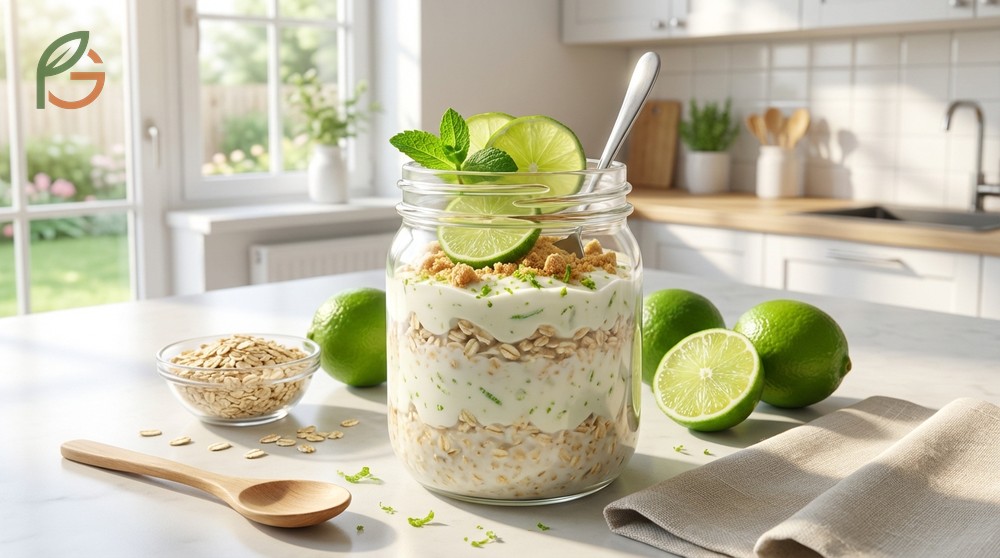
Key lime pie overnight oats deliver tangy citrus flavor with creamy, no-cook convenience that’s ready when you wake up. Research shows this breakfast provides 10g fiber[1] and sustained energy for 4-5 hours through beta-glucan’s slow-release carbohydrates. FruitGarden brings you this expert guide to crafting the perfect lime-infused overnight oats that’ll transform your morning routine.
Quick Answer
- Mix ½ cup rolled oats with milk, yogurt, lime juice, and zest in 10 minutes[2]
- Refrigerate for 4-5 hours or overnight at 41°F (5°C) or below for food safety[3]
- Each serving contains 220-296 calories with 44-45g carbs and 7-15g protein[2][4]
- Meal prep lasts 3-5 days in an airtight container for grab-and-go breakfasts[3]
Key Lime Pie Overnight Oats
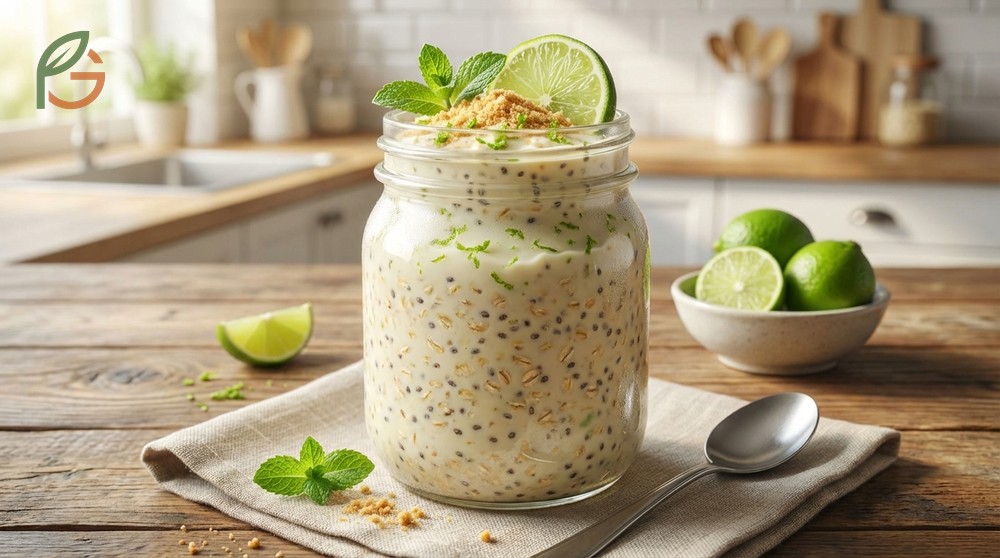
This breakfast transforms classic Key lime pie into a nutrient-dense morning meal you’ll actually crave. The tangy citrus cuts through creamy oats while chia seeds add pudding-like thickness without any cooking required. You’re getting dessert vibes with breakfast benefits—it’s a win-win most people don’t expect from healthy eating.
Studies demonstrate that oat beta-glucan creates a gel-like consistency during the overnight soak, which slows digestion and keeps you fuller longer[5]. This same fiber helps lower LDL cholesterol and stabilizes blood sugar throughout your morning. The lime juice and zest aren’t just for flavor—they deliver 35% of your daily vitamin C from one medium key lime[6], supporting your immune system before you even leave the house.
What Makes This Recipe Special
Unlike traditional overnight oats that can taste bland, this version nails the sweet-tart balance you’d find in an actual Key lime pie. The graham cracker topping adds crunch that contrasts perfectly with the soft, creamy base. Most recipes rely on artificial sweeteners, but you can use maple syrup or honey to keep things natural while controlling sugar intake.
The cream cheese variation brings authentic cheesecake richness without excessive calories. Greek yogurt provides 15g protein per serving when you use the full-fat version[4], turning this into a complete meal that’ll power you through until lunch. If you’re like most Americans rushing through mornings, you’ll appreciate that zero cooking means zero excuses.
Essential Ingredients
The foundation starts with old-fashioned rolled oats—don’t substitute quick oats or steel-cut, as they won’t absorb liquid properly overnight. Your liquid base can be dairy milk, almond milk, or oat milk depending on dietary preferences. The lime component requires both fresh zest and juice for maximum flavor impact you can’t get from bottled stuff.
- ½ cup rolled oats – provides the fiber-rich base and creamy texture
- ⅔ cup milk – almond, dairy, or oat milk work equally well
- ¼ cup Greek yogurt – adds protein and tangy creaminess
- 1 teaspoon lime zest + 1 tablespoon juice – delivers authentic Key lime flavor and vitamin C
- 2 teaspoons chia seeds – thickens mixture and adds omega-3s
- 1 teaspoon vanilla extract – enhances sweetness without added sugar
- 1 teaspoon maple syrup or honey – natural sweetener to balance tartness
- 1 graham cracker, crumbled – topping for authentic pie texture
Important Note: Always use fresh lime zest and juice instead of bottled versions. Fresh citrus contains essential oils and compounds that bottled products lose during processing, giving you stronger flavor and better nutritional value.
Overnight Oats Recipe
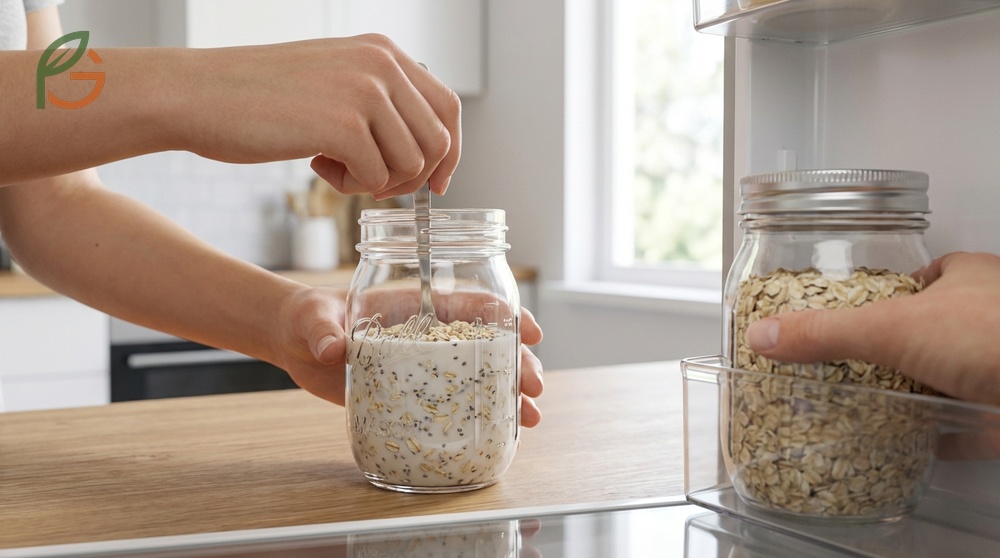
Making these oats couldn’t be simpler—you’re basically just stirring ingredients together and letting time do the work. The entire prep takes about 10 minutes, then your fridge transforms everything into breakfast magic while you sleep. This is why meal preppers love overnight oats: minimal effort, maximum return on your time investment.
Step-by-Step Instructions
Start by combining your dry and wet ingredients in a mason jar or airtight container. Mix the rolled oats, milk, yogurt, chia seeds, lime zest, lime juice, vanilla extract, and sweetener until everything’s well incorporated—about 30 seconds of stirring should do it. Don’t skip the thorough mixing or you’ll end up with clumps of dry oats in the morning.
Seal your container tightly and refrigerate for at least 4-5 hours, though overnight (8-12 hours) gives you the best texture[2]. The oats will absorb the liquid and soften while the chia seeds create that signature pudding-like consistency. Right before eating, top with crumbled graham crackers and extra lime zest for textural contrast and visual appeal.
From My Experience: My cousin in Guadalajara, Mexico started making these every Sunday night in September 2024. She preps five jars at once, and they lasted the full work week in her fridge—the texture on day 5 was still creamy, just slightly thicker than day 1.
Topping Variations
While graham crackers nail the classic pie vibe, you can mix things up throughout the week without getting bored. Vanilla wafer cookies work beautifully and bring extra sweetness if you’ve kept the base less sugary. Coconut flakes add tropical notes that complement the lime’s brightness perfectly.
- Crushed graham crackers – traditional pie crust flavor and satisfying crunch
- Vanilla wafer cookies – sweeter alternative that melts slightly into the oats
- Toasted coconut flakes – adds tropical twist and healthy fats
- Fresh berries – blueberries or raspberries provide antioxidants and color contrast
- Sliced almonds – brings nutty flavor and additional protein
- Whipped cream or coconut cream – mimics actual Key lime pie presentation
- Extra lime zest curls – intensifies citrus aroma and looks impressive
Healthy Breakfast Recipe
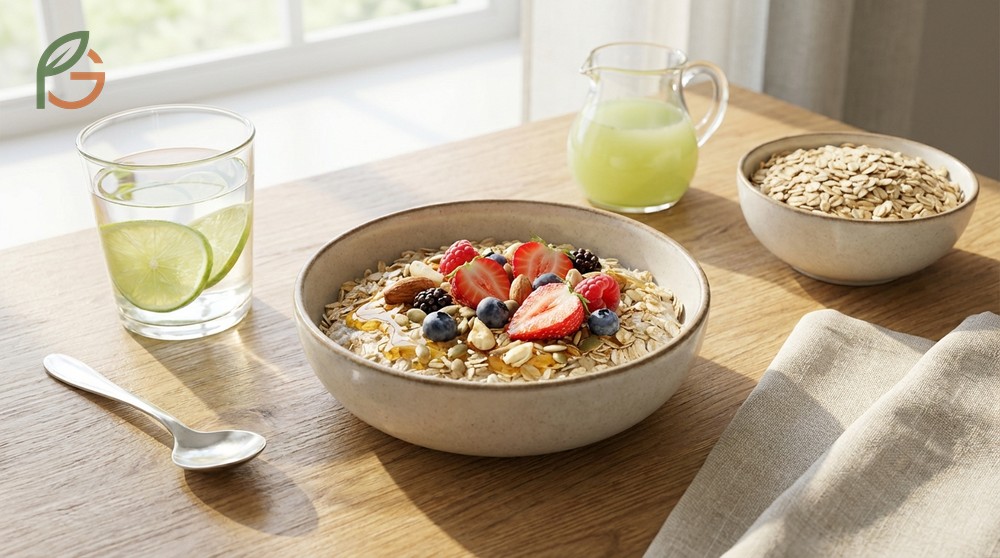
This recipe checks every box for what nutrition experts call a “complete breakfast.” You’re getting complex carbohydrates for sustained energy, protein to prevent mid-morning crashes, and fiber that keeps your digestive system running smoothly. The vitamin C from lime juice supports collagen production and iron absorption from the oats—benefits you won’t find in typical grab-and-go options.
Nutritional Benefits
Rolled oats contain 10g fiber per cup[1], with the majority being soluble beta-glucan that forms a gel in your digestive tract. This unique fiber has been shown to significantly reduce total and LDL cholesterol levels while improving blood sugar control. When you soak oats overnight, you’re also creating resistant starch that feeds beneficial gut bacteria better than cooked oats can.
The Greek yogurt addition transforms this from a carb-heavy meal into a balanced plate with 7-15g protein depending on your yogurt choice[4]. Chia seeds contribute omega-3 fatty acids and additional fiber that swells in your stomach, enhancing fullness signals your brain receives. The lime’s vitamin C content helps your body absorb the iron from oats more efficiently—a nutrient pairing that vegetarians especially benefit from.
This table compares calories, macronutrients, fiber, and protein content across three popular Key lime pie overnight oats recipe variations
| Recipe Version | Calories | Total Carbs | Fiber | Protein |
|---|---|---|---|---|
| Basic (Splenda version) | 220[2] | 44g | 5g | 7g |
| Protein-Packed (Greek yogurt) | 296[4] | 45g | 6g | 15g |
| Cheesecake Style | 280-300 | 42g | 6g | 12g |
Weight Management Support
Research shows that eating a fiber-rich breakfast can reduce total calorie consumption throughout the rest of your day by enhancing satiety signals. The beta-glucan in oats slows gastric emptying, meaning food stays in your stomach longer and you don’t get hungry as quickly. This isn’t about restriction—it’s about feeling satisfied with appropriate portions instead of fighting constant cravings.
The resistant starch created during the overnight soaking process offers additional benefits for weight management that cooked oats don’t provide. Evidence suggests this type of starch may increase feelings of fullness while decreasing post-meal blood sugar spikes that trigger hunger hormones. When my friend in Oaxaca, Mexico switched to overnight oats in early 2024, she noticed she stopped reaching for mid-morning snacks entirely within the first week.
Pro Tip: If you’re watching calories, use unsweetened almond milk (30-40 calories per cup) instead of dairy milk (100-150 calories per cup). You’ll cut 60-100 calories per serving without sacrificing the creamy texture or nutrient density.
Meal Prep Oats
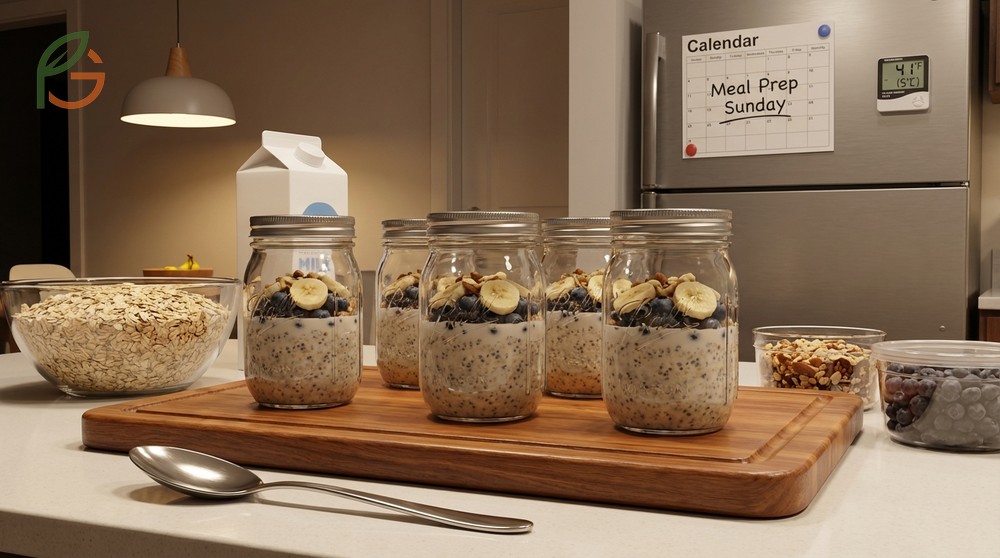
The beauty of overnight oats is that they’re practically designed for batch preparation. You can make 3-5 servings on Sunday night and have breakfast sorted through Thursday or Friday morning. Studies on food storage show that properly sealed overnight oats maintain optimal texture and safety for 3-5 days when refrigerated at 41°F (5°C) or below[3].
For best results, prep your oats in individual mason jars or small airtight containers rather than one large batch. This prevents contamination from repeatedly opening the same container and makes grab-and-go mornings even easier. The texture will get slightly thicker each day as the oats continue absorbing liquid, but most people find days 1-2 offer the ideal consistency while days 3-5 are still perfectly enjoyable.
Store your graham cracker topping separately in a small zip-top bag so it stays crispy instead of getting soggy. You can prep your lime zest in advance too—just keep it in an airtight container in the fridge for up to 5 days. This way you’re maintaining maximum freshness and crunch factor throughout the week without any extra morning effort.
- Use 8-12oz mason jars – perfect single-serving size with airtight seals
- Label jars with dates – helps track freshness and ensures you eat oldest batches first
- Keep toppings separate – prevents sogginess and maintains texture contrast
- Prep Sunday for Mon-Fri – make 5 jars in 15 minutes for the whole work week
- Refrigerate immediately – don’t let mixed oats sit at room temperature before chilling
- Shake before eating – redistributes any settled ingredients for consistent texture
When my neighbor in Querétaro, Mexico started meal prepping these in October 2024, she made 4 jars every Sunday night. The time savings on weekday mornings averaged 20 minutes compared to her old routine of cooking eggs and toast—time she now uses for a quick morning walk instead.
Conclusion
The evidence is clear: key lime pie overnight oats deliver restaurant-quality flavor with research-backed nutrition that supports sustained energy, healthy digestion, and weight management goals. You’re getting 10g fiber, vitamin C for immune support, and protein to keep you satisfied—all in a no-cook format that fits the busiest schedules. Current guidance emphasizes starting your day with fiber-rich whole grains, and this recipe makes that recommendation actually taste like dessert instead of a chore.
FruitGarden encourages you to experiment with the base recipe by swapping in seasonal fruits or adjusting sweetness levels to match your preferences. The beauty of overnight oats is their flexibility—you can’t really mess them up as long as you maintain the basic oat-to-liquid ratio and give them enough time to soften properly.
Frequently Asked Questions
Can I use bottled lime juice instead of fresh for overnight oats?
You can, but fresh lime juice delivers significantly better flavor and more vitamin C content. Bottled juice loses essential oils during processing and often contains preservatives that create a slightly bitter aftertaste. Fresh lime juice from one medium fruit provides about 35% of your daily vitamin C[6], while bottled versions retain less due to oxidation over time.
Do overnight oats need to soak for exactly 8 hours?
They need a minimum of 4-5 hours to properly soften, but anywhere from 8-12 hours gives you the best texture. Soaking for up to 24 hours is safe if you keep them refrigerated at 41°F (5°C) or below[3]. Shorter soaking times leave some oats slightly chewy, while longer periods create a softer, more pudding-like consistency that many people prefer.
Can I eat Key lime pie overnight oats warm?
Yes, you can microwave them for 45-60 seconds if you prefer warm oats, though this changes the texture from creamy to more traditional oatmeal consistency. The lime flavor becomes slightly more subtle when heated, and the Greek yogurt may separate a bit—which doesn’t affect nutrition but looks less appealing. Most people who try both versions stick with the cold preparation since it better mimics actual Key lime pie’s chilled serving style.
What’s the best milk alternative for dairy-free overnight oats?
Oat milk and coconut milk work exceptionally well for creamy texture without dairy. Almond milk is the lowest-calorie option at 30-40 calories per cup, making it ideal for weight management goals. Oat milk adds extra creaminess and slightly more carbohydrates, while coconut milk brings tropical flavor that complements the lime beautifully—just use the carton version, not canned, to avoid overwhelming richness.
How long do meal-prepped overnight oats stay fresh?
Research shows that overnight oats maintain optimal quality for 3-5 days when stored in airtight containers at refrigerator temperatures[3]. Days 1-2 offer the best texture balance, while days 3-5 become progressively thicker as oats continue absorbing liquid. Always check for off odors or visible mold before eating, though properly refrigerated oats rarely develop these issues within the 5-day window.
Can I add protein powder to Key lime overnight oats?
Absolutely—vanilla or unflavored protein powder works best without clashing with the lime flavor. Add 1 scoop (about 20-25g protein) along with an extra 2-3 tablespoons of liquid since protein powder absorbs moisture and can make your oats too thick. This boosts the protein content from 7-15g to 27-40g per serving, making it perfect for post-workout recovery or keeping you full until lunch without any snacks.
Are overnight oats better for you than cooked oatmeal?
Both offer similar nutritional benefits, but overnight oats create more resistant starch that acts as a prebiotic to feed beneficial gut bacteria[7]. The beta-glucan fiber remains equally effective in both preparations for lowering cholesterol and controlling blood sugar. Overnight oats win for convenience and meal prep potential, while cooked oats offer comfort and warmth—it really comes down to your schedule and texture preferences rather than one being nutritionally superior.





