
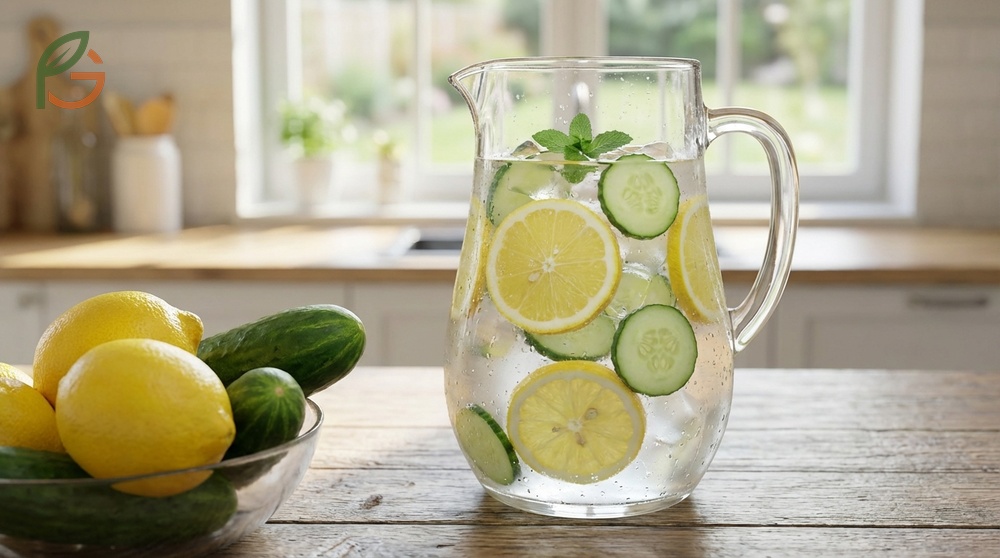
Lemon and cucumber water combines two hydrating ingredients that offer vitamin C, antioxidants, and digestive support when consumed as part of a balanced diet. Research shows cucumbers consist of 95-96% water[1], while one medium lemon delivers approximately 44.5mg of vitamin C[2]—about 74% of your daily needs. Evidence from NIH studies demonstrates that cucumber combined with citrus can provide antioxidant and anti-inflammatory benefits[3]. FruitGarden synthesizes current nutritional research to help you understand how simple water infusions support wellness goals.
Quick Answer
- Cucumbers provide 96% water content[4] for superior hydration support
- One medium lemon adds 44.5mg vitamin C[2] and 1.44g citric acid[2] per ounce
- Studies confirm antioxidant benefits when cucumber and citrus are combined[3]
- Side effects include potential tooth enamel erosion and acid reflux for sensitive individuals[5]
Lemon and Cucumber Water
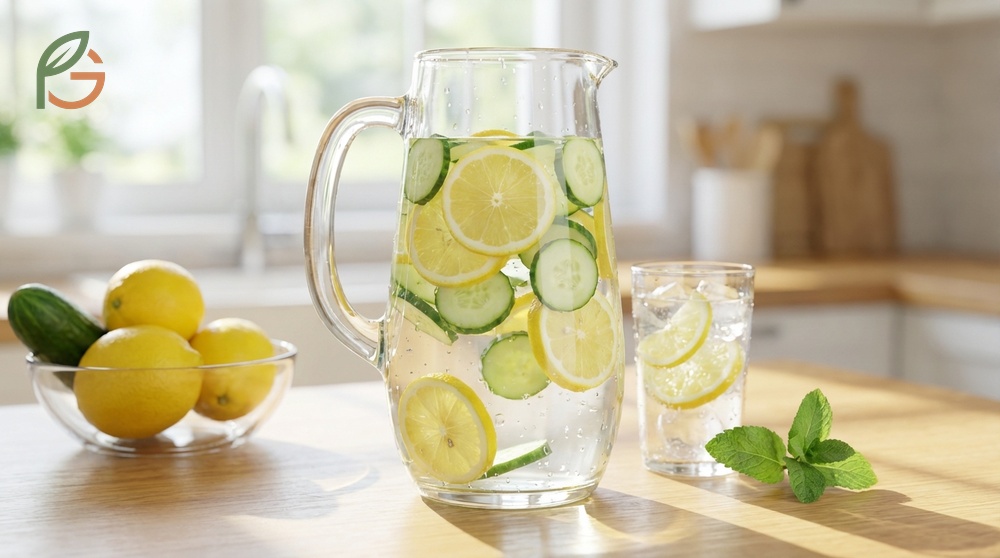
This infused water drink pairs two ingredients that naturally enhance plain water’s appeal. Cucumbers bring exceptional water content, while lemons contribute vitamin C and citric acid that support immune function.
Most people find it’s a practical alternative to sugary beverages. Unlike processed drinks, this combination provides nutrients without adding significant calories—cucumbers contain just 16 calories per 100g[1], making them one of the lowest-calorie vegetables available.
Current nutritional guidance emphasizes water-rich foods for meeting daily hydration needs. Research from NC State Extension confirms you can obtain up to 40% of your fluid requirements from food sources[4].
Hydration Benefits
Water is essential for temperature regulation, nutrient transport, and waste removal. Your body’s performance—from physical activity to cognitive function—depends on adequate hydration.
Cucumbers excel at supporting these processes because they’re composed of 96% water[4]. This high water content makes them especially effective at promoting hydration throughout the day.
Studies demonstrate that water-rich fruits and vegetables contribute meaningfully to overall fluid intake. When you’re someone who struggles to drink enough plain water, infused options often improve consistency.
Nutrient Profile
According to USDA data, 100g of raw cucumber provides 170mg potassium[1], 24mcg vitamin K[1], and 16mg calcium[1]. These minerals support cardiovascular function and bone health.
Lemons contribute substantial vitamin C—one medium fruit contains 44.5mg[2], meeting roughly 74% of the recommended daily intake of 60mg. Vitamin C plays vital roles in collagen synthesis, immune response, and iron absorption.
This table compares key nutrients in cucumber and lemon per 100 grams, including water content, calories, vitamin C, potassium, and fiber
| Nutrient | Cucumber | Lemon | Primary Benefit |
|---|---|---|---|
| Water Content | 95.5g[1] | 89g | Hydration support |
| Calories | 16[1] | 29 | Weight management |
| Vitamin C | 3-10mg | 53mg[6] | Immune function, antioxidant activity |
| Potassium | 170mg[1] | 138mg | Blood pressure regulation |
| Fiber | 0.5g | 2.8g | Digestive health |
Important Note: Infused water provides only trace amounts of these nutrients since you’re not consuming the whole fruit and vegetable. The primary benefits come from enhanced hydration and flavor encouragement rather than significant nutrient delivery.
Lemon and Cucumber Water Benefits
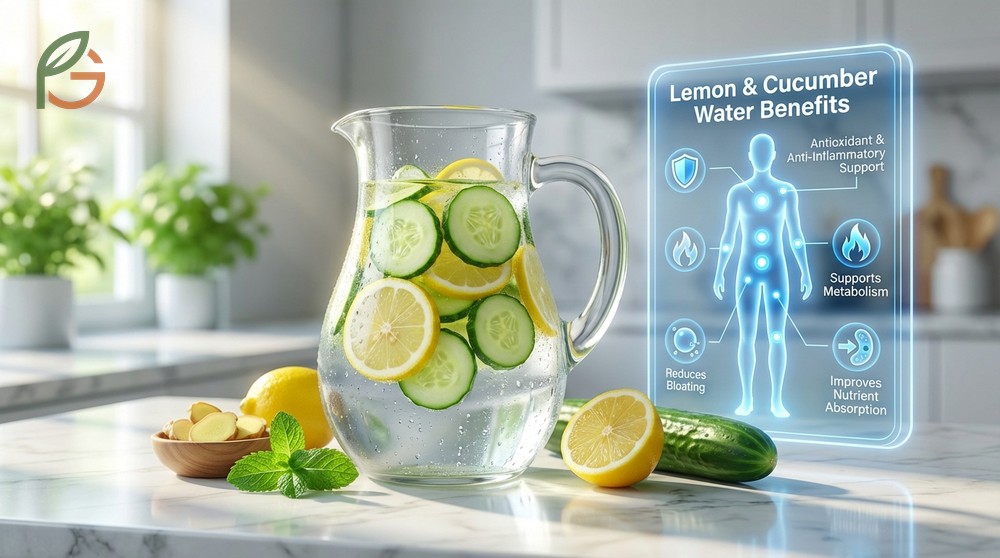
Research shows the combination of cucumber and citrus creates measurable health advantages. An NIH study concluded that cucumber-citrus extracts demonstrate effective antioxidant and anti-inflammatory activity[3].
These benefits extend beyond simple hydration. Current data indicates that regular consumption may support metabolism, reduce bloating, and improve overall nutrient absorption through better hydration status.
Antioxidant Support
Antioxidants protect your cells from oxidative stress caused by free radicals. This protection matters because oxidative damage contributes to chronic conditions and accelerated aging.
Cucumbers contain flavonoids and tannins that function as antioxidants. When paired with lemon’s vitamin C—itself a powerful antioxidant—the combination provides complementary protective effects.
Studies from PMC demonstrate that cucumber-citrus combinations can serve as alternatives to synthetic antioxidants[3]. This natural approach appeals to people seeking whole-food strategies for health maintenance.
- Vitamin C from lemons neutralizes harmful free radicals in your bloodstream
- Cucumber flavonoids reduce inflammation markers throughout the body
- Combined polyphenols support cardiovascular health by protecting blood vessel walls
- Antioxidant activity helps maintain skin elasticity and collagen structure
- Regular consumption may lower oxidative stress associated with chronic disease risk
Metabolism and Weight Management
Evidence suggests this infused water supports weight management through multiple mechanisms. The high water content promotes feelings of fullness, potentially reducing overall calorie intake at meals.
Staying properly hydrated affects your metabolic rate. Research indicates that even mild dehydration can slow metabolism by several percentage points[4].
The citric acid in lemons may influence how your body processes carbohydrates. Scientists hypothesize that lemon acidity could delay starch breakdown in the digestive tract, helping manage blood sugar responses[5].
- Zero-calorie beverage replacement for sugary drinks eliminates hundreds of daily calories
- Water volume before meals reduces hunger signals and portion sizes
- Proper hydration maintains optimal metabolic enzyme function
- Natural flavor encourages increased water consumption throughout the day
- Reduced bloating from cucumber’s diuretic properties creates a leaner appearance
- Morning consumption may support better appetite regulation for the rest of the day
Lemon Cucumber Water Side Effects
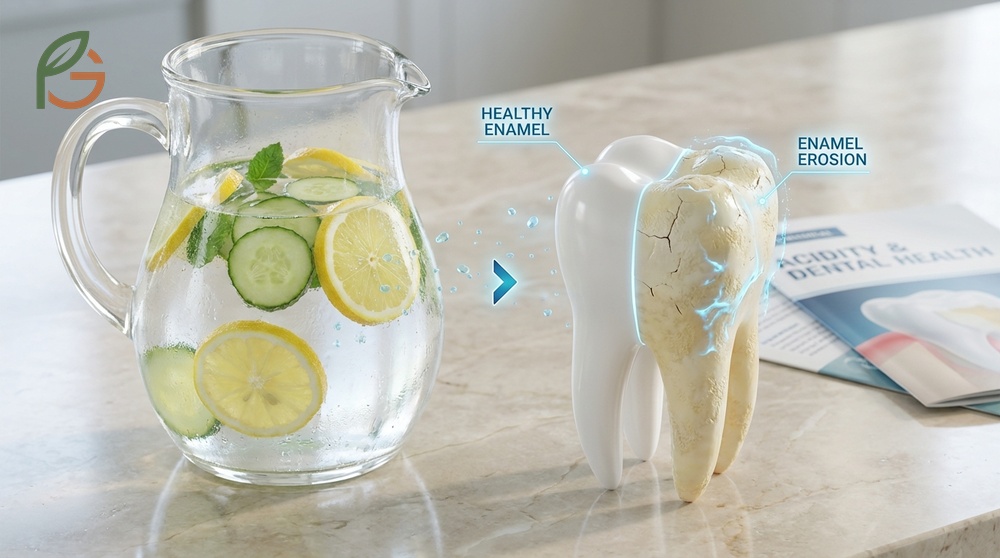
While generally safe for most people, this infused water can cause issues for individuals with certain sensitivities. The acidity from lemons creates the primary concerns.
Medical professionals note that excessive consumption may lead to tooth enamel erosion, bladder irritation, or worsened acid reflux symptoms[5]. Understanding these risks helps you consume it safely.
Tooth Enamel Concerns
Dental experts identify acidic beverages as significant contributors to enamel erosion. Lemon juice has a pH around 2-3, making it highly acidic and potentially damaging to tooth surfaces.
The enamel protecting your teeth can’t regenerate once it’s worn away. This makes prevention crucial for long-term dental health.
Dentists recommend several protective strategies[5]. Rinse your mouth with plain water after drinking lemon-infused beverages, use a straw to minimize tooth contact, and wait at least 30 minutes before brushing—immediate brushing can spread acid across tooth surfaces.
Dental Protection Tip: Chew sugar-free gum after drinking cucumber lemon water. This stimulates saliva production, which naturally neutralizes acids and helps remineralize tooth enamel.
Digestive Sensitivities
If you have gastroesophageal reflux disease (GERD) or chronic acid reflux, lemon water may worsen your symptoms. The acidic nature can increase stomach acid production and put additional pressure on the lower esophageal sphincter.
Research presents mixed evidence on this topic[5]. Some individuals report relief from mild reflux, while others experience significant symptom aggravation.
Medical professionals note that lemon water may irritate the bladder in certain people, causing increased urination frequency[5]. This effect is particularly noticeable when consumed in the evening, potentially disrupting sleep patterns.
- Tooth enamel erosion from prolonged acid exposure—risk increases with sipping throughout the day
- Acid reflux or heartburn aggravation in people with GERD or sensitive stomachs
- Frequent urination from increased fluid intake and cucumber’s mild diuretic properties
- Bladder irritation in susceptible individuals, especially with concentrated lemon amounts
- Photosensitivity concerns if applying lemon topically before sun exposure (not from drinking)
- Medication interactions—citric acid can affect absorption of certain pharmaceuticals
How to Make Lemon and Cucumber Water
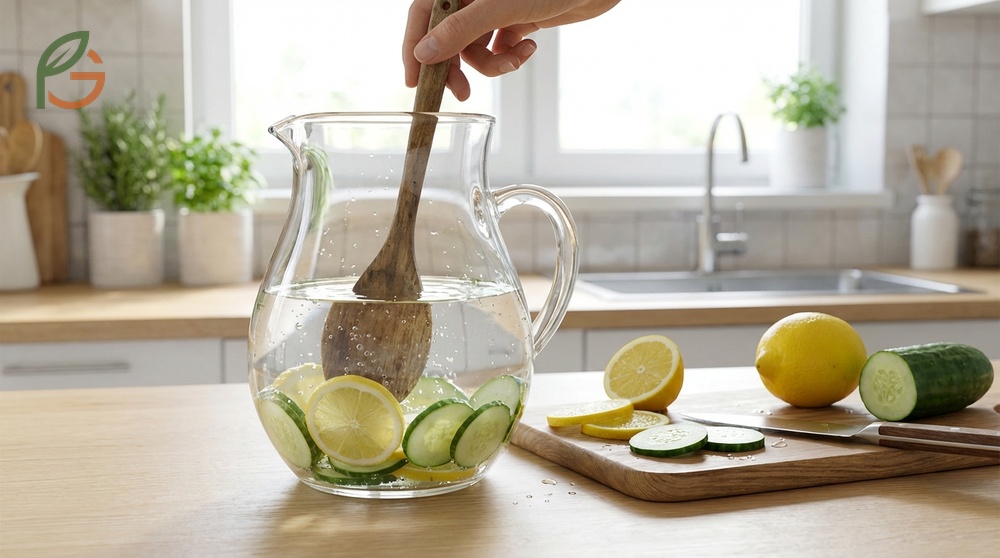
The preparation process is straightforward and requires minimal effort. You’ll need one medium lemon, half a cucumber, and 8 cups (64 ounces) of cold water.
Start by washing your produce thoroughly under running water. Thin slicing is key—it increases the surface area that contacts water, releasing more flavor compounds.
Place the sliced cucumber and lemon in the bottom of a pitcher. Use a wooden spoon to gently muddle (lightly mash) them several times[7]. This step breaks down cell walls and accelerates the infusion process.
Add cold water and refrigerate for at least 1 hour before serving[7]. For best flavor, consume within 24 hours—the taste becomes bitter if left longer as compounds continue extracting from the peel.
- Wash 1 medium lemon and 1/2 cucumber under running water to remove surface contaminants
- Slice both ingredients thinly (about 1/4 inch thickness) for maximum flavor release
- Add slices to a pitcher and muddle gently 5-6 times with a wooden spoon
- Pour in 8 cups (64 oz) cold or room temperature water—cold water yields slower infusion
- Refrigerate for minimum 1 hour, ideally 2-4 hours for stronger flavor development
- Strain before serving if you prefer no floating pieces, or leave them for visual appeal
- Store refrigerated and consume within 24 hours for optimal taste and safety
Quick Preparation Tip: If you’re short on time, use very cold water and increase the muddling. The flavor won’t be as developed but it’s drinkable immediately—useful when you need a refreshing option right away.
Detox Lemon and Cucumber Water
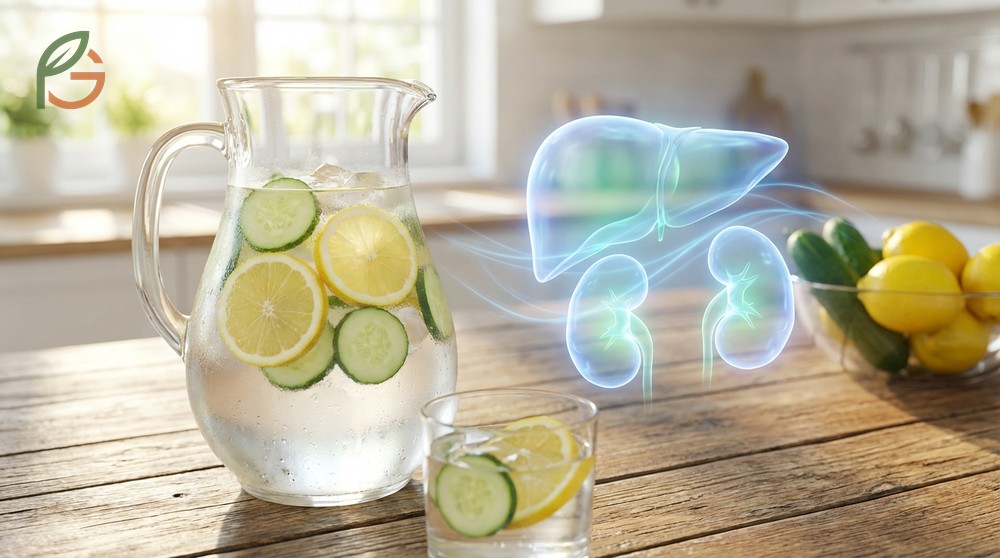
The term “detox” often appears in marketing for this beverage, but it’s worth understanding what this actually means. Your liver and kidneys already perform detoxification continuously—they don’t require special drinks to function.
That said, proper hydration does support these organs in their natural detoxification processes. When you’re well-hydrated, your kidneys filter blood more efficiently and eliminate waste products more effectively.
Research shows that staying hydrated helps your body maintain optimal pH balance and supports liver enzyme activity[4]. The vitamin C from lemons provides additional support by promoting glutathione production—a compound your liver uses during detoxification.
Cucumber’s high water content and mineral composition, particularly potassium, help maintain fluid balance and support kidney function. These are practical, measurable benefits rather than magical “detox” effects.
- Enhanced kidney filtration through improved hydration status and urine production
- Liver enzyme support from vitamin C’s role in glutathione synthesis
- Digestive system flushing through increased fluid movement in the GI tract
- Reduced water retention from potassium’s regulation of sodium-fluid balance
- Lymphatic system support through adequate hydration for toxin transport
Reality Check: No beverage can “detox” your body in the way marketing claims suggest. Your liver and kidneys handle detoxification naturally. This water simply supports those organs by keeping you well-hydrated—which is beneficial but not magical.
Conclusion
The evidence is clear: lemon and cucumber water offers practical hydration benefits backed by nutritional science. With cucumber’s 96% water content[4] and lemon’s 44.5mg vitamin C[2], this combination provides more than plain water while avoiding the calories and sugars found in commercial beverages.
Current nutritional guidance emphasizes sustainable hydration strategies that you’ll actually maintain long-term. If you’re someone who struggles with plain water, this infused option increases your likelihood of meeting daily fluid needs. Just remember to protect your tooth enamel by using a straw and rinsing with plain water afterward, and consult your healthcare provider if you have acid reflux or GERD before making it a daily habit.
Medical Disclaimer
Important Medical Disclaimer: This content is for informational and educational purposes only. It is not intended as a substitute for professional medical advice, diagnosis, or treatment. Always consult a qualified healthcare professional before making any changes to your diet, hydration routine, or health practices, especially if you have digestive conditions, dental sensitivities, or other medical concerns. Individual responses to foods and beverages vary significantly.
Frequently Asked Questions
Is lemon and cucumber water good for you?
Yes, research shows it’s beneficial for most people. Studies confirm that cucumbers provide 96% water content[4] for superior hydration, while lemons add 44.5mg vitamin C[2] per fruit. NIH research demonstrates that cucumber-citrus combinations offer antioxidant and anti-inflammatory benefits[3], making this a healthier alternative to sugary beverages.
What does lemon and cucumber water do for your body?
This infused water supports hydration, delivers antioxidants, and may help with weight management by replacing calorie-dense drinks. The high water content from cucumbers promotes optimal kidney function and waste elimination, while lemon’s vitamin C supports immune function and collagen synthesis. Evidence suggests it can reduce bloating and improve overall fluid intake consistency[4].
What are the side effects of cucumber and lemon water?
The primary side effects relate to lemon’s acidity. Dental research confirms that acidic beverages can erode tooth enamel over time[5]. Some people experience worsened acid reflux or GERD symptoms, increased urination frequency, or bladder irritation. To minimize risks, use a straw, rinse your mouth with plain water afterward, and avoid it if you have chronic digestive issues.
Should you drink lemon and cucumber water every day?
Daily consumption is generally safe for most people if you take precautions to protect your teeth. Current guidance suggests limiting intake to 1-2 glasses per day and alternating with plain water. If you have GERD, acid reflux, or sensitive teeth, consult a healthcare professional before establishing a daily routine. The benefits come from consistent hydration rather than excessive amounts.
How long should cucumber and lemon sit in water?
Recipe guidelines recommend refrigerating for at least 1 hour, with optimal flavor developing after 2-4 hours[7]. You can leave it up to 12 hours for stronger taste, but consume within 24 hours total. After that, compounds from the peel create bitter flavors and bacterial growth becomes a concern. For quick preparation, muddle the slices vigorously and use very cold water.
Does cucumber lemon water help you lose weight?
It supports weight management indirectly rather than causing direct fat loss. Research shows that replacing sugary beverages with zero-calorie alternatives eliminates hundreds of daily calories. The high water content promotes fullness, potentially reducing meal portions. Studies suggest that proper hydration maintains optimal metabolic function[4], but weight loss ultimately requires a calorie deficit through diet and activity modifications.
Can you reuse cucumber and lemon slices for water?
You can reuse them once for a second batch, but the flavor will be significantly weaker since most compounds extract during the first infusion. After 24 hours total, discard the slices regardless of how many batches you’ve made—bacterial growth and degradation make them unsafe. For consistent flavor, use fresh slices each time rather than trying to stretch ingredients.





