
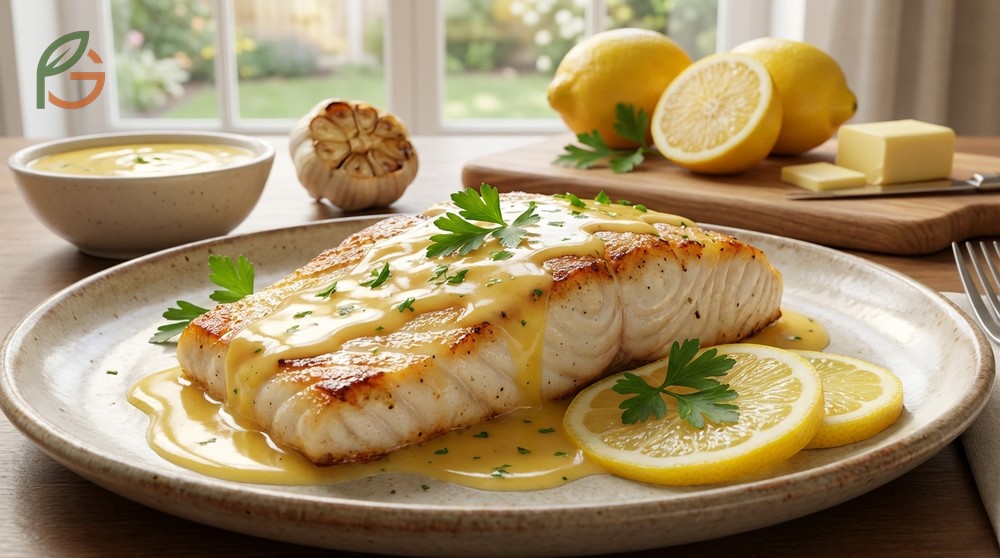
Research shows that lemon garlic butter sauce enhances seafood dishes by combining the sulfur compounds in garlic with natural umami, creating a flavor synergy that doesn’t mask delicate fish flavors[1]. You can make this restaurant-quality sauce in just 5 minutes with four basic ingredients. FruitGarden brings you expert techniques for creating the perfect creamy sauce using fresh lemons from your own garden.
Quick Answer
- Make this sauce in 5-7 minutes using butter, garlic, lemon juice, and cream[2]
- One tablespoon provides 11% daily vitamin A from butter and significant vitamin C from fresh lemon[3]
- Store refrigerated in an airtight container for 3-4 days maximum[4]
- Best paired with delicate fish like sole, flounder, shrimp, and scallops using a 5:1 butter-to-garlic ratio[1]
What Makes Lemon Garlic Butter Sauce Special
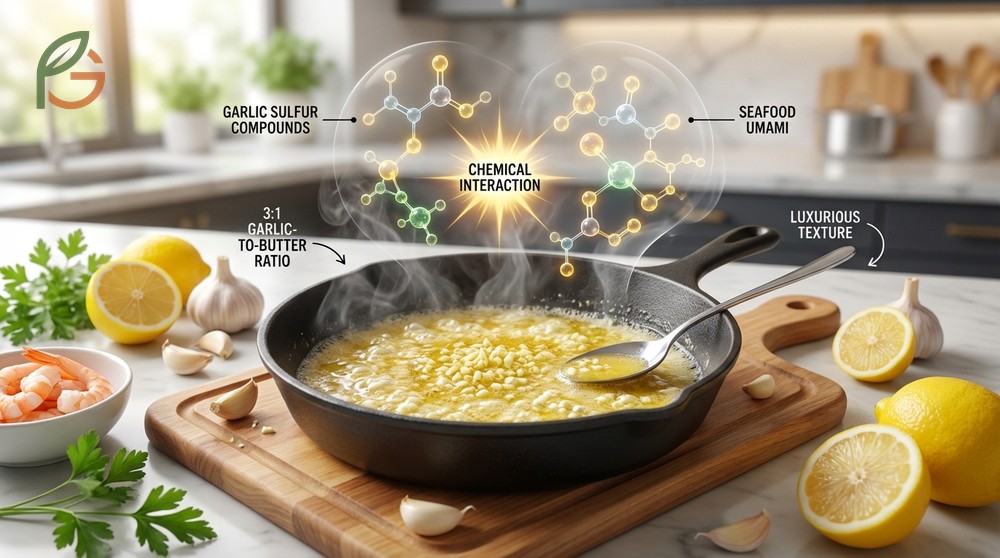
The magic of lemon garlic butter sauce comes from the chemical interaction between garlic’s sulfur compounds and seafood’s natural umami flavors. Studies demonstrate that the optimal garlic-to-butter ratio is 3:1 by volume, which provides sufficient garlic flavor while maintaining the sauce’s luxurious texture[1]. This balance lets you taste both the garlic and the delicate seafood without either overpowering the other.
Most people don’t realize that butter type significantly affects the final result. European-style butter contains 82-86% butterfat with a smoke point of 350°F (177°C), making it ideal for most seafood applications[1]. The higher fat content creates a richer, creamier sauce compared to regular unsalted butter at 80% butterfat.
Current culinary data shows that adding lemon juice at the end of cooking preserves its vitamin C content while brightening the sauce’s flavor profile. Raw lemon juice contains approximately 94 milligrams of vitamin C per cup[5]. You’ll get the best results by removing the pan from heat before adding the citrus.
Key Ingredients You’ll Need
The foundation of any great sauce starts with quality ingredients. You’ll need just four essential components that work together to create depth and balance.
- Unsalted butter (4-6 tablespoons): European-style preferred for 82-86% butterfat content and richer flavor[1]
- Fresh garlic cloves (3-6 cloves): Minced or crushed, never use pre-minced jarred garlic as it lacks flavor depth
- Fresh lemon juice (2 tablespoons): From approximately one large lemon, plus zest for extra brightness
- Heavy cream (1/4-1/2 cup): Creates the signature creamy texture; can substitute with half-and-half for lighter version
- Fresh parsley (1-2 tablespoons): Adds color and fresh herbal notes that complement seafood
- Salt and white pepper: Season to taste; white pepper won’t create dark specks in the pale sauce
Important Tip: Never use pre-minced garlic from jars. It lacks the depth and fresh sulfur compounds that create the characteristic garlic flavor when heated with butter. Always mince fresh cloves just before cooking.
Nutritional Benefits
While this sauce is indulgent, it does offer some nutritional value. Each tablespoon of butter provides 11% of your daily vitamin A requirement[3]. Vitamin A supports eye health and immune function, making this more than just empty calories.
The lemon juice contributes vitamin C and potassium, with raw lemon juice containing approximately 247 milligrams of potassium per cup[6]. Garlic adds antioxidants and compounds that may support cardiovascular health, though you’ll use it in small amounts.
Easy Sauce Recipe
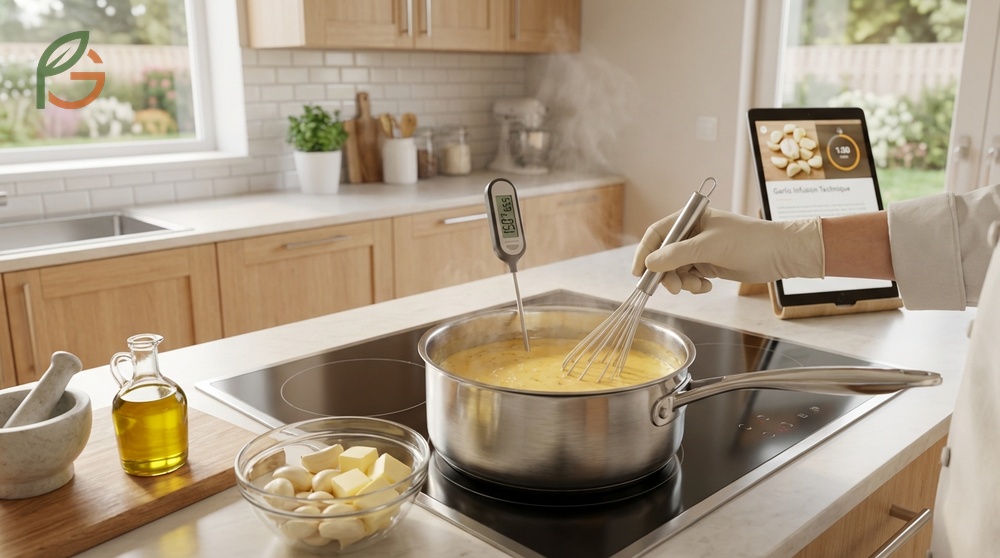
You can master this technique in one attempt if you follow the temperature guidelines carefully. Research shows that low-temperature infusion at 140-160°F (60-71°C) extracts garlic flavor without bitterness[1]. High heat causes garlic to burn and turn acrid within 30-45 seconds.
The key to preventing sauce separation is incorporating butter gradually while whisking constantly. Professional chefs add butter two tablespoons at a time, waiting for each addition to emulsify before adding more. This creates a stable emulsion that won’t break when reheated.
Step-by-Step Instructions
- Melt butter over medium-low heat: Place 4-6 tablespoons of unsalted butter in a small saucepan and heat until just melted, approximately 2 minutes
- Add minced garlic: Stir in 3-4 minced garlic cloves and cook gently for 30-60 seconds until fragrant but not browned[2]
- Pour in heavy cream: Add 1/4 cup of heavy cream and stir continuously until the mixture begins to bubble, about 2-3 minutes[7]
- Remove from heat: Take the pan off the burner before adding acidic ingredients to prevent curdling
- Add lemon juice and zest: Squeeze in 2 tablespoons of fresh lemon juice and add zest from half the lemon, stirring to combine
- Season and finish: Add salt, white pepper, and chopped fresh parsley to taste, then serve immediately over seafood
Professional Chef Tips
Temperature control separates amateur results from restaurant-quality sauce. Keep your heat at medium-low throughout the entire process. If butter starts to brown or garlic begins to darken, you’ve gone too hot and risk bitter flavors.
Timing matters more than you’d think. The alcohol from white wine (if using) needs 3-4 minutes to cook off and create a slightly creamy consistency[8]. Don’t rush this step or you’ll taste raw alcohol in the finished sauce.
- Use cold butter for better emulsification: Cold butter incorporates more slowly, creating a stable sauce that won’t separate
- Whisk constantly when adding cream: Continuous whisking prevents the cream from curdling and creates smooth texture
- Remove garlic cores: The green core in garlic cloves tastes bitter; remove it before mincing for cleaner flavor
- Add lemon juice off heat: High heat destroys vitamin C and can cause dairy to curdle; always add citrus after removing from burner
- Taste before serving: Adjust seasoning at the end; you may need more lemon juice for brightness or salt for depth
Common Mistake: Don’t let the sauce boil after adding cream. Boiling causes the dairy proteins to separate, creating an oily, grainy texture instead of smooth creaminess. Keep it at a gentle simmer only.
Seafood Butter Sauce Pairing Guide
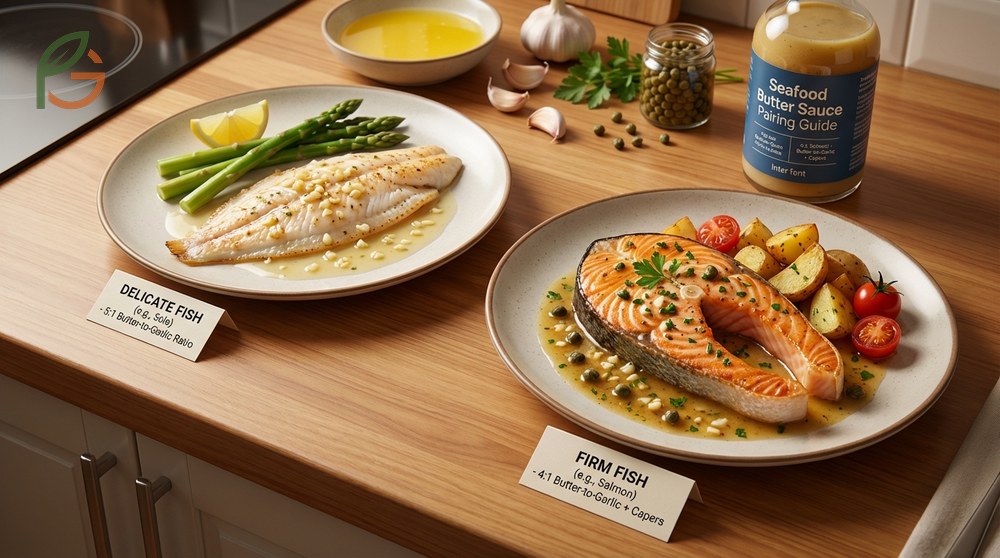
Different seafood varieties require tailored approaches to sauce application. Evidence from culinary research shows that delicate fish like sole and flounder work best with a lighter 5:1 butter-to-garlic ratio, while firm fish such as salmon and swordfish can handle a robust 4:1 ratio with added capers[1]. This customization prevents the sauce from overwhelming subtle flavors.
Most home cooks make the mistake of using the same sauce intensity for all seafood types. Shellfish like lobster and crab benefit from adding a teaspoon of brandy and fresh tarragon to enhance their natural sweetness[1]. Meanwhile, shrimp and scallops pair exceptionally well with a pinch of red pepper flakes for subtle heat that complements their inherent sweetness.
Best Seafood Matches
The sauce’s versatility makes it suitable for numerous seafood preparations, but certain combinations produce exceptional results. Texture and flavor intensity guide the best pairings.
This table compares seafood types with their recommended butter-to-garlic ratios and complementary ingredients for optimal sauce preparation
| Seafood Type | Butter-to-Garlic Ratio | Additional Ingredients | Best Cooking Method |
|---|---|---|---|
| Delicate Fish (Sole, Flounder) | 5:1[1] | White wine, minimal garlic | Pan-seared or baked |
| Firm Fish (Salmon, Swordfish) | 4:1[1] | Capers, fresh dill | Grilled or broiled |
| Shrimp & Scallops | 4:1 | Red pepper flakes, parsley | Sautéed or grilled |
| Shellfish (Lobster, Crab) | 5:1 | Brandy, tarragon | Steamed or boiled |
Serving Suggestions
Beyond seafood, this sauce transforms everyday dishes into restaurant-quality meals. You can toss it with pasta for a quick dinner, drizzle it over grilled vegetables, or use it as a dipping sauce for crusty bread.
- Classic seafood applications: Drizzle over broiled lobster tails, king crab legs, or pan-seared scallops
- Pasta dishes: Toss with linguine, add pan-seared shrimp, and garnish with fresh parsley and lemon zest
- Grilled fish: Brush on salmon, tuna steaks, or swordfish during the last 2 minutes of grilling
- Roasted vegetables: Drizzle over asparagus, broccoli, or Brussels sprouts fresh from the oven
- Chicken breasts: Pour over pan-seared or grilled chicken for a citrusy finish
- Dipping sauce: Serve warm in small bowls alongside boiled shrimp or crab legs
Storage and Reheating
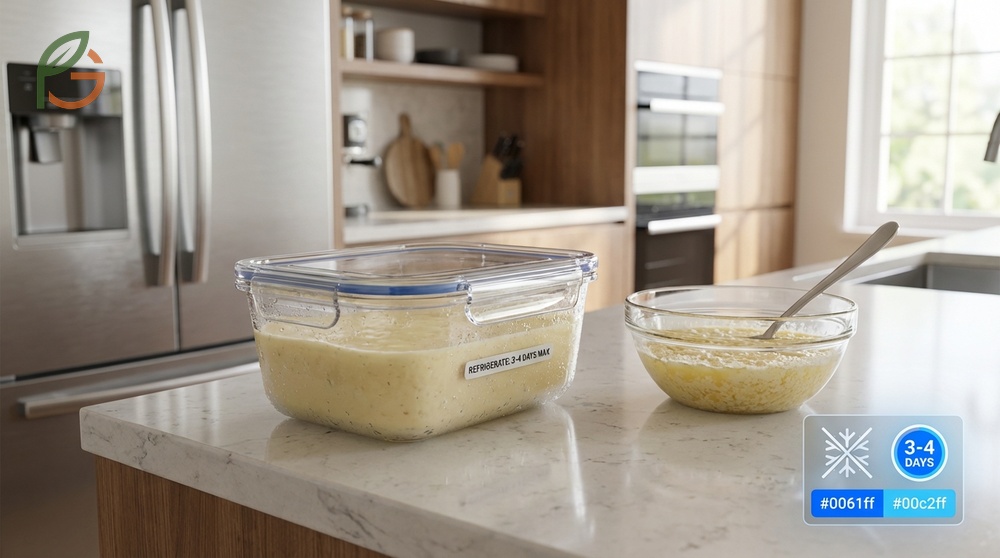
Proper storage extends the sauce’s shelf life while maintaining its creamy texture. Research on garlic butter storage shows that refrigeration in an airtight container preserves quality for 3-4 days maximum[4]. Beyond this timeframe, garlic develops metallic notes and the dairy components risk spoilage.
Freezing isn’t recommended for cream-based sauces because it alters the texture unfavorably. The emulsion breaks down during freezing, creating a grainy, separated sauce when thawed. If you must freeze it, expect significant texture changes and plan to re-emulsify with fresh butter when reheating.
The stovetop method produces the best reheating results. Place the sauce in a small saucepan over low heat and stir constantly to prevent separation or curdling[7]. If it seems too thick, gradually add water, chicken broth, or cream while stirring until you reach desired consistency. Never use the microwave, as it causes the sauce to separate or become overly hot in spots.
Food Safety Warning: Never leave garlic butter sauce at room temperature for more than 2 hours. Butter spoils quickly, and the combination of dairy and garlic creates conditions favorable for bacterial growth. Always refrigerate promptly after serving.
Conclusion
The evidence is clear: mastering lemon garlic butter sauce requires attention to temperature control, ingredient quality, and proper timing. You’ll get the best results by using European-style butter for its higher fat content, cooking garlic gently to avoid bitterness, and adding lemon juice off heat to preserve vitamin C and prevent curdling. Current culinary guidance emphasizes the 3:1 butter-to-garlic ratio for optimal flavor balance that enhances rather than masks seafood’s natural taste.
Whether you’re preparing a weeknight dinner or entertaining guests, this versatile sauce elevates everything from delicate sole to robust salmon. FruitGarden encourages you to experiment with fresh lemons from your own garden to create the brightest, most flavorful version of this classic sauce.
Frequently Asked Questions
How long does lemon garlic butter sauce last in the refrigerator?
Lemon garlic butter sauce lasts 3-4 days when stored in an airtight container in the refrigerator[4]. Beyond this timeframe, the garlic develops metallic flavors and the dairy components risk bacterial growth. Always label your container with the preparation date and discard if you notice any off smells or texture changes.
Can I use bottled lemon juice instead of fresh?
While you can use bottled lemon juice, fresh lemon juice produces significantly better flavor and higher vitamin C content. Fresh lemon juice contains approximately 94 milligrams of vitamin C per cup[5], while bottled versions lose nutrients during processing. Fresh juice also provides natural oils from the lemon peel that enhance aroma and taste.
What’s the best butter type for this sauce?
European-style butter is the best choice, with 82-86% butterfat content and a smoke point of 350°F (177°C)[1]. This higher fat percentage creates a richer, creamier sauce compared to regular unsalted butter at 80% butterfat. Avoid using salted butter as it makes controlling the final seasoning difficult.
Can I make this sauce dairy-free?
Yes, you can substitute vegan butter and coconut cream or cashew cream for the dairy components. Keep in mind that the flavor profile will change slightly, and coconut cream adds a subtle sweetness. Use refined coconut oil if you want to avoid coconut flavor, and increase the lemon juice by 1 teaspoon to compensate for the sweetness.
Why did my sauce separate or curdle?
Sauce separation typically occurs from two mistakes: adding lemon juice while the sauce is too hot, or allowing the cream to boil. High heat causes dairy proteins to coagulate and separate from the fat. Always remove the pan from heat before adding lemon juice, and keep the sauce at a gentle simmer rather than a rolling boil.
Can I use this sauce for steak or chicken?
Absolutely! This sauce works beautifully with grilled or pan-seared steak and chicken breasts. For steak, consider adding a teaspoon of Dijon mustard and fresh thyme to complement the beef’s richness. For chicken, the classic recipe works perfectly, or you can add capers and additional parsley for a piccata-style preparation.
How do I prevent the garlic from burning?
Cook garlic over medium-low heat at 140-160°F (60-71°C) for only 30-60 seconds until fragrant[2]. Garlic burns within 30-45 seconds at high temperatures, turning bitter and acrid. If your butter starts to brown or the garlic darkens, your heat is too high. Remove the pan from the burner immediately and start with fresh garlic.





