
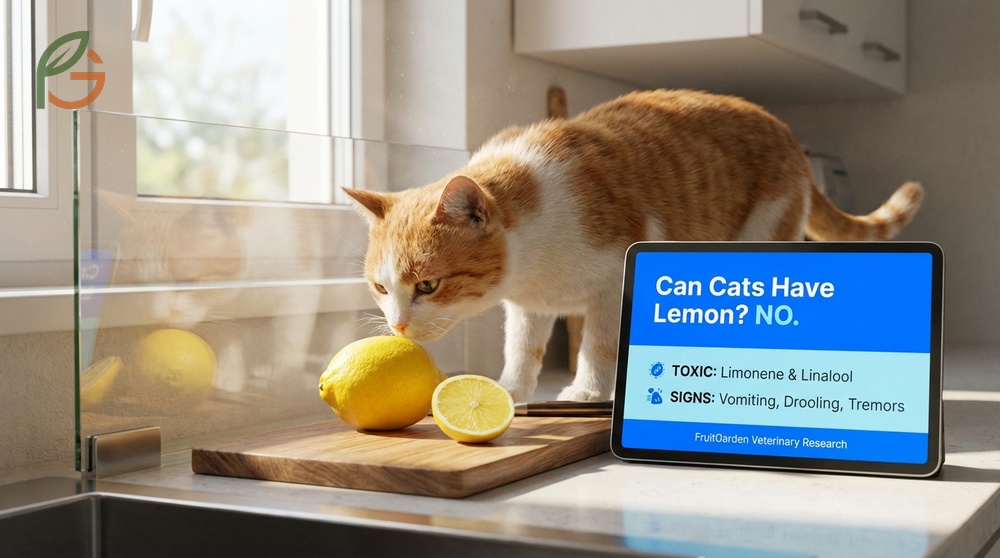
Can cats have lemon? No, lemons are toxic to cats and should never be given to them. Research shows that lemons contain essential oils like limonene and linalool, along with psoralens, which cats cannot metabolize due to missing liver enzymes[1][2]. Even small amounts can cause vomiting, drooling, and more severe symptoms like tremors or liver damage. FruitGarden synthesizes current veterinary research and toxicity data to help pet owners make informed decisions about fruit safety for their cats.
Quick Answer
Are Lemons Toxic to Cats
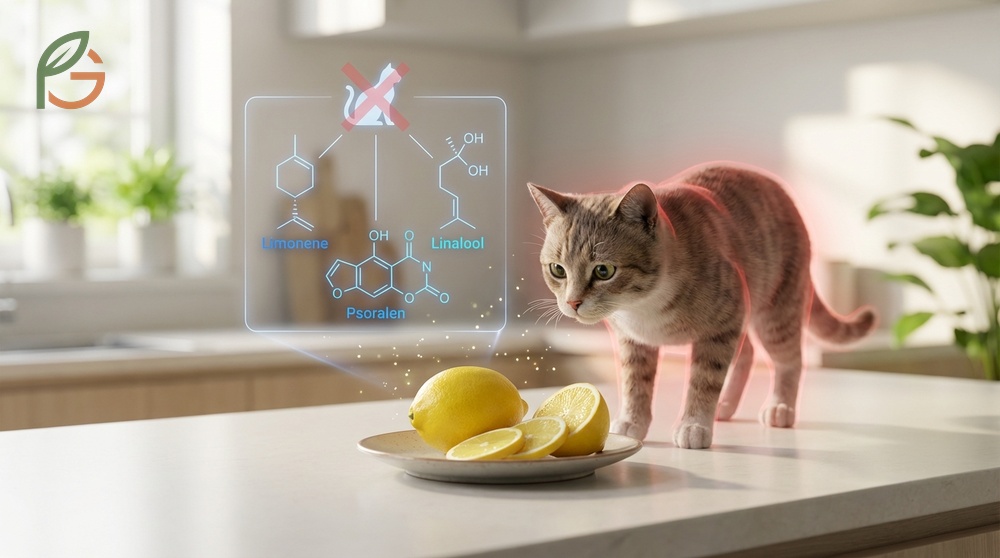
The ASPCA officially lists lemons and all citrus fruits as toxic to cats[1]. The toxic compounds affect both the digestive and nervous systems because cats lack the specific liver enzymes needed to break down these chemicals.
Lemons contain three primary toxic compounds: limonene and linalool (essential oils) plus psoralens (phototoxic chemicals)[3]. Research shows that cats cannot metabolize terpenes, ketones, and phenols found in these essential oils, leading to accumulation in the liver[5]. This enzyme deficiency makes even small amounts dangerous.
Psoralens create an additional risk through photosensitivity. When a cat’s skin contacts lemon juice or peel, sunlight exposure triggers irritation, redness, or burns. This reaction can occur hours after initial contact.
Important Warning: Don’t assume diluted lemon products are safe. Even lemon-flavored foods, cleaning products, or diffused lemon essential oils can harm cats through ingestion or skin contact.
Symptoms of Lemon Poisoning in Cats
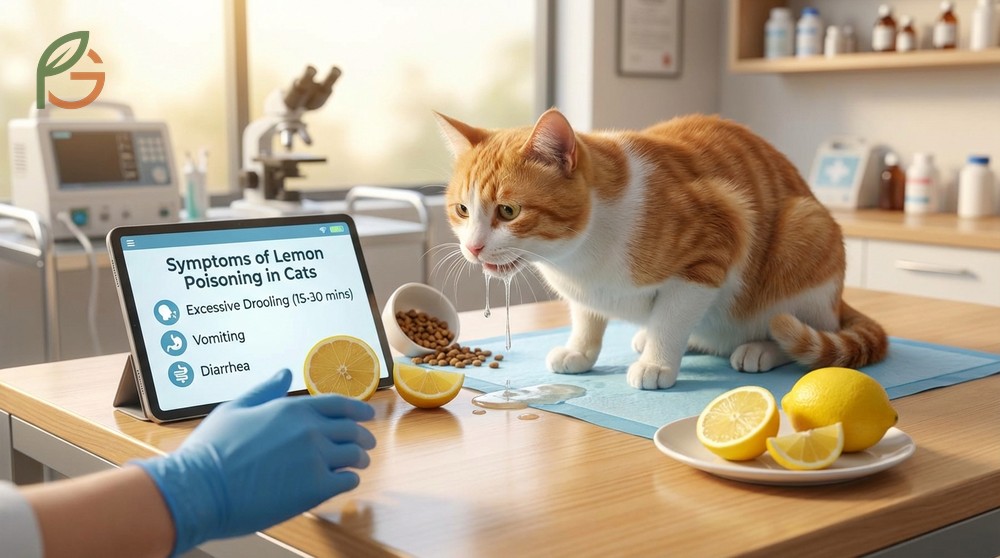
Current veterinary data shows symptoms typically appear within a few hours of lemon exposure[4]. The severity depends on the amount ingested and whether exposure was through eating, skin contact, or inhalation. Watch for both immediate gastrointestinal signs and delayed neurological effects.
Mild Symptoms
Mild lemon poisoning manifests through digestive upset. Most cats experience excessive drooling within 15-30 minutes of contact. Vomiting and diarrhea follow as the body attempts to expel the toxins.
Additional early signs include excessive pawing at the mouth or face, indicating oral irritation. Cats may also show depression or lethargy as their system struggles to process the toxic compounds.
- Excessive drooling or hypersalivation
- Vomiting or repeated gagging
- Diarrhea or loose stools
- Pawing at mouth or facial discomfort
- Lethargy or unusual tiredness
- Loss of appetite or food refusal
Severe Symptoms
Studies demonstrate that higher concentrations of essential oils increase the risk of severe poisoning[2]. Severe cases involve tremors, difficulty walking (ataxia), and respiratory distress. The cat’s nervous system becomes affected as toxins accumulate.
Life-threatening symptoms include low body temperature, low blood pressure, and potential liver failure[4]. Cold limbs signal circulation problems. In extreme cases, cats may collapse and require emergency intervention.
- Tremors or uncontrolled shaking
- Weakness or inability to stand
- Difficulty breathing or respiratory distress
- Low body temperature or cold limbs
- Collapse or loss of consciousness
- Liver failure indicators like jaundice
What to Do Immediately
Contact your veterinarian or the ASPCA Animal Poison Control Center at 1-888-426-4435 immediately if you suspect lemon exposure[1]. Don’t wait for symptoms to worsen. Time-sensitive treatment significantly improves outcomes.
Remove any remaining lemon material from your cat’s reach. If lemon juice contacted the skin, gently rinse the area with lukewarm water. Never induce vomiting without veterinary instruction, as this can cause additional complications.
Emergency Note: Keep the ASPCA Poison Control number saved in your phone. Be prepared to provide your cat’s weight, the amount of lemon exposure, and time since contact.
Essential Oils Toxic to Cats
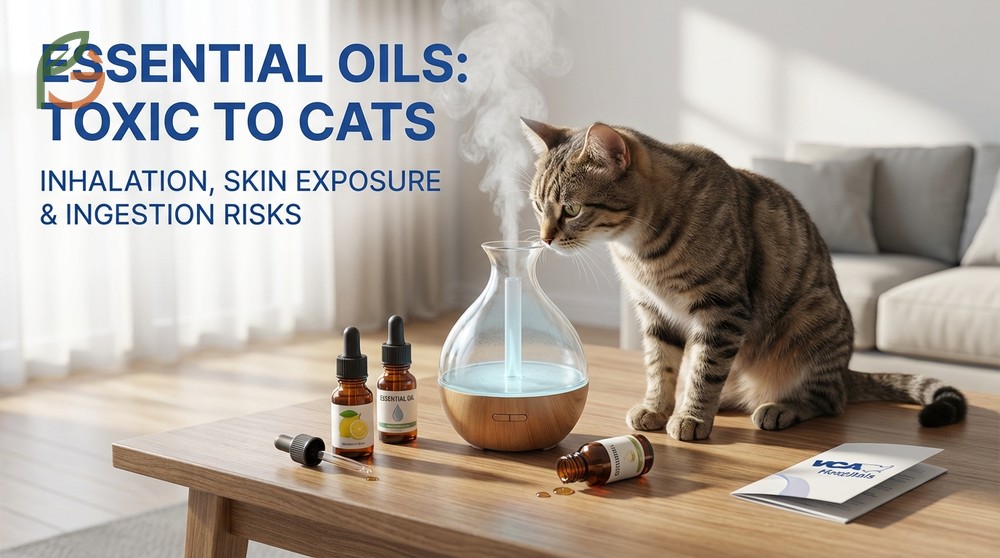
Essential oils pose a widespread toxic risk to cats beyond just lemon. VCA Hospitals confirms that cats are particularly sensitive to phenols and phenolic compounds found in many essential oils[5]. Both ingestion and skin exposure create danger. Diffusing these oils indoors also risks respiratory exposure.
Pet Poison Helpline data shows that essential oils are rapidly absorbed orally and across the skin, then metabolized in the liver[2]. Since cats lack crucial liver enzymes, they can’t eliminate these toxins effectively. Concentration matters—100% pure essential oils carry the highest risk.
Citrus-Based Oils
All citrus oils contain d-limonene, the primary toxic compound affecting cats. Lemon oil ranks among the most dangerous due to its high concentration of limonene and linalool. Orange, lime, grapefruit, and bergamot oils pose identical risks through the same toxic mechanisms.
Evidence suggests that even small amounts of citrus oil exposure can trigger drooling, vomiting, and tremors[2]. These oils appear in many household products including cleaning supplies, air fresheners, and personal care items.
Other Dangerous Oils
The ASPCA identifies ten essential oils as most toxic to cats beyond citrus varieties[5]. Tea tree oil (melaleuca) causes severe neurological symptoms. Wintergreen and sweet birch contain methyl salicylate, which produces aspirin-like toxicity in cats.
Peppermint oil affects the respiratory system while eucalyptus oil triggers severe drooling and depression. Pine oils contain terpenes that overwhelm feline liver function. Ylang ylang, cinnamon, clove, and pennyroyal round out the most dangerous oils.
- Tea tree oil (melaleuca) – causes tremors and liver damage
- Wintergreen oil – contains toxic methyl salicylate
- Peppermint oil – triggers respiratory distress
- Pine oil – high terpene content overwhelms liver
- Eucalyptus oil – causes severe drooling and weakness
- Cinnamon oil – irritates mucous membranes
- Clove oil – contains eugenol which is toxic to cats
- Ylang ylang oil – affects nervous system
- Pennyroyal oil – extremely hepatotoxic
- Sweet birch oil – similar toxicity to wintergreen
Household Safety Tip: Check ingredient labels on cleaning products, candles, potpourri, and diffusers. Replace essential oil-based products with cat-safe alternatives when possible.
Citrus Spray for Cat Repellent
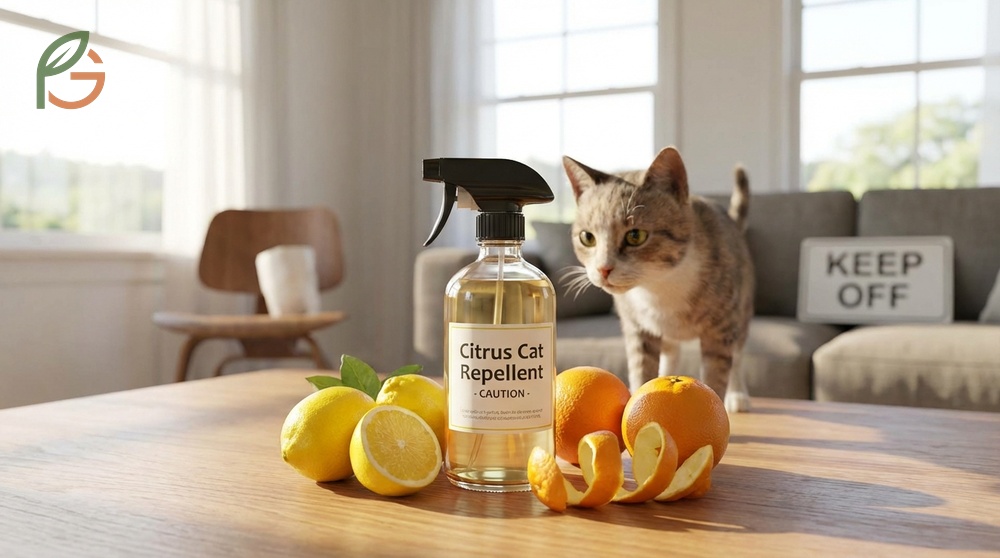
Citrus sprays work as cat repellents because cats naturally avoid citrus scents. However, using these sprays requires extreme caution to prevent accidental poisoning. The same compounds that make lemons toxic also make them effective deterrents.
Research shows diluted citrus sprays can keep cats away from furniture or garden areas when applied to surfaces they can’t directly contact. The key is preventing your cat from walking through wet spray, licking treated surfaces, or inhaling concentrated mist. Veterinary guidance emphasizes that what repels cats can also poison them.
Safe application means spraying only outdoor areas or furniture your cat doesn’t directly touch. Allow surfaces to dry completely before allowing cat access. Never spray citrus solutions directly on cats or in areas where they eat, sleep, or groom themselves.
- Apply only to outdoor surfaces or furniture cats don’t contact directly
- Let all sprayed areas dry completely before cat access
- Avoid spraying near food bowls, water dishes, or litter boxes
- Never spray directly on cats or their bedding
- Ventilate rooms thoroughly after indoor application
- Monitor cats for any signs of respiratory irritation
- Consider safer alternatives like motion-activated deterrents
Safer Alternative: Motion-activated air sprays or ultrasonic deterrents provide effective cat repellent without toxic chemical exposure. These options eliminate poisoning risk entirely.
Fruits Safe for Cats

While lemons and citrus fruits are dangerous, cats can safely enjoy several other fruits in moderation. PetMD confirms that certain fruits provide vitamins, antioxidants, and fiber that support feline health[6]. The key is offering small amounts as occasional treats, not dietary staples.
Current veterinary guidance emphasizes that cats are obligate carnivores who get primary nutrition from meat. Fruit should never exceed 10% of daily caloric intake. Always remove seeds, pits, and peels before offering fruit to prevent choking or toxin exposure.
Preparation matters as much as selection. Wash all fruit thoroughly, cut into small bite-sized pieces, and introduce new fruits gradually. Monitor your cat for digestive upset when trying any new food.
- Apples (seedless, no core) – provide vitamin C and fiber[6]
- Bananas – contain potassium and vitamins B6 and C[6]
- Blueberries – high in antioxidants and fiber
- Strawberries – offer vitamin C and manganese[6]
- Watermelon (seedless, no rind) – helps with hydration[6]
- Cantaloupe – provides vitamins A and C
- Mango (no pit or skin) – supports immune health[6]
- Pineapple (fresh, small pieces) – contains digestive enzymes
This table compares toxic fruits that cats must avoid with safe fruit alternatives, including specific toxic compounds and nutritional benefits
| Toxic Fruits (Avoid) | Toxic Compound | Safe Alternatives | Key Benefits |
|---|---|---|---|
| Lemons/Limes | Limonene, linalool, psoralens[3] | Blueberries | Antioxidants, vitamin C, fiber |
| Oranges/Grapefruits | D-limonene, citric acid | Strawberries | Vitamin C, folate, manganese[6] |
| Grapes/Raisins | Unknown toxin (kidney failure) | Watermelon | Hydration, vitamins A and C[6] |
| Cherries | Cyanide in pits | Bananas | Potassium, vitamin B6[6] |
Conclusion
The evidence is clear: can cats have lemon has only one answer—absolutely not. Lemons and all citrus fruits contain toxic compounds that cats cannot safely metabolize, making even small exposures potentially dangerous. Current veterinary guidance emphasizes keeping all lemon products, essential oils, and citrus-based cleaners away from cats.
Instead of risking lemon exposure, offer your cat safe fruit alternatives like blueberries or small banana pieces as occasional treats. FruitGarden synthesizes research from veterinary sources and poison control centers to help you make informed choices about fruit safety for all your pets.
Medical Disclaimer
Important Veterinary Disclaimer: This content is for informational and educational purposes only. It is not intended as a substitute for professional veterinary advice, diagnosis, or treatment. Always consult a qualified veterinarian before making any changes to your cat’s diet or if you suspect poisoning. If your cat has ingested lemon or shows signs of toxicity, contact your veterinarian or the ASPCA Animal Poison Control Center at 1-888-426-4435 immediately.
Frequently Asked Questions
Can cats eat lemon in any amount safely?
No, cats cannot safely eat lemon in any amount. Even a small lick or nibble can cause toxic reactions because cats lack the liver enzymes needed to metabolize limonene, linalool, and psoralens found in lemons. The ASPCA confirms all parts of lemons—juice, flesh, peel, and seeds—are toxic to cats.
What happens if my cat licks lemon juice?
If your cat licks lemon juice, watch for immediate symptoms like excessive drooling, pawing at the mouth, vomiting, or diarrhea within a few hours. Contact your veterinarian right away, even if symptoms seem mild. Quick intervention prevents more serious complications like tremors or liver damage from developing.
Are lemon peels more toxic than lemon juice?
Yes, lemon peels contain higher concentrations of essential oils (limonene and linalool) than lemon juice, making them more toxic. The peel’s concentrated oils pose greater risk for severe poisoning symptoms. However, both peels and juice are dangerous and should be kept completely away from cats.
Can I use lemon-scented cleaning products around cats?
Use lemon-scented cleaning products with extreme caution around cats. Even if products don’t contain real lemon, synthetic fragrances can irritate respiratory systems. If using these cleaners, ensure proper ventilation and keep cats out of treated rooms until surfaces dry completely. Consider switching to fragrance-free or cat-safe alternatives.
How long does lemon poisoning take to show symptoms?
Lemon poisoning symptoms typically appear within a few hours of exposure, with mild signs like drooling and vomiting showing up first. Severe symptoms such as tremors, difficulty walking, or respiratory distress may develop 6-12 hours after ingestion. Contact your veterinarian immediately after any lemon exposure rather than waiting for symptoms.
Is lemon essential oil safe to diffuse around cats?
No, diffusing lemon essential oil is not safe around cats. The airborne oil particles can cause respiratory irritation, difficulty breathing, and systemic poisoning when inhaled. Cats are extremely sensitive to essential oils, and even diffused oils accumulate in their system over time, potentially causing liver damage.
What fruits can I give my cat instead of lemon?
Safe fruit alternatives to lemon include small amounts of seedless apple, banana, blueberries, strawberries, and seedless watermelon. These fruits provide vitamins and antioxidants without toxic compounds. Always remove seeds, pits, and peels, cut fruit into small pieces, and limit fruit to 10% or less of your cat’s daily diet since cats are obligate carnivores.





