
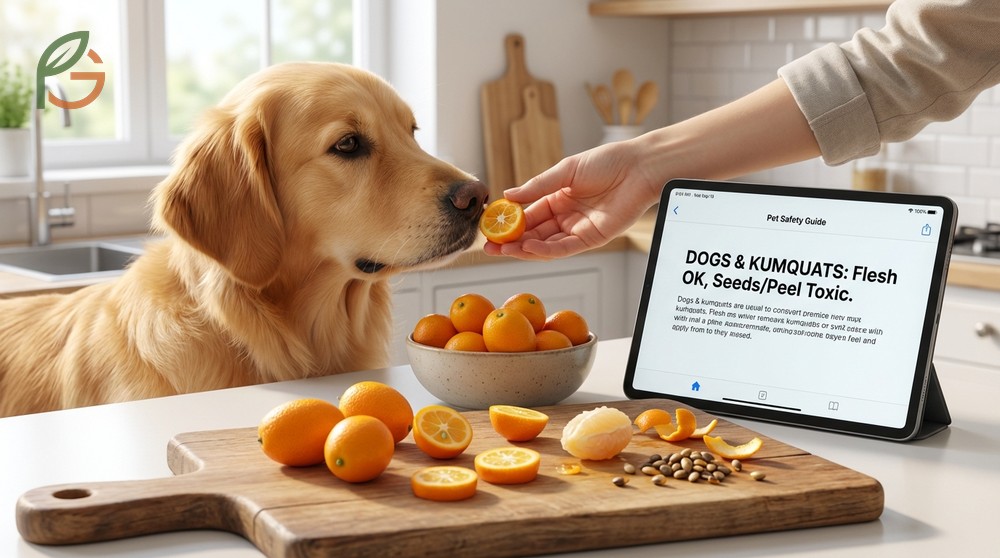
Can dogs eat kumquats? Yes, but only in very small amounts. Research shows that kumquat flesh isn’t toxic to dogs, but the fruit’s high acidity and natural sugars can cause stomach upset[1]. What many pet owners don’t realize is that kumquat seeds and peels contain essential oils—like limonene and linalool—that can irritate your dog’s digestive system[2]. FruitGarden synthesizes current veterinary research to help you make informed decisions about which fruits are safe for your furry friends.
Quick Answer
- Kumquats aren’t toxic, but they’re not ideal treats—1-2 small pieces maximum for medium to large dogs[3]
- Remove all seeds and peels before offering—they contain essential oils that cause stomach irritation[4]
- High acidity can trigger vomiting, diarrhea, or gastritis in sensitive dogs[1]
- Safer alternatives include blueberries, apples (seedless), and watermelon[5]
Can Dogs Eat Kumquats

Kumquats fall into a gray area for dog treats. Studies show that citrus fruit flesh isn’t toxic to dogs, but it’s not without risks[6]. The main concern is that kumquats contain compounds called psoralens and high levels of citric acid, which can easily upset your dog’s stomach.
Unlike larger citrus fruits, kumquats pack everything into a 20-gram package[6]. This means the peel-to-flesh ratio is higher, increasing exposure to essential oils. If your dog accidentally swallows a whole kumquat, you’re looking at potential choking hazards plus concentrated citrus oils that weren’t meant for canine digestion.
Research indicates many dogs have citrus sensitivity that makes them more vulnerable to digestive upset[7]. When you combine high acidity with natural sugars, you’ve got a recipe for diarrhea and vomiting. Puppies and dogs with existing stomach issues should avoid kumquats entirely.
Why Kumquats Aren’t Ideal for Dogs
Current veterinary guidance emphasizes that dogs don’t need fruit in their diet—they get complete nutrition from quality dog food. Kumquats present more risks than benefits because of their acidic profile and small size.
The sugar content is another concern. Even though kumquats contain natural sugars, regular consumption can lead to obesity and increase diabetes risk in dogs[1]. This matters because weight gain happens quickly in smaller breeds, and kumquats offer minimal nutritional payoff compared to dog-specific treats.
- High citric acid content irritates stomach lining and causes gastritis
- Small, round shape creates choking risk, especially for small breeds
- Natural sugars contribute to weight gain and blood sugar spikes
- Essential oils in peel cause nausea and digestive distress
- Seeds may contain trace cyanogenic compounds that accumulate with repeated exposure
Important Note: If your dog has diabetes, pancreatitis, or inflammatory bowel disease, avoid kumquats completely. The combination of sugar and acid can trigger serious flare-ups.
Toxic Compounds in Kumquat Peels
Kumquat peels contain concentrated essential oils—specifically limonene, linalool, and psoralens—that cause problems when ingested by dogs[2]. Limonene affects kidney function and causes skin irritation. Linalool triggers gastrointestinal upset and, in larger amounts, can lead to depression and ataxia.
What makes these compounds particularly dangerous is that they metabolize in the dog’s liver, creating toxic byproducts[2]. Even small exposures can build up over time if you’re regularly giving your dog kumquat peels. Psoralens add another layer of risk by causing photosensitivity—meaning your dog’s skin becomes more vulnerable to sunburn after consumption.
Can Dogs Eat Kumquats Skin
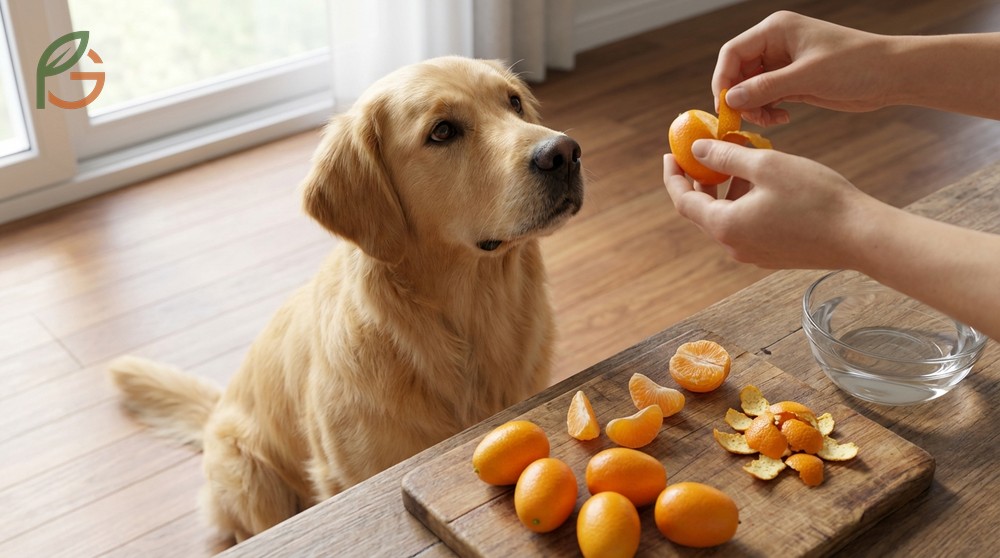
The short answer is no. Kumquat skin should always be removed before offering any flesh to your dog. Unlike humans who eat kumquats whole for the sweet-tart flavor combination, dogs can’t safely process the peel’s essential oils.
Evidence shows that citrus peels have the highest concentration of limonene and other potentially harmful compounds[8]. When your dog eats kumquat skin, these oils coat the stomach lining and cause immediate irritation. Symptoms typically appear within 30 minutes to 2 hours and include excessive drooling, nausea, and restlessness.
Research across multiple veterinary sources confirms that even small amounts of citrus peel can trigger reactions in sensitive dogs[9]. It’s not worth the risk when there are dozens of safer fruit options available.
Essential Oils in Kumquat Peel
Citrus essential oils are particularly dangerous because they’re fat-soluble, meaning they absorb quickly through the digestive tract and accumulate in fatty tissues. Concentrated oils can cause burns to the mouth and stomach if swallowed[9].
These oils also cause breathing problems if inhaled, especially in dogs with existing respiratory issues. Without quick treatment, severe cases can lead to liver damage or organ failure. Most dogs will recover with supportive care, but prevention is always better than emergency vet visits.
- Limonene: causes kidney issues, skin irritation, and depression at high doses
- Linalool: triggers gastrointestinal upset, tremors, and weakness
- Psoralens: create photosensitivity and skin reactions when combined with sun exposure
- Citral: irritates mucous membranes and causes respiratory distress
- Geraniol: contributes to nausea, vomiting, and contact dermatitis
Safe Preparation Methods
If you’re determined to share kumquats with your dog, proper preparation is critical. Start by washing the fruit thoroughly to remove any pesticides or residue. Peel the kumquat completely, removing all the white pith along with the colored skin.
Cut the flesh into small pieces—no larger than your dog’s kibble—and remove every seed. Seeds pose both choking hazards and contain compounds that aren’t safe for dogs. Offer just one small piece initially and watch for any adverse reactions over the next 2-3 hours.
Pro Tip: Always introduce new foods in the morning so you can monitor your dog throughout the day. If digestive issues develop, you’ll catch them before bedtime.
How to Eat Kumquat
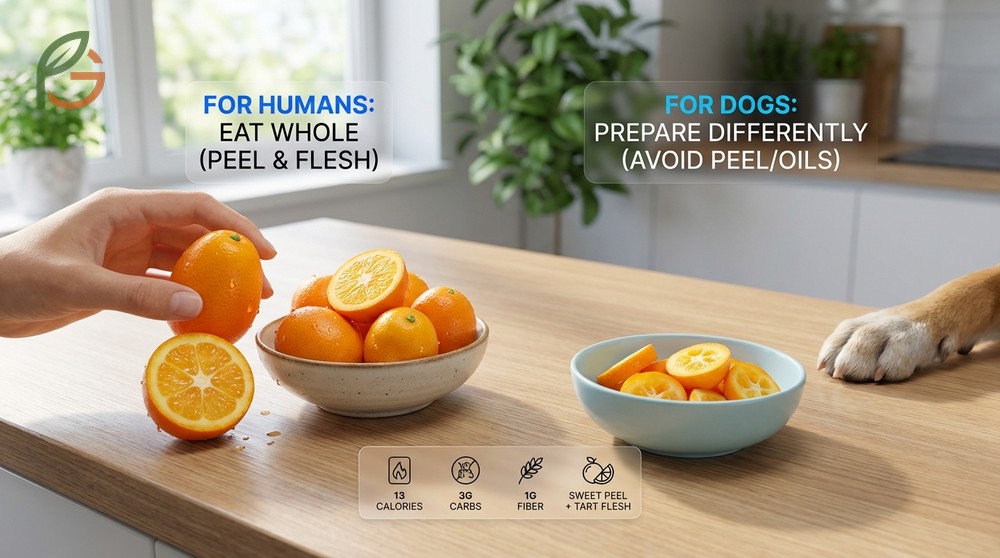
For humans, kumquats are typically eaten whole—skin and all. The peel provides sweetness while the flesh delivers tart citrus flavor. But this eating method doesn’t translate to dogs. Your dog needs kumquats prepared differently to avoid the essential oil risks.
Current data shows that kumquats contain 13 calories per fruit with 3 grams of carbohydrates and 1 gram of fiber[10]. While this nutritional profile works for humans, dogs get better nutrition from fruits specifically safe for them. If you’re looking to add variety to your dog’s diet, stick with proven options like blueberries or apple slices.
The preparation process for dogs requires removing both peel and seeds, which eliminates much of what makes kumquats appealing to humans. At that point, you’re left with small amounts of tart citrus flesh that most dogs won’t even enjoy.
Citrus Toxicity and Upset Stomach Remedies

If your dog accidentally eats kumquat—especially with peel or seeds—watch for symptoms of citrus toxicity. Warning signs include vomiting, diarrhea, excessive drooling, lethargy, and loss of appetite. These symptoms typically appear within 30 minutes to 6 hours after consumption.
Research shows that mild cases resolve on their own within 12-24 hours[11]. For moderate stomach upset, veterinarians recommend withholding food for 12 hours to let the digestive system rest. Keep water available to prevent dehydration—small amounts every 30 minutes work best.
After the fasting period, introduce a bland diet of boiled chicken and white rice in a 1:2 ratio. This combination is easy to digest and provides essential protein without stressing the stomach[12]. Feed small portions every 3-4 hours rather than one large meal.
- Withhold food for 12 hours while maintaining hydration with small water portions
- Offer bland diet of boiled chicken and white rice in 1:2 ratio
- Provide electrolyte solution designed for dogs to restore mineral balance
- Add pumpkin puree (not pie filling) for extra fiber to firm up stool
- Give probiotics to restore healthy gut bacteria and aid digestion
- Monitor closely for 24-48 hours and contact vet if symptoms worsen
Warning: Contact your veterinarian immediately if your dog shows severe symptoms like continuous vomiting, bloody diarrhea, extreme lethargy, or difficulty breathing. These signs indicate serious toxicity that requires professional treatment.
Fruits Safe for Dogs

Instead of risking kumquats, choose fruits that veterinarians consistently recommend as safe for dogs. Current veterinary guidance emphasizes fruits with lower acidity, minimal seeds, and proven digestibility[5].
Blueberries top the list because they’re bite-sized, low in calories, and packed with antioxidants. Apples (with core and seeds removed) provide fiber and help clean teeth. Watermelon offers hydration on hot days—just remove all seeds and rind first[13].
These alternatives don’t just avoid kumquat risks—they deliver real nutritional benefits without the digestive upset. Most dogs love the natural sweetness, making them perfect training treats or occasional rewards.
This table compares five dog-friendly fruits with preparation requirements, key benefits, and typical serving sizes for medium dogs
| Fruit | Preparation | Benefits | Serving Size (Medium Dog) |
|---|---|---|---|
| Blueberries | Wash thoroughly, serve whole | High antioxidants, low calories | 5-10 berries |
| Apples | Remove core and seeds, cut into chunks | Fiber, vitamin C, teeth cleaning | 2-3 slices |
| Watermelon | Remove seeds and rind, cube flesh | Hydration, vitamin A | 3-4 small cubes |
| Strawberries | Remove leaves, cut in half | Fiber, malic acid for teeth | 2-3 berries |
| Bananas | Peel, cut into coins | Potassium, easy to digest | 3-4 slices |
- Blueberries: antioxidant-rich, perfect training treat size, no prep needed
- Apples: high fiber content supports digestion, removes plaque during chewing
- Watermelon: 92% water content keeps dogs hydrated on hot days
- Strawberries: contains malic acid that naturally whitens teeth
- Bananas: easy to digest, provides quick energy from natural sugars
- Cantaloupe: loaded with vitamins A and C, low calorie option
- Pineapple: contains bromelain enzyme that may aid digestion
Conclusion
The evidence is clear: while can dogs eat kumquats technically has a “yes” answer, it’s a qualified yes with significant caveats. The flesh isn’t toxic, but the combination of high acidity, essential oils in the peel, choking hazards from seeds, and minimal nutritional benefit makes kumquats a poor choice for dog treats.
Current veterinary guidance emphasizes choosing fruits specifically proven safe for canine digestion. When you’ve got options like blueberries, apples, and watermelon that dogs actually enjoy and benefit from, there’s no reason to risk the stomach upset that kumquats often cause. FruitGarden recommends sticking with established safe fruits and saving kumquats for your own snacking.
Medical Disclaimer
Important Medical Disclaimer: This content is for informational and educational purposes only. It is not intended as a substitute for professional veterinary advice, diagnosis, or treatment. Always consult a qualified veterinarian before making any changes to your dog’s diet, especially if your pet has existing health conditions, allergies, or digestive sensitivities. If your dog shows signs of illness after eating kumquats or any other food, contact your veterinarian immediately.
Frequently Asked Questions
Are kumquats toxic to dogs?
No, kumquats aren’t toxic, but they’re not recommended. The flesh is safe in very small amounts, but the peel contains essential oils like limonene and linalool that can cause stomach upset, vomiting, and diarrhea. Seeds pose choking hazards and may contain trace toxic compounds.
What happens if my dog eats a whole kumquat?
If your dog eats a whole kumquat—including peel and seeds—watch for symptoms like vomiting, diarrhea, excessive drooling, or lethargy within 30 minutes to 6 hours. Most cases resolve within 12-24 hours with supportive care. Contact your vet if symptoms are severe or don’t improve within 24 hours.
Can puppies eat kumquats?
No, avoid giving kumquats to puppies. Their digestive systems are more sensitive than adult dogs, making them more vulnerable to the high acidity and essential oils in kumquats. Stick with puppy-safe fruits like small amounts of blueberries or banana once they’re eating solid food.
How much kumquat can I safely give my dog?
If you choose to offer kumquat, limit it to 1-2 small pieces of flesh only (peel and seeds removed) for medium to large dogs. Small dogs should have even less—just a tiny taste. It’s better to offer safer fruit alternatives that don’t carry the same digestive risks.
What fruits are safer alternatives to kumquats for dogs?
Veterinarians consistently recommend blueberries, apples (without core or seeds), watermelon (seedless), strawberries, and bananas as safe fruit treats for dogs. These options provide better nutrition, lower acidity, and fewer digestive risks compared to kumquats.
Why is kumquat peel dangerous for dogs?
Kumquat peels contain concentrated essential oils—specifically limonene, linalool, and psoralens—that metabolize in your dog’s liver and create toxic byproducts. These compounds cause stomach irritation, can damage kidney function, and may lead to photosensitivity or more serious health issues with repeated exposure.
What should I do if my dog has an upset stomach from eating kumquats?
For mild stomach upset, withhold food for 12 hours while keeping water available in small amounts. After fasting, introduce a bland diet of boiled chicken and white rice. If symptoms persist beyond 24 hours or worsen—especially bloody diarrhea, continuous vomiting, or extreme lethargy—contact your veterinarian immediately.





